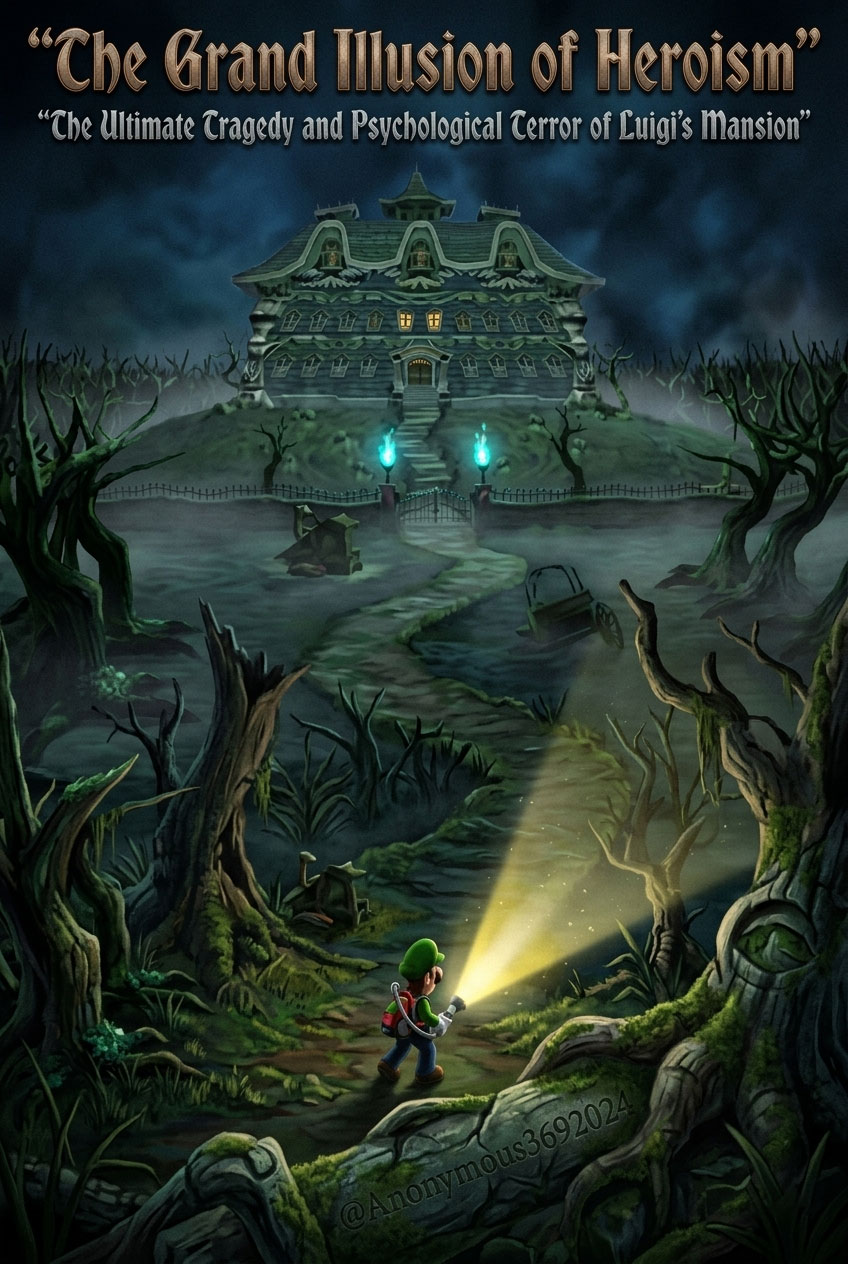
Luigi's Mansion: The Fake Prize That Turned Fear Into Nintendo's Strangest Rescue

Luigi follows a contest letter into Boo Woods and finds a house that should not exist. Mario's disappearance, the Poltergust 3000, and the Portrait Ghosts turn a fake prize into a story about fear, loyalty, and endurance.

Luigi's Mansion: The Fake Prize That Turned Fear Into Nintendo's Strangest Rescue
The Luigi's Mansion Video Game • Original Title: Ruîji Manshon • Released: 2001 • Rating: [ [Rated-E] ] • Duration: ~6h (Main Storyline) • Action-Adventure • Distributed by: Nintendo • Produced by: Nintendo EAD • Directed by: Hideki Konno

The Verdict: A Launch Game That Aged Into a Haunted Cult Classic

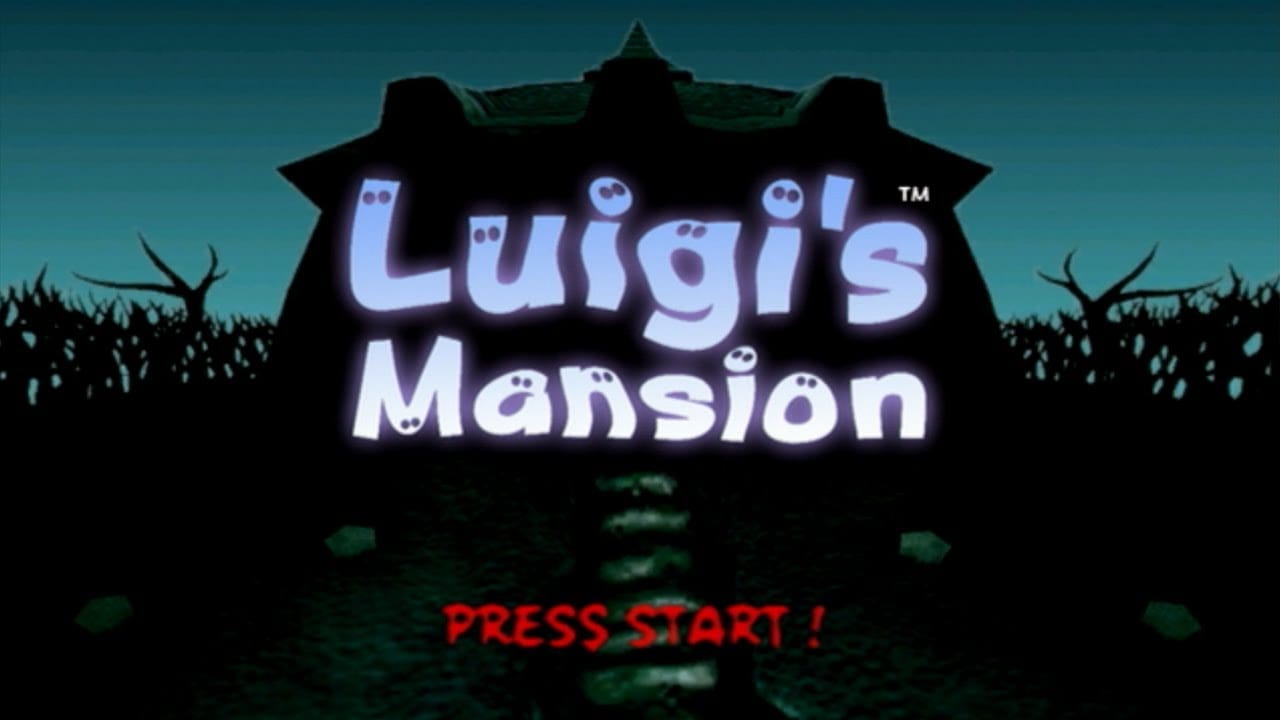
Luigi's Mansion should not work as well as it does. It was a GameCube launch title built around Mario's nervous brother, a vacuum cleaner, a fake contest, and a haunted house that appears where a prize mansion should be. On paper, that sounds like a charming experiment. In practice, it became one of Nintendo's strangest and most memorable identity shifts.

The original game is short, odd, and mechanically smaller than the Mario adventures people expected from a new console. That limitation is real. It also helps. Luigi's Mansion feels like one long night inside a house with a bad secret. It does not need a giant world map. It needs corridors, locked doors, candlelight, portraits, and Luigi quietly losing confidence in real time.

Its greatness is not scale. Its greatness is atmosphere with purpose.

What the Game Is Actually Saying

The deeper subject is reluctant courage. Luigi wins a mansion in a contest he never entered, then discovers Mario has vanished inside it. That one premise turns a gag into a trap. The prize is bait. The house is a performance. King Boo has built a stage where Luigi's fear, loyalty, and dependency on Mario can all be tested room by room.

This matters because Luigi does not become heroic by pretending not to be afraid. He is afraid in almost every animation. He calls for Mario. He shakes when the room is still hostile. He hums the theme more confidently after danger clears, as if bravery needs a soundtrack to keep from falling apart.

That emotional design gives the game its staying power. Luigi's Mansion is not about conquering fear in the clean heroic sense. It is about functioning while fear is still present. Luigi does not turn into Mario. He saves Mario by staying Luigi.

The Mansion as a Character

The mansion is the star. Its rooms feel less like generic levels and more like fragments of old lives: nursery, study, conservatory, dining room, billiards room, bathroom, roof, basement, gallery. The Portrait Ghosts give the house personality because they are not just enemies. They are little sealed stories. Neville reads. Lydia fixes her hair. Chauncey throws a tantrum. Shivers wanders with a candle. Melody waits near the piano. Mr. Luggs eats like shame has become a meal.

That structure makes exploration feel intimate. You are not clearing zones. You are disturbing private rooms and reading the emotional residue left behind. Nintendo keeps the tone playful enough for younger players, but the underlying idea is surprisingly gothic: a house full of trapped identities, rituals, habits, and rooms that still remember their owners.

The Poltergust 3000 turns that gothic premise into physical comedy. Catching ghosts feels awkward in the best way. Luigi pulls, slides, resists, and gets dragged around while the vacuum screams. It is combat as panic management. The controls are not always graceful, and the game can feel stiff by modern standards, but the friction makes the encounters memorable. You are not a superhero. You are a terrified man fighting a room with a household appliance.

What Works, What Shows Its Age

What works is the mood. The lighting, music, mirrors, dust, exaggerated animation, and tiny environmental interactions make the mansion feel handmade. Luigi's nervous humming remains one of the best character details Nintendo has ever used. It tells you whether the room is safe, but it also tells you how hard Luigi is trying to keep himself together.

The game's compactness is both strength and weakness. It is focused, replayable, and cleanly paced, but it can also feel brief. Some ghosts are more memorable than others, and the moment-to-moment vacuum combat does not have the variety later entries would build. The camera and controls can feel like a product of their era, especially for players meeting the game long after the GameCube.

Still, that era-specific texture is part of its charm. Luigi's Mansion feels like Nintendo experimenting in a corridor it rarely visits: a mascot horror comedy where the fear is soft enough for families but sincere enough to matter.

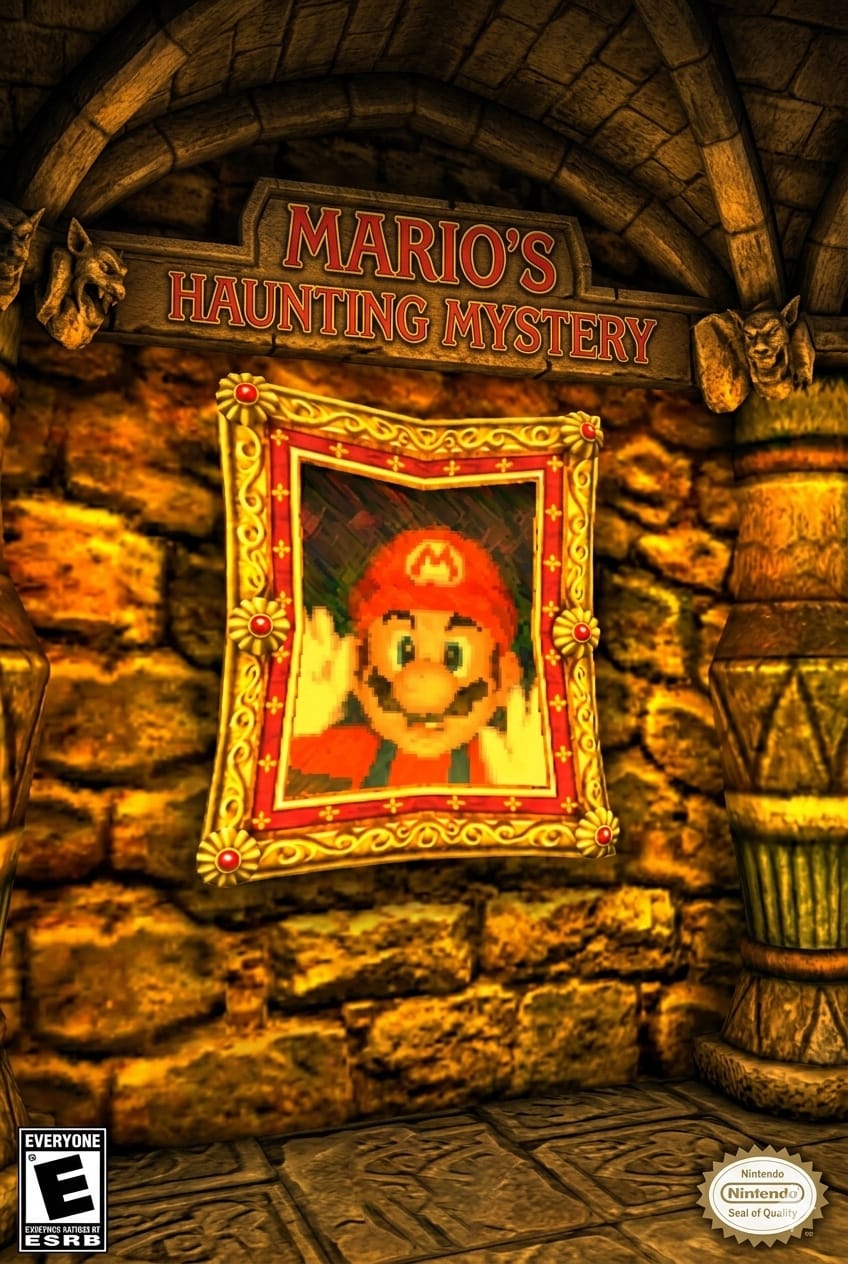
What many players may miss is how precise the setup is. Mario being trapped in a painting is not just a rescue objective. It is a reversal of identity. The confident hero becomes an object. The nervous sidekick becomes the active agent. The whole game is a psychological role swap.

Critical Temperature and Anonymous369 Rating

The original game's reception was strong but not worshipful at launch, which makes sense. Its Metacritic record reflects a generally favorable GameCube debut, while older reviews such as GameSpot's original review show the early tension around its freshness, brevity, and distance from traditional Mario expectations. Time has been kind to the game because its personality aged better than some of its limitations.

Anonymous369 Rating: 8.2/10.

The score reflects atmosphere, character animation, haunted-house identity, and the brilliance of turning Luigi's fear into the core mechanic. It loses ground for length, control stiffness, and limited combat variety, but the game still feels like a haunted Nintendo artifact that nobody else could have made.

Who Should Play It

Play it if you want the purest version of Luigi's Mansion: one house, one night, one missing brother, one vacuum, and a gallery of ghosts that feel like little case files. It is especially worth playing before Luigi's Mansion 3 because the later game's polish makes more sense when you understand the eerie, compact original.

The original does not need to be huge to matter. It only needs Luigi at the front door, a flashlight in his hand, and a house pretending to be a reward.

That fake prize became one of Nintendo's best traps.

Continue Into the Lore

If this review made the mansion feel less like a joke and more like a crime scene with wallpaper, keep the archive close. Bookmark Anonymous369 Media and subscribe to Midnight Alerts for more game reviews and lore files built around the psychology beneath the controller.
If you want to go deeper than the review, continue with the Luigi's Mansion lore files directly below this article. Those dossiers move past the verdict and into the room-by-room nightmare the game only has time to imply: Neville's study, Lydia's mirror, Chauncey's impossible nursery, Shivers' candle, Nana's thread, Miss Petunia's vanity, Bogmire's graveyard, King Boo's painting trap, and the 50 Boos holding the mansion together.

The files below are arranged for the cleanest mansion descent: start with the house's psychology and Mario's disappearance, move through the portrait ghosts in a room-by-room reading path, then finish with King Boo, the Boos, the Bowser decoy, and the ending.

Luigi's Mansion Turns a Haunted House Into Psychological Warfare
Boo Woods is not just a spooky detour; it is a trap engineered to think like fear. In Luigi's Mansion, King Boo's illusion, the humming in the dark, the blackout, and the Bowser puppet turn a rescue mission into Nintendo's quietest psychological horror story.
Mario's Damp Glove Reveals the Night Luigi's Mansion Broke Its Hero
Mario followed a fake mansion prize into Boo Woods and left a trail of panic: a damp glove, a missing cap, a worn shoe, and one warning in the dirt. In Luigi's Mansion, those dropped items reveal how King Boo turned Nintendo's fearless hero into a conscious prisoner behind glass.
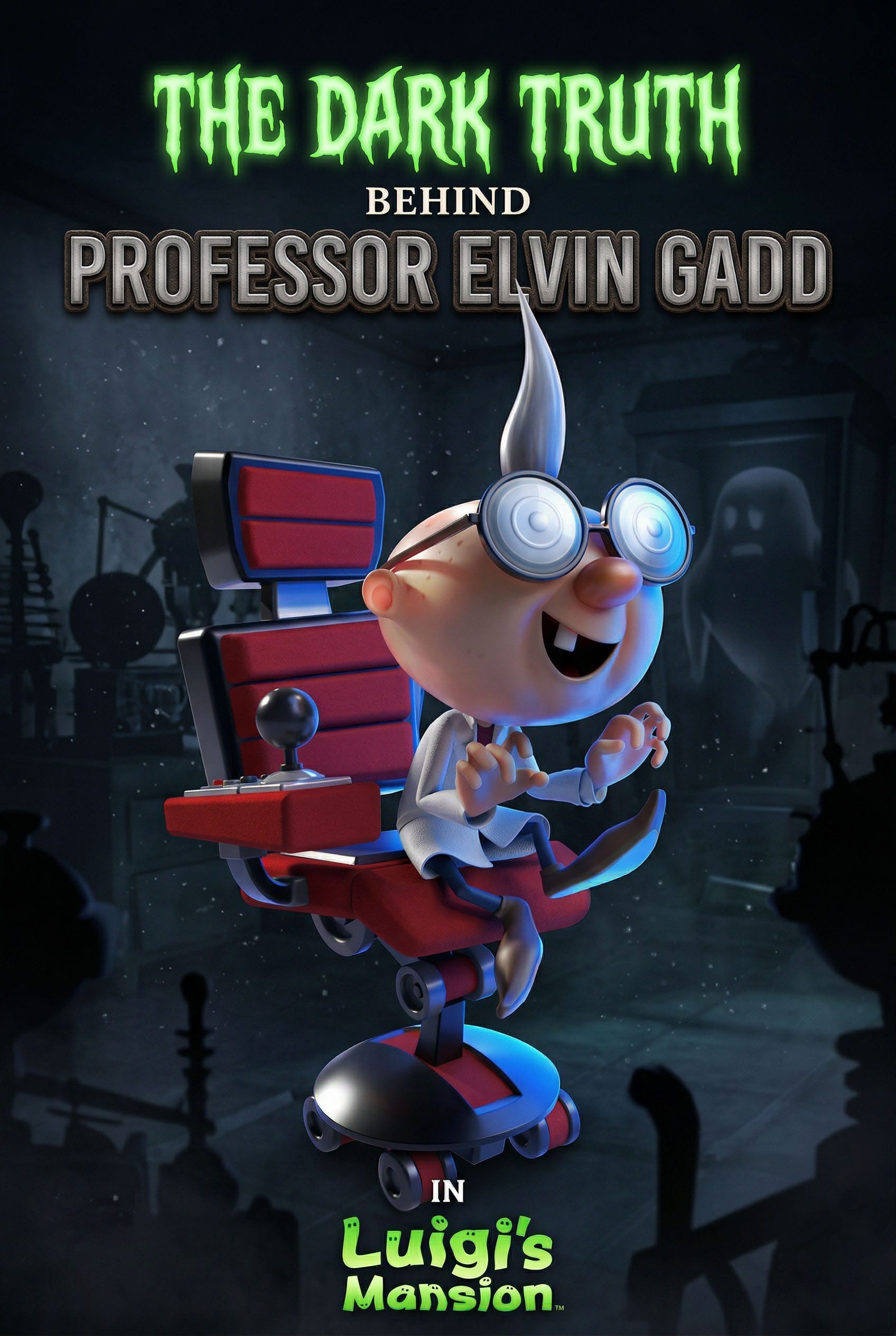
Professor E. Gadd's Ghost Gallery Exposes Luigi's Mansion's Real Warden
Professor E. Gadd spent sixty years hunting ghosts, then called the prison a gallery. In Luigi's Mansion, the Poltergust, Game Boy Horror, and Ghost Portrificationizer reveal a smiling scientist who used Luigi as bait to refill his walls with screaming souls.
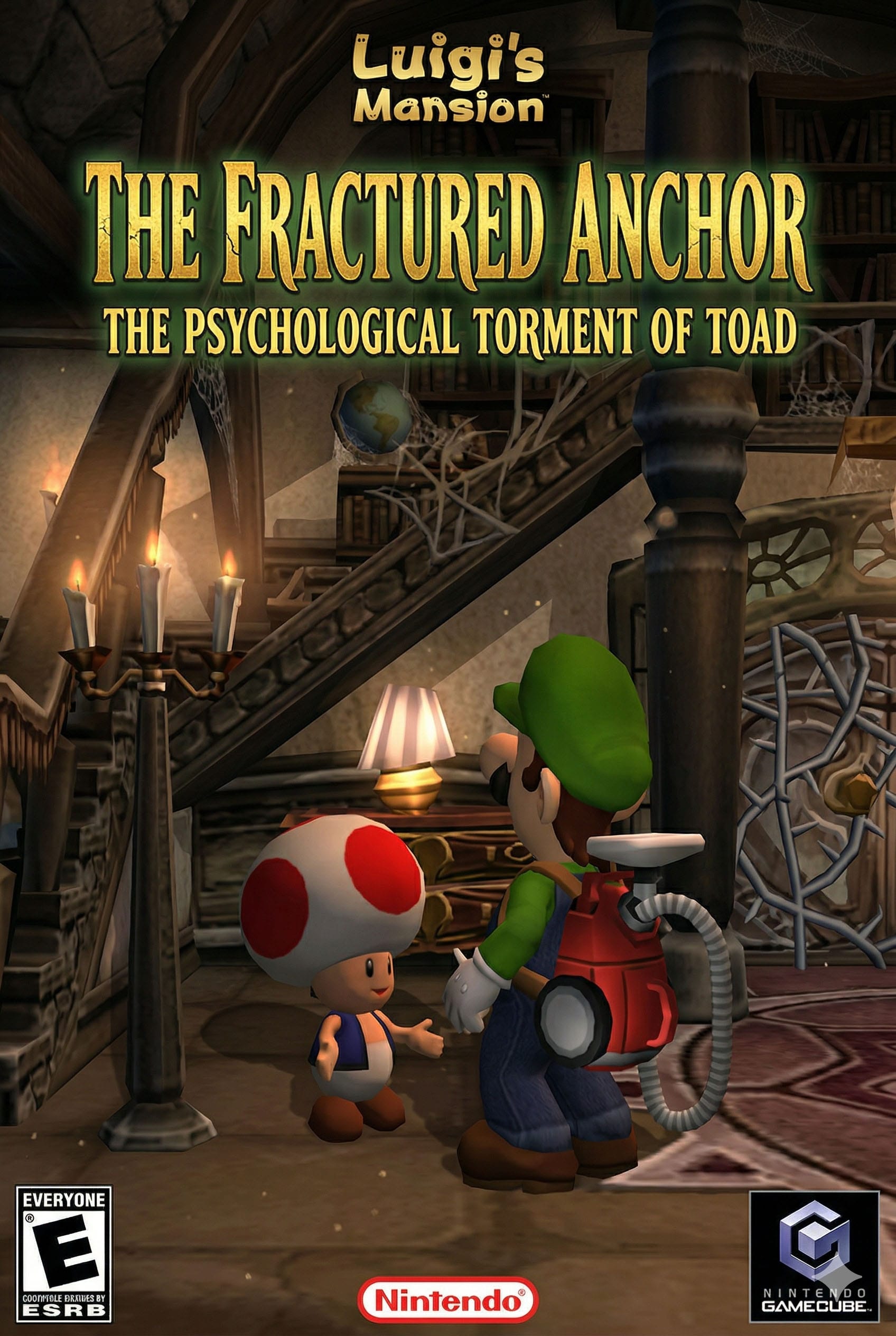
Why Toad Can't Stop Crying in Luigi's Mansion
Toad is not just Luigi's smiling save point. In Luigi's Mansion, Peach sends him into Boo Woods with no weapon, no Poltergust, and no way out. After he sees Mario trapped in a painting, the crying in the washroom and courtyard becomes a loyal witness breaking under fear, guilt, and royal pressure.
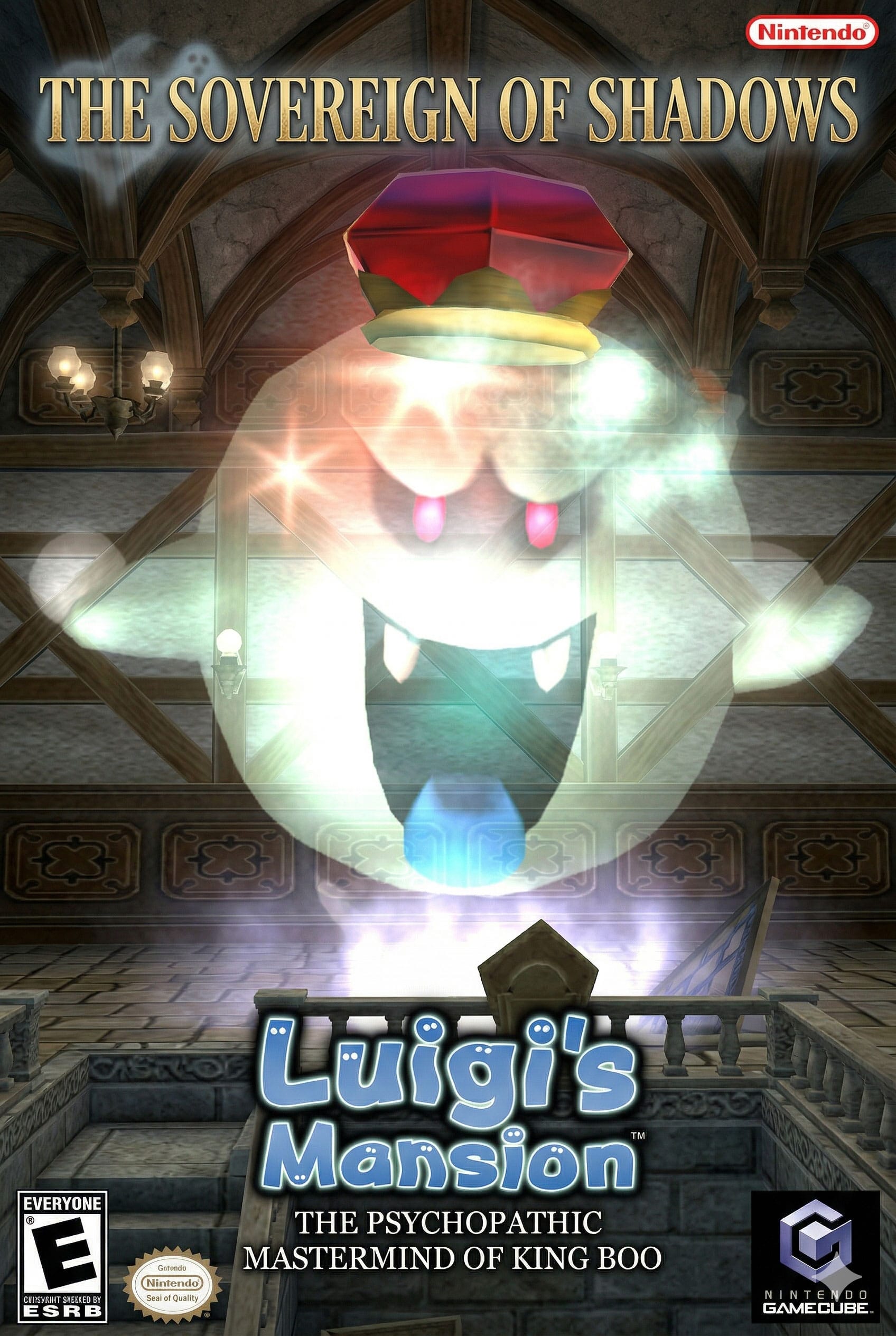
King Boo's Worthless Crown Exposes Luigi's Mansion as a Trap
Luigi thinks he won a mansion, but King Boo built the prize out of revenge. After E. Gadd imprisoned Boolossus, the Ghost King freed the Portrait Ghosts, trapped Mario in a painting, and wore Bowser's body like a nightmare suit, until his crowned empire collapsed into a prize worth one coin.
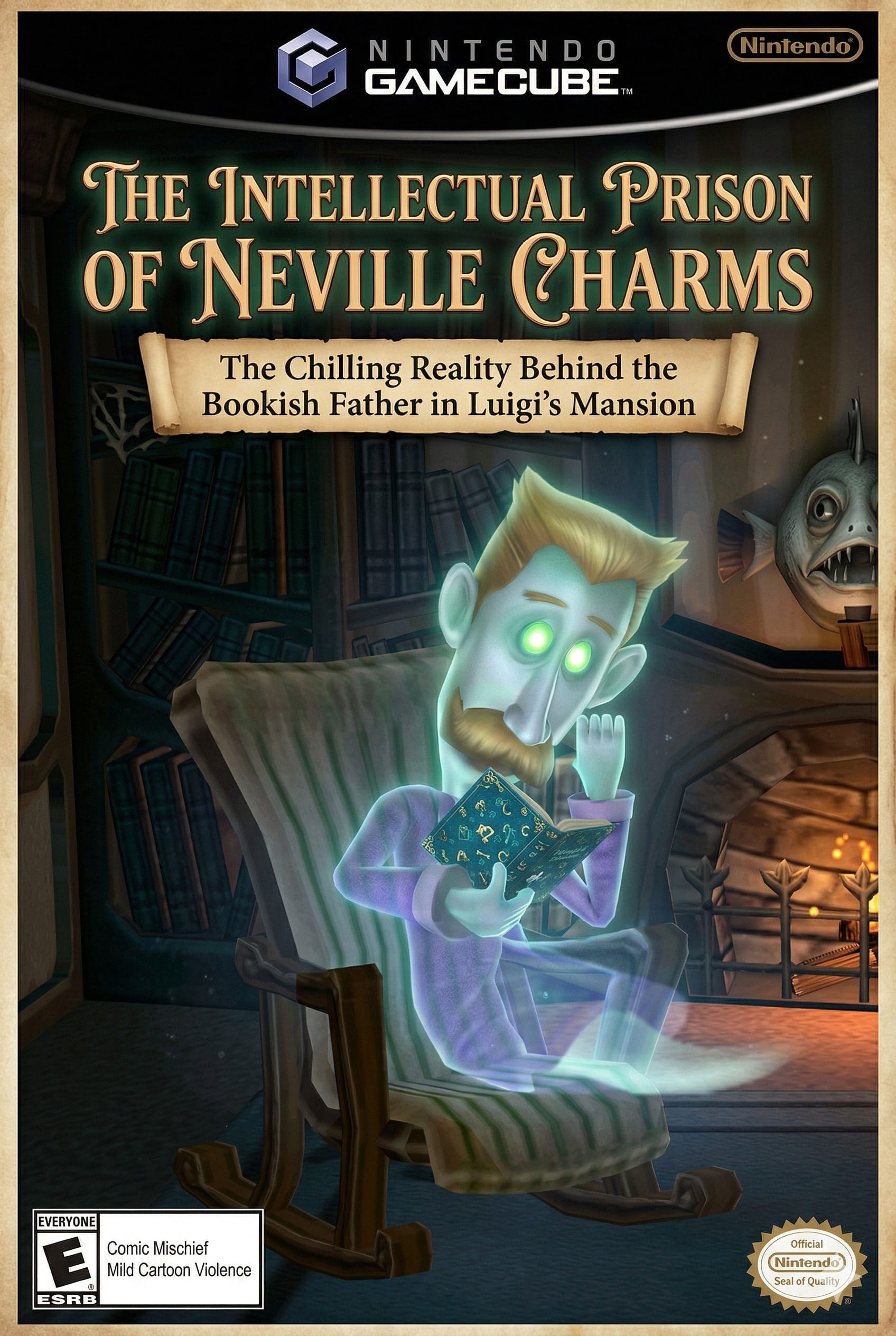
Neville Charms's Baby Care Diary Exposes Luigi's Mansion's Failed Father
Neville Charms was forty-two, locked in a study, and still reading while his family collapsed outside the door. In Luigi's Mansion, the Big Baby Care Diary, dead children, and one final yawn reveal a father who learned how to care only after there was no one left to save.
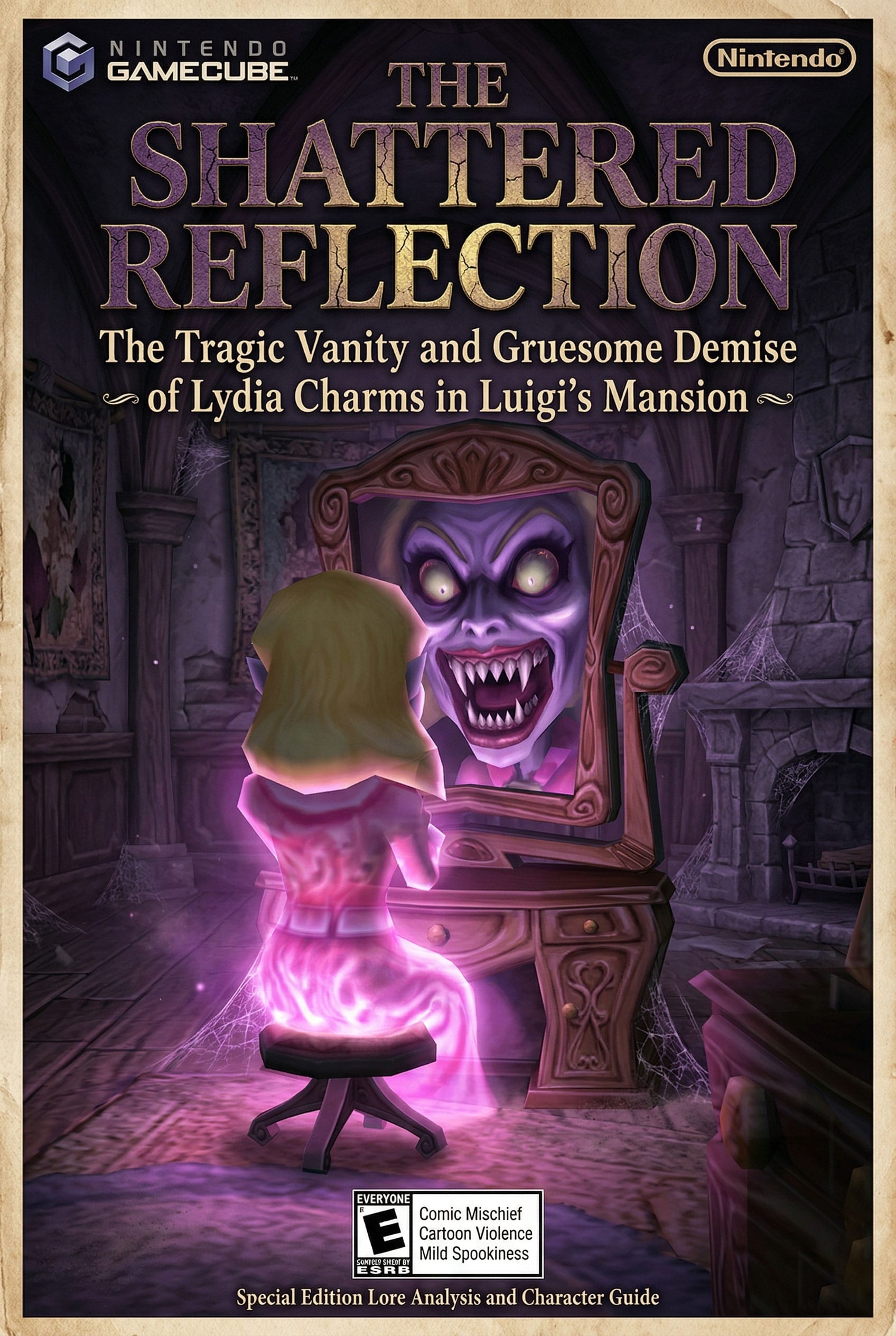
Lydia Charms Hid in the Mirror as Luigi's Mansion Took Her Children
Lydia Charms was thirty-four, brushing her hair in a bedroom full of denial. In Luigi's Mansion, her vanity mirror, secret afterlife savings, shattered window, and Chauncey's impossible birth reveal a mother who chose her reflection because the nursery was too painful to face.
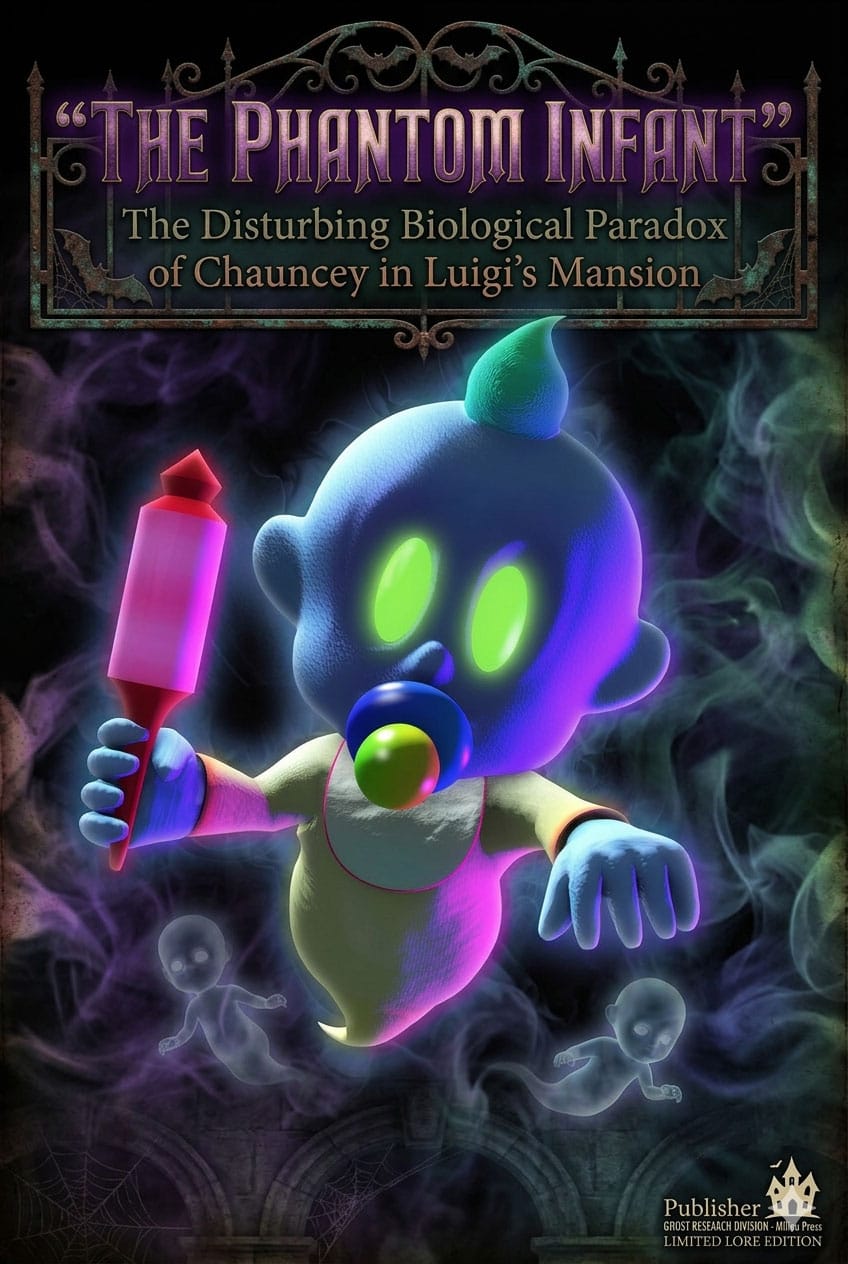
Why Chauncey Was Born a Ghost in Luigi's Mansion
Chauncey is not just the mansion's first boss; he is the Charms family's youngest wound. In Luigi's Mansion, a sealed nursery, failed parents, flying toys, and the phrase 'born a ghost' turn a crying baby into the darkest evidence of a house that never protected its children.
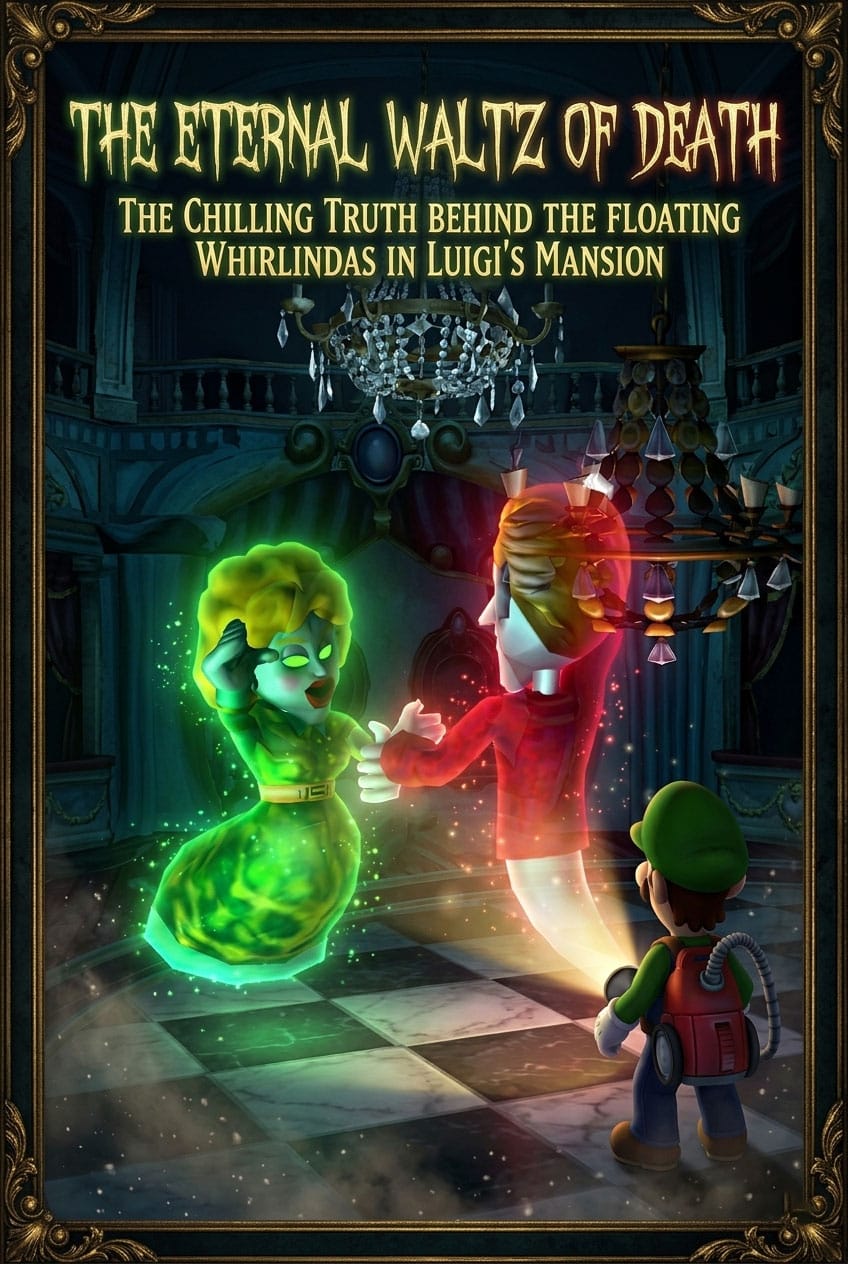
Why the Floating Whirlindas Never Stop Dancing in Luigi's Mansion
The Floating Whirlindas were local waltz champions until death took the floor from under them. In Luigi's Mansion, the masked opening act, spinning tiles, and forced final dip reveal a couple so addicted to applause that even capture cannot make the dance end.
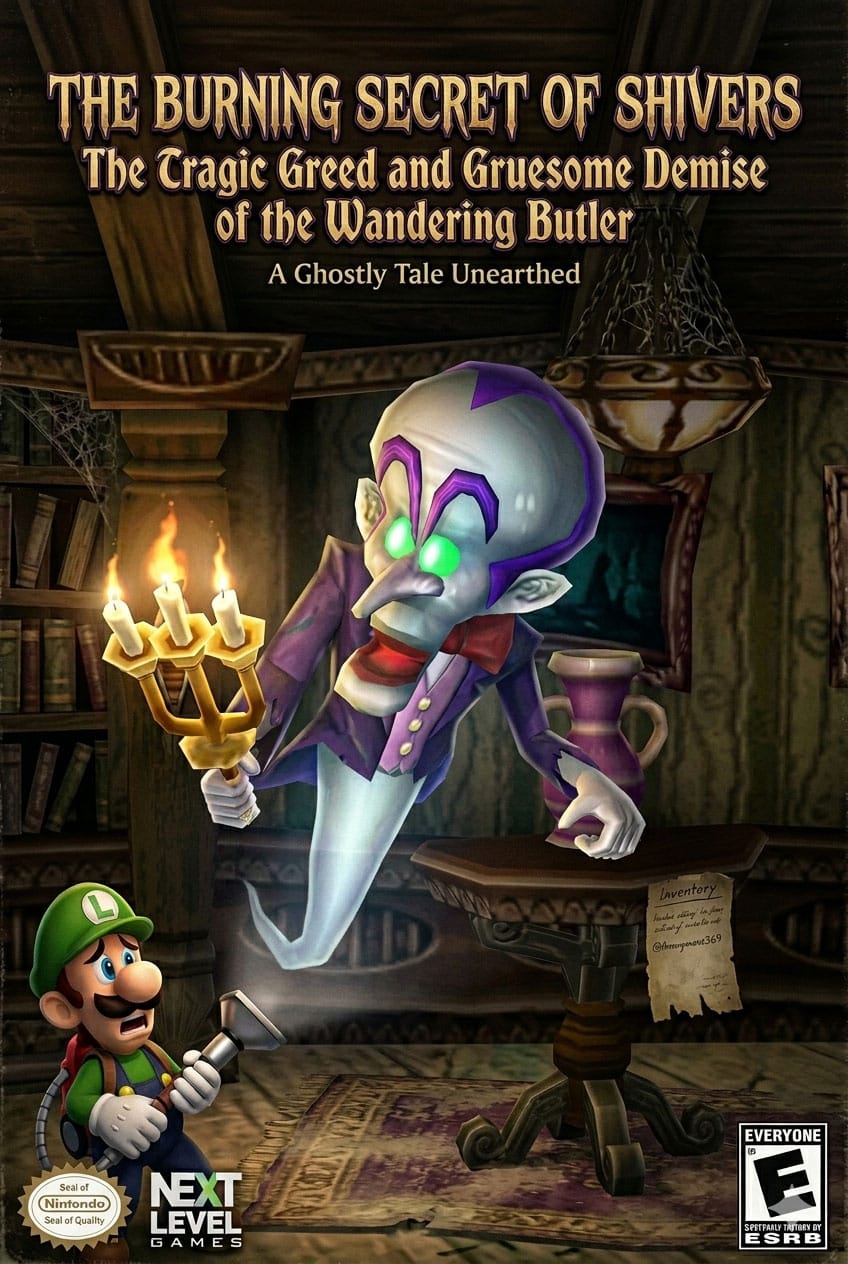
Why Shivers Runs From Fire in Luigi's Mansion
Shivers wanders the hallway with an unlit candle, still searching for his master's will and Melody's attention. In Luigi's Mansion, the flame Luigi gives him exposes a servant trapped by greed, humiliation, and the fiery death he keeps trying to outrun.
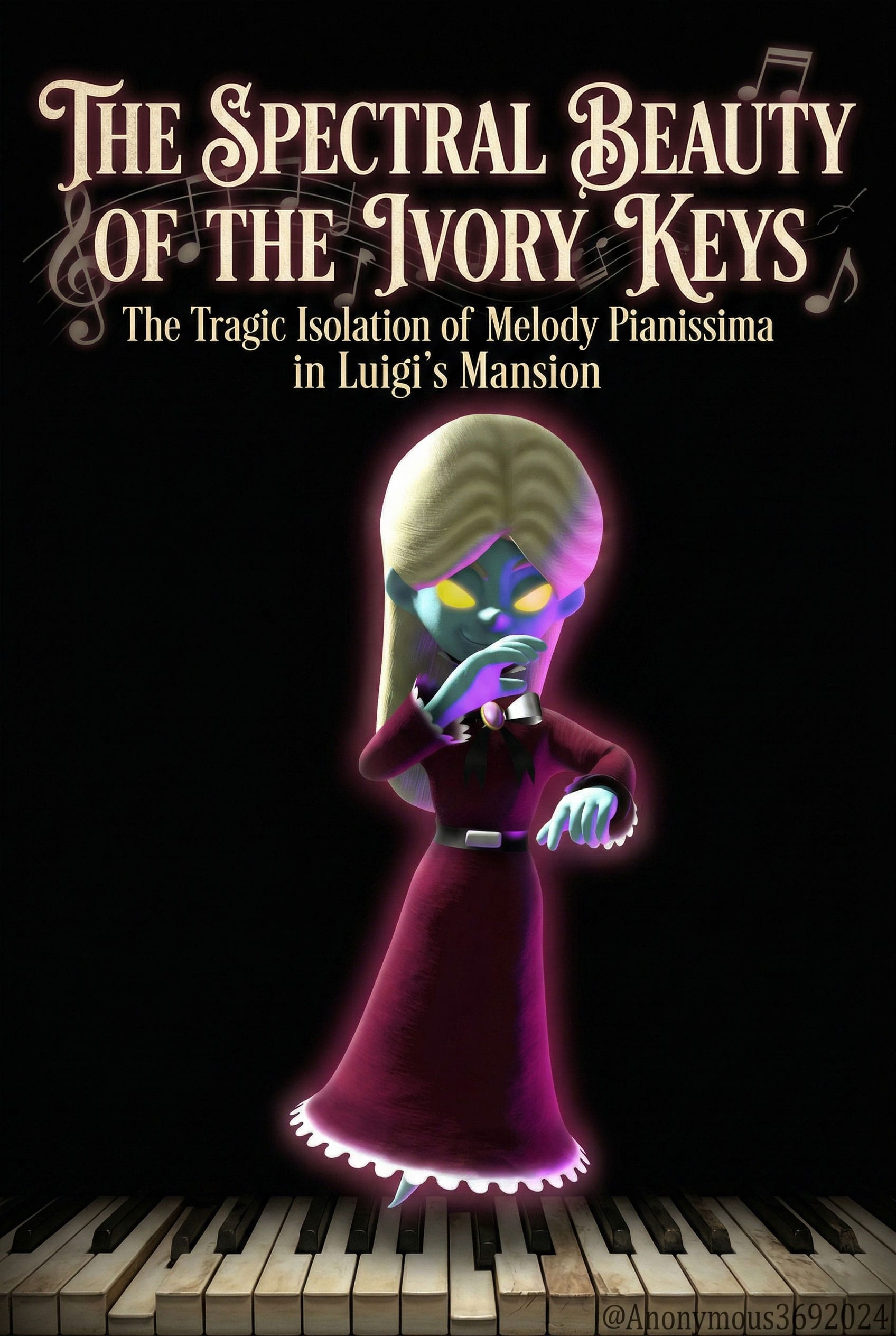
Melody Pianissima's Silent Piano Exposes Luigi's Mansion's Loneliest Prodigy
Melody Pianissima was twenty-six, brilliant, and already locked inside her own conservatory. In Luigi's Mansion, her Nintendo quiz, stalking butler, flying music sheets, and silent final portrait reveal a prodigy who chose art over people until her piano became the room that buried her.
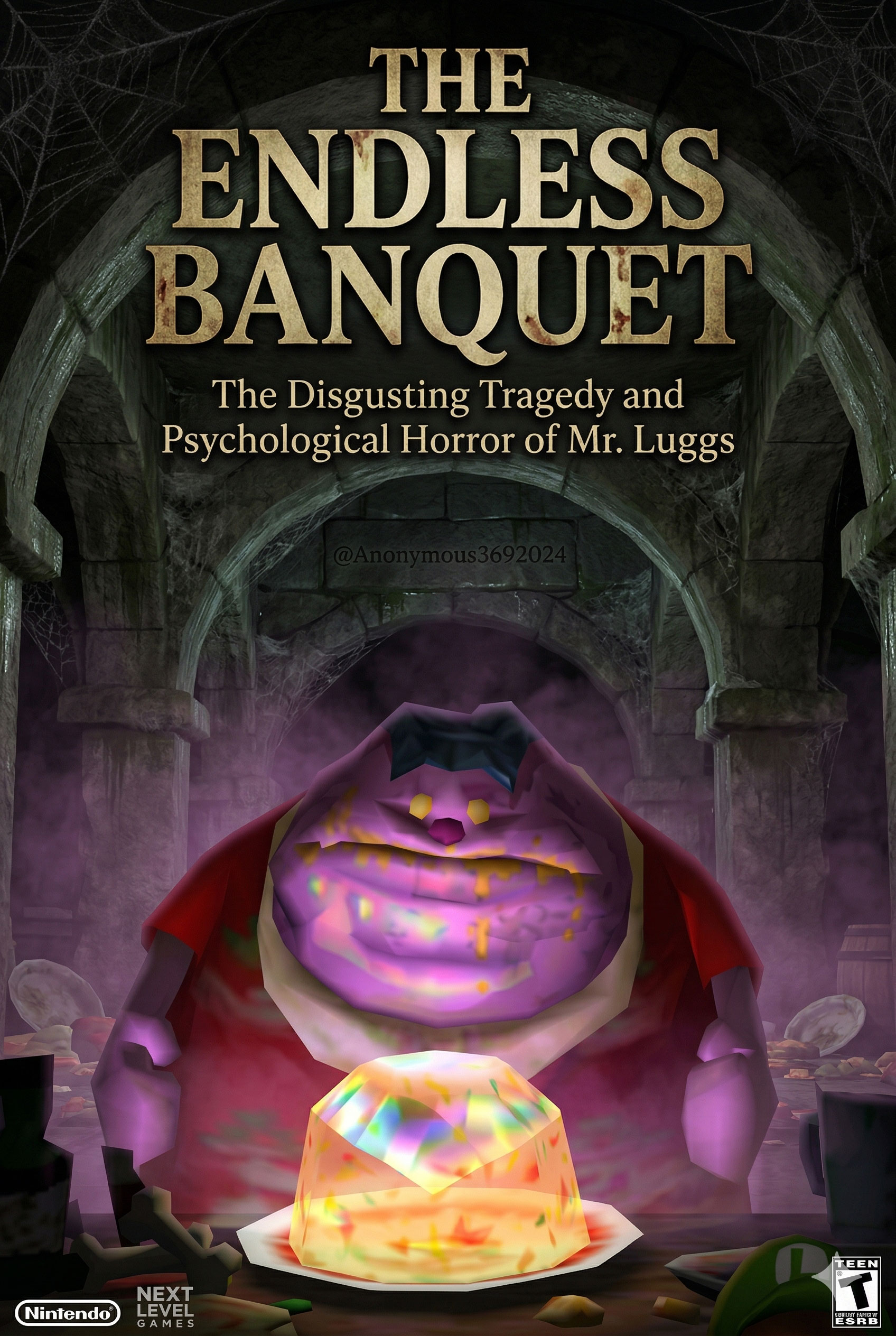
Mr. Luggs Died at Thirty Hiding His Hunger in Luigi's Mansion
Mr. Luggs died at thirty because the feast became stronger than shame. In Luigi's Mansion, the dark dining room, ghost waiters, empty plate, and Spooky's starvation reveal a glutton who fed one appetite while the loyal dog outside wasted away.
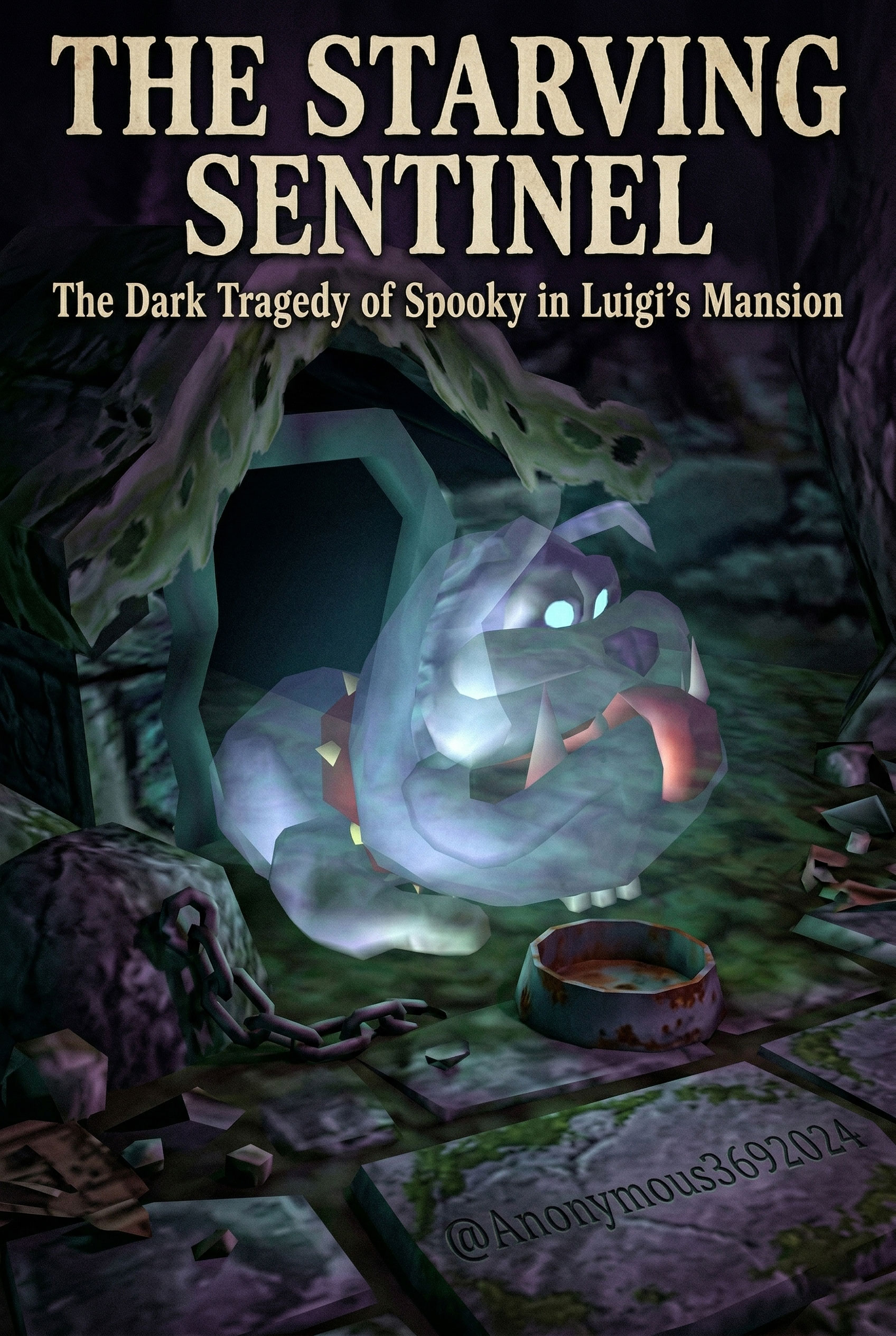
Spooky's Empty Bowl Exposes What Luigi's Mansion Left Outside
Spooky was four years old, starving in the rain while food rotted on the other side of the wall. In Luigi's Mansion, his doghouse, the dropped bone, and the gate to Bogmire turn a guard dog into the purest evidence of a family that kept loyalty outside.
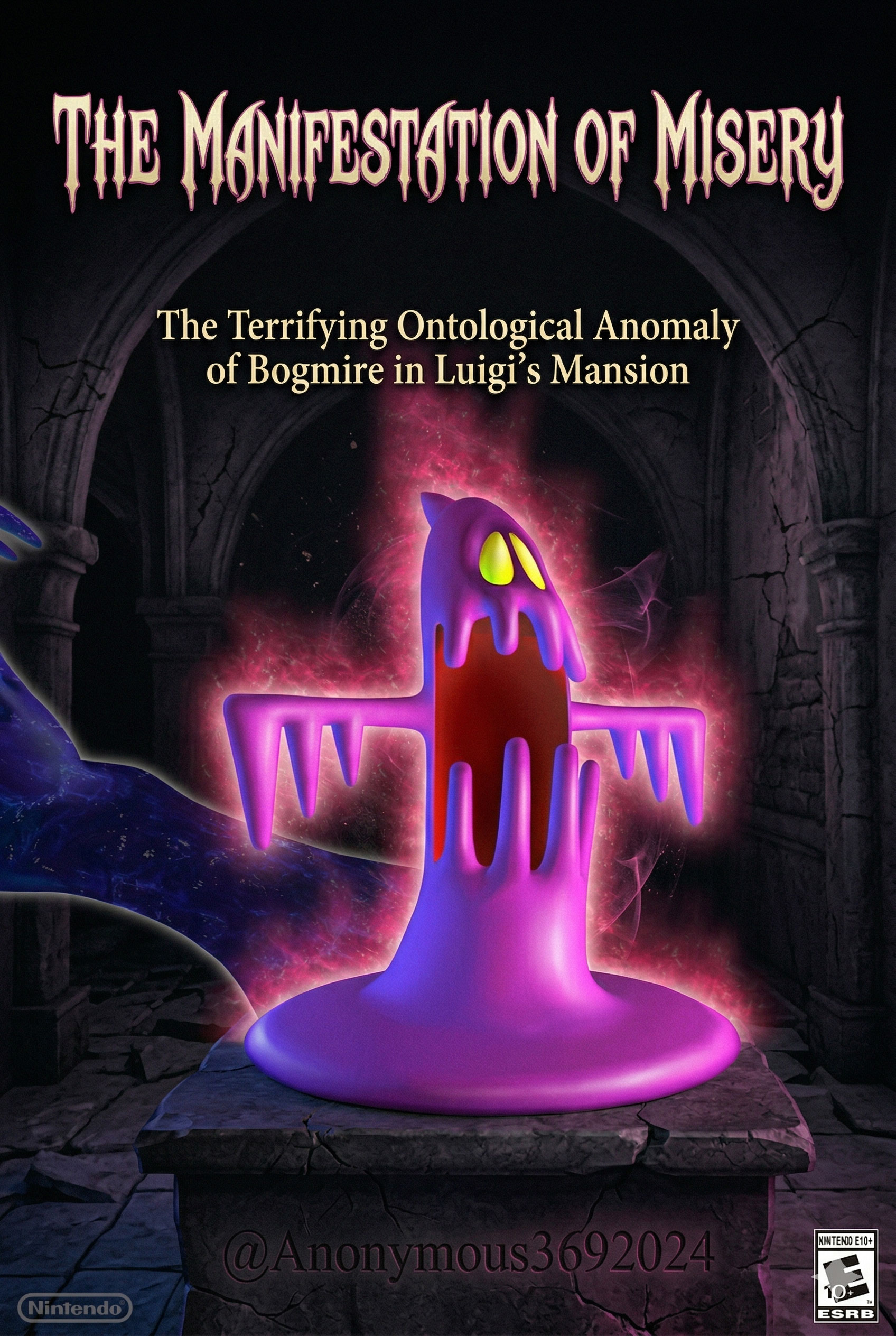
Bogmire's Graveyard Void Turns Luigi's Mansion's Misery Into a Body
Bogmire has no past, no voice, and no human heart. In Luigi's Mansion, the graveyard, Black Bogmires, and empty pocket dimension reveal fear and despair made physical from the rot of a family that suffered until the soil itself began to move.
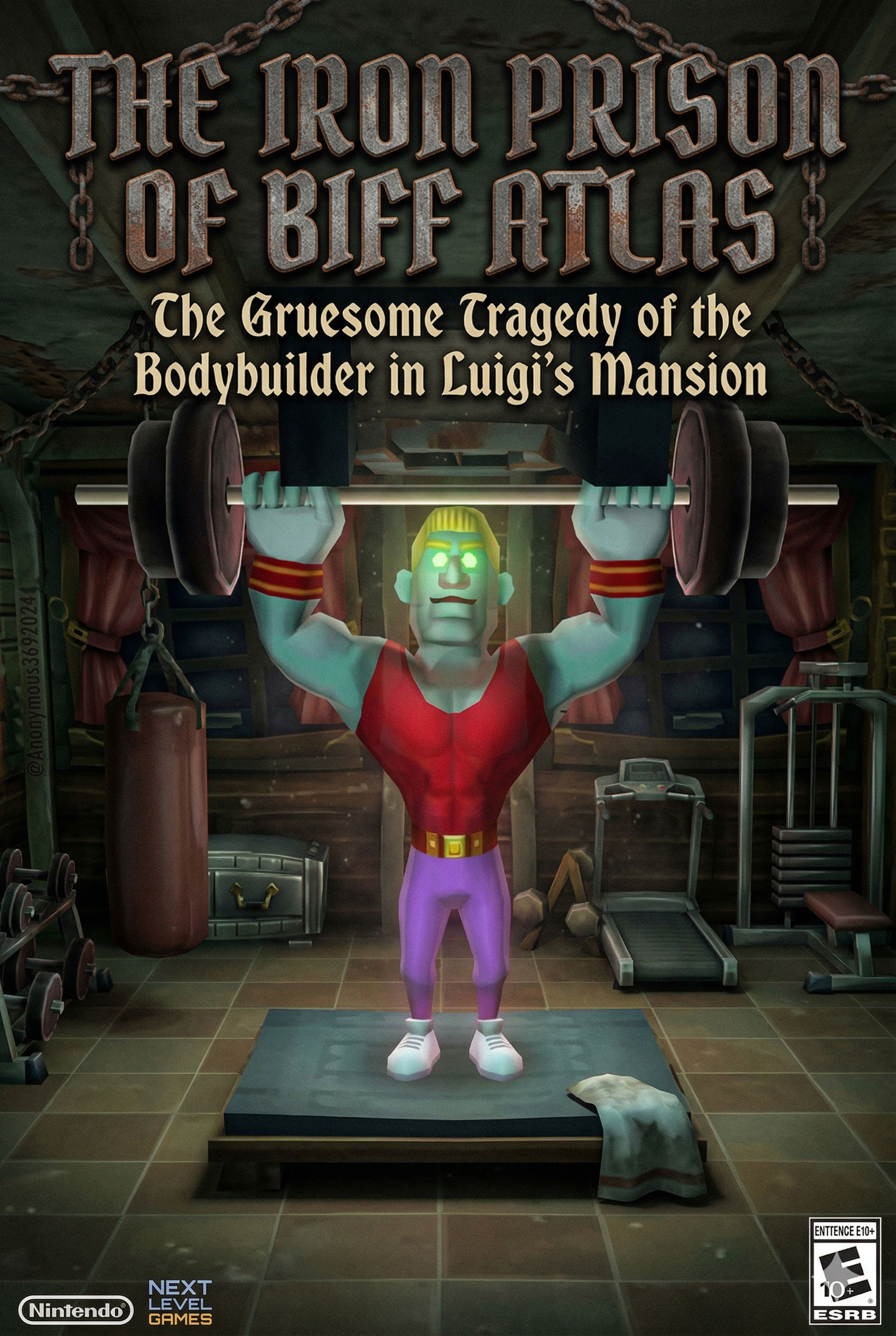
Biff Atlas Mistook Strength for Immortality in Luigi's Mansion
Biff Atlas died at twenty-six still chasing a body that could not betray him. In Luigi's Mansion, the iron, lilies, taunts, and punching bags reveal a young bodybuilder so obsessed with purity and power that he kept sculpting a body death had already taken from him.
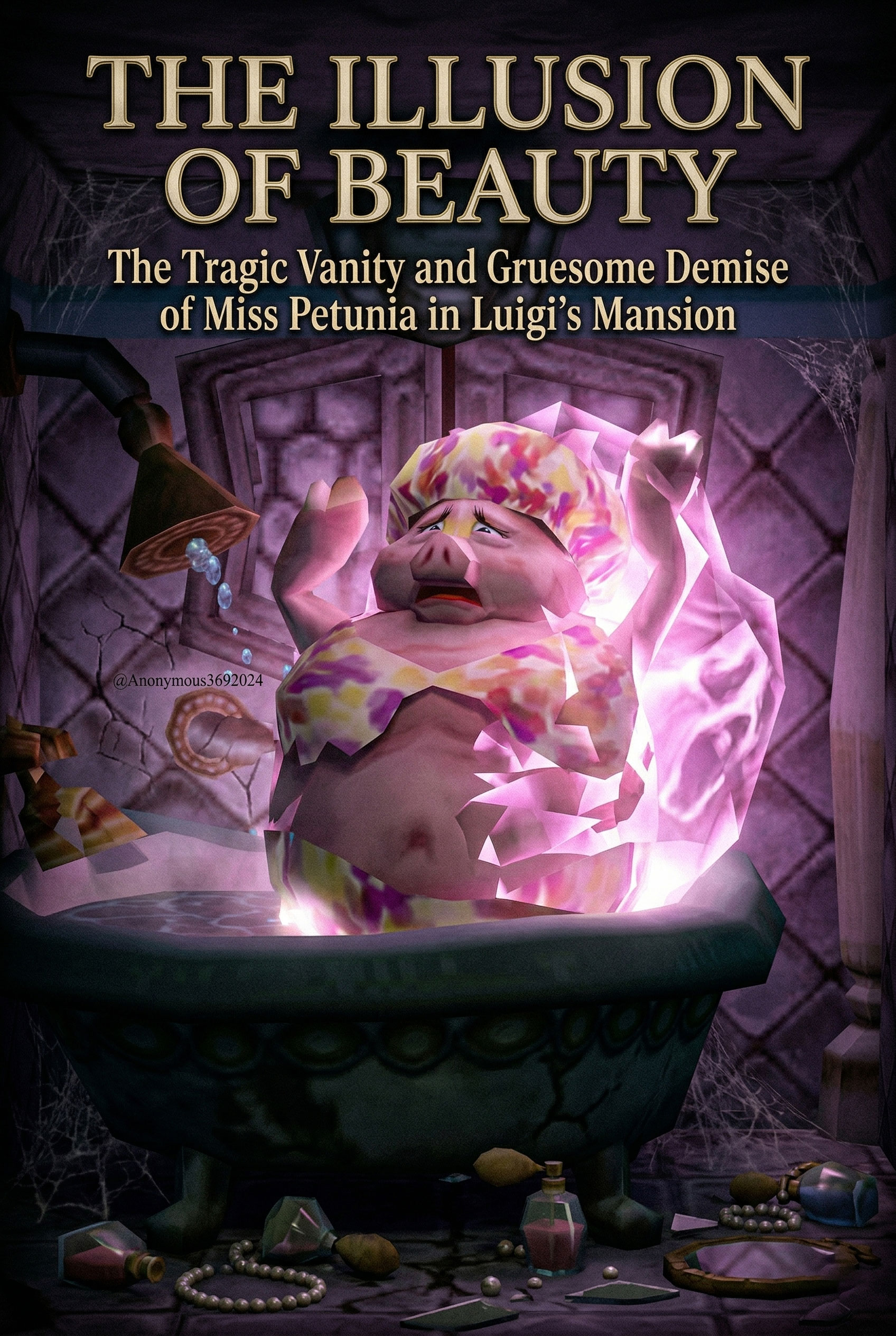
Miss Petunia's Broken Reflection: How Vanity Devoured Luigi's Mansion's Beauty Queen
Miss Petunia was once a beauty queen chasing the first-place crown that never came. In Luigi's Mansion, her mirror, bathtub, and ruined silhouette expose a woman who let vanity, grief, and humiliation consume her until beauty stopped being a dream and became the thing that devoured her from within.
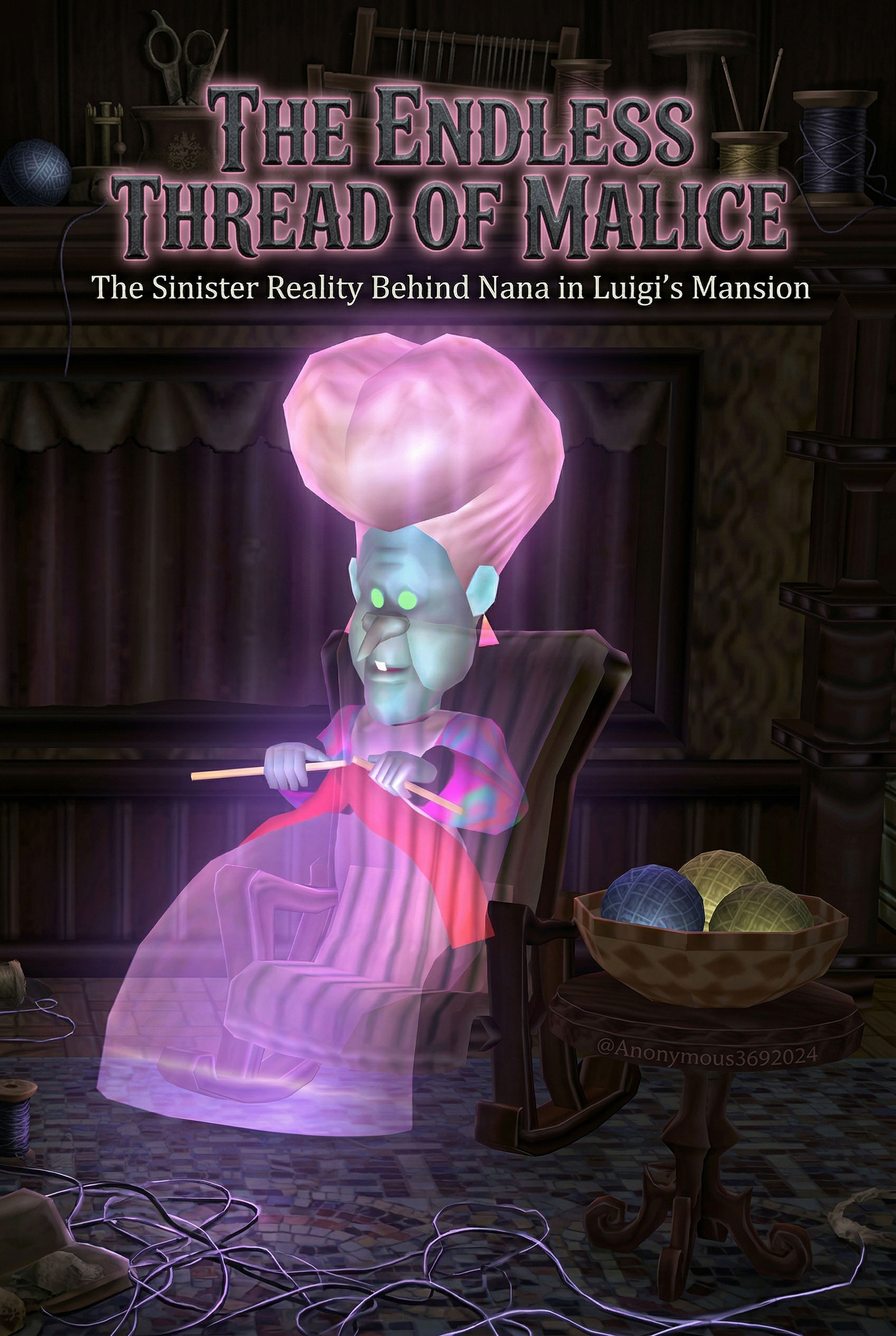
The Endless Thread of Malice: The Sinister Reality Behind Nana in Luigi's Mansion
Nana looks like a harmless grandmother rocking in the dark, but her endless scarf tells a colder story. In Luigi's Mansion, her knitting, prankster malice, and failure to guard Henry and Orville expose a matriarch who let cruelty and apathy unravel the family she was supposed to protect.
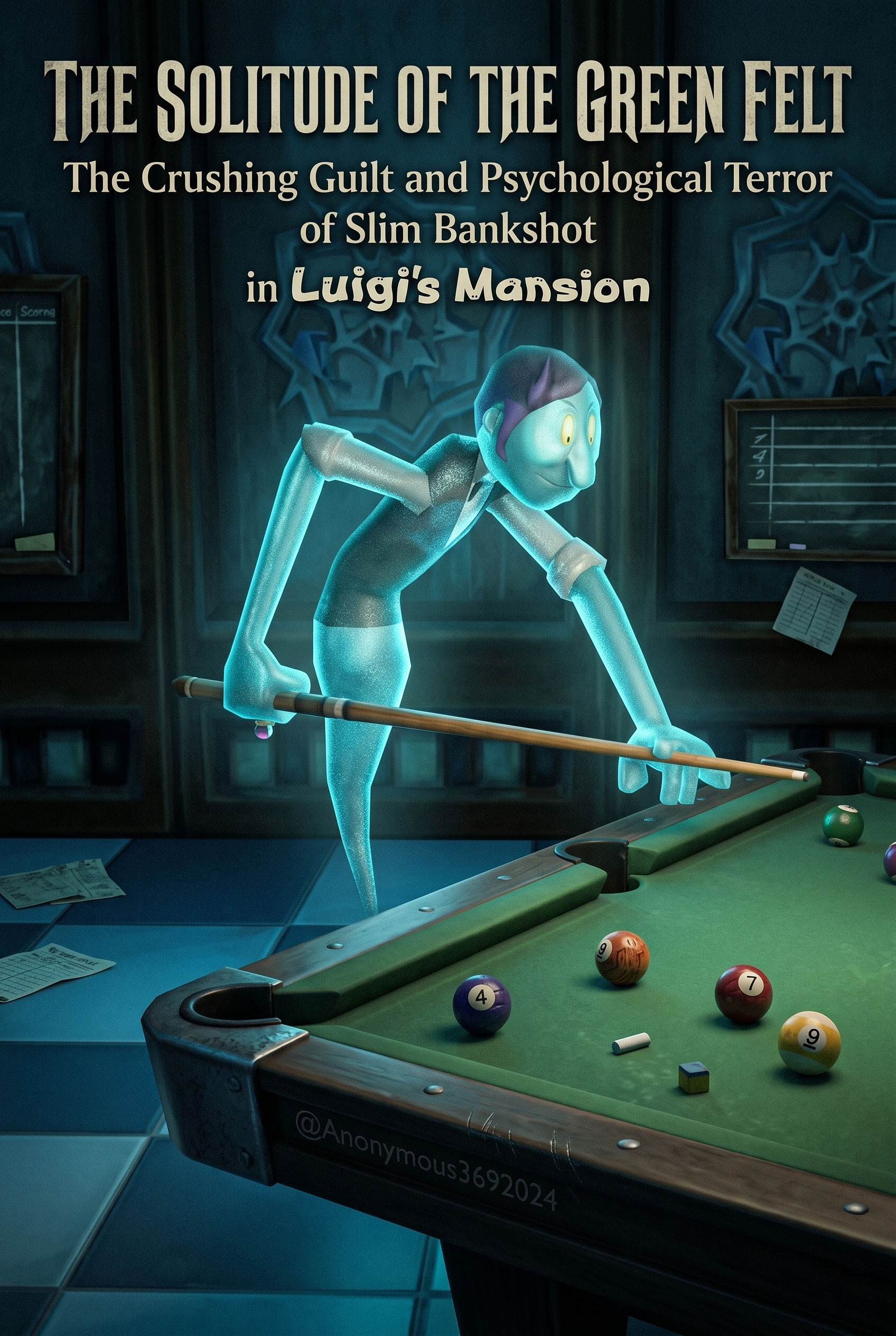
Why Slim Bankshot Plays Pool Alone in Luigi's Mansion
Slim Bankshot was a twenty-nine-year-old pool legend who never faced a living opponent. In Luigi's Mansion, the green felt, impossible trick shots, and Biff Atlas connection reveal a quiet prodigy trapped with the guilt of one fatal strike he can never take back.
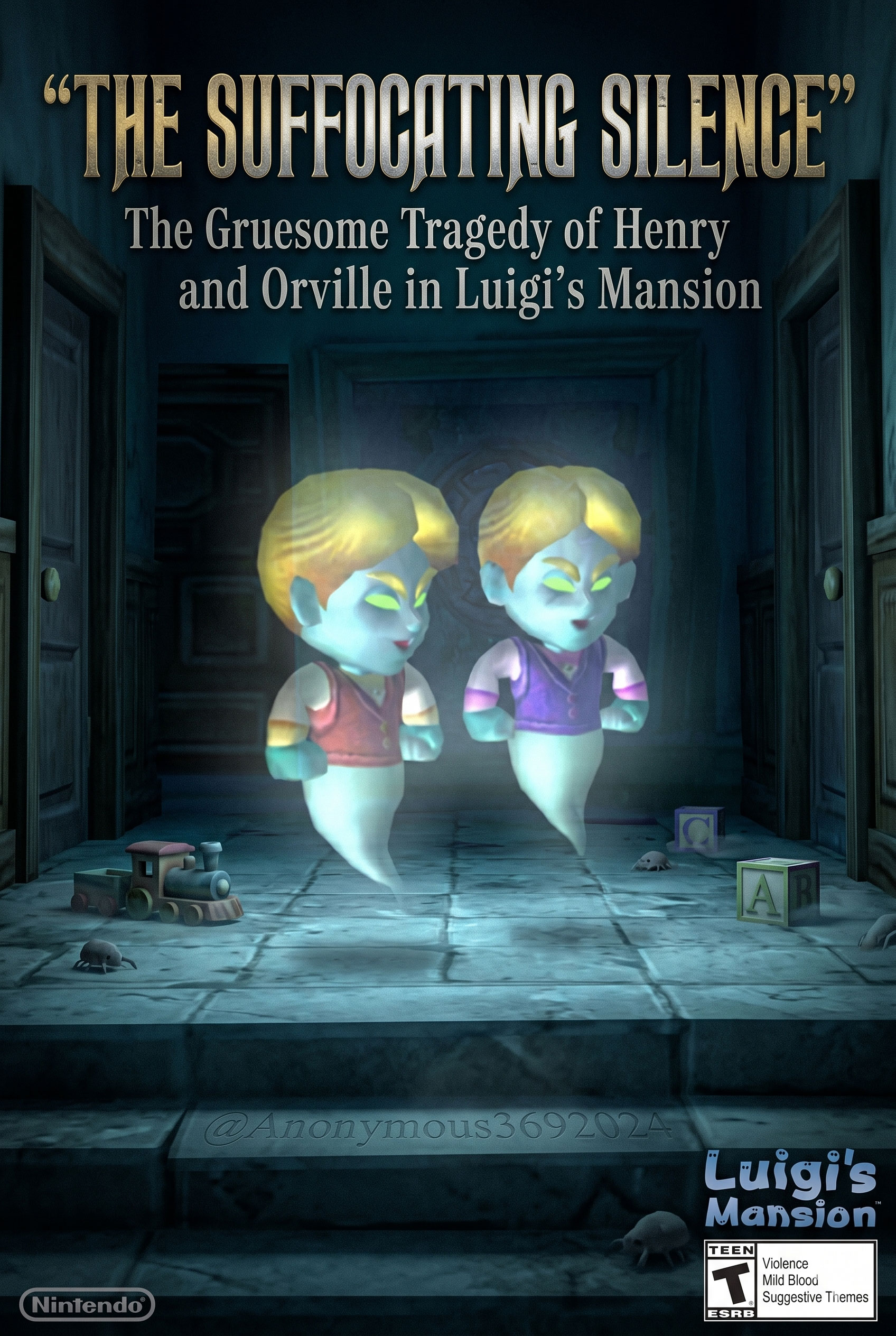
Henry and Orville's Toy Box Coffin: How Neglect Became Luigi's Mansion's Final Game
Henry and Orville were five-year-old twins who turned hide-and-seek into the only world that still answered them. In Luigi's Mansion, their toy boxes, empty bedroom, and final game expose a family so consumed by vanity, books, and malice that two children disappeared in the dark waiting to be found.
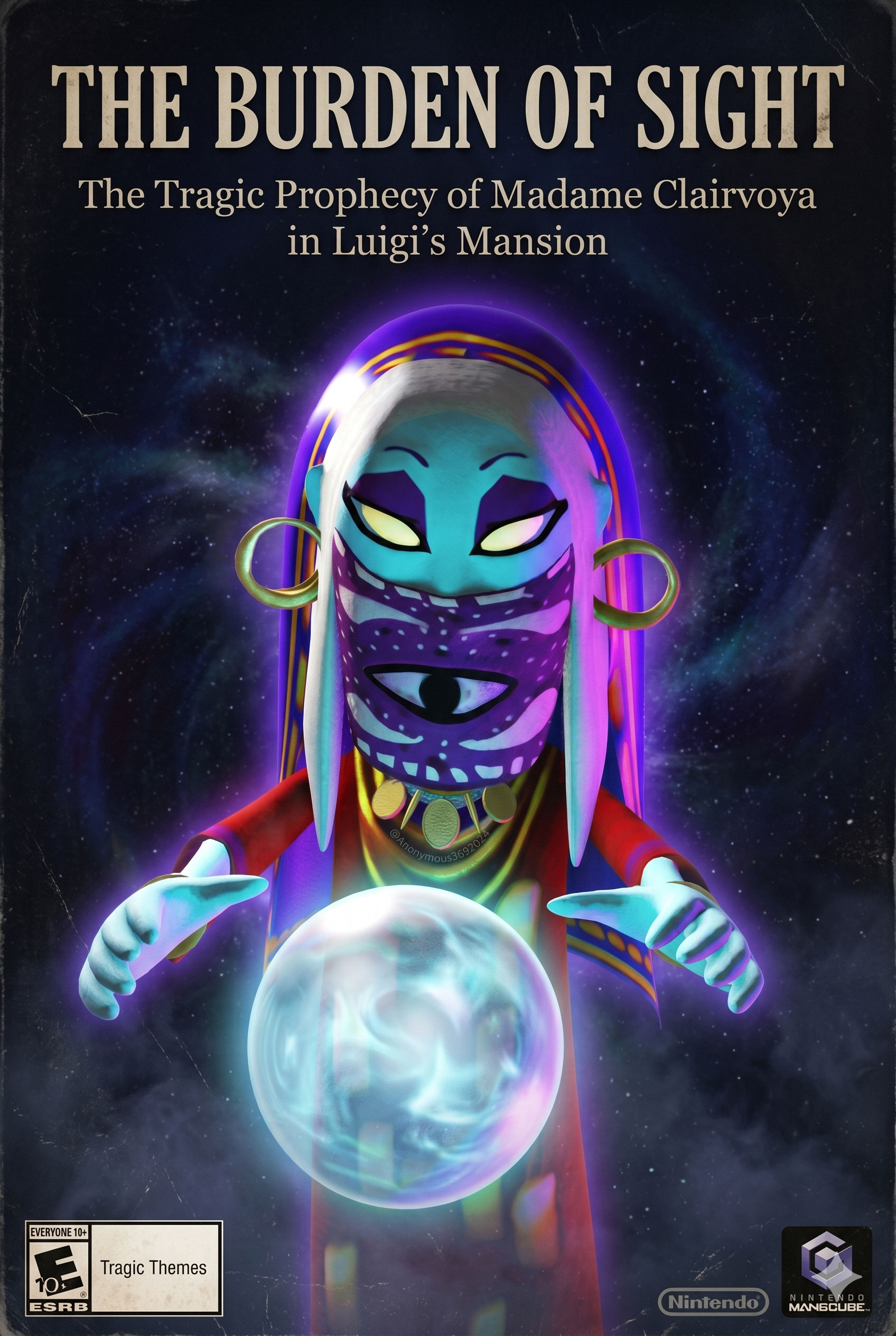
Madame Clairvoya Saw Too Much Inside Luigi's Mansion
Madame Clairvoya is not the mansion's helper; she is a seer exhausted by the truth. Mario's sweat-soaked objects, Bowser's omen, and her willing capture reveal a fortune teller who begs for the portrait because blindness feels safer than seeing what comes next.
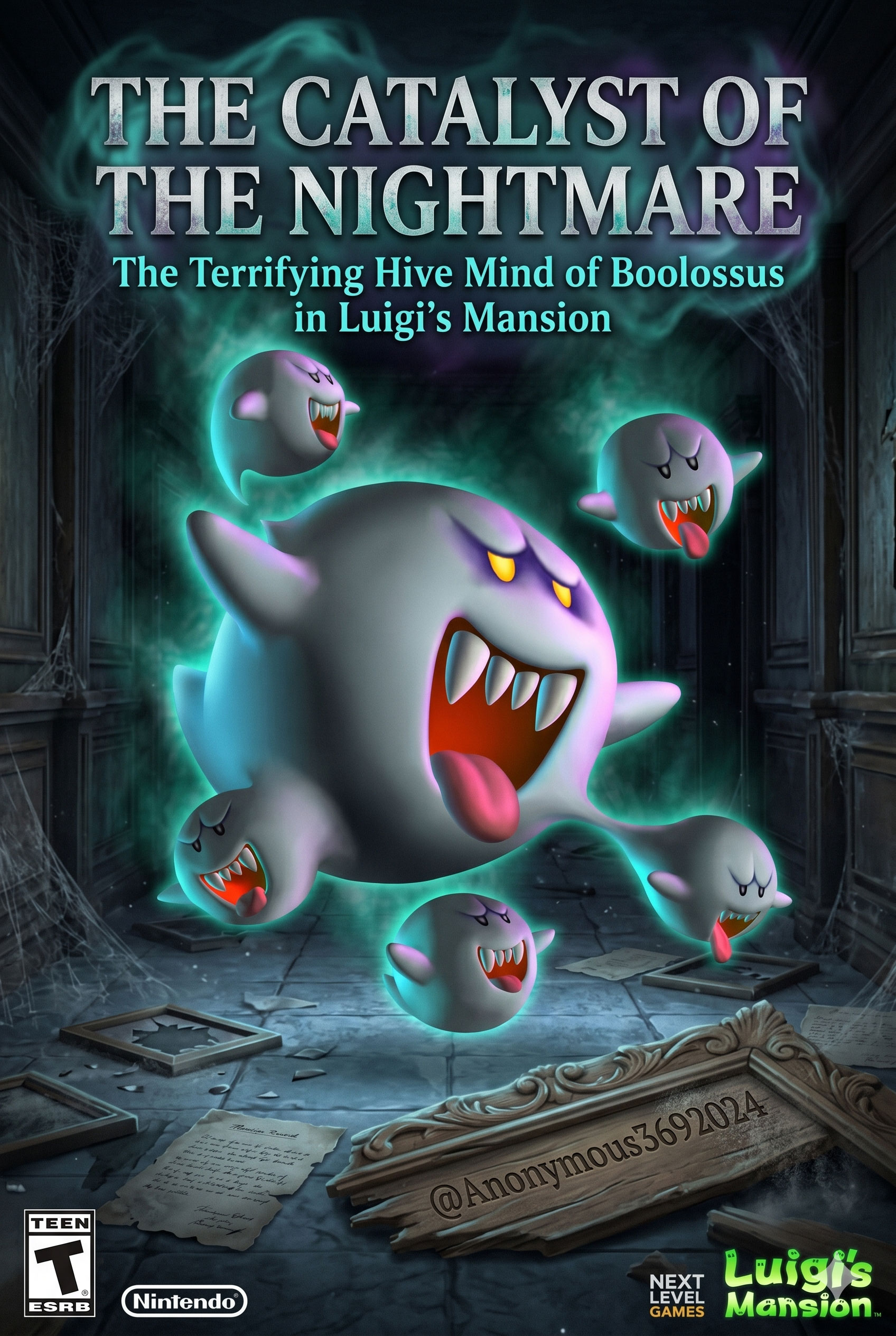
The Sinister Reality Behind Boolossus in Luigi's Mansion
Boolossus looks like a swollen balcony boss until the lore reveals what he really is: fifteen cowardly Boos fused into one fearless mind. In Luigi's Mansion, his capture by E. Gadd becomes the insult that brings King Boo's army down on Boo Woods and gives the nightmare its first spark.
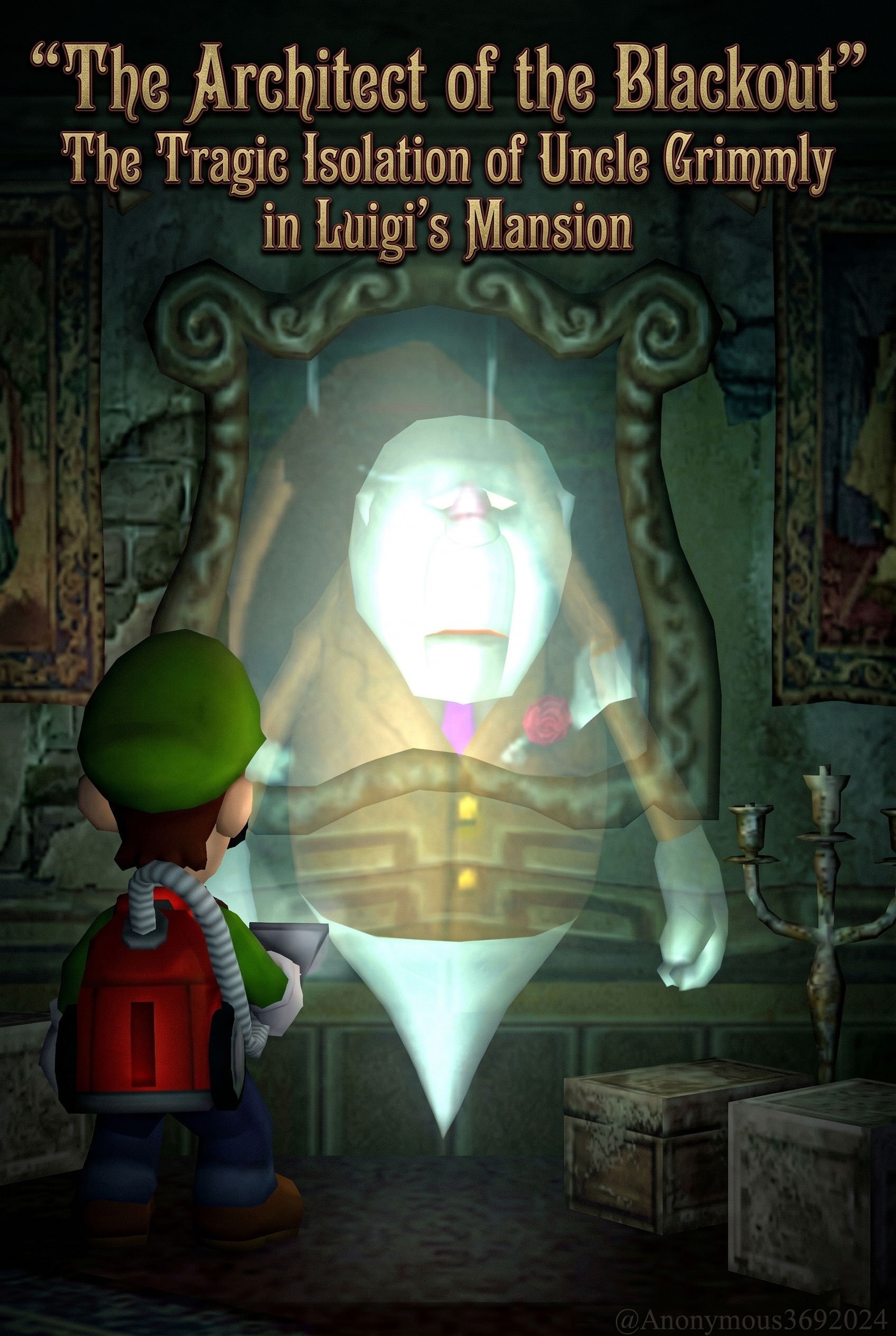
The Tragic Isolation of Uncle Grimmly in Luigi's Mansion
Uncle Grimmly looks like a cheap blackout scare until the lore reveals why the dark belongs to him. In Luigi's Mansion, his wardrobe, mirror, and stolen breaker key expose a forgotten family pariah who weaponized isolation because being feared was better than being ignored.
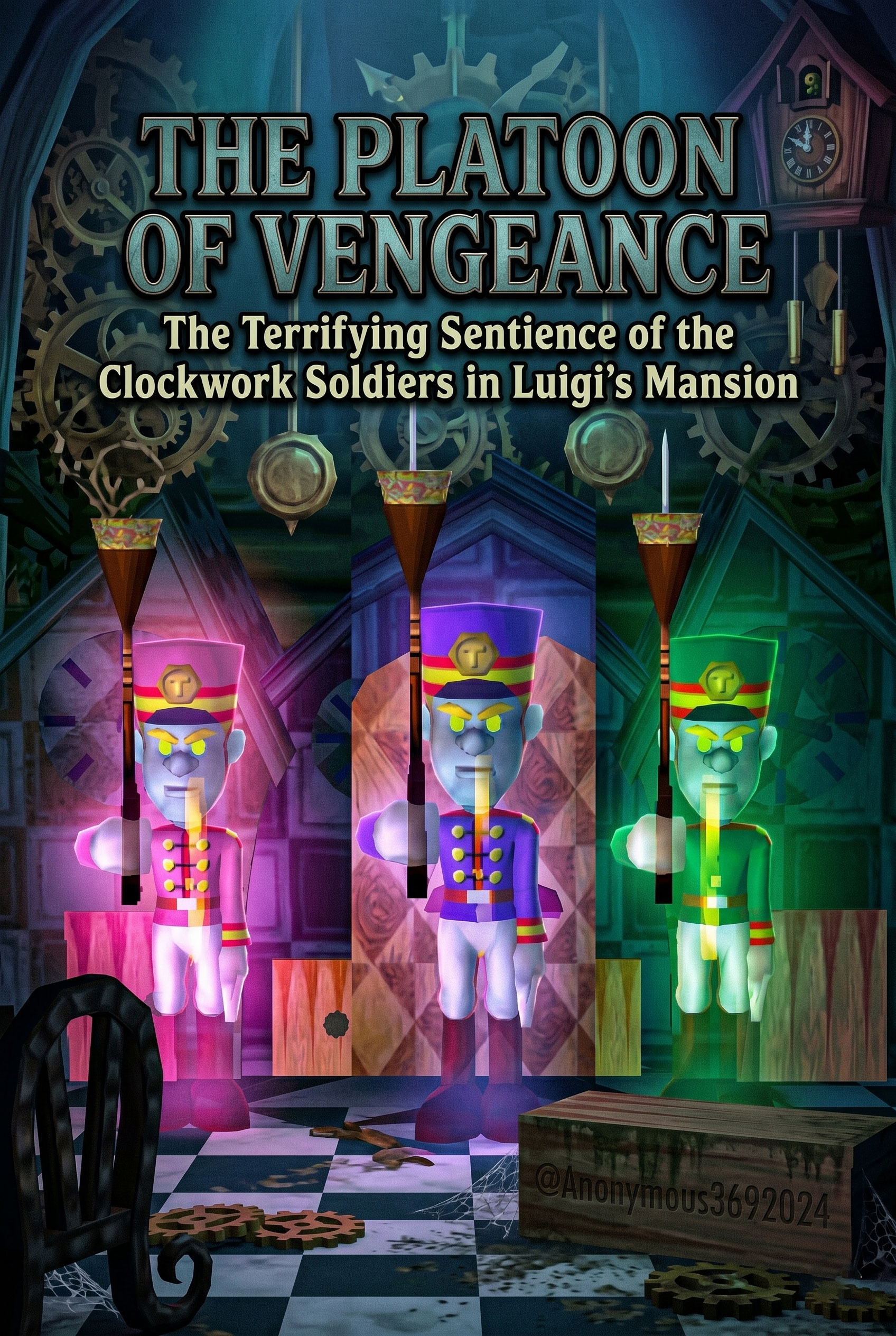
The Clockwork Soldiers Turn Grief Into Marching Vengeance in Luigi's Mansion
The Clockwork Soldiers are not simple toys waiting in a themed room. In Luigi's Mansion, their winding keys, human legs, cuckoo clocks, and marching execution reveal haunted machinery born from a broken collector's grief and sharpened into vengeance.
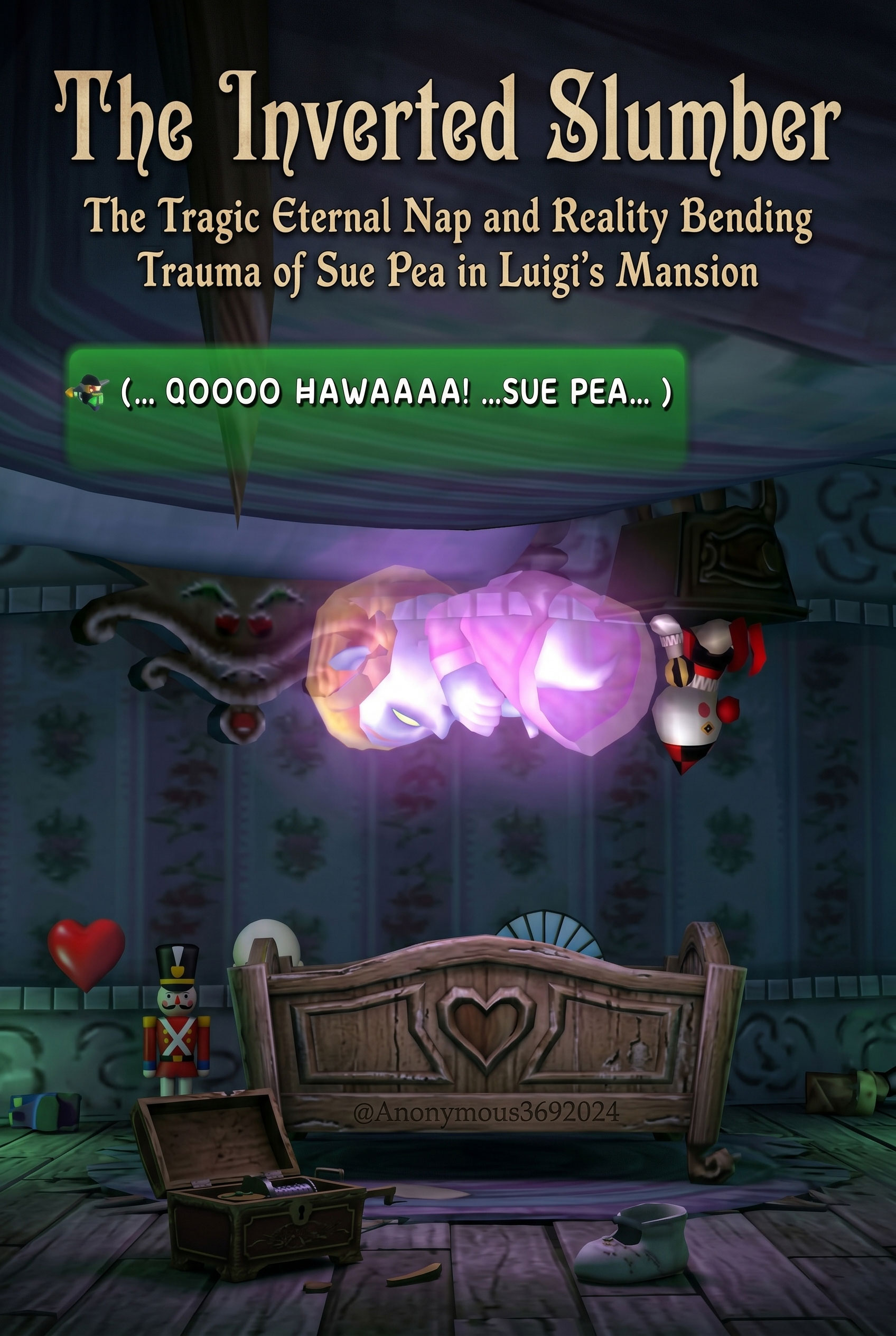
Why Sue Pea Sleeps Upside Down in Luigi's Mansion
Sue Pea looks like a strange upside-down bedroom puzzle until her whispered fear gives the room away. In Luigi's Mansion, the sleeping girl, the inverted furniture, and Luigi's water attack reveal a forgotten child whose anxiety was strong enough to twist the house around her.
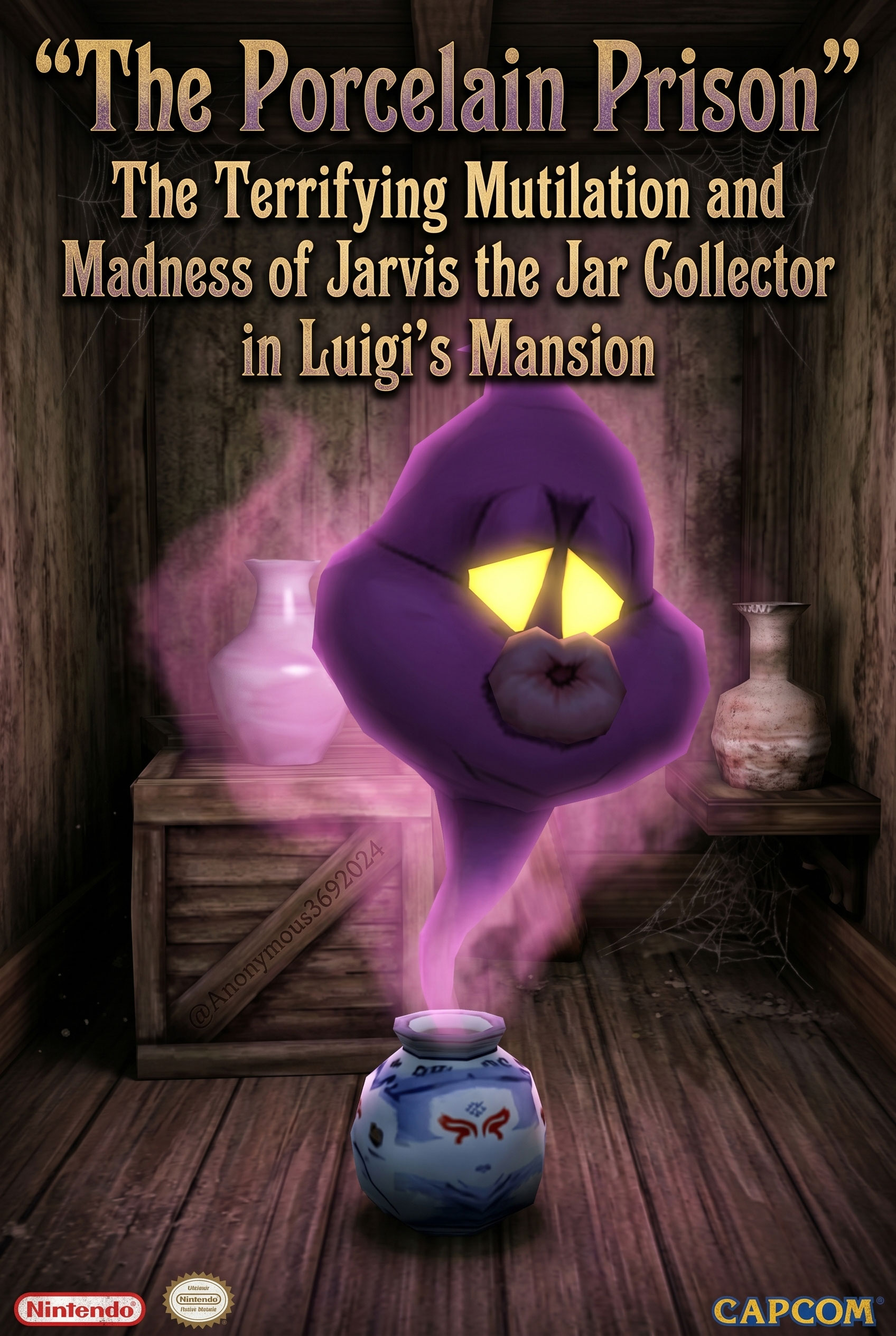
Jarvis's Porcelain Prison: The Luigi's Mansion Ghost Who Became His Collection
Jarvis looks like a throwaway joke in Luigi's Mansion: a purple head hiding inside antique jars. But his missing body, sealed porcelain world, and unreadable spectral heart point to something colder: a collector who stopped owning his treasures and became one of them.
Why Sir Weston Chose the Ice in Luigi's Mansion
Sir Weston is not just a frozen boss waiting in the basement. In Luigi's Mansion, his block of ice, locked cold-storage room, and hatred of warmth reveal an explorer so consumed by the frost that survival became the thing he wanted to escape.
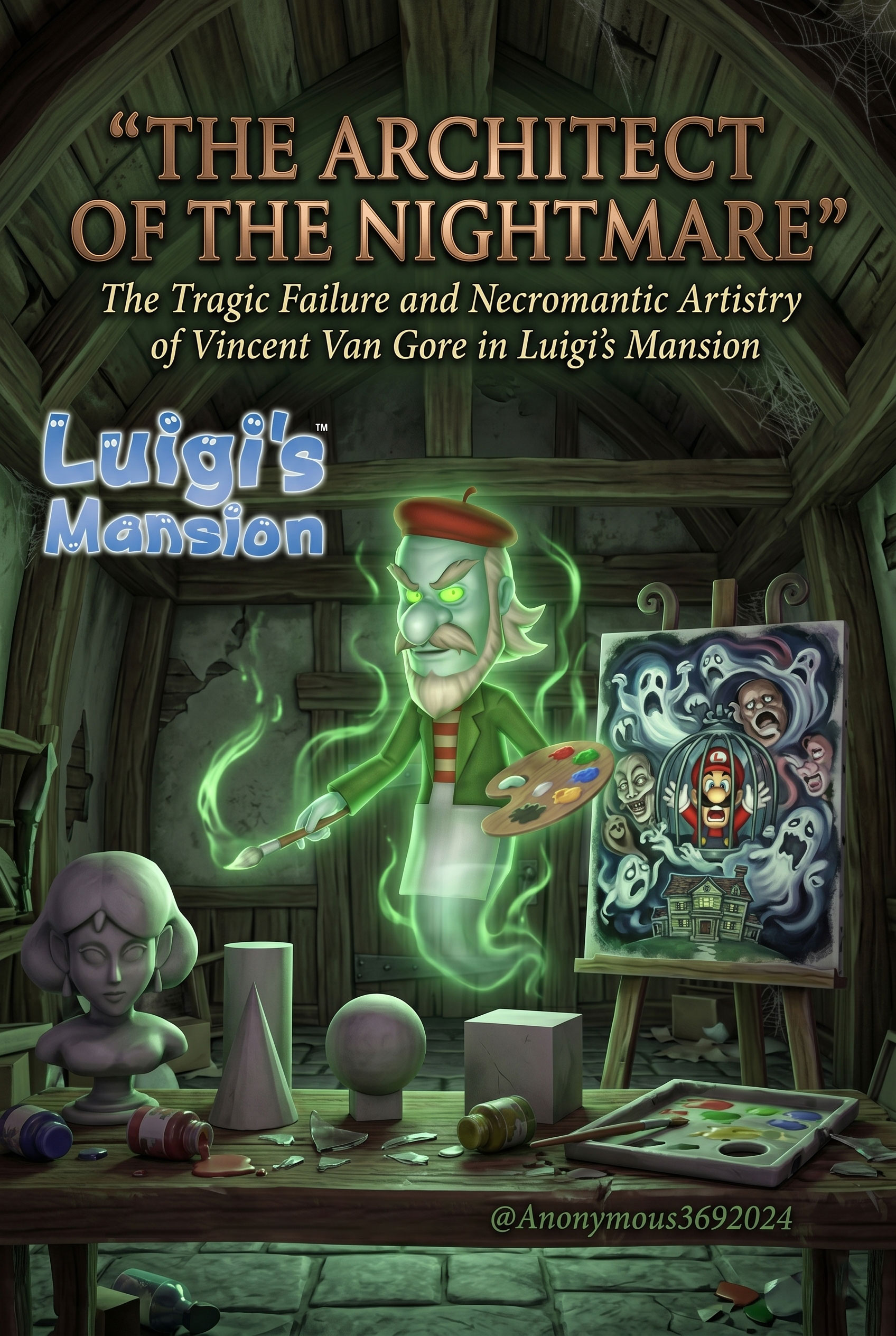
Vincent Van Gore Painted Rejection Into Luigi's Mansion's Army
Vincent Van Gore failed to sell a painting for thirty years, then died with the world still refusing to look. In Luigi's Mansion, his studio, seven waves of painted ghosts, and final blank canvas reveal an artist who turned rejection into an army that could finally make people afraid.
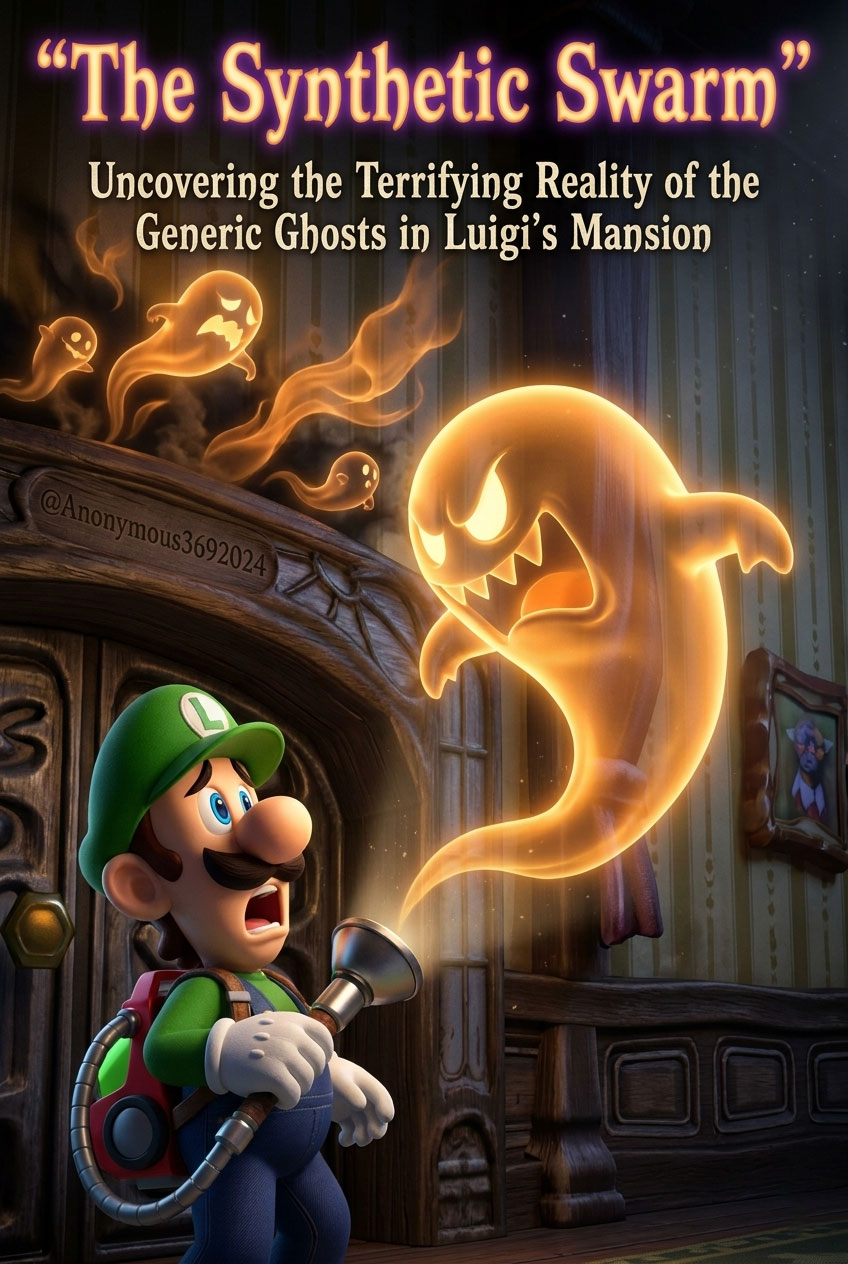
Luigi's Mansion's Generic Ghosts Were Never Alive
The Gold Ghosts and hallway stranglers were never lost souls. In Luigi's Mansion, Vincent Van Gore's painted swarm, masked Ghost Guys, elemental shells, and greedy Speedy Spirits reveal an artificial ecosystem built from one failed artist's rage.
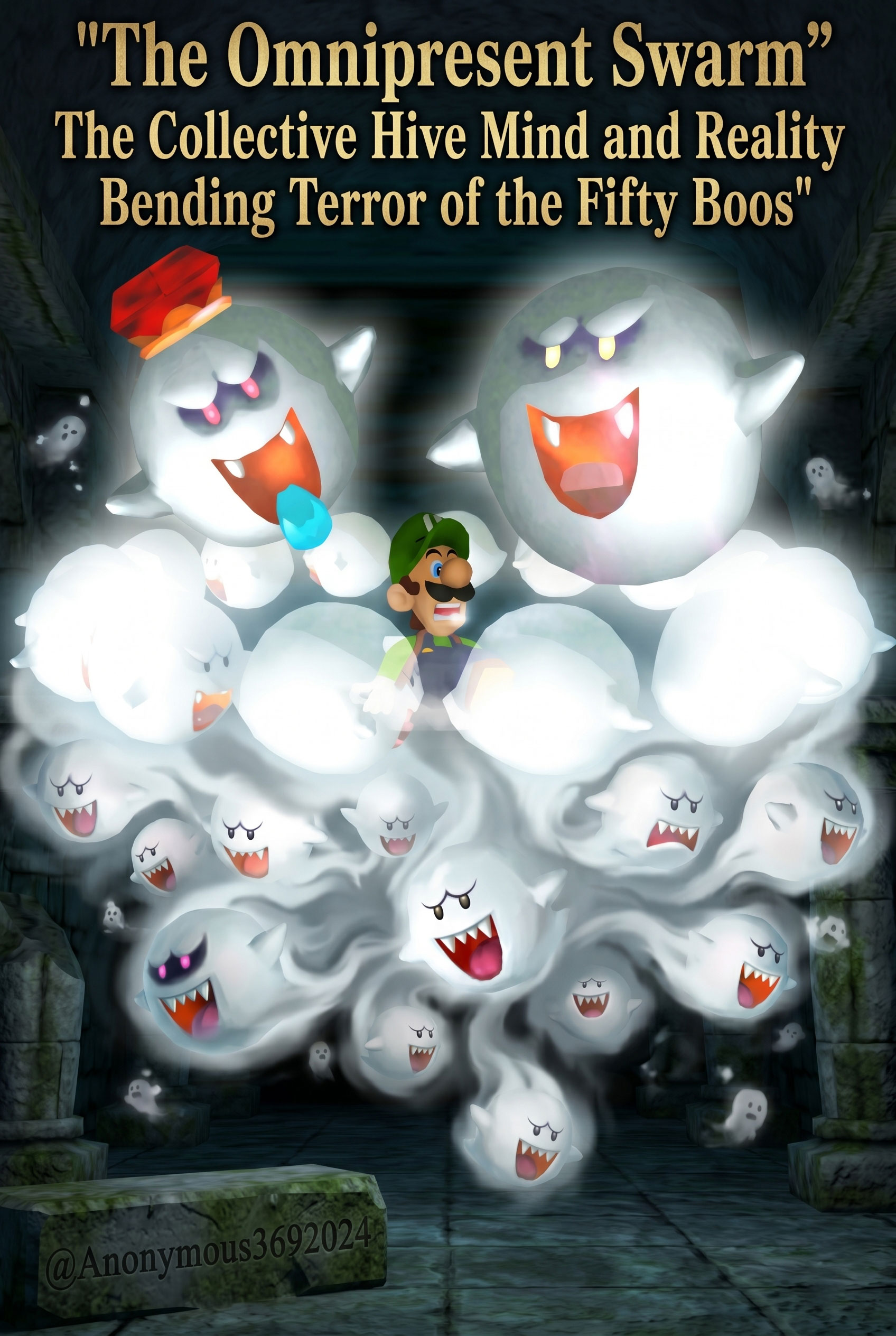
The 50 Boos Are the Nervous System of Luigi's Mansion
The 50 Boos are not a collectible checklist; they are the mansion's hidden power grid. In Luigi's Mansion, the Storage Room breach, mocking names, invisible barriers, and Gold Diamond reveal a hive mind strong enough to hold King Boo's impossible house together.
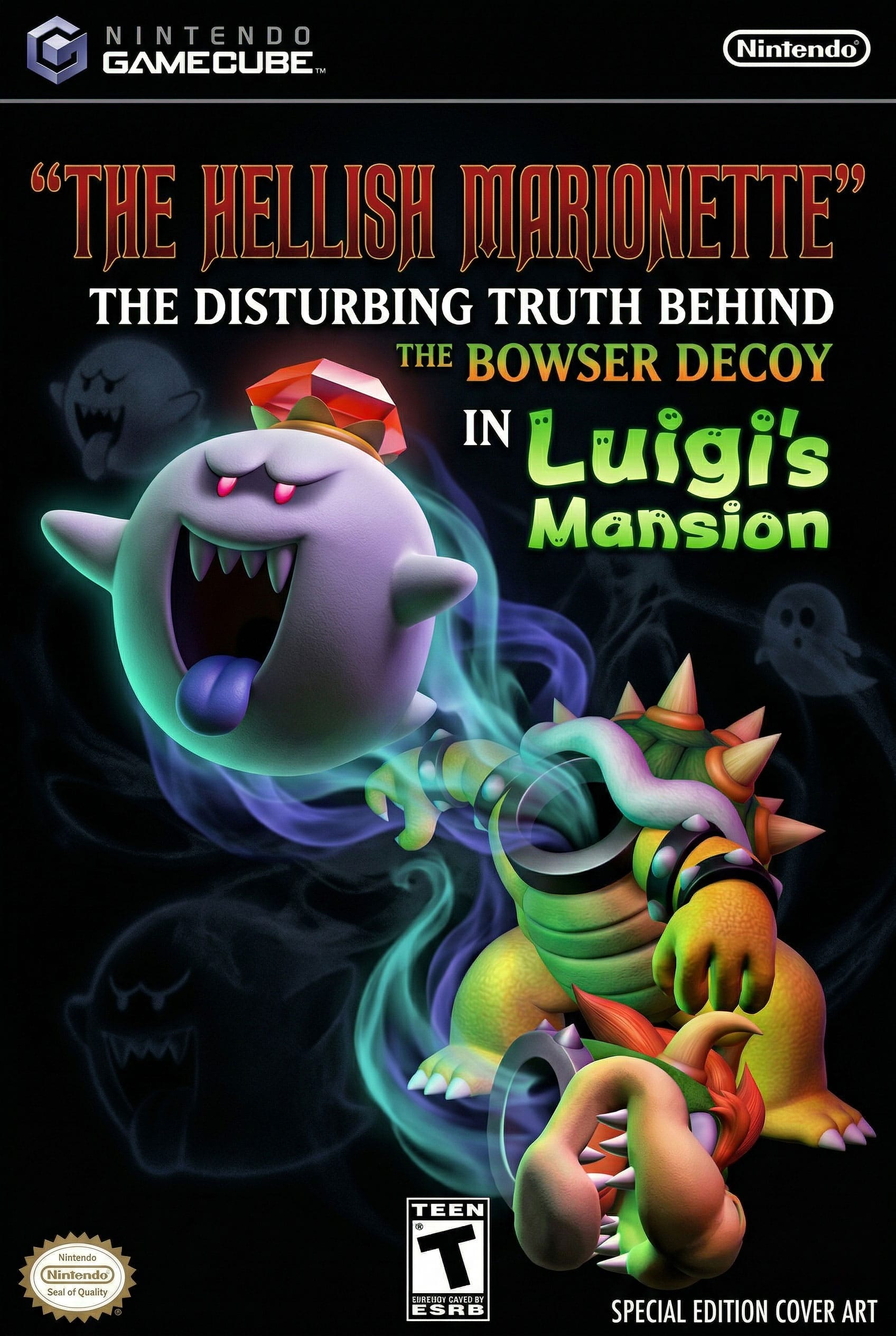
King Boo's Bowser Decoy Turns Luigi's Mansion's Finale Into a Nightmare
The Bowser at the end of Luigi's Mansion is not a resurrection; it is King Boo wearing a hollow nightmare. The severed head, burning roof, and backward-running body reveal a puppet built to make Luigi fight the one fear the mansion knew could break him.
Luigi's Mansion's Happy Ending Is Built on Captured Souls
Luigi saves Mario, but the victory is not as clean as the credits pretend. In Luigi's Mansion, King Boo's trap, E. Gadd's gallery, the Portrificationizer, and the new house reveal a happy ending quietly funded by the souls Luigi drags screaming into paint.