
Luigi's Mansion Turns a Haunted House Into Psychological Warfare
Boo Woods is not just a spooky detour; it is a trap engineered to think like fear. In Luigi's Mansion, King Boo's illusion, the humming in the dark, the blackout, and the Bowser puppet turn a rescue mission into Nintendo's quietest psychological horror story.


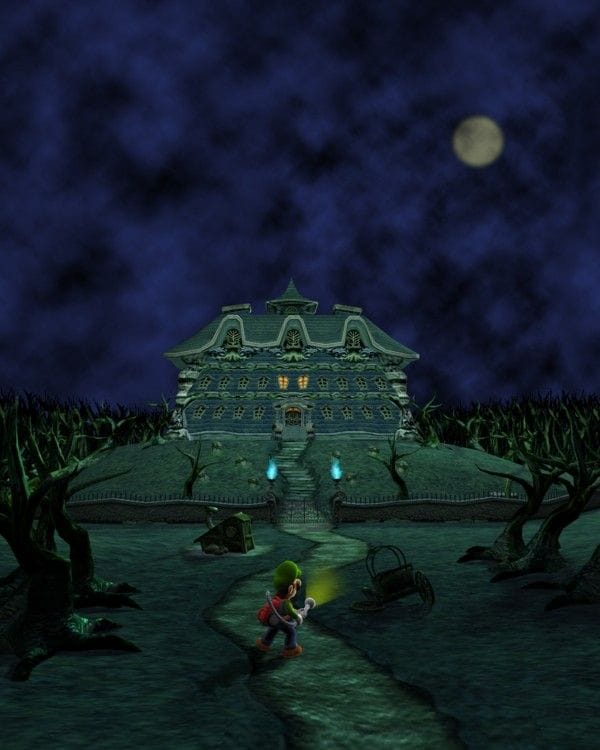
The air in Boo Woods tastes like copper and dead leaves. It is thick, heavy, and suffocating. The heavy iron gates screech shut behind him, sealing his fate. When Luigi steps onto the dead grass of the property he supposedly won in a contest he never entered, he does not find a welcoming estate. He finds a towering, gothic monolith that bleeds absolute dread. The wood rots beneath his boots. The smell of ozone and ancient dust fills his lungs. For years, players assumed this was just another quirky, lighthearted adventure from a company known for bright and sunny landscapes. But strip away the vibrant colors and the cartoonish facade, and you are left with a profound psychological thriller. This is a story about profound isolation, deeply rooted trauma, and a man forced to confront the literal and metaphorical ghosts of the past to save the only family he has left. Welcome to the true nightmare of Luigi's Mansion.
A Prison Built on Vengeance and Illusion
To understand the terror Luigi faces, we must first understand the architecture of the trap itself. This mansion is not a physical structure. It is a paranormal manifestation, an illusion conjured out of thin air by King Boo. The Ghost King did not build this labyrinth for real estate. He built it as a monument to vengeance. The lore reveals a bitter war between the phantom monarch and Professor Elvin Gadd. The eccentric scientist had spent his life hunting and sealing unique spirits into canvas paintings using a device called the Ghost Portrificationizer. When Gadd captured Boolossus, a massive entity composed of fifteen lesser spirits, King Boo retaliated with a fury that shook the very foundations of the spectral plane. He unleashed his forces upon the professors laboratory, reversed the machine, and freed every trapped soul.

King Boo then wove this towering illusion in the heart of the woods, specifically designed to lure and trap the famed Mario brothers. Mario, the fearless hero, charged in blind and was swiftly defeated, sealed away within a painting in the darkest depths of the basement. When Luigi arrives, he is not just stepping into a haunted house. He is stepping into the belly of a supernatural predator perfectly tuned to consume him. The flashlight in his trembling hand and the cold metal nozzle of the Poltergust 3000 strapped to his back are his only lifelines in a realm designed to break his mind. Every creaking floorboard and every sudden gust of freezing wind is a calculated move by the mansion itself to break his spirit before he even reaches the basement.
The Sound of Terror and the Melody of Madness
Fear is not just seen in this game, it is heard and felt in every corner of the dark estate. The sound design is a masterclass in psychological manipulation. When Luigi stands in a fully illuminated room, he whistles the main theme with a sense of relief. But the moment he crosses the threshold into the pitch black hallways, the music distorts. It becomes an oppressive, dissonant echo. Luigi begins to hum the melody to himself. This is not a static sound loop. It is a dynamic reflection of his mental state.
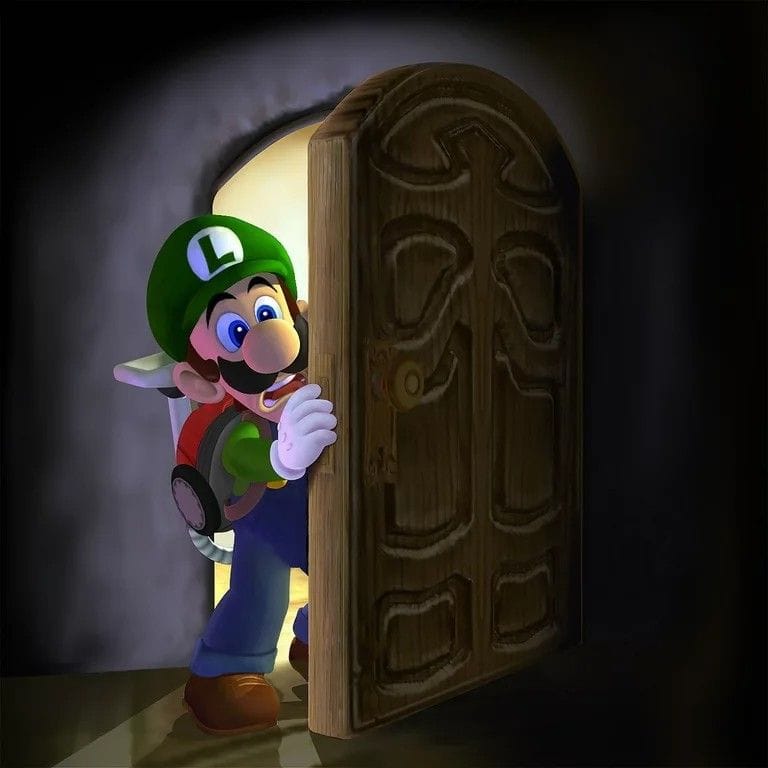
As his health depletes, as the physical and mental toll of the mansion grinds him down, his humming changes. It becomes erratic. His voice cracks. His teeth chatter audibly in the suffocating silence. If you listen closely when he is near death, the hum devolves into a desperate, high pitched whimper. When you press the button to call out for his brother, a healthy Luigi shouts with determination. An injured, terrified Luigi can barely choke out a trembling whisper, calling out a faint and broken plea into the void. You can almost feel the cold sweat on his brow and the frantic beating of his heart. The silence of the mansion is absolute, broken only by the mechanical roar of the vacuum and the guttural, croaking laughter of the spirits waiting in the shadows. The ghosts themselves mock his tune, croaking the very same melody from the darkness to let him know they are always watching.
The Doomed Lineage of the Portrait Ghosts
The true horror of the mansion lies in its inhabitants. The generic spirits that roam the halls are terrifying enough, but the Portrait Ghosts hold a much darker secret. These are twenty three distinct entities, and the lore buried within the Game Boy Horror scans suggests a deeply unsettling reality. They are not random apparitions. Many of them appear to represent a single, doomed family that met a tragic end. The architecture of the home supports this grim narrative. There is a study, a master bedroom, a nursery, and a kitchen, all occupied by spirits locked in eternal, repetitive loops of their final days.
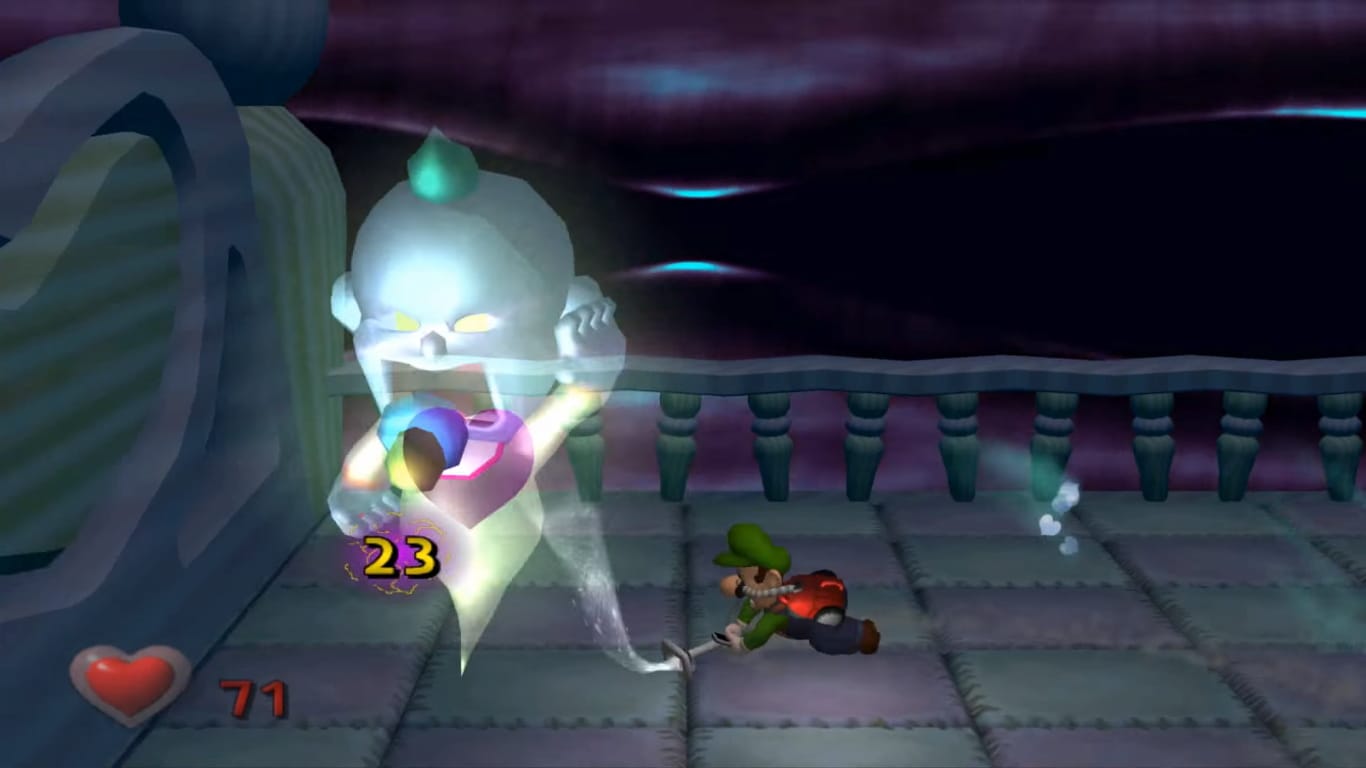
We see Neville, the father, forever reading in his study, surrounded by dusty tomes he missed while he was breathing. We find Lydia, the mother, gazing endlessly into her mirror until a cold draft of wind breaks her trance. But the most chilling detail rests in the nursery. Here we find Chauncey, an infant ghost. The internal lore describes Chauncey as being "born as a ghost", a phrase that carries horrifying implications about the fate of his mother and his own tragic entry into the afterlife. To progress, Luigi must do battle in an oversized crib, dodging giant rocking horses and massive beach balls hurled by an enraged, wailing infant.
Elsewhere in the estate, we encounter Mr Luggs, a gluttonous spirit who literally ate himself into the grave, demanding endless platters of spectral food from phantom waiters. In the guest room, Luigi discovers Sue Pea, a young girl who took a nap and slipped into an eternal slumber. Did a sudden catastrophe claim this family? Did a silent poison or a spreading fire wipe out the bloodline in a single night? The game refuses to give us a clean answer, leaving us to wander the rotting halls and piece together the gruesome puzzle of their demise. The player must literally rip these souls from their eternal rest, fighting against their supernatural resistance as they are sucked screaming into the cold intake of the Poltergust.
The Architects of Shadow and Paint
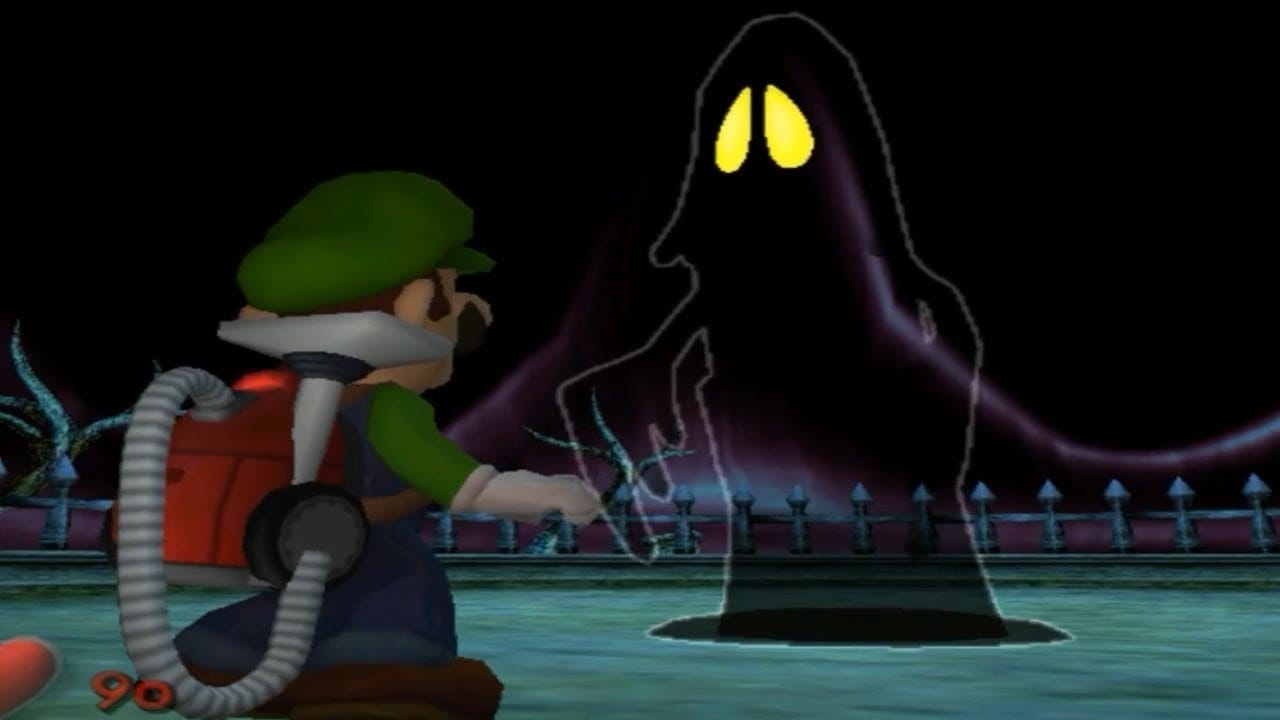
As Luigi descends deeper into the madness, he encounters entities that defy human logic. In the overgrown, crumbling graveyard, he does not face a former human. He faces Bogmire. The game explicitly states that Bogmire is a product of the mansions fear and despair. He is not a soul. He is the literal manifestation of the psychological rot that infects the property. Fighting him means wrestling with the very concept of dread, sucking up shadowy manifestations of pure terror that emerge from the lightning struck earth to use as weapons against the formless nightmare itself.
Deeper still, in the attic, Luigi discovers the source of the lesser ghosts that plague his every step. Vincent Van Gore, a starving artist who failed to sell a single piece in life, now spends his afterlife painting spirits into existence. He is a tragic figure, consumed by a stubborn refusal to let his art die, creating a perpetual army for King Boo to command. He summons waves of colorful, violent apparitions, forcing Luigi to clear out a canvas army before finally confronting the tortured painter. Capturing him feels less like a victory and more like extinguishing the last, manic spark of a tortured soul.
The Blackout and the Descent into Madness
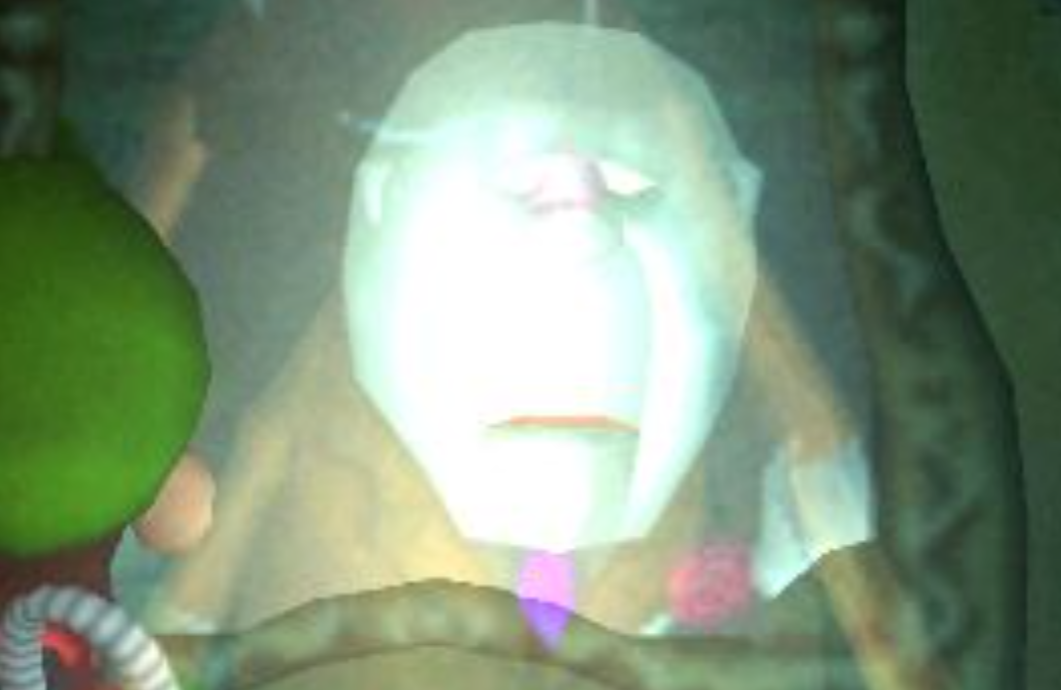
The psychological pressure reaches a boiling point during the blackout sequence. A sudden strike of lightning plunges the entire sprawling estate into absolute darkness. The comforting illumination of previously cleared rooms is stripped away. The mansion is instantly repopulated with roaming horrors. The safe havens are gone. During this sequence, the tension is palpable. Every step through the pitch black corridors feels like walking a tightrope over a razor wire. The only salvation is finding Uncle Grimmly, a terrifying hermit ghost who hides in the wardrobe room, hoarding the key to the breaker box. The journey to find him is a grueling test of endurance, forcing players to navigate blindly while being stalked by invisible predators.
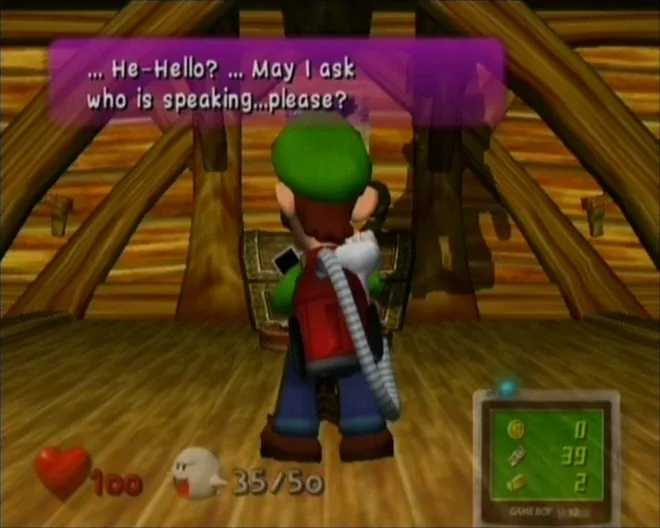
It is during this blackout that players have historically reported a deeply unsettling phenomenon in the telephone room. When lightning strikes while Luigi answers a ringing phone, a shadow is cast on the back wall. Due to a trick of the lighting engine and the camera angle, Luigis silhouette appears disconnected from the floor, hanging suspended in mid air like a body on a noose. While confirmed to be a technical quirk, this chilling visual perfectly encapsulates the suffocating atmosphere of the game. It is a moment of pure, unintentional horror that has fueled internet folklore for decades, cementing the idea that the mansion is actively trying to break the sanity of the player and the protagonist alike.
The Ultimate Test of Courage
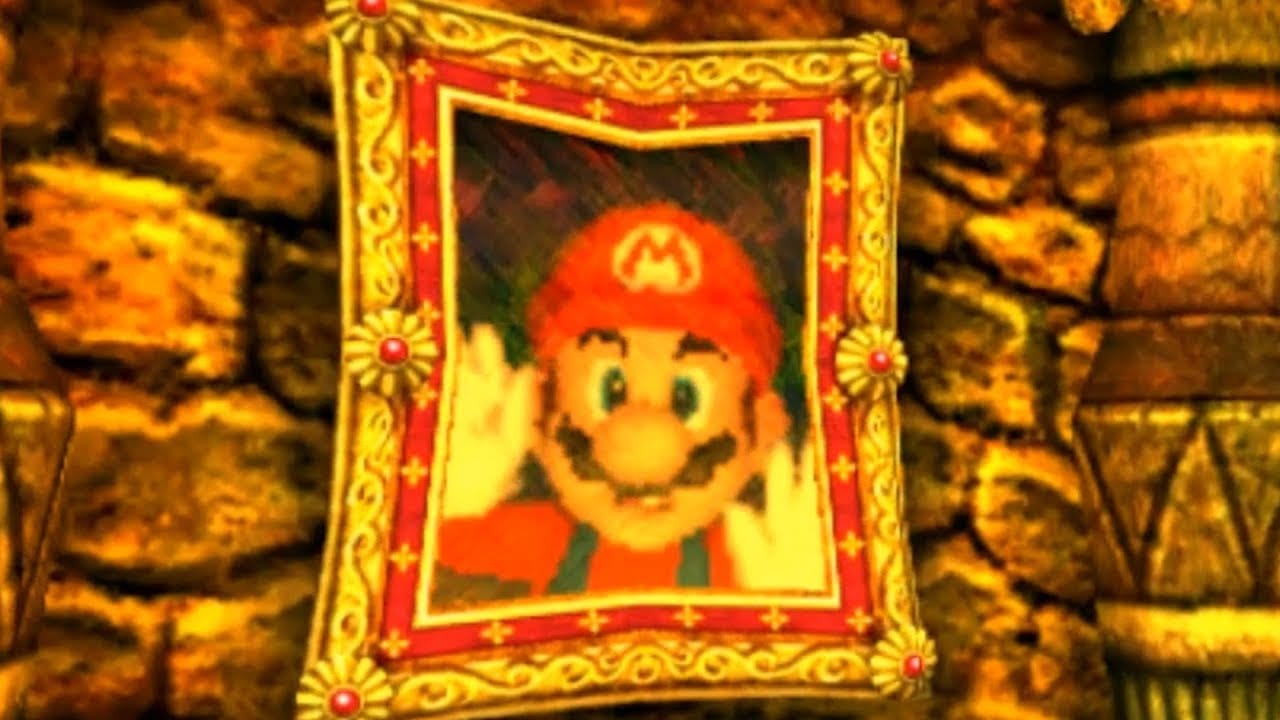
The climax of the game forces Luigi to the absolute limit of his sanity. In the Secret Altar, deep within the subterranean bowels of the estate, he finally locates his brother. Mario is trapped behind the glass of a painting, helpless and suspended in time. King Boo mocks Luigis arrival, dragging him into an infernal pocket dimension that resembles the roof of the mansion, bathed in hellish fire. But King Boo does not fight fair. He pilots a grotesque, life sized puppet of Bowser, forcing Luigi to battle the visceral manifestation of his greatest enemy.
The sheer psychological terror of facing a fire breathing monstrosity, dodging explosive spiked bombs and freezing ice blasts, is staggering. The air is thick with the smell of brimstone and burning ozone. Every time the heavy mechanical footsteps of the Bowser suit shake the arena, the vibration travels directly into the players hands, mirroring the trembling of the green clad plumber. Luigi must rip off the mechanical head of the beast with its own explosives to expose the spectral parasite hiding within the neck cavity. Yet, Luigi stands his ground. He is completely terrified. He shakes, he cries, and he cowers. But "true courage" is not the absence of fear. True courage is feeling the icy grip of terror around your throat and pushing forward anyway. Luigi pushes through his debilitating phasmophobia, surviving a gauntlet of death simply because his profound love for his brother outweighs his primal instinct to flee.
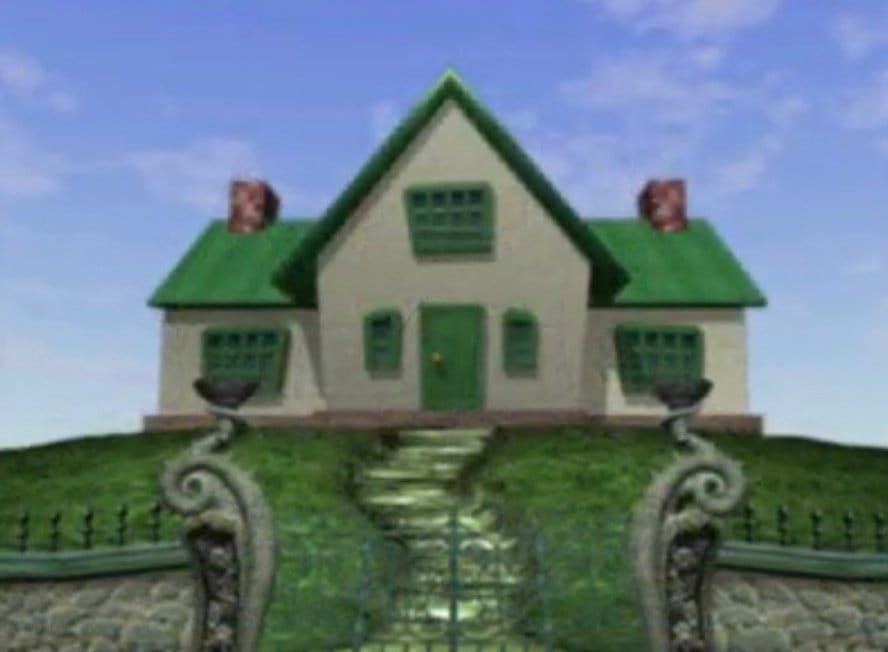
When the nightmare finally ends, the illusionary mansion vanishes into the ether. Luigi uses the physical riches he gathered to build a new, humble home, rejecting the grand palaces he could have afforded with a higher rank. He chooses a quiet, modest life over a monument to greed. But one must ask themselves a chilling question. King Boo was captured, but the residual energy of that accursed ground remains. Did the mansion truly disappear forever, or is it simply waiting in the dark for the right moment to materialize once again, hungry for the next soul brave enough to step through its doors?
Continue the Mansion File
The mansion works best as a chained dossier. Step back if you missed the previous room, or keep going to follow the next piece of Luigi's Mansion lore.
Previous file: Luigi's Mansion's Fake Prize Turned Fear Into Nintendo's Strangest Rescue Next file: Neville Charms's Baby Care Diary Exposes Luigi's Mansion's Failed Father