
The Somerton Man: How DNA Named Australia's Unknown Beach Corpse
A pristine corpse on a beach. Missing labels. An untraceable poison. A secret code tied to a Persian poem. For 70 years the Somerton Man was the ultimate spy mystery until DNA unmasked a ghost.


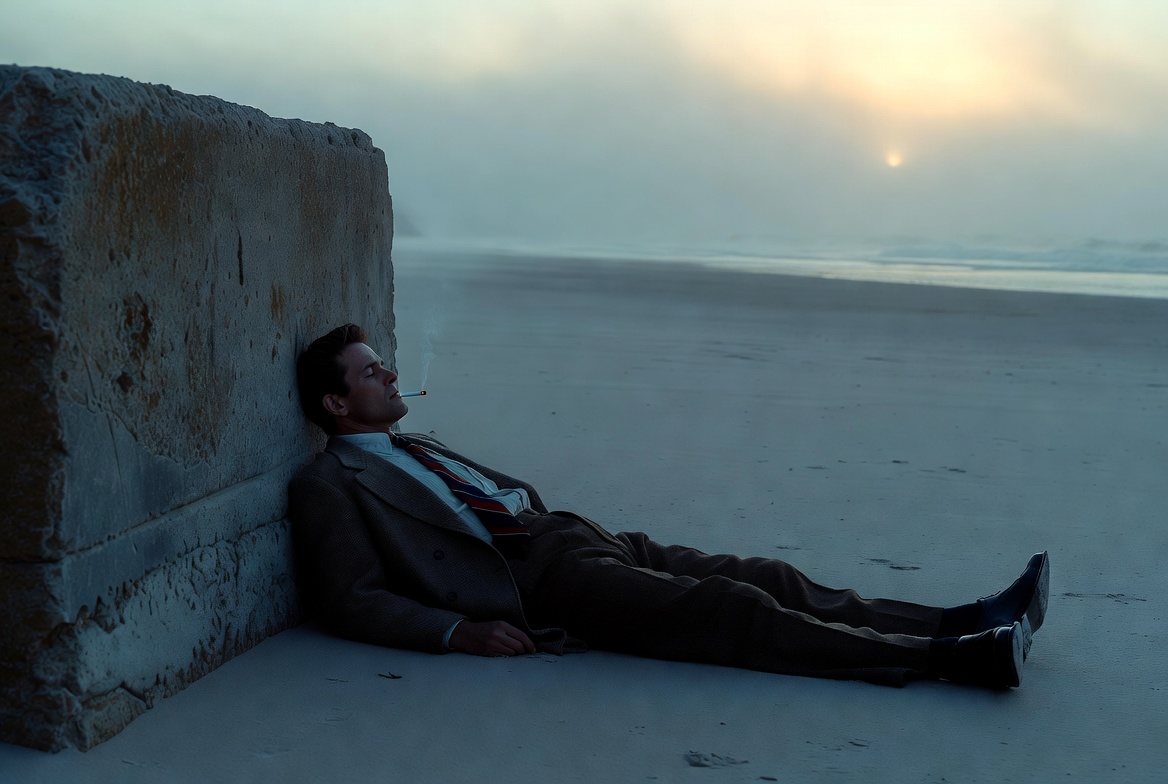
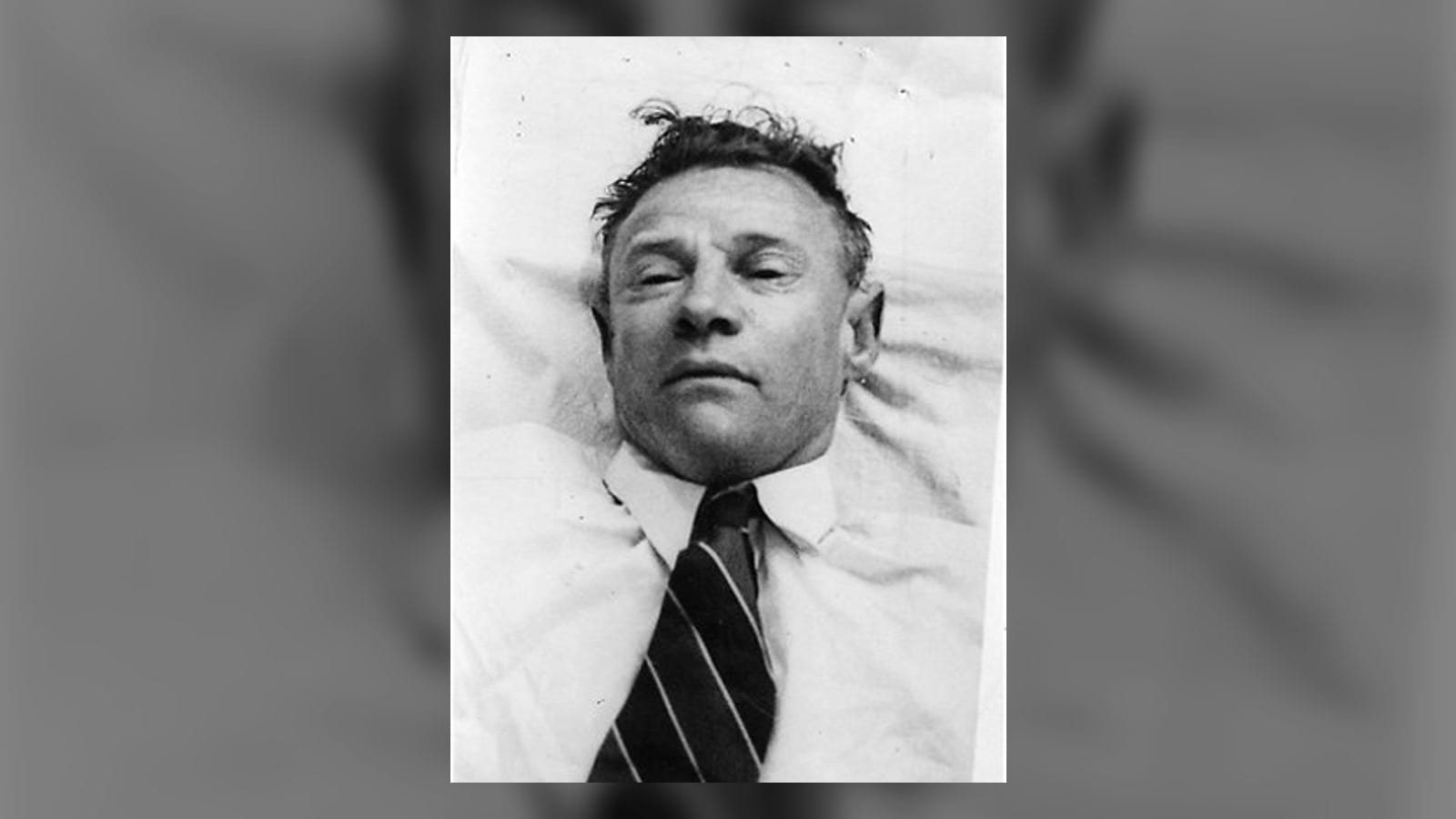
The Southern Ocean breeze was biting on the early morning of December 1 1948. A local couple walking along the pale sand of Somerton Beach in South Australia spotted a man slumped against the concrete seawall. He looked as though he had simply drifted off to sleep after a long night. He was impeccably dressed for a morning on the sand. He wore a crisp white shirt, a red and blue tie, brown trousers, and a heavy double breasted jacket. His legs were extended and crossed at the ankles. A half smoked cigarette rested gently on his right collar as if it had slipped from his lips the exact second his heart stopped. But as the morning light crept over the horizon the reality set in. The man was dead and he had left absolutely nothing behind to tell the world who he was.
The Body on the Beach
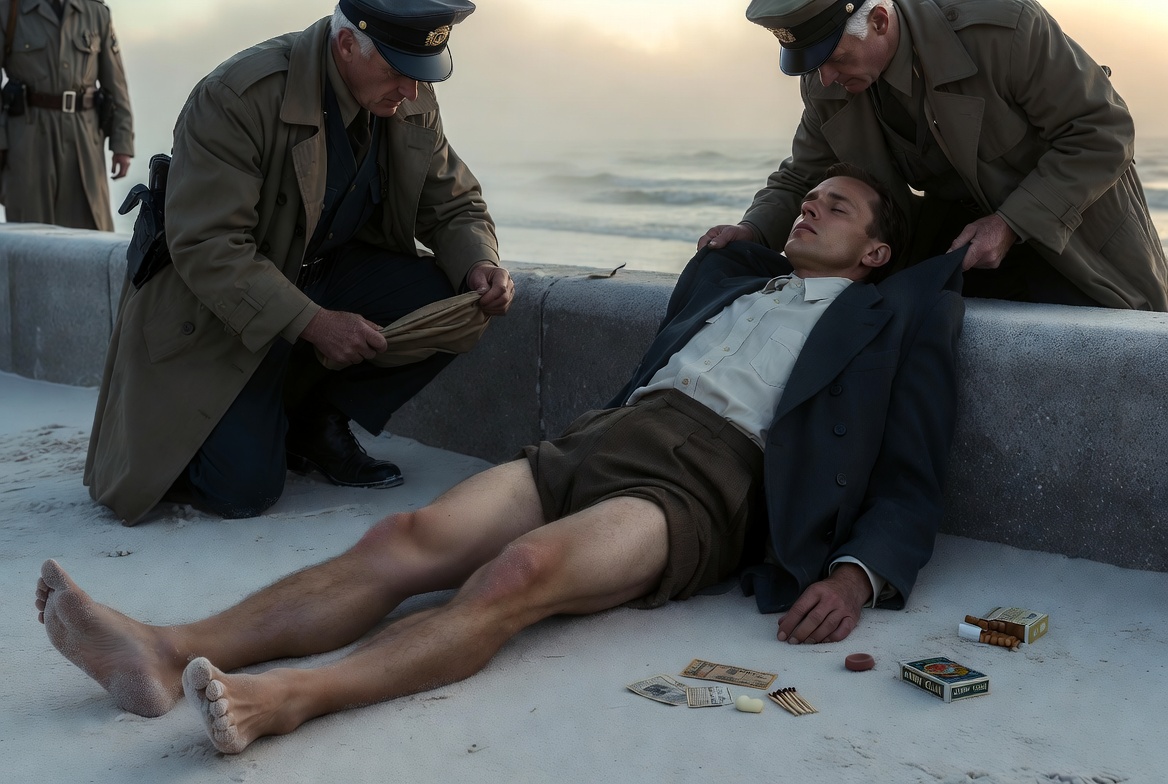
When police arrived they expected a routine investigation. Perhaps a heart attack or a tragic suicide. Instead they walked into a forensic nightmare. The man carried no wallet, no cash, and no identification cards. He had a bus ticket, an unused train ticket, chewing gum, matches, and an Army Club cigarette packet containing a more expensive brand of smokes. But the most chilling detail was the state of his clothing. Every single manufacturer label had been meticulously cut away with scissors. His coat, his trousers, and his undershirt were entirely blank. To a seasoned detective this was not the work of a wandering vagrant. It was the purposeful erasure of an identity.
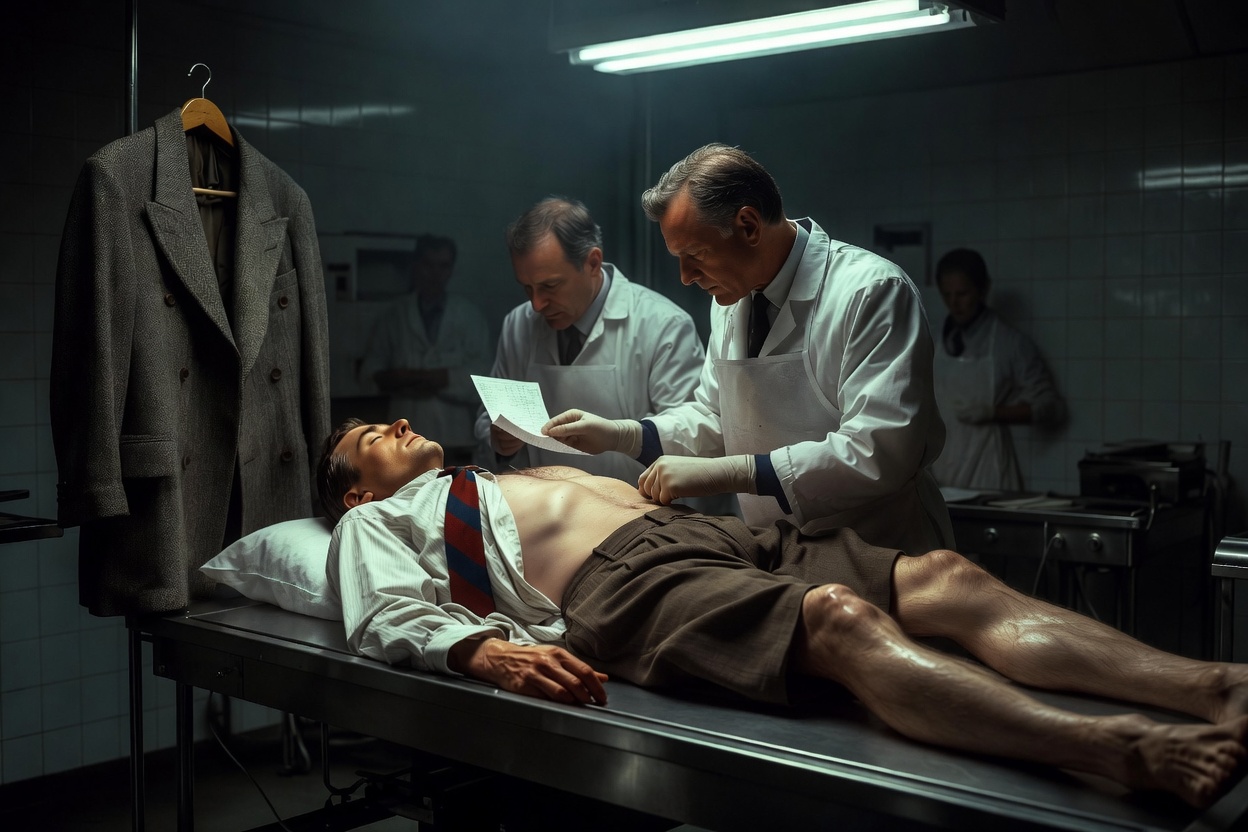
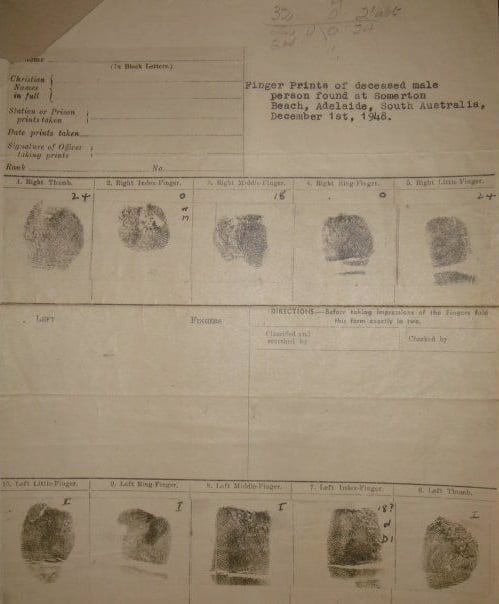
Forensic pathologists noted that his physical condition was exceptional. He possessed high and pronounced calf muscles similar to those of a professional dancer or a long distance runner. His hands were soft and showed zero signs of manual labor. He also possessed a rare ear structure and a congenital dental condition where his lateral incisors were completely missing. But despite distributing his fingerprints and photographs across the globe nobody stepped forward to claim him.
An Untraceable Poison
The autopsy raised even more disturbing questions. His heart was perfectly healthy but his internal organs told a story of sudden and catastrophic failure. His spleen was three times its normal size and his stomach was heavily congested with blood mixed into his final meal of a meat pasty. Medical experts were convinced he had been poisoned. Yet toxicologists could not find a single trace of any common deadly substance.
Leading pharmacologists of the era suspected a rare and highly toxic cardiac glycoside like digitalis or ouabain. These were substances that could trigger a fatal cardiac event and then vanish from the bloodstream entirely. The fact that he showed no signs of vomiting and that the sand around his feet was completely undisturbed suggested a terrifying possibility. The man might have been killed elsewhere and carefully posed against the seawall under the cover of darkness.
The Suitcase and the Secret Pocket
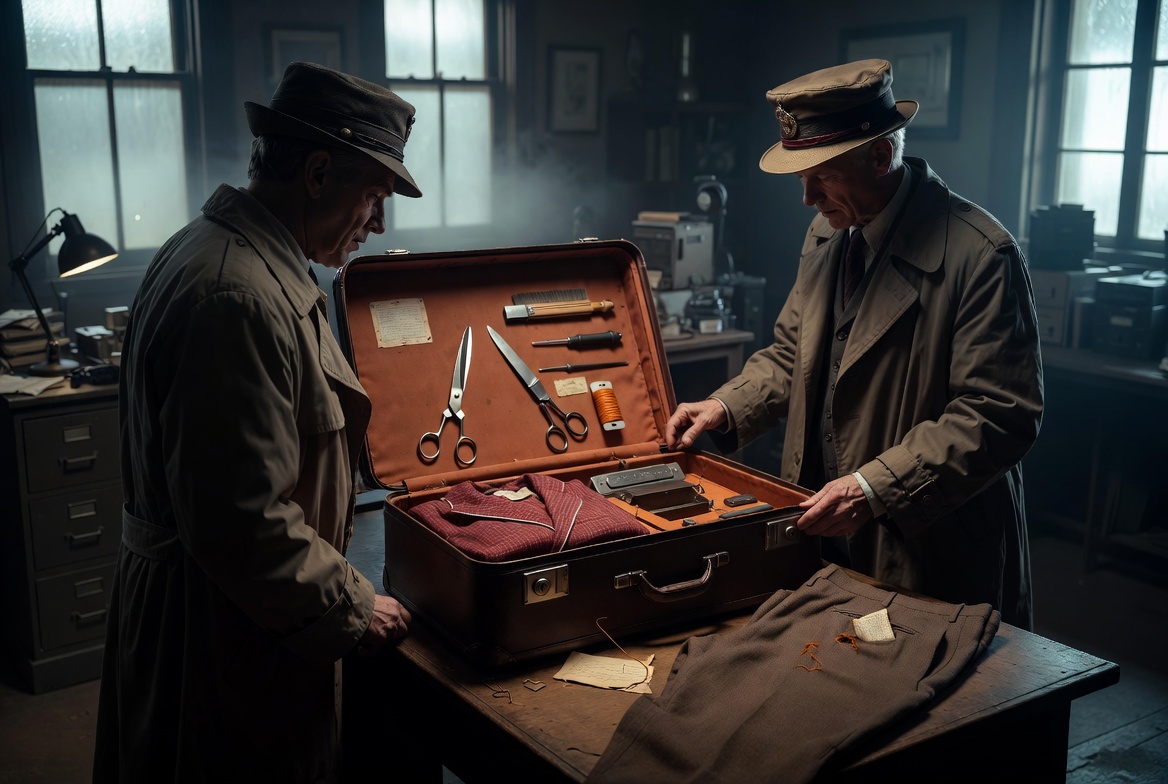
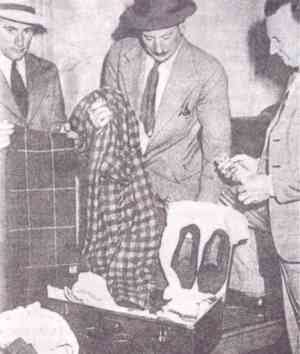
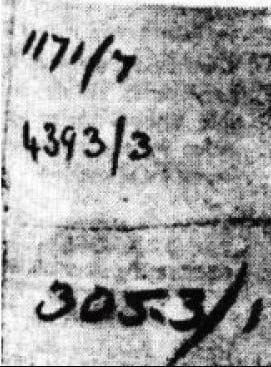
Weeks turned into months with the case growing colder by the day. Then a breakthrough occurred at the Adelaide Railway Station. Staff discovered an unclaimed brown suitcase checked into the cloakroom the day before the body was found. Just like the clothes on his back almost all the labels inside the luggage had been surgically removed. Investigators found a red checked dressing gown, sharpened scissors, an electrician screwdriver, a modified table knife, and a stenciling brush typically used on merchant ships.
They also found a card of unusual orange waxed Barbour thread. This exact thread had been used to mend a hole in the trousers the dead man was wearing on the beach. The suitcase proved he was a traveler but it offered no real name.
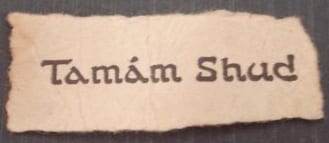
Months later a pathologist reexamining the dead man's trousers discovered a tiny hidden fob pocket sewn deep into the waistband. Inside was a tightly rolled scrap of paper. Printed on the paper were two words in Persian script. Tamam Shud. The phrase translated simply to finished or ended.
The Nurse and the Uncrackable Code
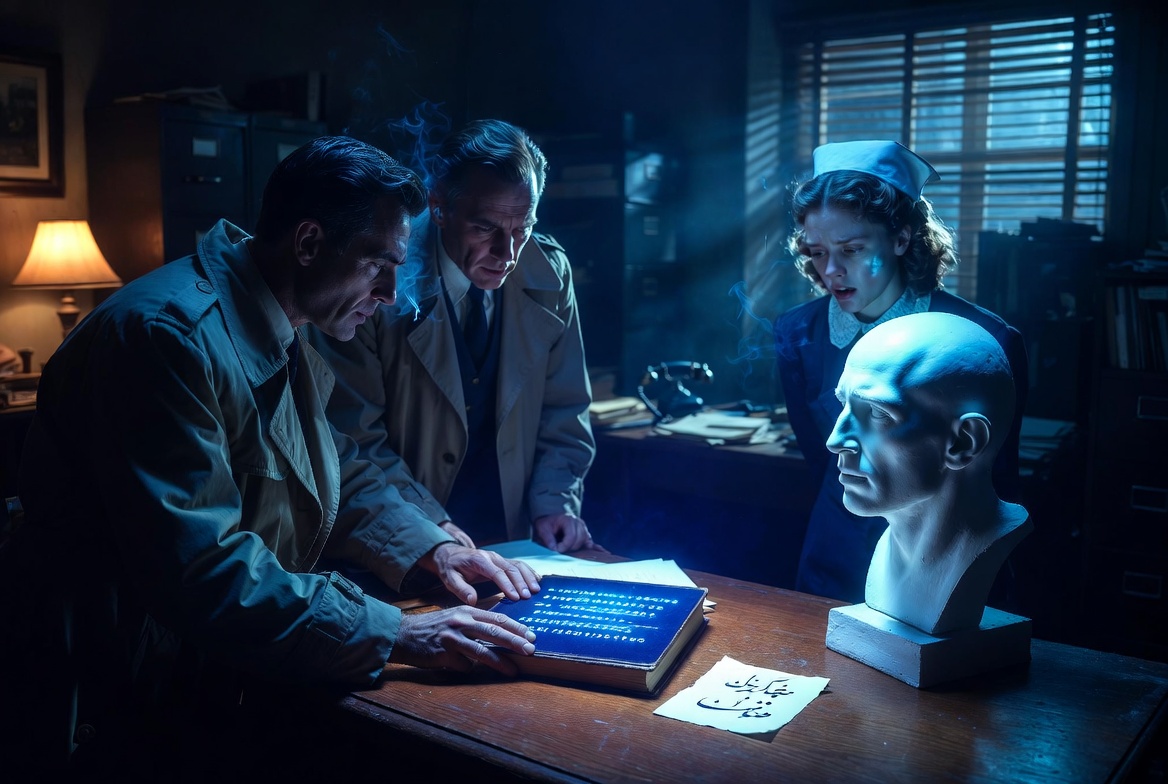
The torn scrap belonged to the final page of a twelfth century book of Persian poetry called the Rubaiyat of Omar Khayyam. Police launched a desperate nationwide search for the exact book. Incredibly a local man came forward stating he had found a rare copy of the poetry book tossed onto the back seat of his car which had been parked near Somerton Beach. The torn page perfectly matched the scrap found on the dead man.
Under ultraviolet light the back cover of the book revealed faint indentations. It was a five line sequence of capital letters that looked exactly like a secret cipher. The second line was crossed out as if the writer had made an encryption error. Below the code was an unlisted phone number.
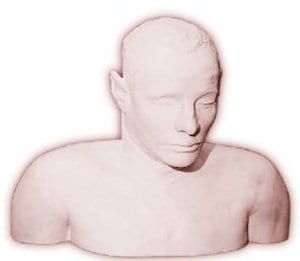
That number belonged to a young nurse named Jessica Thomson who lived a mere five minute walk from where the body was discovered. When police showed her a plaster bust of the dead man she looked as though she might faint. Yet she adamantly denied knowing him. She admitted she had given a copy of the Rubaiyat to an army lieutenant named Alf Boxall years earlier but Boxall was later found alive in Sydney with his book fully intact. Jessica took her secrets to the grave leading generations to believe she and the dead man were entangled in a shadowy web of Cold War espionage.
DNA Unmasks the Ghost
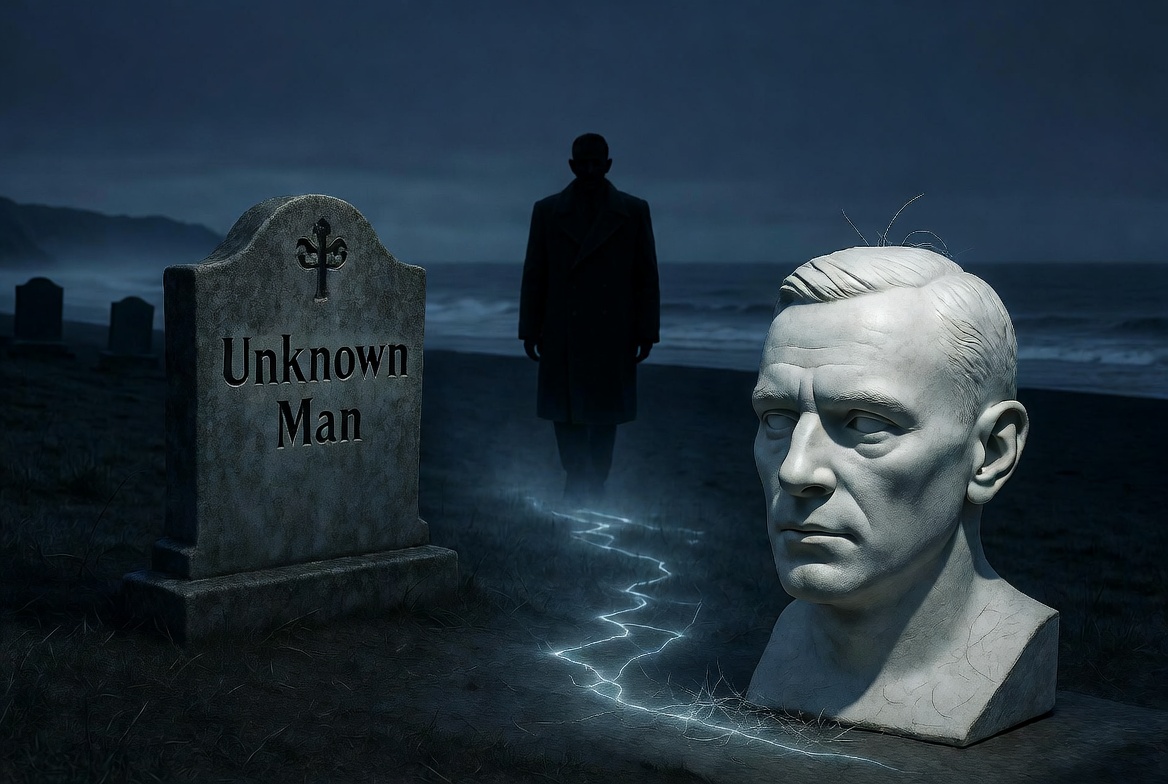
For more than seven decades the Somerton Man rested in a grave marked only as the Unknown Man. The uncrackable code and the missing labels fueled endless theories of Soviet spies and clandestine assassinations. But in 2022 the silence was finally shattered.
Using a few stray hairs preserved in the original plaster death mask researchers applied advanced genetic genealogy to build a sprawling family tree. The ghost was finally given a name. He was Carl Charles Webb an electrical engineer and instrument maker from Melbourne.
Webb was a man who loved poetry and betting on horse races. The specialized tools in his suitcase belonged to his trade. The uncrackable code in the back of the book was likely just a list of first letters for the horses he was tracking. Archival records revealed he had separated from his wife Dorothy who had moved to South Australia. It is highly probable Webb traveled to Adelaide in a desperate final attempt to find her.
Carl Webb is no longer a nameless phantom but the shadows surrounding his final hours refuse to dissipate entirely. We know his name and his profession. We know he wandered onto a dark beach with the word finished hidden in his pocket. But did Carl Webb travel to Somerton Beach to simply end his own story or did he meet someone in the dark who finished it for him?
Archival Case Gallery
Sources & Case Notes
Last updated: May 8, 2026.
Primary sources / case notes: South Australian case history, public Tamam Shud/Somerton Man archival materials, DNA identification reporting, and public-domain case images preserved through Wikimedia Commons.
Source links:
- University of Adelaide Somerton Man identification release
- ABC report on the Somerton Man exhumation
- Wikimedia Commons Somerton Man case images
Correction policy: Send corrections, source notes, or image-rights concerns through Contact & Media Inquiries.
Image credits: Feature and gallery use public-domain Somerton Man identification, suitcase, Tamam Shud scrap, fingerprint, and laundry-tag images where legally reusable. Body images are documentary recreations created for Anonymous369 Media.
Content warning: Discusses an unidentified death, postmortem identification imagery, and forensic DNA; non-graphic.
Editorial standards: Read how Anonymous369 Media researches, corrects, and credits factual cases on our Editorial Standards page.
Continue the Case File
These investigations reward careful reading. Step back if you missed the previous file, or keep going to follow the next case in the archive.
Previous file: The Ladder of Evidence: How Forensic Botany Solved the Lindbergh Kidnapping Next file: The Boy in the Box: How DNA Named Joseph Augustus Zarelli