
Asha Degree's Buried Backpack: How Warrants Reframed a Cold Case
On Valentine's Day 2000, nine-year-old Asha Degree vanished from Shelby, North Carolina. Recent warrants, DNA links, a green-car lead, and disputed denials have reframed the cold case without closing it.


At about four in the morning on Valentine's Day 2000, North Carolina Highway 18 was all rain, pavement, and headlights.
The road south of Shelby had gone slick and black in the storm. Visibility was poor. The kind of weather that makes drivers grip the wheel a little harder and stare into the shoulder before the shoulder disappears.
Then someone saw a child.
She was small, moving along the roadside in light-colored clothing, with a bookbag on her back. Another driver would report seeing a similar figure. One account said the girl moved away from the road when help came near. By sunrise, the name attached to that figure was no longer a rumor on the highway.
It was Asha Jaquilla Degree.
She was nine years old. She had been asleep in her bedroom, according to her family's timeline, only hours earlier. By the time her parents realized she was gone, the rain had already done what rain does in a missing-child case. It had softened tracks. It had broken scent. It had turned the first hours into a race against absence.
For years, the mystery of Asha Degree lived inside one impossible question: why would a cautious child leave a safe home, in the dark, during a storm?
More than two decades later, the question has not disappeared. But recent search warrants have changed the shape around it. The public record now includes DNA findings, a recovered green car, family phone searches, and text messages that investigators treated as important enough to put before a judge.
None of that is a conviction. No one had been publicly charged in Asha's disappearance in the sources reviewed by June 5, 2026. The people named in the warrant material have denied involvement.
But the old road is no longer empty.
The Squeak in the Bedroom
Asha lived on Oakcrest Drive with her parents, Harold and Iquilla Degree, and her older brother, O'Bryant. She was a fourth-grader at Fallston Elementary School, remembered as shy, bright, athletic, and deeply connected to family, church, and school.
The details that make the case hurt are not spectacular. They are ordinary.
A bedroom shared by siblings. A backpack. A child's clothes. A family that expected Monday morning to arrive normally.
The night before Asha vanished, the family had gone to church and visited relatives. A power outage hit the area after a vehicle crash, then electricity returned after midnight. Harold Degree later checked on the children and saw them in bed. Around 2:30 a.m., Asha was reportedly still asleep.
Sometime after that, O'Bryant heard his sister's bed make a sound. He thought she was shifting in her sleep.
In hindsight, that small noise has become one of the case's most painful hinges. It is the kind of detail that does not feel important until a life has already moved past it.
By morning, Asha was gone.
Highway 18 in the Rain
Asha's parents found her bed empty before school. Her bookbag was missing too. The 911 call came quickly. Then came the search: law enforcement, volunteers, dogs, aerial searches, and a community trying to turn every ditch, shed, and tree line into an answer.
The public timeline has long centered on the reported Highway 18 sightings. Around 4 a.m., drivers saw a young girl matching Asha's description walking along the road. Local reporting has identified Jeff Ruppe and Roy Blanton Sr. among the key witnesses.
What they saw was strange enough to stay with them. A child alone. Rain falling. A rural highway before dawn.
One driver reportedly turned around to check on her. The girl moved away from the road and into the dark.
That moment has always carried a terrible double meaning. If the girl was Asha, it shows she made it away from the house alive. It also shows the last public trace of her was not inside a bedroom, or a driveway, or a family argument. It was out on the shoulder of a highway, where any passing vehicle could become either rescue or danger.
The Shed That Would Not Solve It
Searchers later found items in or near a shed on Turner family property close to the area where Asha was believed to have left the road. Public accounts have described candy wrappers, a pencil, a marker, and a hair bow that her family believed belonged to her.
There was also a wallet-sized photograph of another girl.
That photograph has become one of the case's stranger public details, partly because the record around it remains unsettled. It has been discussed for years, but available official updates have not treated it as the central lead in the modern phase of the investigation.
The shed offered a possible pause in the storm, but not an answer. If Asha had been there, why? If the items were hers, how did they get there? If she had stopped, where did she go next?
The trail did not continue. It thinned.
Then, more than a year later, the case moved north.
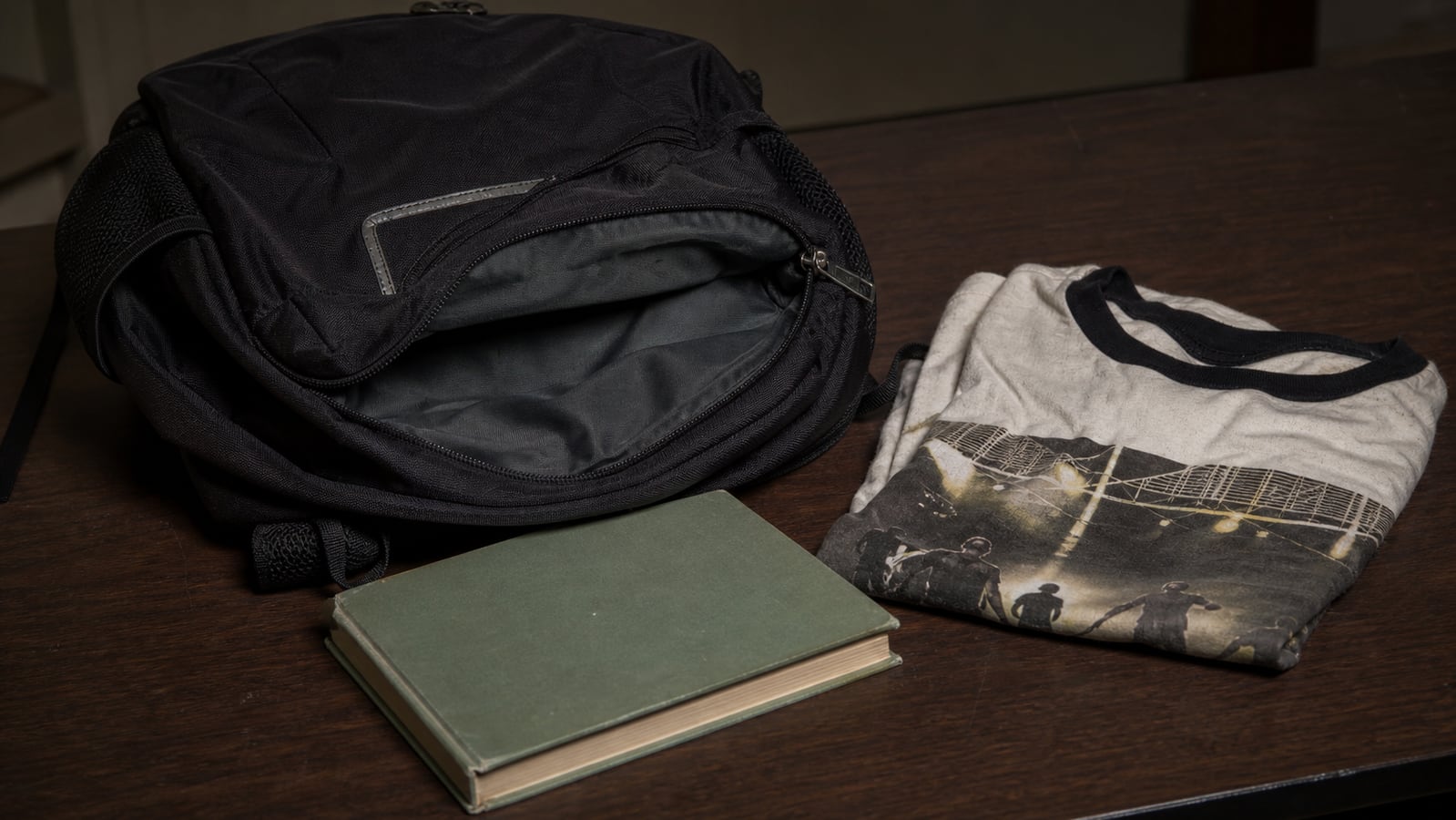
The Backpack in the Earth
In August 2001, construction workers found Asha's bookbag along Highway 18 in Burke County, near Morganton, roughly 30 miles from the Shelby area.
It had not been left in plain view. The bag was wrapped in black plastic garbage bags and hidden off the roadway. Inside were items connected to Asha, along with two pieces investigators later made public: a copy of Dr. Seuss's McElligot's Pool from the Fallston Elementary library, and a New Kids on the Block concert shirt.
The FBI has said neither item belonged to Asha.
That is why the backpack remains the object that bends the whole case. A child can walk from home. A child can become frightened. A child can vanish into terrain no search fully conquers. But a buried, wrapped bookbag miles away from her last known route points toward another hand.
Someone carried the bag away from the place where Asha disappeared.
Someone hid it.
And for years, the buried backpack held its silence.
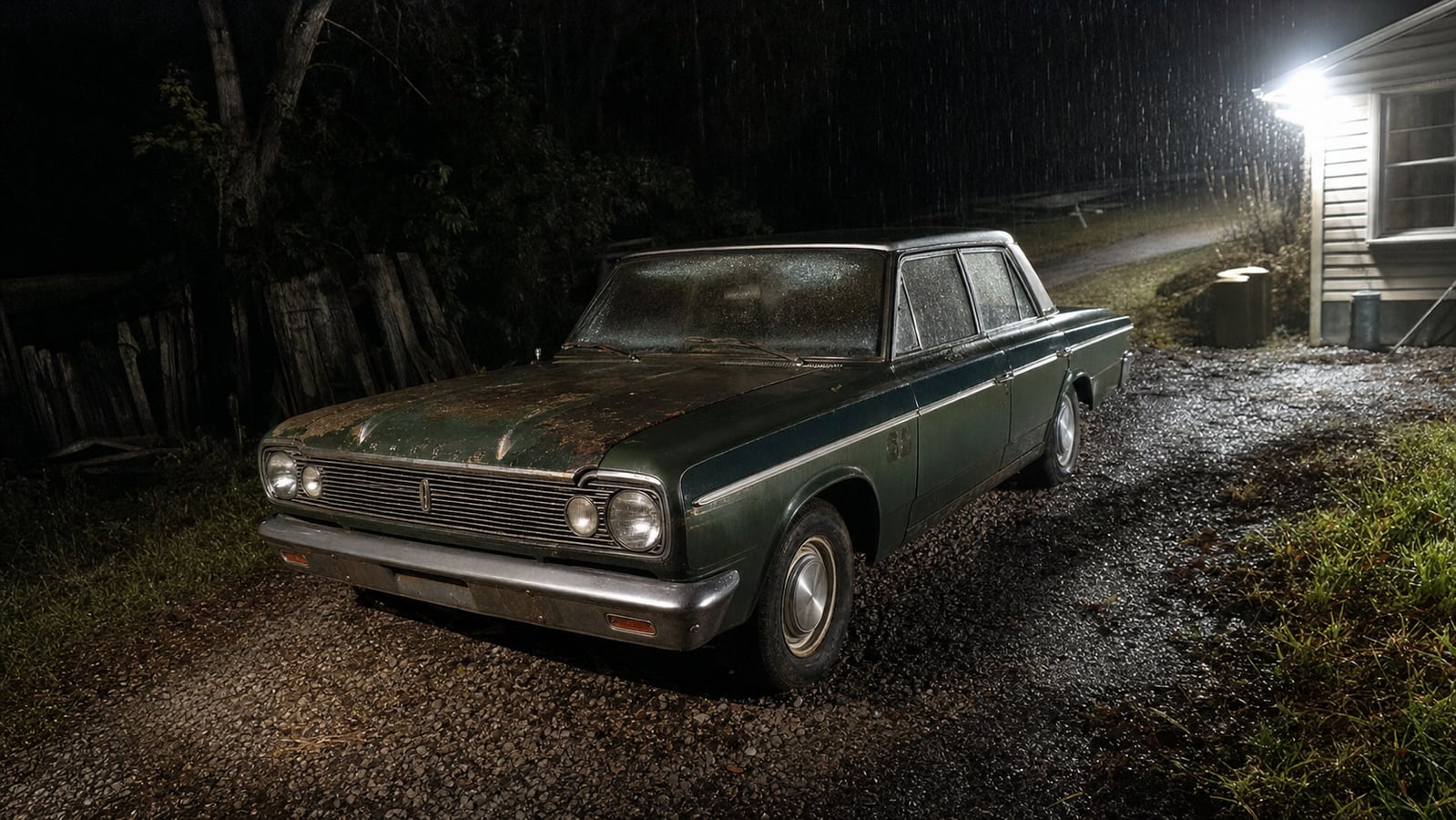
The Green Car Lead
In 2016, investigators publicly asked for information about a dark green early-1970s Lincoln Mark IV or Ford Thunderbird, or a similar vehicle, after a lead suggested Asha may have been seen getting into such a car around the time she disappeared.
That lead changed the emotional geometry of the case. The road was no longer only a path. It became an encounter point.
Then, in September 2024, investigators searched properties connected to the Dedmon family. Among the items seized was a green 1964 AMC Rambler. It was not the exact model named in the earlier FBI vehicle appeal, but warrant reporting described it as having similar features to the kind of car investigators had been looking for.
The car matters because it sits at the intersection of three facts: Asha was last seen along Highway 18; the backpack was found along Highway 18 near Morganton; and warrant material connected members of the Dedmon family to travel along that corridor for patient transport to Broughton Hospital.
That does not prove what happened to Asha.
It does explain why investigators were looking so hard at an old green car.
DNA, Warrants, and the Dedmon Connection
The September 2024 warrants brought the most significant public shift in the case.
According to warrant material and regional reporting, DNA findings from evidence associated with Asha's belongings were linked to Russell Bradley Underhill and AnnaLee Victoria Dedmon Ramirez. Underhill had lived in facilities operated by Roy and Connie Dedmon and died in 2004. AnnaLee is one of Roy and Connie Dedmon's daughters.
A hair found on Asha's undershirt was reported to match AnnaLee Dedmon Ramirez. Other warrant language tied Underhill and AnnaLee through the Dedmons as the common connection between the profiles.
This is where the wording must stay careful.
DNA on an item can show contact, transfer, or proximity. It does not automatically explain how the DNA arrived there, who harmed Asha, or whether the person whose DNA was found committed a crime. Investigators clearly believed the findings were important enough to justify searches. A courtroom has not tested those findings as proof of guilt.
The warrants also stated that investigators believed Asha was a "victim of homicide, with her body concealed." That sentence is devastating. It is also a law-enforcement belief in a warrant, not a public trial verdict.
The difference matters.
Asha deserves truth. Truth does not need exaggeration to be heavy.

The Messages After the Searches
After the 2024 property searches, the investigation moved deeper into phones and accounts.
In February 2025, new warrants focused on phones connected to Roy Dedmon and two of his daughters, Lizzie Foster and Sarah Caple. The warrant material described investigators' belief that the devices could contain evidence related to obstruction of justice.
Those documents also included text messages that read like panic pressed into a screen.
In one exchange, Lizzie Foster reportedly wrote, "The theory is I did it. Accident. Covered it up." In another message to her ex-husband, she wrote, "I caused this."
Those words are powerful. They are also not a formal confession in court. They appear in search-warrant material, surrounded by fear, family conversations, legal advice, and investigators' interpretation. The responsible reading is not to flatten them into a solved case, but to understand why investigators found them significant.
The warrants also described a witness who told investigators that, during a party in the mid-2000s, he heard Lizzie Foster say she had killed Asha Degree. The same reporting notes that polygraph results are not admissible in North Carolina.
So the article cannot treat that account as settled fact. It can only say what the warrant says: a witness came forward, investigators documented the claim, and the claim became part of the probable-cause picture.
The case had moved from the roadside into family devices, old memories, and legally fragile statements.
That is not closure. It is pressure.
What the Record Still Does Not Prove
The public record now points in a more specific direction than it did for many years. But it does not close the case.
No publicly reported human remains have been recovered in connection with Asha. No public charges had been filed in the sources reviewed by June 5, 2026. Regional reporting in 2026 still noted no known connection between the Dedmon and Degree families before the investigation's recent focus. The Dedmons have denied involvement, and Roy Dedmon's attorney has called the connection "tenuous, at best."
Those facts must stay in the story because they keep the story honest.
A cold case can feel emotionally solved before it is legally solved. That is dangerous. It tempts the public to turn warrants into verdicts and suspicion into biography.
The harder version is more disciplined: investigators believe they have found meaningful links; the family named in the warrant material denies involvement; Asha has not been found; and the legal system has not produced a charge.
The old mystery has narrowed, but it has not ended.
The Long Road Home
Asha Degree's case has always been haunted by movement.
A child leaving a house. A figure walking a highway. A driver turning around. A backpack traveling miles north. A family walking the route each year because waiting, by itself, is not enough.
That annual walk may be the most honest image in the entire case. It does not pretend the road can answer. It simply refuses to let the road forget.
The recent warrants have given the public more names, more objects, and more possible explanations. They have also deepened the ache. If investigators are right that Asha died and her body was concealed, then someone turned a child's disappearance into a decades-long wound. If the family's hope still holds, then every year without proof is another year suspended between faith and dread.
Either way, the buried backpack still asks the same question.
Who carried it away?
Until that answer is strong enough to stand in court, and until Asha is brought home in truth, the rain on Highway 18 remains part of the record: not just weather, but the sound of a case still refusing to close.
Archival Case Gallery
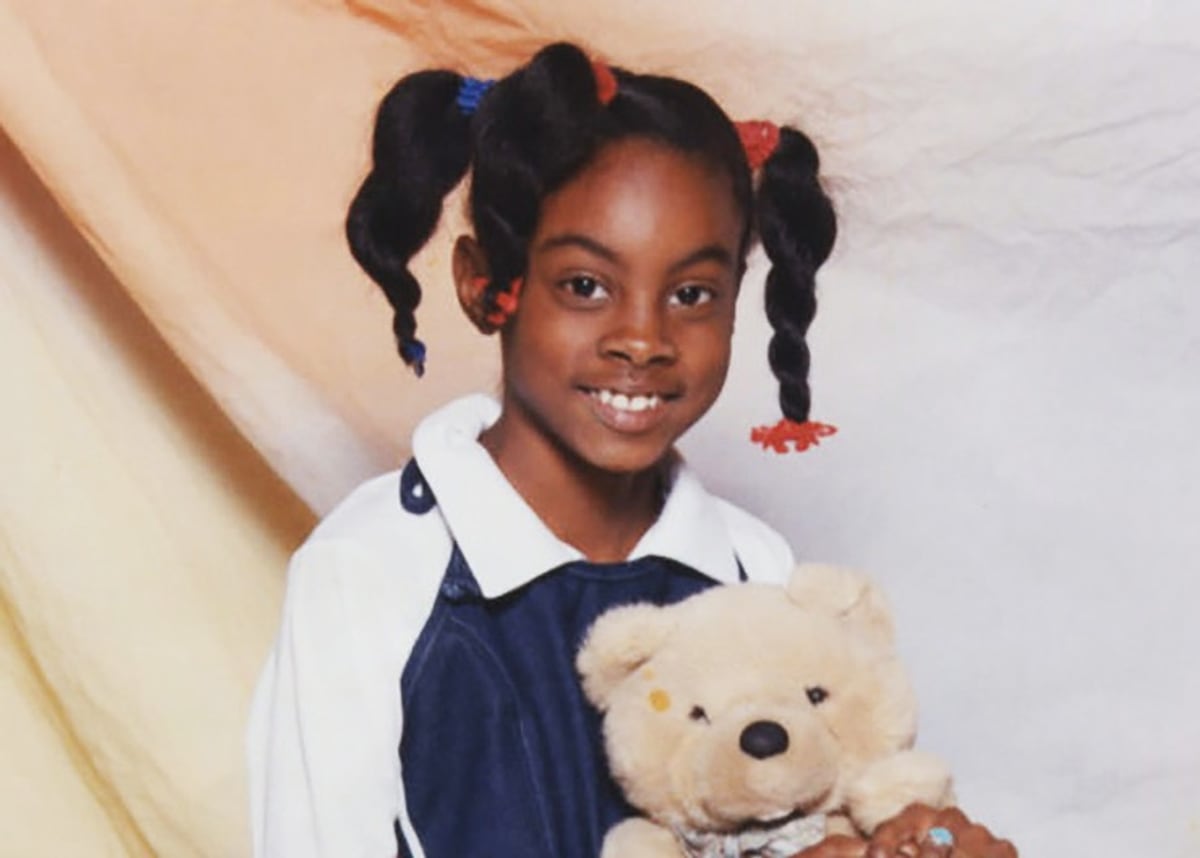
Archival case gallery: Asha Degree in a school photograph shared by the National Center for Missing & Exploited Children in its public case coverage. Included as victim-centered context for the missing-child case.
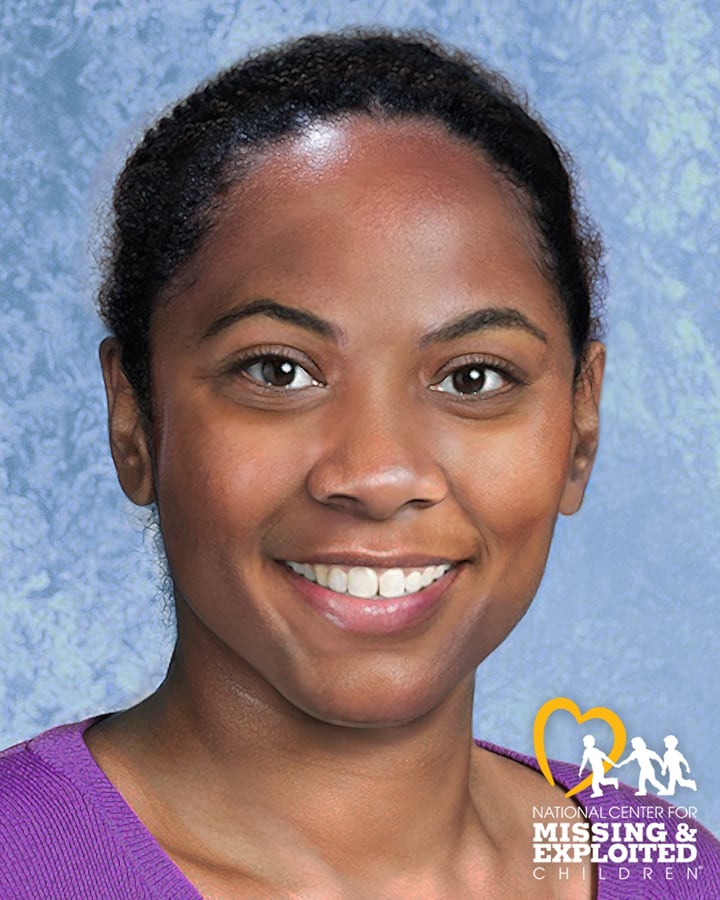
Archival case gallery: NCMEC age-progressed image of Asha Degree, released in 2020 as part of official public-assistance efforts and shared through NCMEC case coverage.
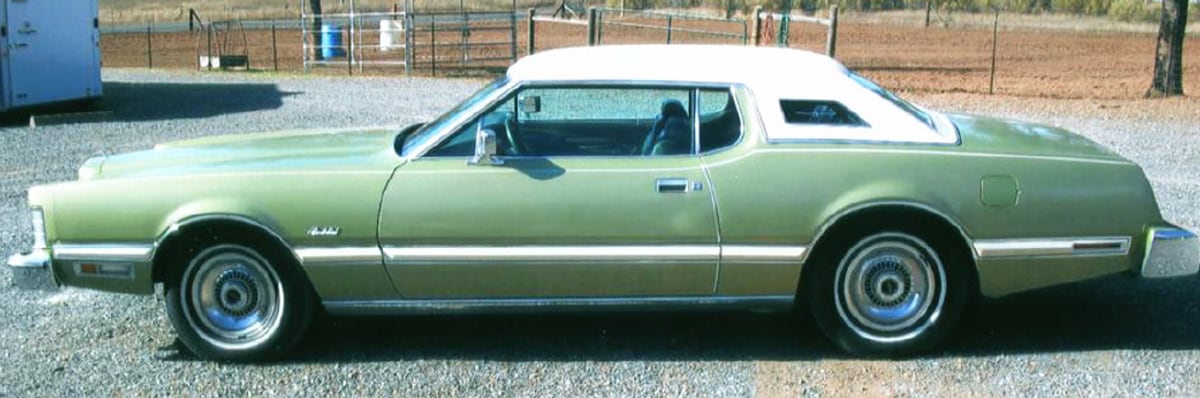
Archival case gallery: official public-assistance image of the green vehicle type investigators asked about before the 2024 searches. This is historical lead imagery, not a photograph of the 1964 AMC Rambler seized in 2024.

Archival case gallery: FBI-courtesy clue image of the library book publicly identified as an item found in Asha Degree's recovered bookbag.
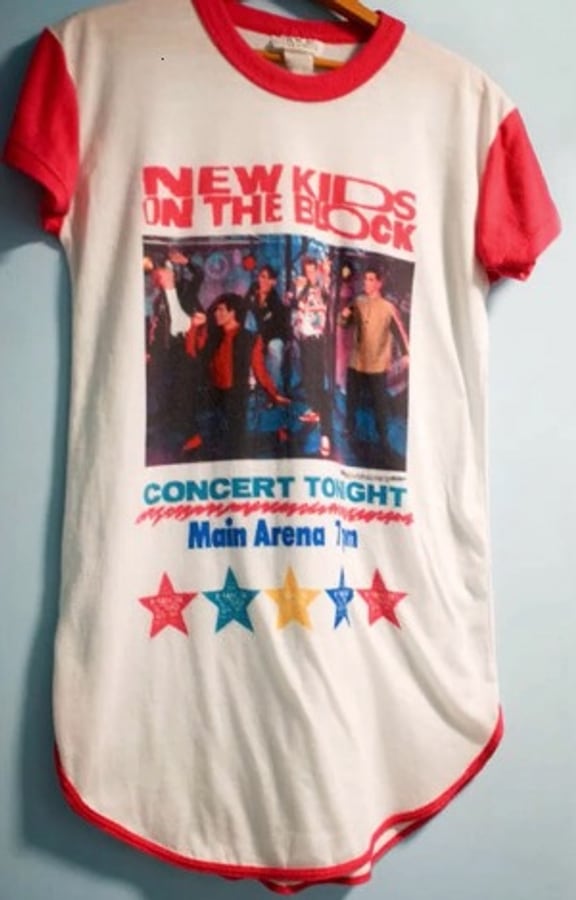
Archival case gallery: FBI-courtesy clue image of the New Kids on the Block shirt publicly identified as an item found in Asha Degree's recovered bookbag.
Sources & Case Notes
Last updated: June 5, 2026.
Primary sources: This article was checked against the FBI's "Looking for Asha" case feature; the National Center for Missing & Exploited Children's official Asha Jaquilla Degree poster and "The Search Continues for Asha Degree" case article; WBTV's 2026 status report on where the investigation stands; WBTV's February 2025 reporting on new warrant text messages and possible admissions; and WBTV's September 2024 roundup of search warrants from the Cleveland County and Shelby raids. Search-warrant claims, DNA links, witness statements, and phone messages are treated as investigative allegations or reported warrant material, not as court-proven findings.
Correction policy: Corrections, source documentation, and image-rights concerns can be directed to Anonymous369 Media's contact and media inquiries page.
Image credits: Feature and section images are Anonymous369 Media documentary recreations based on Highway 18, the recovered bookbag evidence, the green-car lead, and phone-search warrant material. They are not archival photographs, official evidence images, depictions of Asha, depictions of suspects, or depictions of a confirmed crime scene. The Archival Case Gallery uses public case images shared by NCMEC and FBI-courtesy clue images through NCMEC's public case coverage.
Content warning: This article discusses the disappearance of a child, a suspected homicide theory, unresolved legal allegations, family distress, and non-graphic investigative evidence.