
The Ring: A Cursed Tape Makes Grief Go Viral
Hideo Nakata's Ringu remains terrifying because it turns a simple urban legend into media infection: watch, copy, share, survive, and pass the curse forward.


The Verdict: The Scariest Chain Letter Ever Put on VHS
Hideo Nakata's ghost story still has one of horror's most elegant engines: watch a cursed videotape, receive a phone call, die seven days later. That is it. No twelve-page demon constitution. No villain explaining the warranty. Just a rule simple enough to repeat at school, at work, in a dorm room, anywhere people gather to scare each other and pretend they are joking.
That simplicity is why the film lasts. It understands urban legend as technology. The curse spreads because people communicate. It survives because fear makes people share. Decades before every nightmare became content, this movie understood the sick little bargain behind virality: pass it on, and maybe the consequence moves away from you.
The story follows journalist Reiko Asakawa as she investigates the death of her niece and the rumor of the tape. Her ex-husband Ryuji gets pulled into the mystery, and their young son Yoichi becomes part of the threat. The film is structured like an investigation, but its emotional center is grief displaced into media. The tape is not just a haunted object. It is a recording of suffering that refuses to stay buried.
Why the Tape Is So Unsettling
The cursed video is a masterpiece of wrong images. A woman brushing hair. A mirror. A well. An eye. A crawling sense that meaning exists but will not explain itself politely. It does not feel like a clue package designed by a screenwriter, even though it is. It feels like dream evidence from a mind that cannot speak directly.
That matters because the film's horror is not loud. It is damp, quiet, and patient. Nakata's direction favors stillness and negative space. Rooms feel emotionally refrigerated. The camera often watches people from a distance, making the ordinary world look like it has already been contaminated. Even daylight carries the wrong temperature.
Sadako is frightening because she is both specific and withheld. The film gives enough history to make her pain legible, but it does not turn her into a fully domesticated backstory machine. She remains an image, a presence, a wound. The well is one of horror's great symbols because it is vertical, hidden, and cruelly intimate: a place where a person can be erased and still keep echoing upward.
The Family Story Under the Curse
The investigation works best when it becomes personal. Reiko is not just solving a puzzle. She is trying to understand what kind of parent she is, what kind of family she has left, and whether rational inquiry matters when the supernatural behaves like a deadline. Nanako Matsushima plays her with a controlled tension that suits the film's atmosphere. She does not perform panic as spectacle. She looks like someone learning that the rules of journalism are useless against a ghost with distribution rights.
Hiroyuki Sanada's Ryuji gives the film a colder counterweight. His psychic sensitivity could have pushed the story into melodrama, but the performance keeps him restrained. The relationship between Reiko and Ryuji is not overexplained, which helps. Their history feels lived-in enough to matter, but not so busy that it distracts from the curse.
Yoichi's involvement raises the stakes without turning him into a cheap child-in-danger button. The movie uses him to ask the most disturbing question in the whole plot: if survival depends on copying the tape, what kind of moral infection has the curse created? The ending's implication is brutal. Love does not defeat the curse. Love may simply decide who receives it next.
The Ending Still Has Teeth
The final television sequence remains iconic for a reason. Sadako crawling from the well, through the recorded image, and into the room collapses the boundary between media and physical space. It is a brilliant scare because it violates the viewer's contract with the screen. The television is supposed to show danger, not deliver it.
Even now, after years of parody, remakes, sequels, and pop-culture recycling, the scene has power. The movement is wrong. The hair hides the face. The body seems less like it is walking than being dragged by the curse itself. It is one of those horror images that works even if you know it is coming, which is the real test. Surprise fades. Dread can be replayed.
The film is not flawless. Its investigative middle can feel slightly procedural, and some supernatural mechanics are clearer emotionally than logically. But the ambiguity is part of the design. The movie is less interested in building a rulebook than in leaving the viewer with a contaminated idea: images can carry consequences.
Critical Temperature and Anonymous369 Rating
The reputation remains very strong. Rotten Tomatoes lists a 98% Tomatometer from 65 critic reviews and an 81% Popcornmeter. Its influence on Japanese horror, the American remake cycle, and modern haunted-media stories is hard to overstate. The audience score being lower than the critic score fits the film's style: it is quieter and stranger than viewers raised on louder horror may expect.
Anonymous369 Rating: 8.9/10.
The score reflects atmosphere, concept, influence, and the lasting force of its central image. It loses a little ground because the investigative structure occasionally cools the dread, but the core idea is so strong that even the slower stretches feel like part of the infection spreading.
Who Should Watch It
This is essential for J-horror fans, supernatural horror fans, and anyone interested in how technology becomes folklore. It is also a reminder that horror does not need speed to be lethal. The movie moves like water seeping under a door. By the time you notice the floor is wet, the room is already lost.
It also rewards viewers who like lore without over-explanation. Sadako's story matters, but the film's real terror is ethical. The tape creates a survival mechanism that depends on transmission. To live, someone else must watch. That is colder than a simple ghost attack. It turns self-preservation into complicity.
That is why the film still feels modern. The format has changed, but the curse's logic has not. Watch. Share. Escape for now. Pretend the act of passing it on is not part of the horror.
Continue Into the Lore
If this review made the screen feel wet, keep the archive close. Bookmark Anonymous369 Media and subscribe to Midnight Alerts for more cinema reviews and character-lore files built around the psychology beneath the signal.
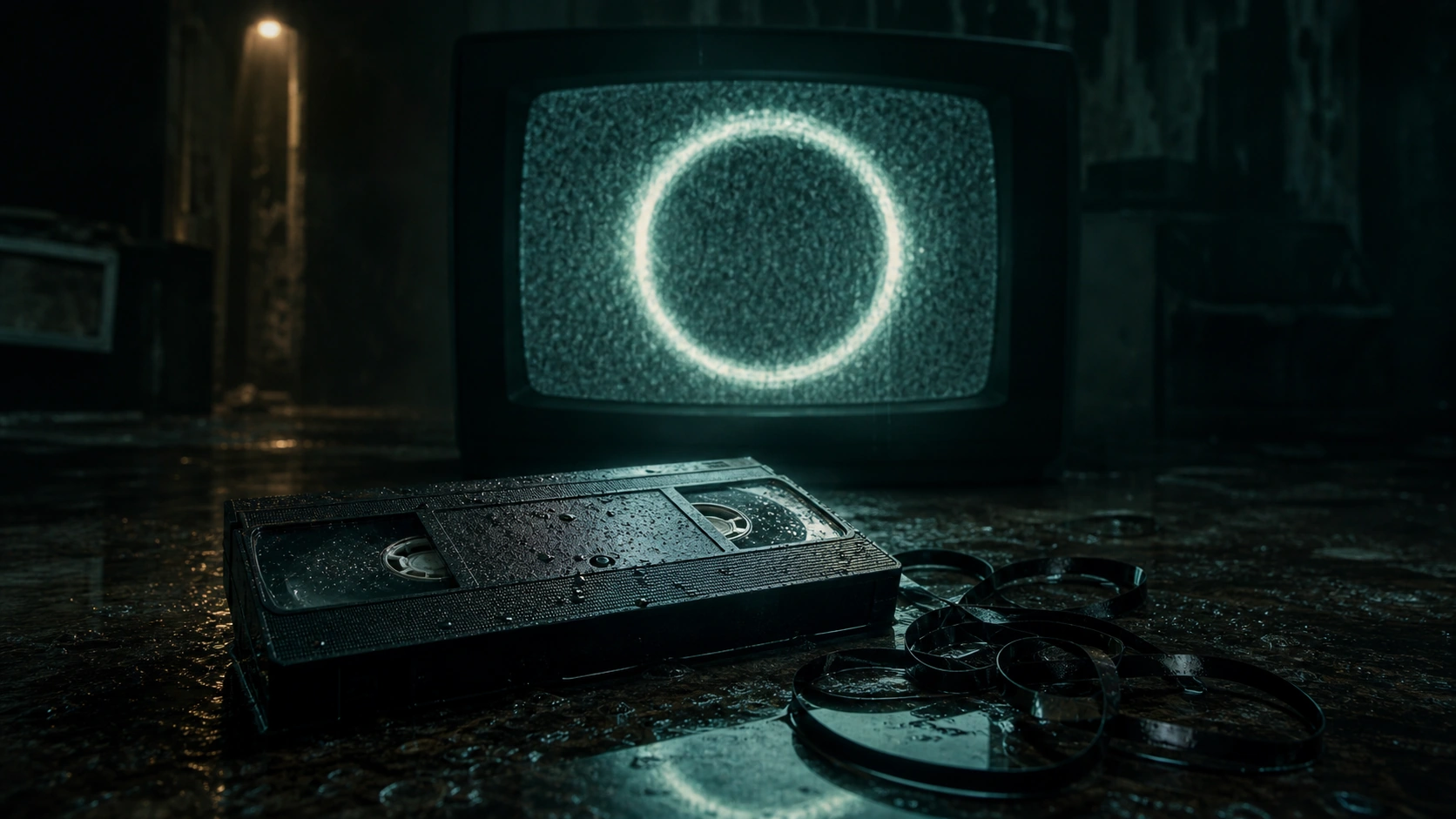
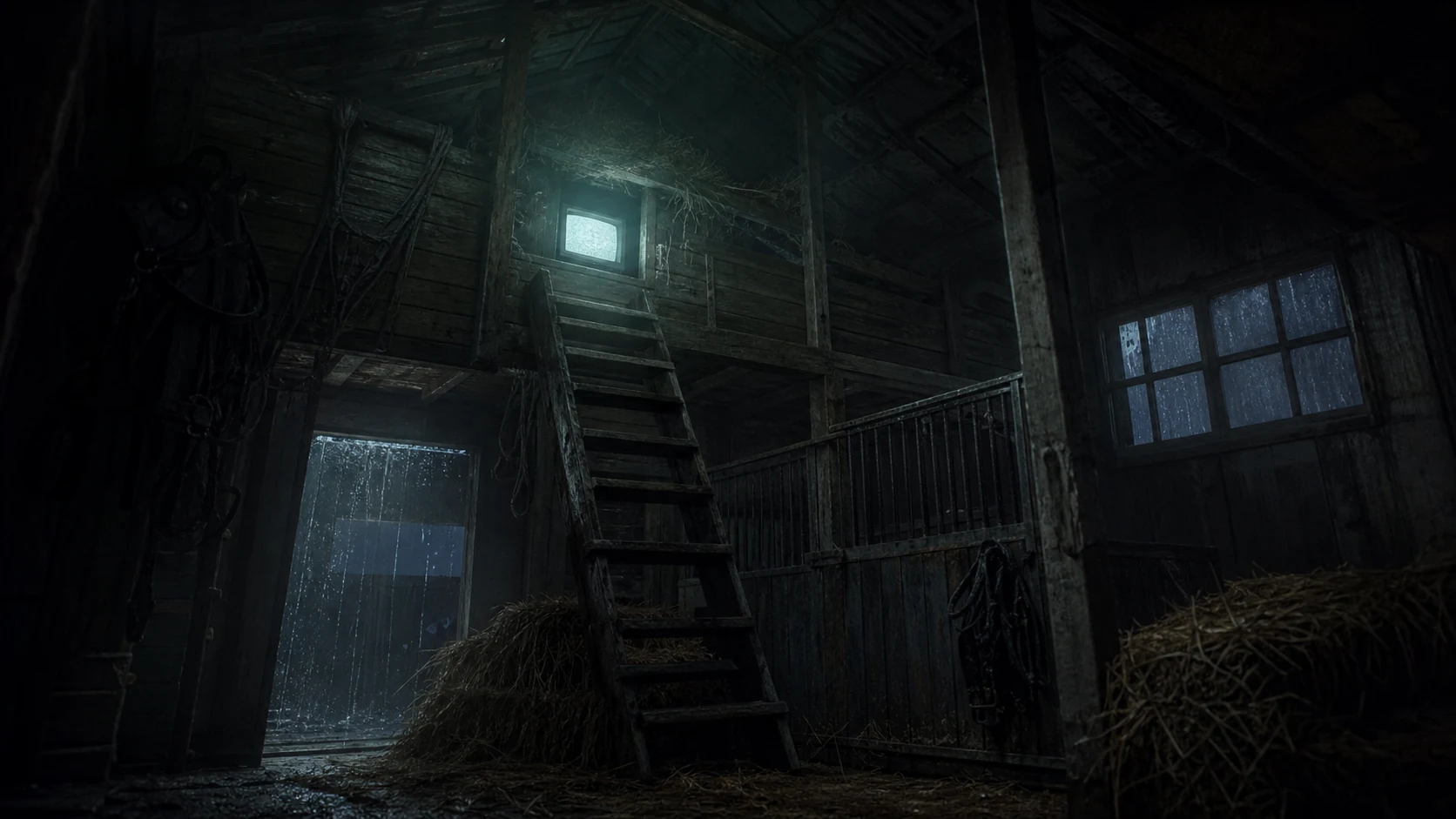
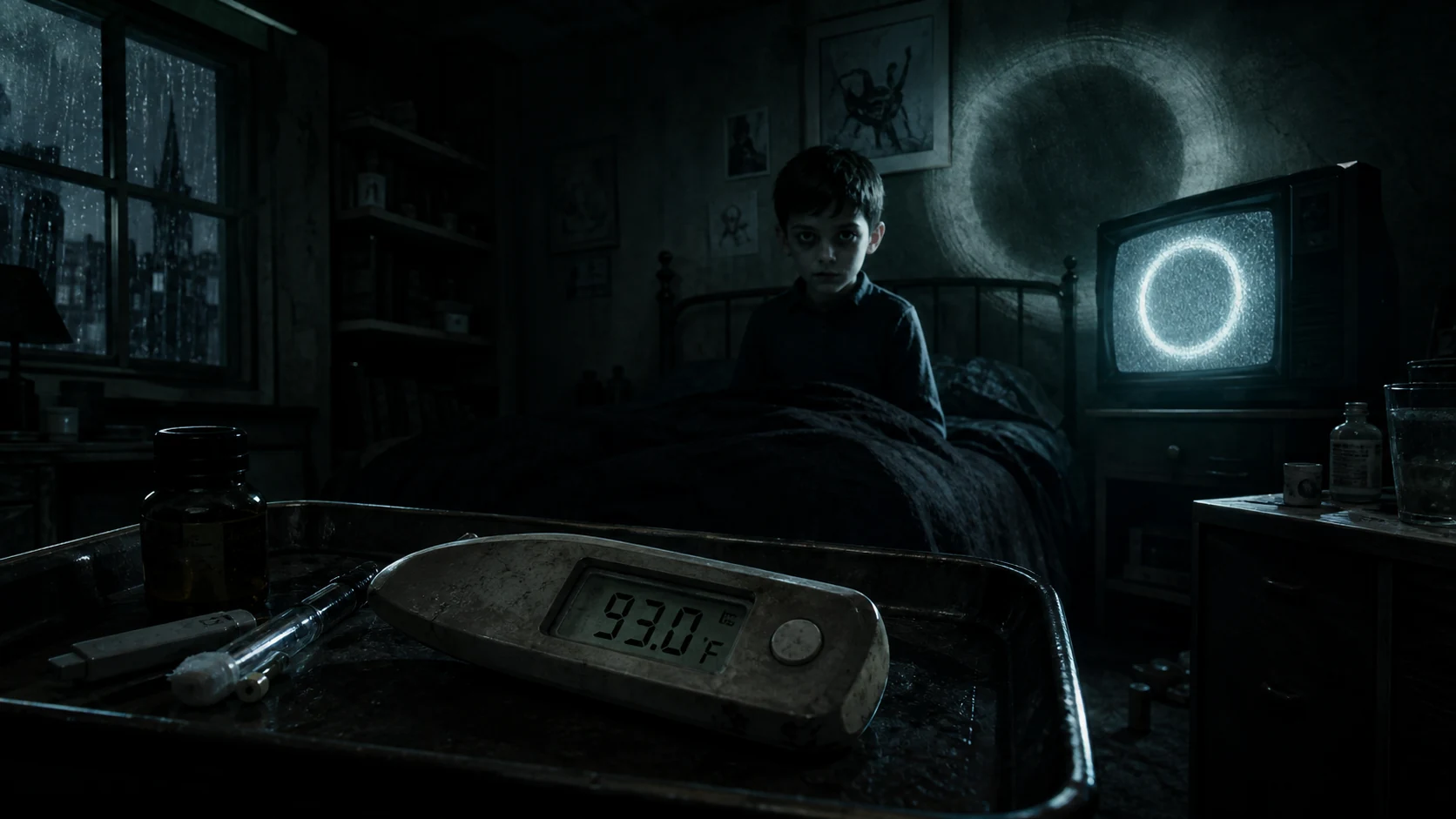
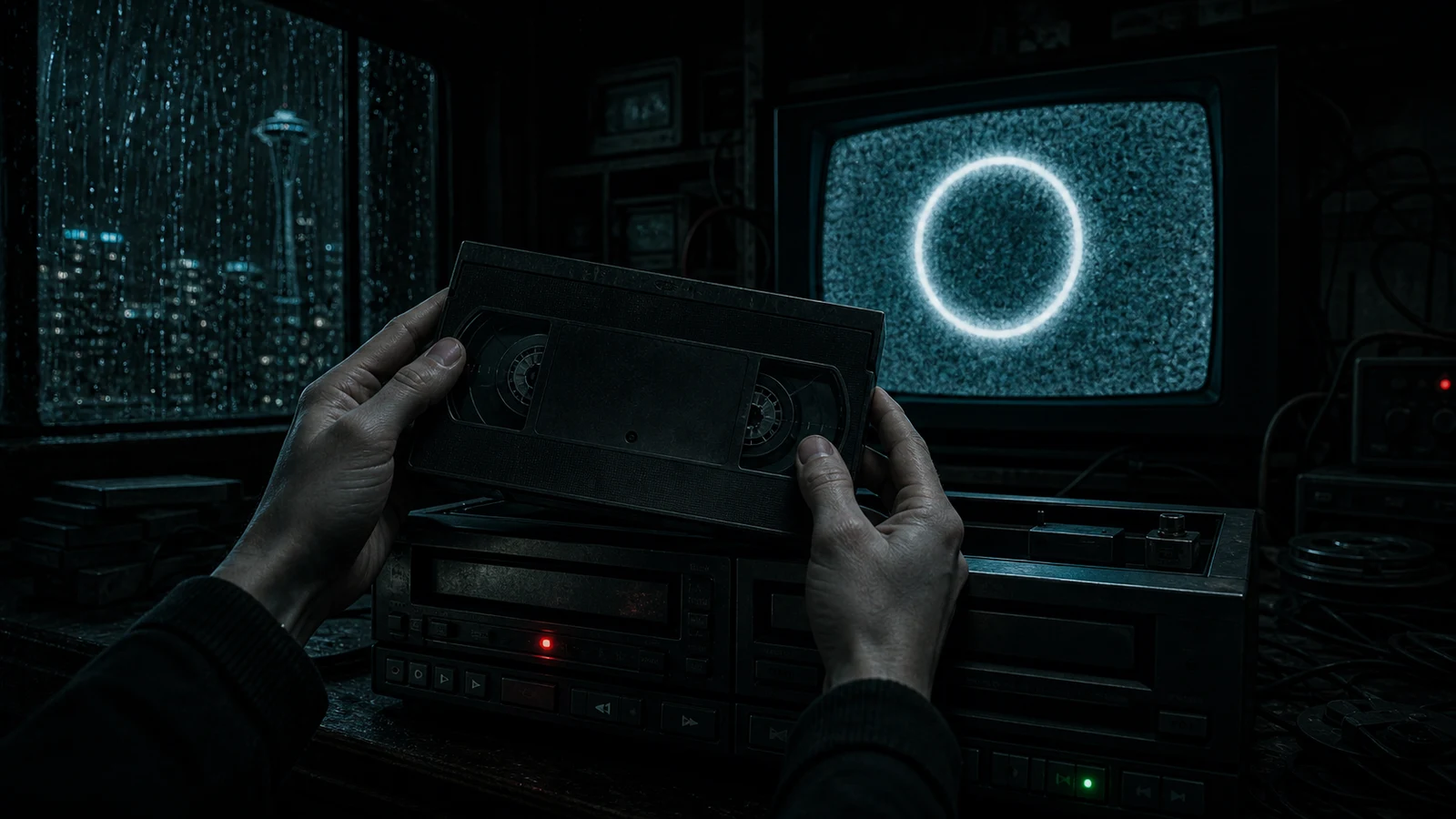
If you want to go deeper than the review, continue with The Ring lore files below in order. They follow the curse from the VHS tape's missing control track to Moesko Island, Aidan Keller's possession, and the copy loop that turns survival into betrayal.
After that, the wider cinema path keeps the door open:
- Host: A Zoom Seance Lets Lockdown Horror In
- Let the Right One In: Vampire Love in the Swedish Freeze
- The Wailing: A Village Plague Turns Faith Against Itself
- Nosferatu: Count Orlok Brings Plague to Vampire Cinema