
The Dual-Deck VCR: How The Ring Turns Survival Into Betrayal
Rachel Keller survives The Ring because she makes a copy, turning Samara Morgan's curse into a moral trap where survival requires choosing the next victim.


The Ring Complete Movie Lore: File 4 of 4
A television sits cold in a dark Seattle apartment, its black glass reflecting a mother, a child, and the machine that just changed the rules.
The Ring does not end with a ghost being put to rest.
That is the cruelty of the film's final reversal. Rachel Keller does everything a supernatural mystery usually asks from its protagonist. She follows the tape back to Shelter Mountain Inn. She finds the room, the horses, the hospital records, the Morgan family wound, and the well beneath the cabin floor. She climbs into the place where Samara Morgan spent her last seven days in the dark.
She even brings the body home.
In a softer story, that would be the answer. The dead child would be named, recovered, mourned, and released. Noah Clay and Rachel would survive because they finally understood the tragedy. The curse would turn out to be a plea for recognition.
The Ring is colder than that.
Rachel lives because she made a copy.
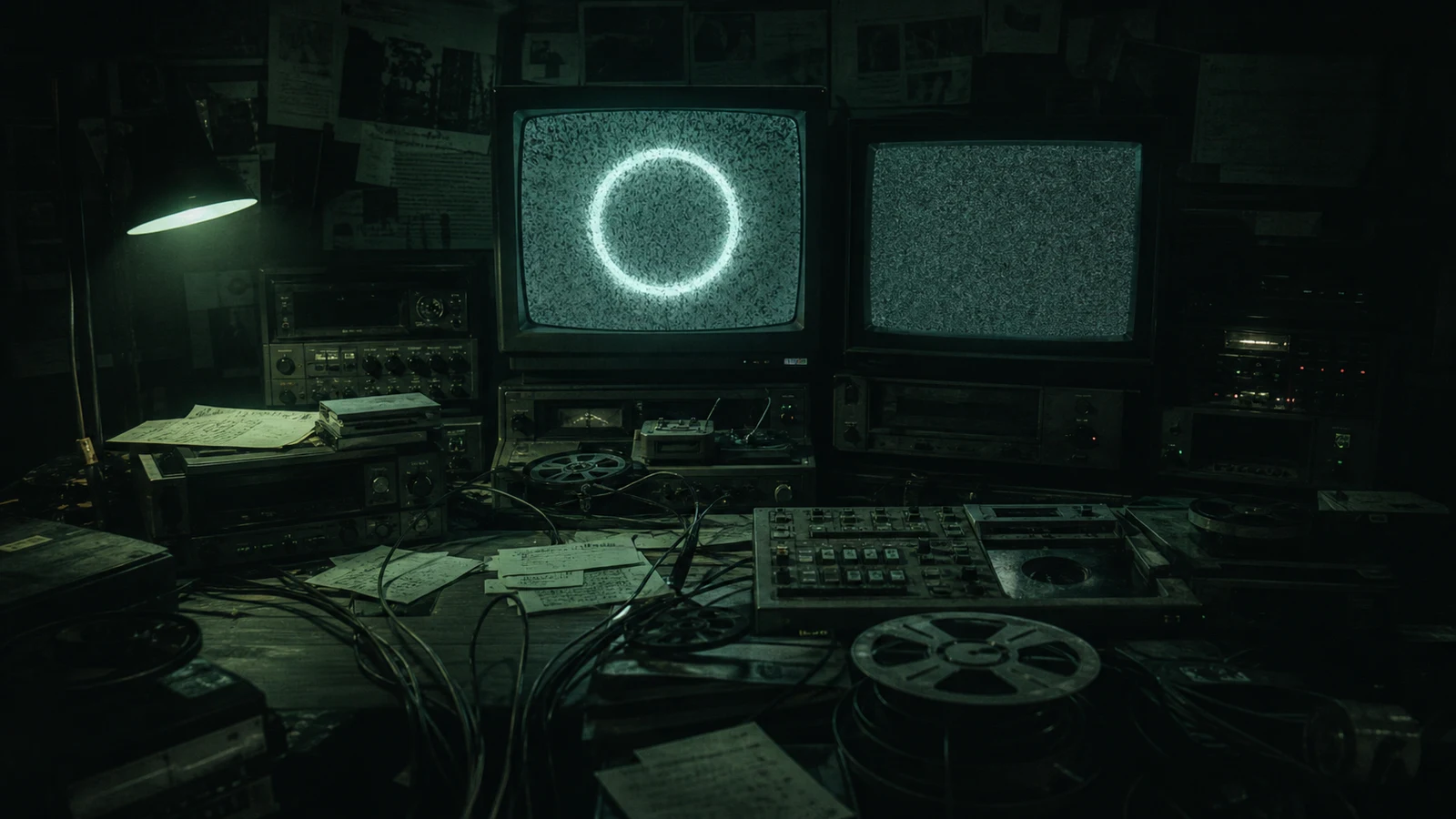
Original Anonymous369 Media cinematic lore artwork on the tape-copying mechanism in The Ring.
The Differential Ledger of Cabin Twelve
The tape kills with a brutal sense of bookkeeping.
Katie Embry and the other teenagers at Shelter Mountain Inn watch the cursed video and receive the phone call. Seven days later, the sentence arrives. Their deaths leave behind faces twisted by a fear so complete it looks less like a scare than a final exposure to something the body was never built to see.
Rachel enters the same system. She watches the same tape. She hears the same voice count down the same seven days. Then Noah Clay follows her into the file. He watches it too, analyzes it, slows it down, freezes it, and treats it like media evidence that can be solved by technique.
Only one of them reaches the end alive.
The difference is not bravery. It is not innocence. It is not that Rachel loved Samara correctly while Noah failed to care. Rachel survives because, on a Friday afternoon, she duplicated the cassette in a newsroom editing bay. She turned one infected tape into two.
That mechanical act matters more than every emotional act that follows.
Pulling Samara from the well does not cancel the countdown. Finding the truth does not disinfect the image. Burial does not satisfy the force moving through the tape. Noah understands the mystery and still dies, because understanding is not the cure. Replication is.
That is where The Ring becomes more disturbing than a normal ghost story. Samara is not asking to be interpreted. She is demanding to be circulated.
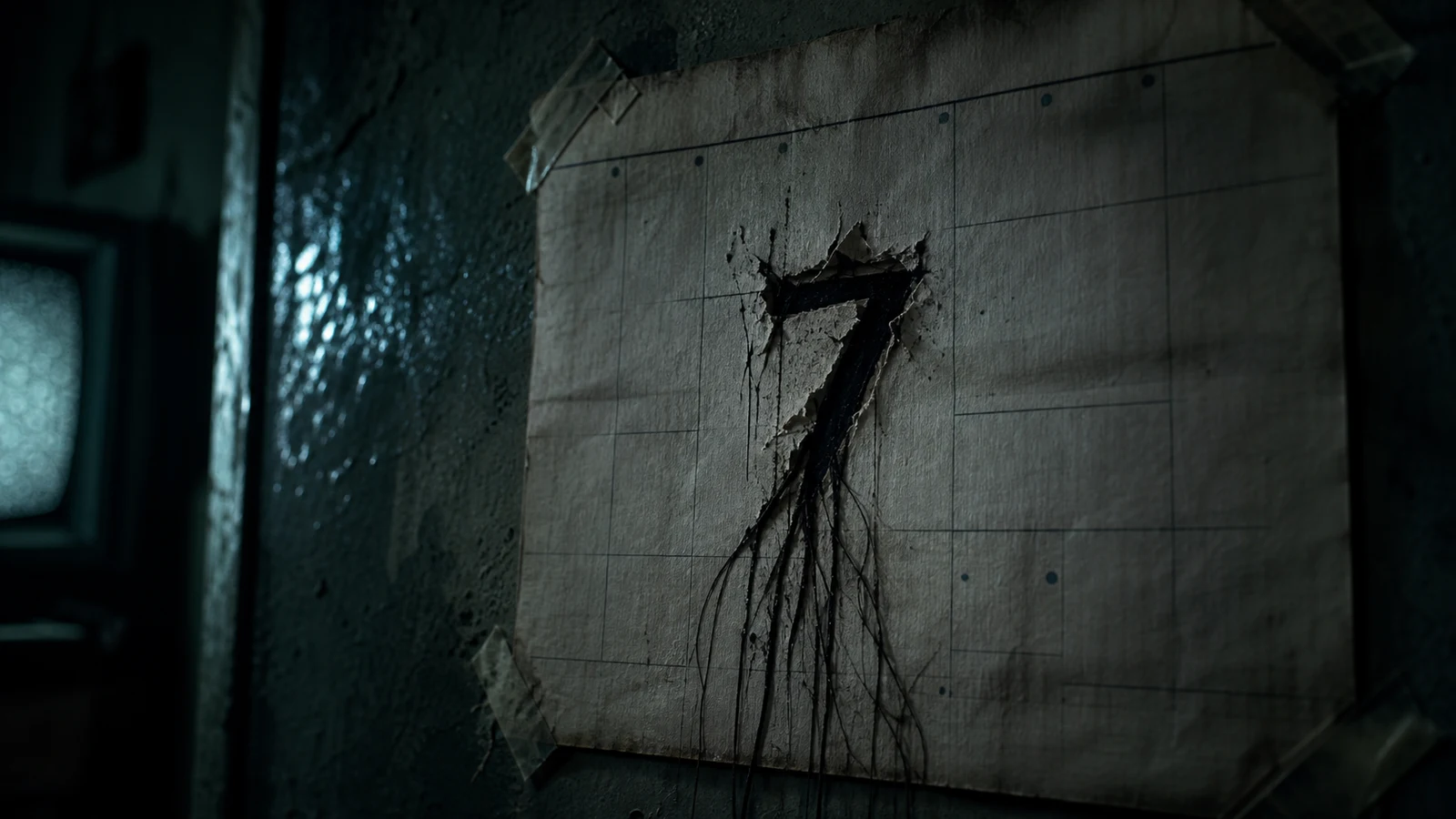
Original Anonymous369 Media cinematic lore artwork on the seven-day countdown in The Ring.
The Seven-Day Incubation Grid
The phone call is not a warning in the ordinary sense.
It is the system turning on.
The moment the final frame of the tape collapses into static, the telephone rings. The message is almost insultingly small: seven days. No bargain. No explanation. No instructions. Just a countdown dropped into the room like a wet stone.
After that, the victim begins living inside Samara's last week.
The film turns time into a chamber. Seven days is not random flavor text. It mirrors the span Samara endured beneath Cabin 12 after Anna Morgan threw her into the well. The curse makes the viewer carry that duration inside ordinary life. Work continues. Rain falls. Traffic moves. But under the surface, the victim has been locked into a private calendar of dread.
That is why the haunting feels procedural.
The nosebleeds, the distorted photographs, the sudden intrusions of water, the technology bending around the victim's body, all of it behaves like a countdown protocol. The viewer is not merely being frightened. They are being prepared for a final transmission. The week narrows the world until the screen becomes a doorway, and the doorway becomes a sentence.
The great trap is that nothing in the investigation stops this grid.
Rachel can learn the name. She can map the family. She can reconstruct the crime. She can stand inside the well and understand exactly what happened. But knowledge has no authority over the mechanism. The curse is not a puzzle that wants an answer. It is a media organism that wants a new host.
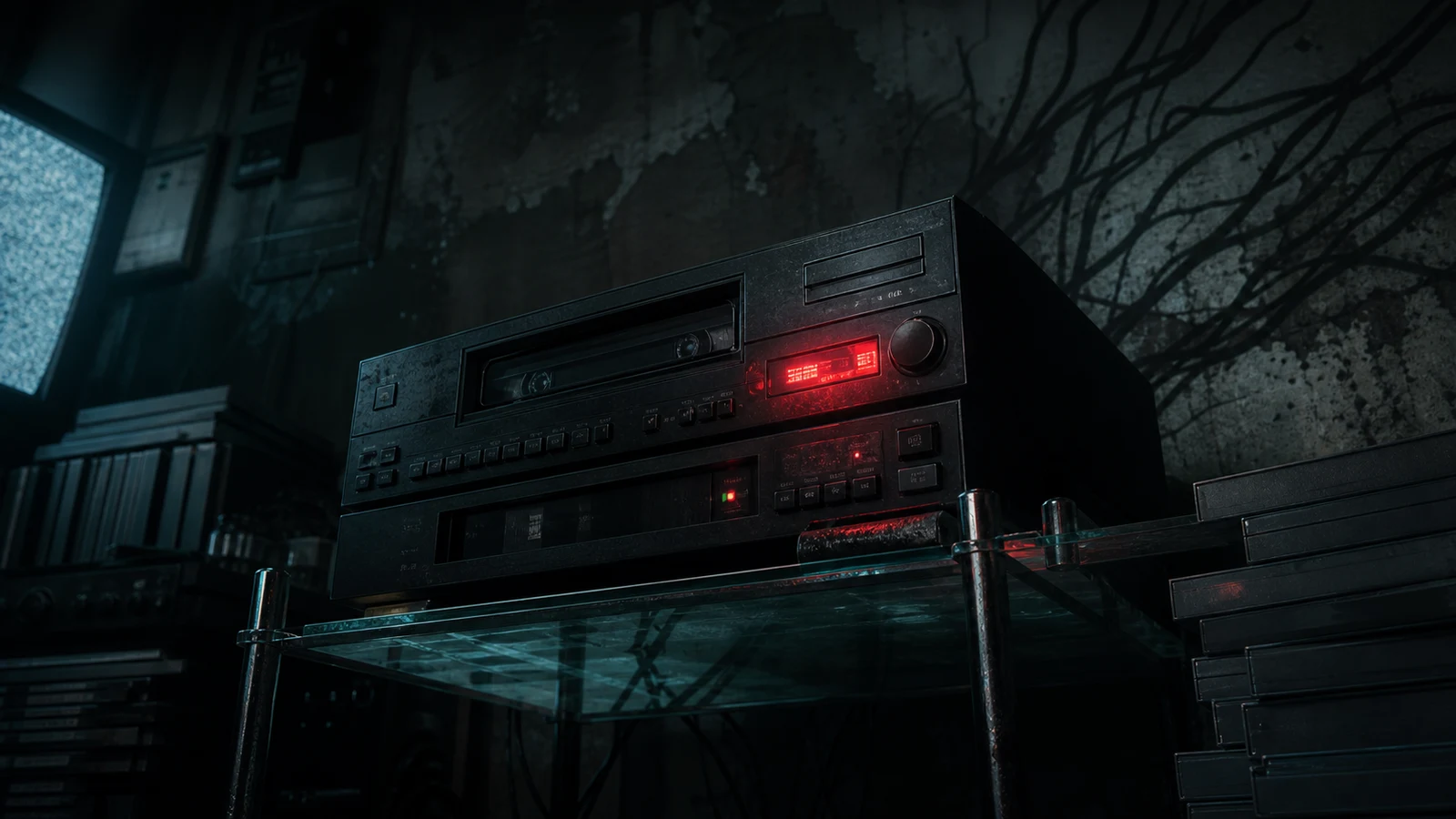
Original Anonymous369 Media cinematic lore artwork on the VCR as the curse's reproduction machine.
The VCR That Manufactures the Cure
The dual-deck VCR is the ugliest object in the movie because it looks so ordinary.
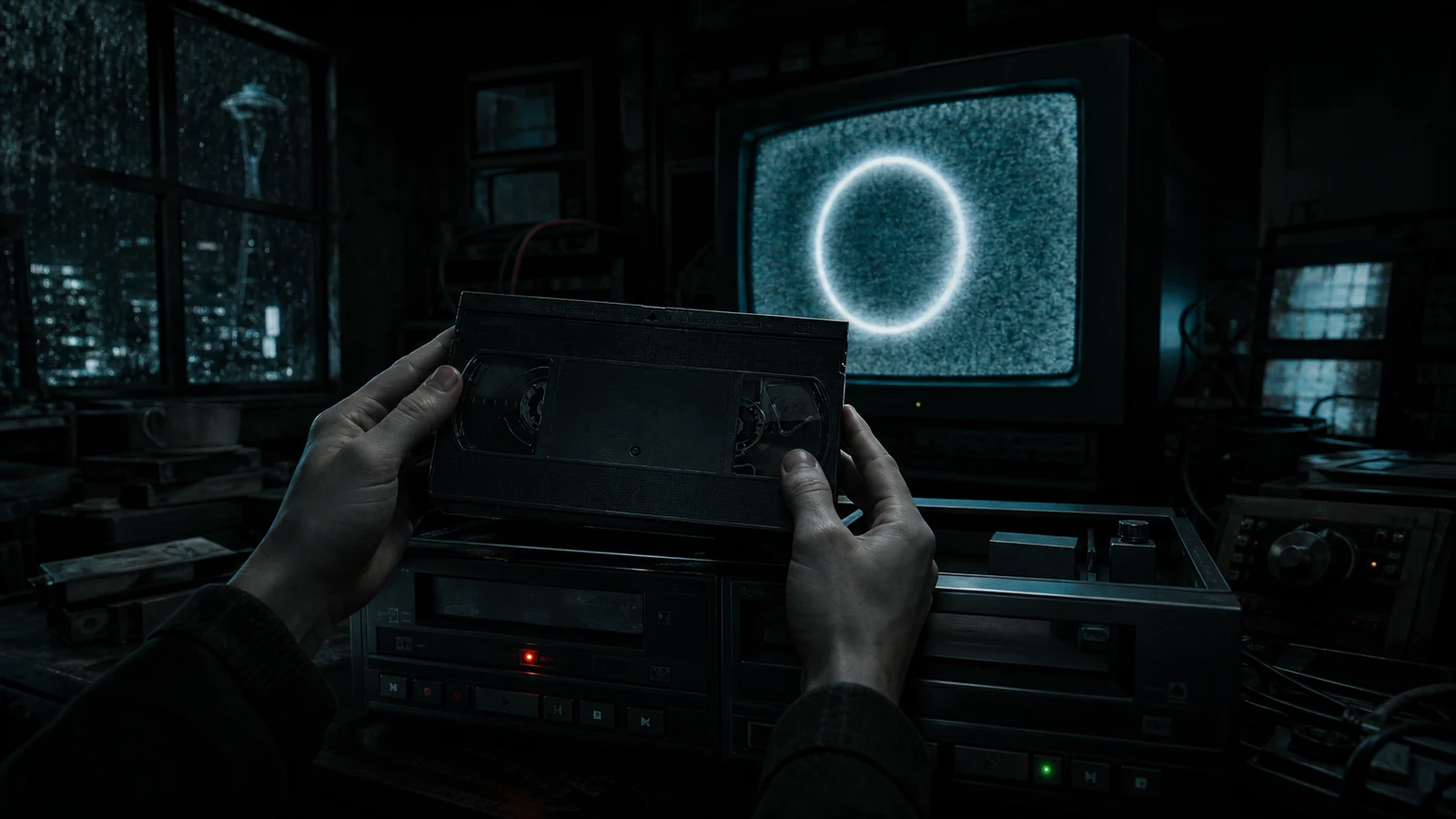
No altar. No spellbook. No sacred knife. Just cables, plastic, magnetic tape, and a red recording light.
The cure, if that word even deserves to be used, is mechanical betrayal. To survive, the infected person must reproduce the tape and place the new copy in front of another human being. The act does not erase Samara. It does not purify the victim. It moves the terminal endpoint away from one body and toward another.
That makes the VCR an artificial vaccine machine with a moral cost.
A medical vaccine protects by training the body to resist disease. Samara's tape protects by training the survivor to distribute it. The viewer becomes safe only by becoming useful to the thing that threatened them. Every copied cassette is a confession: my life is worth enough that someone else's seven days can begin.
This is the real horror under the ring.
The film weaponizes self-preservation. It takes the instinct to live, one of the oldest and most forgivable human instincts, and makes it the engine of contagion. Rachel is not evil for wanting to save her son. That is exactly why the system works. Samara does not need monsters. She needs parents, lovers, friends, and frightened people with access to a recorder.
The curse survives because it outsources its cruelty to ordinary love.
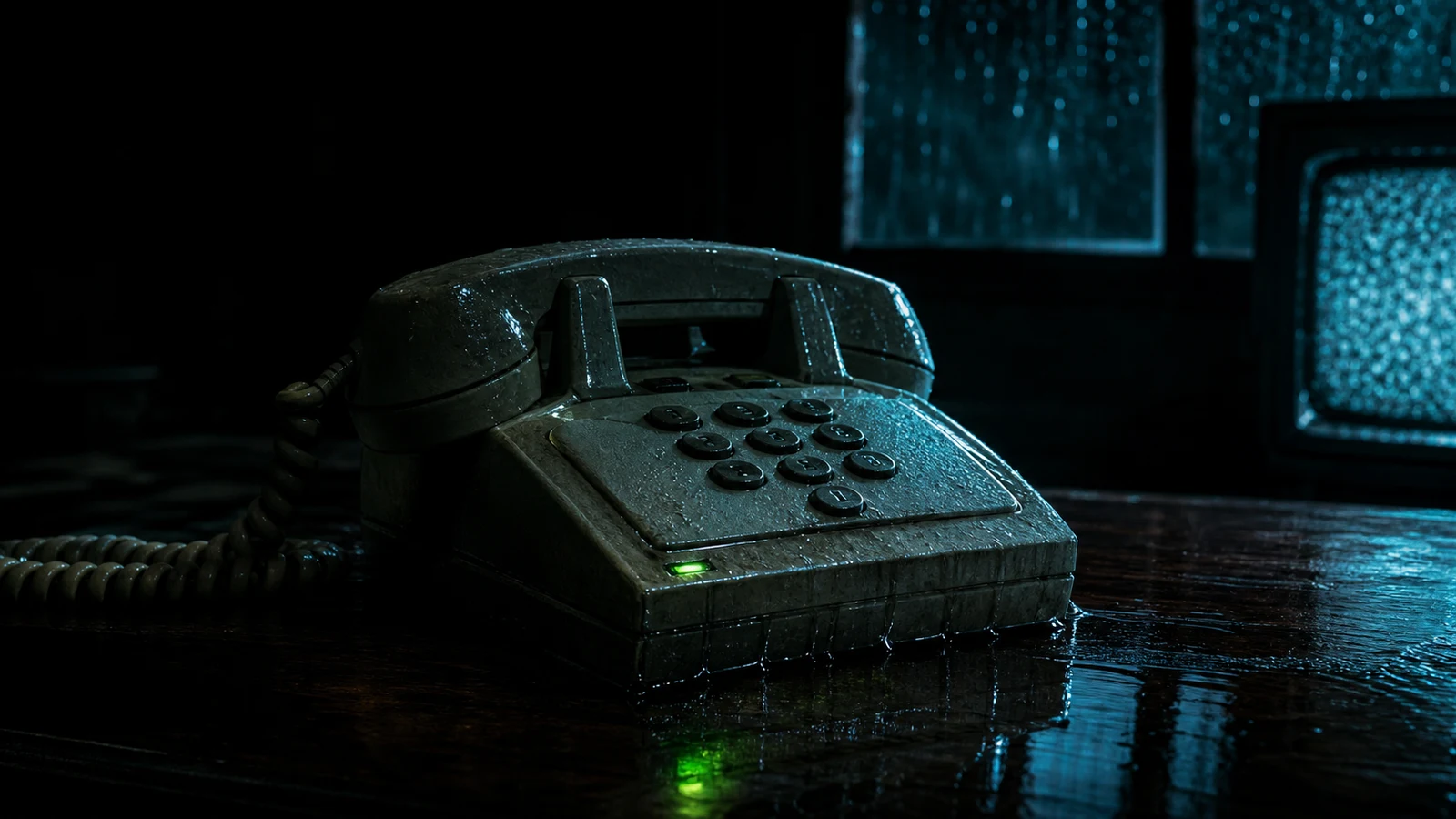
Original Anonymous369 Media cinematic lore artwork on the seven-day phone call.
The Telephone That Turns Fear Into Assignment
The phone call seems like the curse speaking to its victim.
It is worse than that.
It is the curse assigning labor.
Seven days gives the viewer just enough time to panic, investigate, discover the copy rule, and decide what kind of person they are willing to become. The timeline is long enough to create hope, short enough to keep mercy under pressure, and cruel enough to make every option feel like a form of surrender.
That is why The Ring's final lesson is so hard to sit with. Rachel's survival does not cleanse her. It recruits her. Once she understands why she lived, the tape is no longer just evidence from a case. It becomes a job.
Someone has to copy it.
Someone has to choose who sees it.
Someone has to keep the chain alive.
The telephone call is the sound of that chain being tightened. It reduces a human being to a timer and then waits for the timer to produce the next victim. In that sense, Samara's curse is almost perfectly parasitic. It does not merely inhabit media. It inhabits the moral panic of anyone desperate enough to pass the sentence along.
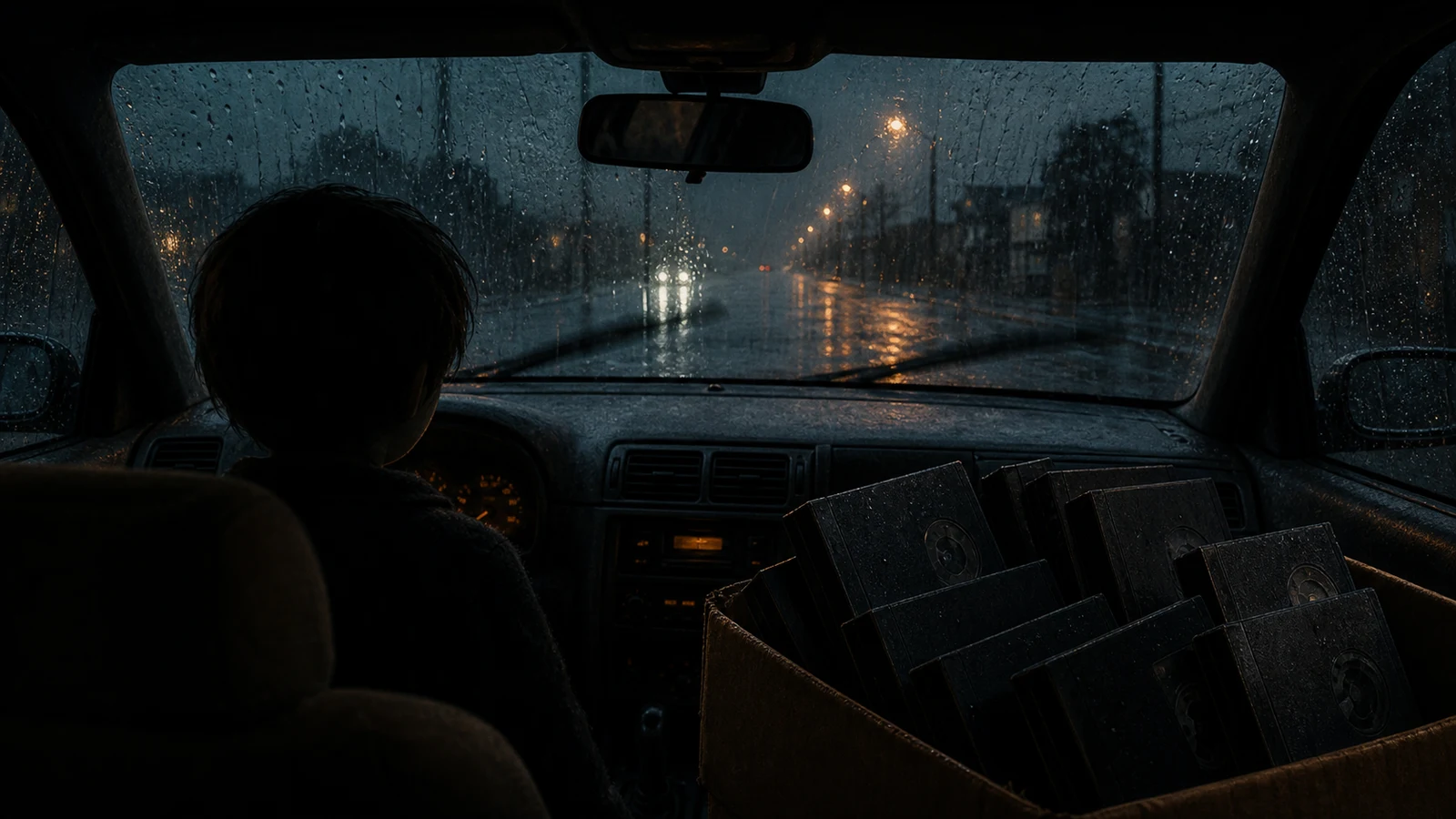
Original Anonymous369 Media cinematic lore artwork on the curse spreading beyond one household.
Aidan Keller and the Endless Epidemic
Aidan Keller understands the ending before the adults can emotionally survive it.
In the final sequence, Rachel prepares the copy that will save her son. The logic has finally landed. She made a copy for Noah, and she lived. Noah did not make another copy, and the curse reached him. Now Aidan must be protected by the same rule.
Then the child asks the question that turns victory into rot.
What about the person they show it to?
That line is the moral trap stated out loud. Aidan does not ask whether the tape will work. He understands that part. He asks what happens to the next person, the stranger, the replacement, the life pushed into the empty space so his own can continue.
The answer is the whole movie.
The ring is not a circle that closes. It is a spiral that widens. Every survival creates a new exposure. Every copy creates another seven-day chamber. Rachel does not defeat Samara by solving the case; she enters a distribution network where the price of saving family is exporting terror into someone else's home.
That is the final obscenity of The Ring.
Samara Morgan does not need peace. She does not need justice. She does not even need the person watching the tape to hate anyone. She only needs them to love someone enough to betray a stranger.
The monster keeps walking because the system found the one force more reliable than evil.
Survival.
Continue the File
Before this copy loop turns The Ring into an epidemic, Samara's invasion of the body continues in The 93-Degree Body: How Samara Rewrites Aidan Keller in The Ring Two, where Aidan becomes the next medium instead of the next viewer.
Original Anonymous369 Media cinematic lore artwork.
Read The Ring Files in Order
The Ring Complete Movie Lore is built as a four-file sequence. Start with the cursed tape, move into Moesko Island, follow Samara's possession of Aidan Keller, then finish with the copy loop that turns survival into betrayal.
- The Missing Control Track: How The Ring Turns VHS Into a Virus
- The Barn Loft That Broke Moesko Island in The Ring
- The 93-Degree Body: How Samara Rewrites Aidan Keller in The Ring Two
- The Dual-Deck VCR: How The Ring Turns Survival Into Betrayal - current file
Previous file: The 93-Degree Body: How Samara Rewrites Aidan Keller in The Ring Two
Return to the review: The Ring: A Cursed Tape Makes Grief Go Viral