
Rosemary's Baby: The Pregnancy Trap Inside the Bramford
Roman Polanski's apartment nightmare remains terrifying because the devil is almost secondary. The real horror is how politely everyone steals Rosemary's body from her.


The Verdict: Satan Is Scary, but the Husband Is Worse
Rosemary's Baby is a masterpiece of polite violation. The Satanic conspiracy is the hook, but the deeper horror is social, marital, and medical. Rosemary Woodhouse is not trapped by a monster jumping from a closet. She is trapped by a community of smiling people who all believe her body is available for management.
The plot follows Rosemary and Guy Woodhouse as they move into the Bramford, a grand old apartment building with a suspicious history and neighbors who treat boundaries as a hobby for weak people. Guy's acting career begins to improve. Rosemary becomes pregnant after a drugged, dreamlike assault. From there, her body, diet, doctor, schedule, friendships, and sanity are steadily taken over by people who insist they know best.
That is why the film still feels vicious. The occult material is memorable, but the everyday machinery of control is what hurts. Everyone gaslights Rosemary before the word became internet furniture. They call her anxious, fragile, ungrateful, confused. They smile while tightening the cage.
What the Film Is Actually Saying
The film is about bodily autonomy under siege. Rosemary's pregnancy should make her the central authority over her own experience. Instead, it turns her into property. Guy trades her, the Castevets supervise her, Dr. Sapirstein manages her, and the building absorbs her. The conspiracy works because it uses normal social structures: marriage, medicine, neighborliness, ambition, religion.
Guy is the most horrifying figure because he does not need supernatural power to betray her. John Cassavetes plays him as charming, vain, and weak in the specific way ambitious people can be weak when success is close enough to smell. He does not simply fail Rosemary. He bargains with her personhood. The devil may be in the details, but Guy signs the paperwork.
Mia Farrow's performance is extraordinary because Rosemary's strength is quiet. She is not passive. She is socially trained to doubt herself before she doubts others. The film tracks the slow process of a woman learning that politeness has become dangerous. When she finally cuts her hair and begins to investigate, it feels like a rebellion against the entire soft voice of the world.
The Bramford as a Trap
The apartment building is not just a setting. It is a social organism. Doors, hallways, walls, and neighbors all become part of the same surveillance system. The Castevets are funny because they are intrusive in recognizable ways. They are also terrifying because their friendliness is a weapon. Minnie Castevet does not need to look demonic. She only needs to keep bringing the wrong dessert.
Polanski's direction builds dread through obstruction and distance. The camera often keeps crucial information just out of reach. The dream sequence is horrifying because it blurs assault, ritual, marital betrayal, and Rosemary's own disorientation into one unstable experience. The film refuses the comfort of clean certainty until it is too late.
The sound and pacing are deceptively calm. Much of the film plays like domestic drama with a wrong pulse underneath. That calm is essential. Rosemary's world does not announce itself as hell. It becomes hell by insisting everything is normal.
That normality is why the film remains so uncomfortable. Rosemary is not asked to survive a single obvious villain. She has to survive consensus. Every person around her reinforces the same false reality until resistance starts to look unreasonable even to her. The movie understands that gaslighting works best when it becomes social atmosphere, not just one person's lie.
What Viewers Often Miss
Many viewers remember the ending and the Satanic reveal, but the film's cruelest insight comes earlier: Rosemary is isolated by design. Her friend Hutch is removed. Her old doctor is replaced. Guy reframes her fear. The Castevets flood her with attention until attention becomes control. The conspiracy succeeds by cutting off alternate interpretations.
The film also understands how authority can sound gentle. Dr. Sapirstein is frightening because he speaks in the tone of professional certainty. He does not need to shout. The system gives him volume. Rosemary's pain is dismissed because the people around her benefit from dismissing it.
The final scene is monstrous because motherhood itself is turned into the last trap. Even after everything, Rosemary responds to the child. The film does not present that response as simple surrender. It is more disturbing: the human impulse to care survives inside a situation built to exploit it.
Critical Temperature and Anonymous369 Rating
The critical reputation remains extremely high. Rotten Tomatoes keeps the film in classic-horror territory, and Metacritic reflects enduring acclaim. Audience response has also remained strong because the film's central fears have not aged out. If anything, its anxieties about reproductive control and institutional disbelief feel sharper now.
Anonymous369 Rating: 9.4/10.
The score reflects performance, atmosphere, thematic precision, and one of horror's most devastating social nightmares. The film is difficult to discuss without acknowledging the later history around Polanski, but the work itself remains a landmark in how horror can expose power hidden inside domestic normalcy.
Who Should Watch It
Watch it if you want slow-burn psychological horror, apartment paranoia, feminist horror, occult dread, or a film that understands the terror of not being believed. It is not a jump-scare machine. It is a suffocation device.
The lesson underneath the plot is not "cults are scary." It is that control often arrives as concern. Rosemary is not destroyed by people who openly hate her. She is destroyed by people who call themselves helpful, loving, professional, practical, and reasonable.
That is why the film still cuts. The devil is present, yes. But the truly frightening thing is how little supernatural force is required once everyone agrees Rosemary no longer belongs to herself.
Continue Into the Lore
If this review made the Bramford feel too close, keep the archive close. Bookmark Anonymous369 Media and subscribe to Midnight Alerts for more cinema reviews and character-lore files built around the psychology beneath the bargain.
If you want to go deeper than the review, continue with the Rosemary's Baby lore files below in order. This five-part path moves past the verdict and into the machine the film only has time to tighten: the Bramford's hidden architecture, Guy Woodhouse's bargain, Sapirstein's medical capture, Roman Castevet's coven history, and Rosemary's final maternal surrender.
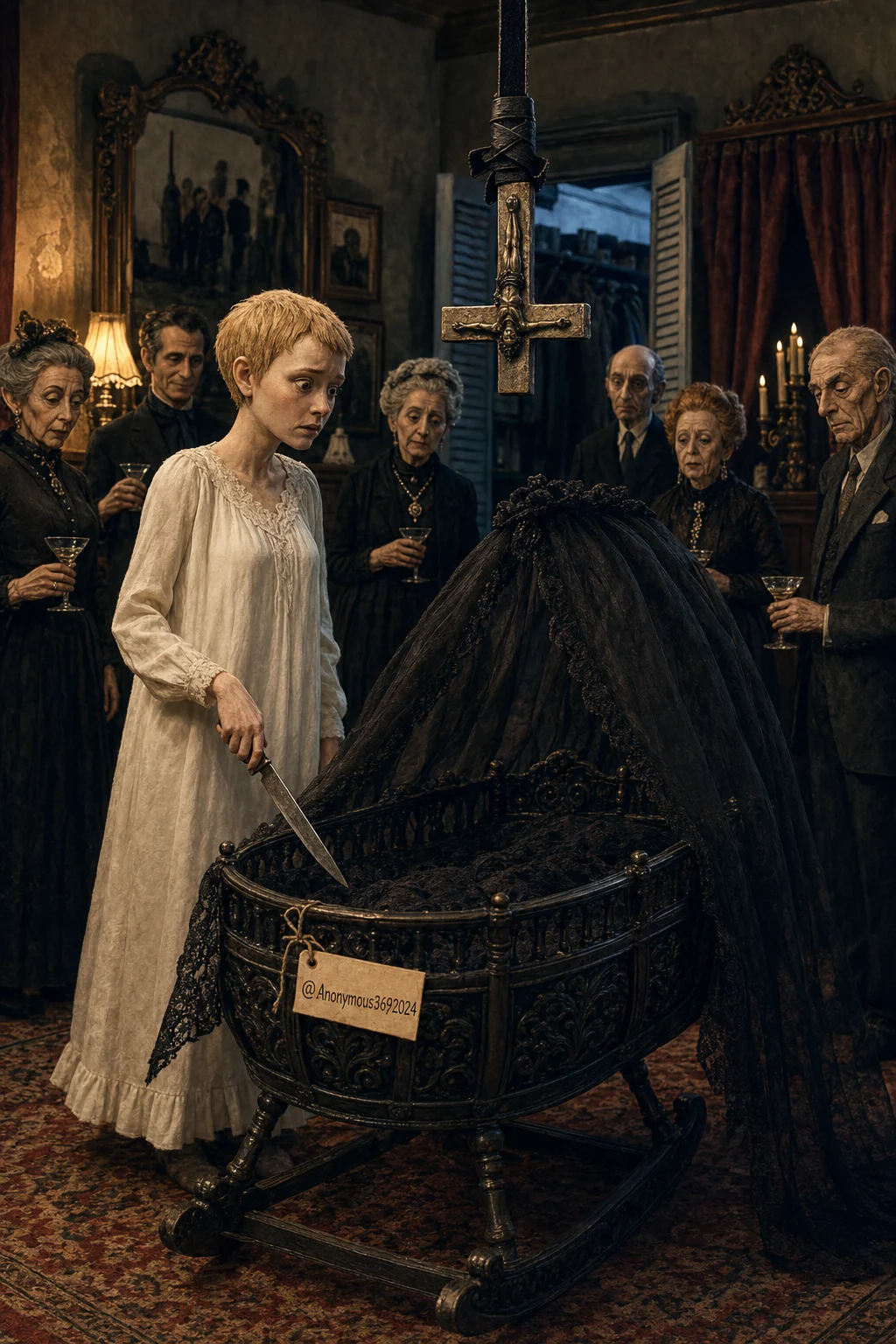
Rosemary's Baby Complete Movie Lore: five files in order. Begin with the Bramford's hidden apartment machinery, then move through Guy Woodhouse's career bargain, Dr. Sapirstein's medical capture, Roman Castevet's inherited coven system, and Rosemary Woodhouse's final choice at the black bassinet.
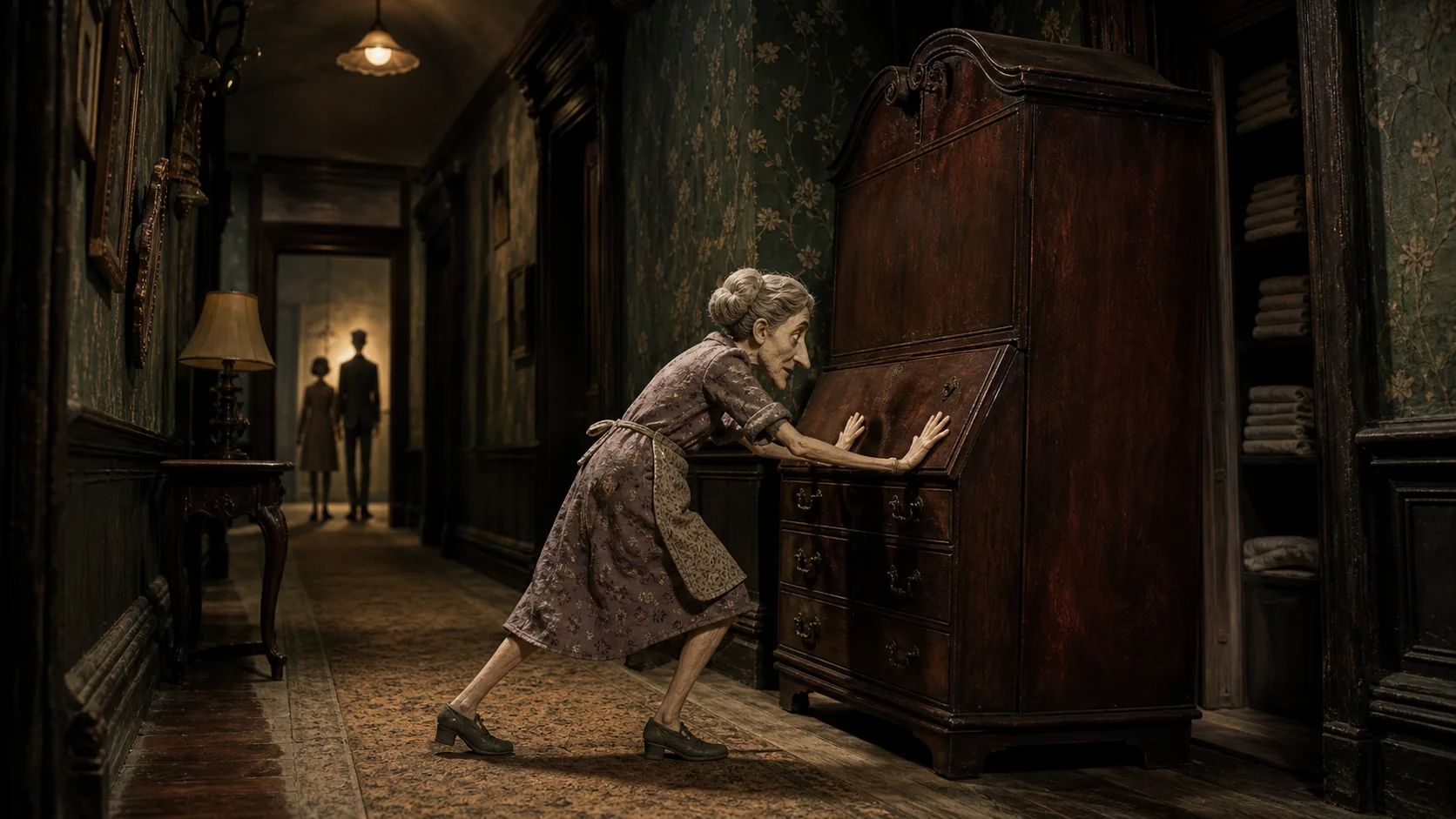
- Part 1: The Moving Chest Unlocks the Hidden Passages of The Bramford
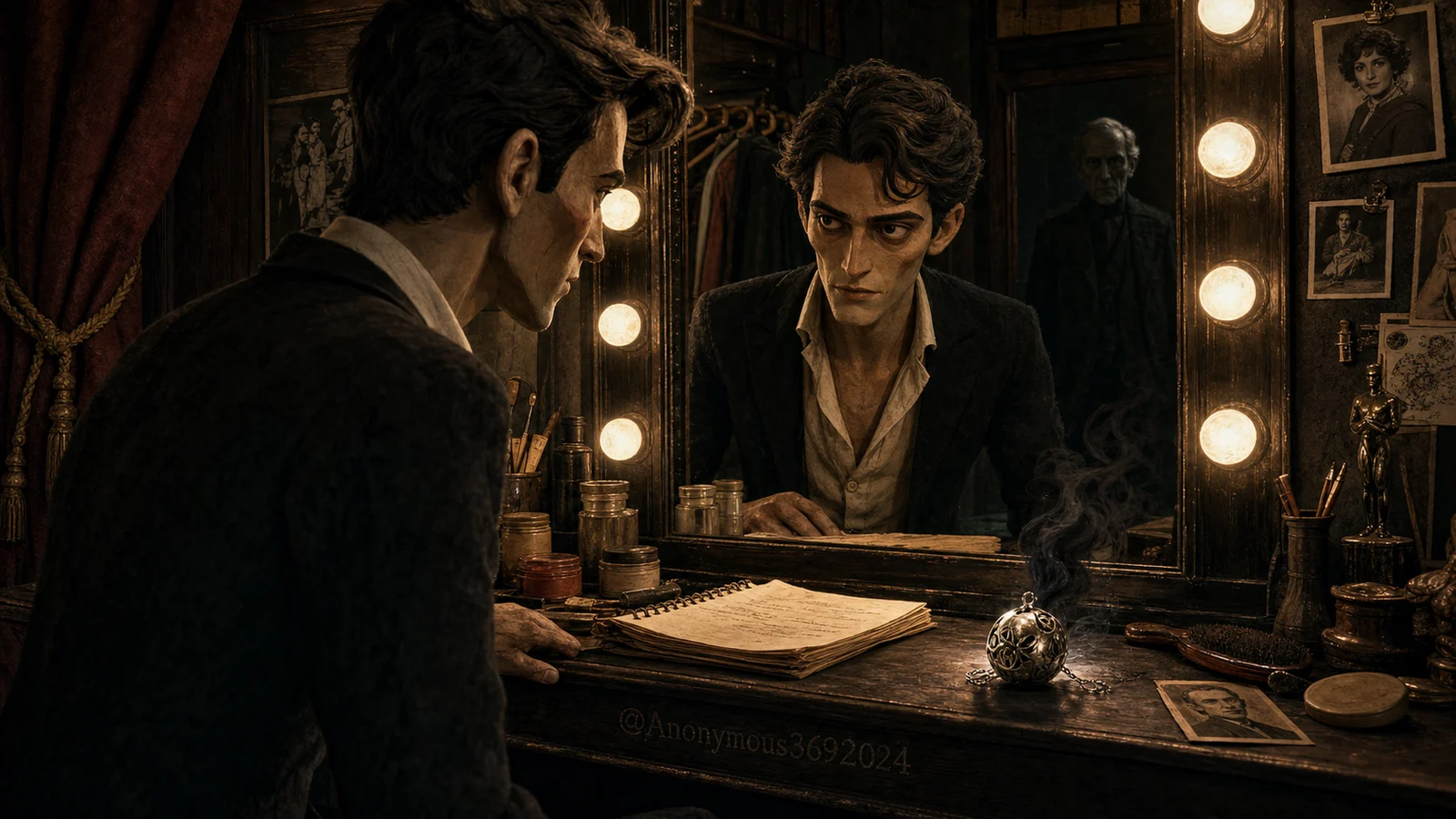
- Part 2: Stealing the Spotlight Blinds the Rival of Guy Woodhouse
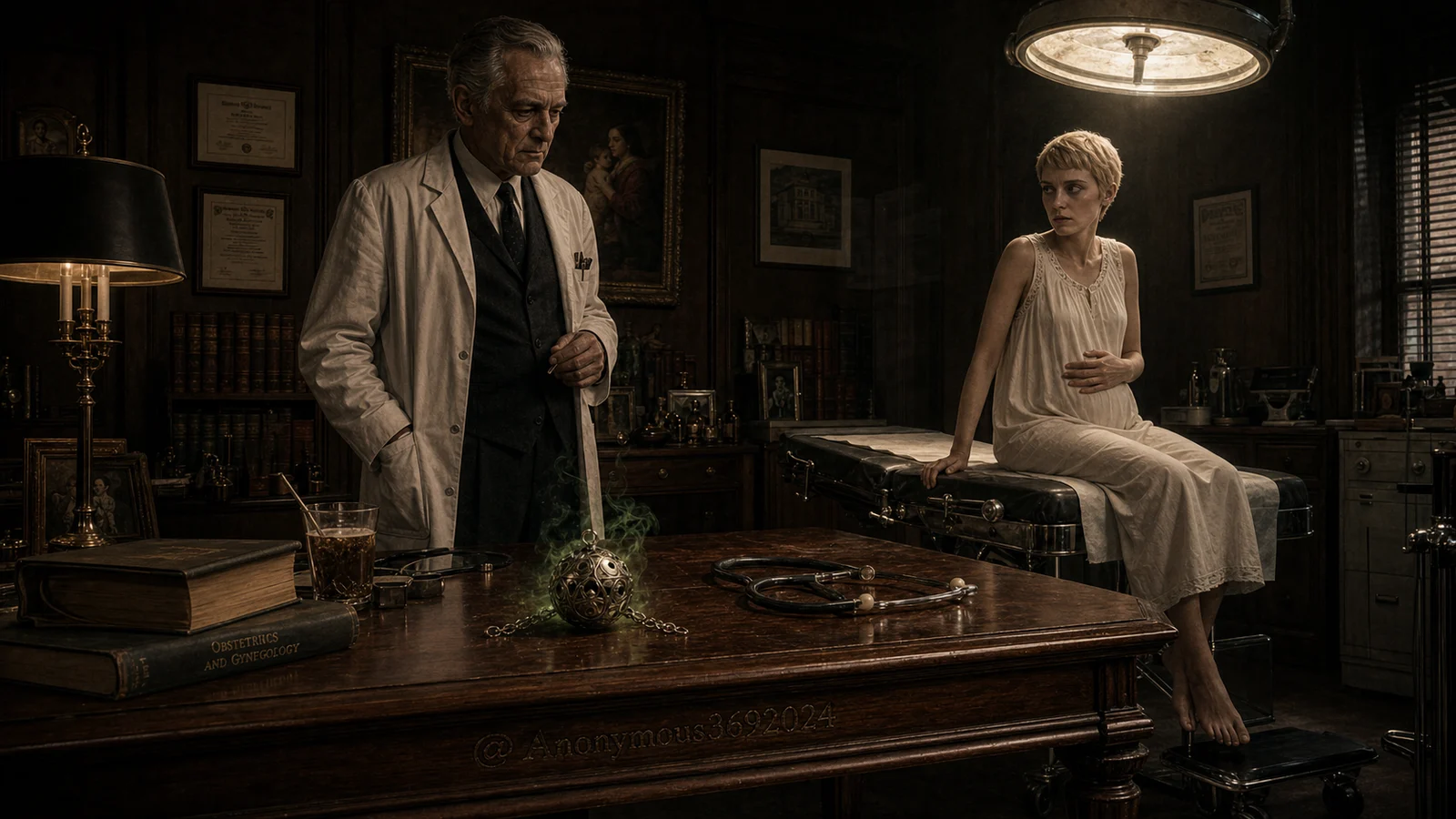
- Part 3: The Silver Charm Ball Inverts the Prenatal Care of Dr. Sapirstein
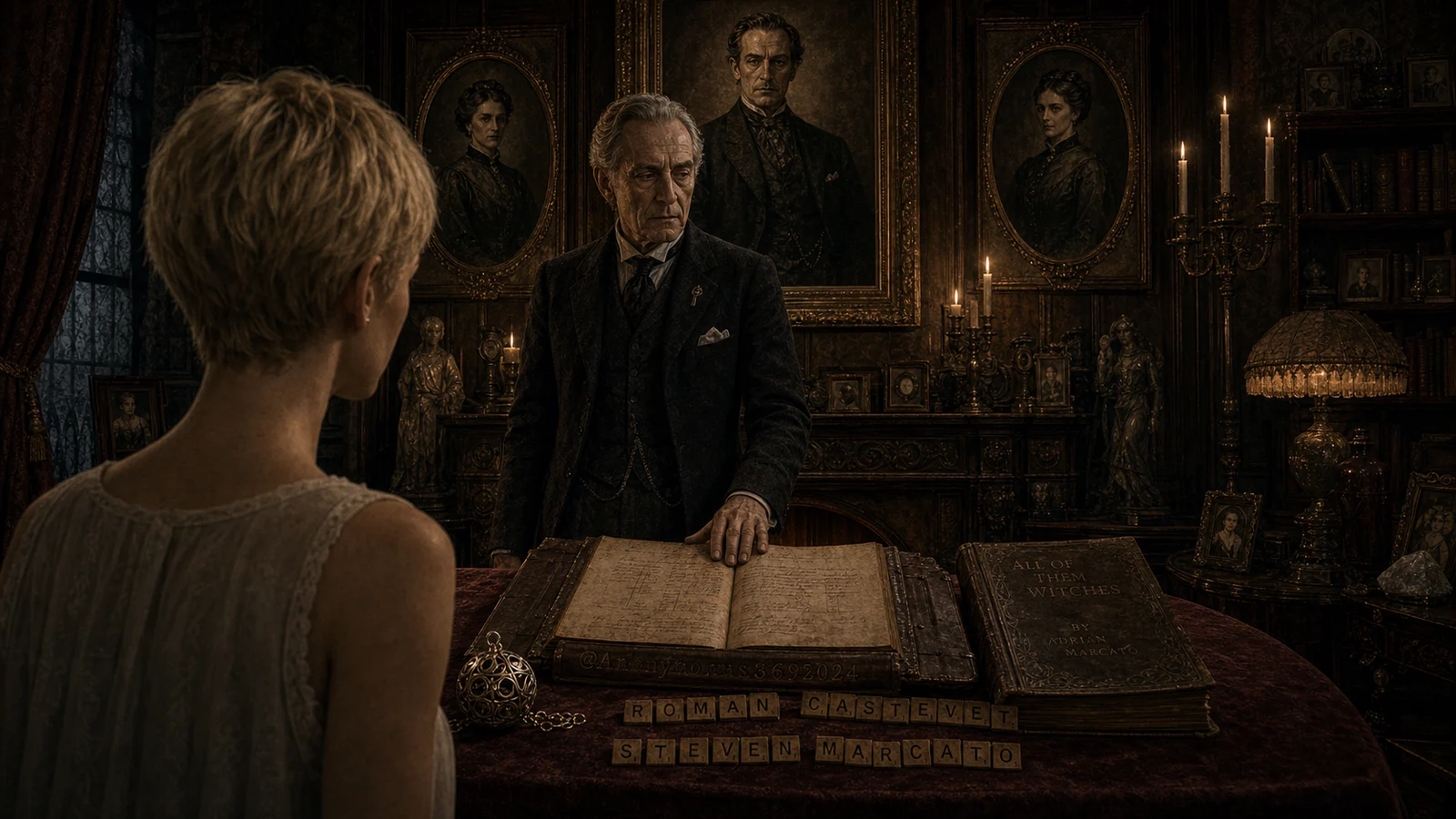
- Part 4: Decoding the Anagram Unmasks the Bloodline of Roman Castevet
- Part 5: The Black Bassinet Forces the Final Choice of Rosemary Woodhouse (current file)
After that, the wider cinema path keeps the door open:
- Get Out: The Sunken Place Under Polite America
- The Babadook: A Pop-Up Book Gives Grief a Body
- Under the Shadow: The Djinn Inside War-Torn Tehran
- The Wailing: A Village Plague Turns Faith Against Itself