
Let the Right One In: Vampire Love in the Swedish Freeze
Tomas Alfredson's vampire film is tender, brutal, and morally slippery: a coming-of-age story where loneliness makes monstrosity look like rescue.


The Verdict: A Love Story With Frostbite and a Body Count
Let the Right One In is often described as a tender vampire story, which is true in the same way a frozen lake is "a little chilly." Tomas Alfredson's film is tender, but the tenderness is surrounded by manipulation, hunger, grooming, revenge, and the terrible relief of being chosen by someone dangerous. It is beautiful because it refuses to be clean.
Oskar is a lonely, bullied boy living in a bleak Swedish suburb. Eli appears next door, pale and strange, accompanied by an older man who kills to feed them. The two children form a bond in courtyards, stairwells, and snow-muted spaces where childhood already feels like exile. The film's surface appeal is obvious: two outsiders find each other. The deeper horror is that one of them may be offering love, and also a future shaped like captivity.
That tension is the film's genius. It never asks the viewer to choose between romance and horror. It makes both true at once.
What the Film Is Actually Saying
The film is about loneliness as vulnerability. Oskar is not drawn to Eli simply because Eli is mysterious. He is drawn to Eli because Eli sees the rage he is too powerless to express. The bullies have made him rehearse violence in private. Eli gives that violence permission, shape, and eventually protection.
That is why the famous advice to "hit back" is so complicated. It is empowering, and it is dangerous. Eli helps Oskar stop being passive, but the help comes from someone whose survival depends on predation. The film keeps asking whether rescue can be trusted when the rescuer needs you.
Eli is not a simple monster. The performance by Lina Leandersson, with voice work by Elif Ceylan, creates a being who seems ancient and childlike at once. Eli is lonely, but also practiced. Vulnerable, but also lethal. The film does not reduce that contradiction. It lets the viewer sit inside it and slowly get uncomfortable.
The Cold Is Part of the Morality
Alfredson's direction is quiet and exact. The snow is not just atmosphere. It muffles the world until every violent act feels private and exposed at the same time. The apartment blocks, playgrounds, pool, and hospital spaces all feel drained of warmth. This is a world where adults are present but emotionally useless, orbiting children without truly seeing them.
That absence matters. Oskar is vulnerable because no one protects him. Eli survives because no one can fully understand what they are. The film's horror grows from social emptiness as much as supernatural hunger. Vampirism becomes one more system of need in a place already full of neglect.
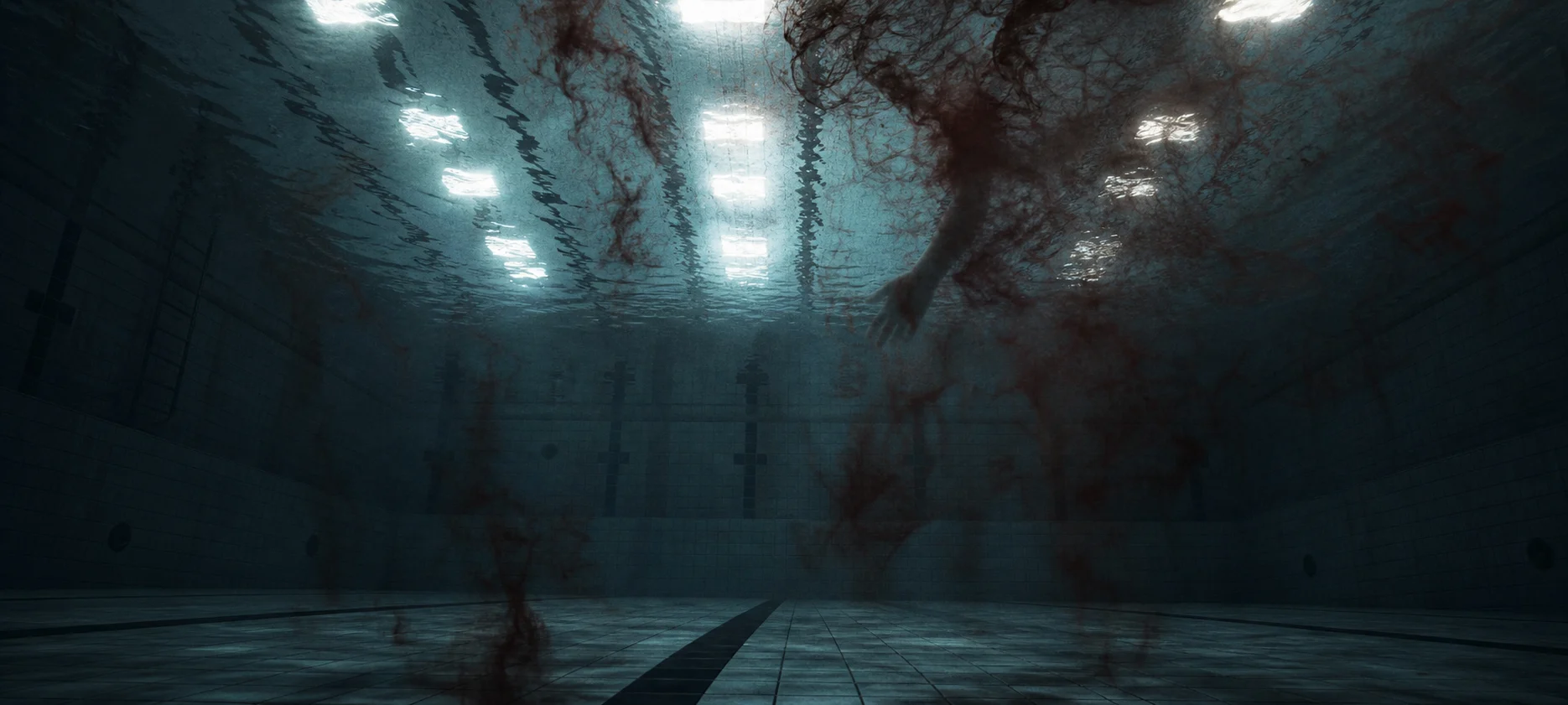
The violence is handled with restraint. When the film erupts, the impact feels shocking because the surrounding world is so still. The pool sequence is the perfect example. It gives the audience a revenge fantasy, but frames it through Oskar's submerged helplessness. We see fragments, limbs, panic, consequence. It is satisfying and horrifying, which is exactly the trap.
The sound design helps maintain that trap. The film is not loud, but it is attentive: breathing, footsteps in snow, the small noises of apartment life, the unnatural quiet around Eli. The restraint makes the blood feel colder when it comes. Instead of using music to command emotion, the film lets silence act like a moral weather system.
That quiet is also why the tenderness feels dangerous. The film never tells us exactly when comfort becomes dependence, or when dependence becomes a future neither child can escape.
What Viewers Often Miss
Many viewers remember the film as pure outsider romance. The more disturbing reading is that Oskar may be stepping into the role once occupied by Hakan. The older man's relationship to Eli is deliberately uncomfortable, and the film leaves enough ambiguity to make the ending glow with dread. Is Oskar saved, or recruited? Is the train ride a new beginning, or the first scene of a cycle?
That ambiguity is what makes the film linger. It understands that emotional need can make danger look holy. Oskar has been so starved for tenderness that he may not recognize the cost of being loved by someone who cannot live without feeding.
The title itself is a warning. Vampires must be invited in, but people invite harm in many ways: through loneliness, fantasy, revenge, gratitude, desire. The threshold is not only a door. It is a need.
Critical Temperature and Anonymous369 Rating
The film's reputation remains exceptional. Rotten Tomatoes lists it in the high-90s Tomatometer range, and Metacritic reflects strong critical acclaim. Its continued audience reputation comes from the way it balances genre beauty with moral unease.
Anonymous369 Rating: 9.0/10.
The score reflects atmosphere, restraint, performance, and one of vampire cinema's best emotional traps. It loses only a little ground because its deliberate coldness may keep some viewers at a distance. For those on its wavelength, that coldness is the point.
Who Should Watch It
Watch it if you want vampire horror that is sadder than it is flashy, or coming-of-age horror that refuses to flatter childhood innocence. It is also essential for viewers interested in adaptation, since the film condenses John Ajvide Lindqvist's novel while preserving its central ache.
The lesson underneath the plot is not simply that love can save outsiders. It is that being seen can feel like salvation even when the person seeing you brings darkness with them. The film respects that hunger, then asks what it might cost.
That is why Let the Right One In remains so powerful. It is not a romance with horror attached. It is a horror story about why romance can be frightening when loneliness is doing the choosing.
Continue Into the Lore
If this review left footprints in the snow, keep the archive close. Bookmark Anonymous369 Media and subscribe to Midnight Alerts for more cinema reviews and character-lore files built around the psychology beneath the hunger.
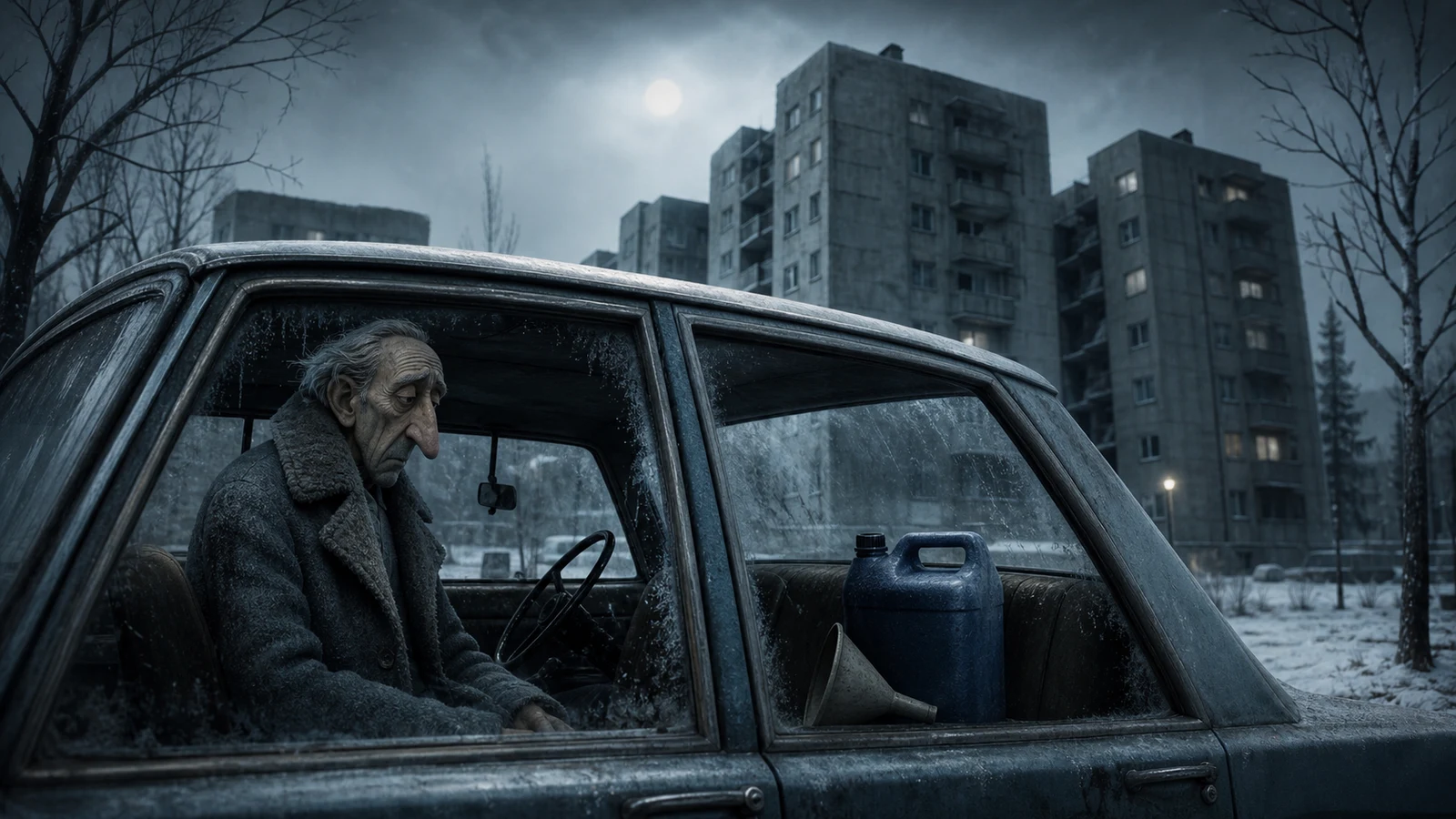
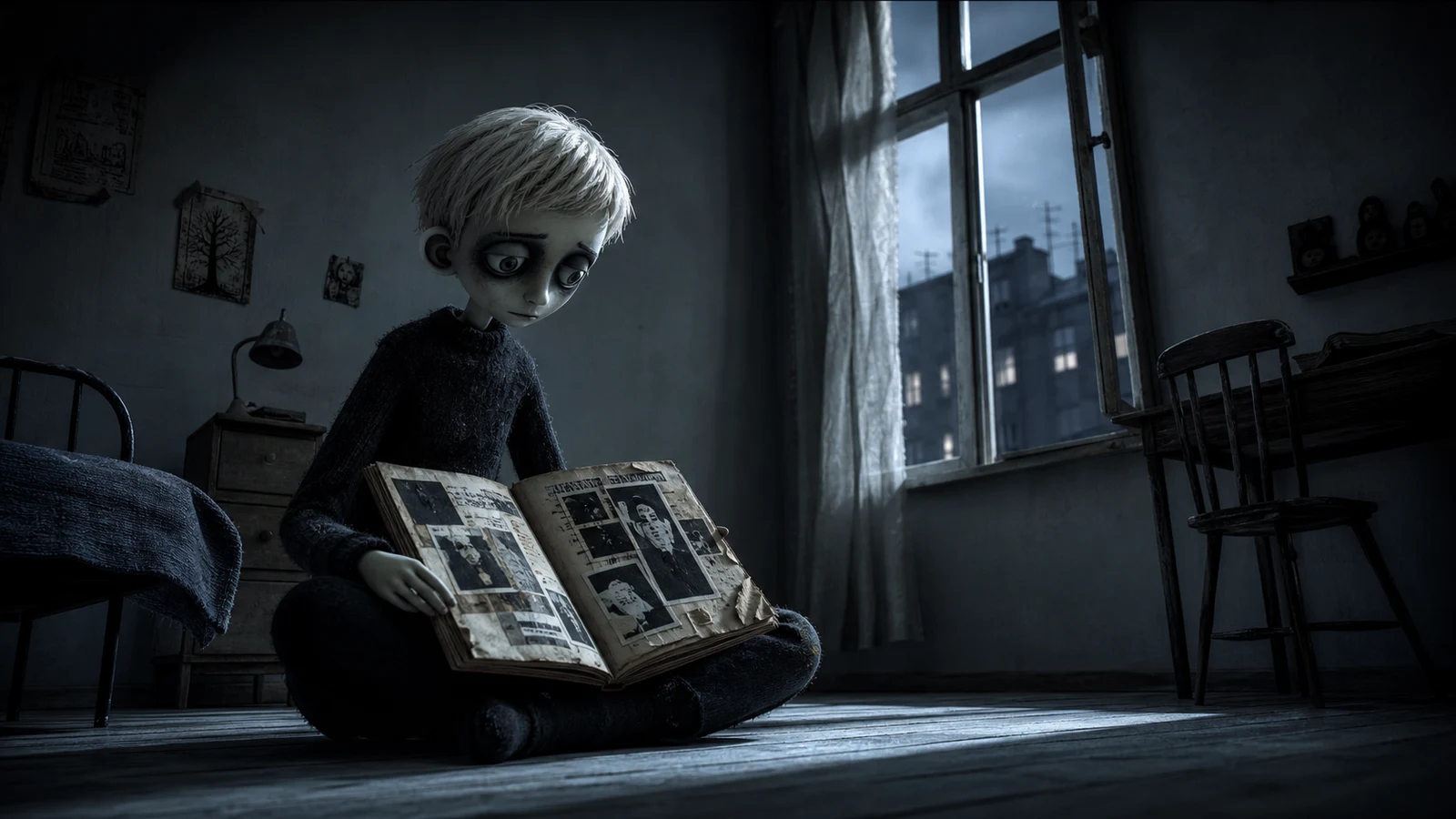
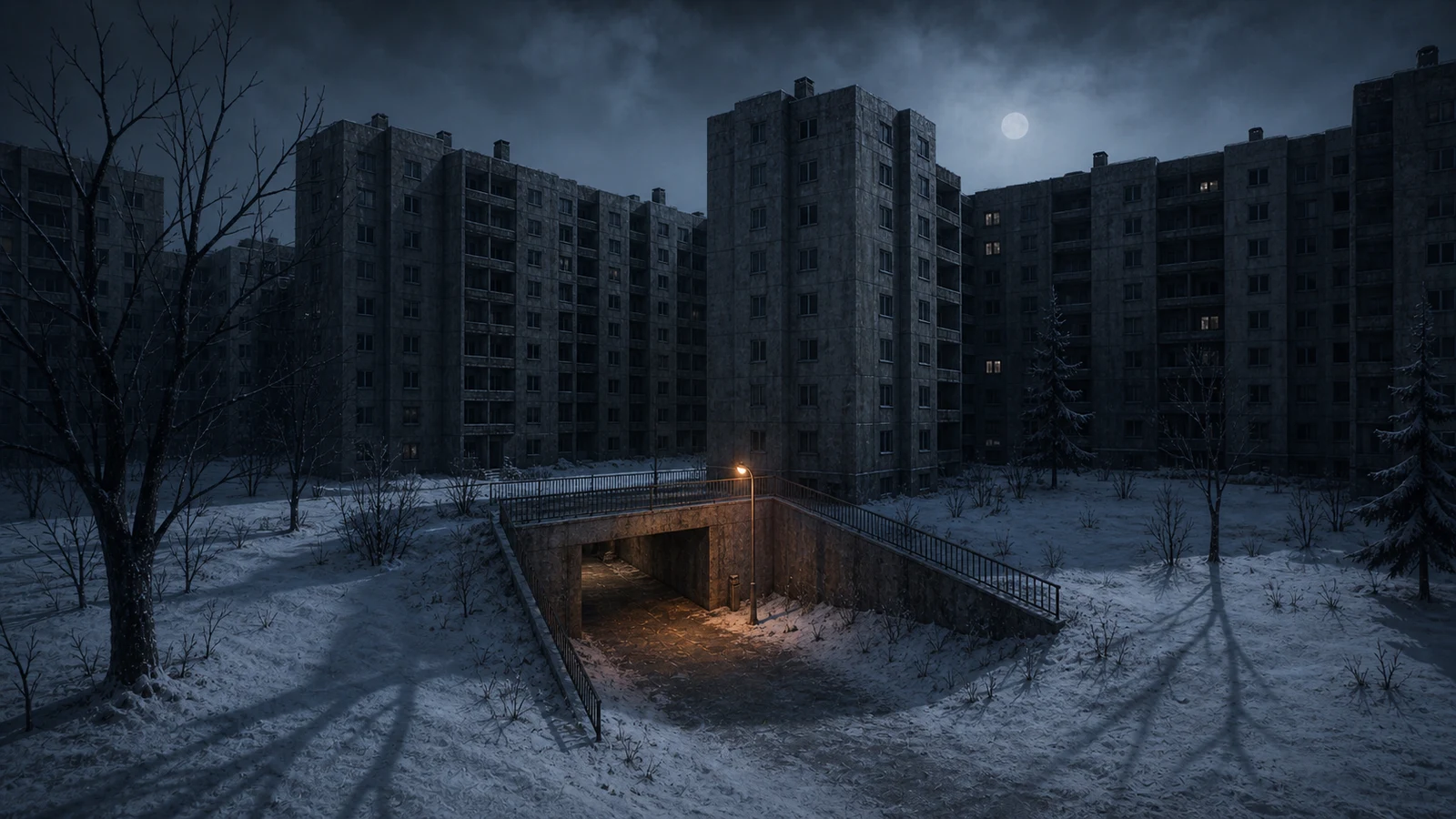
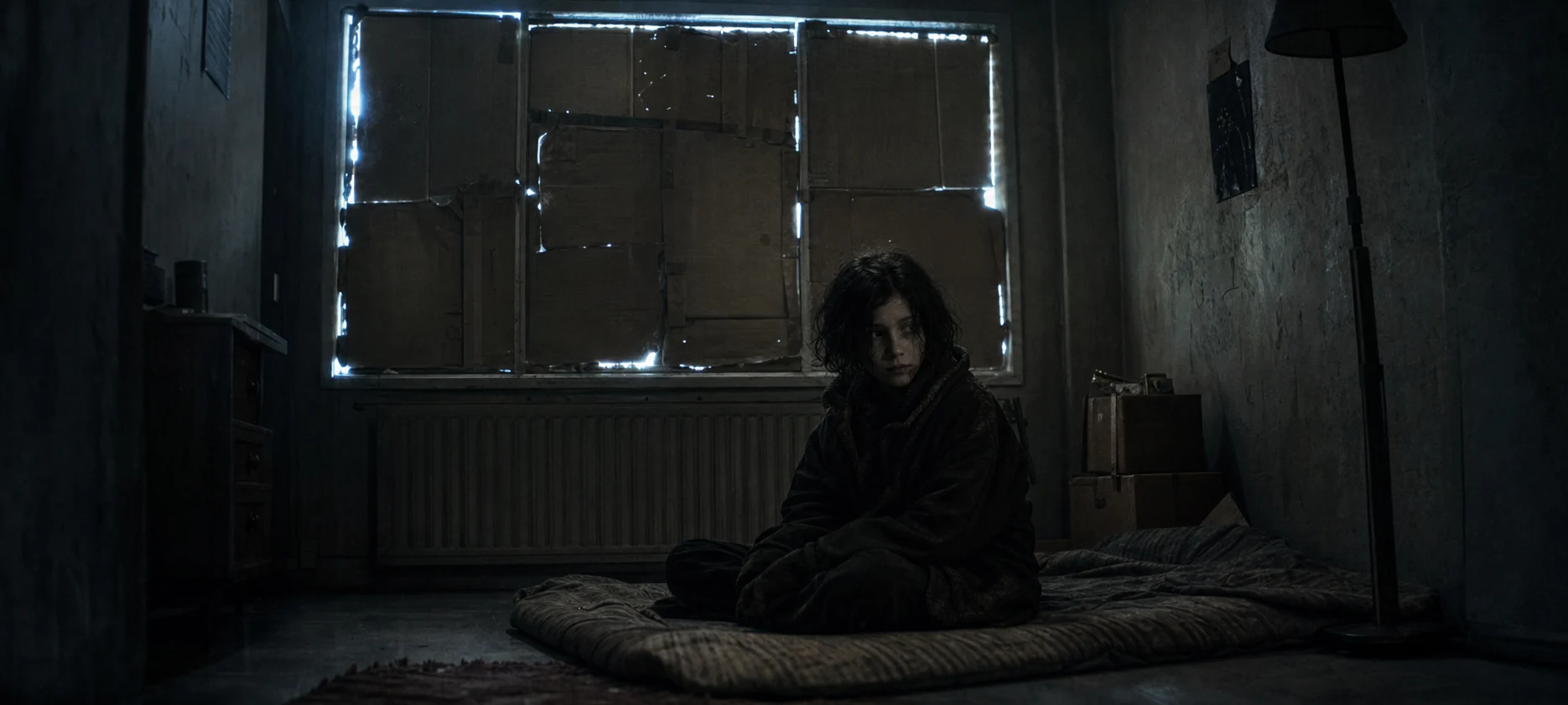
If you want to go deeper than the review, continue with the complete Let the Right One In lore files below in order. They move from Håkan’s acid canister into Oskar’s true crime scrapbook, Blackeberg’s concrete grid, Eli’s cardboard-window survival system, and the swimming pool climax that turns rescue into the caretaker cycle.
After that, the wider cinema path keeps the door open:
- The Babadook: A Pop-Up Book Gives Grief a Body
- Rosemary's Baby: The Pregnancy Trap Inside the Bramford
- His House: The Refugee Home Haunted by a River Ghost
- The Ring: A Cursed Tape Makes Grief Go Viral