
Martha Moxley's Golf Club: How Greenwich Power Bent a Murder Case
A shattered golf club, a wealthy enclave, and a 15-year-old girl left lifeless under a pine tree. For decades, the Skakel family's Kennedy connections shielded them from justice. Dive into the botched investigation, shifted alibis, and the shocking reversals of the Martha Moxley murder.



THE MISCHIEF NIGHT DISCOVERY
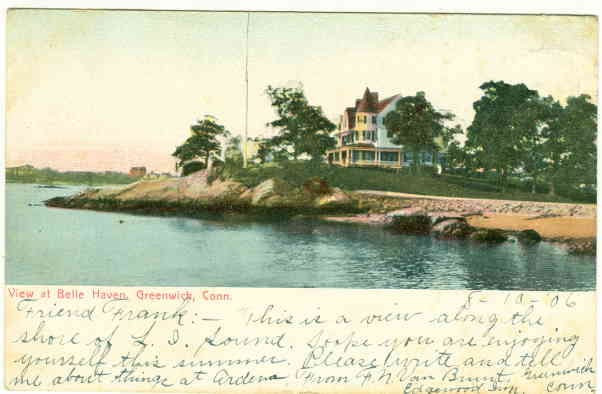
On a quiet, biting Halloween eve in 1975, the exclusive, gated enclave of Belle Haven in Greenwich, Connecticut, felt entirely insulated from the cruelties of the outside world. It was Mischief Night, a time for harmless neighborhood pranks like tossing toilet paper into trees or spraying shaving cream on mailboxes. Fifteen-year-old Martha Moxley, a vibrant girl who had quickly become a beloved fixture in the local social scene after moving from California, stepped out into the dark wearing a blue down parka. She never returned home.
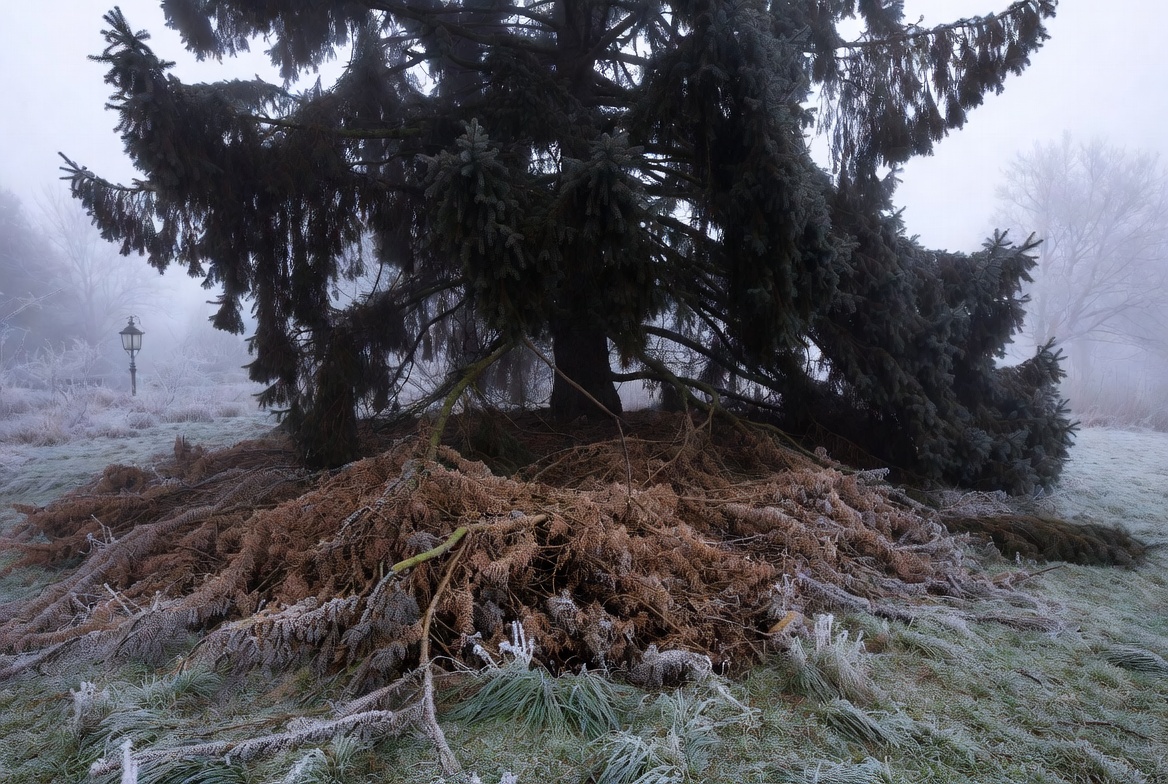
The next day, as the afternoon sun cast long, chilly shadows across the manicured lawns, a neighborhood friend made a discovery that would shatter the community's illusion of safety forever. Martha was found face down beneath a massive Norwegian spruce tree on her own family's sprawling estate. The violence inflicted upon her was explosive and terrifying. She had been bludgeoned with such ferocity that the murder weapon shattered into several pieces, leaving a gruesome eighty-foot drag path through the high grass from the driveway to her final resting place.
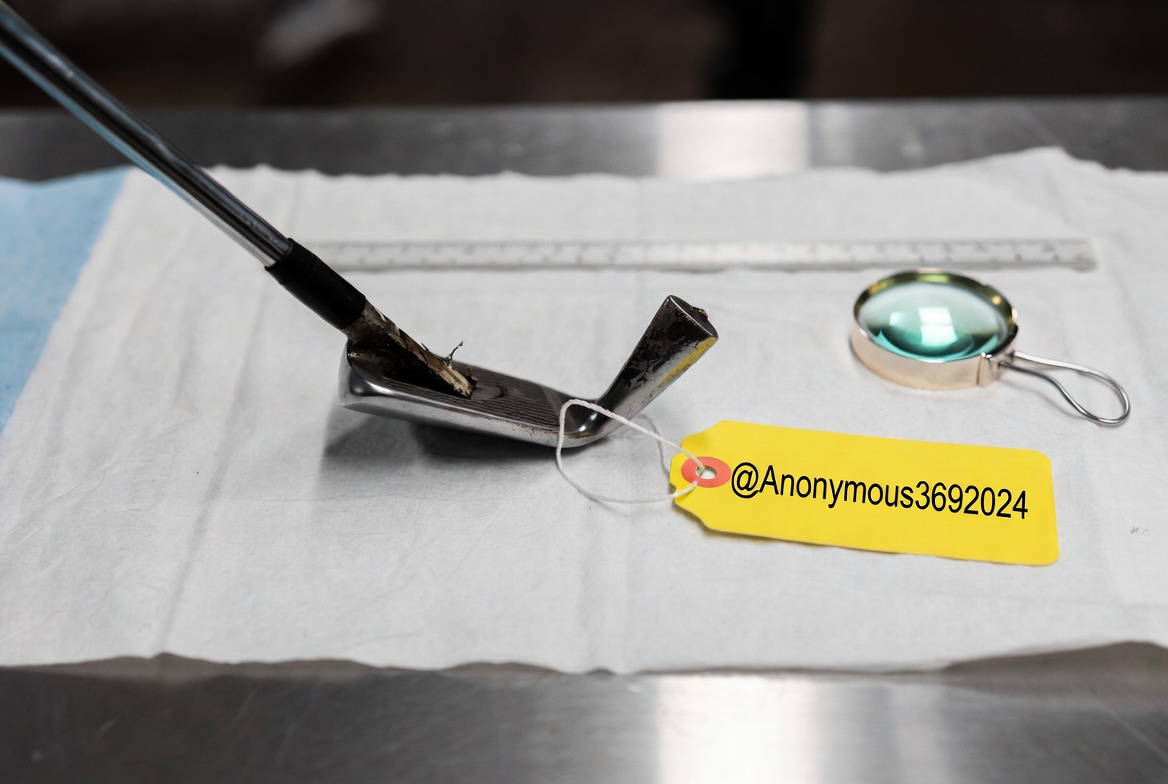
The weapon was a rare, high-end Toney Penna six-iron golf club. The handle was missing, but the fractured steel shaft and the metallic club head remained at the scene. Detectives soon traced that specific club to a personalized set belonging to the late Anne Skakel, the matriarch of the staggeringly wealthy family living diagonally across the street. Immediately, the perimeter of suspicion shrank to the immediate neighborhood, focusing tightly on the sprawling Skakel household and the teenage boys who lived there.
THE LAST KNOWN FOOTSTEPS
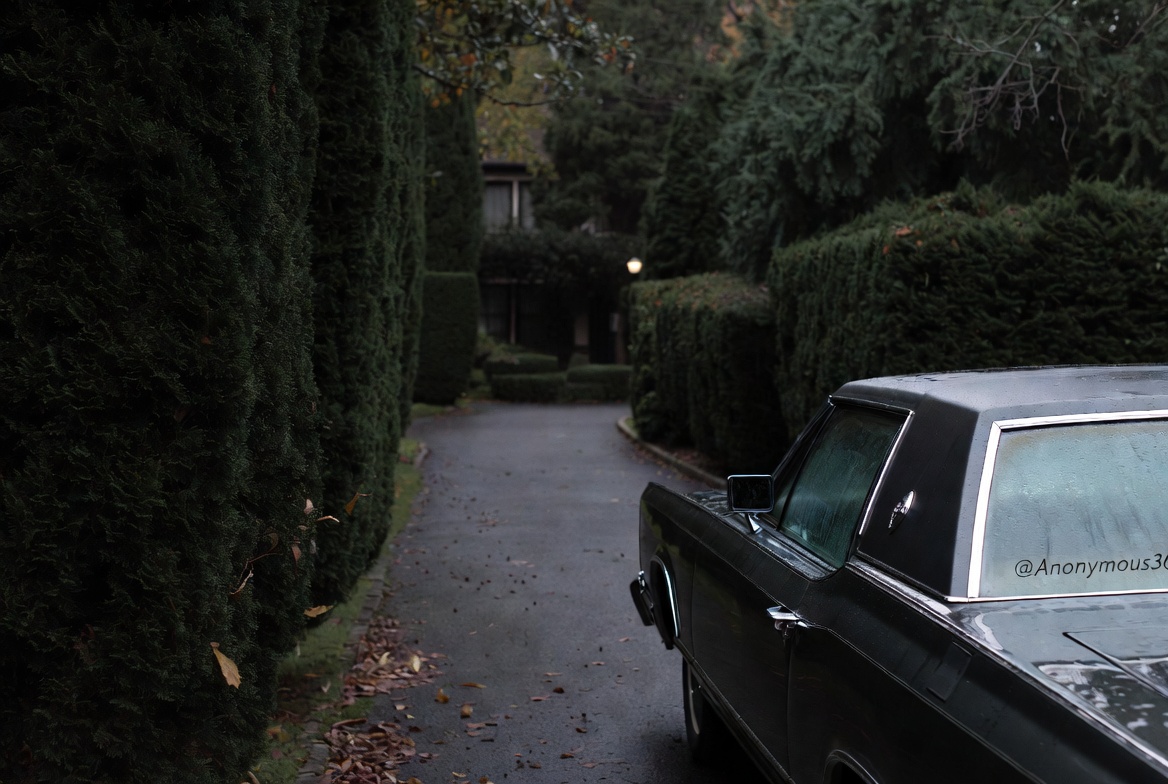
To understand the fracture point of this tragedy, investigators had to painstakingly reconstruct the hours leading up to the murder. On that Thursday night, Martha and her friends had gravitated toward the Skakel residence, socializing with the teenage brothers, seventeen-year-old Thomas and fifteen-year-old Michael. At approximately nine thirty, a group consisting of Michael, two of his brothers, and a cousin piled into the family's Lincoln Continental to drive twenty minutes away to the Terrien household to watch a broadcast of Monty Python.
According to witness statements, Martha and Thomas were left behind in the driveway, engaging in flirtatious horseplay. Thomas initially told police that he parted ways with Martha shortly after nine thirty, claiming he went to his room to write an essay on Abraham Lincoln while she walked home. The alibi dissolved almost instantly when investigators learned from his school that no such essay had been assigned, and the live-in tutor, Kenneth Littleton, reported that Thomas was not in his room at ten o'clock.
Despite these glaring inconsistencies and the direct physical connection of the murder weapon to their home, the investigation encountered a formidable barrier. The Skakel family was not merely wealthy; they were intimately connected to the Kennedy political dynasty. The shadow of their influence would soon envelop the entire investigation.

THE SHIELD OF WEALTH
In most homicide investigations, a shattered murder weapon traced directly to a neighbor's house would trigger immediate search warrants and relentless interrogations. In Belle Haven, the rules of reality seemed to bend around wealth and privilege. Detectives later admitted they employed a soft shoe approach, severely intimidated by the family's vast resources and social standing. No search warrant was ever executed on the Skakel home to look for the missing golf club handle or bloody clothing.
By January of 1976, the family patriarch, Rushton Skakel, abruptly ended all cooperation with the police, effectively slamming the door on the inquiry. The Greenwich Police Department was also hindered by deep local conflicts of interest, as off-duty officers frequently worked private security details for the very elites they were now tasked with investigating. Without the pressure of a conventional probe, the timeline grew muddy and witnesses remained unquestioned.
A private security guard claimed to have seen a figure walking in the shadows near the property around ten o'clock, but composite sketches led nowhere. The case went inexplicably cold, locked away in a vault of high-society silence. This agonizing lack of momentum left Dorthy Moxley, Martha's grieving mother, to wage a relentless, decades-long campaign for justice, demanding that the authorities look past the wrought-iron gates of the Skakel estate.
FORENSIC WHISPERS AND BROKEN IRON
While the initial investigation stalled, the forensic evidence left behind spoke volumes to those willing to listen. The medical examiner noted that Martha's jeans had been unbuttoned and pulled down to her ankles, yet there was no biological evidence of sexual assault. Decades later, renowned forensic scientist Dr. Henry Lee would analyze the scene and the clothing, noting the distinct absence of defensive wounds on Martha's hands and the lack of foreign DNA under her fingernails.
Dr. Lee concluded that the unbuttoning of the jeans likely occurred before the violent assault began. This forensic signature suggested a highly specific sequence of events. It pointed away from a random, predatory stranger leaping from the bushes and strongly indicated that the encounter began consensually before erupting into a sudden, high-arousal rage killing. The killer had struck with a blinding fury, continuing the assault with the splintered shaft of the golf club even after the iron head snapped off, driving the jagged metal into her neck.
Furthermore, the time of death became a critical forensic battleground. Experts analyzed stomach contents, rigor mortis, and livor mortis, estimating the murder occurred around ten o'clock. This timeline was chillingly corroborated by neighborhood dogs. One neighbor's dog barked violently and continuously between nine forty and ten fifteen, while another neighbor observed his spaniel walk directly to the exact pine tree where the body was found at nine fifty.

THE SUTTON REPORT AND SHIFTING ALIBIS
The impenetrable wall around the Skakel family finally began to crack in the 1990s. Seeking to preemptively clear his sons as media interest renewed, Rushton Skakel hired a private investigative firm, Sutton Associates. Instead of exonerating the brothers, the resulting internal document, which was eventually leaked to the press, exposed devastating new narratives. When forced to speak with their own investigators, both Thomas and Michael drastically altered their stories from the night of the murder.
Thomas admitted that he had lied to the police in 1975. He confessed that he and Martha had engaged in a mutual, semi-sexual encounter near the Skakel driveway until nearly ten o'clock before she turned to walk home. Michael's revised story was even more disturbing and legally perilous. He abandoned his airtight alibi of going straight to bed after returning from his cousin's house.
Instead, Michael told the private investigators that he had been drunk and decided to sneak out of the house at midnight. He claimed he climbed a tree outside Martha's window and masturbated, then ran home in a panic when he heard voices in the darkness. He described waking up the next morning to Dorthy Moxley asking if he had seen Martha, recalling a terrifying thought running through his mind, wondering if they had seen him the night before. This admission placed Michael at the crime scene, exhibiting intense consciousness of guilt.
CONFESSIONS IN THE DARK
As investigators refocused their lens entirely on Michael Skakel, they dug into his past and uncovered a dark chapter at the Elan School in Maine. Elan was a highly controversial behavior modification facility for troubled youths, notorious for its brutal, cult-like tactics. Michael had been sent there in 1978 after a drunk driving incident. Former residents came forward to the police with explosive claims regarding Michael's time at the facility.
Gregory Coleman, a resident struggling with severe addiction, testified that Michael had explicitly confessed to him, allegedly bragging that he would get away with murder because he was a Kennedy. Another resident, John Higgins, claimed Michael tearfully admitted the crime while sitting on a porch during a night watch shift. Yet, the environment at Elan deeply complicated the truth.
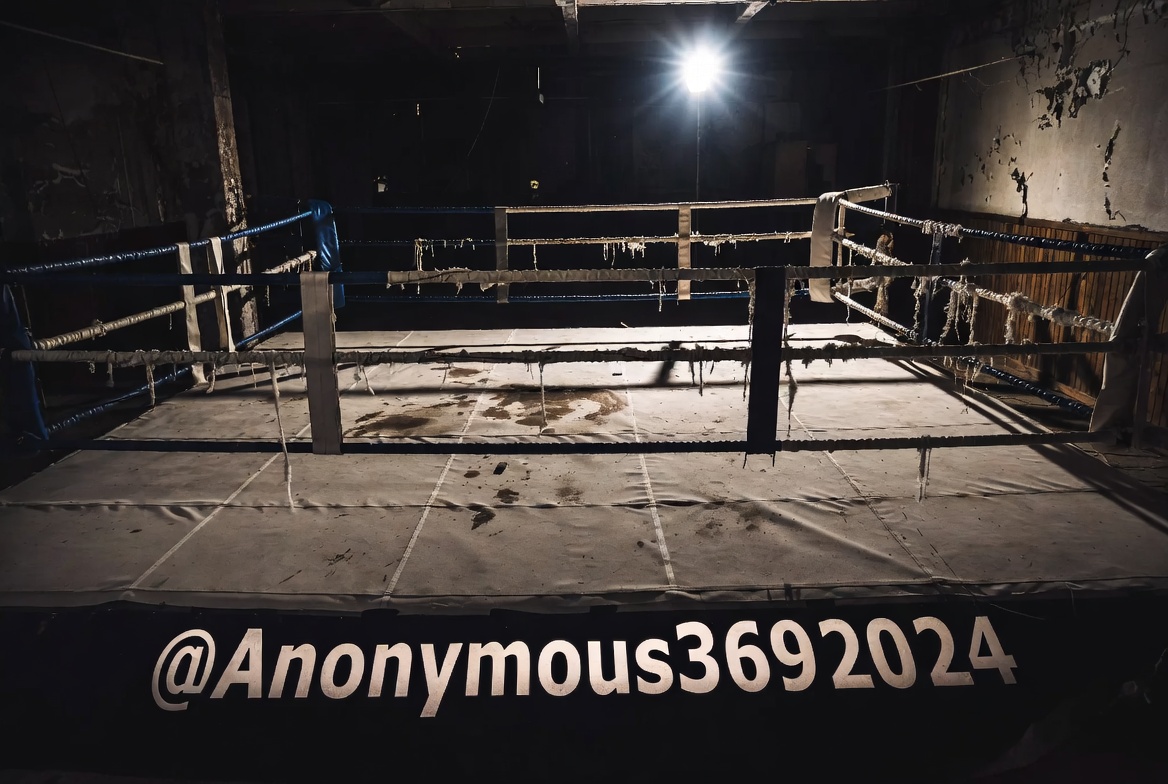
The program utilized attack therapy, forcing teenagers into a literal boxing ring and physically pummeling them until they confessed to whatever misdeeds the staff accused them of. Sociological experts, including a Pulitzer Prize-winning sociologist, would later argue that admissions extracted in such a coercive, abusive environment were inherently unreliable. They were designed to break the subject's will and force submission rather than reveal factual truth. Furthermore, other students present at Elan flatly denied ever hearing Michael confess, painting the state's star witnesses as desperate individuals seeking the massive reward money offered in the case.
A TRIAL OF DECADES AND SHADOWS
In the year 2000, exactly twenty-five years after the murder, Michael Skakel was indicted. The 2002 trial became an international media spectacle, a mesmerizing collision of forensic debate, wealth, and social reckoning. The prosecution, lacking any direct physical evidence tying Michael to the murder weapon, built a sweeping circumstantial case around his shifting alibis, his bizarre tree-climbing story, and the deeply contested Elan School testimonies.
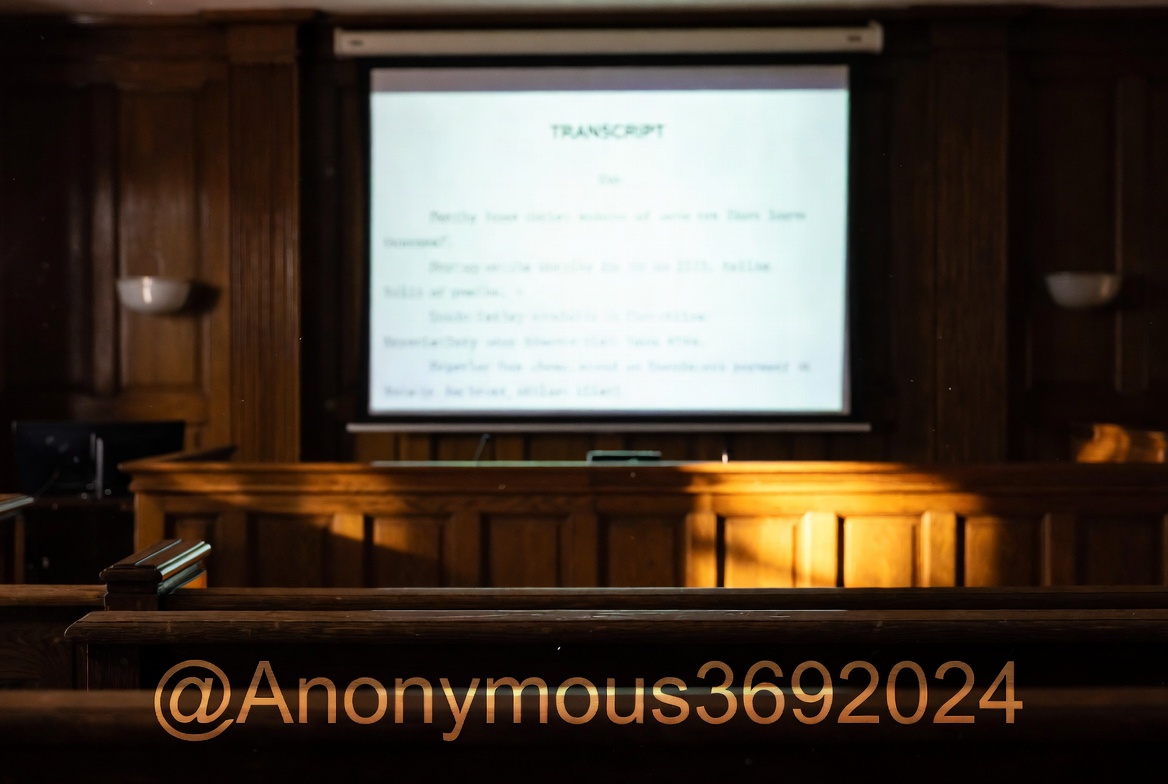
During the closing arguments, the prosecutor delivered a devastating, technologically advanced multimedia presentation. He played the audio recording of Michael telling the Sutton investigators about his overwhelming feeling of panic the morning after the murder, juxtaposing the audio with horrifying, large-scale crime scene photos of Martha's battered body. The implication planted in the jury's mind was clear: the panic Michael felt was not about being caught masturbating in a tree, but about the sobering realization of what he had done in a drunken, jealous rage.
Michael's defense attorney, Mickey Sherman, offered a scattered and highly criticized rebuttal. He failed to forcefully present alternative suspects, completely ignored the state's burden of proof in his closing, and failed to dismantle the prosecution's timeline. The jury deliberated for four grueling days before returning a verdict of guilty. Michael Skakel was sentenced to twenty years to life in prison, finally offering the Moxley family a taste of the justice they had sought for decades.

ALTERNATE SUSPECTS AND LEGAL REVERSALS
The conviction, however, was far from the end of the labyrinth. Michael's new, aggressive legal team launched relentless appeals, arguing that Mickey Sherman had provided unconstitutionally ineffective assistance of counsel. They pointed to Sherman's catastrophic failure to call a crucial, entirely disinterested alibi witness named Dennis Ossorio. Ossorio had been at the Terrien house on the night of the murder and could have confirmed Michael's presence there, effectively removing him from Belle Haven during the critical window when forensic experts believed Martha was killed.
Furthermore, the defense argued that Sherman should have aggressively pursued Thomas Skakel as the primary suspect, given his admission of physical intimacy with Martha moments before she vanished and his documented history of violent outbursts. Other wild theories surfaced, including a claim by a former classmate named Tony Bryant that two imposing teenagers from New York had visited the neighborhood that night seeking violence, though this narrative lacked any physical corroboration and was widely dismissed by the courts.
In 2013, a judge agreed that Michael's defense had been shockingly deficient and officially vacated his murder conviction. Michael walked out of prison, reigniting the bitter legal warfare. After years of exhausting appellate limbo, the State of Connecticut announced in 2020 that it would not retry the case, citing the impossibility of proving guilt beyond a reasonable doubt nearly half a century later with faded memories and deceased witnesses.
THE UNENDING ECHO
Today, the sprawling estate where Martha Moxley took her last breaths remains as quiet as it was in 1975, but the silence is overwhelmingly heavy with unresolved grief. The case brutally exposed the structural inequalities of the American justice system, proving that the radius of a police investigation can be severely warped by the gravitational pull of extreme wealth. The forensic timeline, the shattered Toney Penna golf club, the coerced confessions in a dark Maine forest, and the audio tapes of a panicked teenager all swirl in a vortex of historical ambiguity.
A dedicated mother fought her entire life for a resolution that the legal system ultimately could not sustain, passing away with the agonizing knowledge that her daughter's killer was legally free. The Greenwich Shadow continues to loom over Belle Haven, a chilling testament to the reality that sometimes, the evidence points in every direction except toward closure. Was the murder a tragic explosion of adolescent rage by a boy who thought his family name was an impenetrable shield, or did the true killer slip away into the night while the world spent fifty years obsessing over the wrong brother?
Archival Case Gallery
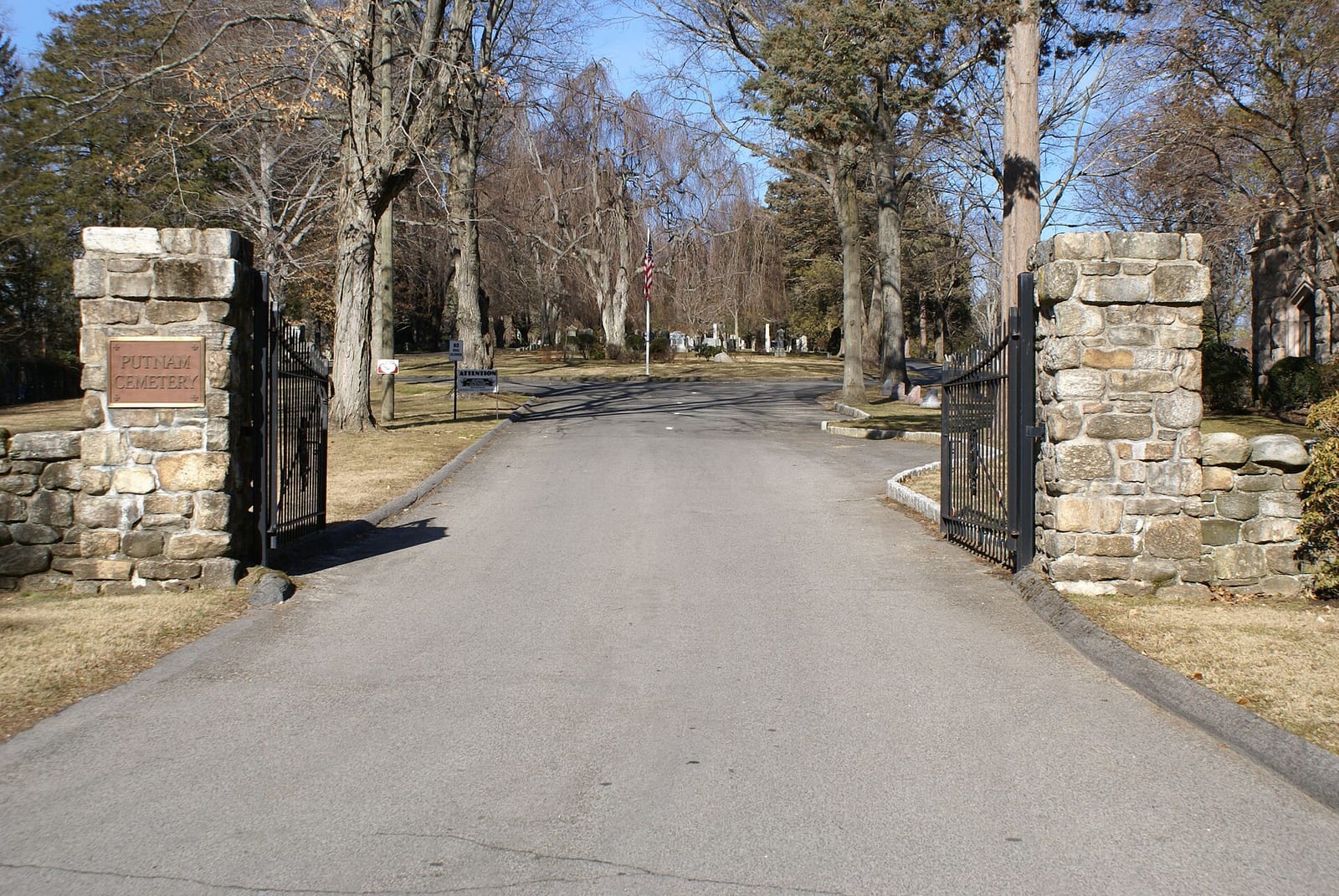
Sources & Case Notes
Last updated: May 8, 2026.
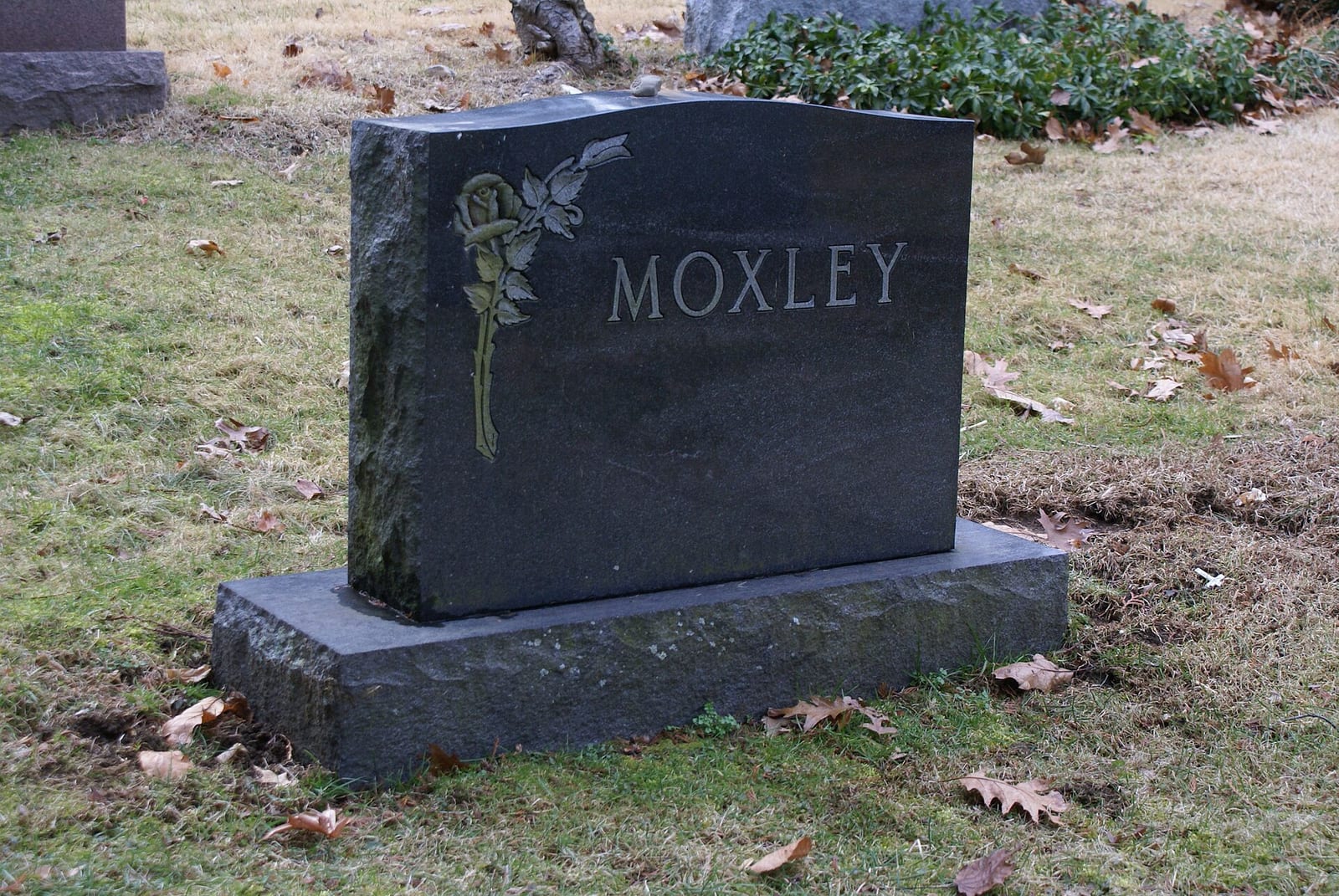
Primary sources / case notes: Connecticut court and appeal records, public reporting on the Martha Moxley case, Greenwich/Belle Haven context, and legally reusable cemetery/location images through Wikimedia Commons.
Source links:
- Connecticut Division of Criminal Justice Skakel case page
- Connecticut Judicial Branch appeal summary
- Justia State v. Skakel opinion
- AP report on retrial being dropped
Correction policy: Send corrections, source notes, or image-rights concerns through Contact & Media Inquiries.
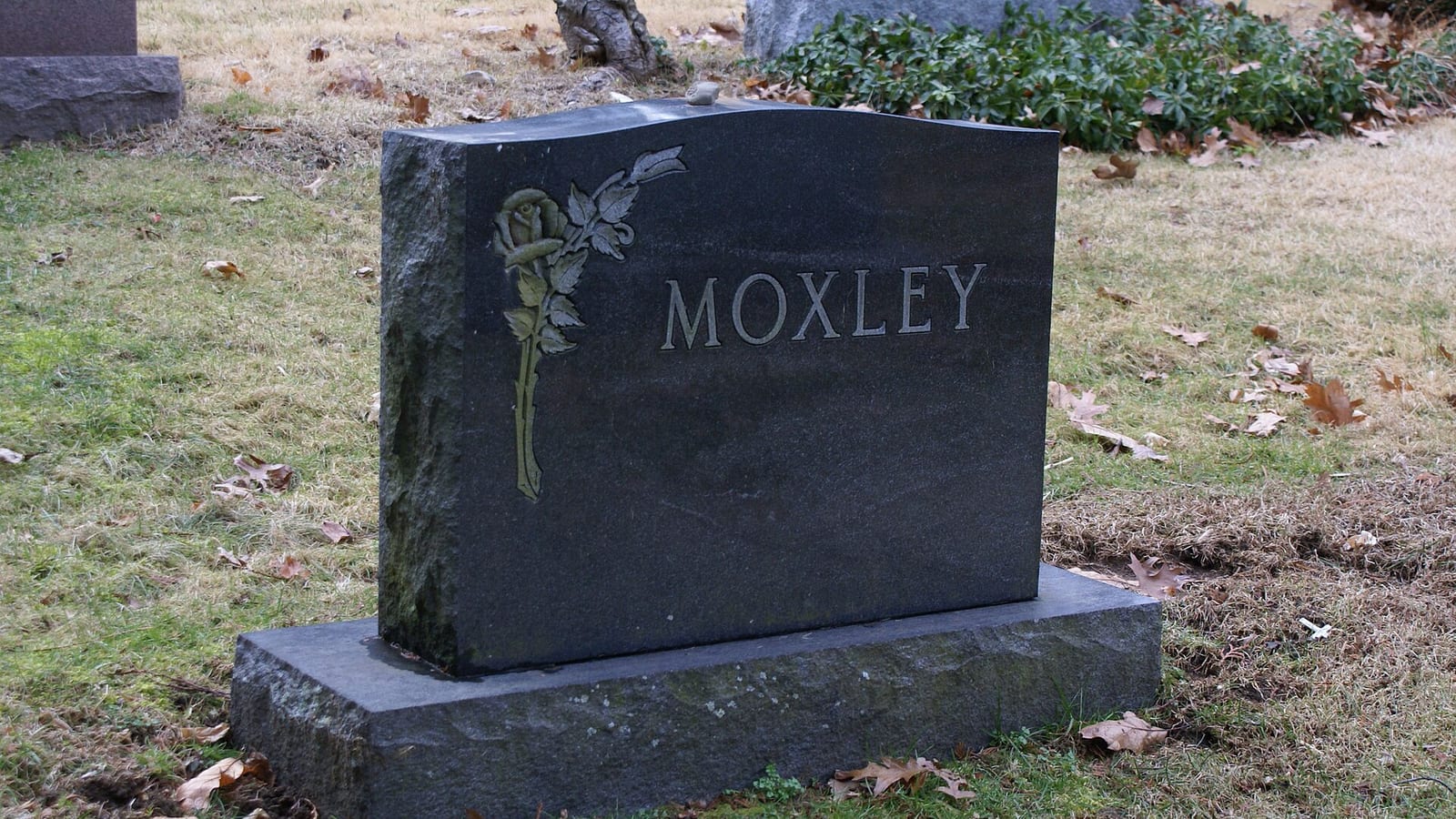
Image credits: Feature/gallery imagery uses legally reusable Martha Moxley grave, Belle Haven, and cemetery-location images. Body images are non-graphic documentary recreations created for Anonymous369 Media.
Content warning: Discusses the homicide of a teenage victim and disputed legal proceedings; non-graphic.
Editorial standards: Read how Anonymous369 Media researches, corrects, and credits factual cases on our Editorial Standards page.
Continue the Case File
These investigations reward careful reading. Step back if you missed the previous file, or keep going to follow the next case in the archive.
Previous file: Keddie Cabin 28: How a Bloody Crime Scene Went Cold Next file: The Arsenic Trail: How Amy Archer-Gilligan Ran the Windsor Murder Factory