
The Arsenic Trail: How Amy Archer-Gilligan Ran the Windsor Murder Factory
A beloved nursing home proprietor hides a terrifying secret in 1910s Connecticut. When boarders start dying after signing over their life savings, a local reporter uncovers a massive arsenic trail, leading to one of the most chilling forensic trials in history.


The Facade of a Sanctuary
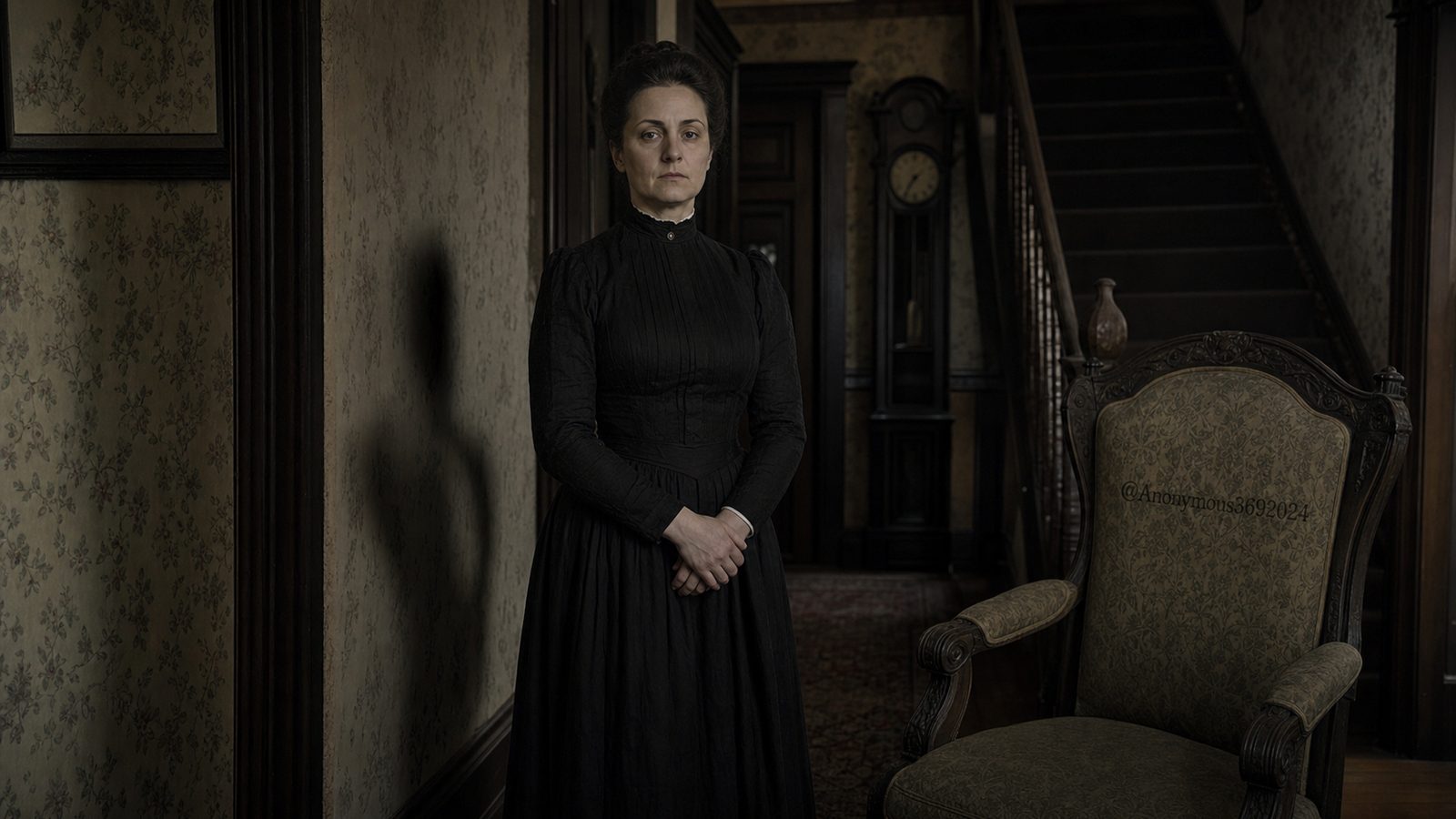
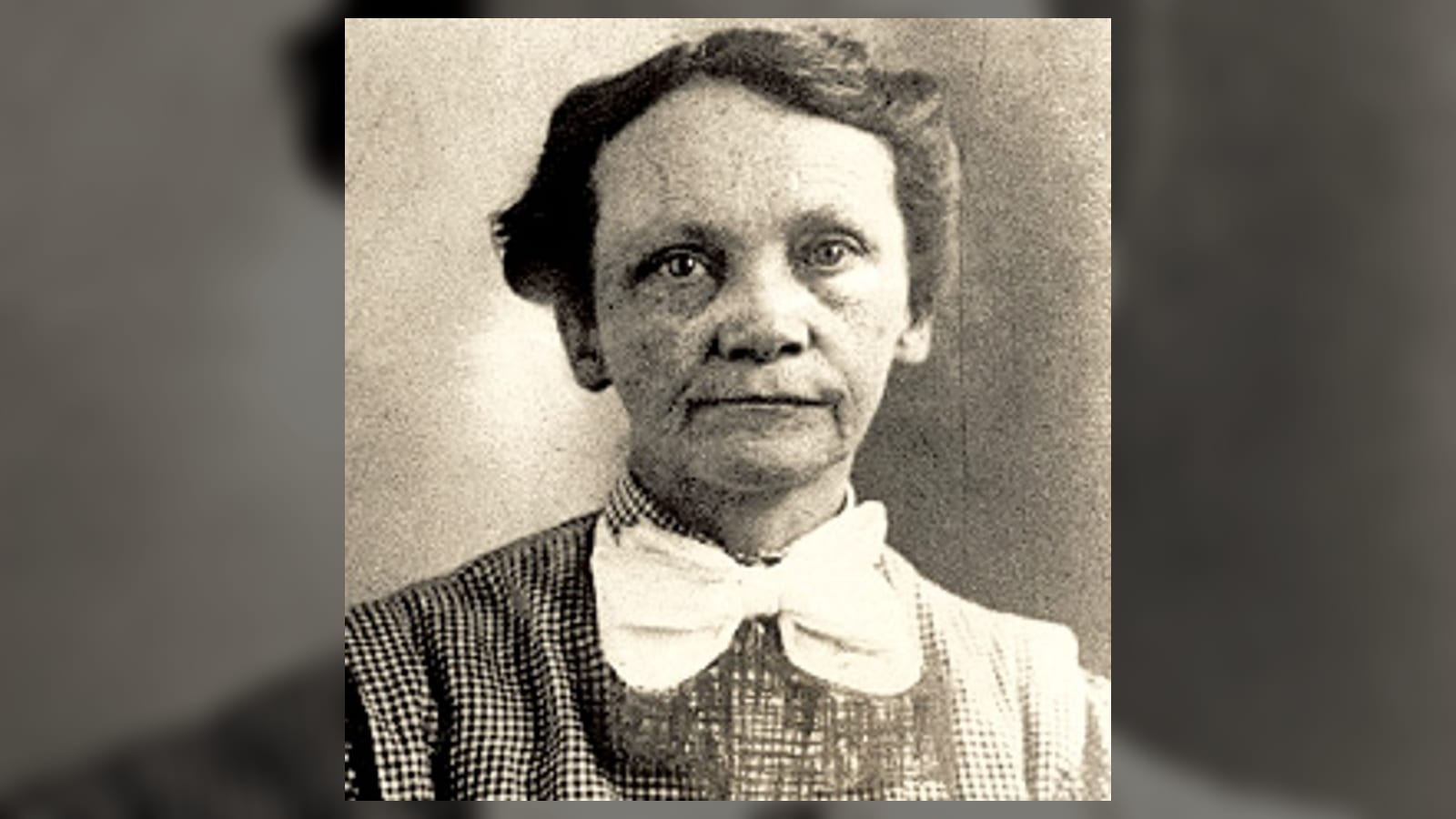
At the dawn of the twentieth century, the town of Windsor, Connecticut, stood as a quiet bastion of New England tradition. It was a landscape defined by solid red brick architecture, peaceful tree lined streets, and a deep reliance on community trust. Into this idyllic setting stepped Amy Duggan Archer, a demure, churchgoing widow who cultivated an image of profound empathy. To the locals, she was known affectionately as Sister Amy. She presented herself as a woman whose life was dedicated to the care of the most vulnerable members of society, opening the Archer Home for Elderly People and Chronic Invalids on Prospect Street. In an era before modern nursing homes or assisted living facilities, the care of the aging population was shifting away from the family unit into an entirely unregulated private industry. Sister Amy was a pioneer in this new frontier. Her establishment promised a final sanctuary for the elderly, the infirm, and the lonely. The rooms were clean, the meals were hot, and the proprietor was a pillar of the local parish. But behind the closed doors of the Prospect Street house, the air was thick with the smell of camphor and impending death.
The Economics of Death
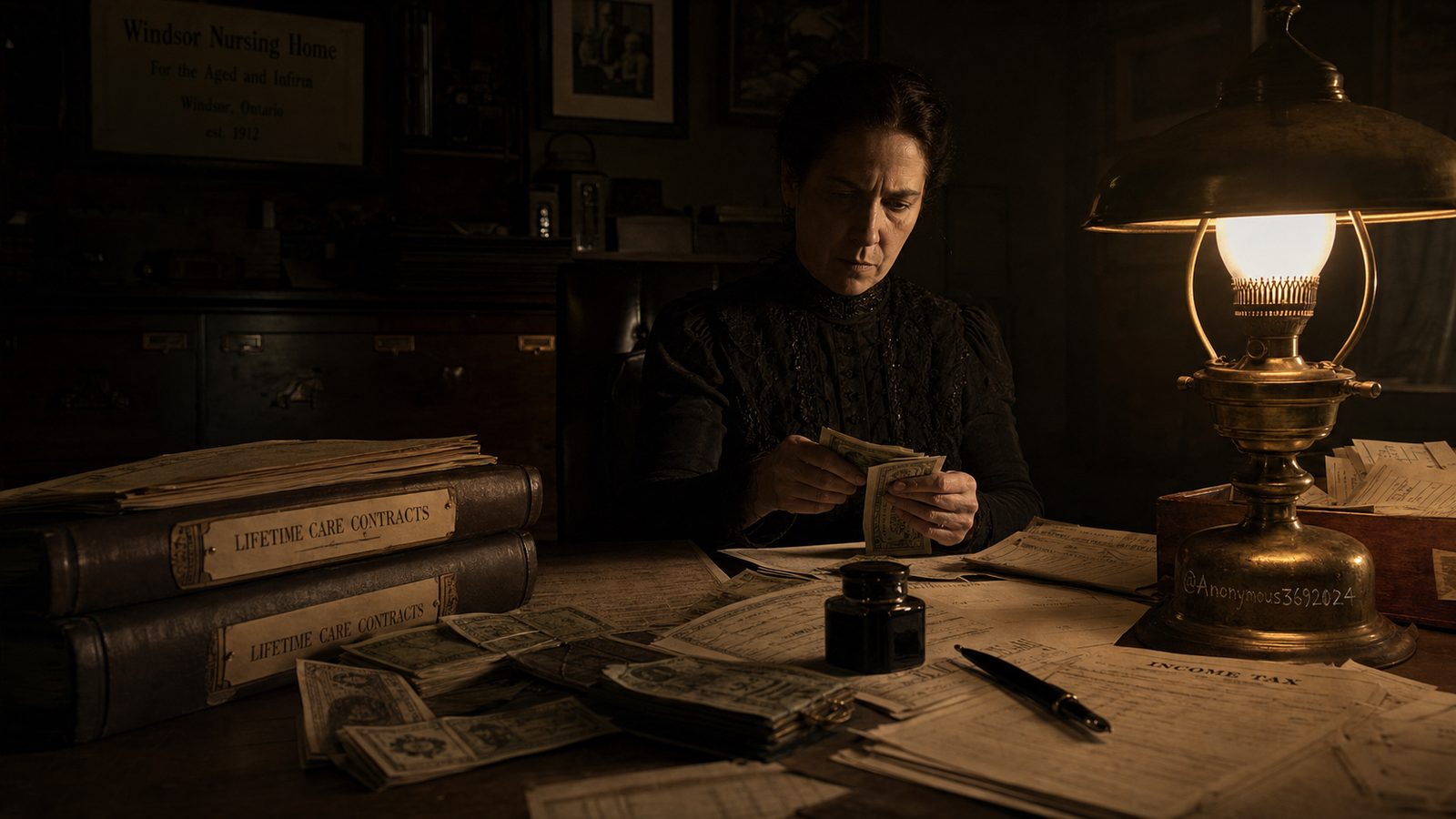
The business model of the Archer Home was predicated on a financial structure that turned human longevity into a deadly liability. Sister Amy offered her boarders two payment options. They could pay a weekly rate, or they could sign a lifetime care contract requiring a massive one time lump sum payment of one thousand dollars. For elderly residents without close kin, the life contract promised peace of mind. They would never be a burden to anyone. However, for the proprietor, these contracts created a terrifying incentive. Once the thousand dollars was paid, every day the resident continued to live, eat, and require medical attention eroded the initial profit. The financial pressure on Sister Amy was immense. Following the death of her first husband in 1910, she was left to cover mounting back taxes and the exorbitant tuition fees for her daughter at a prestigious local girls school. Amy was not driven by the impulsive rage of a typical killer. She was driven by the cold, calculated logic of a failing entrepreneur. In the chilling economy of the Archer Home, human life was merely a commodity waiting to be liquidated.
The Poison Ledger
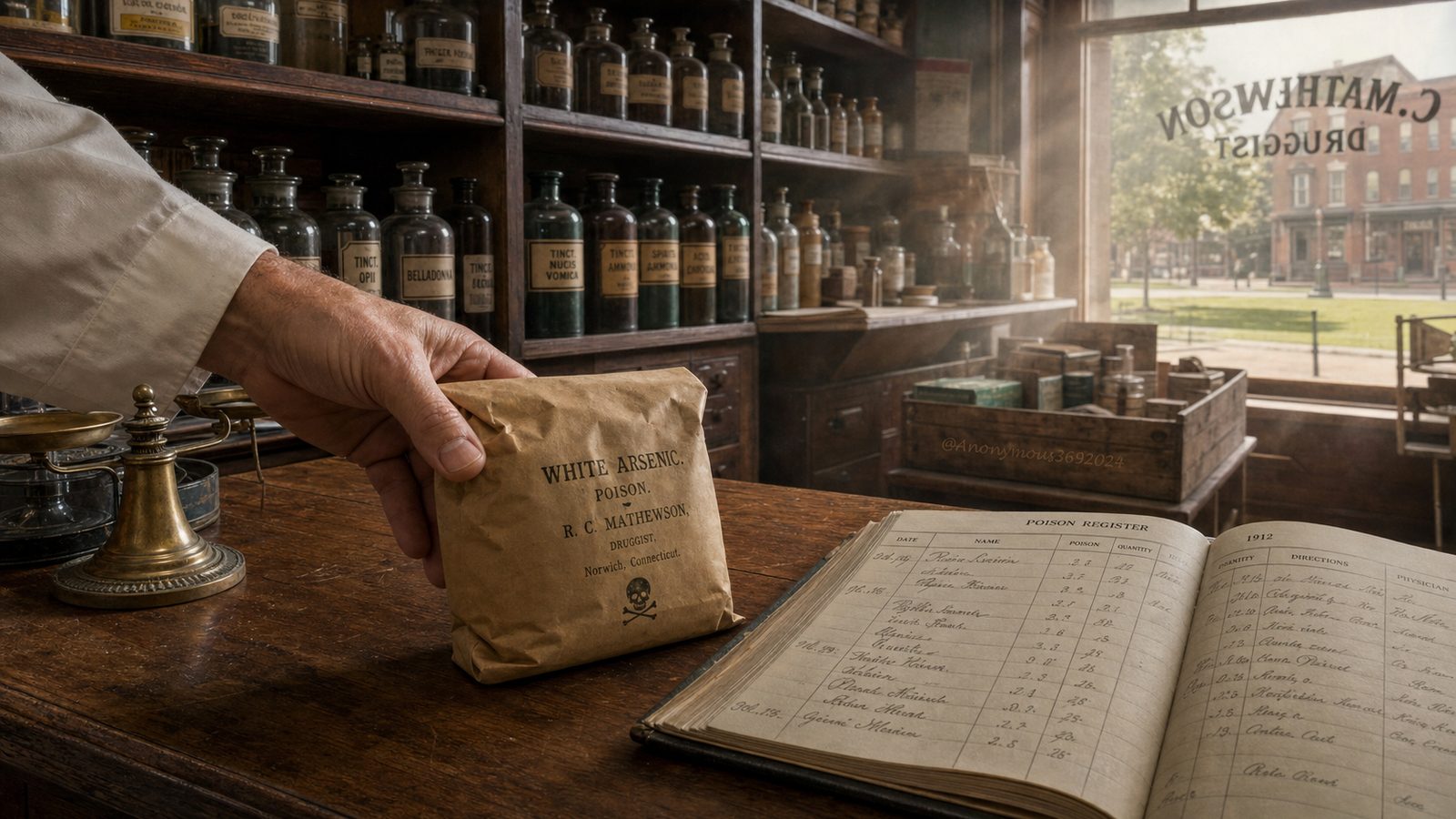
The success of this covert murder factory relied heavily on clinical ambiguity and the perfect weapon. In the early 1900s, medical diagnostics for the elderly were incredibly rudimentary. When an octogenarian presented with sudden vomiting and abdominal pain, local physicians readily attributed the symptoms to severe indigestion, gastric ulcers, or kidney failure. These natural diagnoses effectively masked the classic symptoms of acute arsenic poisoning. Arsenic trioxide was the ideal tool for a lethal caretaker because it was tasteless, odorless, and highly accessible. Sister Amy made frequent trips to the local drugstore on the Windsor Broad Street Green. The state poison registers from the era reveal that she routinely purchased ten ounces of arsenic at a time, a staggering volume capable of wiping out a small army. Her consistent explanation to the pharmacist was that the nursing home was battling a severe infestation of rats and bedbugs. Despite the fact that no neighbor ever reported a rodent problem of such magnitude, the pharmacist handed over the deadly white powder without question.
A Staggering Mortality Rate
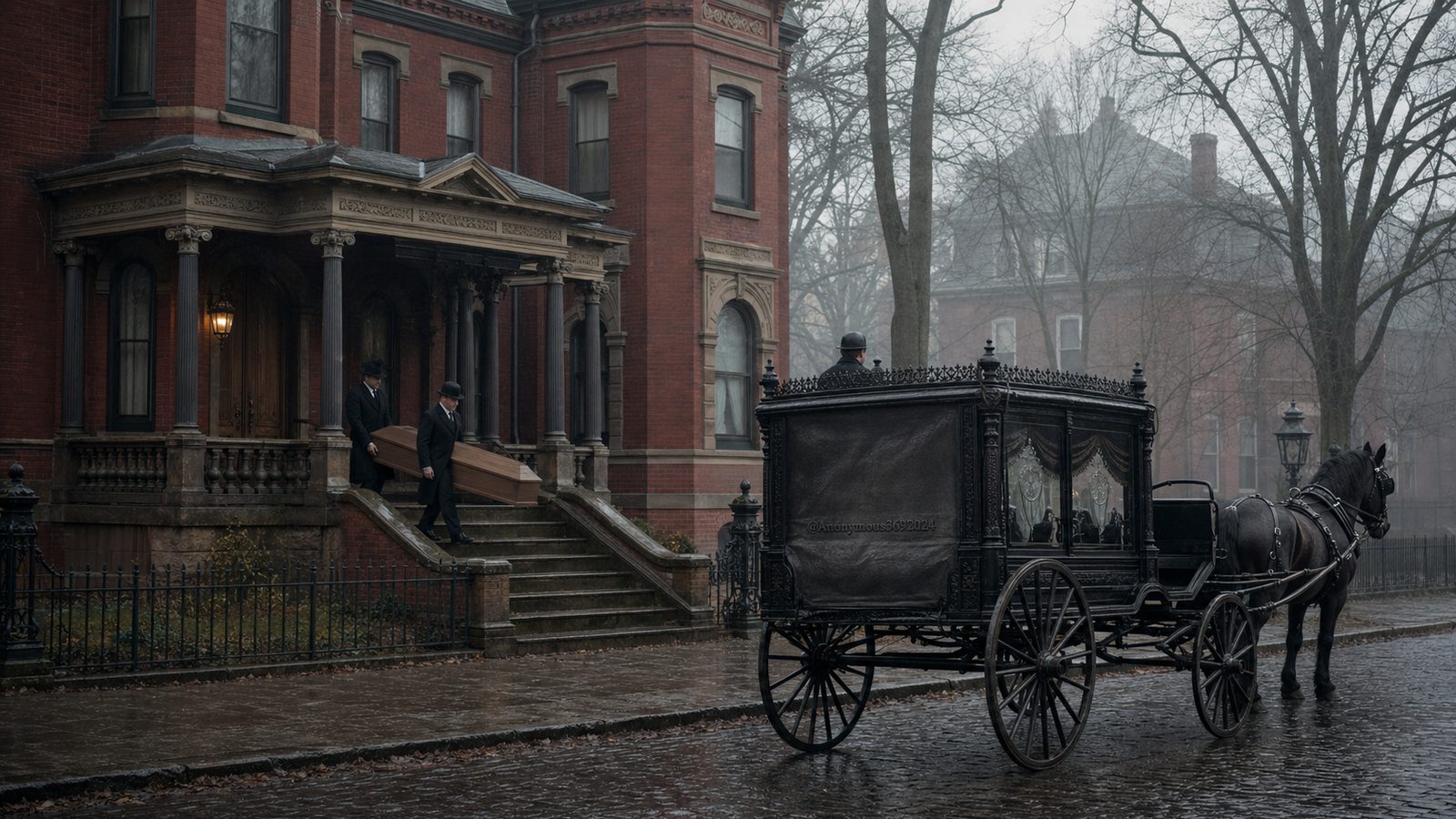
The correlation between Amy's financial distress and the mortality rate at her facility is statistically horrifying. During the first three years of operation, the home recorded a baseline of twelve deaths. But between 1911 and 1916, the period when her financial burdens peaked, the death toll skyrocketed to forty eight. Residents had a strange habit of dying suddenly just days after signing a life contract or naming Sister Amy in their wills. The victims were carefully chosen. They were often individuals with the least social capital, people whose passing would be mourned but never questioned. A comparative analysis would later reveal that the Archer Home possessed a mortality rate seven times higher than comparable state facilities. Yet, the local power structures, including the doctors, the tax collectors, and the clergy, had all been successfully neutralized by Sister Amy's charitable persona. She was hiding in plain sight, using her maternal mask to commit systematic extermination.
The Fatal Husbands
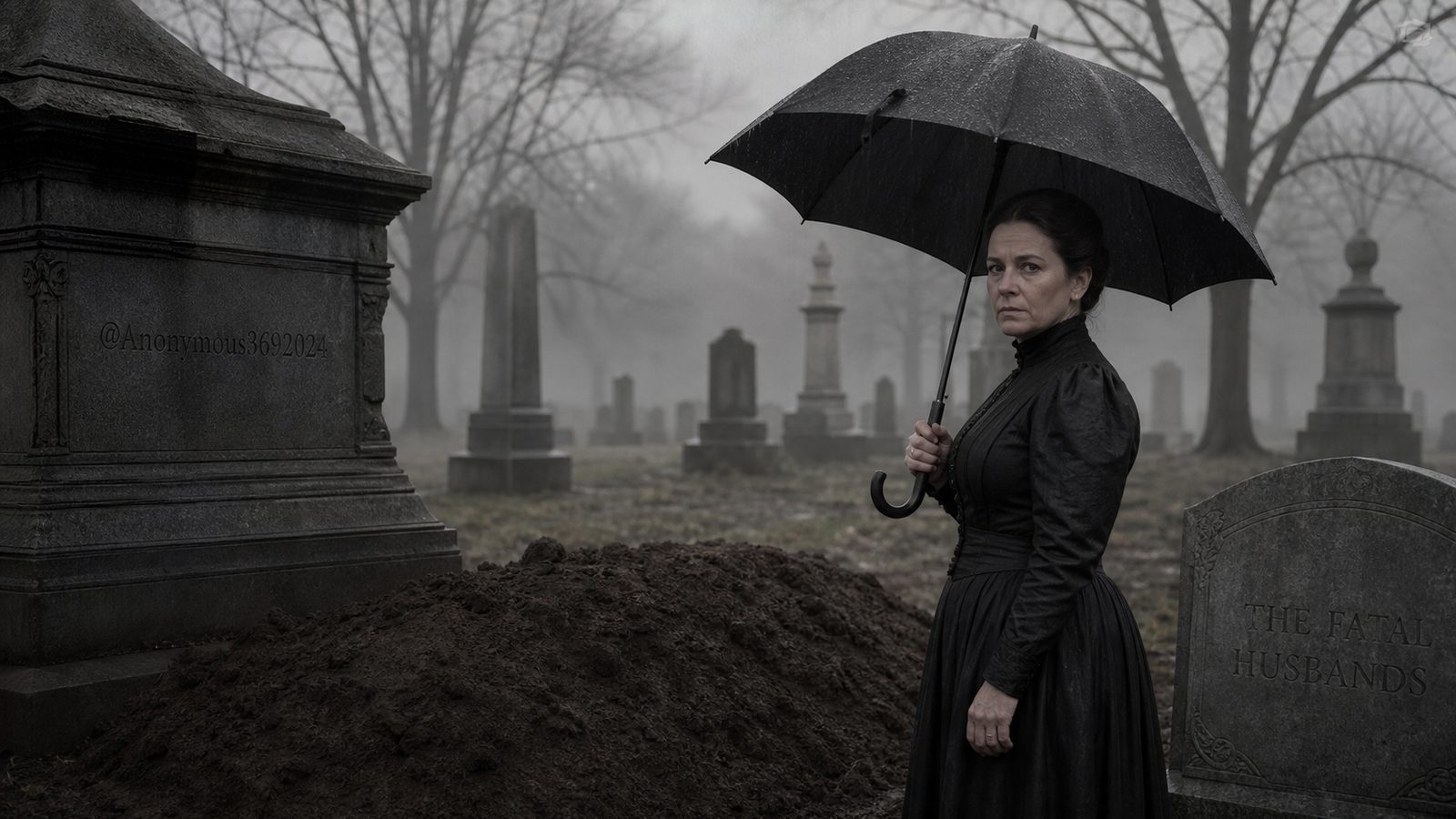
Sister Amy's evolution as a killer is most clearly visible through the highly suspicious deaths of her two husbands. Her first husband and business partner, James Archer, died in 1910 of alleged kidney disease. The timing was remarkably fortuitous. Only weeks prior to his passing, Amy had taken out a life insurance policy on him. The payout provided the exact capital necessary to keep the Archer Home afloat. The community accepted the death as a tragedy, providing Amy with the psychological proof of concept she needed to expand her operations. Her second marriage marked a shift toward unbridled arrogance. Michael Gilligan was a wealthy, perfectly healthy widower who moved into the home and married Amy in late 1913. Just three months after the wedding, Michael was dead from an acute bilious attack. Immediately following his funeral, Amy produced a will leaving his entire estate to her. The document was an obvious forgery, written in a hand that perfectly matched her own. It was a fatal miscalculation that finally drew the scrutiny of a grieving family.
The Suspicious Sister
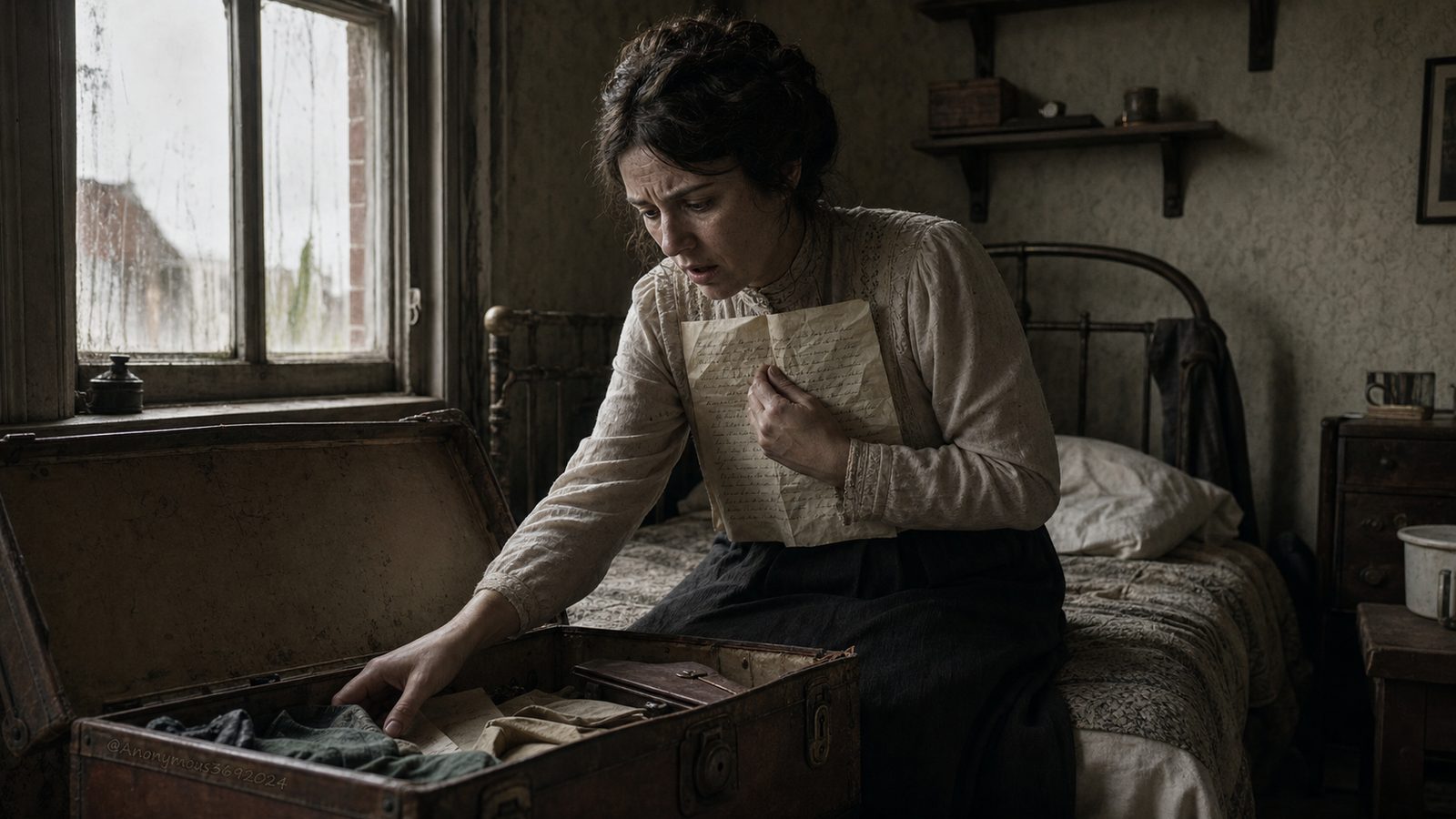
The true unraveling of the Sister of Sorrow was initiated by a combination of a persistent relative and the emerging power of investigative journalism. Franklin Andrews was a sixty year old boarder who, despite being slightly crippled, was healthy enough to perform heavy manual labor around the property. In May 1914, he collapsed after a long day of painting a fence. Two days later, he was dead, his passing recorded simply as a gastric ulcer. As his sister, Nellie Pierce, was cleaning out his belongings, she discovered a trove of disturbing correspondence. The letters proved that Sister Amy had been aggressively pressuring Franklin for money. Nellie's intuition screamed that her brother's sudden demise was no accident. She took her evidence to the local district attorney, but the authorities dismissed her claims, unwilling to investigate the beloved proprietor of the Archer Home. Frustrated but undeterred, Nellie Pierce bypassed the local police and took her dark suspicions directly to the editors of the Hartford Courant.
The Fourth Estate Awakens
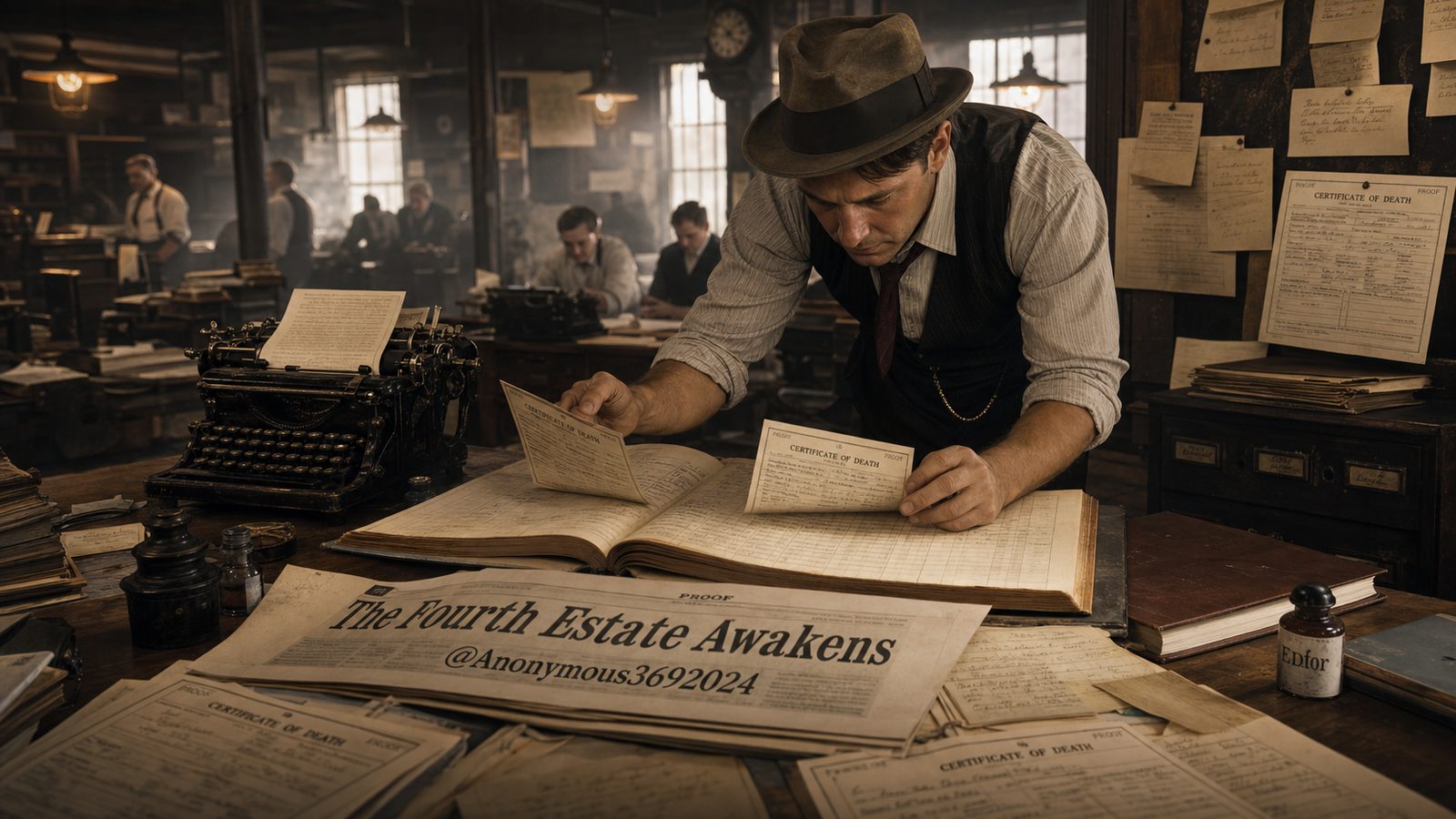
The newspaper recognized the gravity of the accusations and assigned their Windsor correspondent, Carlan Goslee, to investigate. Goslee had a unique vantage point. Part of his job was writing obituaries for the town, and he had noticed for years that an inordinate number of his subjects shared the same Prospect Street address. Following Nellie's lead, Goslee walked into the local drugstore and demanded to see the poison registers. What he found was a paper trail of massive arsenic purchases. The reporters conducted a data driven analysis of death certificates, comparing the Archer Home to other regional institutions. The numbers were undeniable. On May 9, 1916, the Hartford Courant published an explosive expose, branding the beloved nursing home a murder factory. The public outcry was instantaneous and deafening. The governor of Connecticut bypassed local officials and ordered the state police to intervene. The authorities descended on the property, and the grim work of exhuming the bodies of former residents began.
A Masterclass in Forensic Toxicology
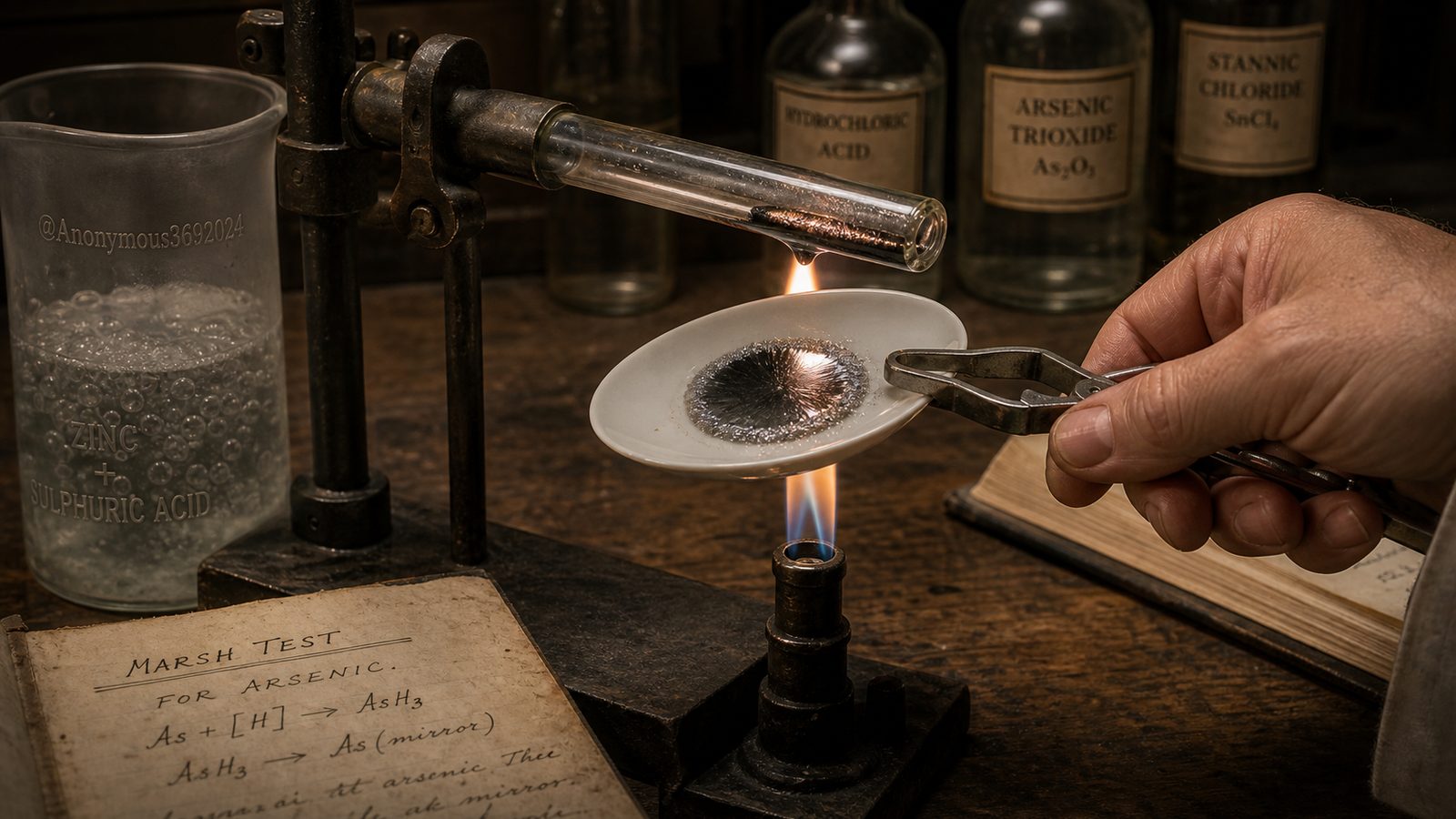
The subsequent trial in 1917 stands as a monumental milestone in the history of forensic science. The central challenge for the prosecution was highly complex. At the turn of the twentieth century, many embalmers used arsenic based fluids to preserve bodies. The defense argued that the arsenic found in the exhumed corpses was simply post mortem contamination. To overcome this, the state relied on the Marsh Test, a sophisticated chemical isolation method that birthed modern poisoning analysis. Forensic experts took samples of the victims' stomach linings and treated them with zinc and sulfuric acid. This specific reaction produced arsenureted hydrogen gas. When this gas was passed through a heated glass tube and a cold porcelain plate was held in front of the flame, the gas decomposed, leaving a highly distinct metallic mirror on the porcelain. During the trial, scientists presented these porcelain plates to the jury. More importantly, they quantified the poison. They proved that Franklin Andrews' stomach contained enough raw arsenic to kill half a dozen strong men, a concentration impossible to achieve through mere embalming fluid. It was absolute scientific proof of pre mortem ingestion.
A Courtroom of Shadows
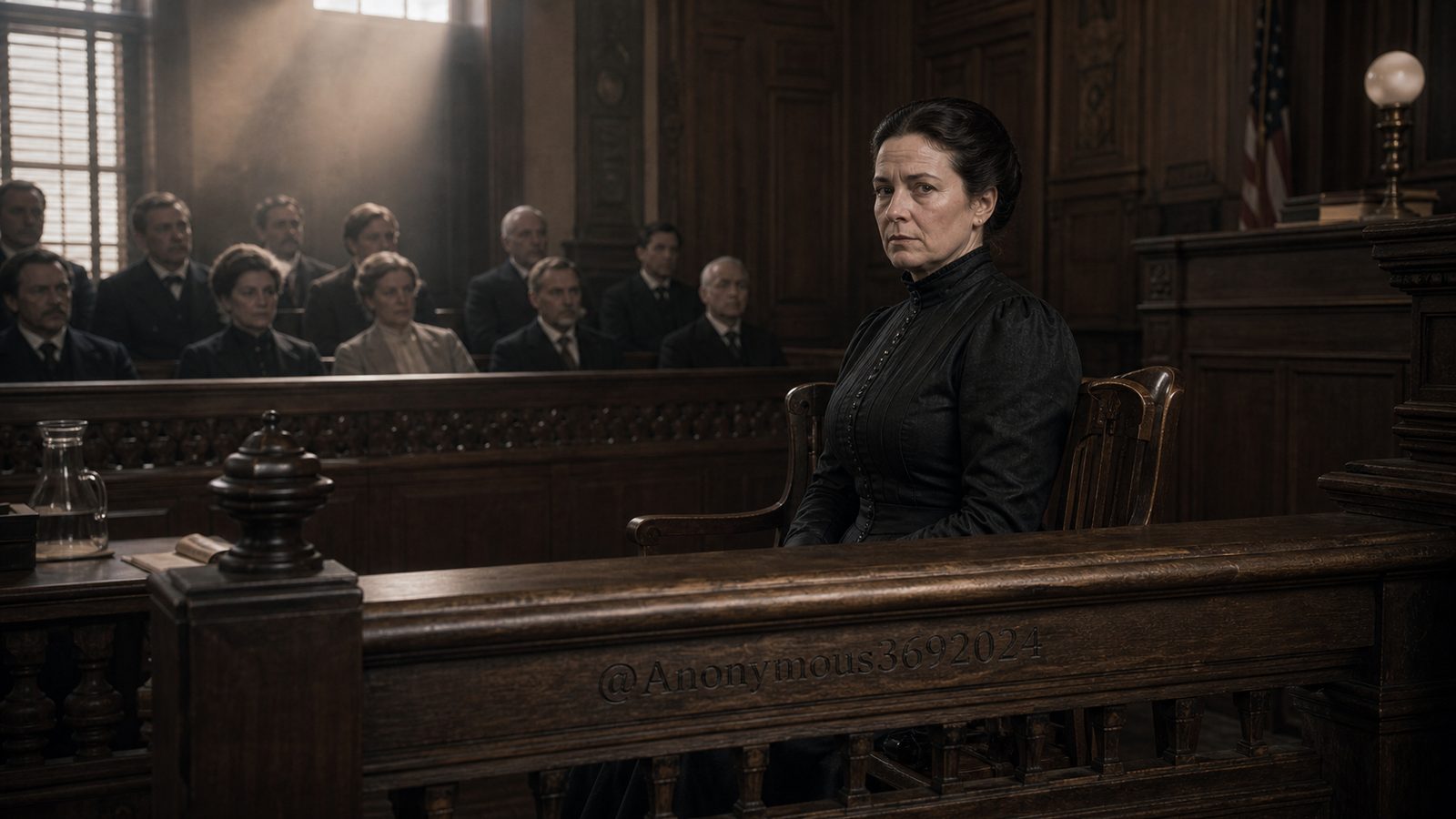
The forensic evidence transformed the case from a circumstantial tragedy into a scientific certainty. The jury convicted Amy of first degree murder, and the judge sentenced her to hang. However, the legal battle was far from over. Her defense team successfully appealed the conviction on a technicality, arguing that evidence regarding the other boarders had prejudiced the jury. During the second trial in 1919, the defense radically shifted their strategy. Amy's own daughter took the stand and testified that her mother was a severe morphine addict, suggesting her moral faculties had been completely destroyed by narcotics. She pleaded not guilty by reason of insanity. The strategy worked just enough to spare her life. She was convicted of second degree murder and sentenced to life in prison. Five years later, she was officially declared insane and transferred to a state mental hospital, where she remained locked away until her death in 1962.
The Birth of Regulation
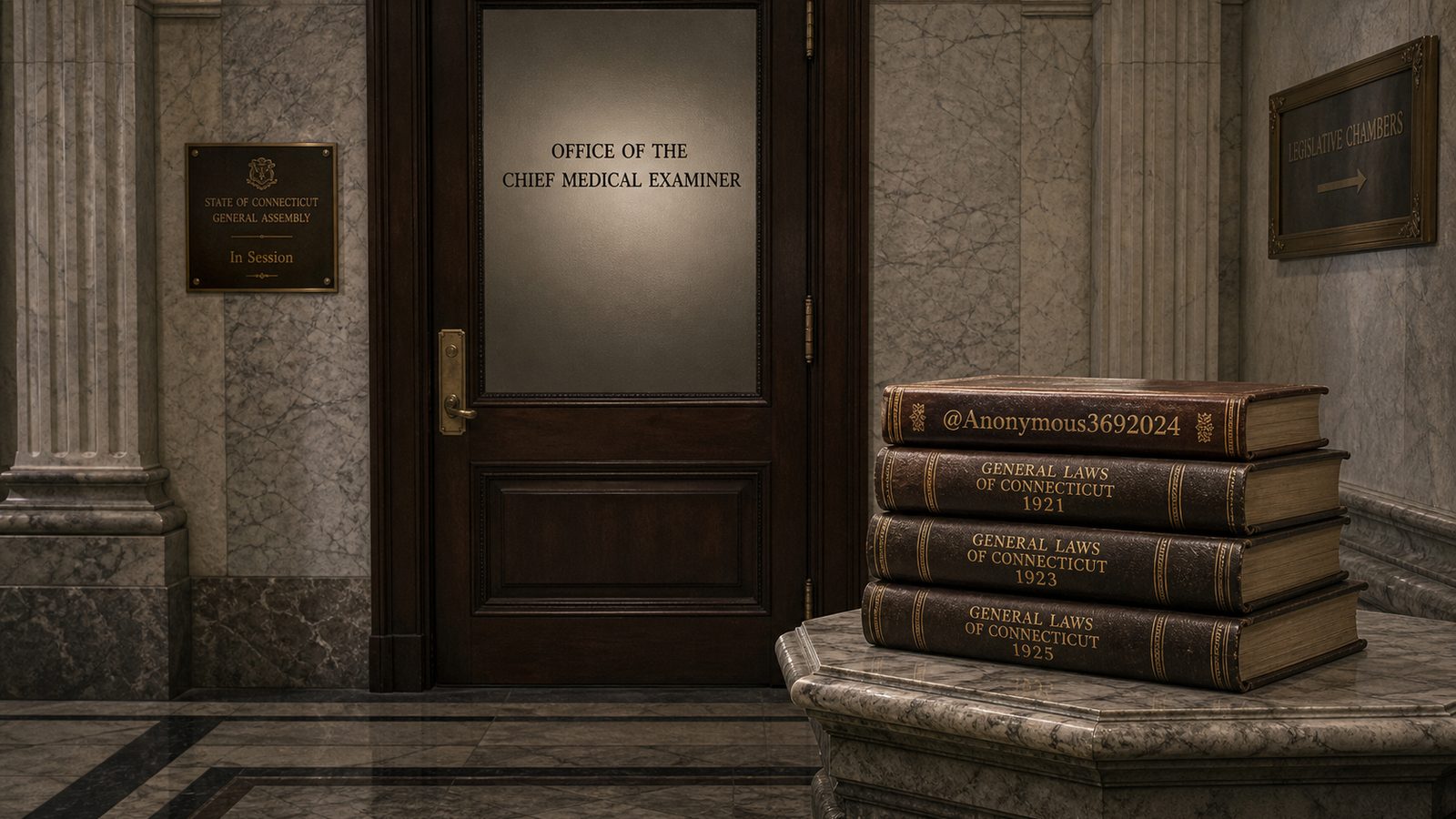
The grisly reality of the Windsor murder factory sent shockwaves through the political establishment. The discovery that sixty people could be systematically poisoned in a single house over ten years without triggering a state investigation was a massive public scandal. In direct response, the Connecticut legislature overhauled the eldercare industry. They mandated strict operating licenses, required unannounced state inspections, and forced facilities to submit annual mortality reports. Furthermore, the disaster highlighted the fatal flaws of the antiquated local coroner system. The difficulty of prosecuting the case led directly to the eventual establishment of the Connecticut Office of the Chief Medical Examiner, ensuring that death investigation became a matter of strict medical science rather than local politics.
The Dark Comedy
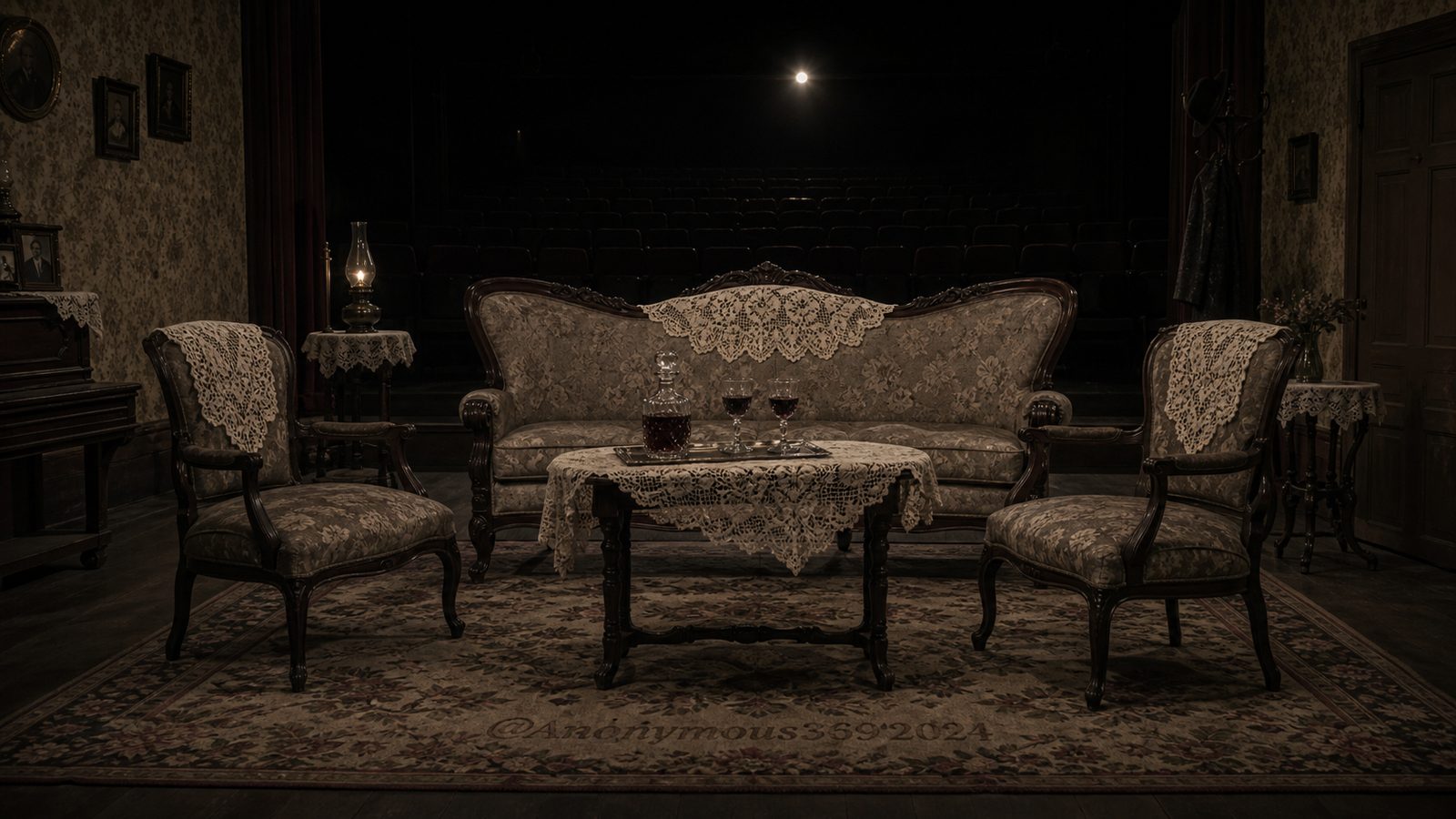
The cultural echo of Amy Archer-Gilligan's crimes is perhaps the most bizarre twist of all. Playwright Joseph Kesselring was so struck by the absurdity of a murderous old woman that he transformed the grim economic liquidations of the Archer Home into a screwball Broadway farce. His 1939 play, Arsenic and Old Lace, featured two dotty sisters poisoning lonely old men with elderberry wine out of a twisted sense of charity. The play, and the subsequent Hollywood movie, cemented the poisoning aunt as a beloved cultural trope. But there was nothing charming or charitable about Sister Amy. She was a ruthless predator who monetized the vulnerability of the aged, hiding her malice behind a veil of religious piety and social grace. As we look back at the quiet streets of early twentieth century America, we are left to wonder about the silent vastness of history. Before the advent of modern forensic toxicology, how many other murder factories operated in the shadows, their secrets forever buried in the graves of the forgotten elderly?
Archival Case Gallery

Sources & Case Notes
Last updated: May 8, 2026.
Primary sources / case notes: Windsor Historical Society, Tour Windsor CT, Historic Buildings of Connecticut, Connecticut Magazine/CT Insider reporting, and public-domain Amy Archer-Gilligan imagery through Wikimedia Commons.
Source links:
- Windsor Historical Society Archer-Gilligan article
- Tour Windsor CT Archer-Gilligan house page
- Historic Buildings of Connecticut Archer-Gilligan house page
- Wikimedia Commons Amy Archer-Gilligan image

Correction policy: Send corrections, source notes, or image-rights concerns through Contact & Media Inquiries.
Image credits: Feature/gallery imagery uses public-domain Amy Archer-Gilligan material. Body images are non-graphic period documentary recreations created for Anonymous369 Media, with historical visual references for nursing-home, poison-register, and courtroom scenes.
Content warning: Discusses poisoning deaths and elder-care abuse allegations; non-graphic.
Editorial standards: Read how Anonymous369 Media researches, corrects, and credits factual cases on our Editorial Standards page.
Continue the Case File
These investigations reward careful reading. Step back if you missed the previous file, or keep going to follow the next case in the archive.
Previous file: Martha Moxley's Golf Club: How Greenwich Power Bent a Murder Case Next file: The Shark Arm Mystery: How a Severed Clue Exposed Sydney's Underworld