
The Paint Spheres: How Forensics Caught the Green River Killer
For nearly two decades, one of America's most prolific convicted serial killers worked at a Renton truck factory while detectives chased other leads. A preserved 1987 saliva sample and microscopic spheres of industrial paint eventually brought Gary Ridgway to court.


A Macabre Discovery in the Current
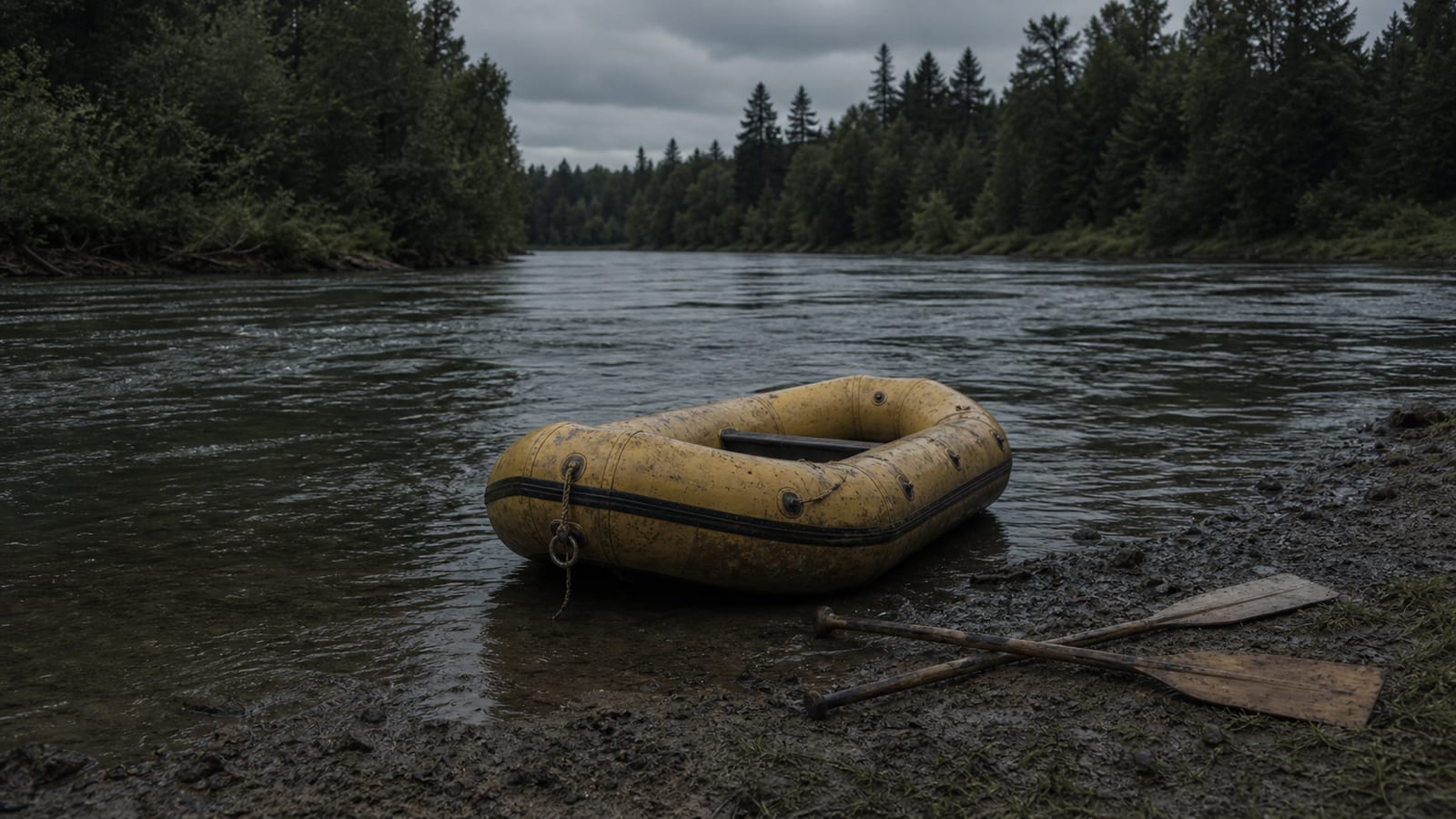
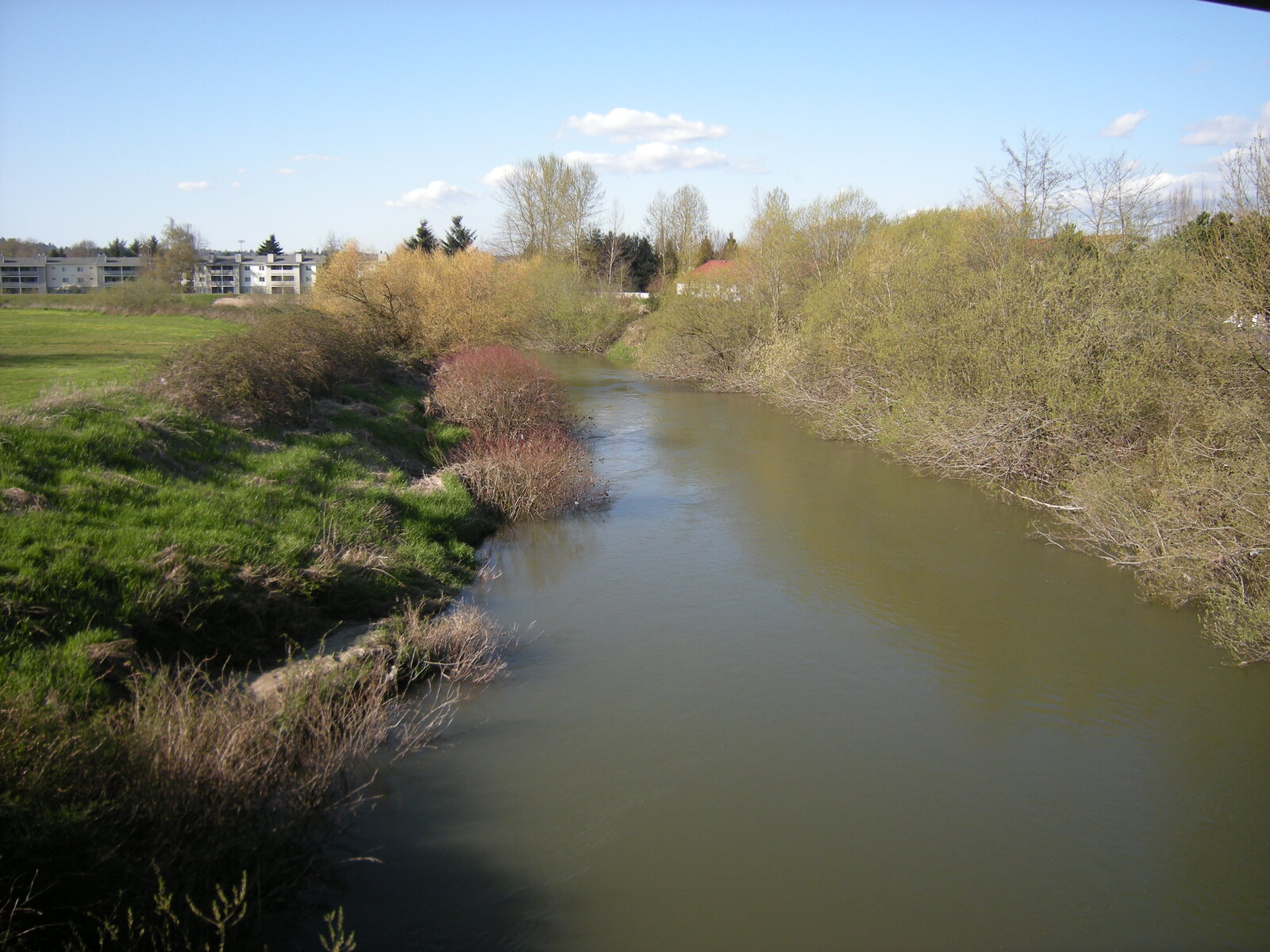
The summer air of the Pacific Northwest usually carries the scent of damp pine needles and fresh rain. On July 15, 1982, the Green River offered up something else. The body of sixteen-year-old Wendy Lee Coffield was found in the water south of Seattle, and investigators were left with a scene where the current had already taken much of what evidence might have remained.
Within weeks, more young women were found in or near the river, including Debra Bonner, Marcia Chapman, Cynthia Hinds, and Opal Mills. The discoveries came close enough together that King County police could no longer treat them as separate tragedies. A task force began forming around a grim possibility: someone was using the river and the overgrown edges of South King County as a disposal ground. The Green River had become a crime scene, and the investigation was only beginning.
The Shadows of the Strip
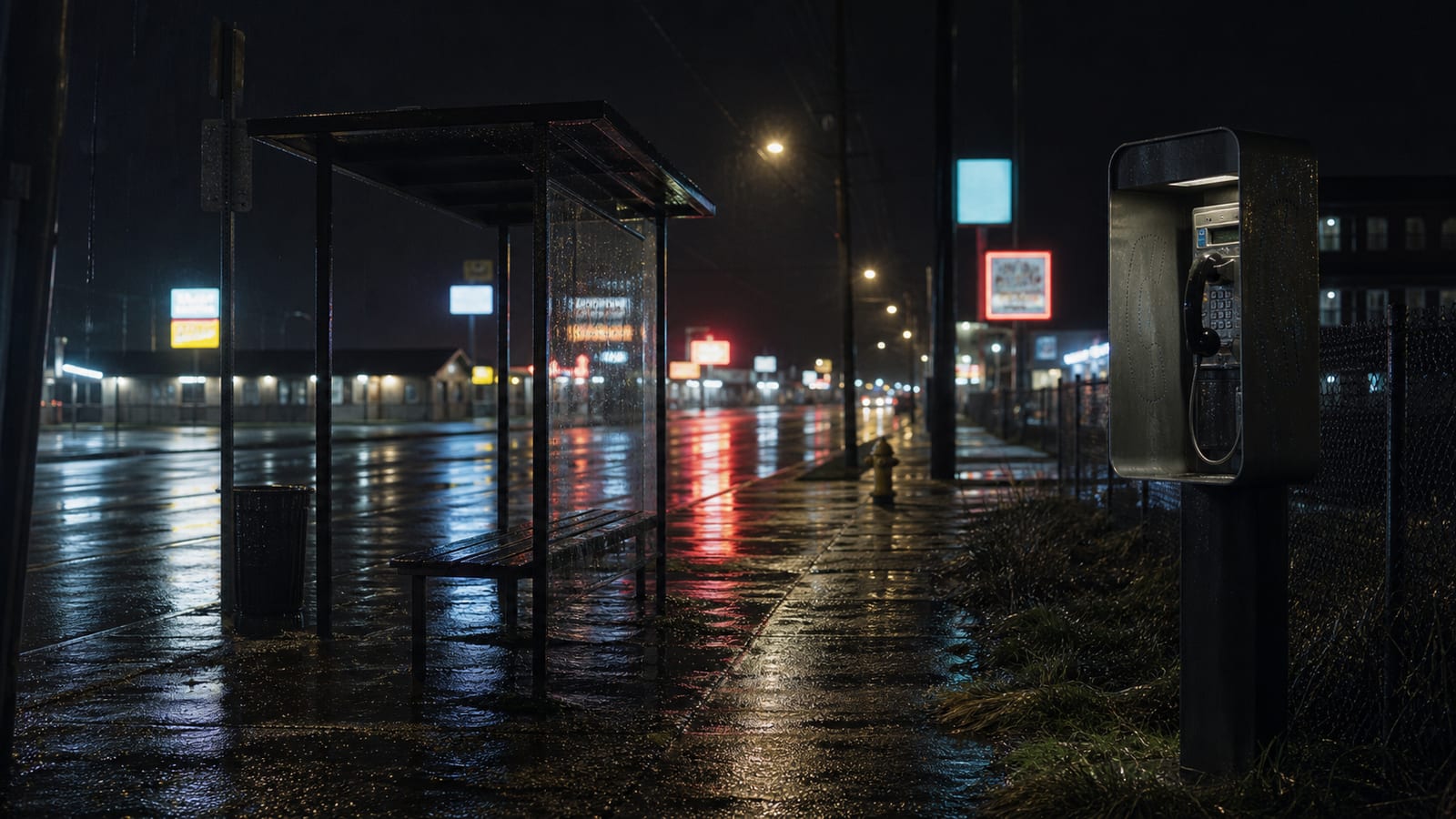
To understand how the case stretched on so long, you have to understand the ground it covered. The killings centered around Pacific Highway South, the stretch near Seattle-Tacoma International Airport known as the Sea-Tac Strip. It was a corridor of motels, late-night traffic, transient work, and people living close to the edge of official attention.
Many of Ridgway's victims were girls and young women already navigating layered vulnerabilities. Some were teenagers. Some were runaways. Some were involved in survival sex work. Some were moving through poverty, unstable housing, or broken family systems. Those facts should not be used to shrink their lives into labels. They mattered because they shaped how quickly disappearances were noticed, reported, believed, and investigated.
Gary Ridgway later admitted that he targeted women he believed could be isolated and overlooked. The case, in its first years, was not only about who was being taken. It was also about who society expected to be searched for immediately, and who was forced to wait.
The Task Force and the Decoy
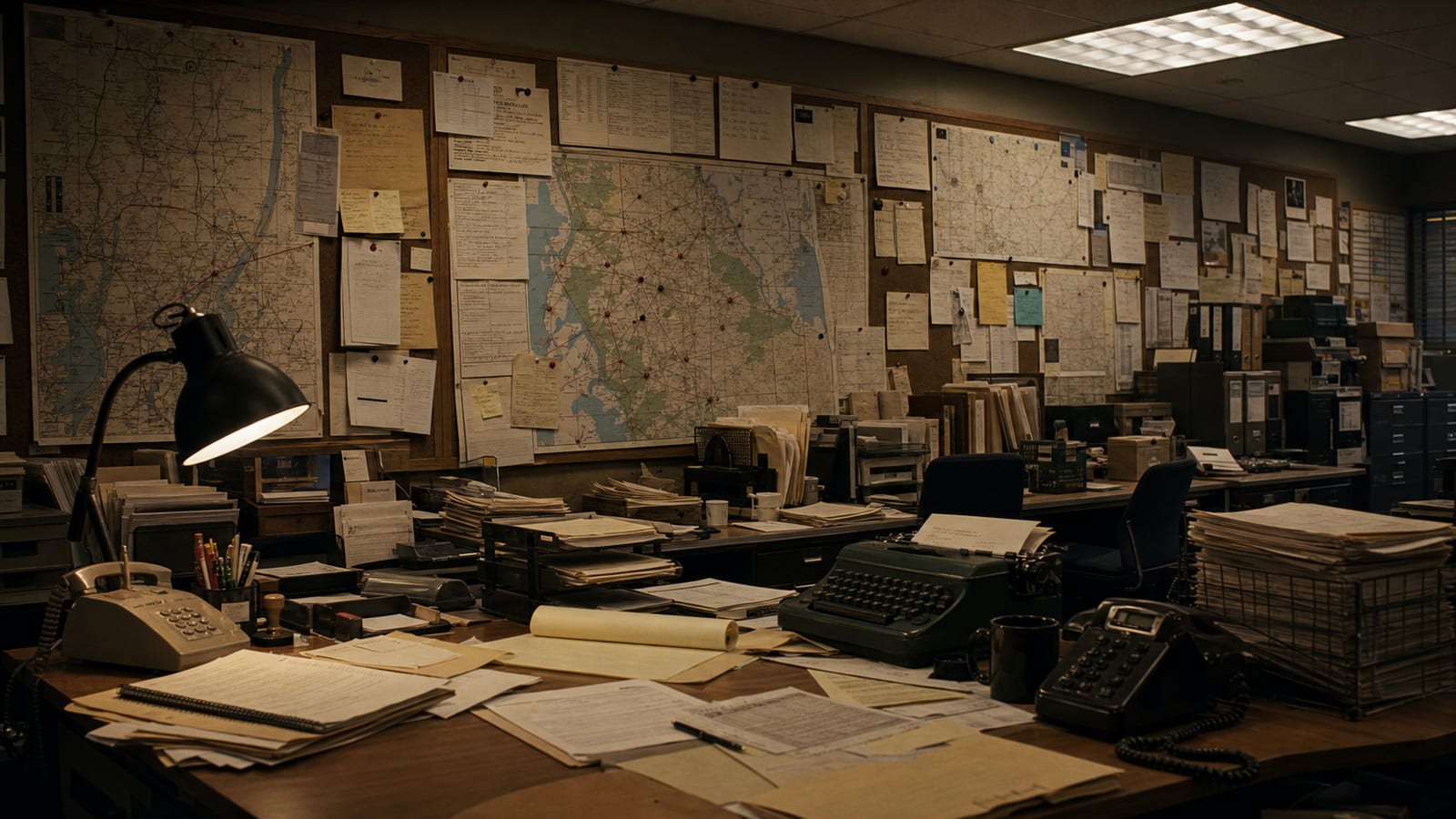
As reports and remains accumulated, the King County Green River Task Force found itself buried under physical evidence, tips, profiles, sightings, and public pressure. Detectives pursued thousands of leads. Some mattered. Many collapsed.
One early person of interest was Melvyn Foster, a local taxi driver who worked around the Sea-Tac Strip and contacted police with his own theories. That attention brought heavy scrutiny. Investigators surveilled him, searched his property, and used polygraph testing as part of the inquiry. Foster was eventually cleared.
The Foster chapter remains one of the case's cautionary lessons. It is not proof that investigators were careless, and it is not a reason to make a cleared man into a character in someone else's crime. It shows how a massive investigation can consume itself when pressure, profiles, circumstantial overlap, and scarce evidence all point in directions that later fail.
The Man at the Paint Shop
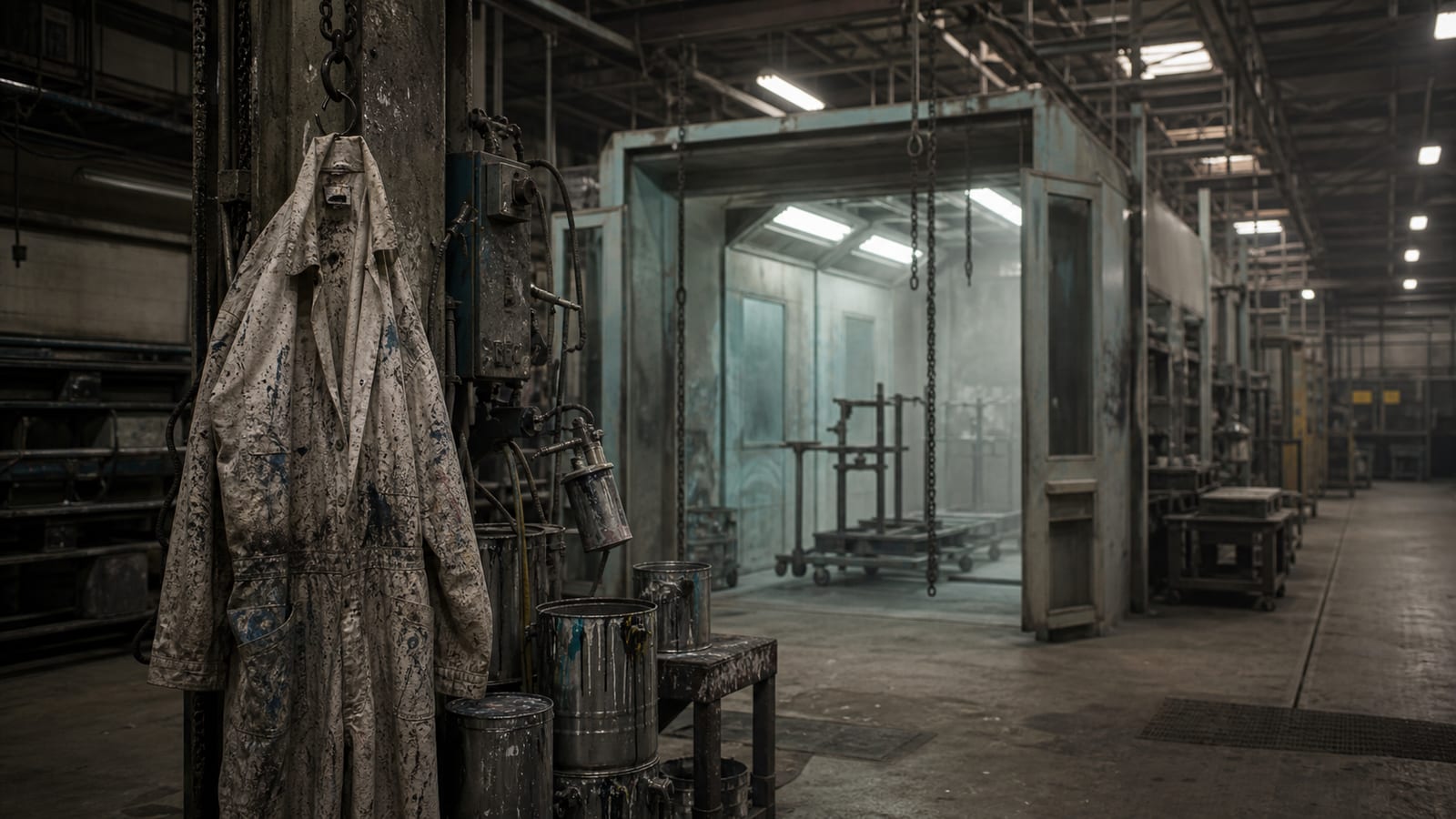
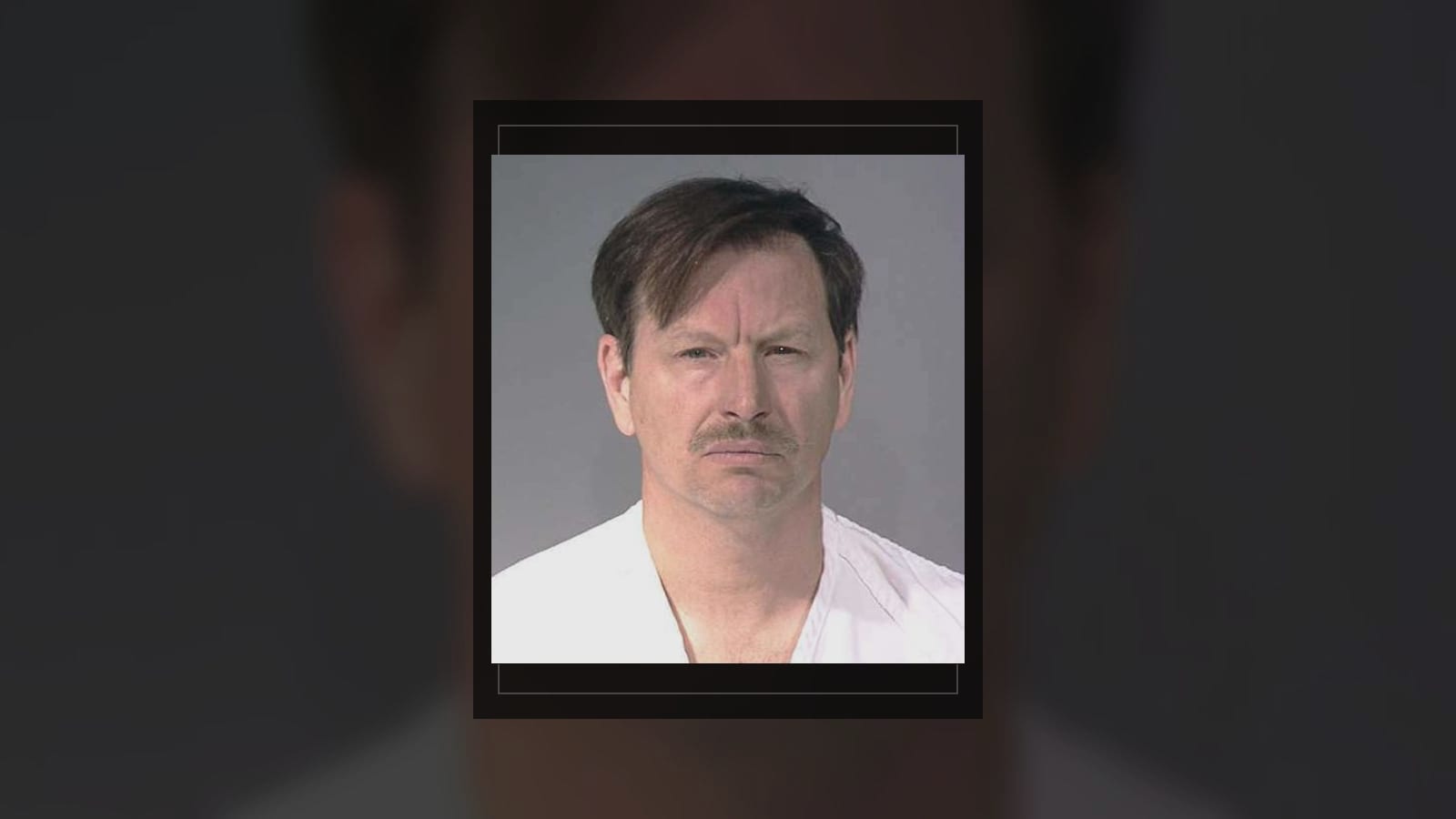
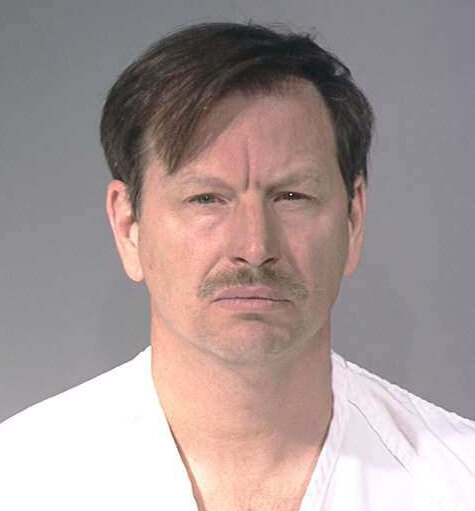
The man eventually convicted in the Green River murders was living behind an ordinary surface. Gary Leon Ridgway worked as a spray painter at the Kenworth truck factory in Renton. He had a steady job, a routine, and the kind of unremarkable presence that could disappear into a shift change.
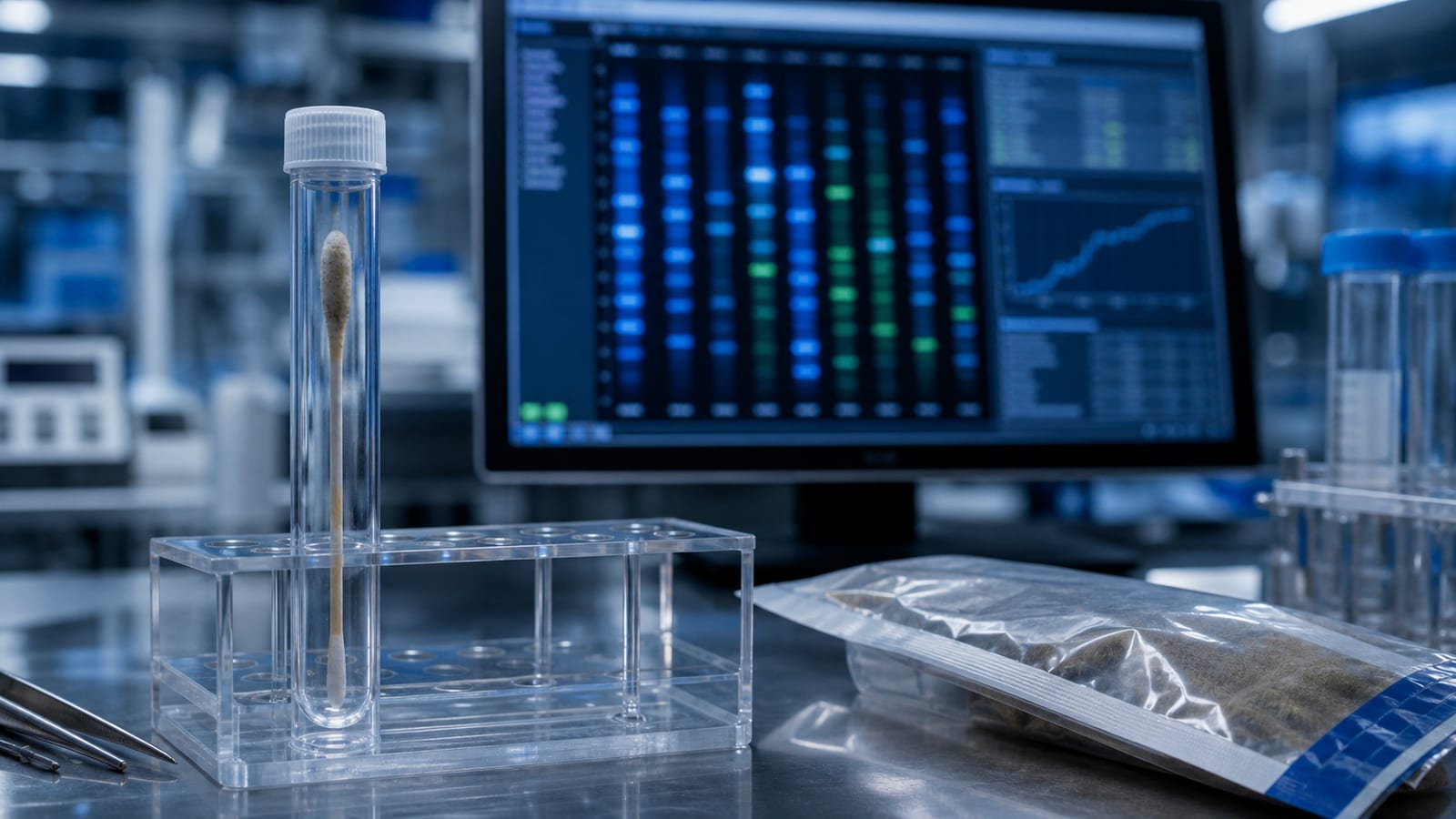
Ridgway crossed paths with investigators before his arrest. Reports involving his vehicle and his movements made him a name in the files. In 1984, he took and passed a police polygraph, a result that helped lower his priority at a time when detectives were weighing many possible suspects. In 1987, investigators obtained a saliva sample from him. DNA technology was not yet ready to do what later science would make possible, so the sample was preserved in the case record.
For years, that was the shape of the investigation: suspicion without enough proof, evidence without enough technology, and families left in the brutal space between the two.
The DNA Awakening
By 2001, forensic DNA analysis had changed the old evidence. Investigators and scientists revisited biological material recovered from early victims and compared it with the sample taken from Ridgway in 1987. The result was the break the case had been waiting for: DNA linked Ridgway to several of the Green River victims.
On November 30, 2001, detectives arrested Ridgway as he left the Kenworth truck factory. The moment did not undo the years that had passed. It did not restore the lives taken or the years families had spent demanding answers. But it turned preserved evidence into probable cause, and it moved the case from suspicion into prosecution.
The Microscopic Informant
DNA opened the door, but it could not carry the whole case alone. Some victims had no usable biological evidence left. Water, time, weather, and decomposition had stripped away what investigators would have needed in the early 1980s. To reach beyond the DNA-linked murders, investigators turned to trace evidence.
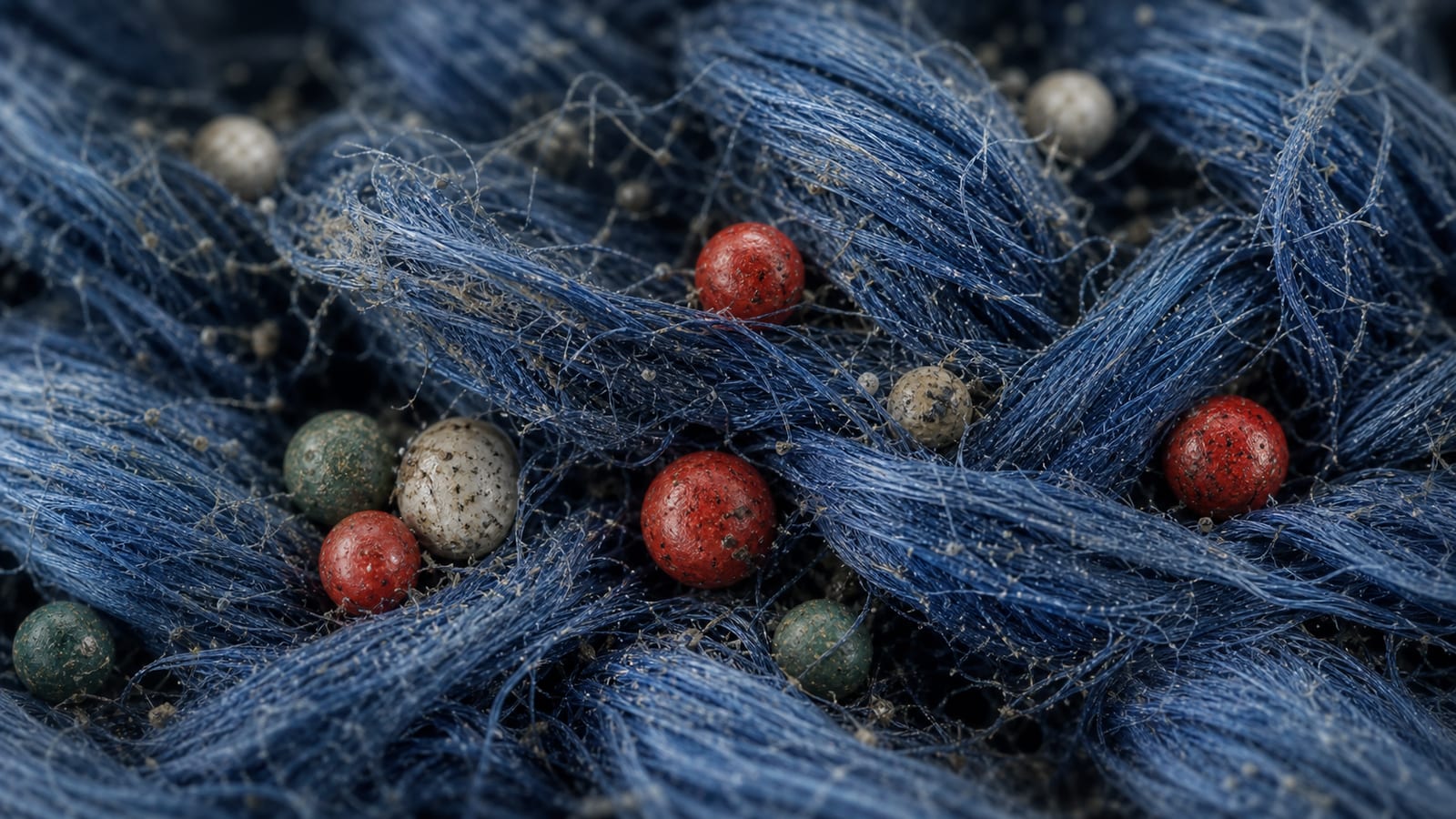
Chemical microscopist Skip Palenik examined clothing and other material recovered in the case. Under magnification, investigators found tiny spherical particles of spray paint embedded in fabric. Testing connected some of that material to industrial paint consistent with the kind used at the Kenworth truck plant where Ridgway worked.
The evidence was small enough to miss and strong enough to matter. It did not speak in the dramatic language of confession. It worked quietly, through chemistry and comparison. The paint shop had left traces on Ridgway's world, and some of those traces followed him farther than he expected.
The Confession and the Count
In 2003, Ridgway and King County prosecutors reached a plea agreement that remains one of the most controversial decisions in American criminal justice. To avoid the death penalty, Ridgway agreed to plead guilty and cooperate with investigators trying to locate remains and resolve more cases.
He pleaded guilty to forty-eight counts of aggravated first-degree murder. The number later rose to forty-nine after the murder of Rebecca Marrero was added in 2011. Ridgway received consecutive life sentences without the possibility of parole, making him one of the most prolific convicted serial killers in American history.
The interviews that followed his plea produced information families and detectives had waited years to hear. They also forced families to endure details no public article needs to linger over. The legal value of the agreement came from what it recovered: names, locations, evidence, and admissions that helped anchor the record.
Echoes in the Evergreen Woods
The conviction did not end the work around the Green River case. Identification continued long after sentencing. In January 2024, the last known unidentified remains connected to the case, long referred to as Bones 20, were confirmed as belonging to Tammie Liles, an Everett teenager already known as one of Ridgway's victims. The identification meant that all forty-nine known victims connected to Ridgway had been named.
Later in 2024, Ridgway was temporarily brought back to King County while detectives pursued possible information about unrecovered remains. Public reporting later said the effort did not produce new discoveries. Even so, the movement of the case after four decades says something important. Forensic work does not always arrive as a single thunderclap. Sometimes it comes as patience: a preserved sample, a microscopic particle, a reexamined bone, a family member's DNA, a file that refuses to close quietly.
The Green River case is remembered for its scale, but it should be measured by the people at its center. Wendy Lee Coffield. Debra Bonner. Marcia Chapman. Cynthia Hinds. Opal Mills. Tammie Liles. Rebecca Marrero. Dozens more women and girls whose names belong outside the shadow of the man who killed them. The science mattered because it gave the record back to them.
Archival Case Gallery
Sources & Case Notes
Last updated: May 8, 2026.
Primary sources / case notes: King County Sheriff's Office updates, DNA Doe Project identification material, AP reporting on victim identifications, Seattle Times archive reporting, and Washington custody/status records for Gary Ridgway.
Source links:
- King County Sheriff update on Green River victim identification
- DNA Doe Project Green River identification material
- AP reporting on Green River victim identification
- Washington Department of Corrections inmate search
Correction policy: Send corrections, source notes, or image-rights concerns through Contact & Media Inquiries.
Image credits: Feature and gallery imagery include official/public-record Gary Ridgway material and real Green River location imagery where legally usable. Other body images are non-graphic documentary recreations created for Anonymous369 Media.
Content warning: Discusses serial murder, victim recovery, and forensic evidence; non-graphic.
Editorial standards: Read how Anonymous369 Media researches, corrects, and credits factual cases on our Editorial Standards page.
Continue the Case File
These investigations reward careful reading. Step back if you missed the previous file, or keep going to follow the next case in the archive.
Previous file: The Genetic Trap: How a Discarded Tissue Unmasked the Golden State Killer Next file: The Tooth in the Woodchipper: How Forensics Solved the Helle Crafts Case