
The Genetic Trap: How a Discarded Tissue Unmasked the Golden State Killer
For forty years, a phantom terrorized California, leaving a trail of bodies and baffled detectives. The Golden State Killer seemed to have vanished forever, until a discarded tissue and a revolutionary DNA family tree finally exposed the monster hiding in plain sight.


A State Paralyzed by Fear
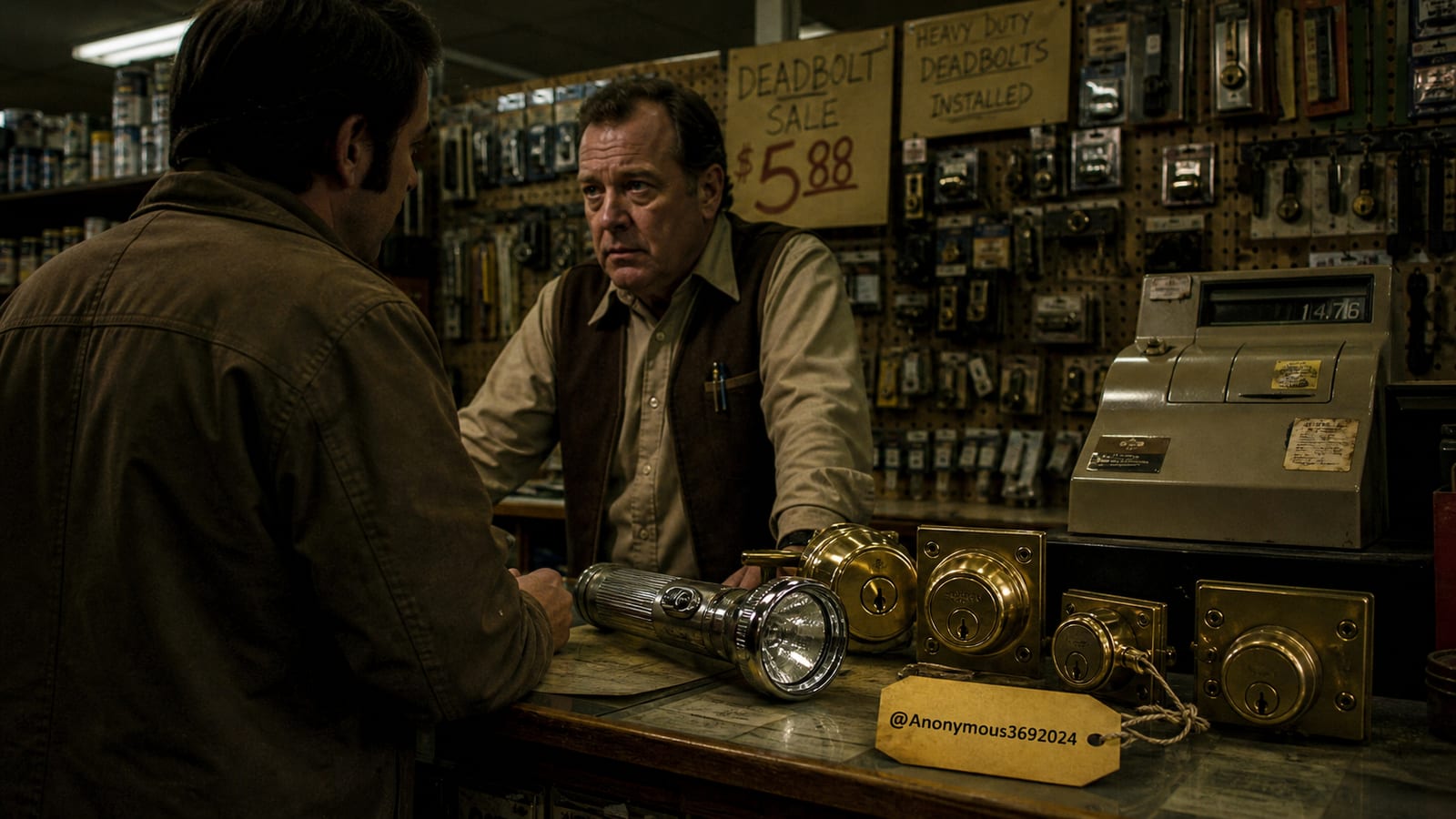
For more than a decade, a suffocating blanket of terror was draped across the sprawling suburbs of California. The nighttime landscape of the 1970s and 1980s was not defined by the quiet hum of crickets or the gentle rustle of palm fronds, but by the metallic click of deadbolts and the panicked purchases of guard dogs and firearms. Entire neighborhoods were paralyzed by a phantom who seemed to materialize from the shadows, striking with a calculated, surgical precision that baffled the most experienced detectives in the state. He began his reign in the central farming community of Visalia, breaking into homes to ransack personal spaces and steal worthless trinkets. But the escalation was rapid and terrifying. Moving north to the Sacramento area, the phantom transformed from a burglar into a prolific predator, orchestrating over fifty home invasions and brutal sexual assaults. He was a ghost in the night, slipping through sliding glass doors and pried windows without triggering a single alarm. The media dubbed him the East Area Rapist, a moniker that barely scratched the surface of his depravity. Law enforcement agencies poured massive resources into neighborhood dragnets, suspect sketches, and nighttime patrols, yet the predator always remained one step ahead of the pursuit. He knew their tactics. He anticipated their movements. He operated with the chilling confidence of a man who understood exactly how the system worked from the inside out.
The Badge and the Mask
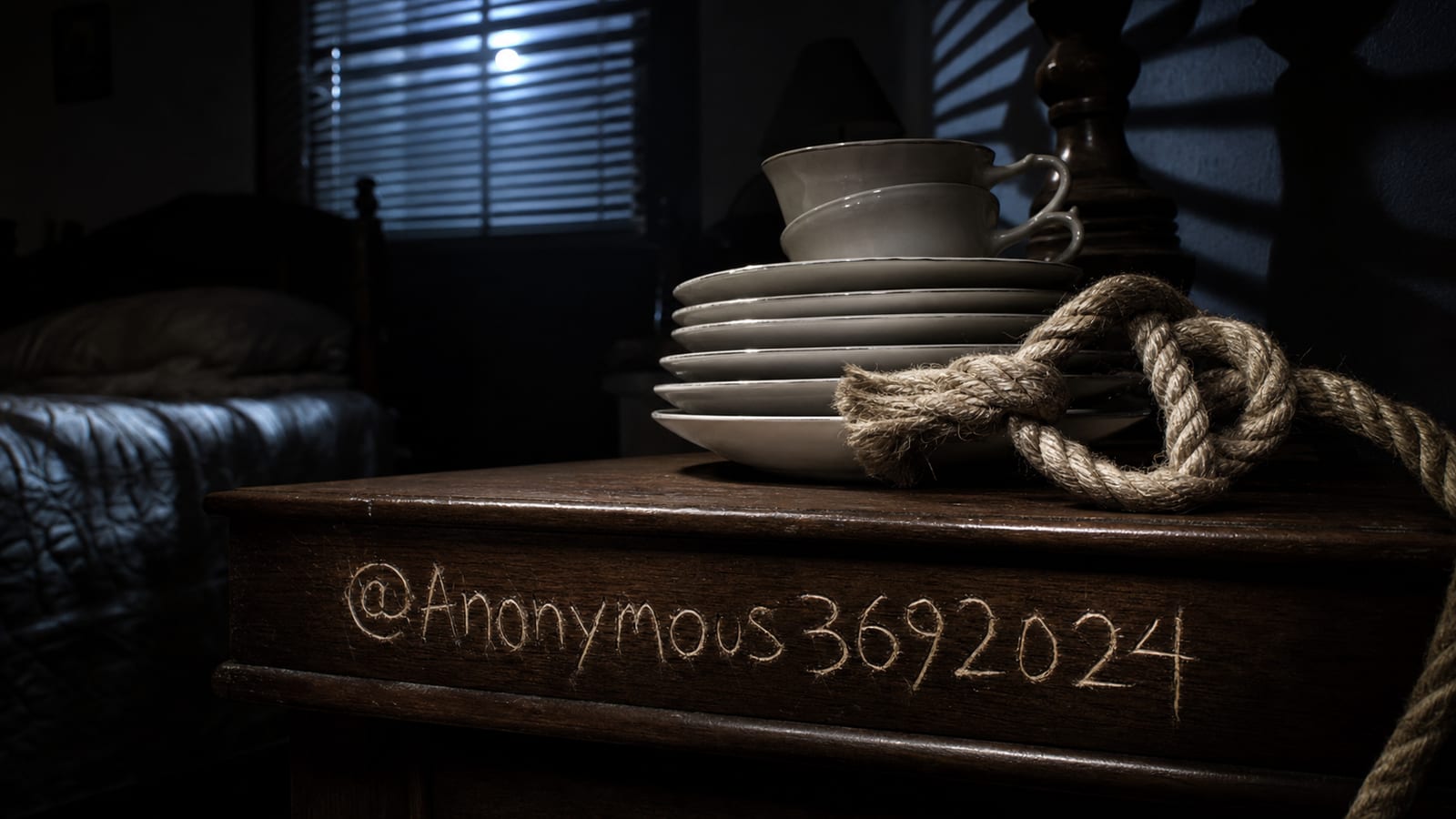
The sheer psychological torture inflicted by the killer became his horrifying signature. He did not simply break into a home; he invaded the sanctuary of his victims and turned it into a theater of unimaginable dread. He targeted single story houses, surveilling them for days to memorize the daily routines of the occupants. Once inside, he would bind his victims with complex, pre tied nautical knots, demonstrating a specialized knowledge of restraint that pointed toward military or police training. His most sadistic tactic involved forcing female victims to tie up their husbands or boyfriends. He would then carefully stack ceramic plates and teacups on the backs of the bound men, leaning in close to whisper a lethal promise. If he heard the dishes rattle or crash to the floor, he would kill everyone in the house. This allowed him to spend hours inside the residence, eating food from the refrigerator and repeatedly assaulting the women while the men lay paralyzed in the next room. During these agonizing hours, victims often heard him sobbing in the dark, muttering apologies to a woman named Bonnie or crying out for his mother. For decades, criminal profilers misinterpreted this behavior as a deep seated psychological break. In reality, it was a glimpse into the fractured mind of Joseph James DeAngelo, a man who actively wore a police badge during the day and a ski mask at night.
The Phantom's Bloody Trail
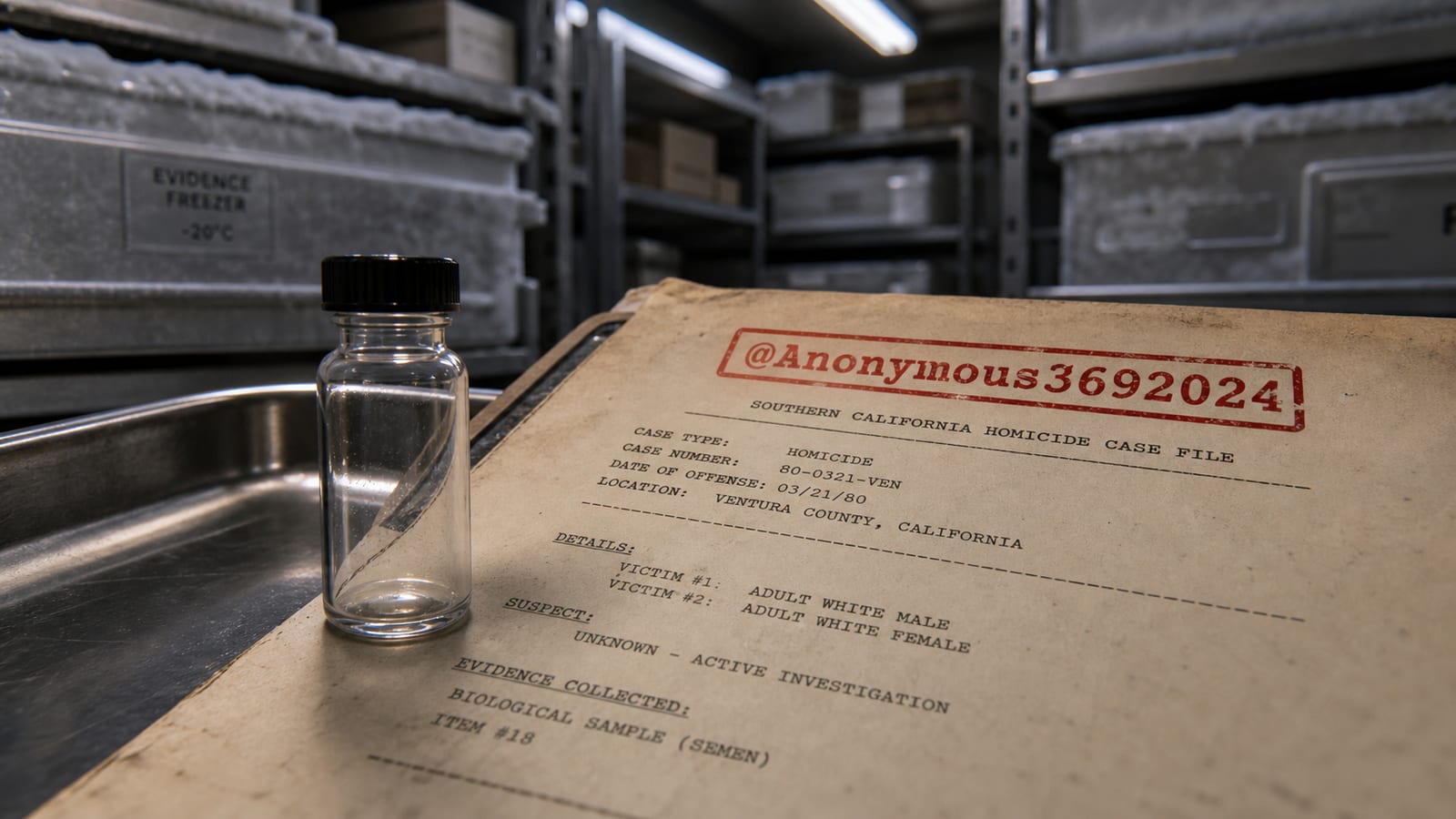
When the pressure in Northern California became too intense following his dismissal from the Auburn Police Department for shoplifting dog repellent and a hammer, DeAngelo migrated south. The transition marked the birth of a new, far more lethal predator. Operating in coastal communities like Goleta, Ventura, Dana Point, and Irvine, the phantom abandoned his previous restraint and escalated directly to murder. He targeted couples asleep in their beds, bludgeoning them with heavy objects or shooting them at point blank range. The brutality of the Southern California crimes earned the unknown killer the title of the Original Night Stalker. In March 1980, the killer broke into a home in Ventura and brutally murdered a prominent attorney named Lyman Smith and his wife Charlene. The crime scene was a chaotic nightmare of blood and shattered lives, but amidst the devastation, the killer left behind a microscopic clue that would eventually seal his fate. Forensic technicians collected a seminal fluid sample from the scene and carefully preserved it in the evidence freezer. In the early 1980s, DNA profiling was science fiction. The sample was merely a biological artifact, holding an invisible genetic code that law enforcement had no way of reading. The murders continued sporadically until May 1986, when an eighteen year old girl was bludgeoned to death in her Irvine home. And then, the phantom vanished into thin air.
The Silence and the Link
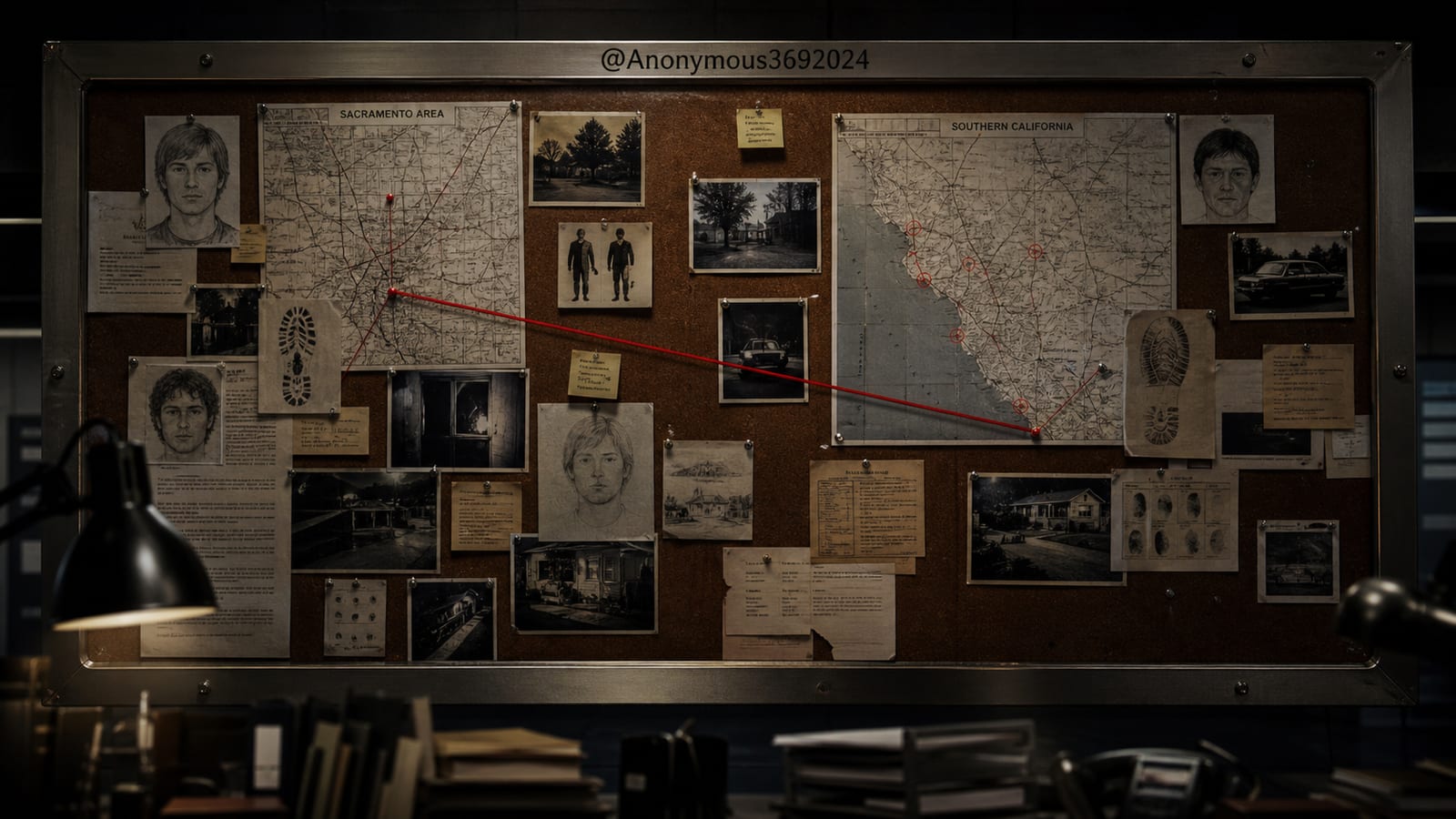
The ensuing years were characterized by a maddening silence. The Golden State had weathered the storm of an incredibly prolific serial offender, yet the true scope of his crimes remained fragmented across dozens of different police jurisdictions. The Visalia Ransacker, the East Area Rapist, and the Original Night Stalker were investigated as entirely separate entities, isolated by county lines and a lack of centralized communication. It was not until the dawn of the twenty first century that the invisible walls between the cases finally collapsed. In 2001, advancements in forensic science allowed analysts to extract and sequence the DNA from the decades old crime scenes. The results were a revelation. The biological signature left by the East Area Rapist in Northern California was a perfect, indisputable match to the DNA recovered from the Original Night Stalker murders in the southern half of the state. A single, unified monster was responsible for the entire reign of terror. True crime author Michelle McNamara recognized the magnitude of this discovery and coined a new, overarching title for the predator, branding him the Golden State Killer. The name captured the vast geographical spread of his crimes and reignited public interest in the cold case, but despite the new title and the definitive genetic link, the identity of the man behind the DNA remained a total mystery.

The Family Tree Hunt
By 2017, traditional investigative avenues had been completely exhausted. The DNA profile from the 1980 murder of Charlene and Lyman Smith sat in the federal database, checking against millions of convicted felons, yet returning nothing but cold, empty screens. The killer had never been arrested for a qualifying felony, making him a ghost in the system. But cold case investigator Paul Holes refused to let the ghost rest. He partnered with investigative genetic genealogist Barbara Rae Venter to employ a radical new tactic. Instead of searching for the exact suspect in criminal databases, they uploaded the killer's genetic profile to an open source, consumer genealogy website called GEDmatch. They were not looking for the killer himself; they were hunting for his distant cousins. The biological search returned a list of people who shared a tiny fraction of DNA with the unidentified murderer, pointing toward common ancestors who lived in the 1800s. Operating in extreme secrecy, investigators and genealogists spent months meticulously building out sprawling family trees, tracing marriages, births, and deaths across generations. The tree blossomed to include over one thousand people. By cross referencing the names with the physical description, age range, and geographic locations of the Golden State Killer, they eliminated suspects one by one. The sprawling branches of the genetic tree finally narrowed down to a single leaf.
The Tissue in the Trash
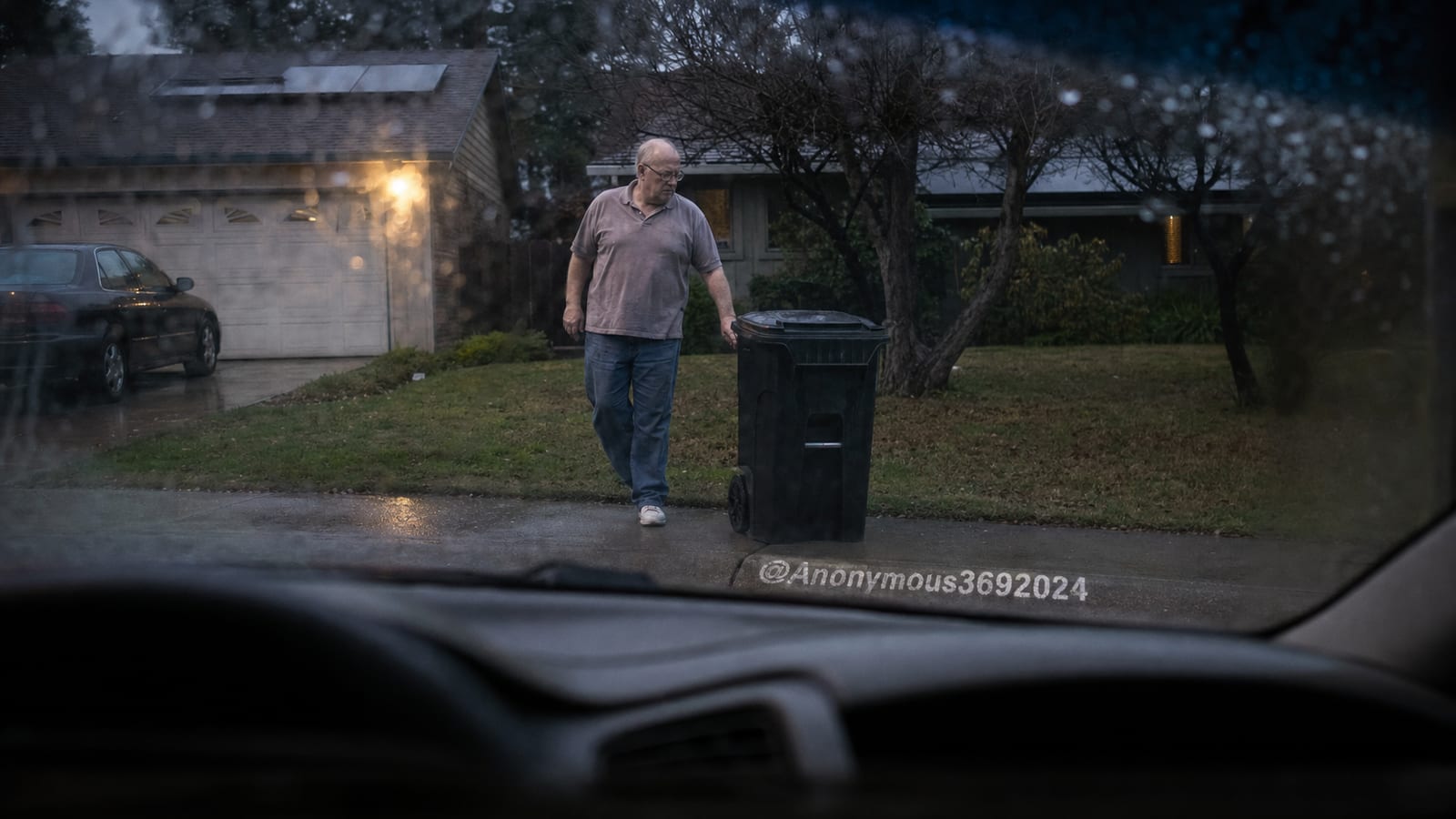
The name Joseph James DeAngelo materialized like an apparition. He was a seventy two year old retired mechanic and former police officer living a quiet, unassuming life in the Sacramento suburb of Citrus Heights, precisely the area he had terrorized decades earlier. Knowing his name was a monumental breakthrough, but securing a murder conviction required absolute, uncontaminated scientific proof. Investigators could not simply knock on his door and request a cheek swab; doing so would alert a highly trained, deeply paranoid predator that the authorities were closing in. Instead, law enforcement initiated a high stakes, covert surveillance operation. Detectives shadowed DeAngelo as he navigated his daily routine, waiting for him to discard anything that might harbor his biological signature. The breakthrough came when investigators quietly swabbed the door handle of his car while it was parked in a public lot. Days later, they intercepted his curbside garbage and recovered a crumpled, discarded tissue. The items were rushed to the crime lab, where technicians extracted the trace amounts of cellular material and ran the sequence. The results confirmed what the family tree had suggested. The DNA from the discarded tissue was an absolute, one in a trillion match to the semen recovered from the 1980 Ventura crime scene. The trap had successfully closed.
The Monster in the Interrogation Room
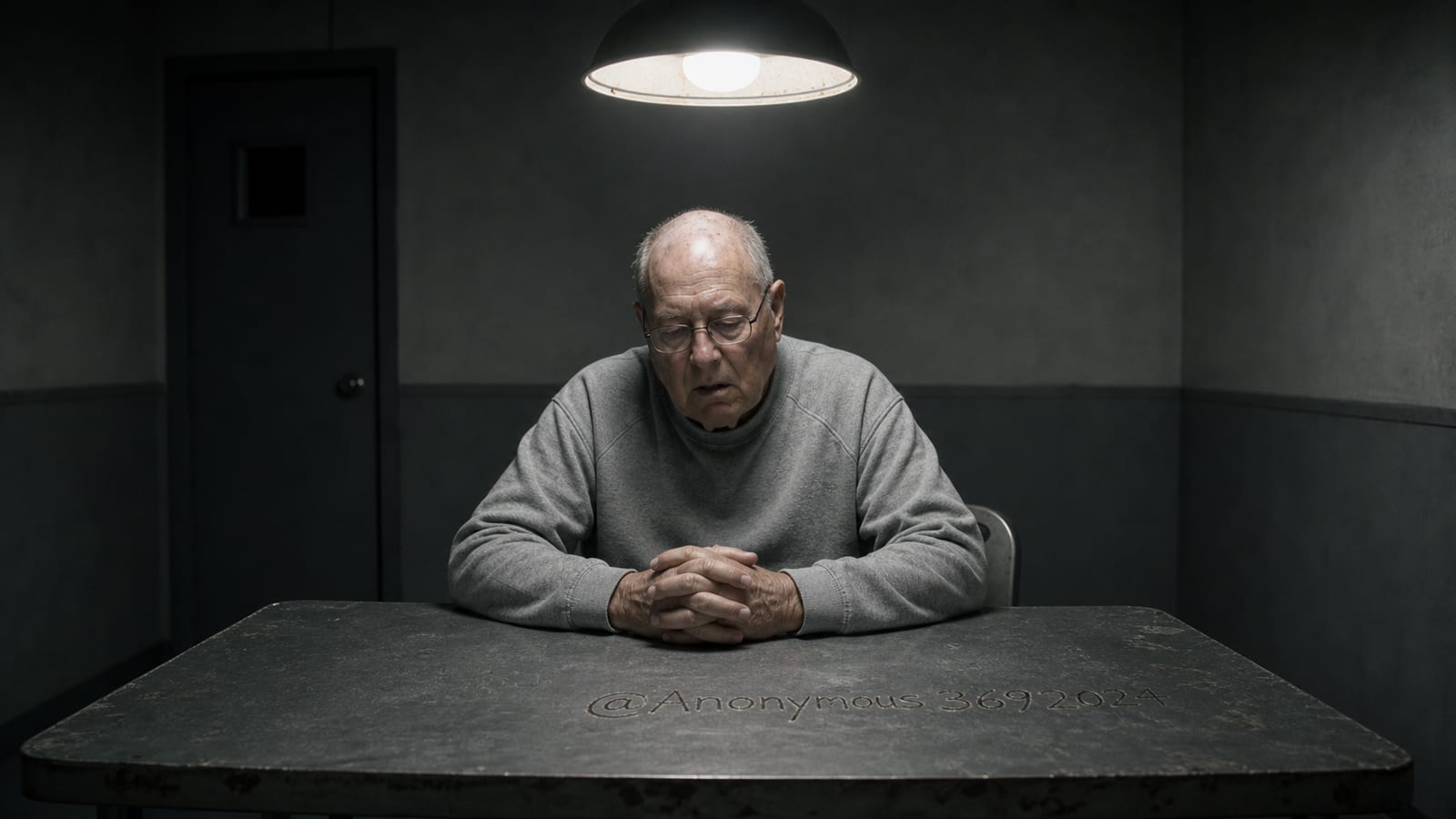
On the afternoon of April 24, 2018, heavily armed officers descended on the quiet suburban street in Citrus Heights and arrested Joseph James DeAngelo in his own driveway. The man who had haunted the nightmares of an entire state for over forty years looked like a feeble, ordinary grandfather. Placed inside an interrogation room, DeAngelo resorted to the very same manipulative tactics he had used when he was caught shoplifting as a police officer in 1979. Left alone, he began muttering to himself, staging a bizarre conversation in which he blamed an imaginary alter ego named Jerry for forcing him to commit the atrocities. He whispered into the empty room that he did not want to do those things, but Jerry made him. Prosecutors saw straight through the theatrical performance, recognizing it as a calculated attempt to lay the groundwork for an insanity defense. Faced with insurmountable genetic evidence and the prospect of a grueling capital murder trial, DeAngelo ultimately folded. To spare himself the death penalty, he agreed to a comprehensive plea deal. In a makeshift courtroom assembled inside a university ballroom to accommodate the massive crowd of survivors, the monster finally admitted his guilt. He pleaded guilty to thirteen counts of first degree murder and thirteen counts of kidnapping, effectively confessing to the entire reign of terror.
The Echoes of the DNA Revolution
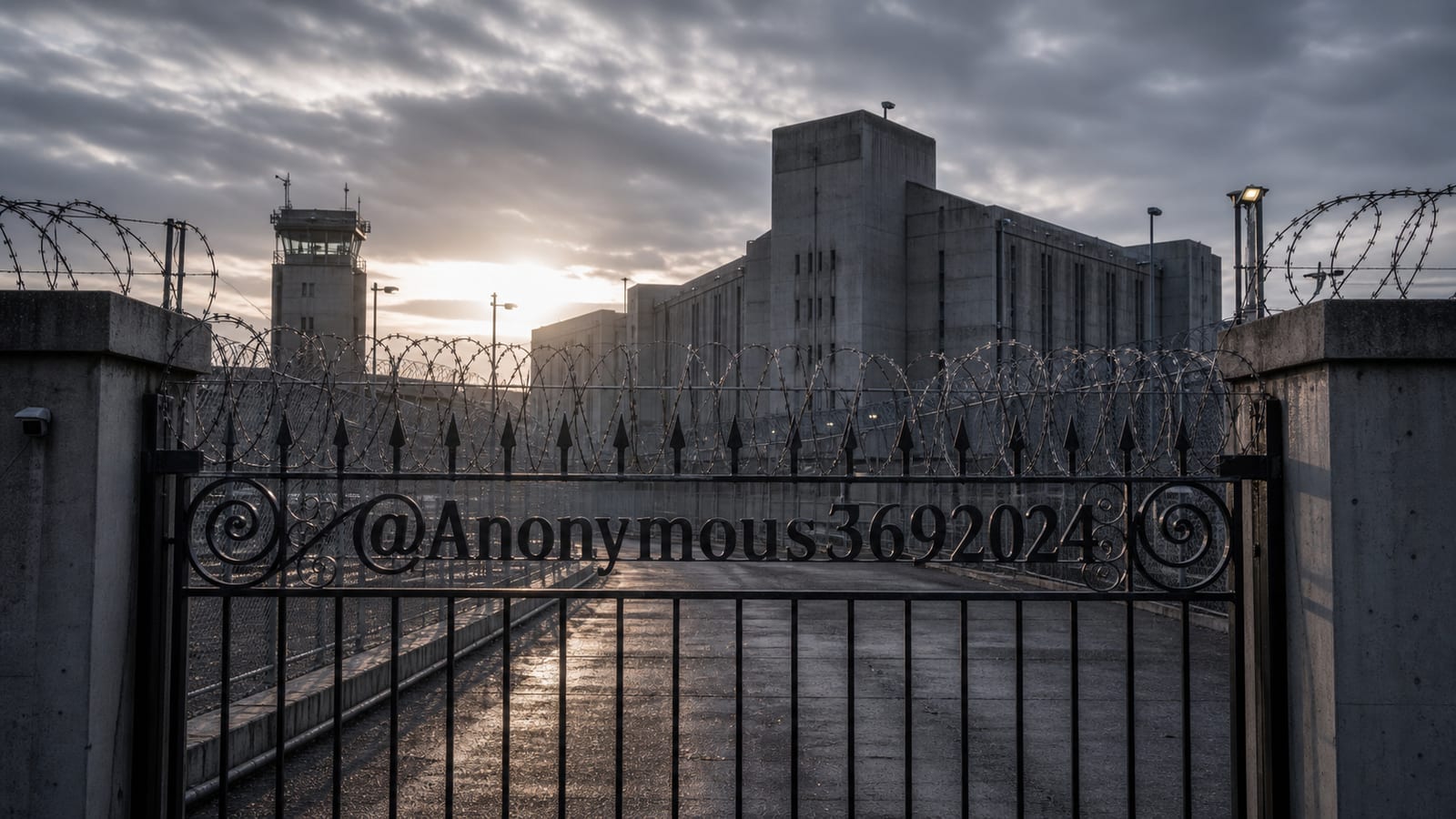
The conviction of Joseph James DeAngelo fundamentally altered the landscape of criminal justice. The case served as the ultimate proof of concept for investigative genetic genealogy, a technique that has since been deployed to solve hundreds of cold cases across the globe. The invisible walls of time and anonymity have been shattered by the undeniable truth encoded in our very cells. A discarded napkin, a licked stamp, or a half eaten piece of food can now bridge the gap between a decades old crime scene and a living suspect. For the survivors of the Golden State Killer, the resolution brought a profound sense of finality, allowing them to finally lock their doors at night with the knowledge that the boogeyman was permanently caged behind the concrete walls of a state penitentiary. But as forensic science continues to illuminate the darkest corners of human history, a lingering unease remains. If a man trained to uphold the law could use his badge as a shield to commit the most horrific crimes imaginable, hiding in plain sight for nearly half a century, how many other predators are quietly mowing their lawns and waving to their neighbors, entirely unaware that their own biology is waiting to betray them?
Archival Case Gallery
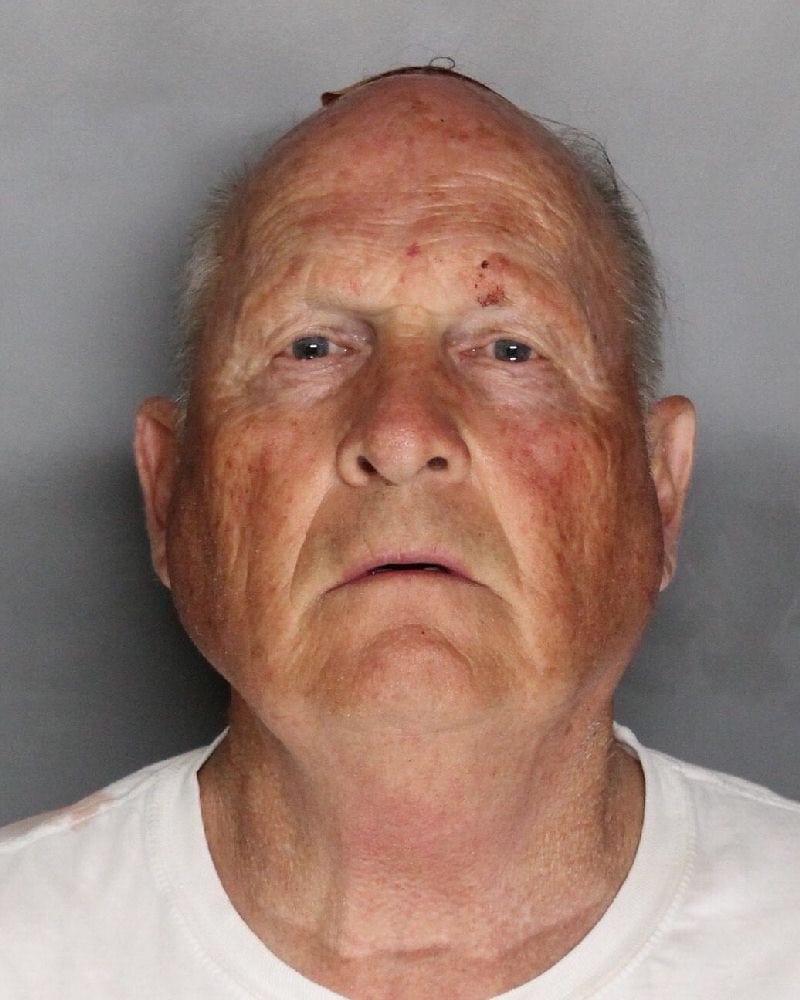
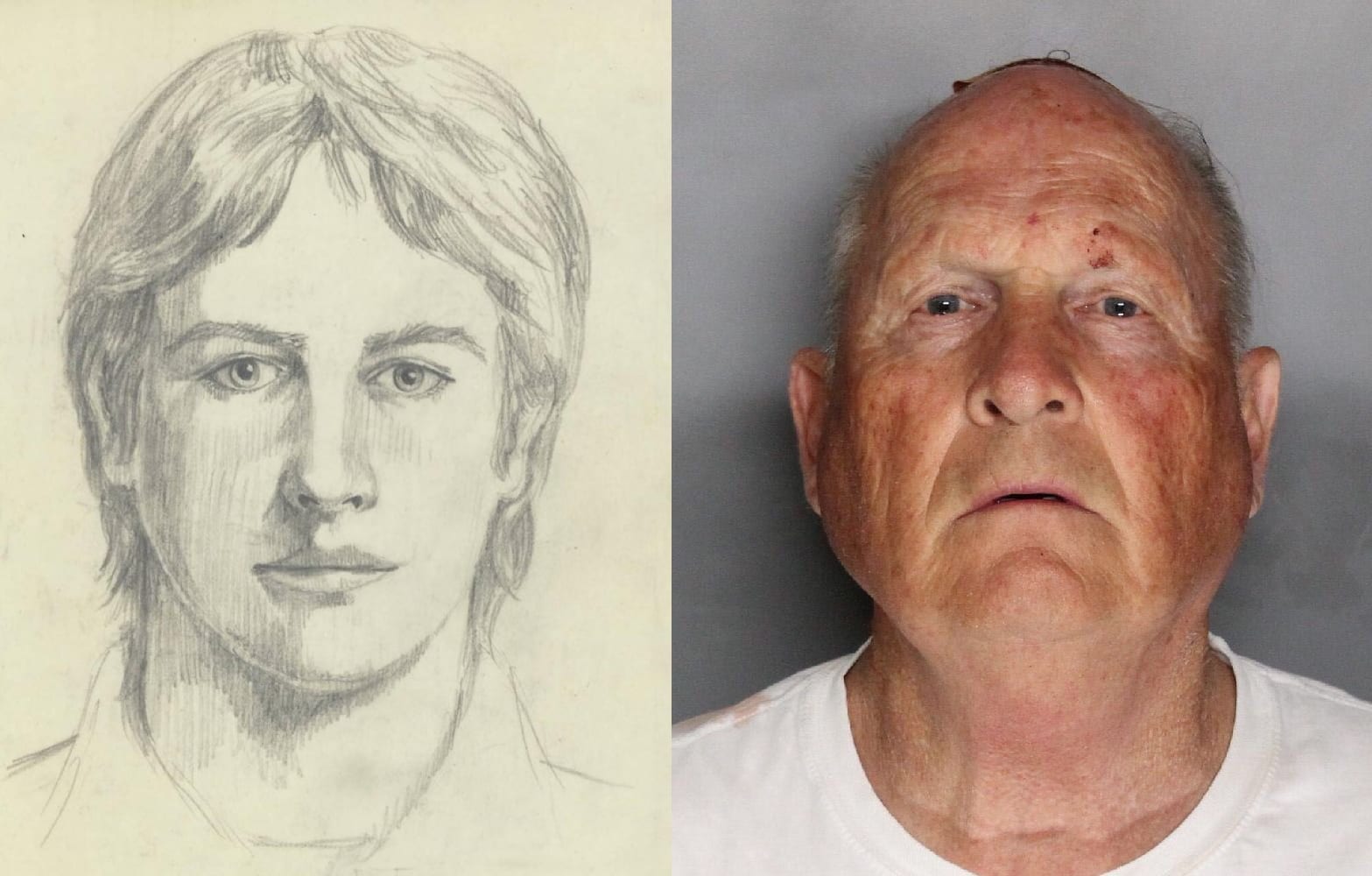
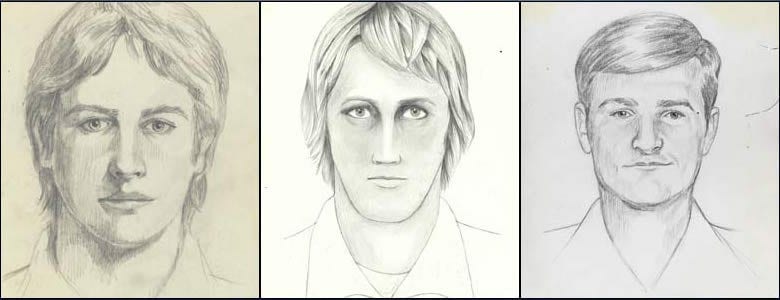
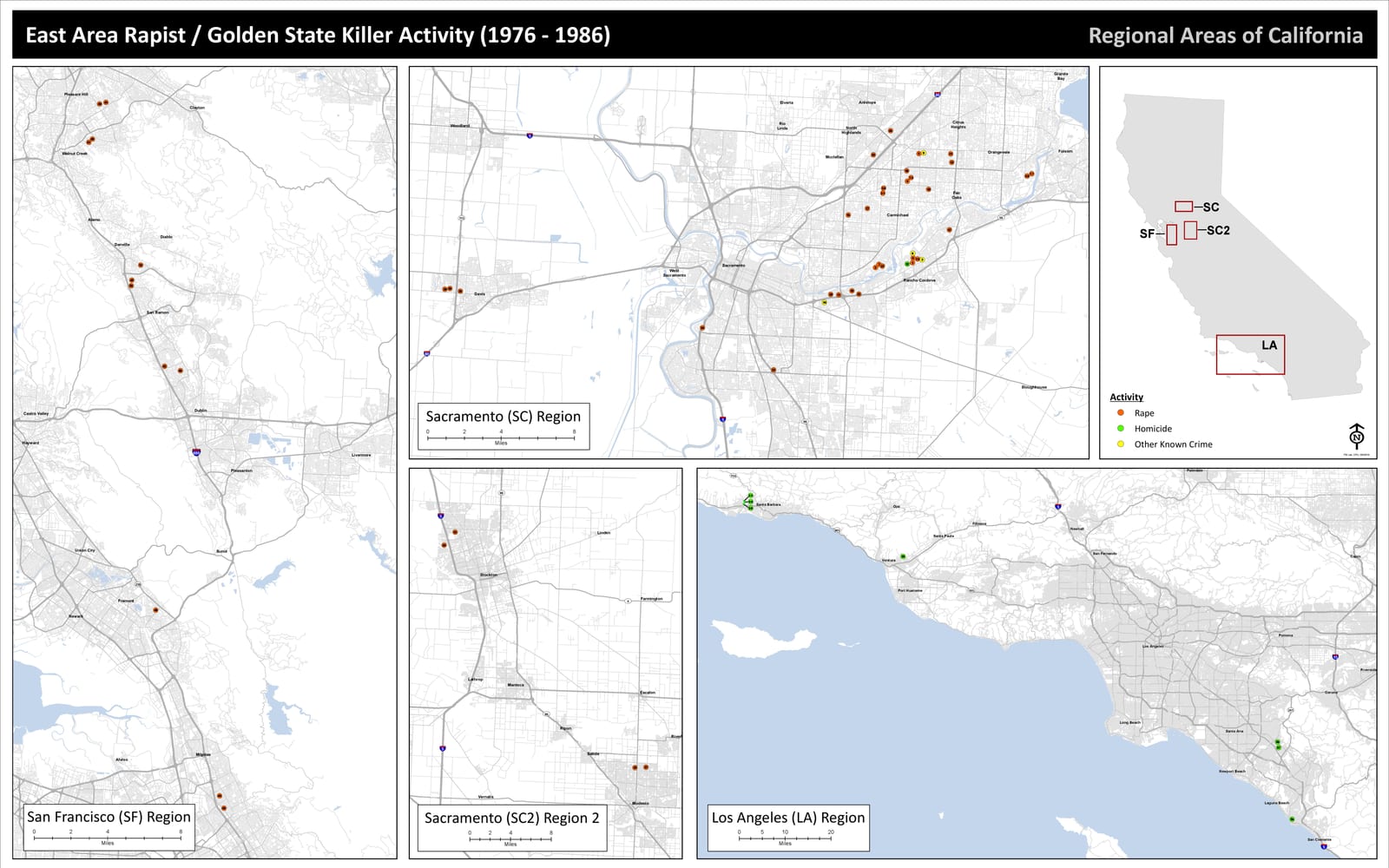
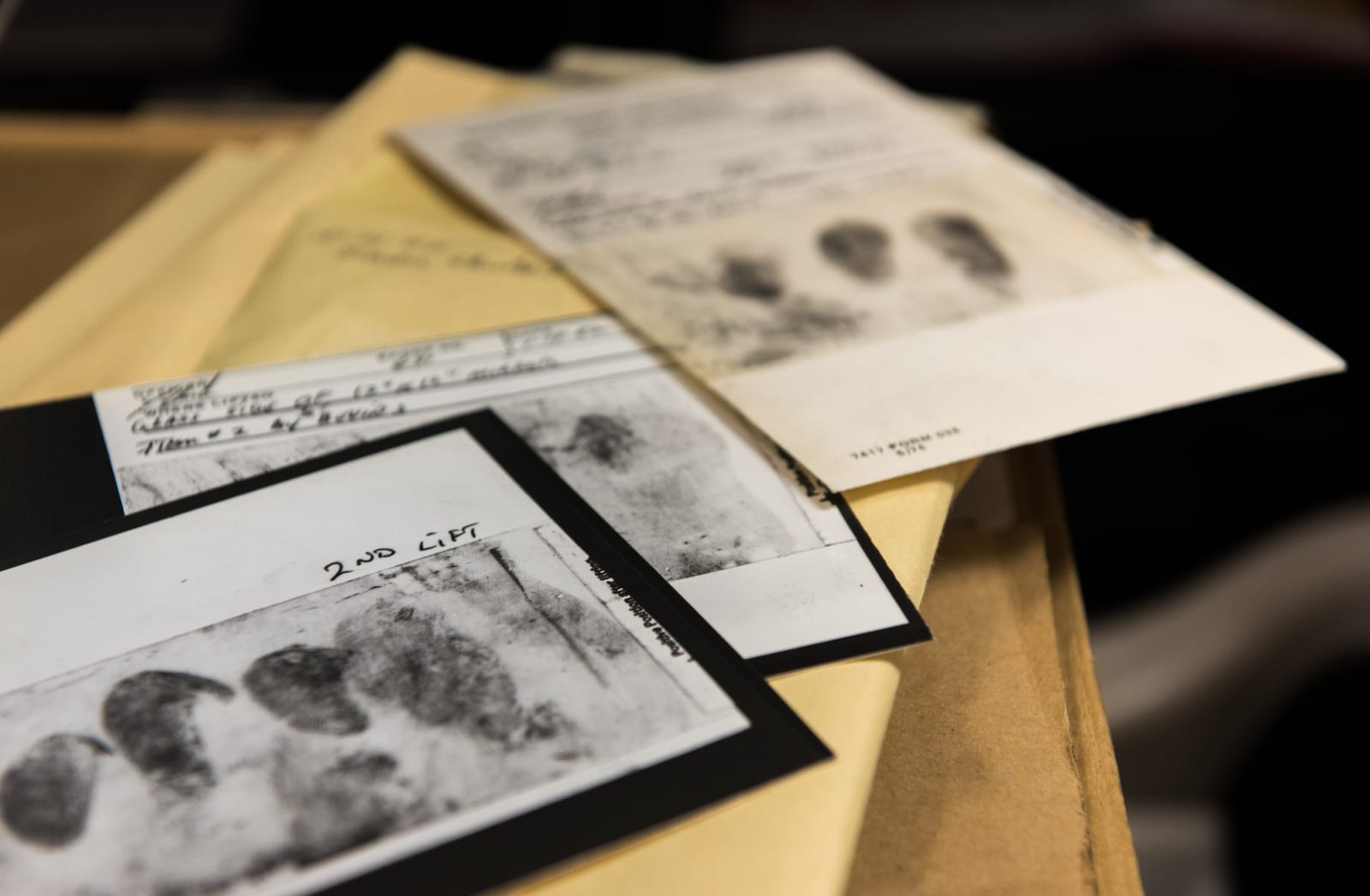
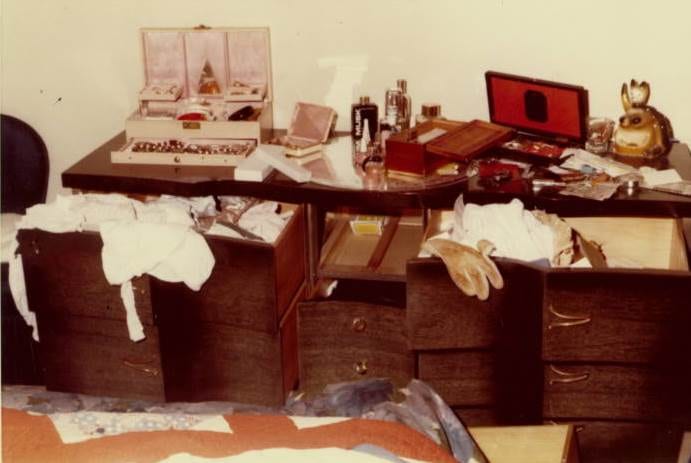
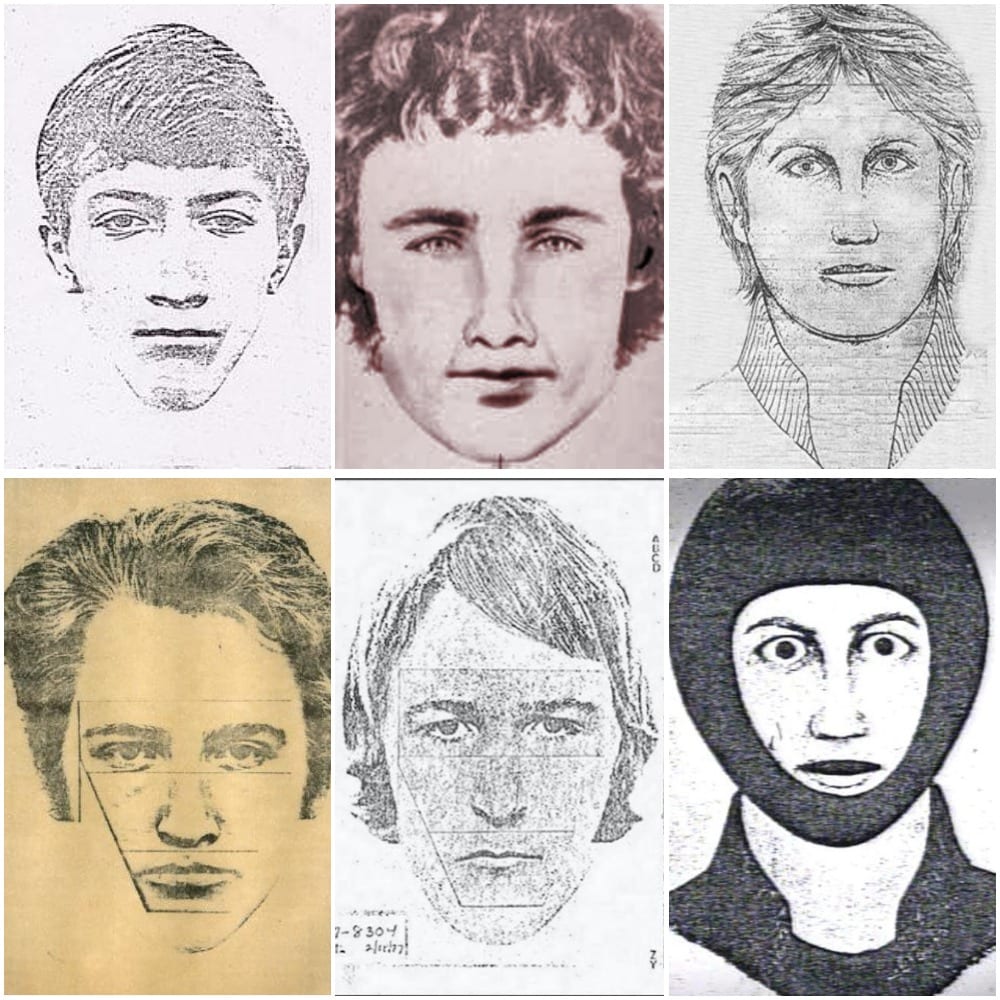
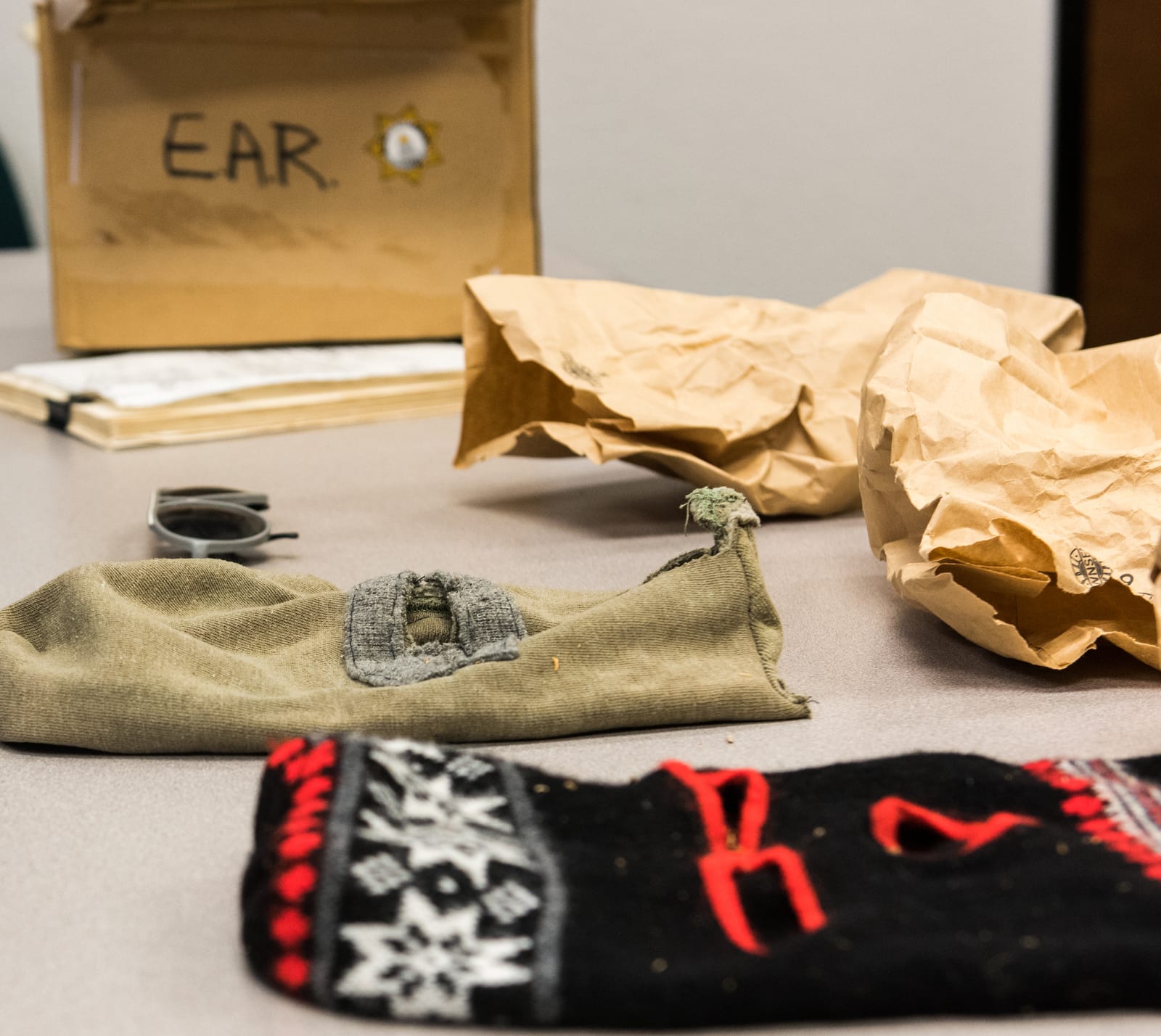
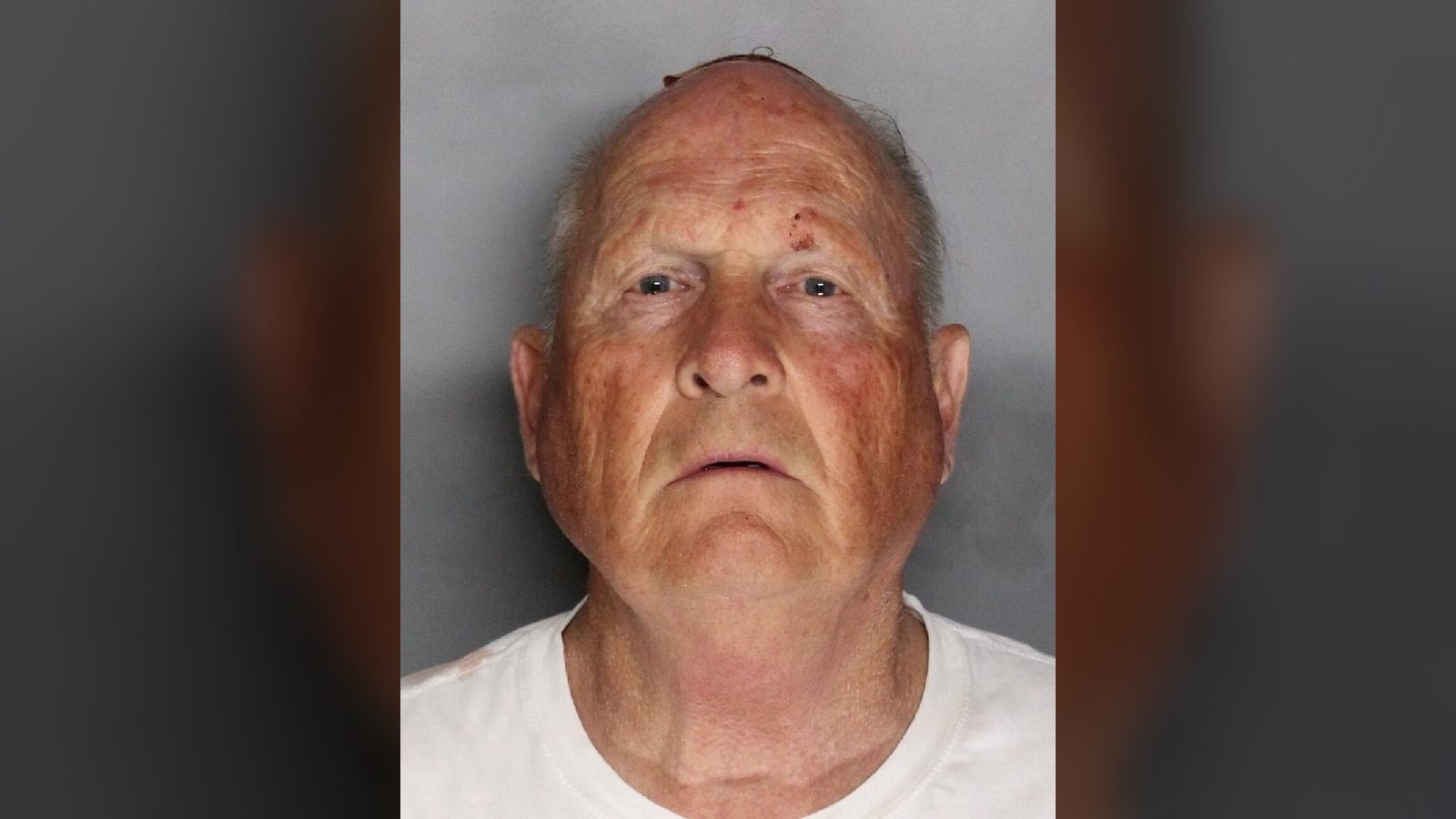
Real case gallery: Joseph James DeAngelo mugshot, law-enforcement sketches, FBI evidence images, attack map, and case-scene records. Sources: Wikimedia Commons public-domain/CC0 files sourced to Sacramento Sheriff, FBI, and California law-enforcement agencies.
Sources & Case Notes
Last updated: May 8, 2026.
Primary sources / case notes: FBI/Sacramento public case materials, California court and law-enforcement records, forensic genetic genealogy reporting, and public-record Joseph DeAngelo imagery.
Source links:
Correction policy: Send corrections, source notes, or image-rights concerns through Contact & Media Inquiries.
Image credits: Feature and gallery use public-record Joseph DeAngelo and case-material imagery where legally usable. Body images are non-graphic documentary recreations created for Anonymous369 Media.
Content warning: Discusses serial sexual assault, homicide, stalking, and forensic evidence; non-graphic.
Editorial standards: Read how Anonymous369 Media researches, corrects, and credits factual cases on our Editorial Standards page.
Continue the Case File
These investigations reward careful reading. Step back if you missed the previous file, or keep going to follow the next case in the archive.
Previous file: The Pizza Crust Trap: How Familial DNA Caught the Grim Sleeper Next file: The Paint Spheres: How Forensics Caught the Green River Killer