
The Pizza Crust Trap: How Familial DNA Caught the Grim Sleeper
For over two decades, a phantom stalked the streets of Los Angeles, leaving behind a trail of victims and a DNA profile that matched no one. When the trail went cold, detectives turned to a radical new science, using a discarded slice of pizza to expose a killer hiding in plain sight.


The Shadow Over South Central
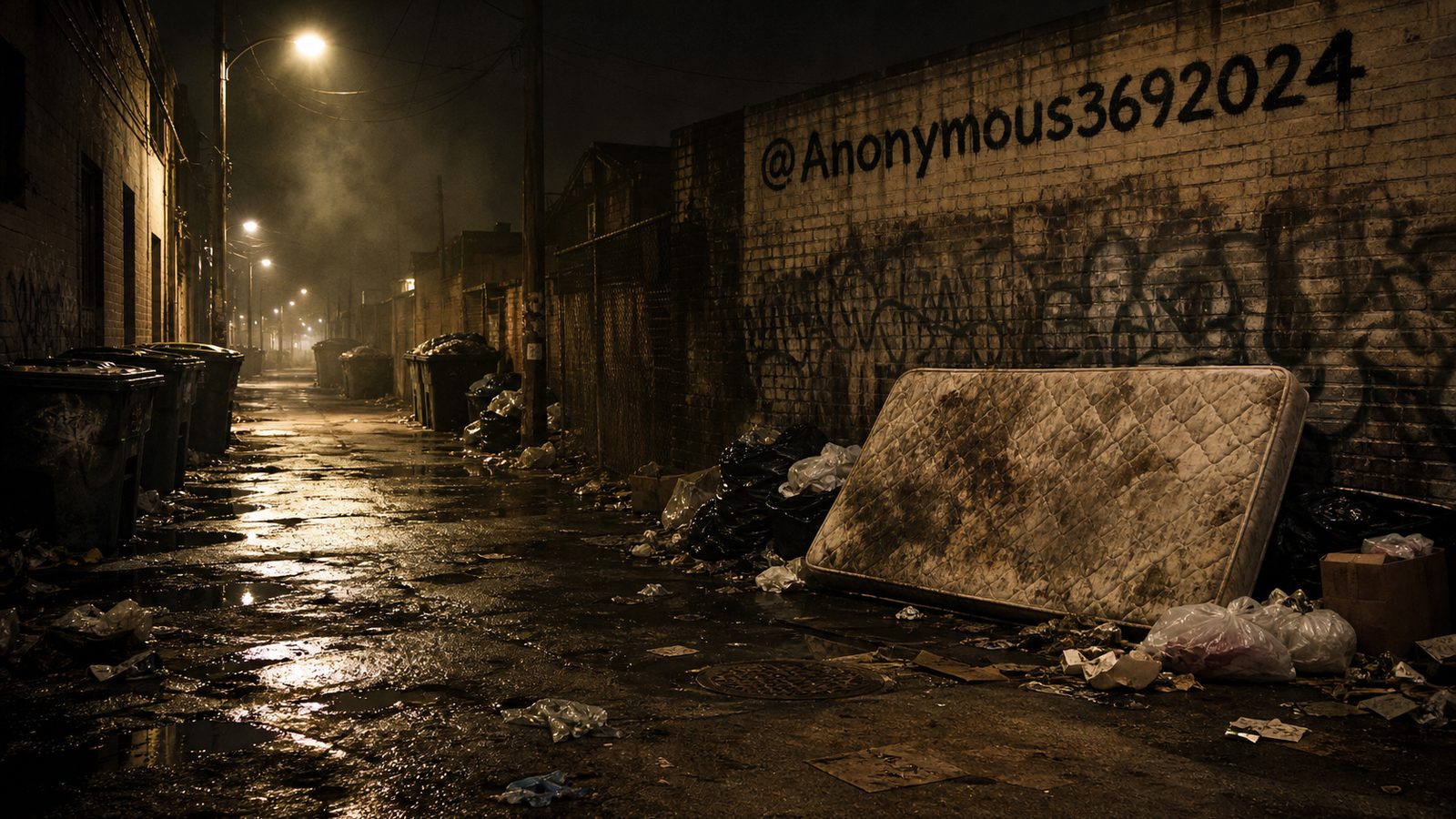
The humid air of South Los Angeles in the mid-1980s was thick with the suffocating weight of an invisible predator. The crack cocaine epidemic had already fractured communities, pushing vulnerable populations to the extreme margins of society. In this chaotic environment, young Black women were disappearing from the streets. Their bodies were discovered discarded like refuse beneath mattresses, behind bushes, and deep inside rank, trash-strewn alleys. To the residents of the 77th Street Division, the terror was palpable, yet the broader public paid little attention. Activists protested outside police headquarters, demanding the formation of a task force to hunt the monster they called the Southside Slayer. The police soon realized they were dealing with not one, but multiple serial killers operating in the same grid. However, one specific string of murders stood out to forensic examiners. These victims were consistently killed with a .25-caliber pistol, shot at close range in the chest, or strangled with ruthless efficiency. The killer left behind a biological signature, a DNA profile recovered from the bodies, but every time detectives ran the sequence through the criminal database, the system returned a flat line. The phantom had no name, no face, and seemingly no criminal record.
The Blueprint of a Predator
The forensic origins of this nightmare did not actually begin in the alleys of Los Angeles. Decades earlier, in the spring of 1974, a horrific event in Stuttgart, West Germany, established the psychological blueprint the killer would use for the rest of his life. While serving in the United States Army, Lonnie David Franklin Jr. and two other servicemen offered a teenage girl a ride home. Once she was inside their vehicle, they held a knife to her throat and drove her to an isolated field. During the brutal assault that lasted through the night, the men did something that would become a chilling hallmark of Franklin's pathology. They took photographs of their victim. This act of visual documentation is known to criminal profilers as trophy-taking, a mechanism used by serial offenders to prolong the psychological gratification of their crimes. Franklin was eventually identified because the victim feigned romantic interest and secured his phone number. He was convicted, served a brief prison sentence, and was dishonorably discharged. But because centralized DNA databases did not exist in the 1970s, his biological profile was never linked to his violent military record. He returned to Los Angeles an invisible man, bringing his deadly compulsion with him.
The Myth of the Sleeping Killer
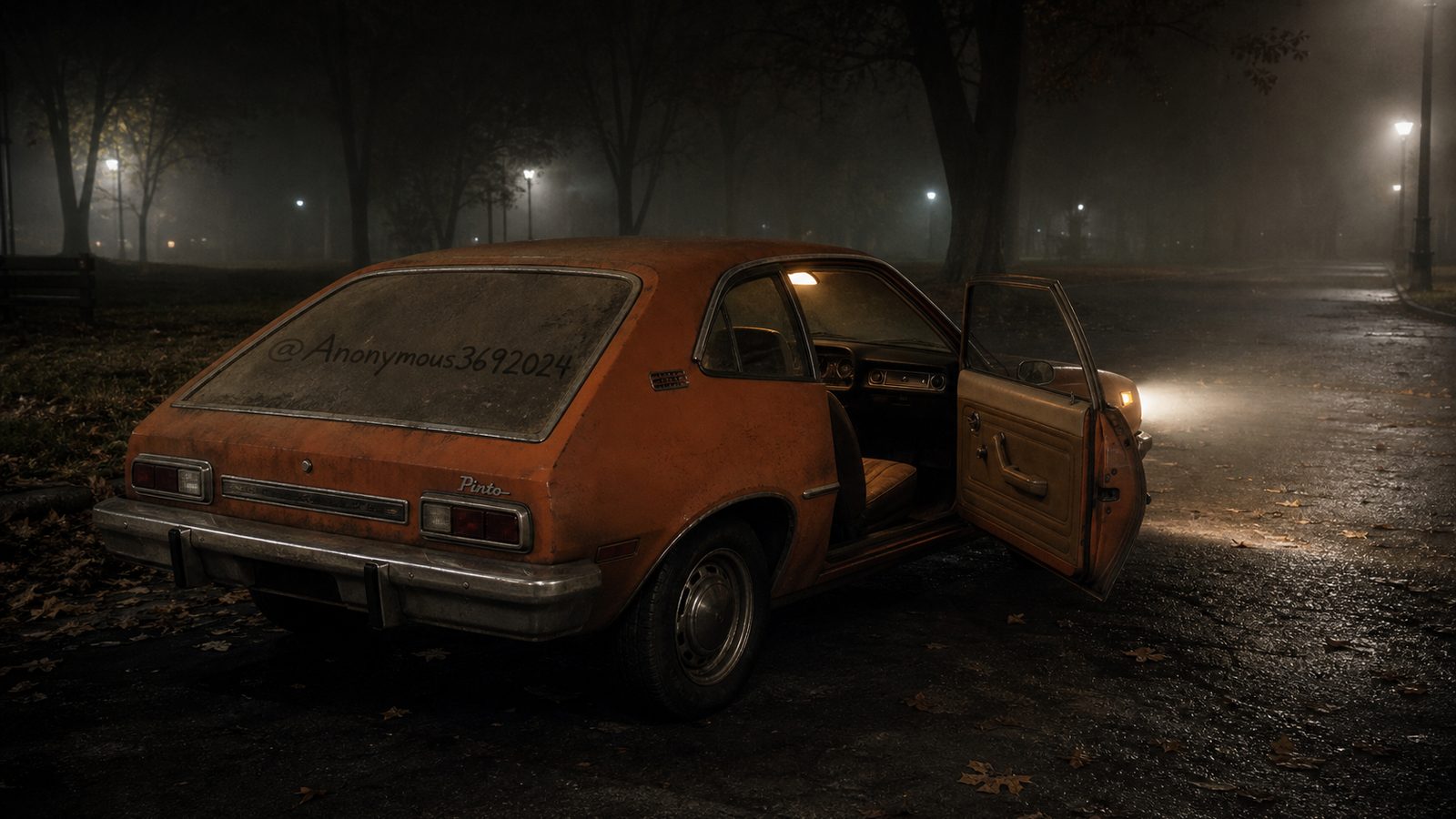
The violence in Los Angeles continued relentlessly until the autumn of 1988, when the killer made a rare and critical mistake. Thirty-year-old Enietra Washington accepted a ride from a polite, articulate man driving a distinctive orange Ford Pinto. Instead of taking her to her destination, he drove her into a dark alley in Gramercy Park and shot her in the chest with a .25-caliber handgun. As she drifted in and out of consciousness, she witnessed a flash of bright light. The killer had taken a Polaroid photograph of her bleeding body before shoving her out of the moving vehicle. Miraculously, she survived. She provided detectives with a description of a tidy, geeky Black man in his thirties wearing a black polo shirt. Despite this phenomenal lead, the trail went completely cold. For fourteen years, the .25-caliber murders ceased. The sudden disappearance led the media to christen the unknown phantom the Grim Sleeper. Authorities theorized he was dead, incarcerated, or had relocated. But the silence was a terrifying illusion. The killer had never rested. In 2002, the murders resumed, and in 2007, the DNA found on a young woman named Janecia Peters perfectly matched the genetic profile from the 1980s crime scenes. The Grim Sleeper was awake, and he was still hunting.
The Bureaucratic Ghost
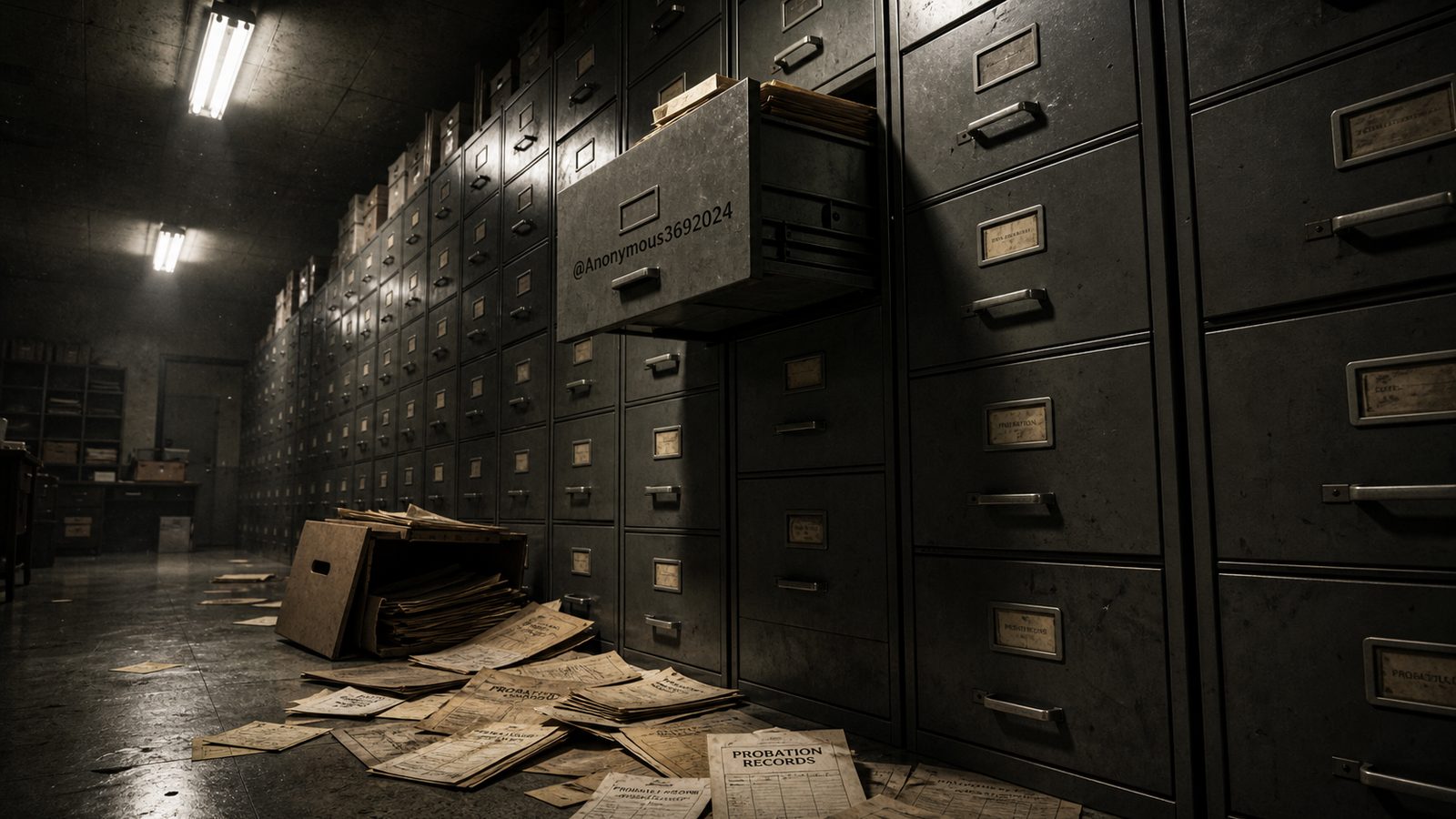
How does a prolific serial killer operate in a major metropolitan city for over two decades without triggering a single alarm in the forensic system? The answer lies in a catastrophic bureaucratic failure. Lonnie Franklin Jr. lived a remarkably mundane life on West 81st Street, working as a city sanitation employee and a police garage attendant. He blended perfectly into the background of his neighborhood. In 2003, during the supposed dormant period of his killing spree, Franklin was convicted of felony possession of stolen property and sentenced to three years of supervised probation. Under California law, any felony conviction required the mandatory collection of a DNA sample to be entered into the state database. However, Franklin was released to unsupervised probation shortly after the law took effect. Because the probation department was overwhelmed and underfunded, agents failed to collect samples from individuals who were not actively monitored. Franklin walked out of the system without a simple cheek swab. The Los Angeles Police Department spent years conducting massive neighborhood dragnets, collecting DNA from thousands of suspected criminals in a desperate attempt to find a match. The man they were looking for was right under their noses, shielded by administrative backlog and a profound stroke of dark luck.
The Genetic Informant
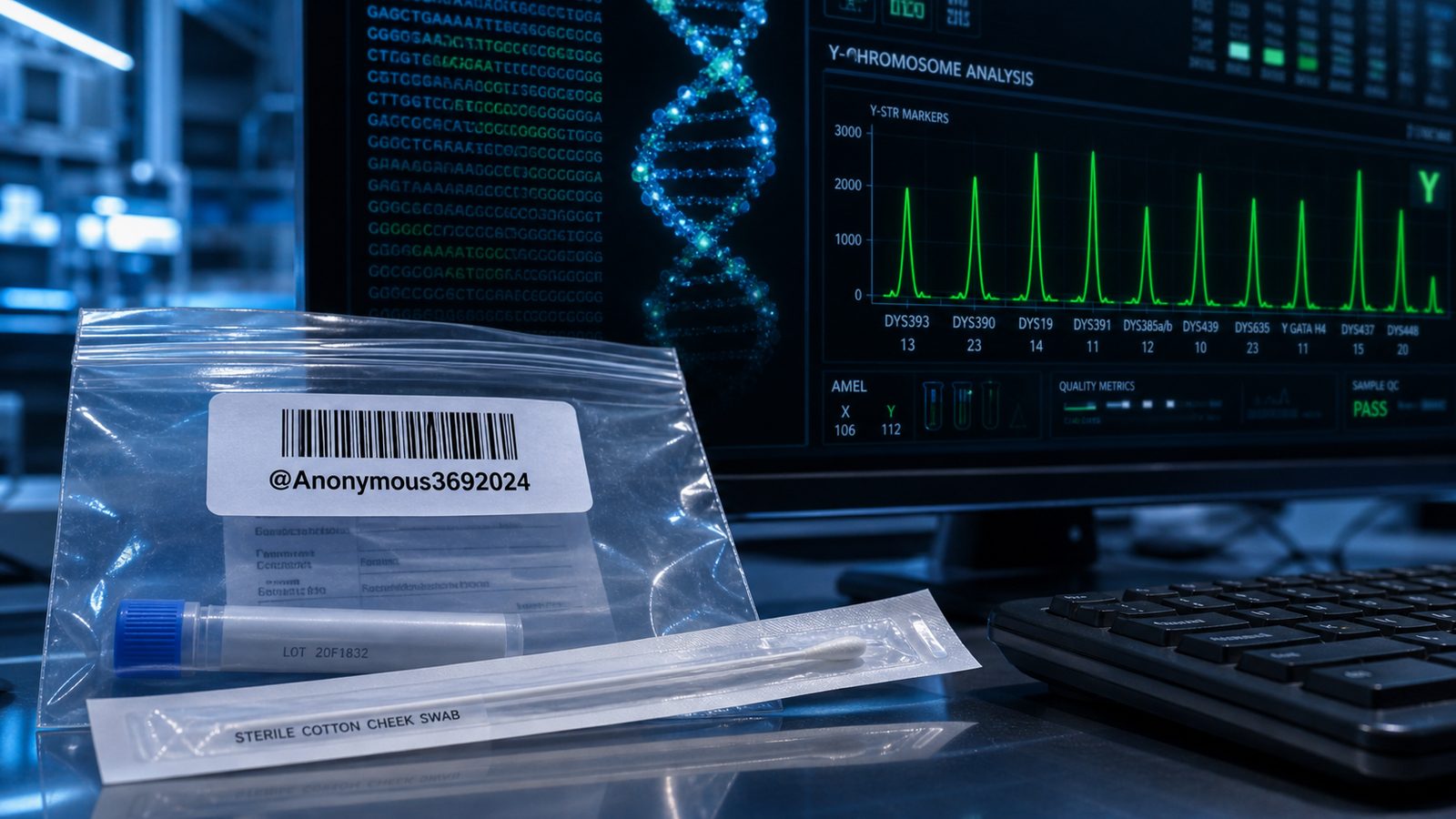
By 2008, the investigation had hit a permanent wall. The DNA from the crime scenes remained unidentified, and traditional detective work had exhausted every lead. But forensic science was on the brink of a revolution. California authorized a controversial new technique known as familial DNA searching. If the killer's exact genetic code was not in the database, perhaps a close relative's was. The science relies on the biological fact that first-order relatives share a significant portion of their Short Tandem Repeat markers. A specialized software program at the state laboratory was designed to search not for identical matches, but for familial echoes. The initial search in 2008 returned nothing. But two years later, a second search triggered a massive alarm. The system identified a young man named Christopher Franklin, who had recently been convicted of a felony weapons charge. Christopher was a toddler when the murders began, completely ruling him out as a suspect. However, scientists performed an advanced Y-STR test, tracking the Y-chromosome that is passed almost identically from father to son. The results were undeniable. The male lineage pointed directly up the family tree to Christopher's father. The ghost finally had a name.
The Busboy and the Pizza Crust
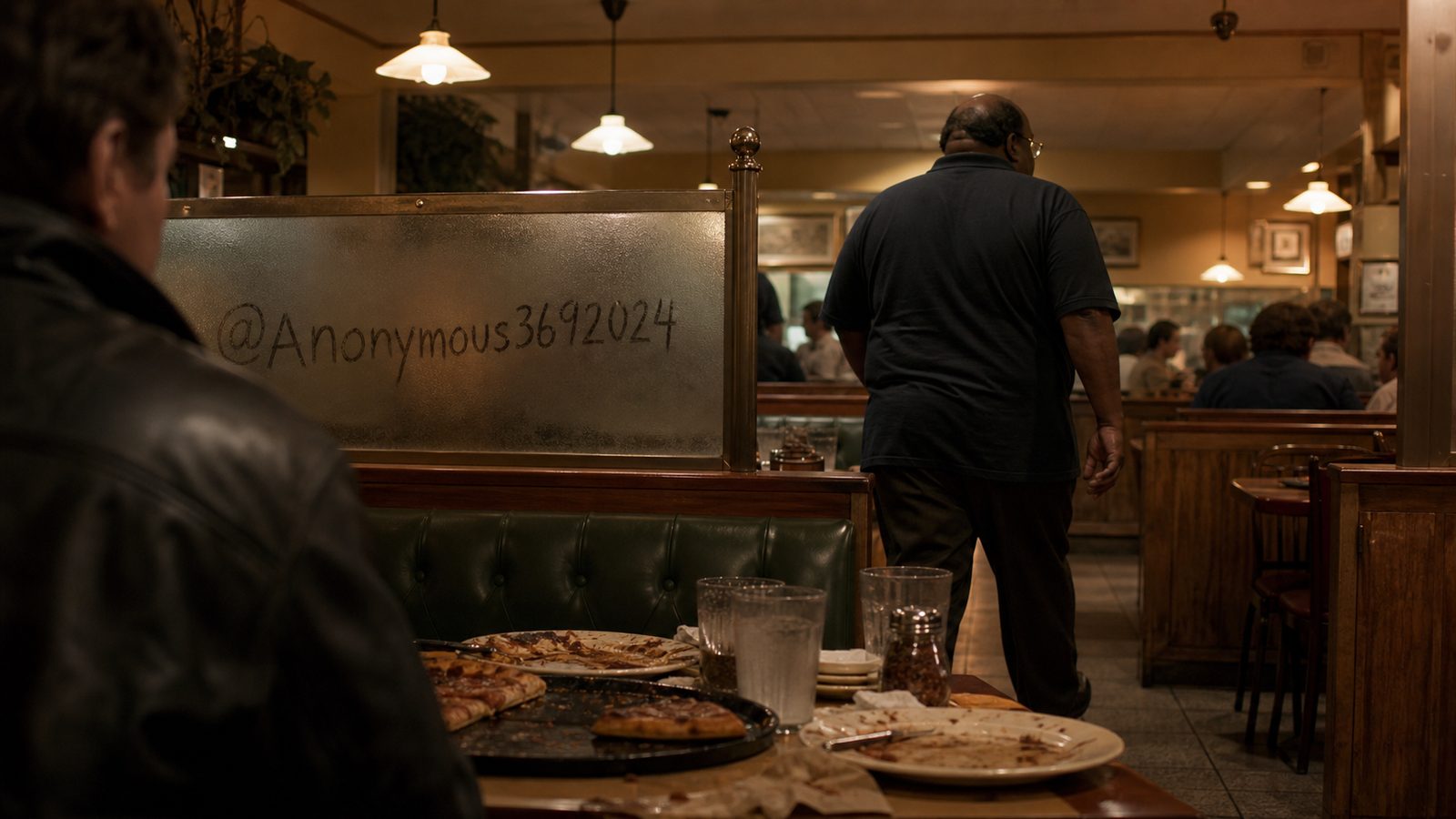
Knowing the name of the suspect was not enough to secure a murder conviction. The police needed a direct, uncontaminated DNA sample from Lonnie Franklin Jr. to prove he was the man who left his genetic signature on the victims. They could not legally compel a sample without a warrant, and asking for one would instantly alert the killer that the authorities were closing in. The Robbery-Homicide Division orchestrated a high-stakes, covert surveillance operation that would become legendary in law enforcement circles. In July 2010, an undercover team trailed Franklin to John's Incredible Pizza in Buena Park, where he was attending a child's birthday party. An undercover detective, disguised as a restaurant busboy, hovered near Franklin's table. The detective exhibited immense tactical patience, waiting for the perfect moment. When Franklin finished his meal and walked away, the busboy swooped in, securing a discarded pizza crust, a crumpled napkin, a plastic fork, and a drinking glass. These items were rushed to the crime lab. Within days, forensic analysts confirmed the saliva from the pizza crust was an absolute, undisputed match to the DNA recovered from the Grim Sleeper crime scenes. The trap had been sprung.
A Trove of Secrets
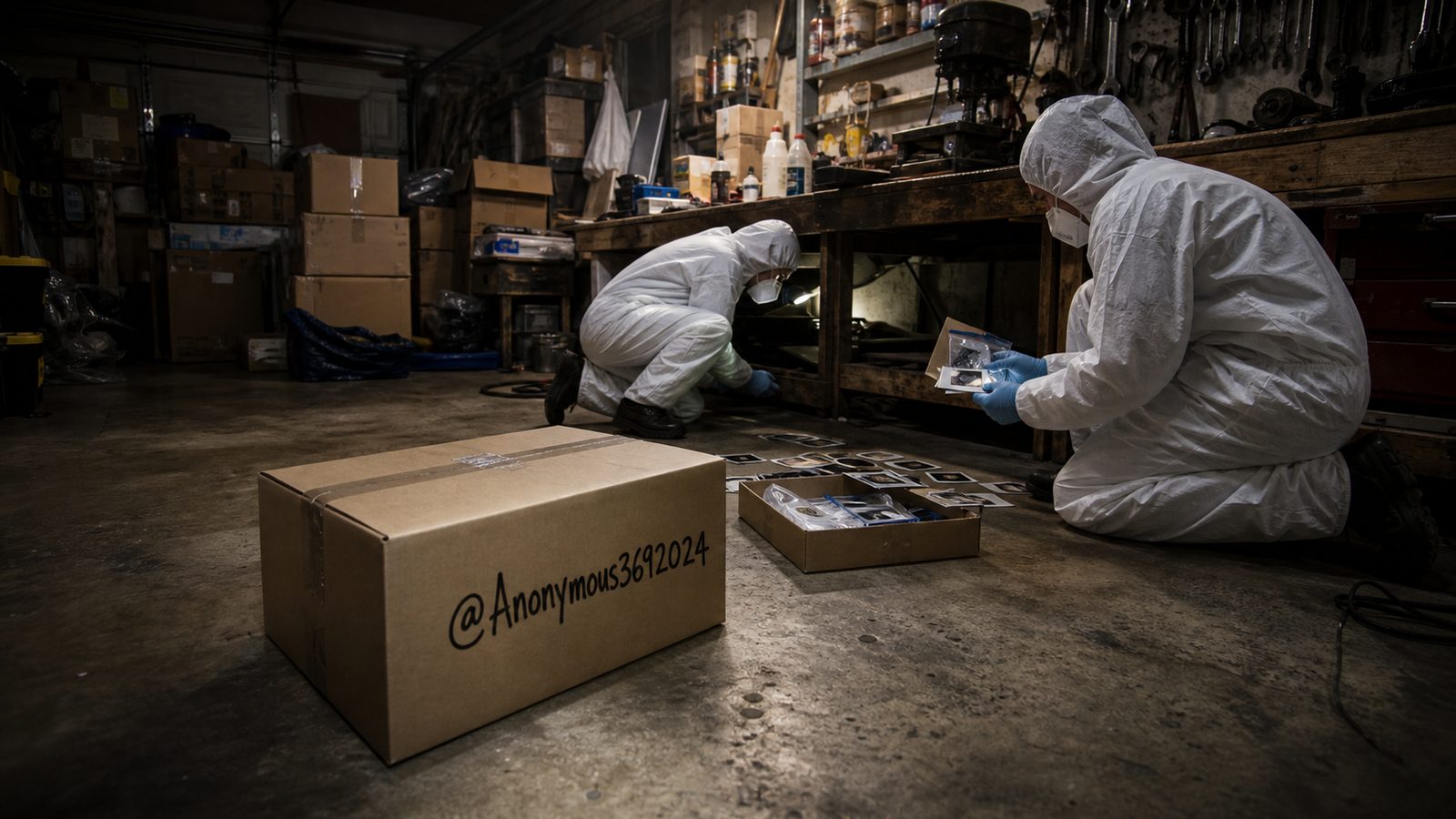
On the morning of July 7, 2010, heavily armed officers descended on the quiet residence on West 81st Street. When they breached the doors, they uncovered a house of horrors that betrayed the quiet mechanic persona Franklin had projected to his neighbors. Hidden inside a bedroom dresser drawer was a .25-caliber semi-automatic pistol, the exact weapon forensically linked to the murder of Janecia Peters. But the true depth of his depravity was concealed inside his garage. Detectives found over a thousand photographs and hundreds of hours of home video footage. The images depicted women in varying states of undress, many of them unconscious or deceased. The trophy-taking compulsion that began in West Germany had evolved into an encyclopedic archive of horror. Investigators also found the identification cards of women who had vanished without a trace, confirming the worst fears of the community. The fourteen-year hiatus was a complete myth. The Grim Sleeper had never stopped killing; he had simply changed how he disposed of the bodies. The photographs were later released to the public in a desperate bid to identify the countless unknown faces trapped in Franklin's morbid collection.
The Trial and the Lingering Void
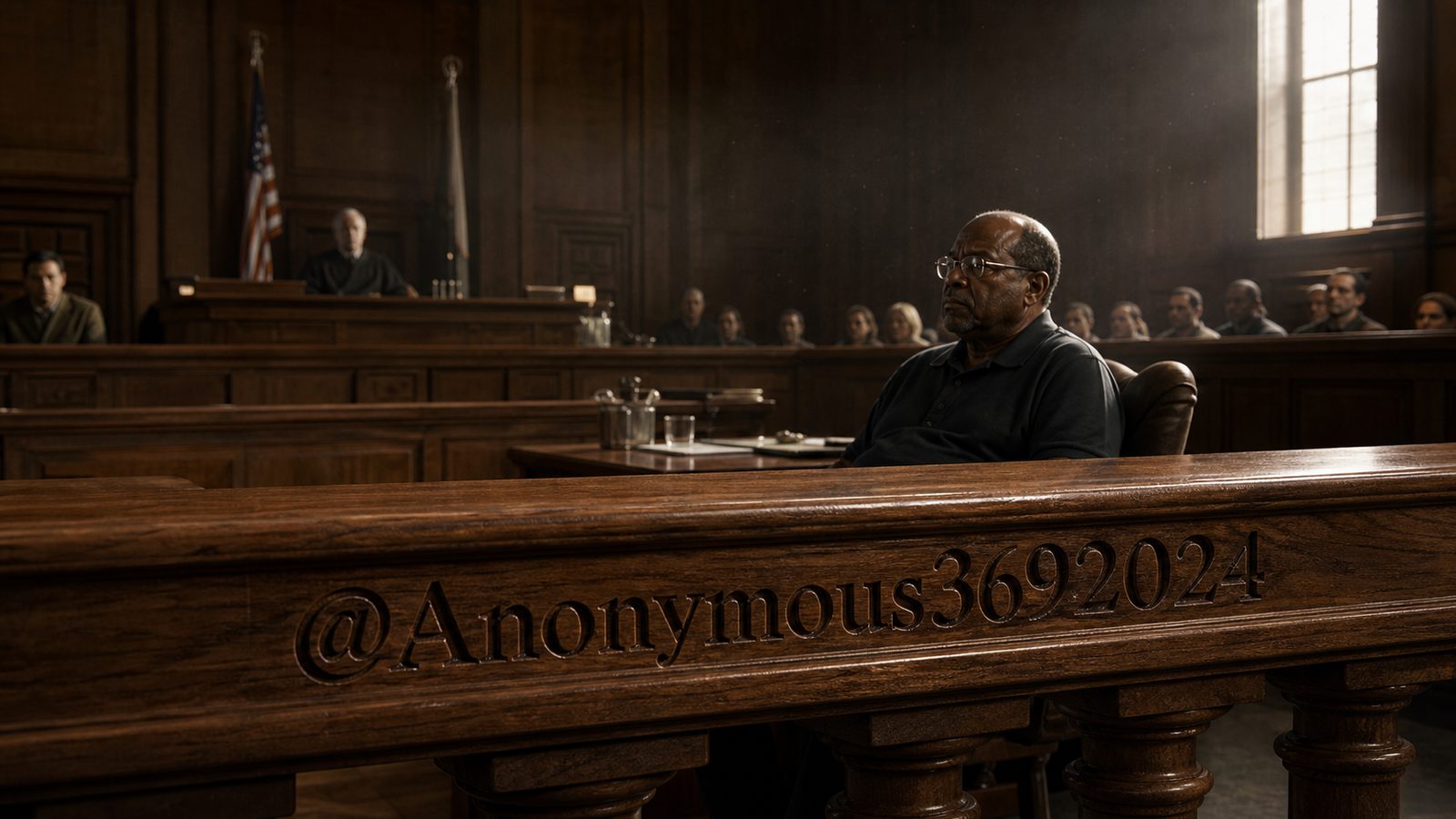
The trial of Lonnie David Franklin Jr. was a grueling marathon of forensic evidence and emotional devastation. The prosecution presented a relentless timeline of ballistics, DNA statistics, and crime scene photographs. The defining moment of the proceedings occurred when Enietra Washington took the stand, pointing directly at the man who had shot her decades earlier. The defense desperately tried to introduce the theory of a mystery relative, arguing that familial DNA could point to an unknown uncle or brother, but the evidence was insurmountable. In 2016, the jury convicted Franklin of ten counts of first-degree murder and sentenced him to death. He died of natural causes in his cell at San Quentin State Prison in 2020, taking his darkest secrets to the grave. The use of familial DNA to catch him fundamentally altered the landscape of criminal justice, turning every relative into a potential genetic witness. But as the legal debates continue, a much colder reality remains. Hundreds of photographs recovered from that South Los Angeles garage feature women whose names and fates are still completely unknown. How many flawless crimes are sleeping in those faded polaroids, waiting for a science that can finally speak for the dead?
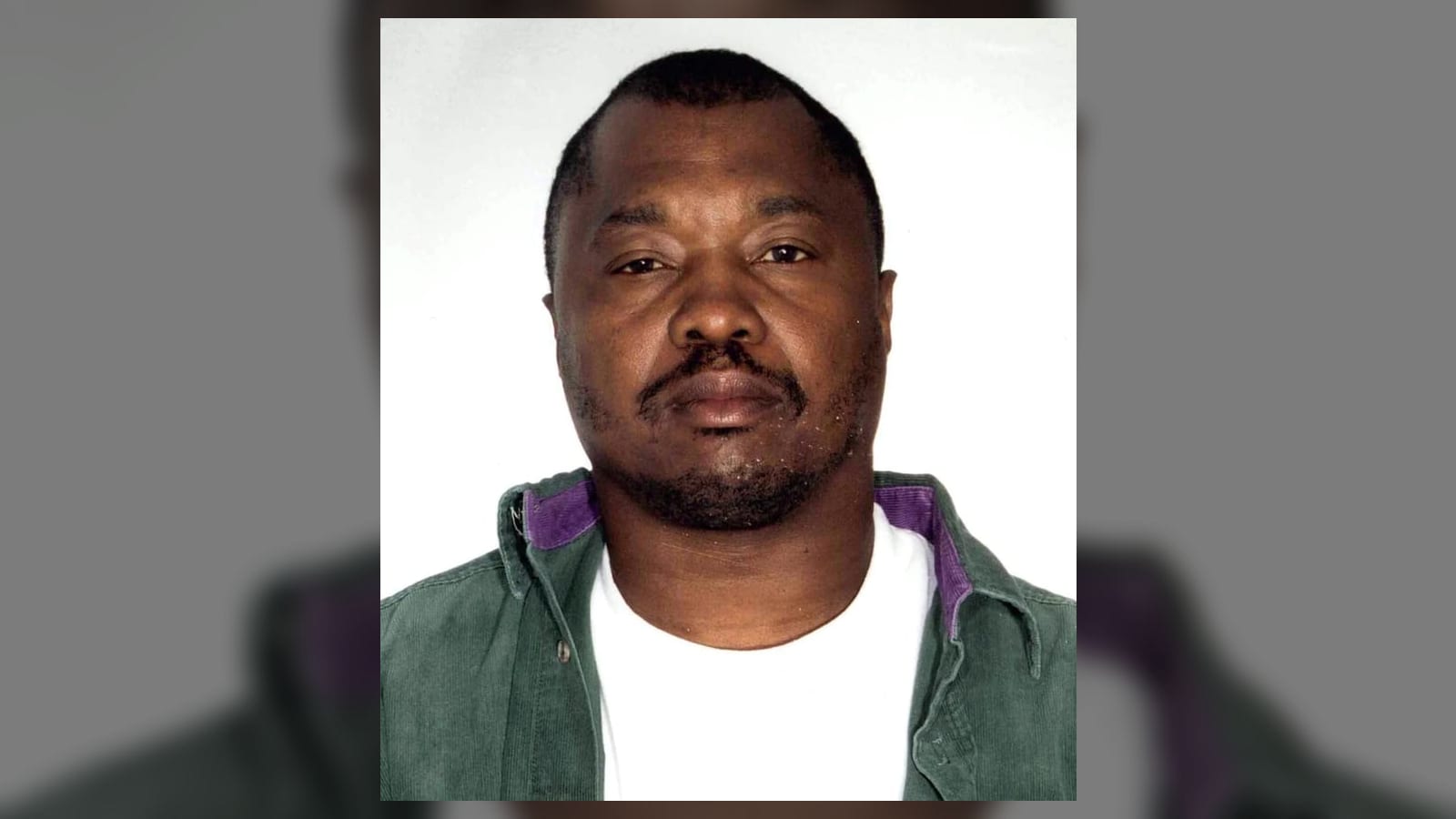
Archival Case Gallery
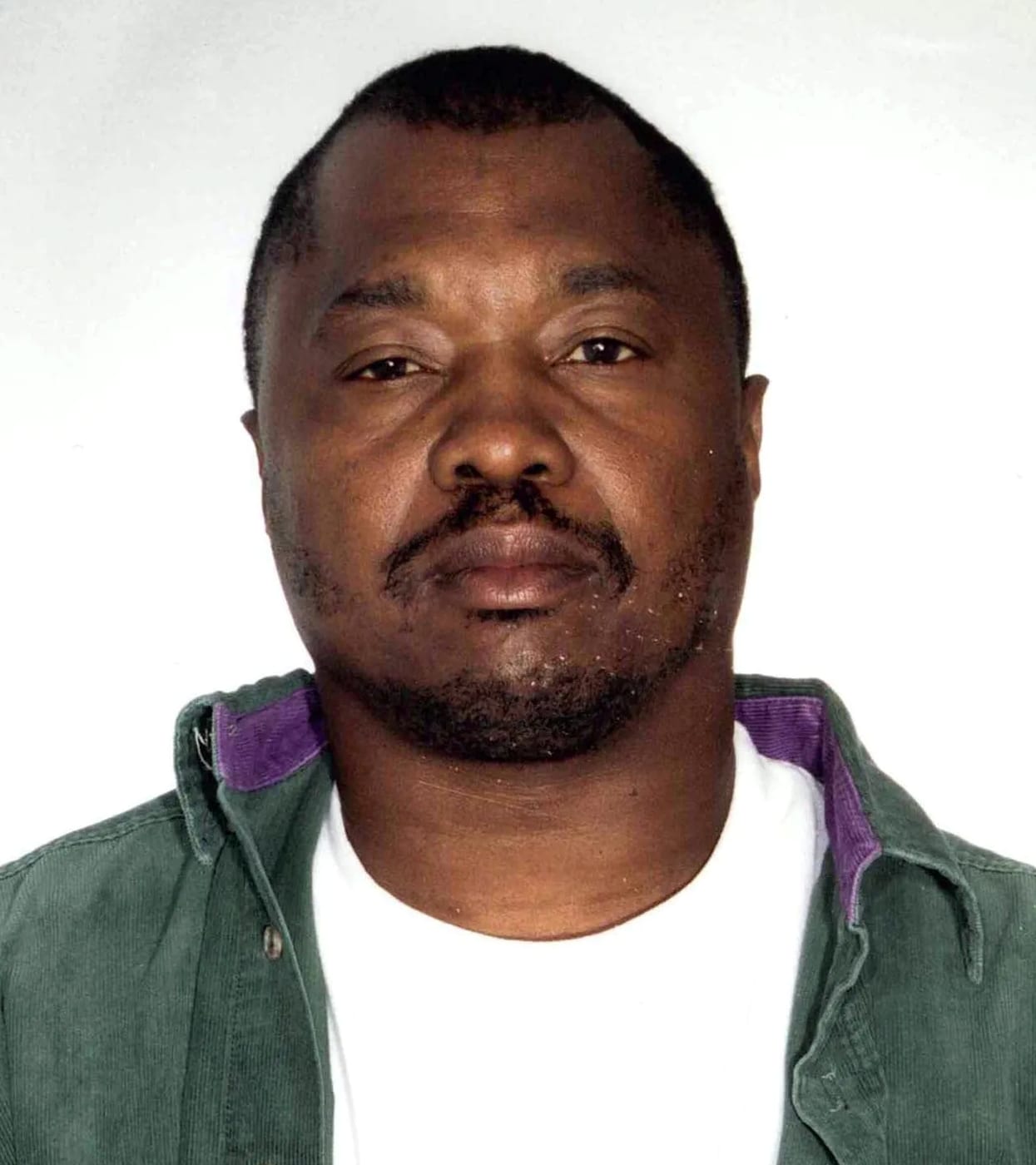
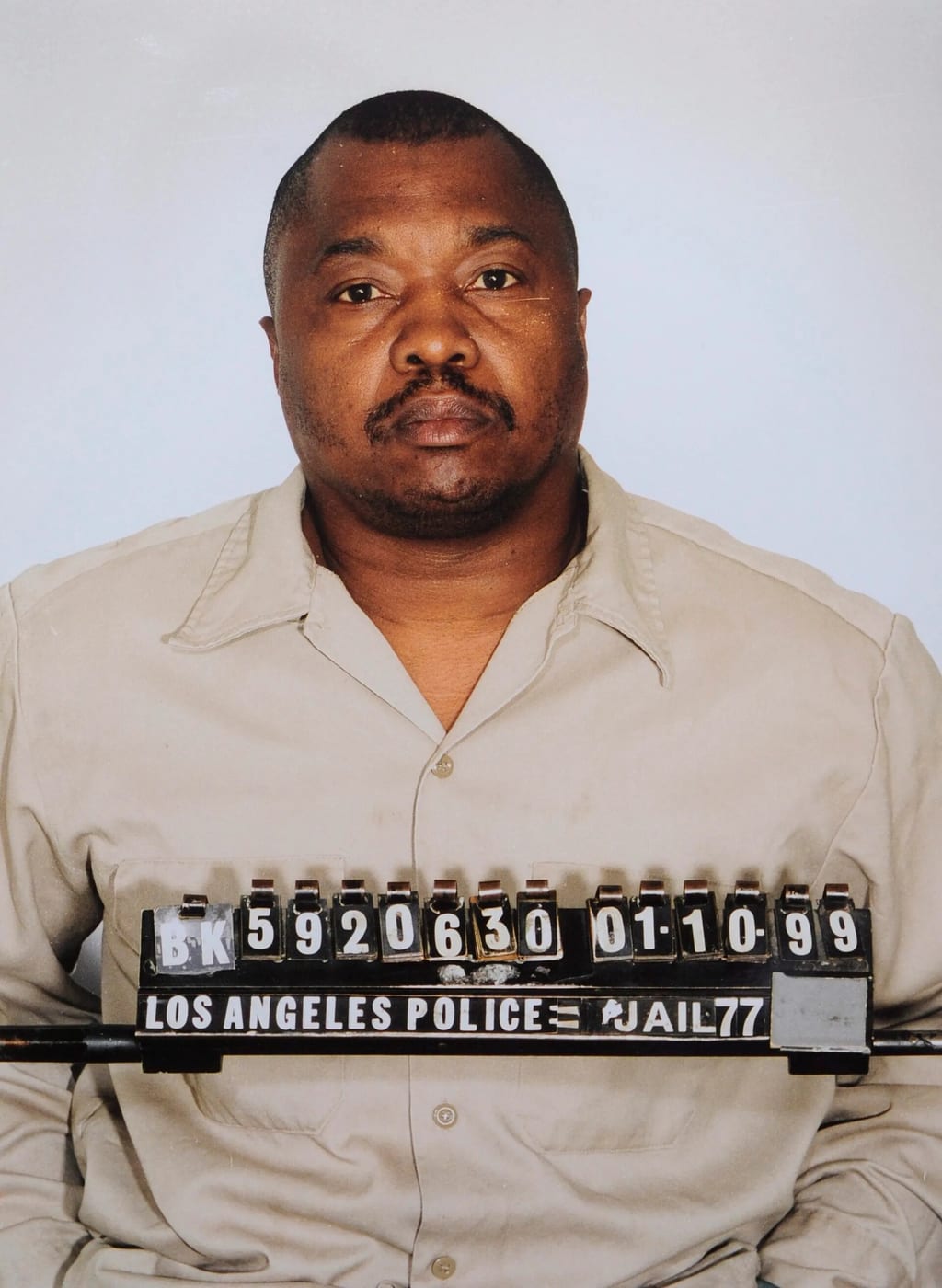
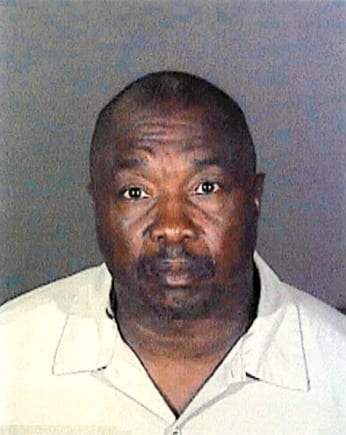
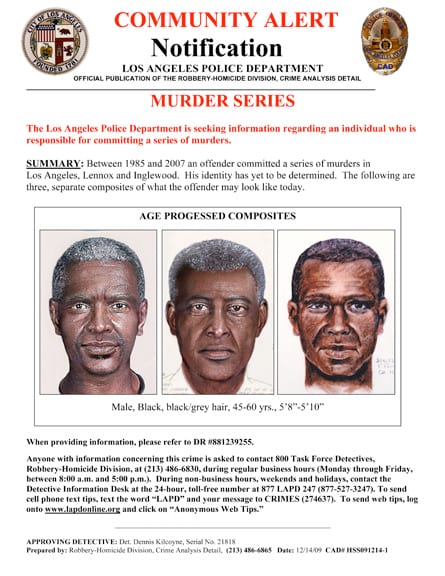
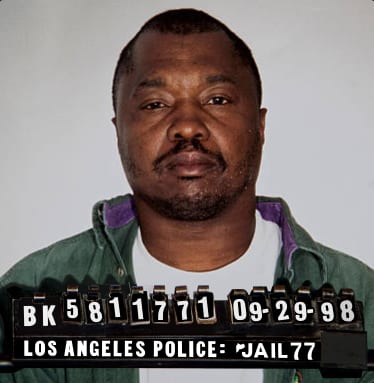
Real case gallery: Lonnie David Franklin Jr. mugshots and Grim Sleeper community alert. Sources: Wikimedia Commons public-record files.
Sources & Case Notes
Last updated: May 8, 2026.
Primary sources / case notes: Los Angeles law-enforcement and court outcome material, forensic familial-DNA reporting, and public Wikimedia case images of Lonnie David Franklin Jr. and community-alert materials.
Source links:
- LAPD Grim Sleeper guilty verdict release
- California DOJ familial-DNA release
- Los Angeles County DA sentencing release
- Wikimedia Commons Grim Sleeper images
Correction policy: Send corrections, source notes, or image-rights concerns through Contact & Media Inquiries.
Image credits: Feature and gallery use public mugshots/case images of Lonnie David Franklin Jr. and a community alert. Body images are non-graphic documentary recreations created for Anonymous369 Media.
Content warning: Discusses serial murder, sexual violence references, and forensic DNA work; non-graphic.
Editorial standards: Read how Anonymous369 Media researches, corrects, and credits factual cases on our Editorial Standards page.
Continue the Case File
These investigations reward careful reading. Step back if you missed the previous file, or keep going to follow the next case in the archive.
Previous file: The Blood Drop: How DNA Solved Penny Serra's New Haven Murder Next file: The Genetic Trap: How a Discarded Tissue Unmasked the Golden State Killer