
The Blood Drop: How DNA Solved Penny Serra's New Haven Murder
In 1973, a brutal murder in a concrete parking garage left behind a trail of blood and a mystery that haunted New Haven for decades. When science finally caught up to the evidence 26 years later, a single drop of preserved blood unmasked a killer who thought he had vanished into history.


The Concrete Labyrinth
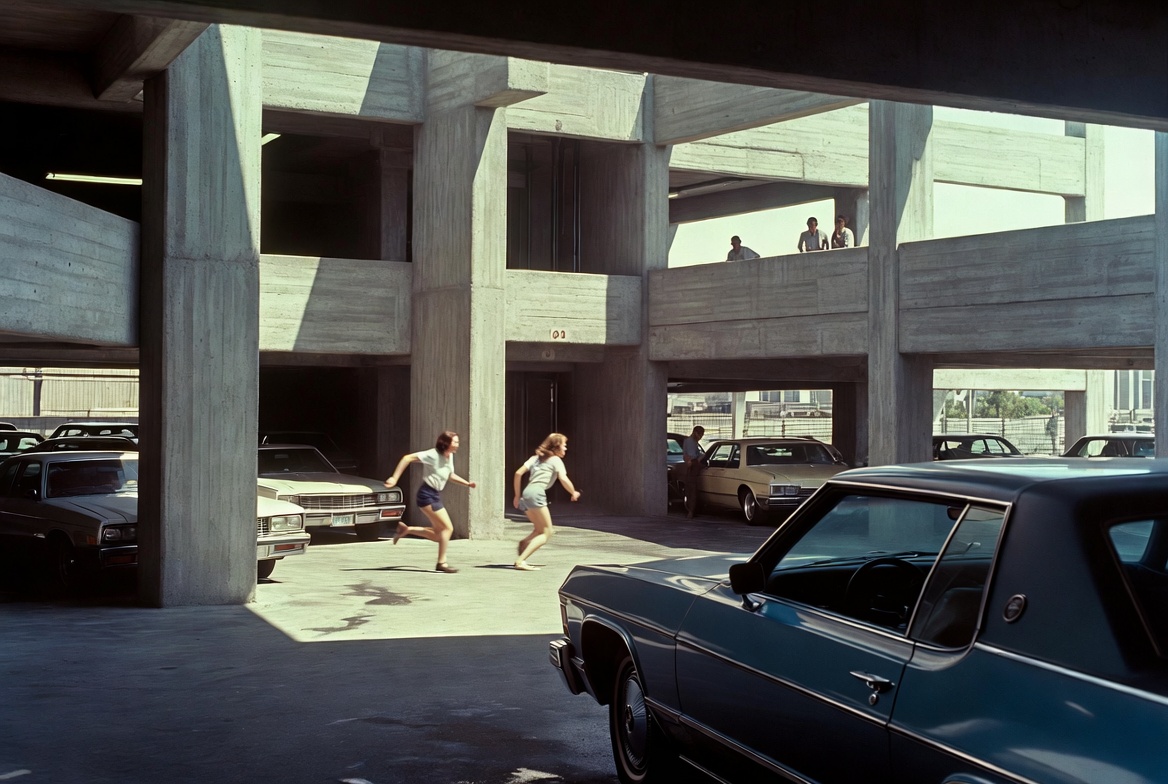
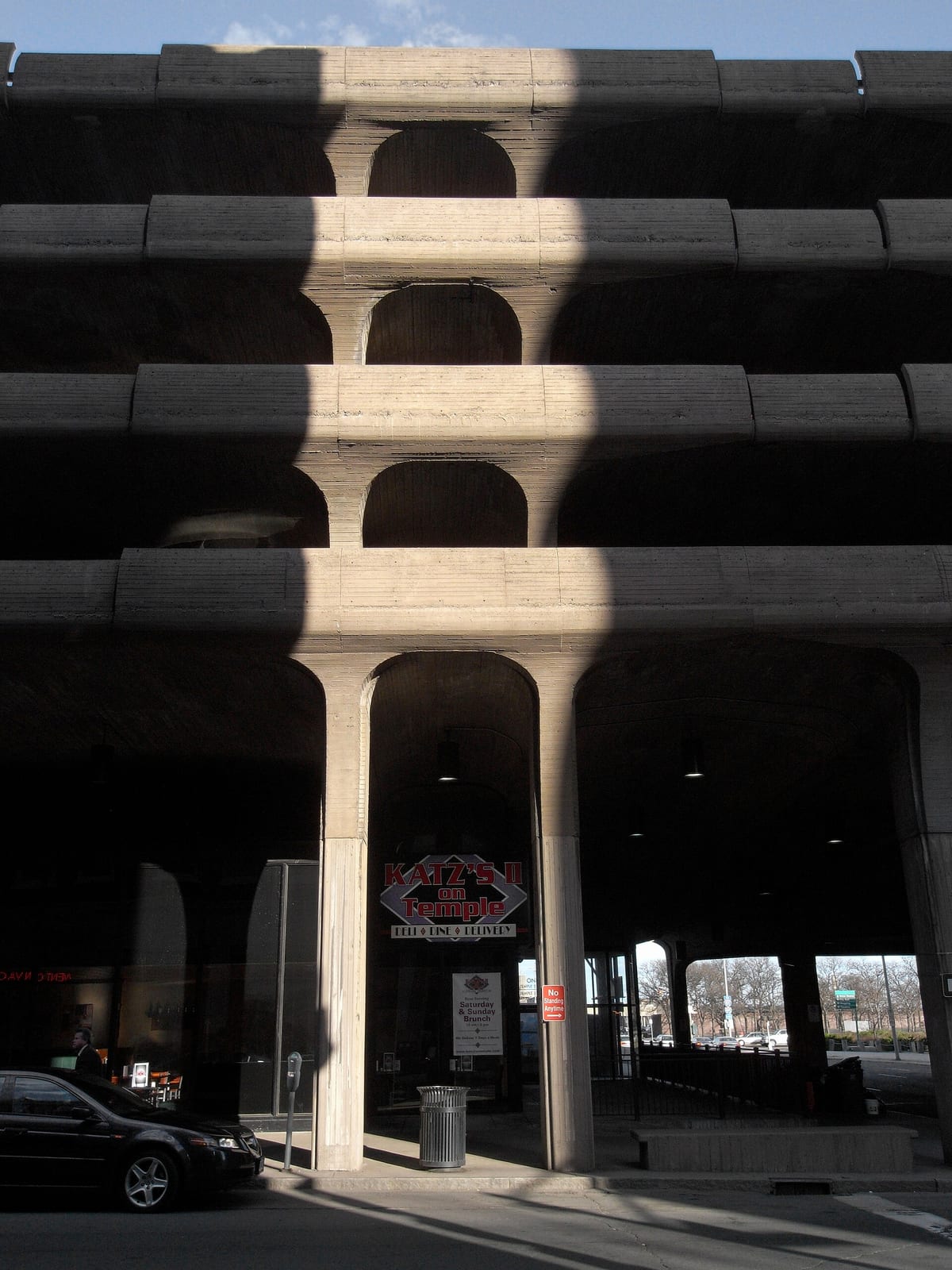
The heat of July in New Haven Connecticut carried the heavy scent of melting asphalt and automotive exhaust. It was the summer of nineteen seventy three. In the heart of the city stood the Temple Street parking garage. It was a brutalist monument of poured concrete and angular shadows. It was a place where footsteps echoed endlessly and sightlines were swallowed by thick gray pillars. On the afternoon of July sixteenth twenty one year old Concetta Serra drove her father's blue Buick Electra into this concrete labyrinth. She was a dental assistant running errands on a sunny afternoon. She had no way of knowing she was driving into a nightmare. At approximately one o'clock in the afternoon the mundane symphony of car engines and squealing tires was shattered by a single piercing scream. Three people taking a lunch break on the tenth level looked down into the shadowy depths of level nine. They witnessed a frantic pursuit. A man was chasing a young woman through the rows of parked cars. He lunged for her just as both figures vanished behind the heavy concrete barrier of an elevator shaft. Moments later the man reappeared alone. He sprinted back toward the blue Buick holding a shiny object about five inches long in his hand. He then vanished into the dark corners of the garage leaving behind a mystery that would take nearly three decades to unravel.
A Trail of Blood and Secrets
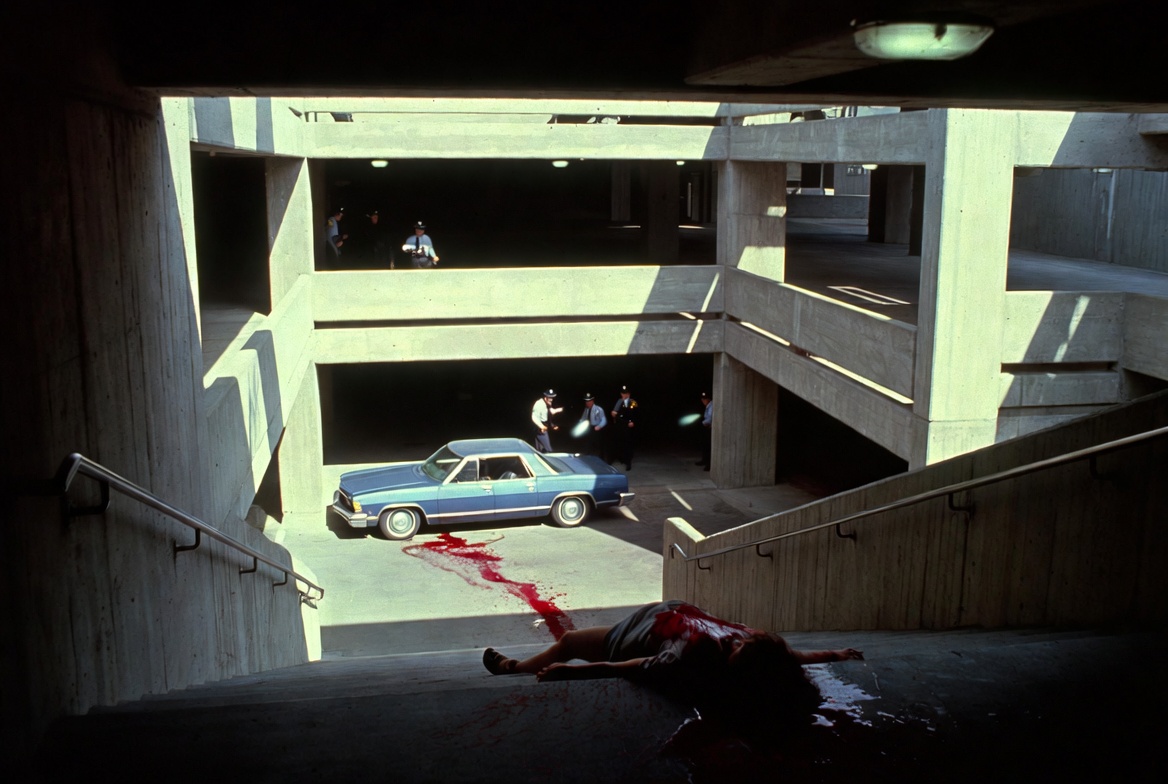
The police arrived to find a scene of horrific violence. William Wyant a parking authority employee had discovered Concetta Serra collapsed in a concrete stairwell. She had suffered a single devastating stab wound to the heart causing massive and fatal internal hemorrhage. The precision of the strike was terrifying. It was a fatal blow delivered with extreme force leaving behind almost no opportunity for survival. But the killer had not escaped without paying a physical price. The crime scene was awash in the perpetrator's own mistakes. A trail of fresh blood droplets led away from the abandoned blue Buick Electra down to the fifth level of the garage and back up to the seventh. The sheer volume of the blood indicated that the killer had sustained a severe injury to the left side of his body during the desperate struggle. At the exit booth on the ground floor a parking attendant named Christopher Fagan unknowingly encountered the murderer. At one minute past one o'clock a man driving a green or blue vehicle pulled up to the booth. He handed Fagan a parking ticket smeared with fresh blood. The attendant noticed the man appeared deeply agitated and seemed to have a severe injury to his left hand. When Fagan asked if he needed help the man replied with a curt refusal speaking in a strange forced foreign accent before speeding away into the city traffic.
The Silent Witnesses
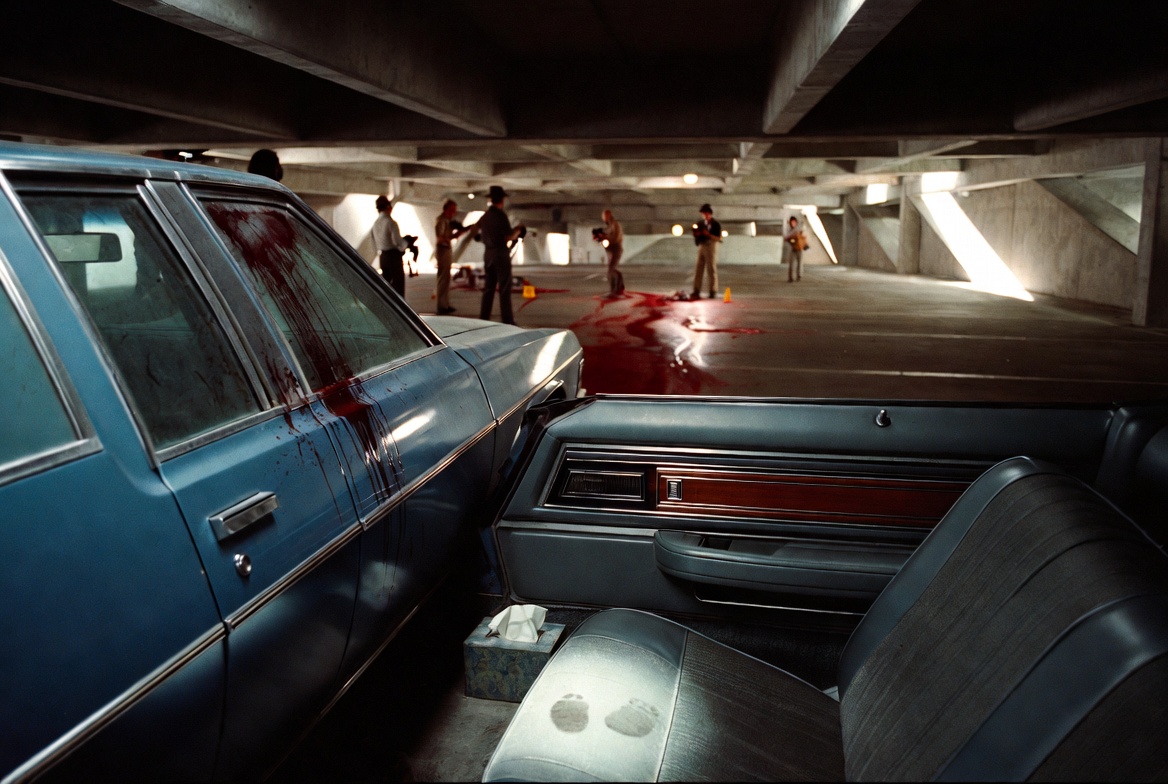
The crime scene investigators worked meticulously to document every piece of physical evidence left behind in the dark garage. In the era before DNA profiling evidence collection relied heavily on traditional serology and the Locard Exchange Principle which states that every physical contact leaves a microscopic trace. The investigators processed the blue Buick Electra finding thick smears of blood on the exterior door window and interior seats. In the footwell behind the driver's seat they discovered a tissue box bearing a single latent thumbprint. Henry Lee who would later become a legendary criminalist determined that the killer's blood had been deposited directly over this fingerprint proving the print was left at the exact time of the murder. Following the blood trail to the seventh level detectives found a crumpled white men's handkerchief drenched in the killer's blood alongside the keys to the Buick. Microscopic analysis of this handkerchief revealed tiny chips of aftermarket automotive paint hidden within the fabric. Serologists determined that the blood left by the killer was Type O while Concetta Serra possessed Type A blood. Type O blood is found in roughly forty five percent of the population. In nineteen seventy three this meant the blood could only exclude suspects rather than uniquely identify the killer. The evidence was pristine but the scientific tools of the era were simply not advanced enough to decode the secrets hidden within the blood.
The False Accusation
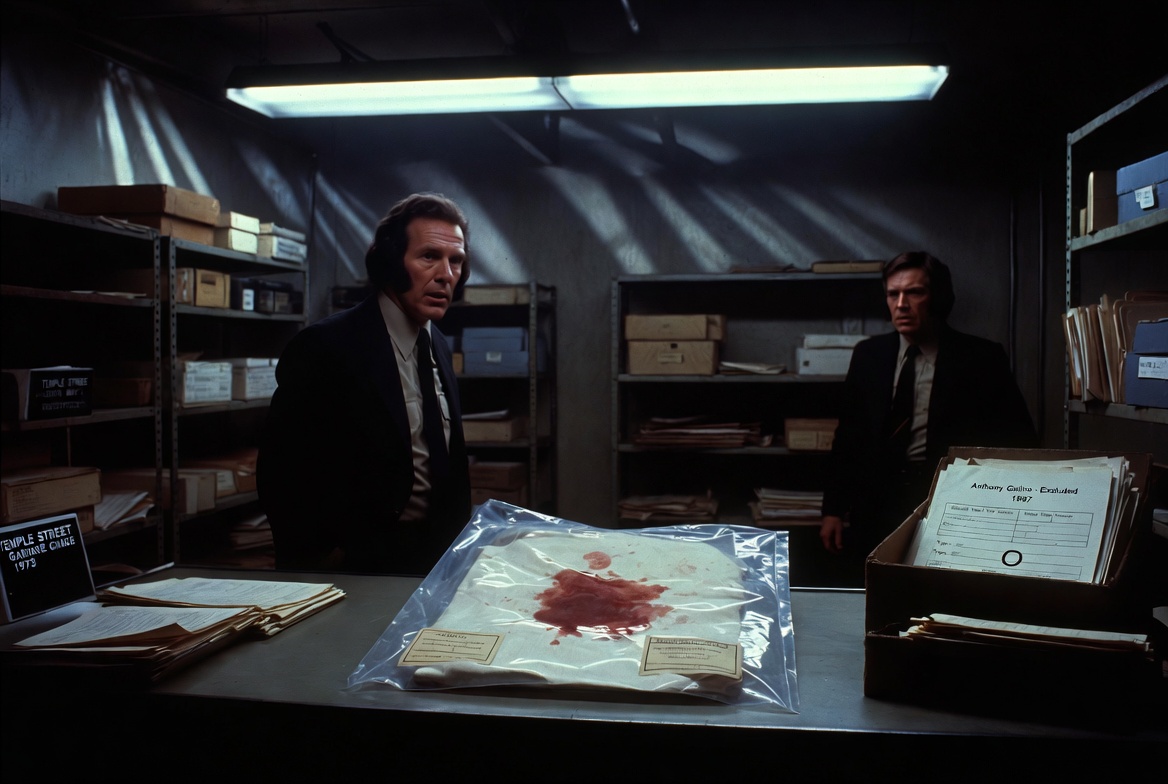
As the years dragged on the investigation encountered the dangerous pitfalls of circumstantial evidence and tunnel vision. In nineteen eighty four a man named Anthony Golino was arrested for the murder based on flawed witness statements and circumstantial connections. The city breathed a collective sigh of relief believing the monster of the Temple Street garage had finally been caught. Golino spent three years living under the heavy shadow of a murder charge as the case ground its way toward trial. However the rigid truths of forensic science eventually broke the prosecution's narrative. On the eve of his trial in nineteen eighty seven a judge ordered a definitive blood test for Golino. The results were immediate and catastrophic for the state's theory. Golino did not possess Type O blood. He was entirely excluded as the source of the blood trail left at the crime scene. The charges were dismissed and the case was thrown back into the dark archives of unsolved homicides. The Golino disaster forced the New Haven police to abandon their reliance on unreliable eyewitness testimony and pivot completely toward the objective undeniable truths of molecular biology. But they would have to wait for the technology to evolve. The blood stained handkerchief sat in a secure evidence vault a genetic ghost waiting patiently in the dark.
The Patience of Science
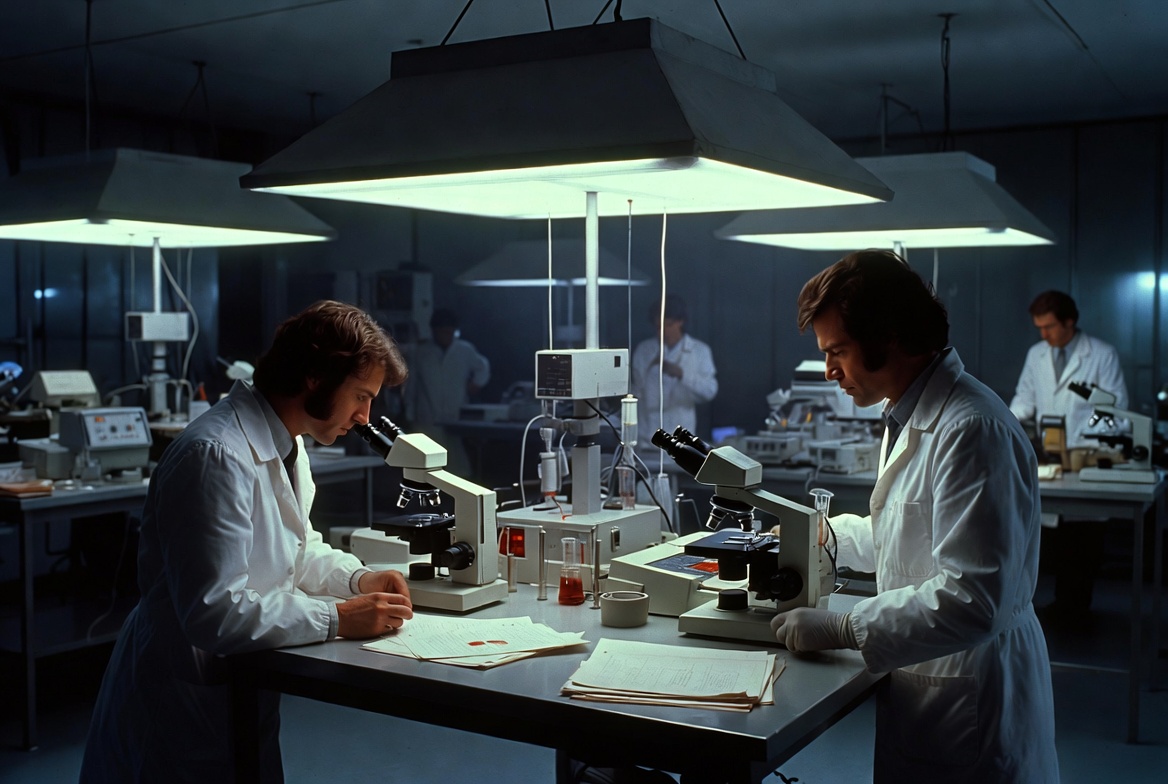
The late nineteen eighties brought the first whispers of a forensic revolution. The introduction of the Polymerase Chain Reaction method allowed scientists to take highly degraded microscopic fragments of biological material and amplify them creating millions of exact copies. This process often called molecular xeroxing meant that old weathered stains could finally be tested. In nineteen eighty eight investigators applied an early form of DNA testing known as DQ Alpha to the blood found inside the Buick. The results showed the killer possessed a DQ Alpha type of one point two three. When combined with the Type O blood group this narrowed the suspect pool down to just five percent of the population. It was a massive leap forward but it still lacked the absolute certainty required to secure a murder conviction in a court of law. The investigation remained a waiting game. During this time the state pursued another suspect named Selman Topciu whose demographic profile and blood type made him a compelling target. Warrants were drafted and blood was drawn but judges repeatedly found a lack of probable cause to arrest him. The investigators were circling the truth but they were trapped in a scientific purgatory. They possessed the killer's genetic code but they lacked the specific key to unlock it. The patience of science was being tested to its absolute limits.
The Digital Awakening
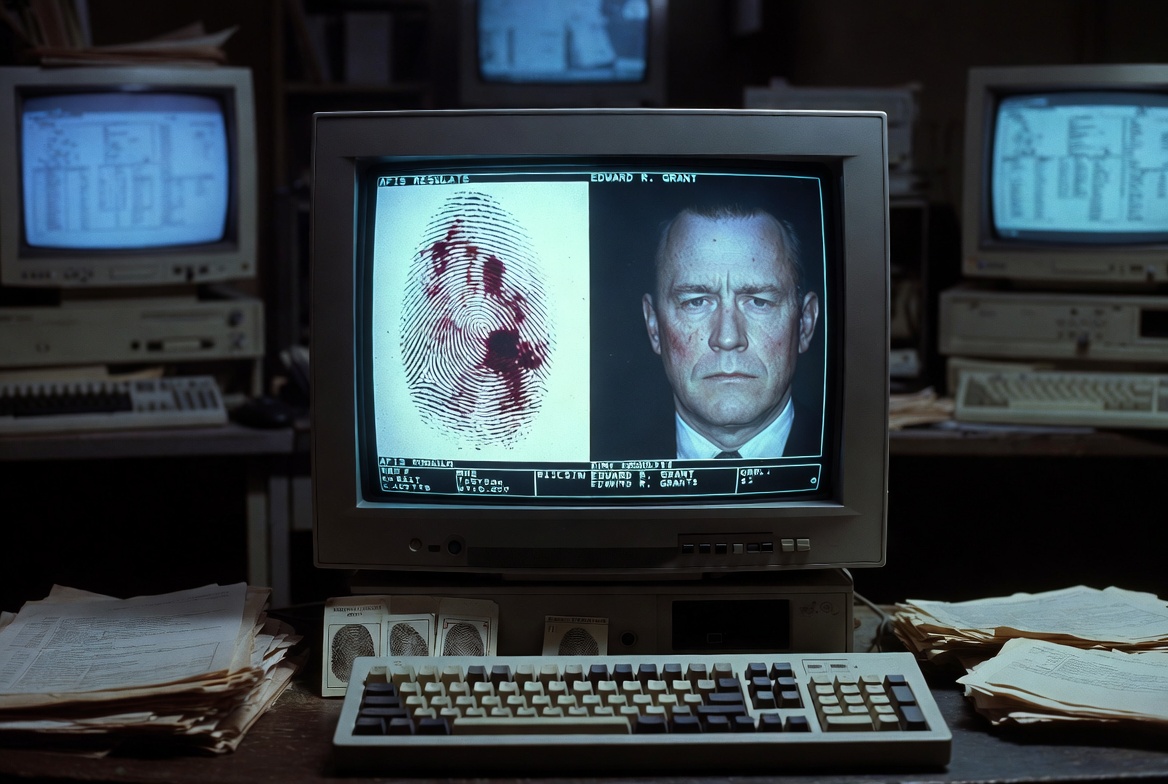
The first true crack in the foundation of the cold case came not from blood but from the digitized ridges of human friction skin. By nineteen ninety seven the Automated Fingerprint Identification System had become a powerhouse tool for law enforcement. Christopher Grice a dedicated criminalist who had worked the Serra case since nineteen eighty three decided to run the bloody tissue box thumbprint through the new computerized database. For fourteen years Grice had manually compared that print against tens of thousands of physical cards without a single hit. The new system scanned millions of records in a fraction of the time. The computer generated a list of high probability candidates. Grice pulled up the files and visually compared the digital images against the physical evidence. The ridges bifurcations and whorls aligned perfectly. The fingerprint belonged to a man named Edward R Grant. Grant was a local man who had worked as a vehicle painter in his family's autobody repair shop in nineteen seventy three. This occupation perfectly explained the microscopic chips of aftermarket automotive paint found embedded in the bloody handkerchief. When confronted by investigators Grant claimed he had suffered a head injury in the military that caused severe memory blackouts. He confirmed he had Type O blood but insisted he had never met the victim. The fingerprint placed him in the car but the prosecutors needed more.
The Genetic Ghost Materializes
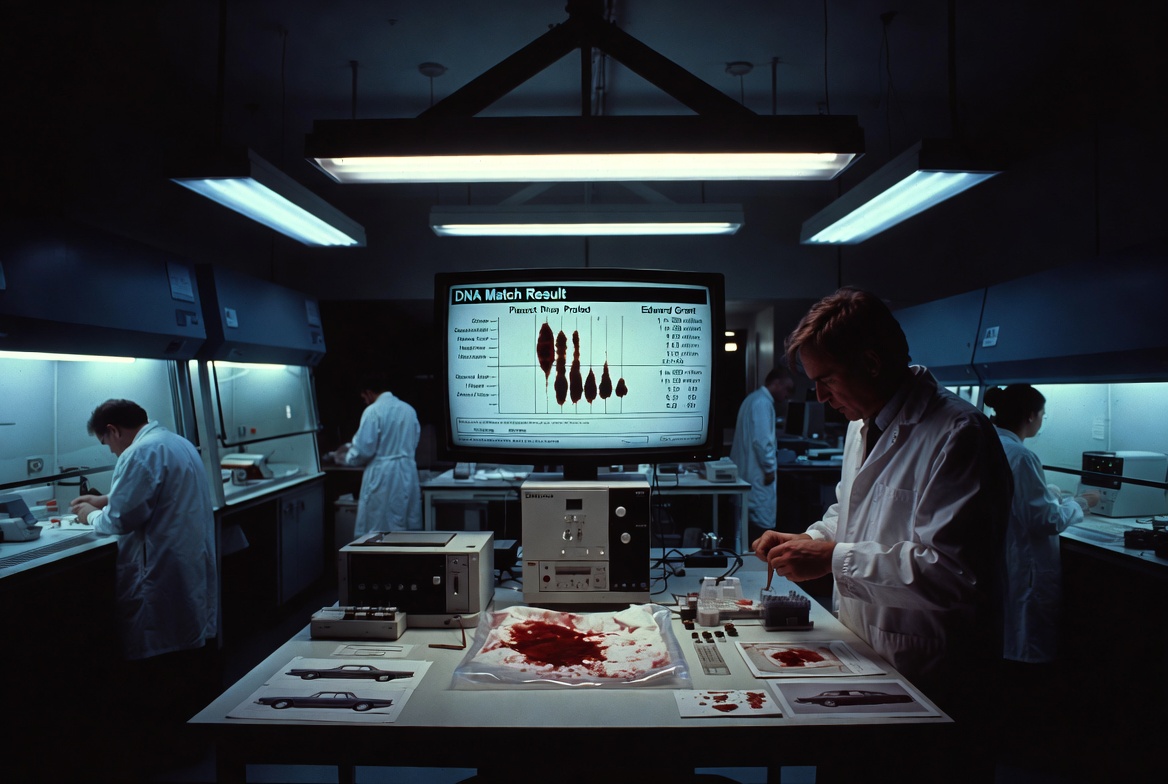
In nineteen ninety nine the forensic community achieved the gold standard of identification known as Short Tandem Repeat profiling. This technique examines specific regions of the human genome where short sequences of base pairs repeat continuously. By analyzing multiple loci simultaneously scientists can generate a biological barcode that is entirely unique to one individual on earth. The state laboratory carefully took five cuttings from the bloody handkerchief that had been preserved in evidence since nineteen seventy three. Using the new amplification techniques they extracted the degraded DNA and ran the profiles. The results were staggering. The genetic ghost finally had a face. The DNA profile from the blood on the handkerchief was a perfect absolute match to Edward Grant. The forensic statisticians calculated the expected frequency of this specific genetic profile occurring randomly in the population. The odds were between one in three hundred million and one in six point nine trillion. It was an astronomical certainty. The blood left on the concrete the paint chips trapped in the fabric and the thumbprint pressed into the tissue box all converged on a single man. The silent witness that had been locked in a dark room for twenty six years had finally spoken up and named the killer.
Justice Delayed but Not Denied
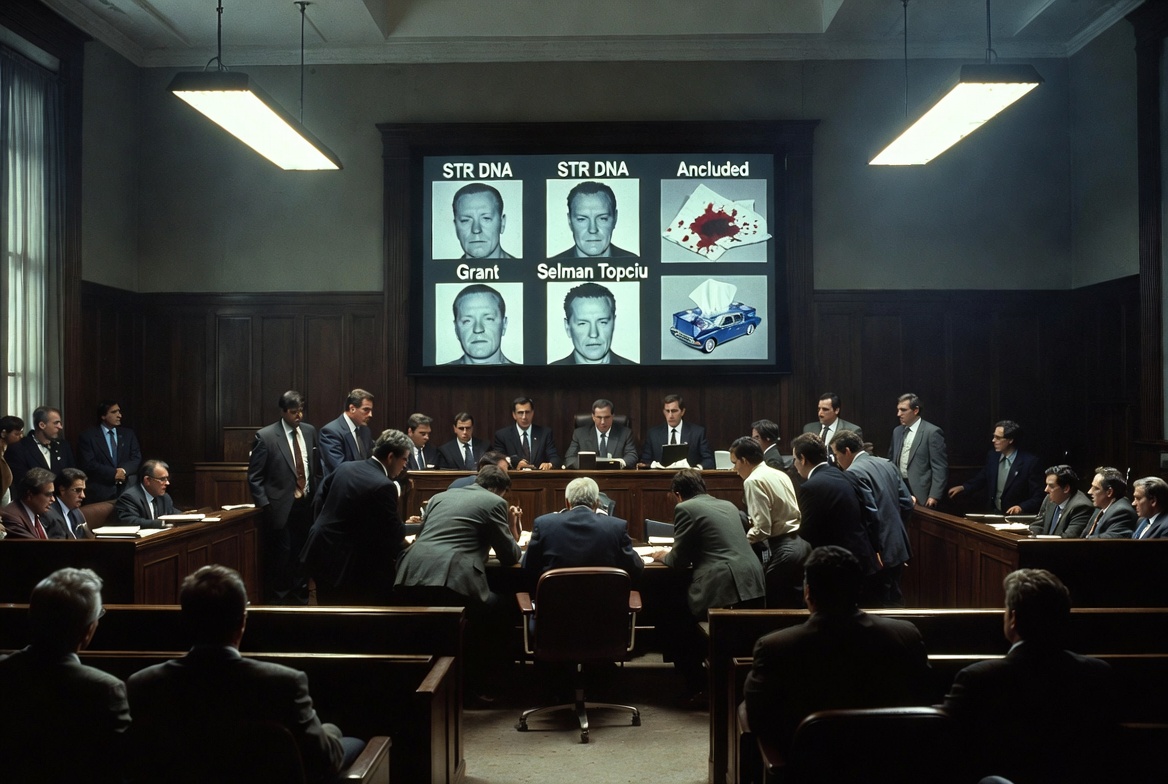
The trial of Edward Grant in two thousand and two was a masterclass in the overwhelming power of physical evidence. The defense team fought desperately to suppress the DNA results arguing that the twenty six year gap created an unreliable chain of custody and severe sample degradation. The judge firmly denied these motions establishing that the meticulous preservation of the evidence by the original investigators had kept the biological material perfectly viable. The defense then attempted to cast blame back onto Selman Topciu the previous suspect with Type O blood. But the new DNA technology systematically dismantled this theory. The advanced profiling definitively excluded Topciu as the source of the blood. There was nowhere left for Edward Grant to hide. He was stripped of his alibis and cornered by his own biology. The jury found Grant guilty of murder and he was sentenced to twenty five years to life in prison. The resolution of the Concetta Serra homicide remains one of the most profound victories in the history of cold case investigations. It proved that no matter how much time passes the truth remains encoded in the very fabric of the crime scene. How many other genetic ghosts are waiting in evidence boxes right now biding their time in the dark just waiting for science to catch up?

Archival Case Gallery

Sources & Case Notes
Last updated: May 8, 2026.
Primary sources / case notes: New Haven case history, Connecticut court/reporting materials, DNA evidence reporting, and legally reusable Temple Street Parking Garage location imagery.
Source links:
- Connecticut Conviction Integrity Unit Valentine report
- U.S. Senate hearing on forensic DNA and cold cases
Correction policy: Send corrections, source notes, or image-rights concerns through Contact & Media Inquiries.
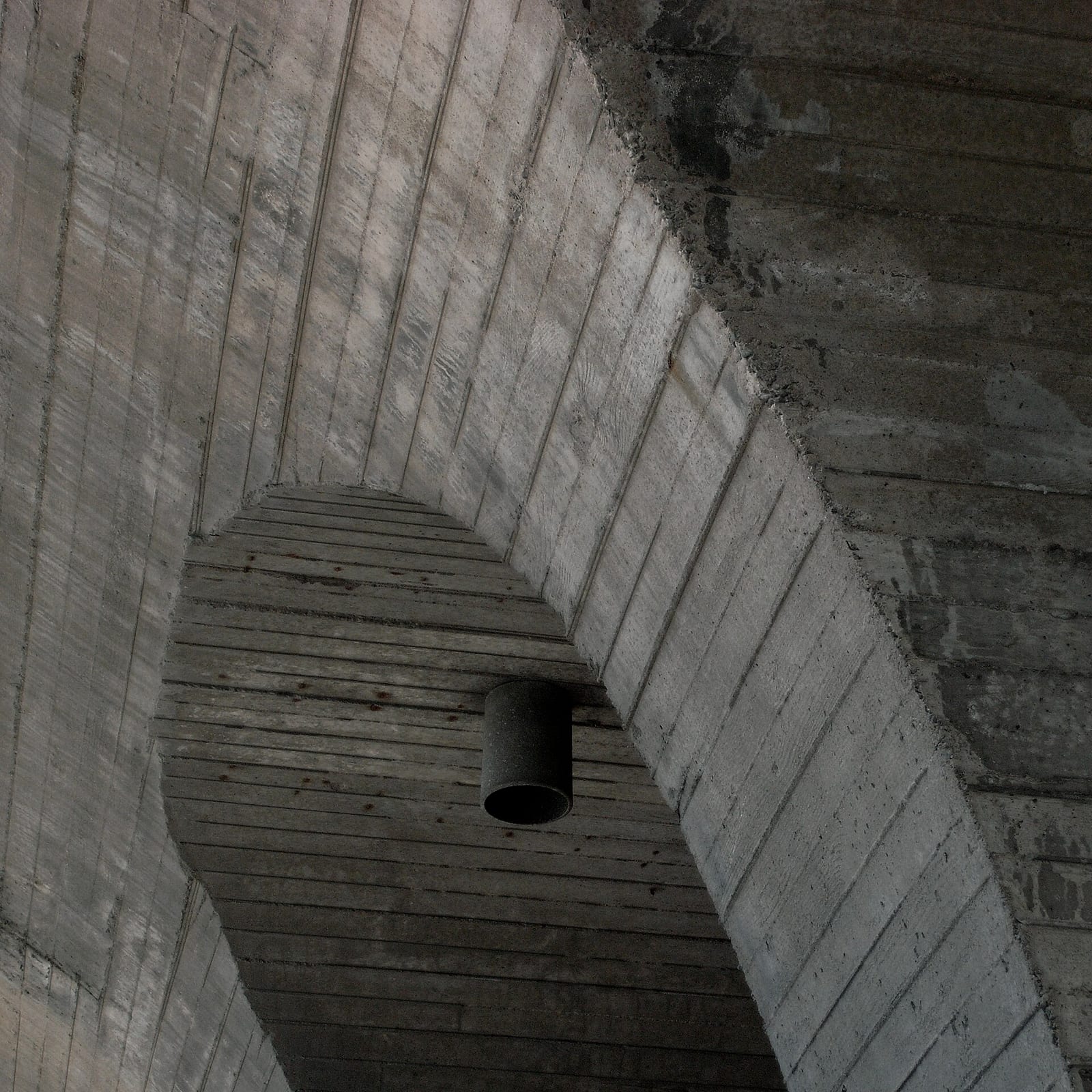
Image credits: Feature/gallery imagery uses legally reusable Temple Street Parking Garage location material. Body images are non-graphic forensic documentary recreations created for Anonymous369 Media.
Content warning: Discusses homicide, blood evidence, and post-conviction legal review; non-graphic.
Editorial standards: Read how Anonymous369 Media researches, corrects, and credits factual cases on our Editorial Standards page.
Continue the Case File
These investigations reward careful reading. Step back if you missed the previous file, or keep going to follow the next case in the archive.
Previous file: The Bear Brook Barrels: How DNA Unmasked the Chameleon Killer Next file: The Pizza Crust Trap: How Familial DNA Caught the Grim Sleeper