
The Bear Brook Barrels: How DNA Unmasked the Chameleon Killer
Four nameless bodies concealed in two rusted steel drums haunted a small town for decades. Discover how cutting-edge genetic genealogy, a discarded child, and a relentless search for the truth finally unmasked a chameleon serial killer hiding in plain sight.


The Rusted Tomb in the Woods
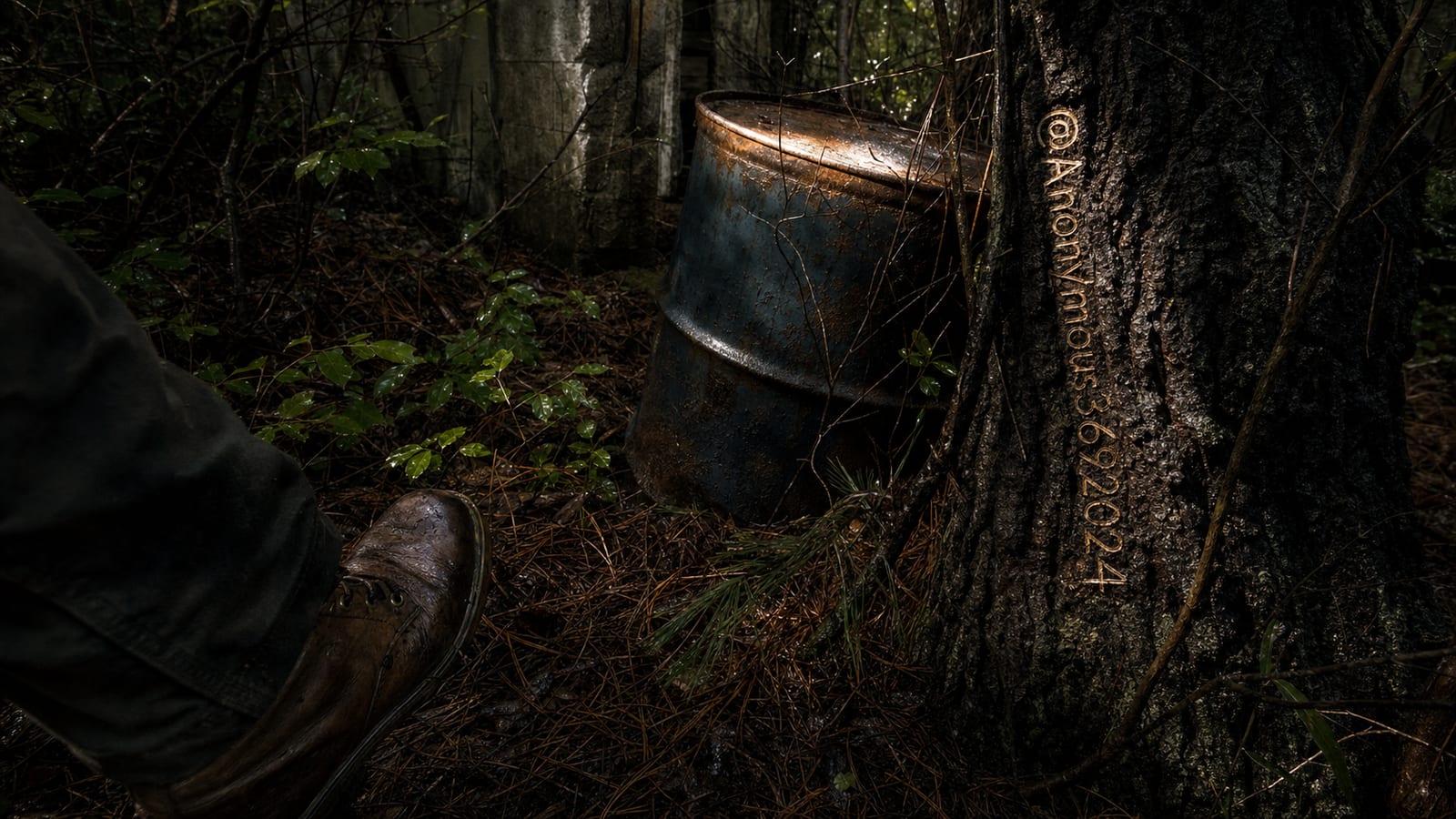
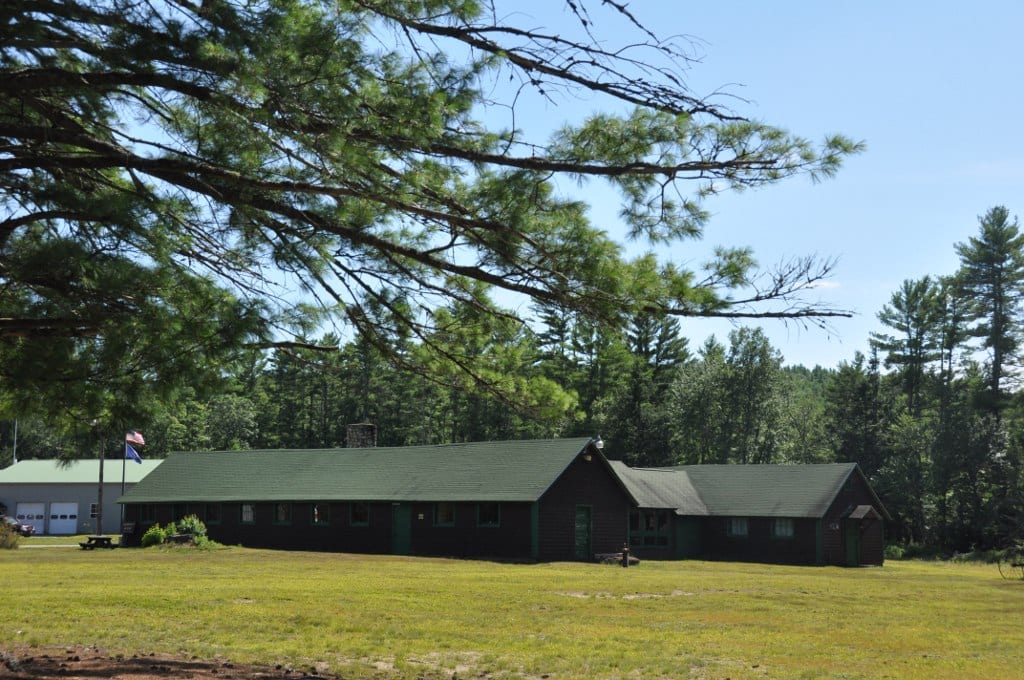
The dense, tangled woods of Bear Brook State Park in Allenstown, New Hampshire, hide their secrets well. It is a sprawling fifteen square miles of tall red pines, swampy lowlands, and silent isolation. On the afternoon of November 10, 1985, a hunter moving through the brush near the edge of a trailer park stumbled upon a heavy, blue industrial 55 gallon steel drum. The barrel had been tipped onto its side, resting in the damp leaves next to the overgrown foundation of a burned down camp store. The lid was partially dislodged, and a thick plastic bag protruded from the gap. When authorities arrived and peeled back the plastic, they were met with a sight that would haunt the community for decades. Inside the rusted metal container were the heavily skeletonized remains of an adult woman and a young girl.
The crime scene yielded horrifying details. Both victims had been brutally beaten with a blunt instrument, dismembered to fit inside the industrial container, and wrapped in plastic secured tightly with heavy electrical wire. Forensic analysis estimated the woman was between twenty three and thirty three years old, while the child was between eight and ten. Based on the advanced state of decomposition, investigators concluded the bodies had been resting in the quiet woods for anywhere from several months to a few years. Despite extensive searches, nationwide bulletins, and dental record comparisons, the identities of the woman and the child remained a total mystery. No matching missing persons reports existed. In 1987, the two nameless victims were buried in a local cemetery under a headstone dedicated to the mortal remains known only to God. The trail went entirely cold, leaving the town of Allenstown to wonder what kind of monster had visited their quiet woods.
A Second Horrifying Discovery
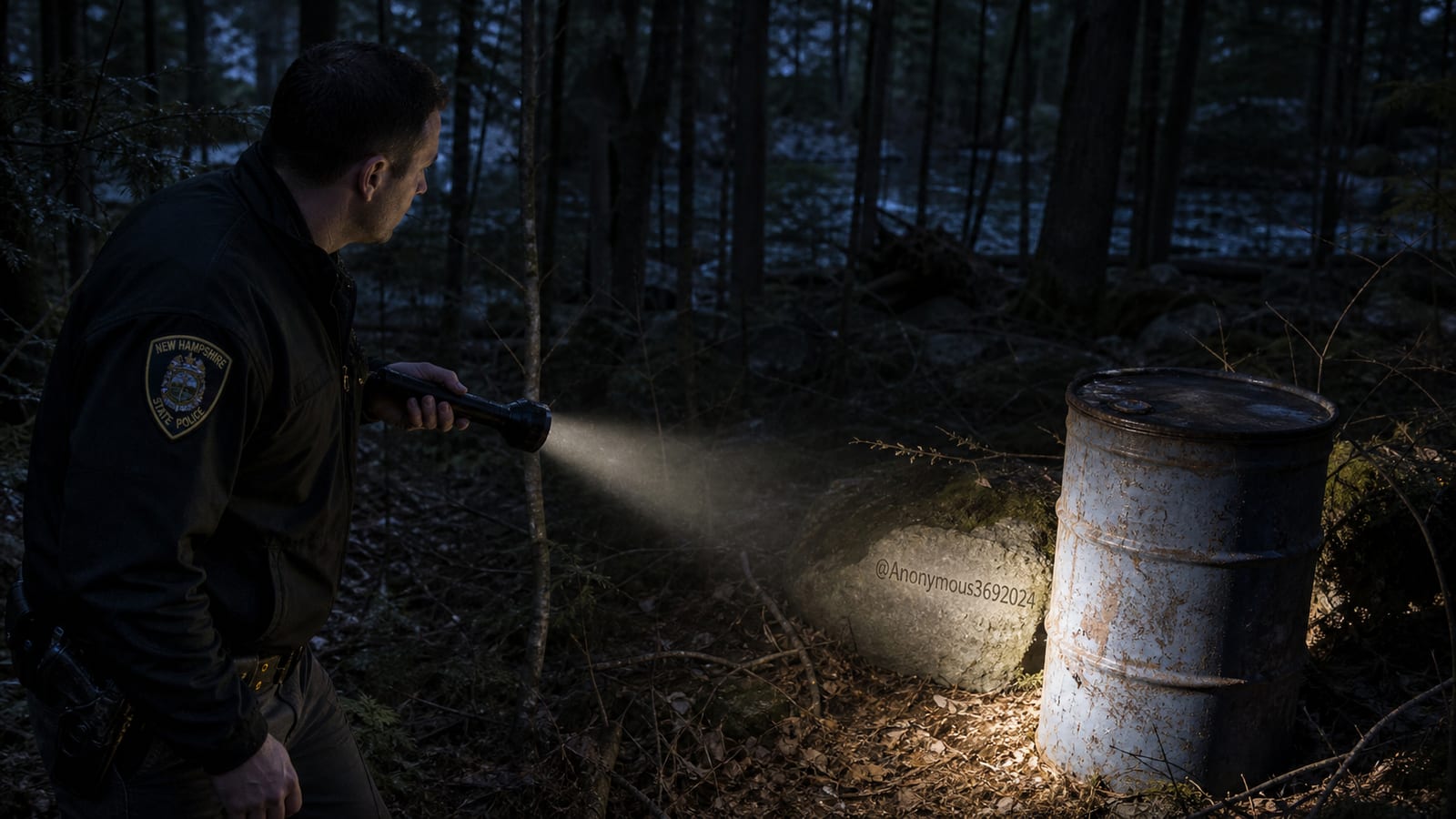
For fifteen years, the mystery of the Bear Brook murders sat stagnant in police files. The overgrown lot where the barrel was found slowly reclaimed its territory. Then, in the spring of 2000, a state police trooper named John Cody decided to revisit the scene. He had recently been assigned the cold case and wanted to physically walk the ground to better understand the environment. Cody hiked into the thick brush, moving out in concentric circles from the site of the original discovery. As the afternoon sun dipped below the tree line and shadows lengthened across the forest floor, his flashlight beam caught the dull glint of rusted metal resting near a small boulder.
It was another 55 gallon steel drum. It had been sitting there the entire time, completely overlooked by the original search teams, resting a mere three hundred feet from where the first barrel was found. When Cody peeled back the degraded plastic inside, he made a discovery that elevated the case from a local tragedy to a national horror. The second barrel contained the skeletal remains of two more young girls. One was estimated to be around three years old, the other barely two. Like the first victims, they had been beaten to death and bound with electrical wire. The realization was staggering. A killer had wiped out an entire family, stuffing a mother and three children into industrial tombs, and no one in the world had come looking for them.
The Inorganic Fingerprint
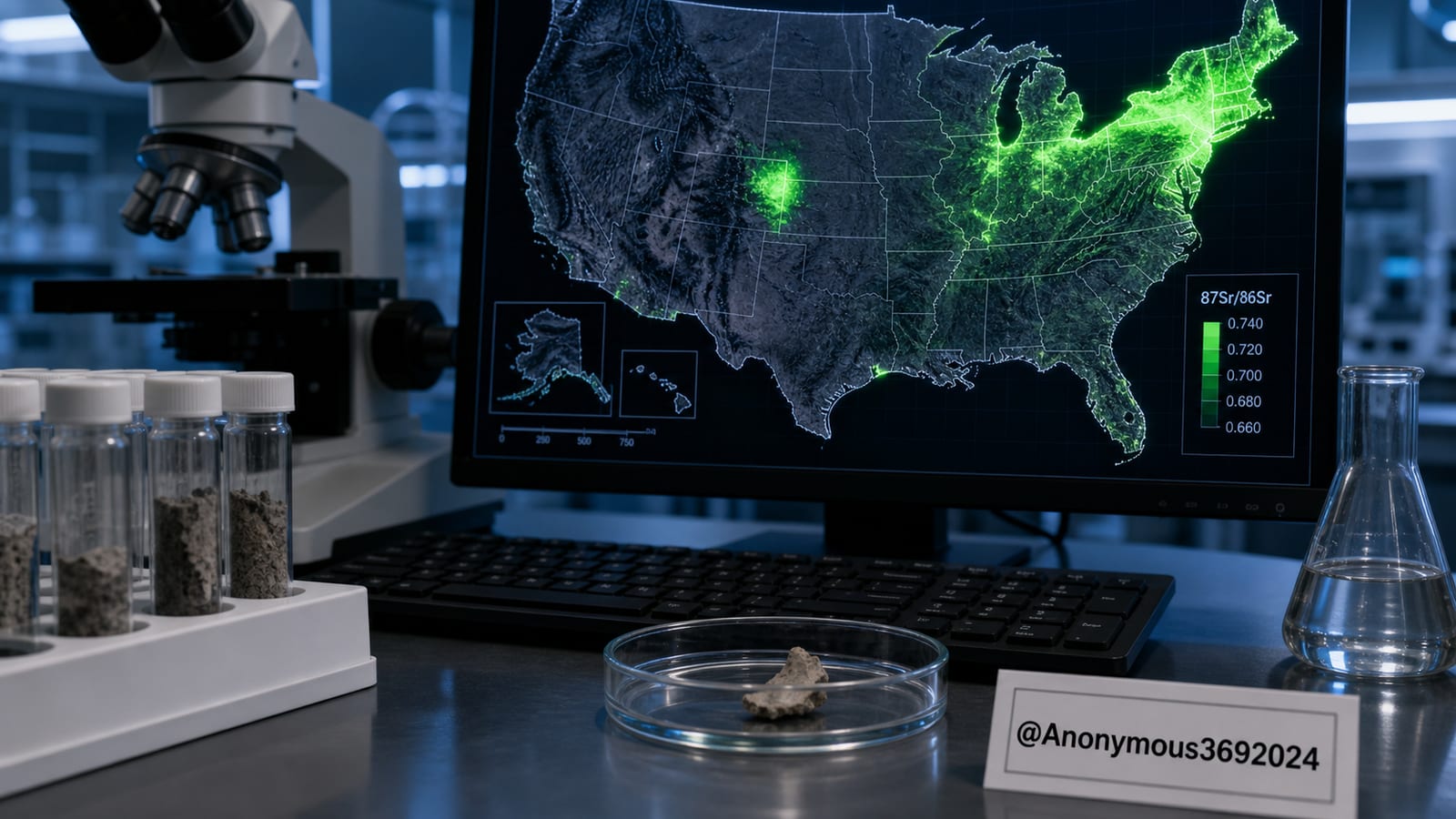
With four unidentified bodies and absolutely no leads, forensic scientists turned to a highly specialized technique usually reserved for geology and ancient archaeology. They employed isotope analysis to trace the geographic origins of the victims. Living things absorb environmental isotopes through the food they eat and the water they drink, leaving a permanent chemical signature locked inside their bones, teeth, and hair. Analysts measured oxygen, carbon, and strontium levels within the victims remains. Because leaded gasoline was widely used during the mid twentieth century, scientists also measured lead isotopes, confirming that the victims were from North America.
The results were revelatory. The oxygen isotope levels proved that the adult woman, the oldest child, and the youngest child had all lived together in the Northeastern United States. Furthermore, mitochondrial DNA testing confirmed these three victims were maternally related. But the three year old girl, the child dubbed the middle child, told a completely different biological story. Her isotope signature indicated she had spent her early years much further inland, likely in the upper Midwest or West Coast. Furthermore, her DNA showed absolutely no maternal relationship to the other three victims. Hair analysis revealed that all four individuals had been living together in New England for only the last few weeks or months of their lives. A picture began to form of a fractured, blended family that had been brought together just before being systematically annihilated.
The Trail of the Chameleon
While the Bear Brook investigation floundered without names, a completely separate mystery was unfolding on the opposite side of the country. In 2002, a chemist named Eunsoon Jun was found murdered and buried under a pile of cat litter in her California basement. The man she had unofficially married, who called himself Larry Vanner, was arrested for the crime. When detectives fingerprinted Vanner, the system returned an astonishing result. His prints matched a man who had served time years earlier under the name Curtis Mayo Kimball.
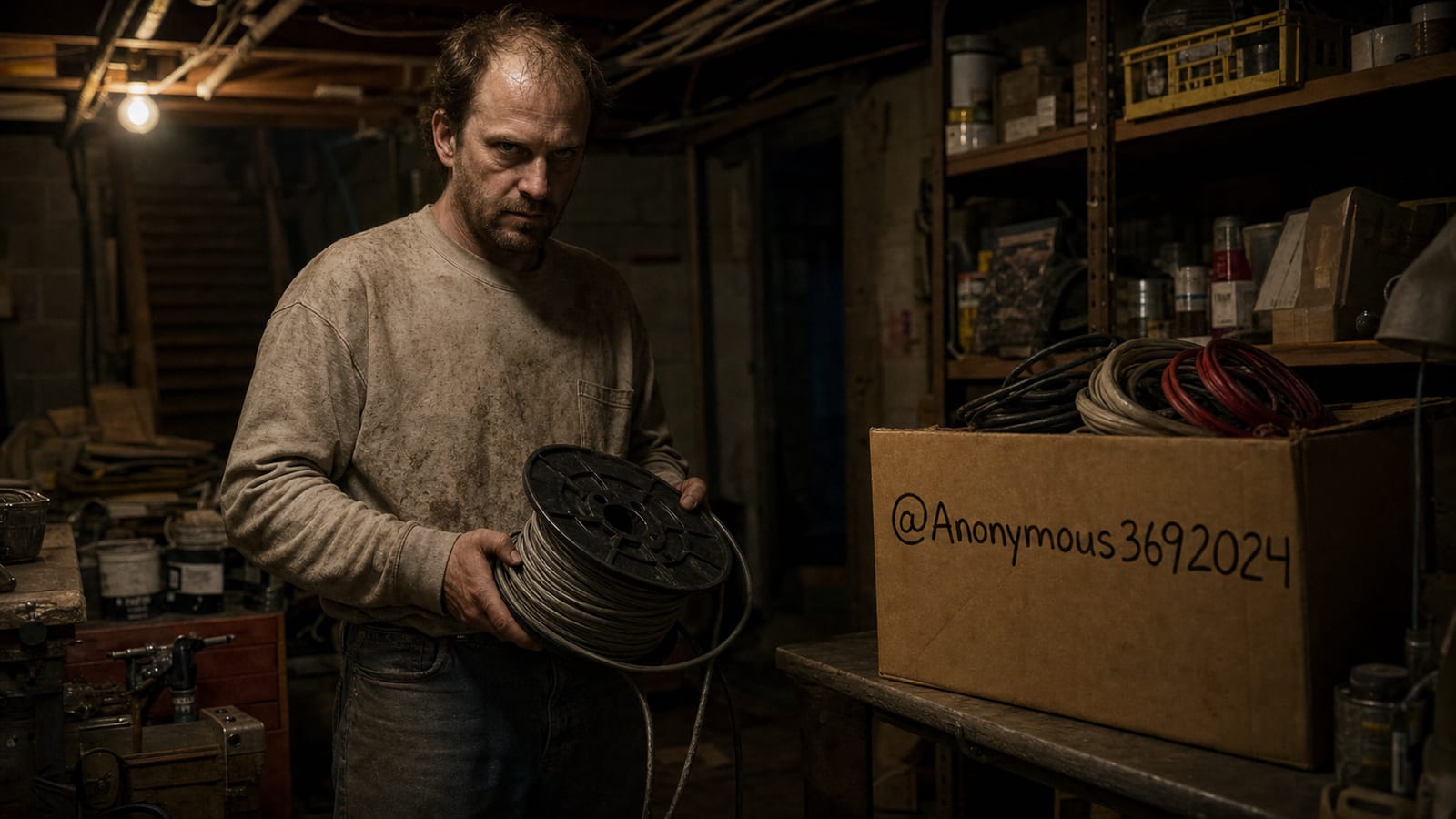
Digging into the criminal history of Curtis Kimball, investigators uncovered a chilling backstory. In 1986, Kimball had abandoned a five year old girl named Lisa at a California RV park and fled. When detectives finally ordered a paternity test, they discovered Kimball was not Lisa's biological father. He had kidnapped her. For over a decade, Lisa grew up not knowing her true identity. In 2016, desperate for answers, Lisa submitted her DNA to an ancestry website. The results linked her to a missing woman from Manchester, New Hampshire, named Denise Beaudin. Denise and her infant daughter had vanished shortly after Thanksgiving in 1981 while living with an electrician named Bob Evans. The pieces violently slammed together. Larry Vanner, Curtis Kimball, and Bob Evans were the exact same man. He was a chameleon who shed identities as easily as clothing, leaving a trail of missing women and abandoned children in his wake.

The Genetic Turning Point
The revelation that Bob Evans had lived in New Hampshire during the exact window of time the Bear Brook murders occurred shifted the entire investigation. Evans had worked as an electrician in a Manchester mill, providing a dark explanation for the specific industrial electrical wire used to bind the bodies. He had even done electrical work at the camp store on the very property where the barrels were dumped. To prove the connection, investigators tested the DNA of the serial killer against the unidentified Bear Brook victims. The results confirmed their worst fears. While the killer was not related to the mother and her two children, he was the absolute biological father of the unidentified middle child. The man who had slaughtered the family had discarded his own flesh and blood in the very same rusted tomb.
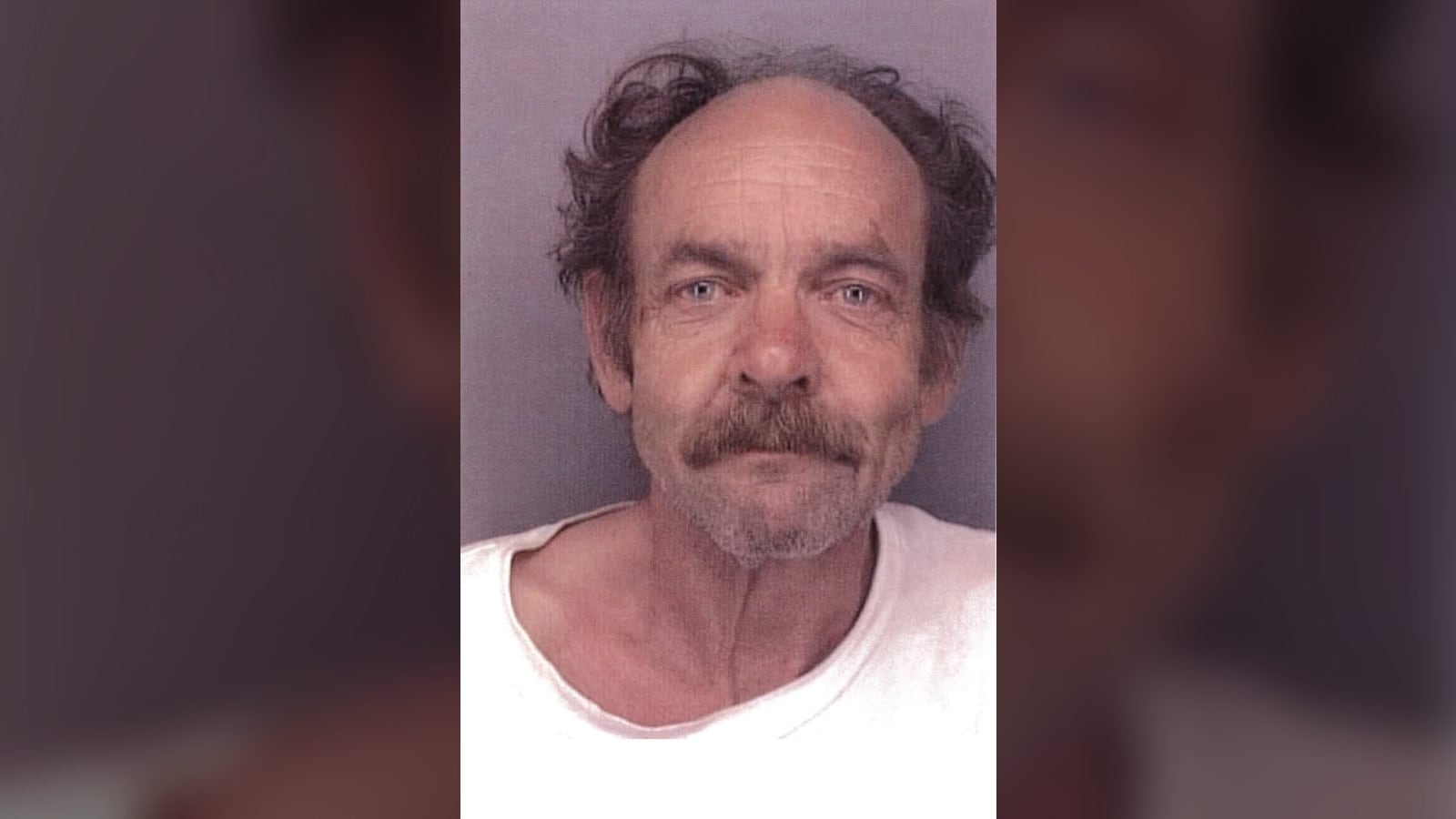
But who was the Chameleon Killer? Law enforcement turned to genetic genealogist Barbara Rae Venter. By uploading the killer's DNA profile to consumer genealogy databases, she painstakingly built out family trees based on distant cousin matches. In 2017, she achieved what traditional policing could not. She identified the killer as Terry Peder Rasmussen, a high school dropout and Navy veteran born in Colorado. This breakthrough was monumentally historic. It marked the very first time in criminal justice history that genetic genealogy was used to identify a suspect, directly paving the way for the capture of the Golden State Killer just months later. Terry Rasmussen had died in a California prison in 2010, taking his darkest secrets to the grave, but the science he unknowingly triggered was about to speak for his victims.

Restoring Stolen Names
Knowing the killer's identity was only half the battle. The four victims in the barrels were still nameless ghosts. Forensic scientists faced a massive hurdle because the remains had been exposed to freezing New Hampshire winters for decades, severely degrading the autosomal DNA required for genealogy databases. Through a groundbreaking scientific process, researchers managed to reconstruct fragments of DNA extracted from the victims rootless hair. Meanwhile, amateur websleuths scoured online message boards for any mention of a missing mother and two daughters.
In the summer of 2019, the separate paths of cutting edge science and obsessive internet research converged perfectly. Authorities officially announced the identities of three of the Bear Brook victims. The adult was twenty four year old Marlyse Elizabeth Honeychurch. The oldest child was seven year old Marie Elizabeth Vaughn. The youngest was eleven month old Sarah Lynn McWaters. Marlyse had last been seen by her family on Thanksgiving Day in 1978 in La Puente, California. After a trivial argument with her mother, Marlyse left the house with her two daughters and her new boyfriend, Terry Rasmussen. Her family assumed she had simply cut contact out of anger, a tragic misunderstanding that Rasmussen exploited to ensure no missing persons reports were ever filed. Marlyse, Marie, and Sarah were finally returned to their loved ones, but Rasmussen's biological daughter remained an agonizing question mark.
The Mystery of the Middle Child
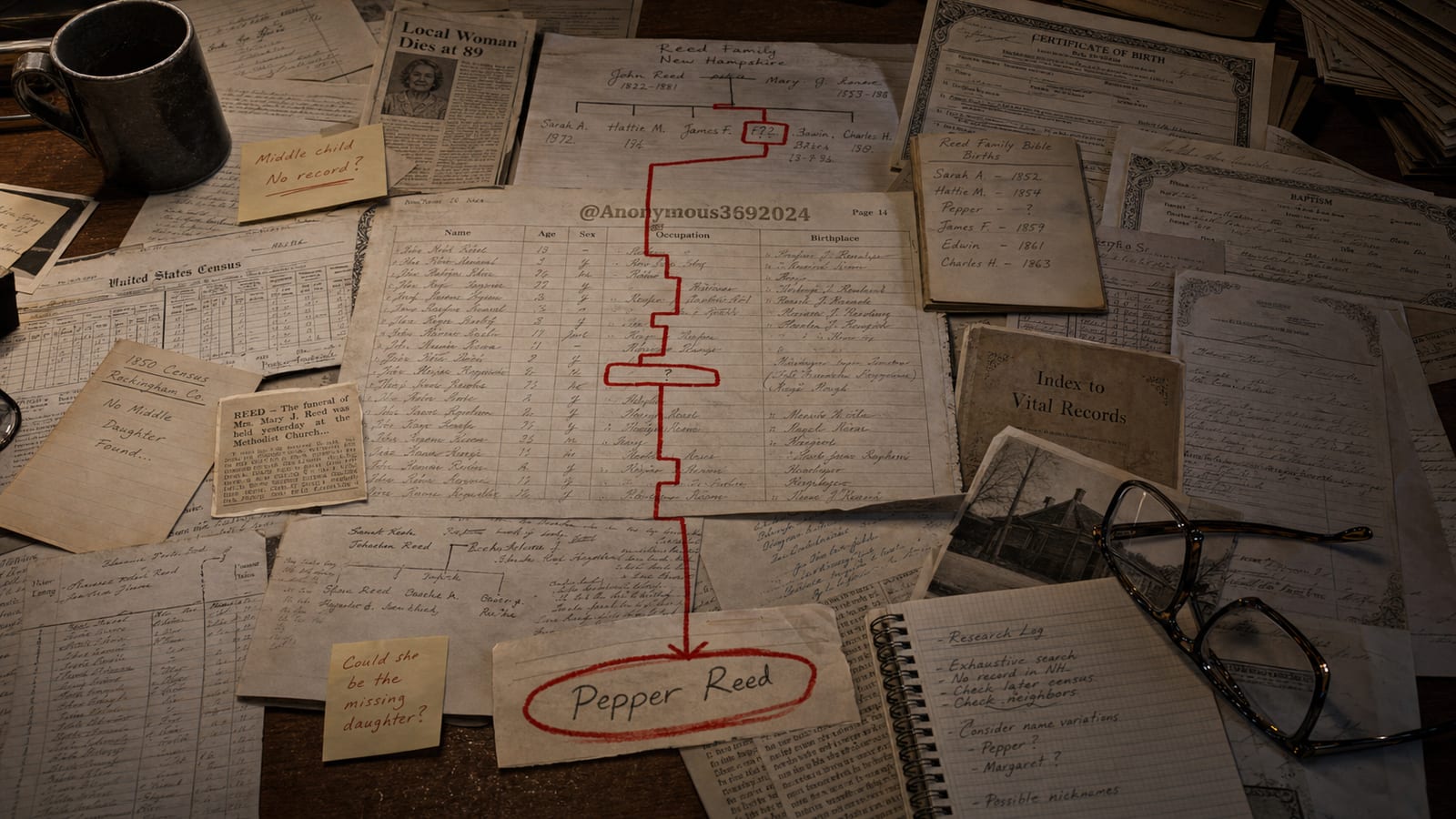
The middle child, the girl who was murdered by her own father, proved to be the most difficult identity to trace. She had no maternal link to Marlyse, meaning Rasmussen had fathered her with another unknown woman before joining the Honeychurch family. In 2024, the New Hampshire State Police partnered with the DNA Doe Project to launch a massive, exhaustive genealogical hunt. The team updated the child's genetic profile and began tracing her ancestry backward through time.
The search was grueling. Because of multiple undocumented parentage events in the bloodline, researchers had to build a staggering family tree containing over twenty five thousand people. They traced the lineage back to a couple born in the late eighteenth century and then slowly worked their way forward through the generations. Eighteen months into the painstaking process, they found a critical anomaly. A 2005 obituary listed a surviving daughter named Pepper Reed. When researchers dug into Pepper Reed's history, the paper trail completely vanished in the late 1970s. She had simply ceased to exist in public records. The silence in the archives was the exact forensic echo they were looking for.
The Missing Mothers
Within minutes of identifying Pepper Reed as the likely mother, genealogists located a 1976 birth certificate in Orange County, California. The document listed the parents as Terry Rasmussen and Pepper Reed. The little girl was named Rea Rasmussen. In September 2025, exactly forty years after the first barrel was discovered by a hunter in the silent woods of New Hampshire, the final Bear Brook victim was officially given her name back. The devastating anonymity of the Allenstown Four had finally been entirely dismantled by the relentless march of genetic science.
Yet the closure brought by these identifications only deepens the nightmare surrounding the Chameleon Killer. Pepper Reed has not been seen since Christmas of 1975 in Texas. Denise Beaudin has not been seen since Thanksgiving of 1981 in New Hampshire. Both women were involved with Terry Rasmussen, and both vanished into thin air, leaving their daughters behind in the hands of a monster. Their bodies have never been found. As we marvel at the incredible power of modern forensics to reach back through time and steal secrets from the grave, we are left to scan the endless tree lines of the American landscape. How many other rusted barrels are sleeping beneath the damp leaves, waiting for a science that can finally give them a voice?
Archival Case Gallery

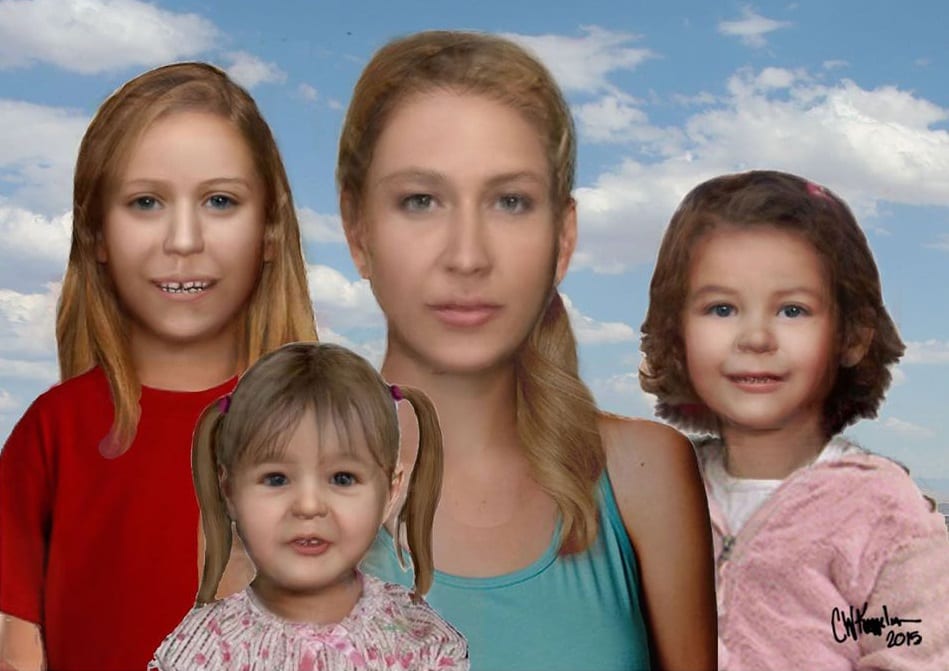
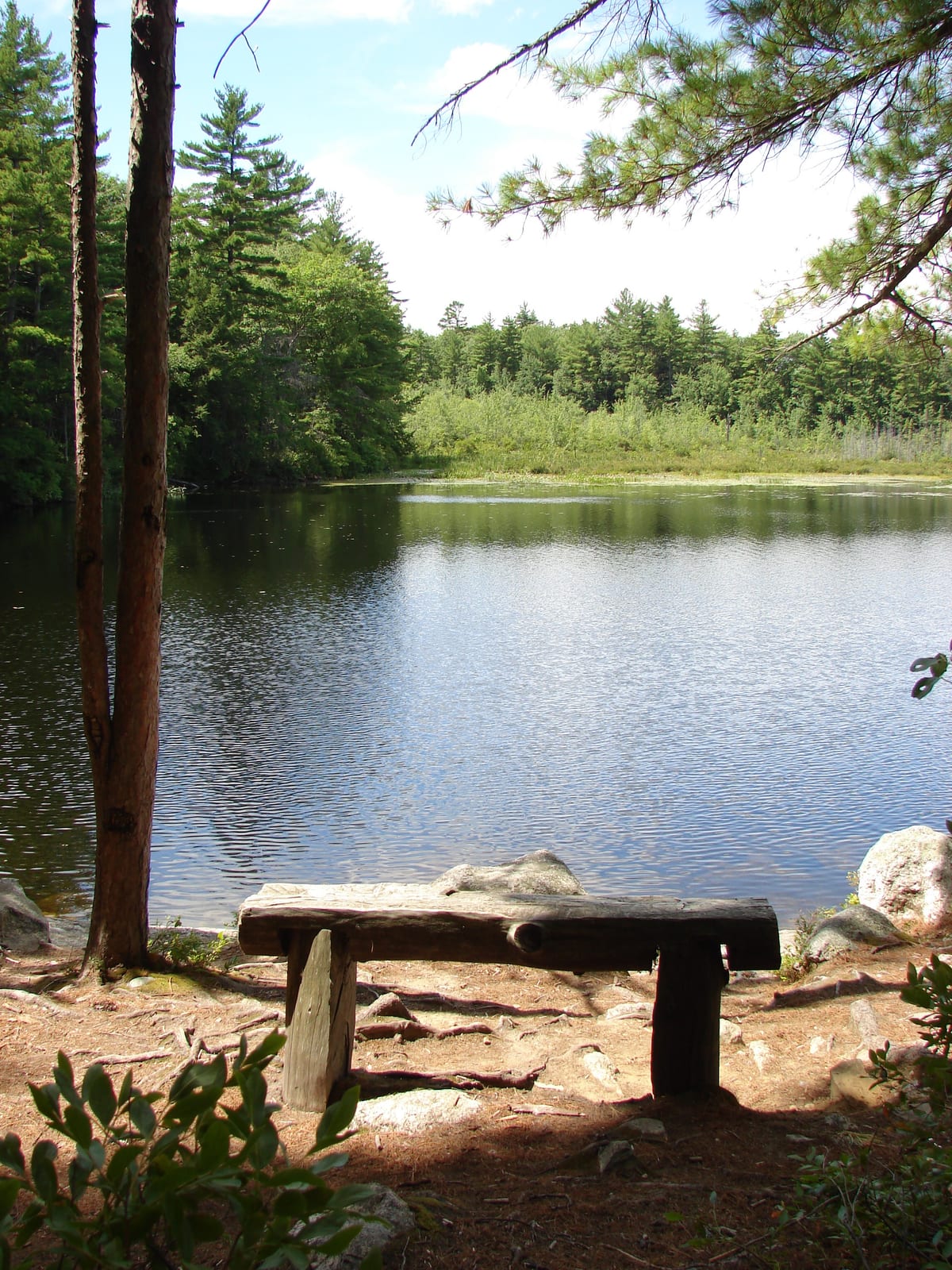
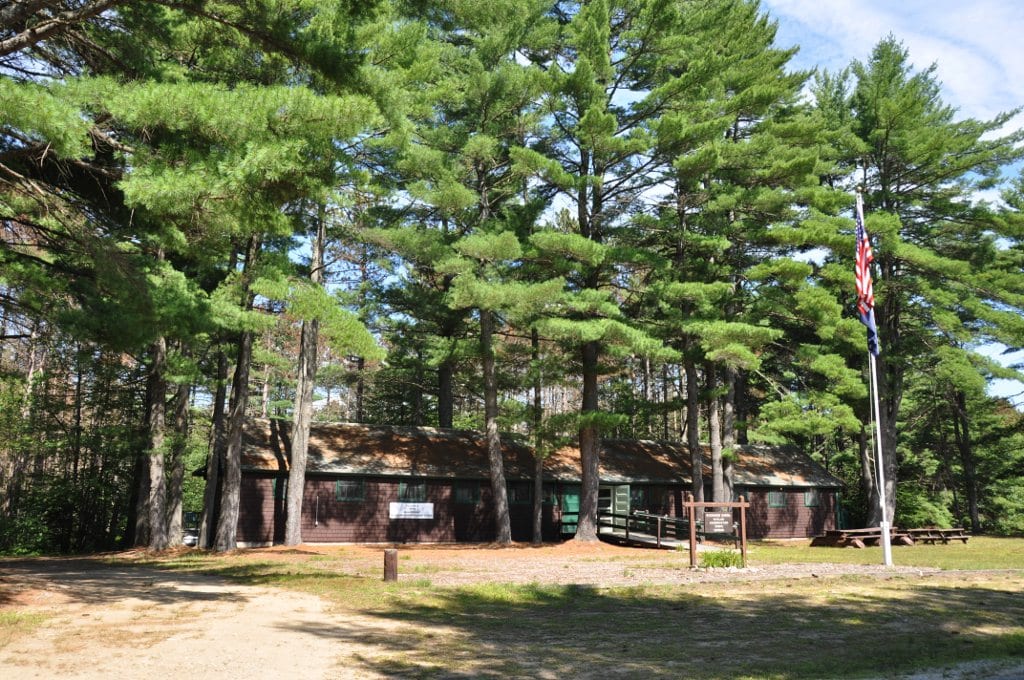
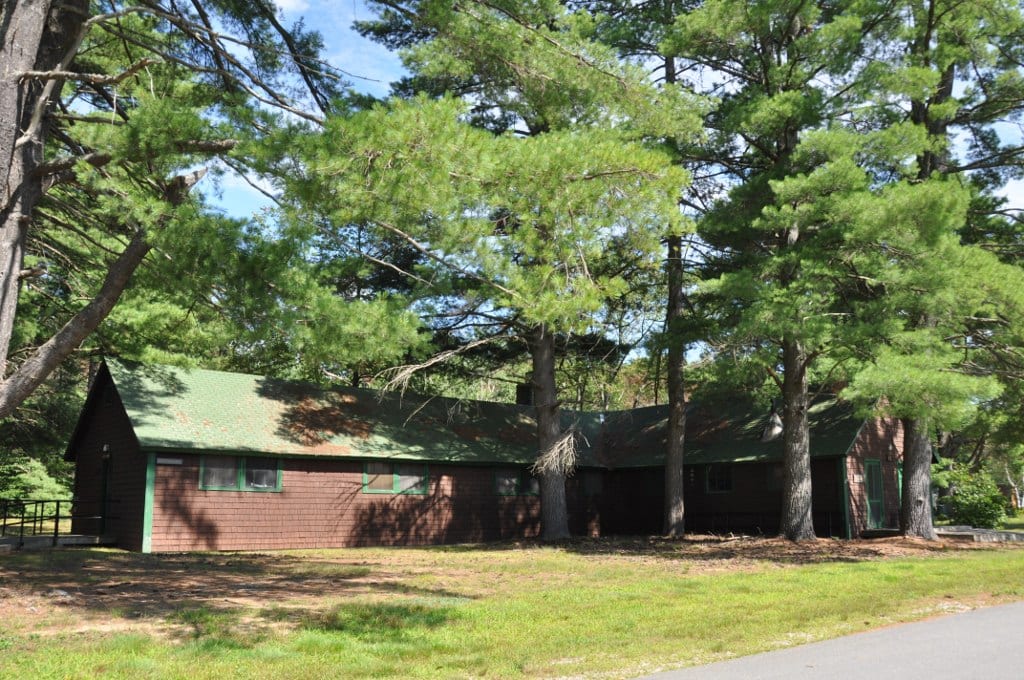
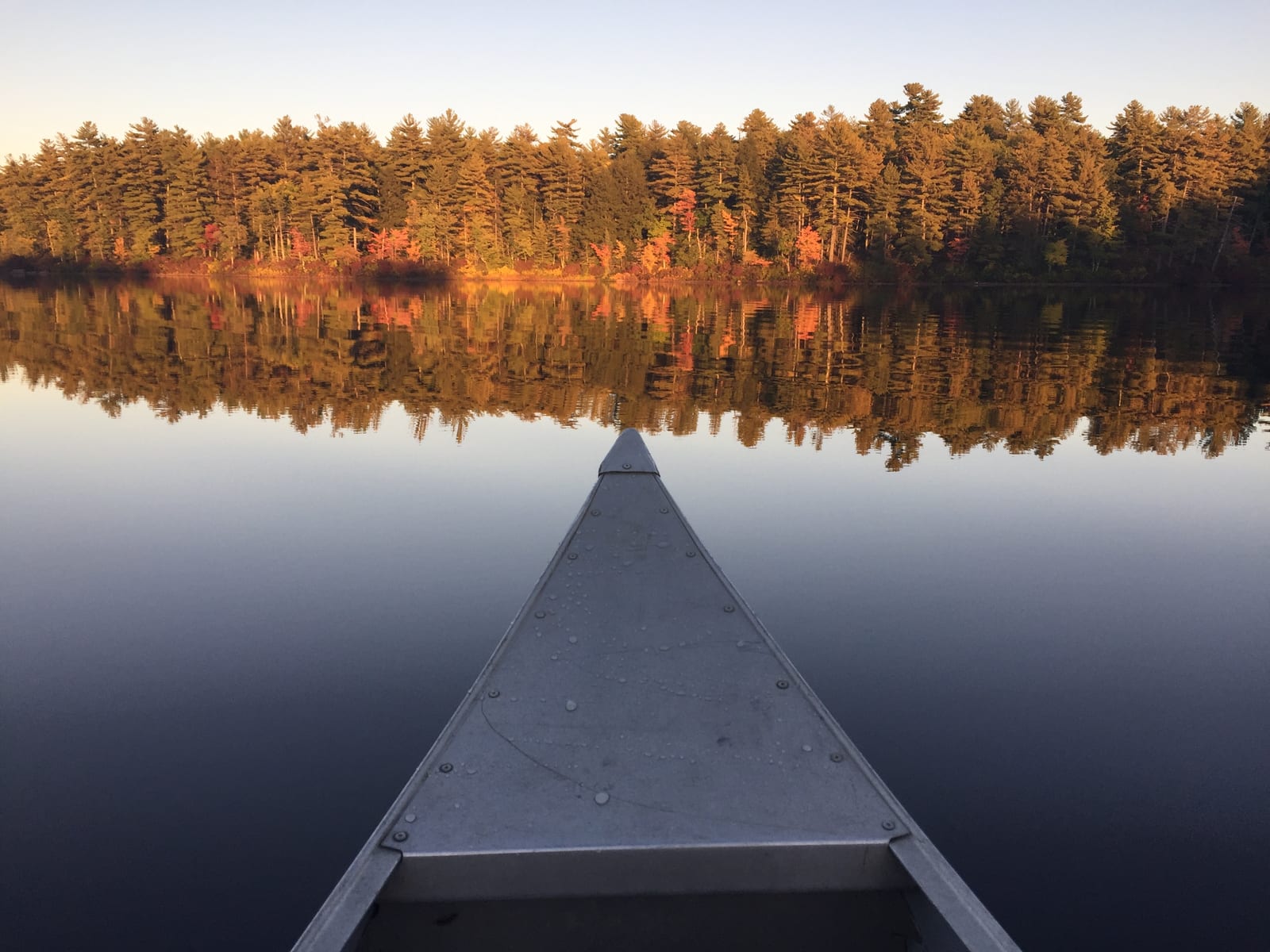
Real case gallery: Terry Peder Rasmussen's public-record mugshot, a licensed Allenstown Four reconstruction collage, and licensed Bear Brook State Park/Allenstown location context. Sources: Wikimedia Commons public-domain and CC BY-SA files.
Sources & Case Notes
Last updated: May 8, 2026.
Primary sources / case notes: New Hampshire case history, NCMEC updates, DNA Doe Project materials, NHPR reporting on victim identification, and public-record material on Terry Rasmussen.
Source links:
- DNA Doe Project Bear Brook identification page
- NHPR report on identified Bear Brook victims
- NHPR report on the final Bear Brook victim identification
- FBI ViCAP Bear Brook alert
Correction policy: Send corrections, source notes, or image-rights concerns through Contact & Media Inquiries.
Image credits: Feature/gallery imagery uses public-record Terry Rasmussen material and non-graphic case/location or identification imagery where legally usable. Body images are documentary recreations created for Anonymous369 Media.
Content warning: Discusses multiple homicide victims, including children, and recovered remains; non-graphic.
Editorial standards: Read how Anonymous369 Media researches, corrects, and credits factual cases on our Editorial Standards page.
Continue the Case File
These investigations reward careful reading. Step back if you missed the previous file, or keep going to follow the next case in the archive.
Previous file: The Barrel in the Crawlspace: How Forensics Named Reyna Marroquin Next file: The Blood Drop: How DNA Solved Penny Serra's New Haven Murder