
The Barrel in the Crawlspace: How Forensics Named Reyna Marroquin
In 1999, homeowners clearing a crawlspace found a rusted 55-gallon drum holding a terrifying 30-year-old secret. Inside lay a mummified pregnant woman, preserved perfectly in plastic pellets. Discover how invisible ink and forensic archaeology unmasked a wealthy killer who thought he got away.


A Tomb of Steel and Plastic
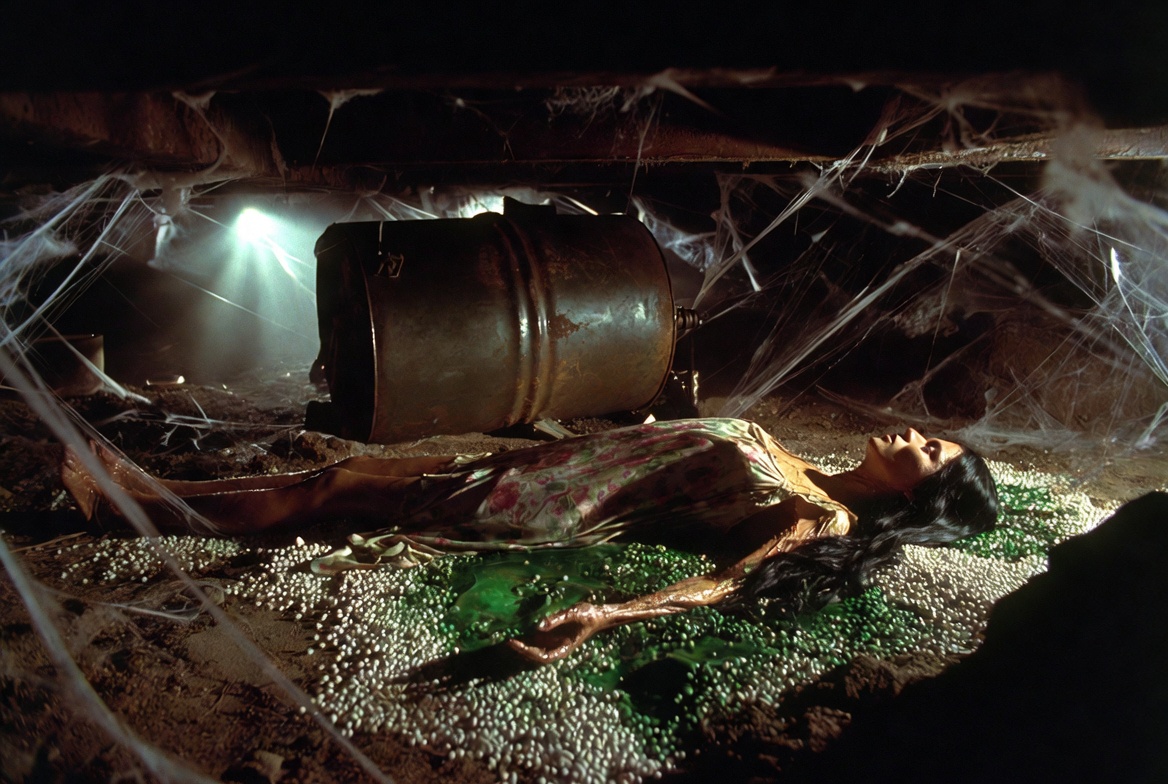
The crawlspace of a home is usually a place reserved for forgotten holiday decorations and rusted tools. It is not meant to be a graveyard. In the late summer of nineteen ninety nine a new homeowner in the quiet Long Island suburb of Jericho New York decided to clean out the tight damp quarters beneath their house. Tucked far back into the shadows resting on the dirt floor was a heavy industrial 55 gallon steel drum. The homeowner assumed it held old paint or chemical waste. It weighed nearly three hundred and fifty pounds making it incredibly difficult to move. When curious movers finally pried the rusted airtight lid open they did not find discarded liquids. They found a human hand.
Investigators arrived at a scene that defied all conventional logic. Inside the barrel surrounded by a thick matrix of green industrial dye and synthetic plastic pellets were the mummified remains of a young woman. She was still wearing maternity clothes that perfectly matched late nineteen sixties fashion. The preservation was so unnervingly perfect that her long black hair and the intricate floral pattern of her dress were entirely intact. It was a biological time capsule of a tragedy that had been waiting in the dark for thirty years. The woman had not simply been murdered. She had been packaged stored and completely erased from the world above.
The Architecture of Preservation
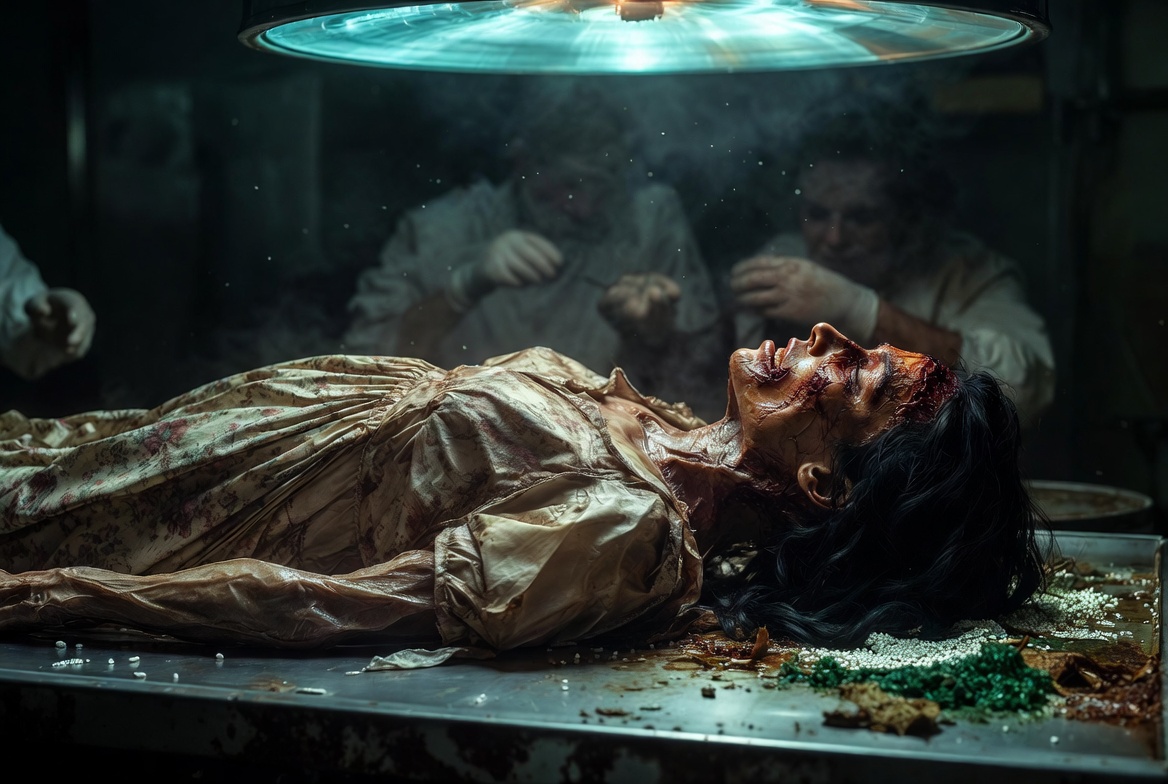
The forensic investigation into the body in the barrel quickly became a masterclass in forensic archaeology and industrial taphonomy. When a body is left exposed to the elements insects and bacteria reduce it to bone in a matter of weeks. But the environment inside this specific steel drum created a state of taphonomic stasis. The heavy lid had formed a hermetic seal isolating the interior from the fluctuating humidity of the New York seasons. The polystyrene plastic pellets packed around the victim acted as a powerful desiccant absorbing any residual moisture before bacterial putrefaction could begin.
Furthermore the drum itself was coated inside and out with lead based anti corrosive paint. This toxic chemical shield prevented the steel from rusting through despite sitting in a damp crawlspace for three decades. The green dye and the heavy metals acted as an antimicrobial barrier. Instead of decomposing the woman had mummified. Her skin had taken on a leathery parchment like texture which allowed forensic pathologists to identify her Hispanic ancestry and pinpoint the exact cause of death. She had suffered massive blunt force trauma to the skull. The sheer violence of the attack stood in chilling contrast to the calculated clinical way her body had been preserved. Someone had beaten her to death and then carefully poured industrial plastic over her body to fill the void spaces.
The Invisible Ink
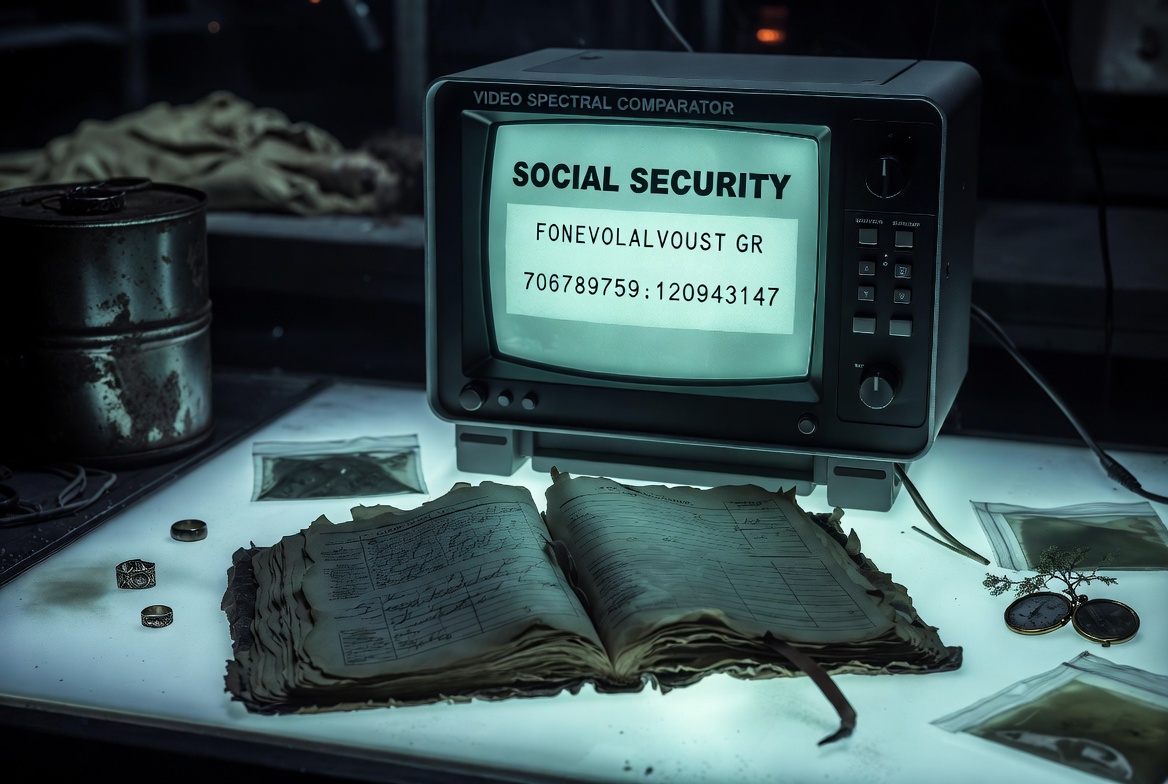
Before investigators could find her killer they had to give the victim her name back. The drum was filled with micro evidence that offered a trail of breadcrumbs leading directly into the past. Detectives found two rings a locket inscribed with a cryptic message a plastic artificial plant stem and most importantly a severely water damaged address book. Thirty years inside a humid chemical environment had caused the ink on the pages to migrate and fade until the paper appeared entirely blank to the naked eye. It was a dead end until the forensic document examiners stepped in.
Using a sophisticated imaging system known as a Video Spectral Comparator investigators bathed the blank pages in different wavelengths of infrared light. Because carbon based inks retain a spectral signature long after the visible pigment vanishes the invisible writing slowly began to materialize on the screen. A nine digit Social Security number appeared glowing under the infrared beam. That single string of numbers transformed a Jane Doe into Reyna Angelica Marroquin. The machine also revealed a haunting faint note written in Spanish. It read simply don't be mad I had to I told the truth. This was not just an address book. It was a confession waiting to be illuminated.

The American Dream Interrupted
Reyna Angelica Marroquin was born in El Salvador in nineteen forty one. Following the collapse of a marriage she traveled to the United States in August nineteen sixty six chasing the promise of social mobility and a fresh start. Reyna was not a transient figure drifting through the city. She was a vibrant ambitious woman who settled into a Catholic home for women in New York City. She took citizenship classes studied fashion and spent her free weekends walking through the massive halls of the city museums.
Her letters back home to El Salvador painted a picture of a young woman eager to learn and determined to make something of herself. She eventually found steady work as a nanny and then secured a position at Melrose Plastics a factory in Manhattan's Garment District that manufactured artificial flowers. She was building a life piece by piece in a vibrant new country. But Reyna fell into a demographic gap common to immigrant populations of that era. She was a woman without immediate family in New York making her incredibly vulnerable. When her life intersected with the darker side of the American industrial machine she became a hidden victim whose sudden disappearance barely registered on the official records of the time.
The Fatal Confession
The micro evidence inside the barrel did more than identify Reyna. It pointed directly to her killer. The plastic stem found with her body perfectly matched the artificial greenery manufactured by Melrose Plastics. The polystyrene pellets were the exact raw resin used in the factory and the green dye was the specific pigment used to color synthetic leaves. Even the drum itself bore a nineteen sixty five shipping stamp listing its destination as Melrose Plastics on East 34th Street. The forensic evidence had built a physical bridge between the victim and the co owner of the factory Howard B Elkins.
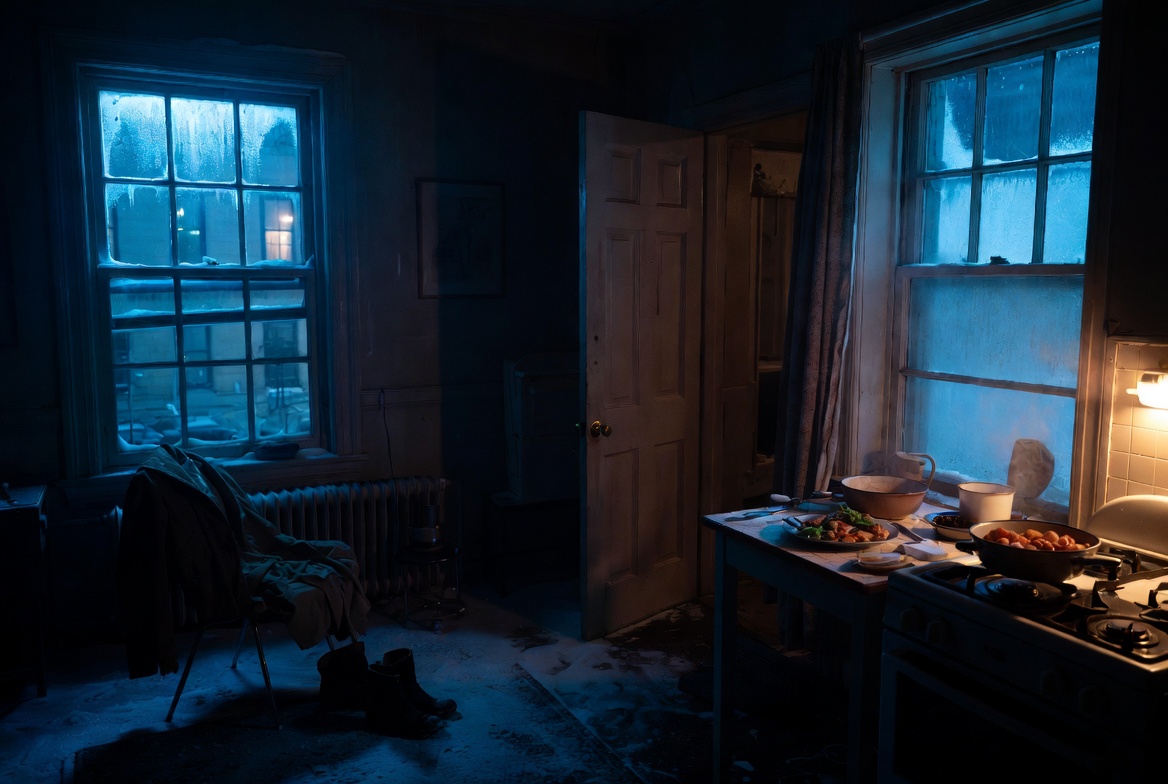
In nineteen sixty eight Reyna entered into an extramarital affair with Elkins. The power dynamic was inherently dangerous pairing a wealthy industrialist against an immigrant factory worker. When Reyna became pregnant Elkins promised he would leave his wife but as the months passed it became clear he had no intention of keeping that promise. Desperate and fearing for her child Reyna lost her temper and made a fateful phone call to Elkins's wife to reveal the affair and the pregnancy. The note in the address book suddenly made perfect sense. Reyna told her best friend Kathy Andrade that Elkins had threatened to kill her. In January nineteen sixty nine Kathy visited Reyna's apartment and found the door ajar warm food on the stove and her winter coat boots and gloves left behind in the freezing cold. Reyna had simply vanished.
The Weight of Guilt
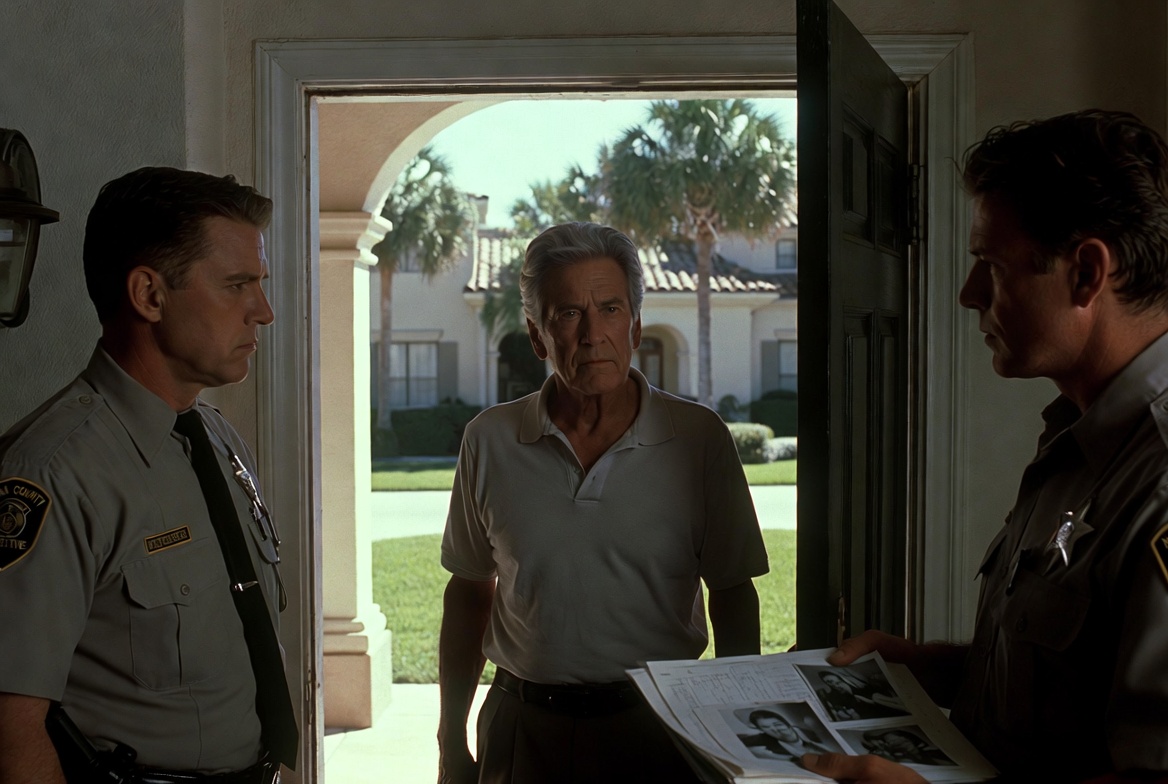
Armed with the restored address book and the industrial signature of the plastics factory Nassau County detectives tracked Howard Elkins down. By nineteen ninety nine Elkins was seventy one years old and living out his golden years in an upscale retirement community in Boca Raton Florida. He was a distinguished wealthy man who projected an aura of absolute calm. When detectives arrived at his door he stared them right in the eye and denied knowing anything about a steel drum or an immigrant factory worker. He admitted to a brief affair but claimed he could not remember the woman's name or what she looked like.
The detectives knew they were looking at a murderer who had hidden behind his wealth for thirty years. They informed Elkins that they were obtaining a warrant to draw his blood for a DNA paternity test. They were going to compare his genetic profile against the mummified fetus recovered from Reyna's remains. The trap was closing. The investigators realized that Elkins had originally planned to dump the barrel into the Atlantic Ocean. As an avid boater he intended to drop the evidence into the abyss where no one would ever find it. But the physics of his crime betrayed him. The combined mass of the steel the polystyrene pellets and the body weighed nearly three hundred and fifty pounds. It was physically impossible for him to move it from his Jericho crawlspace to his boat alone. The barrel was too heavy. The weight of his guilt forced him to leave her buried in his own home.
A Microscopic Resolution
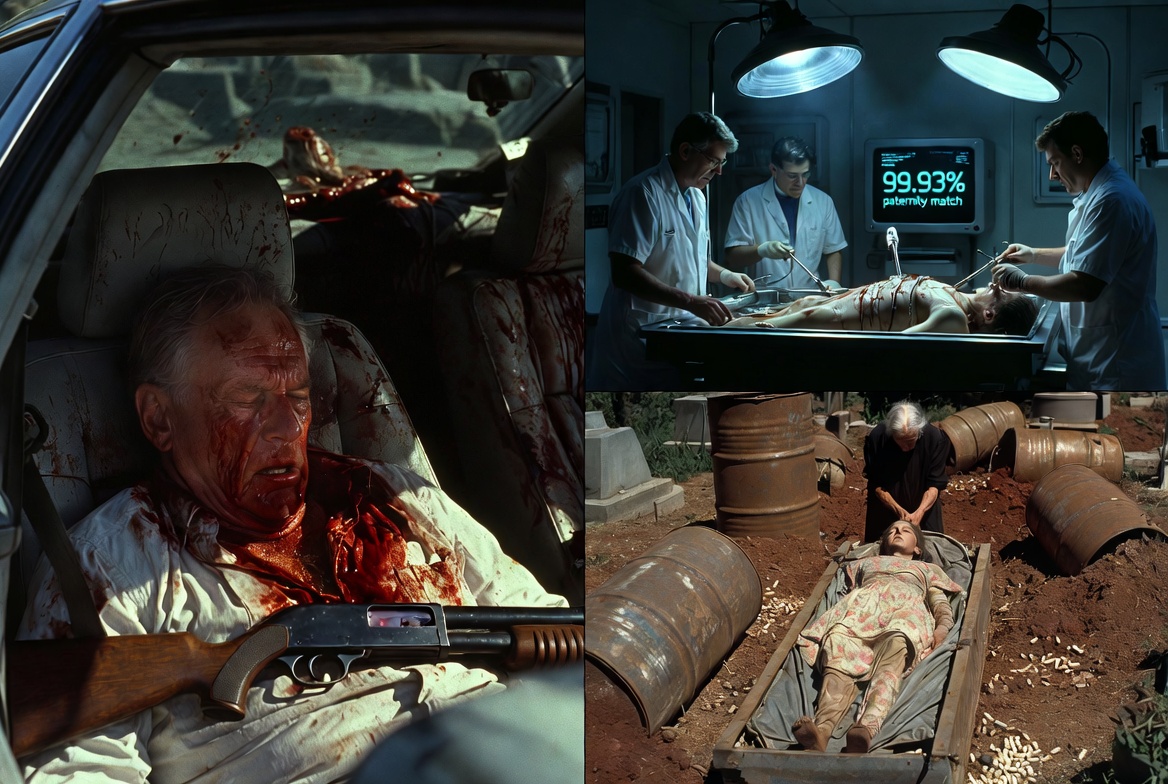
Howard Elkins knew that the patience of science had finally run out. In nineteen sixty nine DNA profiling did not exist but in nineteen ninety nine it was an inescapable net. On September 10 just twenty four hours after the police interrogated him Elkins walked into a local store and purchased a 12 gauge pump action shotgun. He drove to a neighbor's house climbed into the back seat of their vehicle and pulled the trigger. His suicide served as a brutal unspoken confession avoiding the humiliation of a public trial and the destruction of his reputation.
But the forensic investigation did not end with his death. The medical examiner extracted DNA from Elkins during his autopsy and compared it to the fetal tissue preserved inside the dark barrel. The results were absolute. The probability of Elkins being the father was 99.93 percent. The biological stream the document stream and the industrial stream of evidence had all converged to tell the undeniable truth. Reyna Angelica Marroquin was finally returned to El Salvador where her ninety five year old mother laid her to rest closing a thirty year nightmare of uncertainty. The very materials Elkins used to conceal his brutal crime the airtight drum and the plastic resin were the exact elements that preserved the evidence needed to expose him. If science had not unlocked the secrets of that steel time capsule how many other ghosts are still waiting in the dark right beneath our feet?
Archival Case Gallery
Sources & Case Notes
Last updated: May 8, 2026.
Primary sources / case notes: Public case histories on Reyna Marroquin, forensic identification reporting, New York/Long Island investigative context, and public-domain or legally reusable victim/archive imagery where available.
Source links:
Correction policy: Send corrections, source notes, or image-rights concerns through Contact & Media Inquiries.
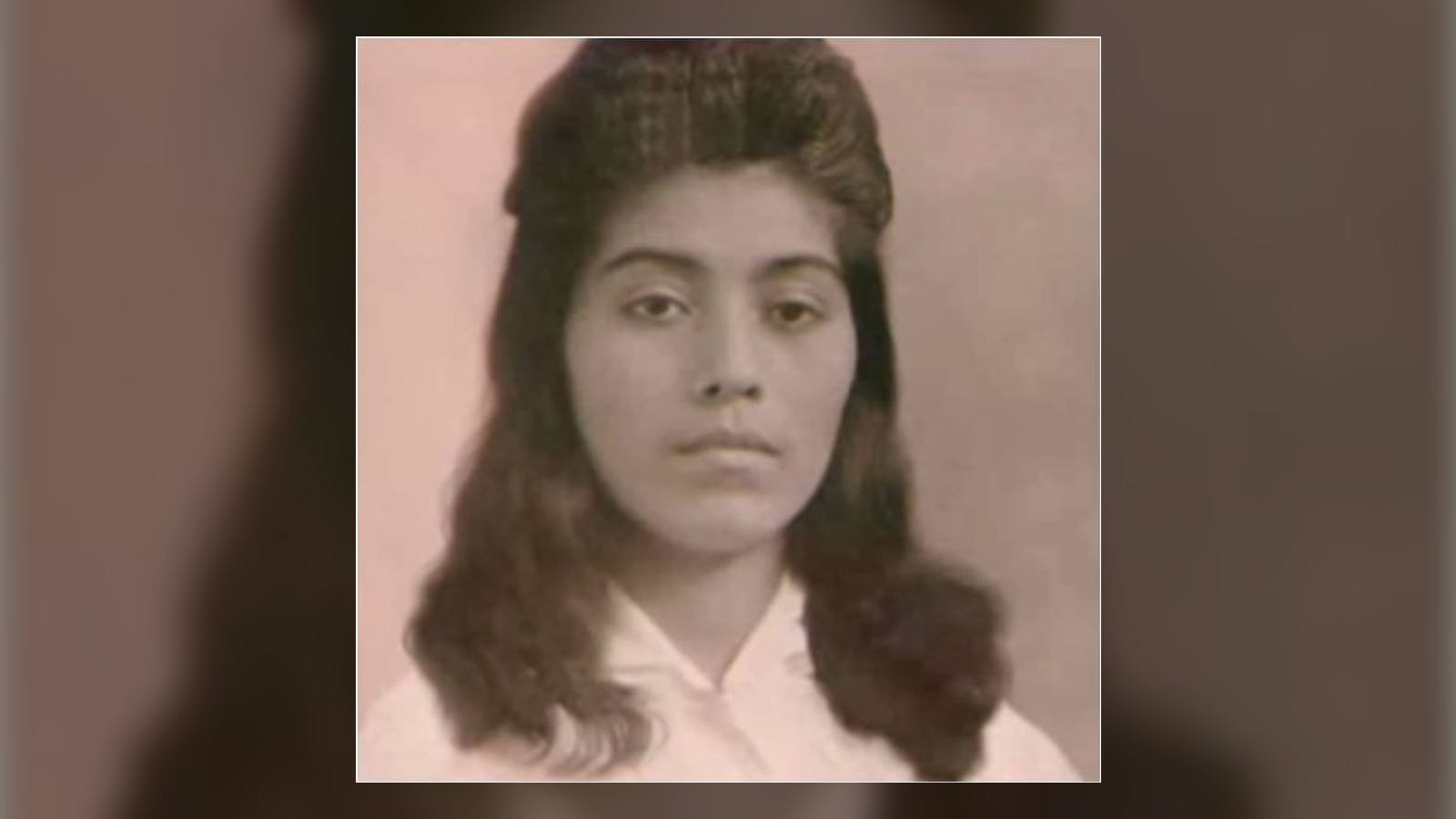
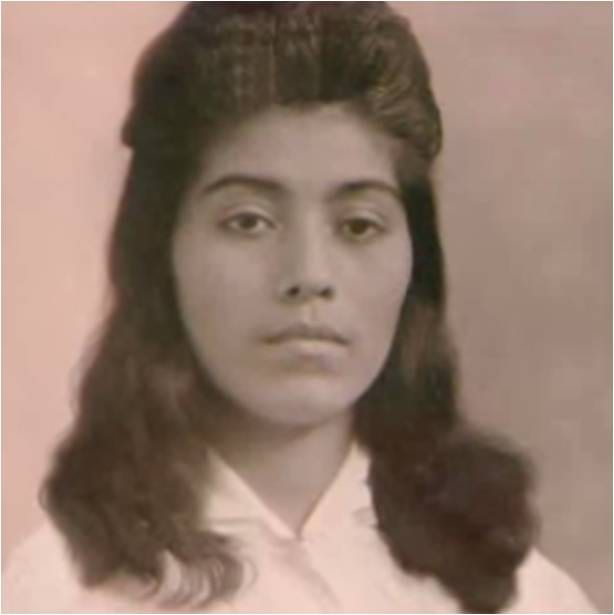
Image credits: Feature imagery uses a non-graphic public archival portrait of Reyna Marroquin where legally reusable. Body images are documentary recreations created for Anonymous369 Media.
Content warning: Discusses homicide, pregnancy, long-term concealment, and forensic recovery; non-graphic.
Editorial standards: Read how Anonymous369 Media researches, corrects, and credits factual cases on our Editorial Standards page.
Continue the Case File
These investigations reward careful reading. Step back if you missed the previous file, or keep going to follow the next case in the archive.
Previous file: The Boy in the Box: How DNA Named Joseph Augustus Zarelli Next file: The Bear Brook Barrels: How DNA Unmasked the Chameleon Killer