
The Typed Manifesto: How Language Unmasked the Unabomber
For seventeen years, an unidentified bomber sent handmade explosive parcels across the United States. The case turned not on a fingerprint, but on a 35,000-word manifesto, one family's recognition, and the language patterns that led investigators to a cabin in Montana.


A Package in the Parking Lot
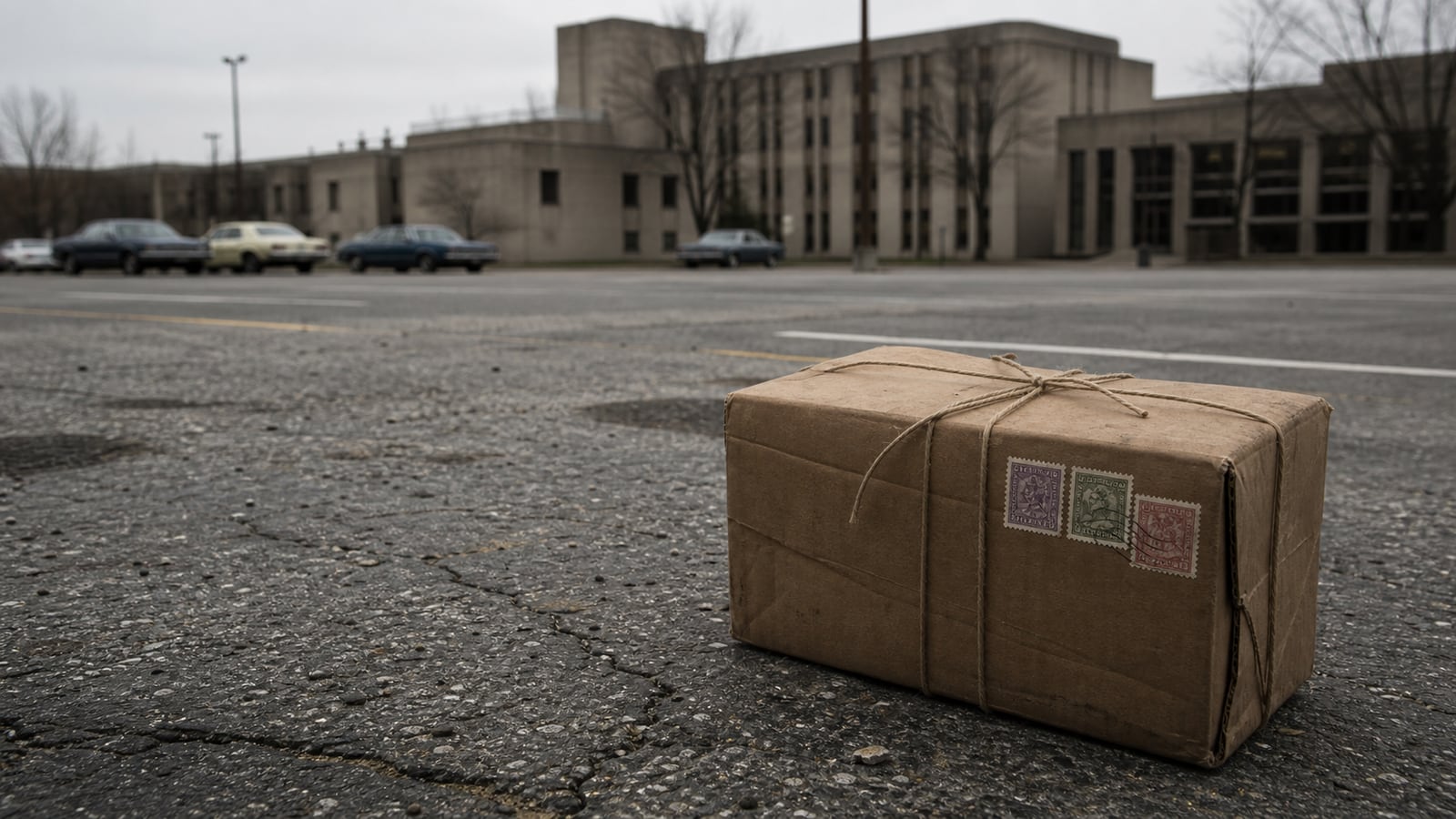
The morning of May 25, 1978, gave no warning that American law enforcement was about to step into a seventeen-year domestic terror investigation. On the University of Illinois Chicago Circle Campus, a parcel was found abandoned in a parking lot. It bore the return address of Buckley Crist Jr., a materials engineering professor at nearby Northwestern University. The package was sent back to the professor, who did not recognize it and alerted campus security.
When Officer Terry Marker opened the parcel, the device inside detonated. The bomb was crude, built from readily available parts that included match heads and a metal pipe, and Marker survived with minor cuts and burns. Even so, the explosion marked the beginning of a campaign that would kill three people, injure more than twenty others, and unsettle universities, airlines, newspapers, and federal investigators.
The bomber left no fingerprints, no demands, and no clear motive. Standing in the smoke-filled room, investigators were looking at a homemade weapon they could not yet place. They had no way of knowing the man who built it was only testing what he could do.
The Geography of Terror
The violence escalated with deliberate patience. On November 15, 1979, a bomb detonated in the luggage compartment of American Airlines Flight 444, traveling from Chicago to Washington, D.C. The device filled the aircraft with smoke and forced a safe landing. Federal authorities understood that if the bomb had functioned as intended, the consequences could have been catastrophic.
Because the targets clustered around academic institutions and aviation, the FBI assembled an interagency task force with the Bureau of Alcohol, Tobacco, Firearms and Explosives and the U.S. Postal Inspection Service. The case was designated UNABOM, drawn from University and Airline Bombing. Over time, the shorthand would become the name the public knew: the Unabomber.
The bomber kept refining his work. On June 10, 1980, United Airlines president Percy Wood was severely injured by a bomb hidden inside a hollowed-out copy of Sloan Wilson's novel Ice Brothers. On December 11, 1985, the campaign turned lethal when Hugh Scrutton, a thirty-eight-year-old computer store owner in Sacramento, was killed by a device left in the parking lot behind his shop.
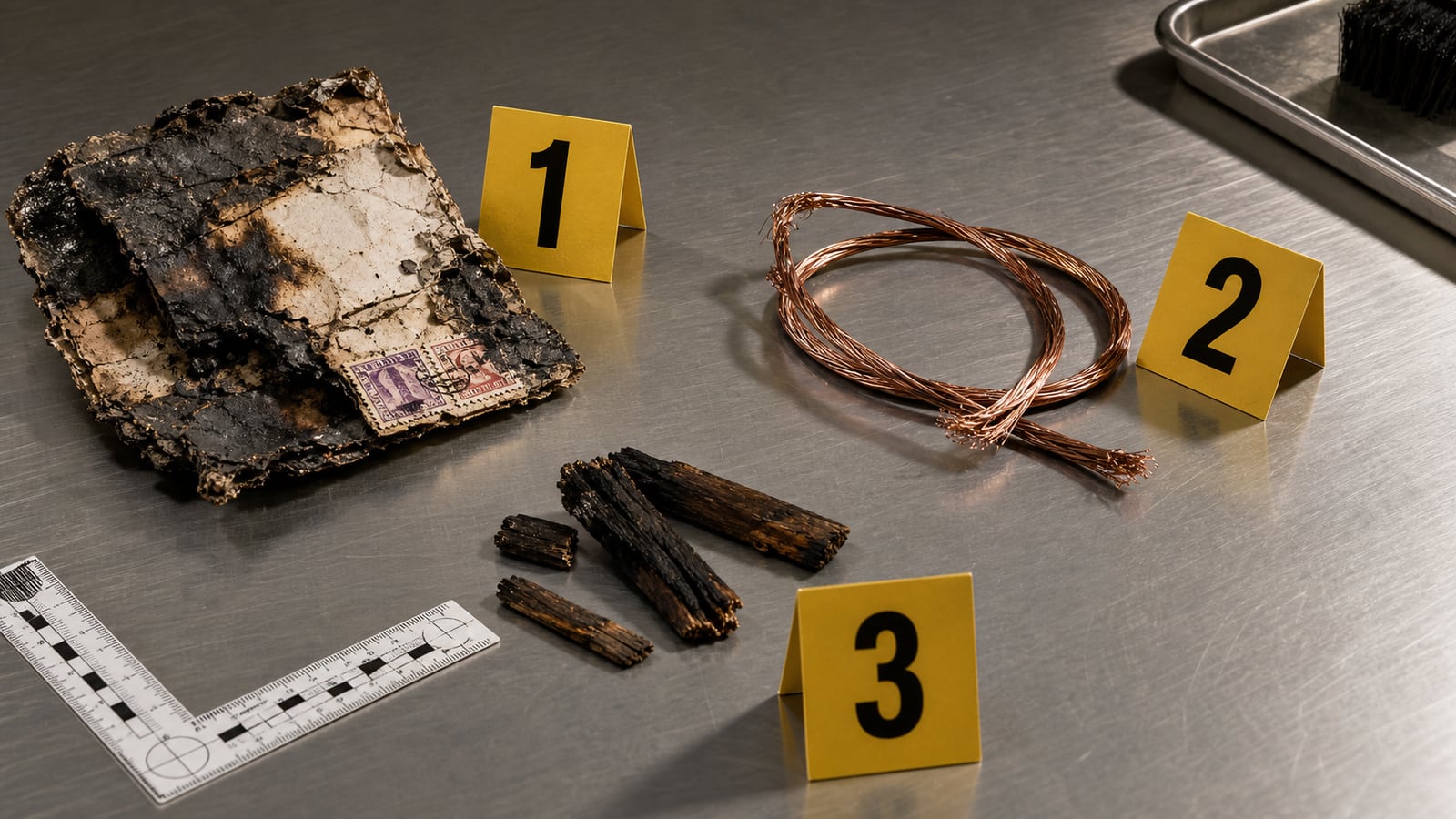
The evidence told investigators that the bomber was trying to erase the ordinary routes of detection. He relied on scrap material, stripped commercial identifiers, and worked carefully to leave no forensic trail that could point back to a store shelf, a serial number, or a pair of hands.
False Leads and Dead Ends
The UNABOM task force struggled for years to find solid ground. The profile of the suspect kept shifting under them. Early assessments pointed toward an educated man with academic connections, but other theories emerged as the case widened. He might be an aviation mechanic. He might be a scientist. Investigators were confident he had ties to Chicago, Salt Lake City, and the San Francisco area, but confidence is not the same as a name.
The physical evidence offered little relief. The bomber took pains to leave no useful fingerprints, no traceable components, and no easy pattern in the victims. The FBI later said the task force grew to more than 150 full-time investigators, analysts, and support personnel, each chasing fragments that often led nowhere.
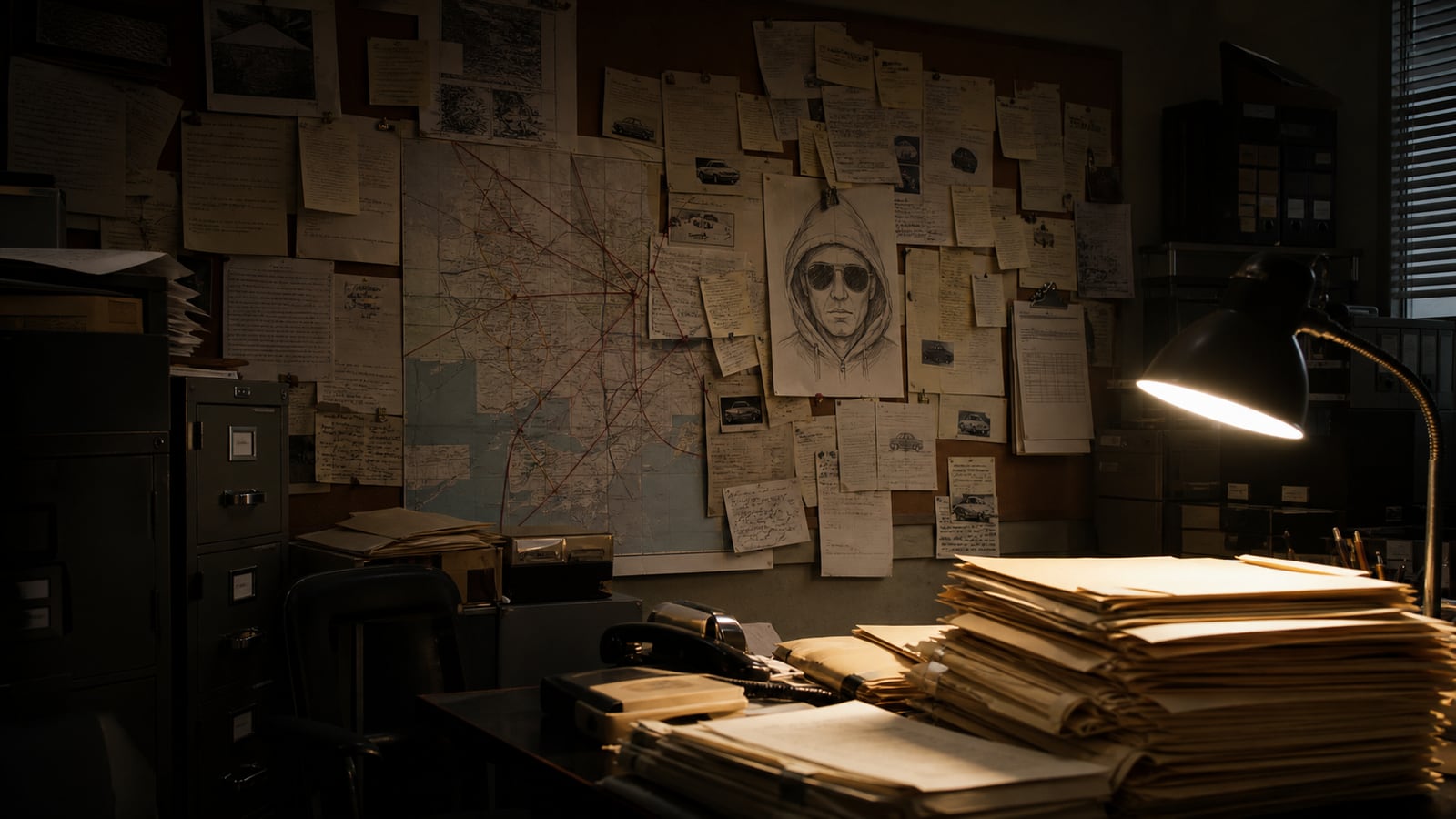
A break seemed to come on February 20, 1987, when a bomb left outside a Salt Lake City computer store severely injured Gary Wright, the son of the store's owner. A witness saw a man in a hooded sweatshirt and dark aviator sunglasses leaving the bomb. The resulting composite sketch was printed around the world and became one of the defining images of the case.
It produced no arrest. The bomber then went quiet for six years.
The Manifesto Ultimatum
When the bombings resumed in 1993, the devices were more sophisticated and the human cost deepened. Geneticist Charles Epstein and computer scientist David Gelernter were both severely injured in attacks that year. On December 10, 1994, advertising executive Thomas Mosser was killed by a package bomb sent to his New Jersey home. On April 24, 1995, Gilbert Murray, president of the California Forestry Association, was killed by a mailed bomb in his Sacramento office.
The turning point did not arrive in a wooden box. It came in a series of letters. In 1995, the bomber claimed to represent a group called the Freedom Club, explaining the FC initials found on bomb fragments, and demanded publication of a 35,000-word manuscript titled Industrial Society and Its Future. He said the bombings would stop if a major newspaper printed it.
The demand split the highest levels of government and journalism. Publishing the essay meant giving a violent offender a national platform. Refusing meant risking more deaths. FBI Director Louis Freeh and Attorney General Janet Reno approved the task force's recommendation to publish in the hope that someone would recognize the writer. On September 19, 1995, The Washington Post printed the manifesto, with The New York Times sharing the cost.
The calculation worked in a way no search grid had.
The Linguistics of Murder
Publication reshaped the investigation. Agents were no longer only searching for a man with a workbench and a hacksaw. They were looking for an author.
The manifesto was a structured critique of modern technology, arguing that industrial society had stripped human beings of autonomy. Investigators and outside specialists studied it not as philosophy, but as evidence. Behavioral experts and linguists, including James Fitzgerald and Roger Shuy, examined language patterns, vocabulary, spelling, and grammar as identifying markers.
Placed beside earlier letters and writings, the manifesto began to give up signatures. Analysts noted unusual spellings and word choices, including forms such as "wilfully" and "clew." Those details did not operate like a fingerprint lifted from glass. They were not a mathematical certainty. But they helped narrow the portrait of the writer: highly educated, shaped by an older vocabulary, and connected to Chicago language habits the FBI had already suspected.
The weapon that helped corner the bomber was his own voice on the page.
A Brother's Horrifying Realization
While investigators parsed the grammar of the manifesto, an agonizing recognition was unfolding in a private home. David Kaczynski, a social worker living in New York, was urged by his wife, Linda Patrik, to read the published essay. She had been carrying quiet suspicions about David's estranged older brother, Ted, a gifted but deeply troubled man who had cut himself away from modern society.
David at first resisted the idea. The brother he had known was difficult, isolated, and angry, but that was not the same as imagining him as the man behind years of bombings. Then he read the manifesto. The phrasing, the critique of technological control, and the undercurrent of rage echoed letters Ted had sent to the family decades earlier.
David retrieved old correspondence from the 1970s and compared the documents. The similarities were impossible to dismiss. Carrying a burden few people are ever asked to carry, he hired a private investigator and a lawyer, then approached federal authorities discreetly. When FBI experts compared Ted's old letters to the manifesto, they found a strong linguistic correlation that helped support a search warrant.
The investigation finally had a door to knock on.
The Montana Cabin Search
Theodore John Kaczynski was not a blue-collar mechanic. He was a Harvard-educated mathematics prodigy who earned a doctorate from the University of Michigan and briefly served as an assistant professor at the University of California at Berkeley. He left academia in 1969 and eventually retreated to a remote, one-room cabin near Lincoln, Montana.
On April 3, 1996, federal agents moved on the isolated structure. The cabin measured about 10 by 14 feet. It had no electricity, no running water, and no indoor plumbing. Inside, agents found evidence that left little room for ambiguity.
They cataloged bomb components, raw materials, a live bomb ready for mailing, manual typewriters, and the original typed draft of the manifesto. They also recovered roughly 40,000 pages of handwritten journals that included bomb-making experiments and descriptions of the Unabomber crimes. The case built from fragments now had a physical center.
One of the longest domestic terrorism investigations in American history had reached the cabin it had been searching for.
A Mind on Trial
Kaczynski's arrest opened a difficult and very public legal chapter. As trial approached, a bitter conflict broke out between him and his court-appointed defense attorneys, Judy Clarke and Quin Denvir. Faced with overwhelming physical evidence from the cabin, the defense viewed a mental-illness strategy as the most realistic way to avoid the death penalty. Kaczynski rejected that path. He believed a psychiatric defense would turn his ideology into a symptom and erase the meaning he wanted attached to his crimes.
In January 1998, amid the fight over representation and mental-health evidence, authorities said Kaczynski apparently attempted suicide in custody. He ultimately gave up the trial. On January 22, 1998, he pleaded guilty. On May 4, 1998, he was sentenced to four consecutive life sentences plus thirty years in prison.
Kaczynski spent most of his sentence at the federal supermax prison in Colorado before later being transferred for medical care. On June 10, 2023, he died by suicide in federal custody in North Carolina.
The bombings had stopped decades earlier. The injuries did not. They remained with survivors like Terry Marker, Percy Wood, Gary Wright, Charles Epstein, and David Gelernter, and with the families of Hugh Scrutton, Thomas Mosser, and Gilbert Murray. The Unabomber case is remembered for the manifesto, the cabin, and the language clues that narrowed the search. It should also be remembered for the people whose lives were broken before the words finally pointed home.
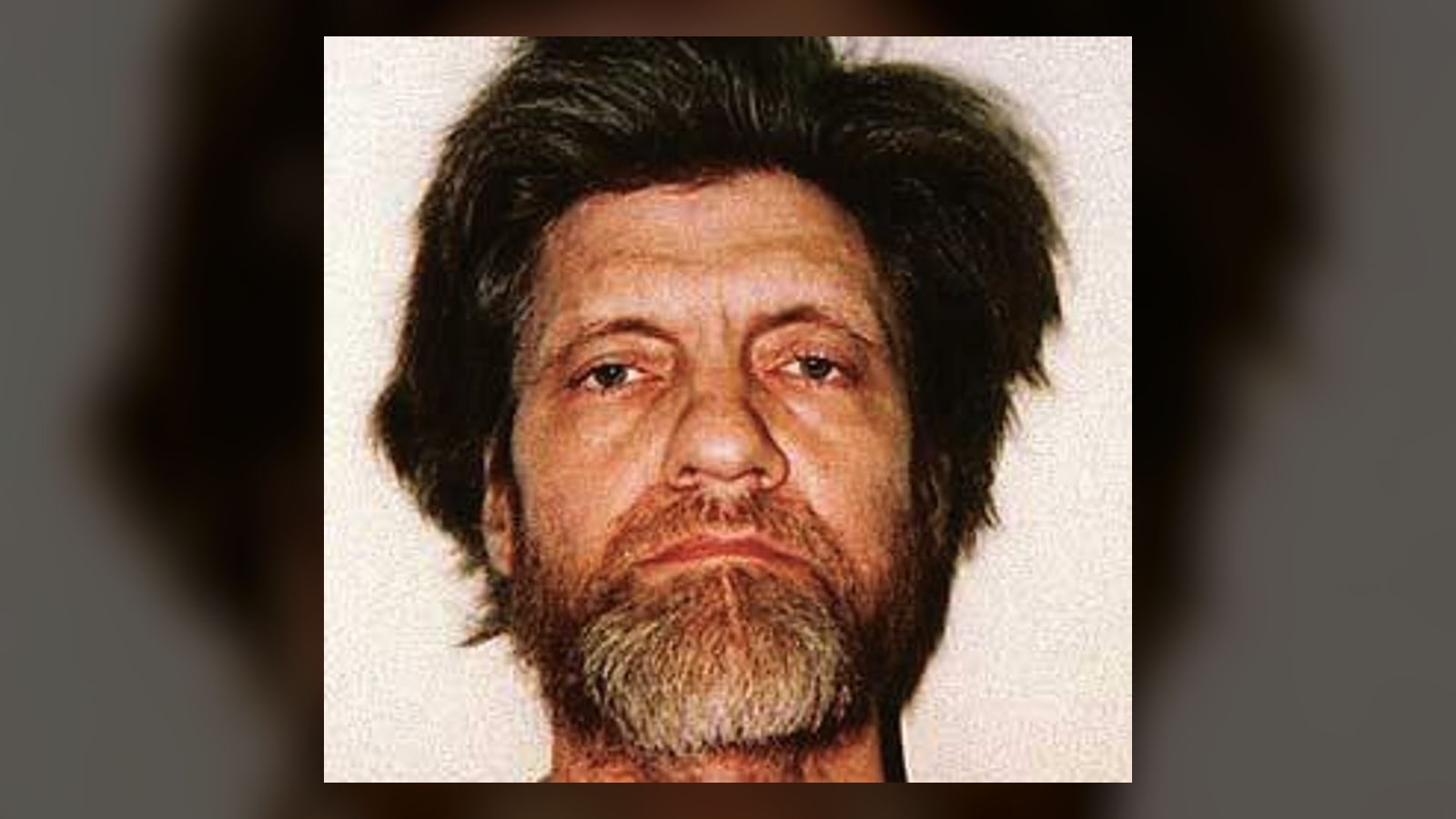
Archival Case Gallery
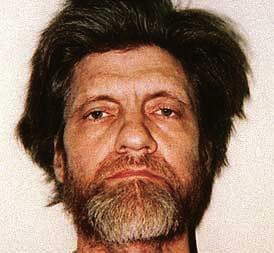
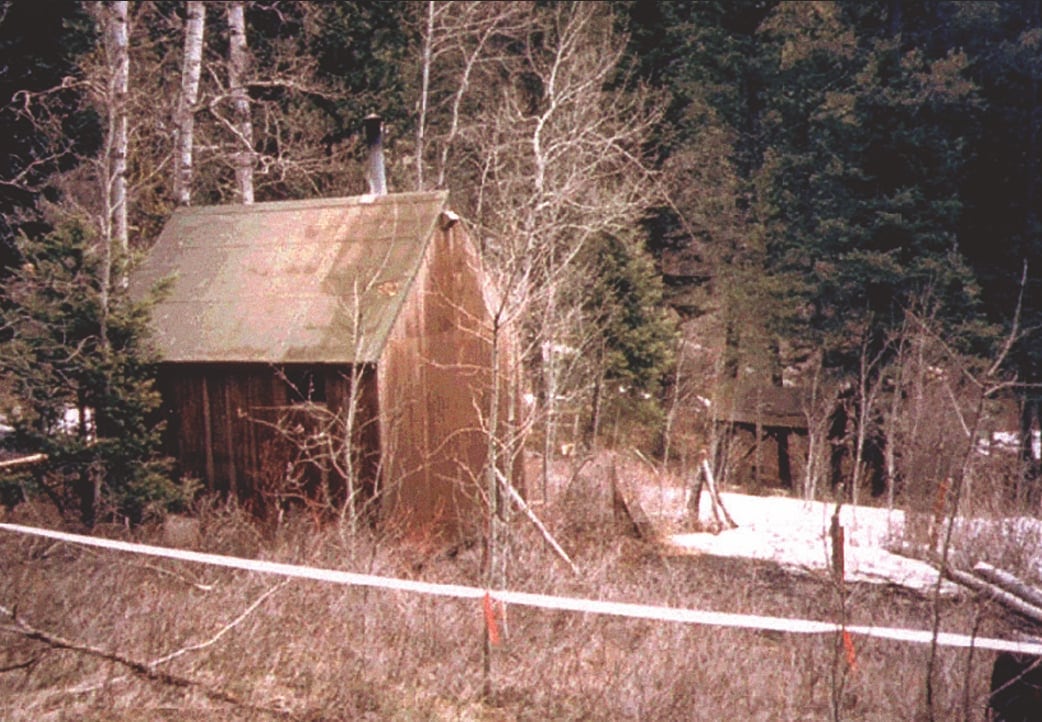
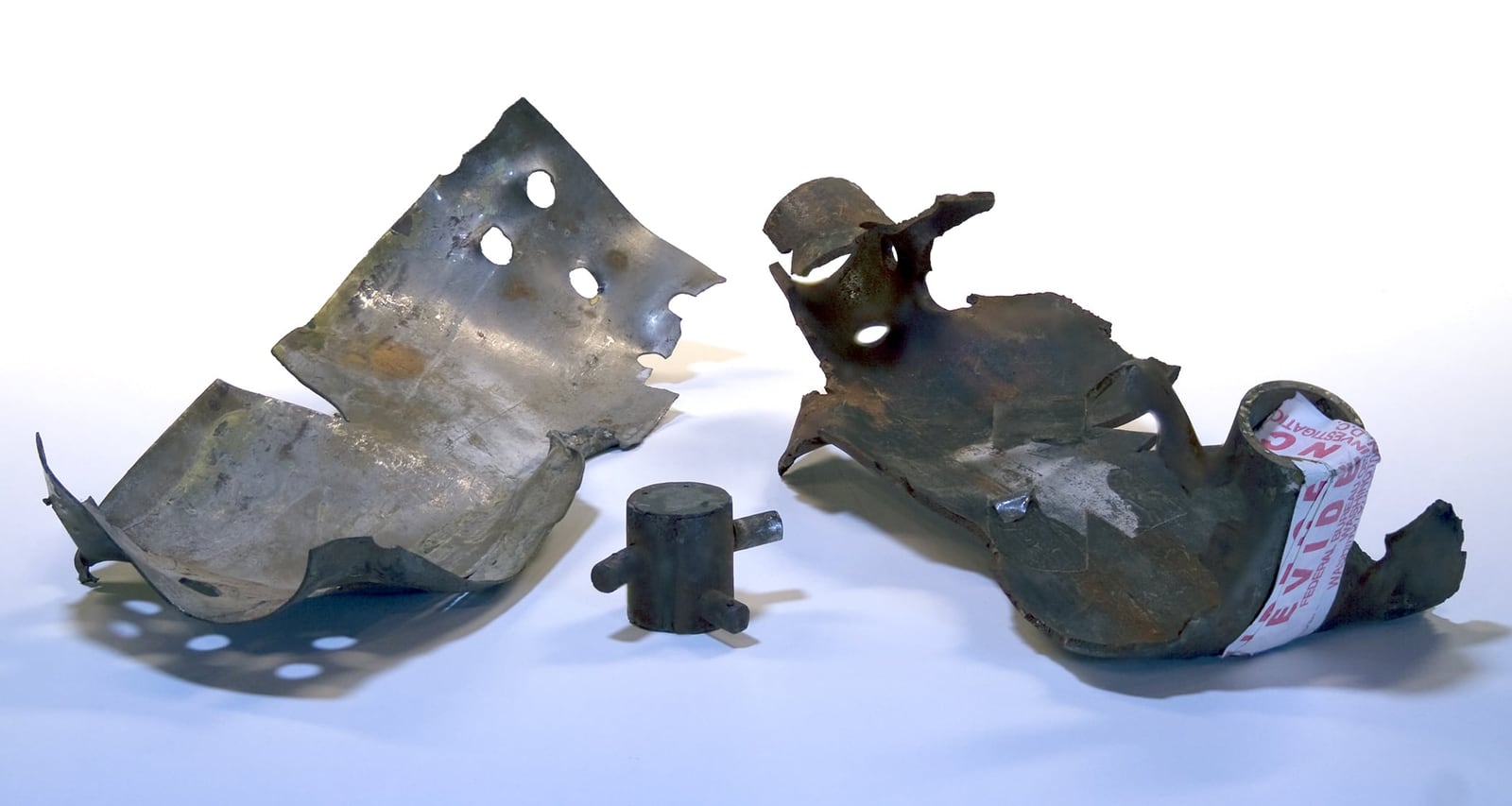
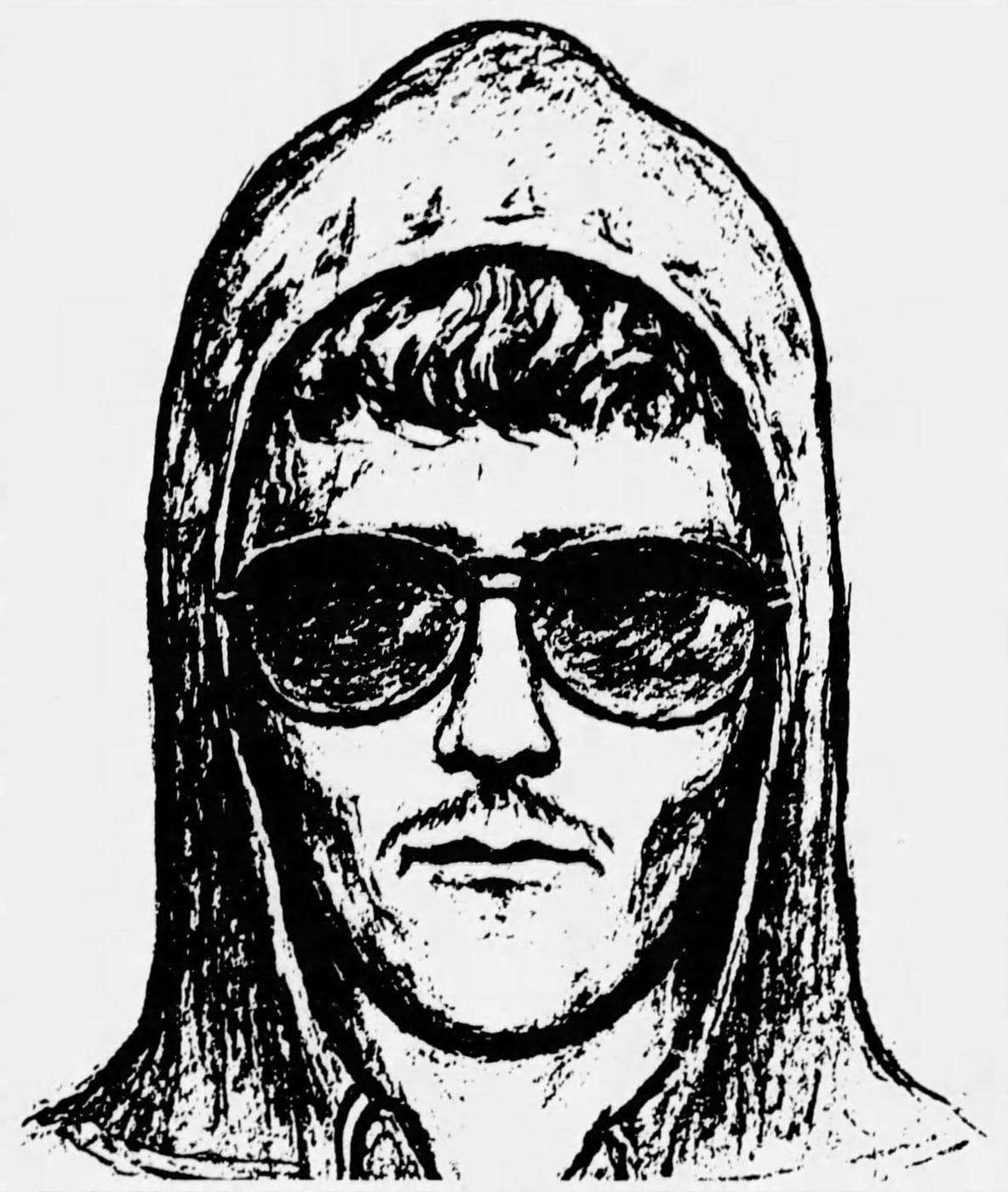
Real case gallery: Theodore Kaczynski official FBI mugshot, the Montana cabin, FBI bomb shrapnel from the 1987 Salt Lake City bombing, and the 1987 FBI suspect sketch. Sources: FBI image repository and Wikimedia Commons public-domain file sourced to the FBI.
Sources & Case Notes
Last updated: May 8, 2026.
Primary sources / case notes: FBI Unabomber case materials, FBI bomb-shrapnel artifact notes, National Archives prosecutor records, DOJ plea/settlement statements, and public death-record material. The article distinguishes conviction history from later death reporting.
Source links:
Correction policy: Send corrections, source notes, or image-rights concerns through Contact & Media Inquiries.
Image credits: Archival gallery uses public FBI/Wikimedia case images, including Theodore Kaczynski, the Montana cabin, bomb-shrapnel evidence, and the 1987 sketch. Section images are documentary recreations created for Anonymous369 Media.
Content warning: Discusses bombings, deaths, injuries, and suicide; non-graphic.
Editorial standards: Read how Anonymous369 Media researches, corrects, and credits factual cases on our Editorial Standards page.
Continue the Case File
These investigations reward careful reading. Step back if you missed the previous file, or keep going to follow the next case in the archive.
Previous file: The Floppy Disk Trap: How Metadata Caught the BTK Killer Next file: The Bitter Pill: How the 1982 Tylenol Murders Changed America