
The Floppy Disk Trap: How Metadata Caught the BTK Killer
For 30 years, an elusive serial killer terrorized a Kansas town, leaving no trace. But when he finally broke his silence in 2004, a fatal misunderstanding of computer metadata and a purple floppy disk exposed his identity. Discover how digital forensics caught the ultimate analog predator.



A Ghost in the Heartland
The chill of January 1974 brought a darkness to Wichita, Kansas, that would linger for three decades. Inside a quiet suburban home, the Otero family was discovered bound and brutally murdered. The father, mother, and two youngest children had been suffocated and strangled with a ruthless, calculated precision that baffled local law enforcement. There were no immediate suspects, no obvious motives, and no signs of forced entry. The city was paralyzed by the seemingly random violence. Months later, in October, a phone call directed authorities to a mechanical engineering textbook sitting on a shelf in the Wichita Public Library. Tucked between the pages was a letter containing details of the Otero crime scene that only the killer could know. The author claimed responsibility for the slaughter and warned that he could not control his dark compulsions. He ended the letter by giving himself a moniker that would soon become synonymous with suburban terror. He wrote that his code words would be bind them, torture them, kill them. The phantom had officially named himself, and a thirty-year nightmare had begun.
The Thirty Year Shadow
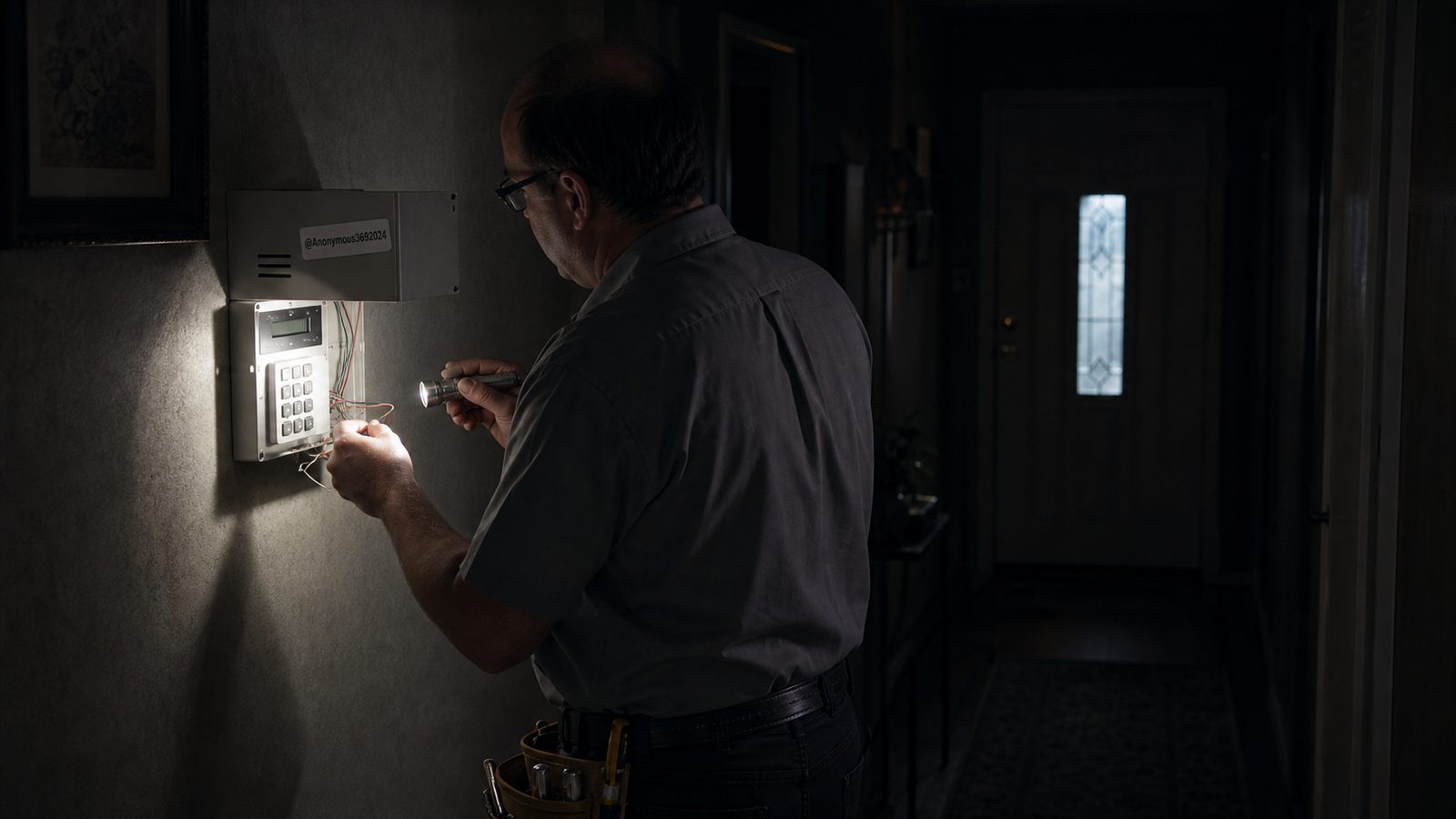
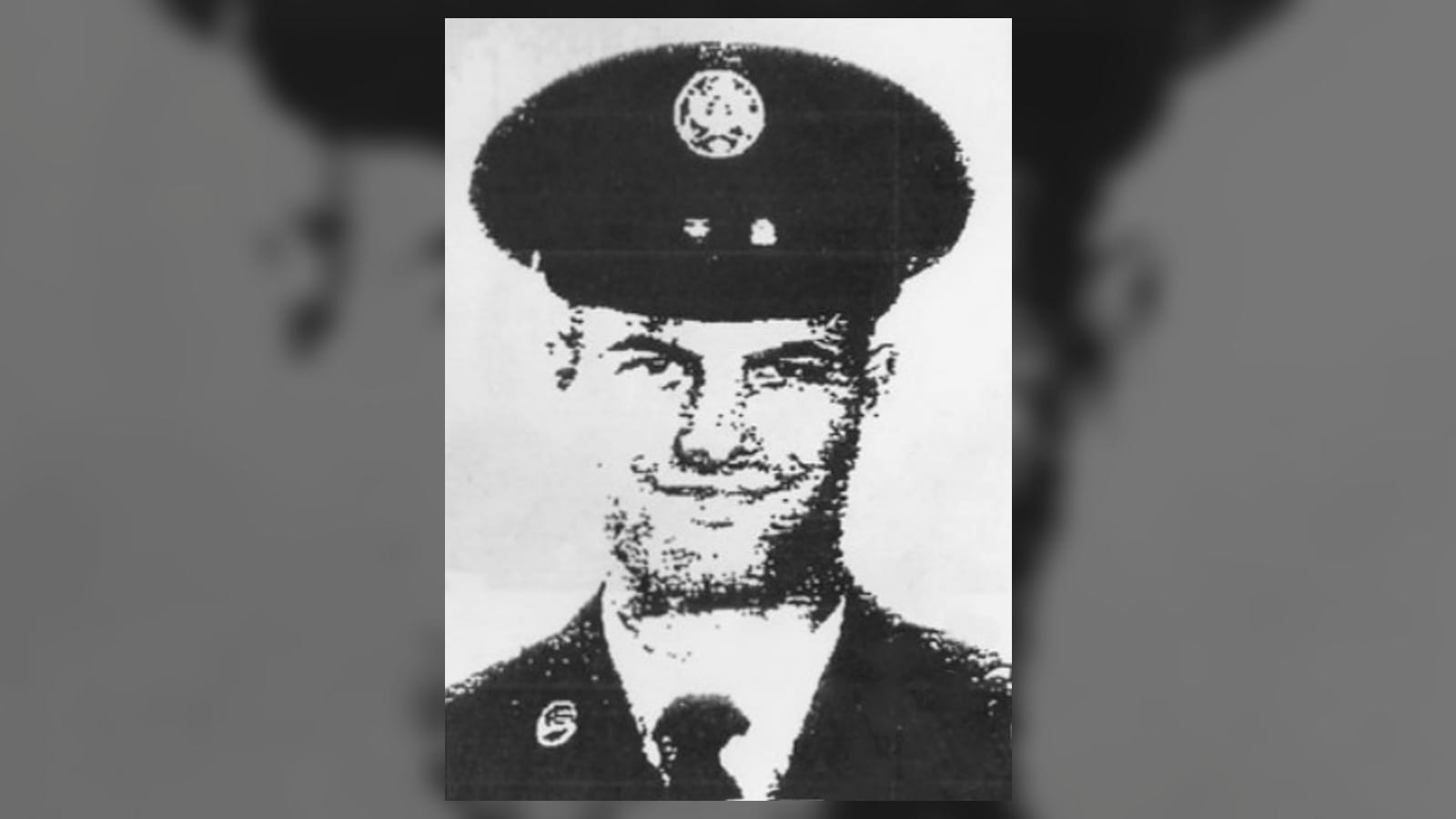
Between 1974 and 1991, the killer claimed ten lives. He targeted men, women, and children across the Wichita area, spreading his attacks over vast stretches of time. He would strike with horrific violence, claiming victims like Kathryn Bright, Shirley Vian, Nancy Fox, Marine Hedge, Vicki Wegerle, and Dolores Davis, before vanishing back into the shadows for years. During these dormant periods, he lived an eerily mundane double life. The man orchestrating this terror was Dennis Rader, a seemingly normal family man. He worked as an installer for ADT Security Services from 1974 to 1988, meaning he spent his days installing the very alarm systems that terrified residents were buying to protect themselves from him. He was a meticulous rule follower, a Cub Scout leader, and the respected president of his church council. He managed his urges by keeping horrific trophies, returning to his hidden collection of stolen driver licenses and personal items to relive his crimes. His extreme compartmentalization allowed him to walk through the world entirely undetected, an analog predator operating flawlessly in an era before modern forensic technology.
The Phantom Resurfaces
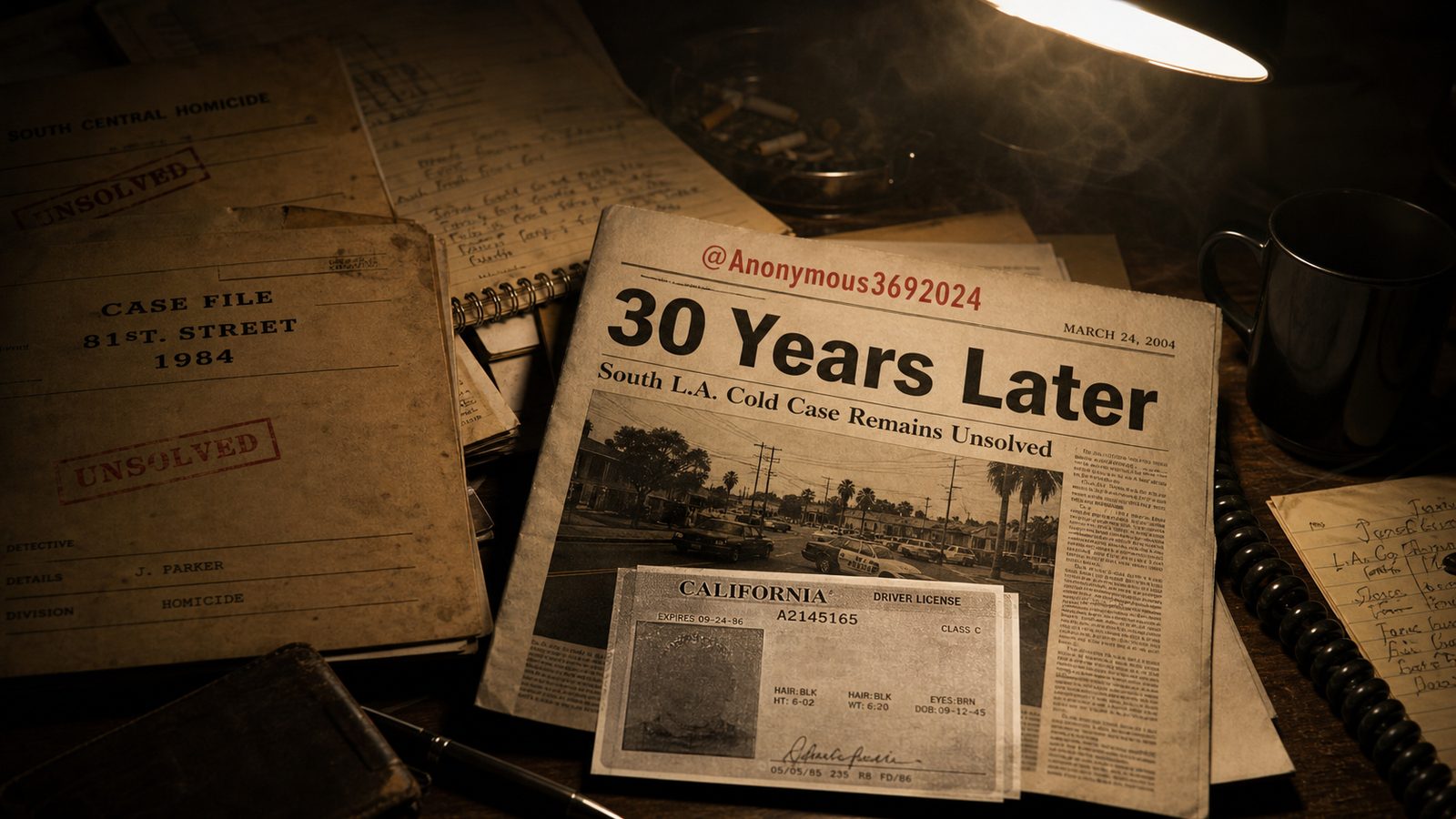
After the murder of Dolores Davis in 1991, the killer went completely silent. Over the next thirteen years, the trail froze. Many investigators and locals assumed the phantom was dead, incarcerated for another crime, or institutionalized. But in January 2004, the local newspaper published a retrospective story marking the thirtieth anniversary of the Otero family murders. The coverage stirred something dark within the aging predator. Later admitting he was simply bored and wanted to tell his story on his own terms, he broke his long silence. In March 2004, a letter arrived at the newspaper containing a photocopy of Vicki Wegerle's driver license and photographs of her body that had never been released to the public. Her murder had never been definitively linked to his spree until that moment. The city was instantly thrown back into a state of panic. The monster they thought was gone was still alive, still watching, and increasingly hungry for the spotlight.
The Cat and Mouse Game
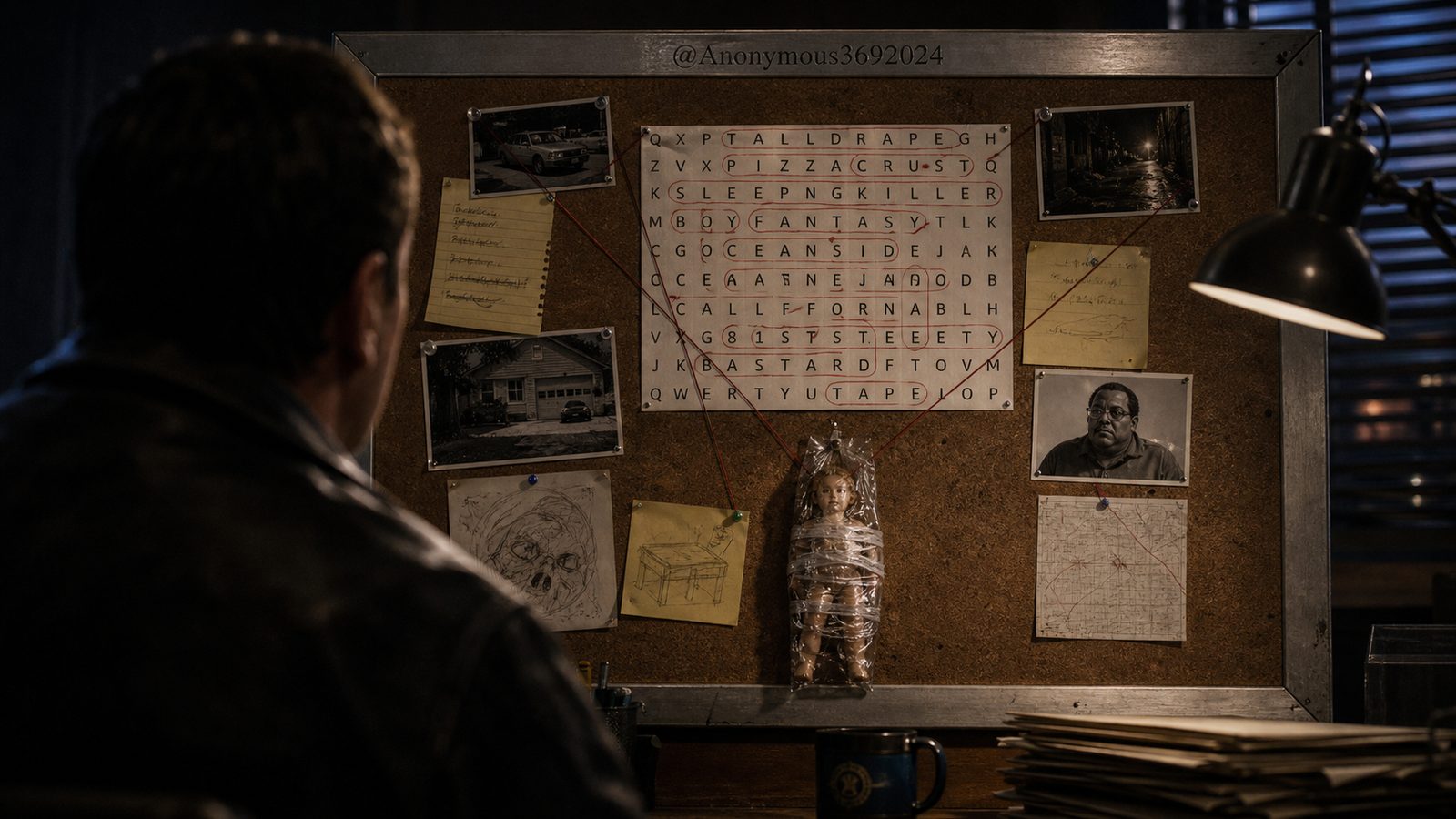
With the killer actively communicating again, the Wichita Police Department knew they needed a specialized strategy. They brought in the behavioral analysis experts from the FBI to help navigate the high-stakes psychological warfare. The profilers determined that the killer suffered from extreme narcissism and a desperate need for recognition. They advised the police to stroke his ego, to praise his intelligence, and to designate a single officer, Lieutenant Ken Landwehr, as his primary media contact. The strategy worked flawlessly. Intoxicated by the renewed attention, the killer began dropping cryptic packages, word puzzles, and terrifyingly posed dolls around the city. He used public drop sites, leaving a trail of breadcrumbs meant to taunt the authorities. But his arrogance was clouding his judgment. The careful, methodical predator of the 1970s was being replaced by a boastful man taking unnecessary risks, playing a deadly game in a modern world he did not fully understand.

A Fatal Question
By January 2005, the communications had reached a fever pitch. A store employee discovered a cereal box left in the back of a pickup truck outside a local home improvement store. Inside was another cryptic message, but this one contained a question that would ultimately change the course of criminal history. The killer asked if he could communicate using a floppy disk without being traced back to a specific computer. He demanded that the police be honest with him. If the answer was yes, they were instructed to run a classified ad in the local newspaper with a specific message. The police and computer forensic experts saw the opening they had been praying for. They crafted what would become one of the most brilliant deceptions in law enforcement history. They published the ad exactly as requested, addressing it to one of his known aliases. It read, "Rex, it will be OK." It was a calculated lie, laying a digital trap for a killer who still operated with an analog mindset.
The Purple Disk
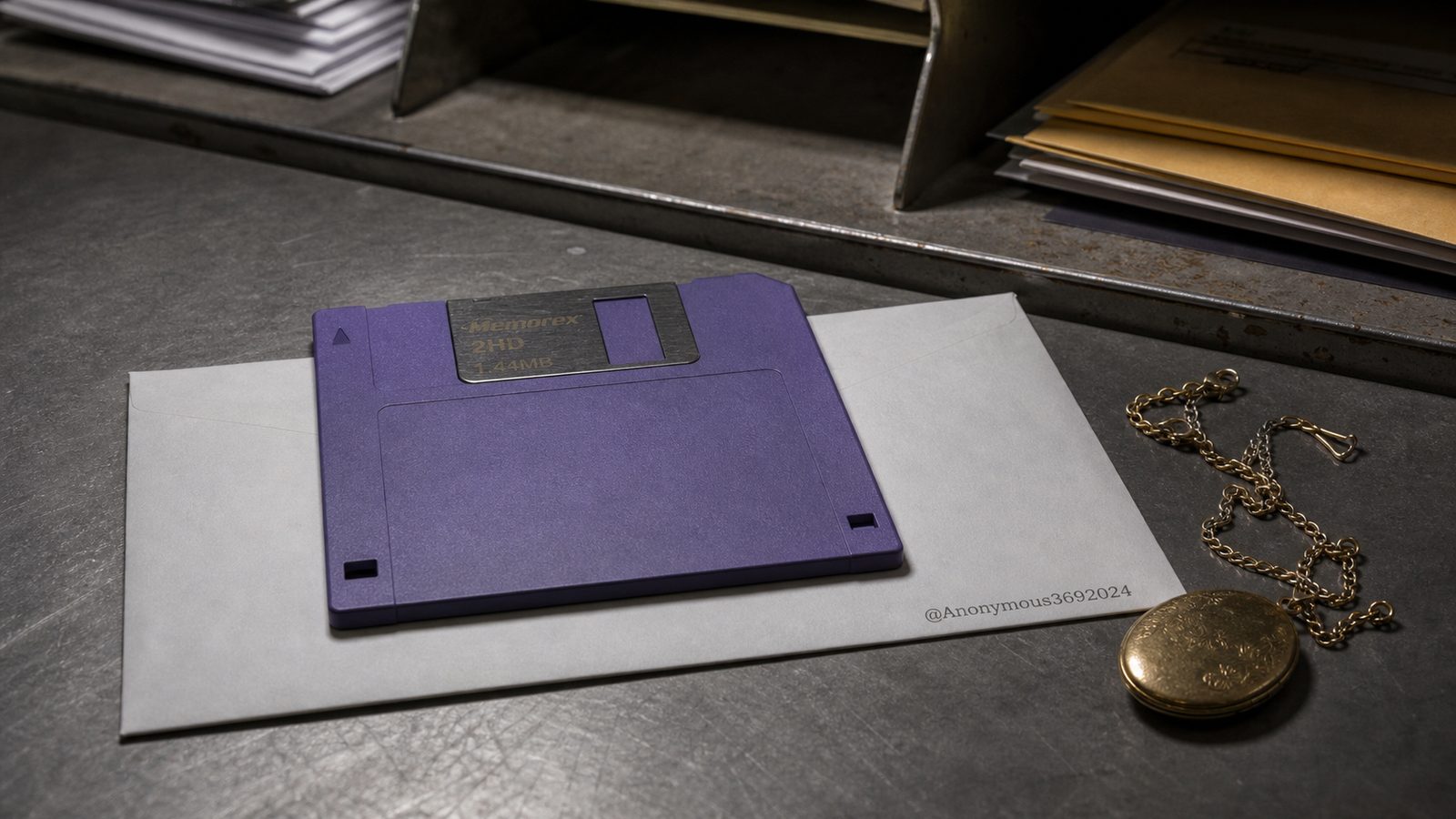
Trusting the false assurance from the police, the killer made his next move. On February 16, 2005, a padded envelope arrived at a local television station. Inside was a purple 1.44 megabyte Memorex floppy disk, accompanied by a victim's gold locket and a photocopy of a suspense novel cover. The disk was immediately handed over to law enforcement and rushed to computer forensic experts. When analysts opened the disk, they saw exactly what the killer intended them to see. There was a single, active text file named "TestA.rtf" containing his usual rambling taunts, threats, and rules for future communications. The killer believed he was safe, assuming that because he had saved his terrifying manifesto onto a clean disk, his identity remained completely cloaked. He assumed his gentleman's agreement with the police was intact, completely unaware of the invisible architecture of digital storage.
The Cyber Autopsy
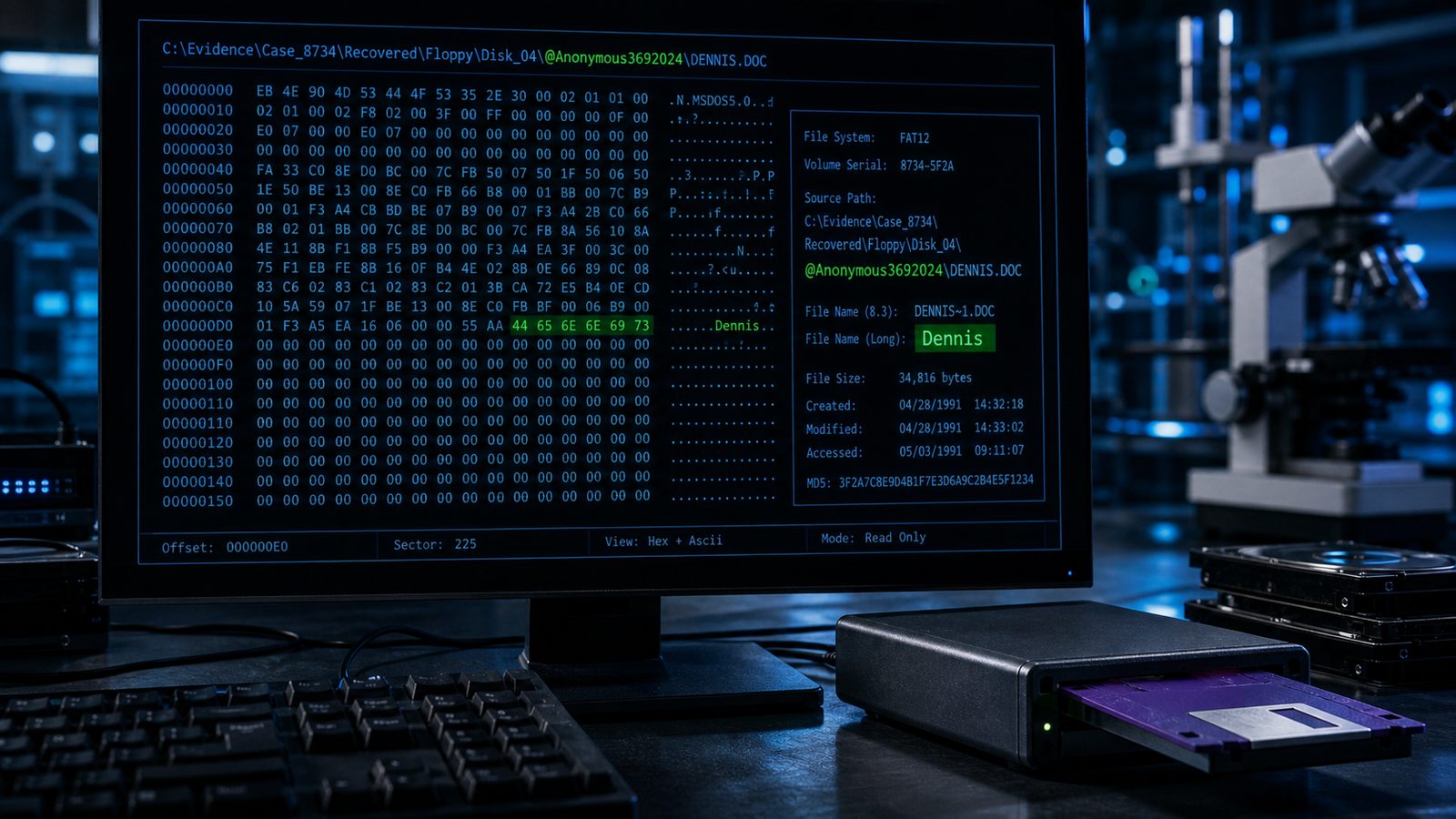
The real evidence was not in what the killer had written, but in what he believed he had erased. Forensic examiner Randy Stone utilized advanced data recovery software to conduct a cyber autopsy on the purple floppy disk. He bypassed the active files and dove into the unallocated space, the hidden sectors of the disk where deleted data still resides until it is overwritten. There, buried in the digital graveyard, Stone recovered a deleted Microsoft Word document. It was an innocuous agenda for a meeting of the Christ Lutheran Church council. But the true smoking gun lay within the document's hidden metadata. The background properties of the file recorded the digital fingerprints of the computer it was created on. The "Last Saved By" field clearly displayed the name "Dennis." The "Company" registration field read "Christ Lutheran Church." In a matter of minutes, the invisible phantom had been stripped of his anonymity by a few lines of background code.

The Familial DNA Match
The digital breadcrumbs provided an immediate, hyper-focused lead. A simple internet search confirmed that Dennis Rader was the president of the congregation council at Christ Lutheran Church in the suburb of Park City. Detectives quietly drove past his residence and spotted a black Jeep Cherokee parked in the driveway, the exact make and model of a vehicle captured on surveillance footage during a previous package drop. Despite the overwhelming circumstantial evidence, prosecutors needed definitive biological proof before making an arrest. Because the killer had left semen at several historical crime scenes, DNA was the ultimate key. Unwilling to risk tipping Rader off by asking for a sample, investigators obtained a warrant for his daughter's medical records at a university clinic. They secured a five-year-old tissue sample and ran a familial DNA test against the crime scene evidence. The match was absolute. The man behind the floppy disk was undeniably the monster who had haunted Wichita for thirty years.

The Floppy Did Me In
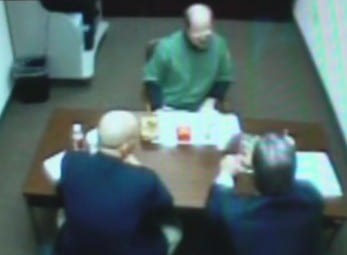
On February 25, 2005, a swarm of law enforcement vehicles surrounded Dennis Rader as he drove toward his home on his lunch break. The thirty-one-year manhunt ended without a single shot fired. Inside the interrogation room, Rader's cold, calculated facade quickly crumbled when presented with the evidence. But it was not the horror of his crimes or the weight of his capture that disturbed him the most. He was deeply offended by the deception. He looked at the lead investigator and asked why he had lied about the floppy disk. In his twisted mind, they had broken a bond of trust. He could not grasp that a deleted file, a ghost of digital data, could betray him so completely. He confessed to all ten murders, eventually receiving ten consecutive life sentences. His capture stands as a haunting reminder that no matter how meticulous the predator, the modern world remembers everything. How many other secrets are trapped in the silent, forgotten code of our digital lives, waiting for the right moment to surface and speak for the dead?
Archival Case Gallery
Sources & Case Notes
Last updated: May 8, 2026.
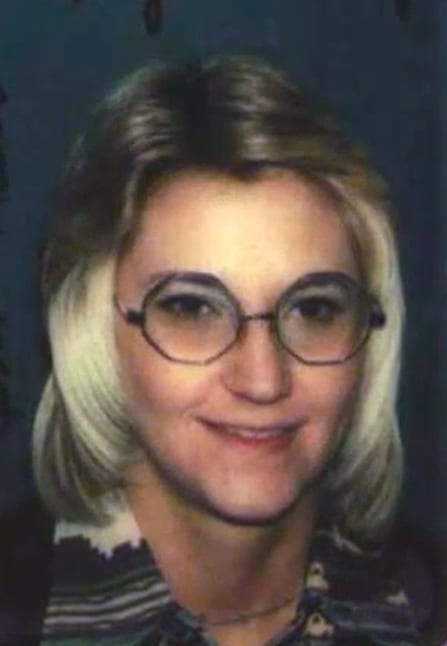
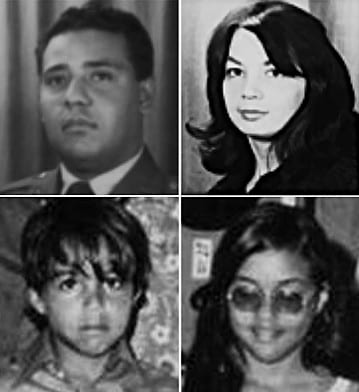
Primary sources / case notes: Wichita/BTK public case history, court outcome reporting, FBI/digital-forensics context, and public Wikimedia case images of Dennis Rader, the Otero family, and Nancy Fox.
Source links:
Correction policy: Send corrections, source notes, or image-rights concerns through Contact & Media Inquiries.
Image credits: Feature and gallery use public Wikimedia case images, including Dennis Rader and respectful non-graphic victim portraits. Body images are documentary recreations created for Anonymous369 Media.
Content warning: Discusses serial murder, family homicide, stalking, and offender communications; non-graphic.
Editorial standards: Read how Anonymous369 Media researches, corrects, and credits factual cases on our Editorial Standards page.
Continue the Case File
These investigations reward careful reading. Step back if you missed the previous file, or keep going to follow the next case in the archive.
Previous file: The Tooth in the Woodchipper: How Forensics Solved the Helle Crafts Case Next file: The Typed Manifesto: How Language Unmasked the Unabomber