
The Bitter Pill: How the 1982 Tylenol Murders Changed America
In late September 1982, seven people in the Chicago area died after taking cyanide-laced Tylenol capsules pulled from ordinary store shelves. The case sparked a nationwide recall, rewrote consumer safety law, and remains officially unsolved more than forty years later.


A Cold Morning in Elk Grove Village
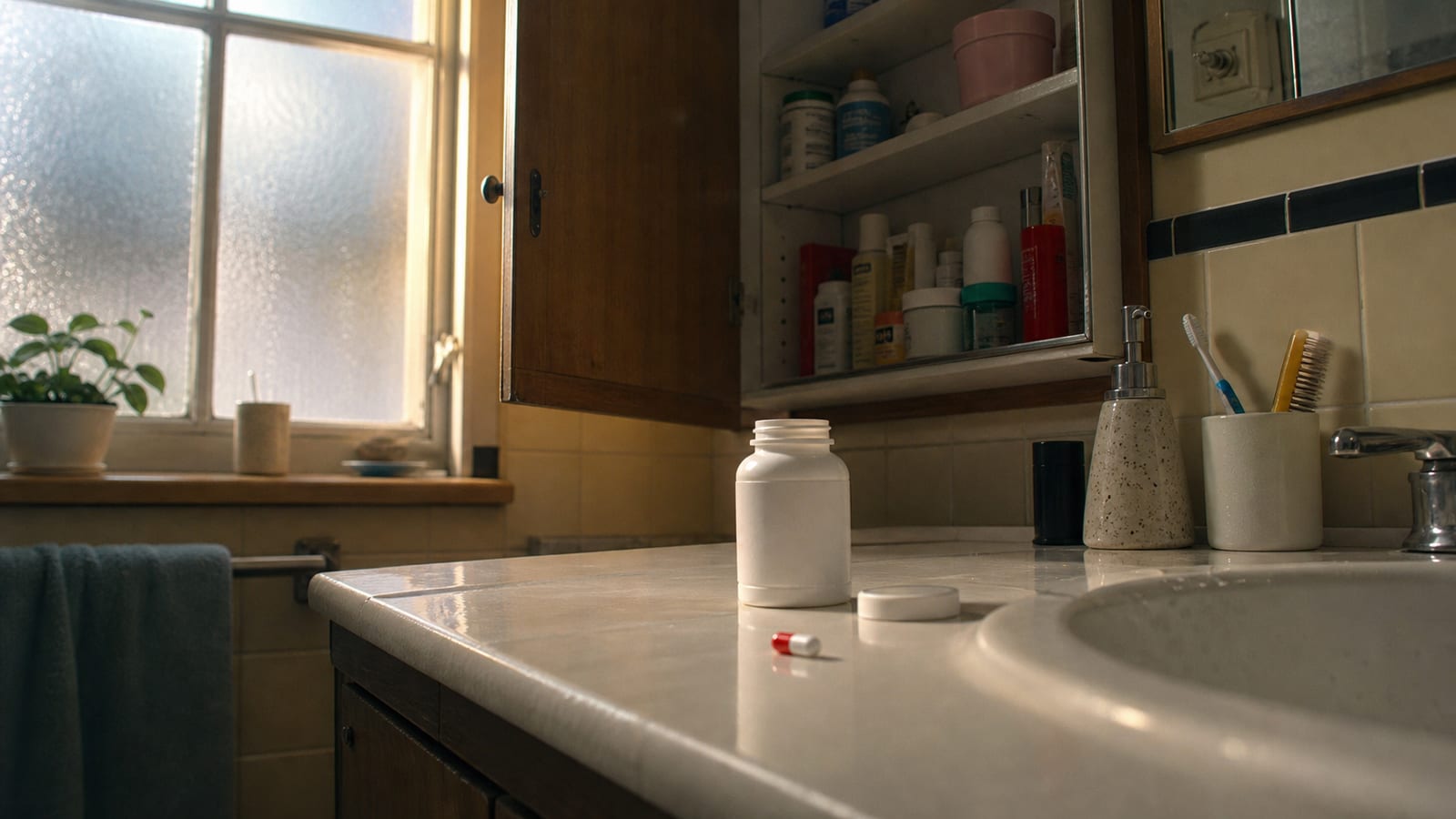
The crisp autumn air of late September 1982 carried the usual onset of seasonal colds through the sprawling suburbs of Chicago. In the quiet community of Elk Grove Village, twelve-year-old Mary Kellerman woke on the morning of September 29 feeling congested and achy. Seeking simple relief, her parents gave her Extra-Strength Tylenol from a bottle they had purchased at a local Jewel food store. They expected the medicine to ease her fever and soothe her throat. Instead, they heard a sudden, terrifying thud from the bathroom.
Mary had collapsed on the floor, still in her pajamas. Paramedics arrived within minutes and worked through every measure available to them, but their efforts were not enough. By the time the morning was over, the young girl was gone. The initial diagnosis offered no clarity, leaving her parents shattered and investigators unaware that a nightmare had just begun. Whoever had done this remained unknown, and more tainted medicine was still sitting on store shelves across the Chicago area, a few twists of plastic away from the next family.
The Domino Effect
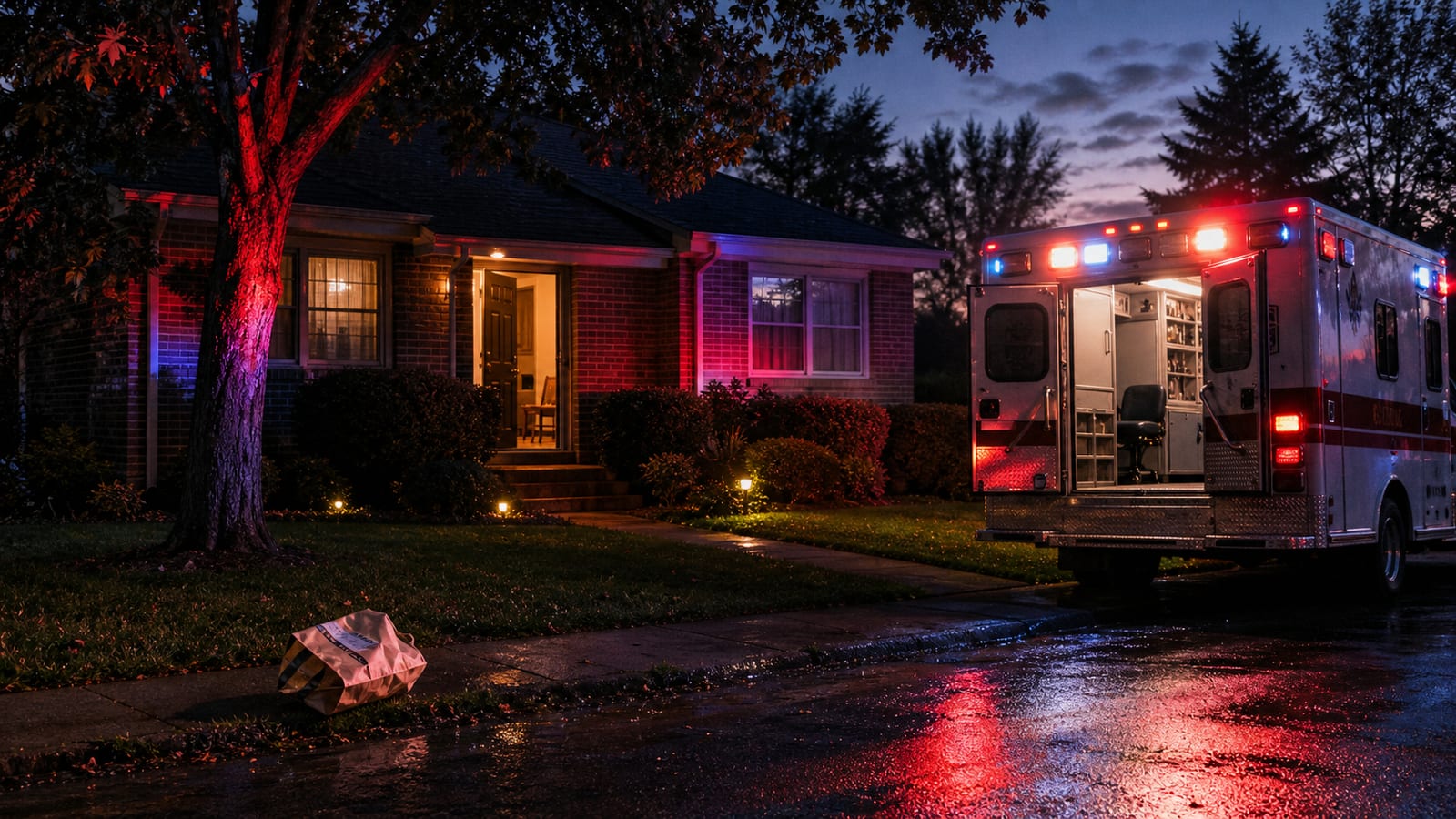
Just hours after the tragedy in Elk Grove Village, the same danger surfaced in nearby Arlington Heights. Adam Janus, a twenty-seven-year-old postal worker, had taken a sick day to recover from a minor ailment. He bought a bottle of Extra-Strength Tylenol, swallowed two capsules, and later collapsed in his home. When he died at the hospital a short time later, emergency room physicians initially believed he had suffered a sudden, inexplicable heart attack.
His grieving family gathered at his home that afternoon to mourn the shocking loss. Plagued by stress and headache, his twenty-five-year-old brother Stanley reached into the same Tylenol bottle Adam had used earlier in the day. Stanley's wife, Theresa, took capsules as well. Within minutes, the unthinkable repeated itself. Stanley collapsed in front of his family. When paramedics arrived, Theresa collapsed too. Stanley died that evening. Theresa was placed on life support and died two days later. An entire family had been devastated in a single afternoon, transforming a baffling medical anomaly into something far more terrible.
Connecting the Poison
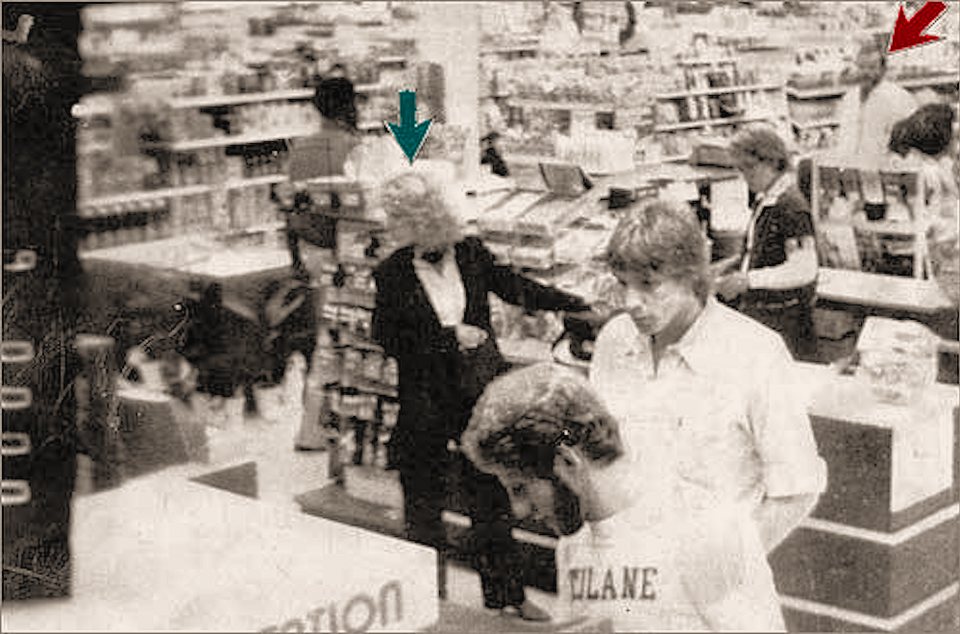
The chaos escalated as reports of sudden, unexplained deaths poured in from neighboring jurisdictions. Mary Reiner, a twenty-seven-year-old mother in Winfield who had given birth only days before, died after taking the medication. In Lombard, thirty-one-year-old Mary McFarland collapsed at her workplace. In Chicago's Old Town neighborhood, thirty-five-year-old flight attendant Paula Prince purchased her own bottle at a Walgreens, an ordinary transaction quietly captured on the store's surveillance cameras.
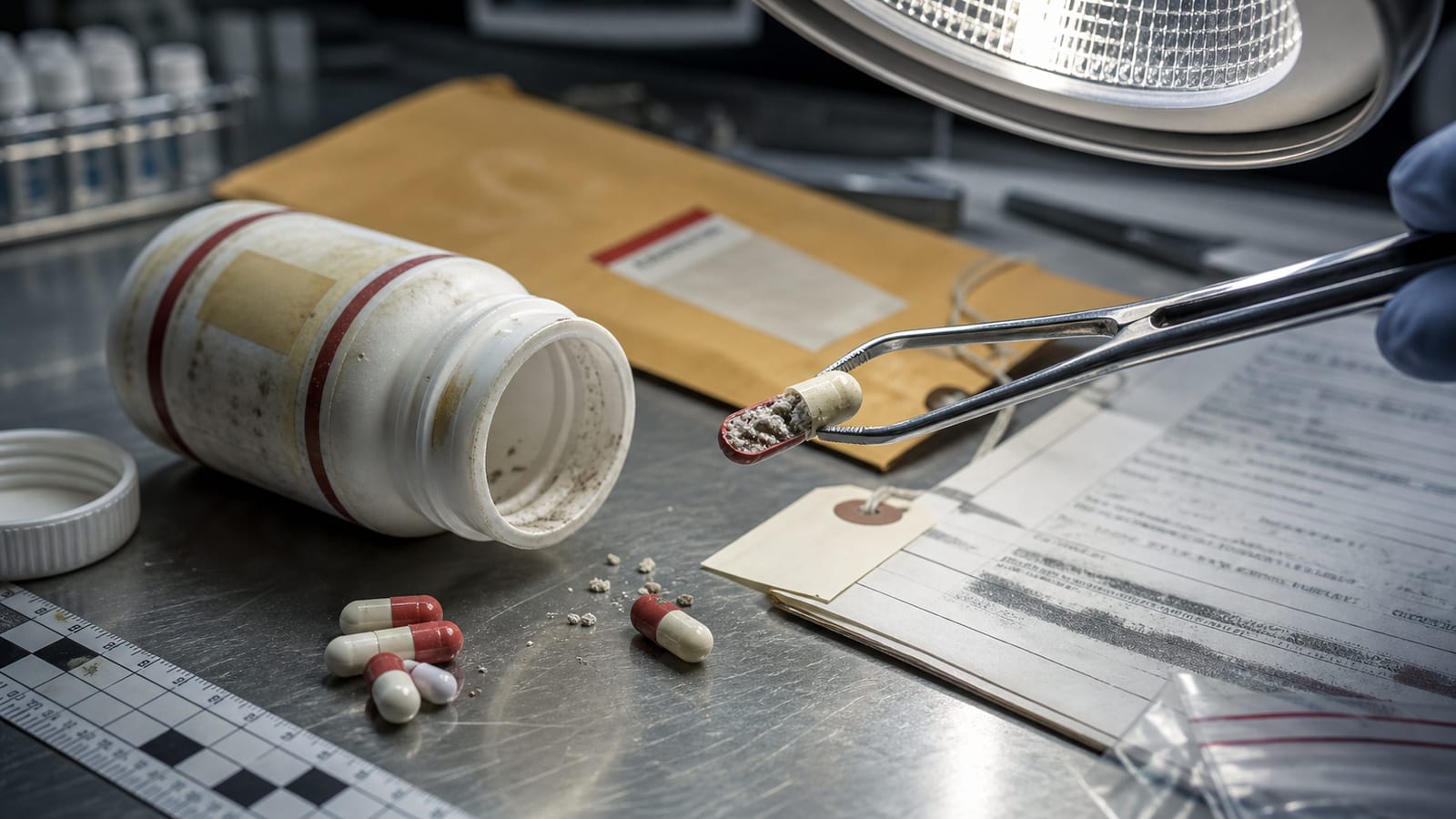
The breakthrough came through the persistence of local officials, including Arlington Heights public health nurse Helen Jensen and medical investigator Nick Pishos, who focused on the Tylenol bottles in the victims' homes and recognized the terrifying common denominator. Toxicology testing soon confirmed the worst. The capsules had been pulled apart, doctored with potassium cyanide, and reassembled. Investigators traced tainted bottles to the now-infamous control lot number MC2880, while other lot numbers were also implicated as the inquiry widened. Pishos later recalled an almond-like odor from the evidence, the signature smell often associated with cyanide.

Panic in the Streets
Cyanide prevents the body from using oxygen at the cellular level, which can cause collapse and death with terrifying speed. The realization triggered a public health emergency on a scale the country had never seen. Chicago Mayor Jane Byrne ordered an immediate halt to Tylenol sales within the city limits. Police cruisers rolled through neighborhoods blaring warnings over loudspeakers, while officials and volunteers distributed fliers in multiple languages and urged residents to discard the medication.
Johnson & Johnson, whose McNeil subsidiary manufactured Tylenol, made the unprecedented decision to issue a nationwide recall. More than thirty-one million bottles of Tylenol, valued at more than one hundred million dollars, were pulled from store shelves and destroyed. At the Chicago Department of Health, laboratory workers settled in for an around-the-clock operation, manually opening confiscated capsules to search for dull gray crystals hidden among the white powder.
The Manufacturing Myth
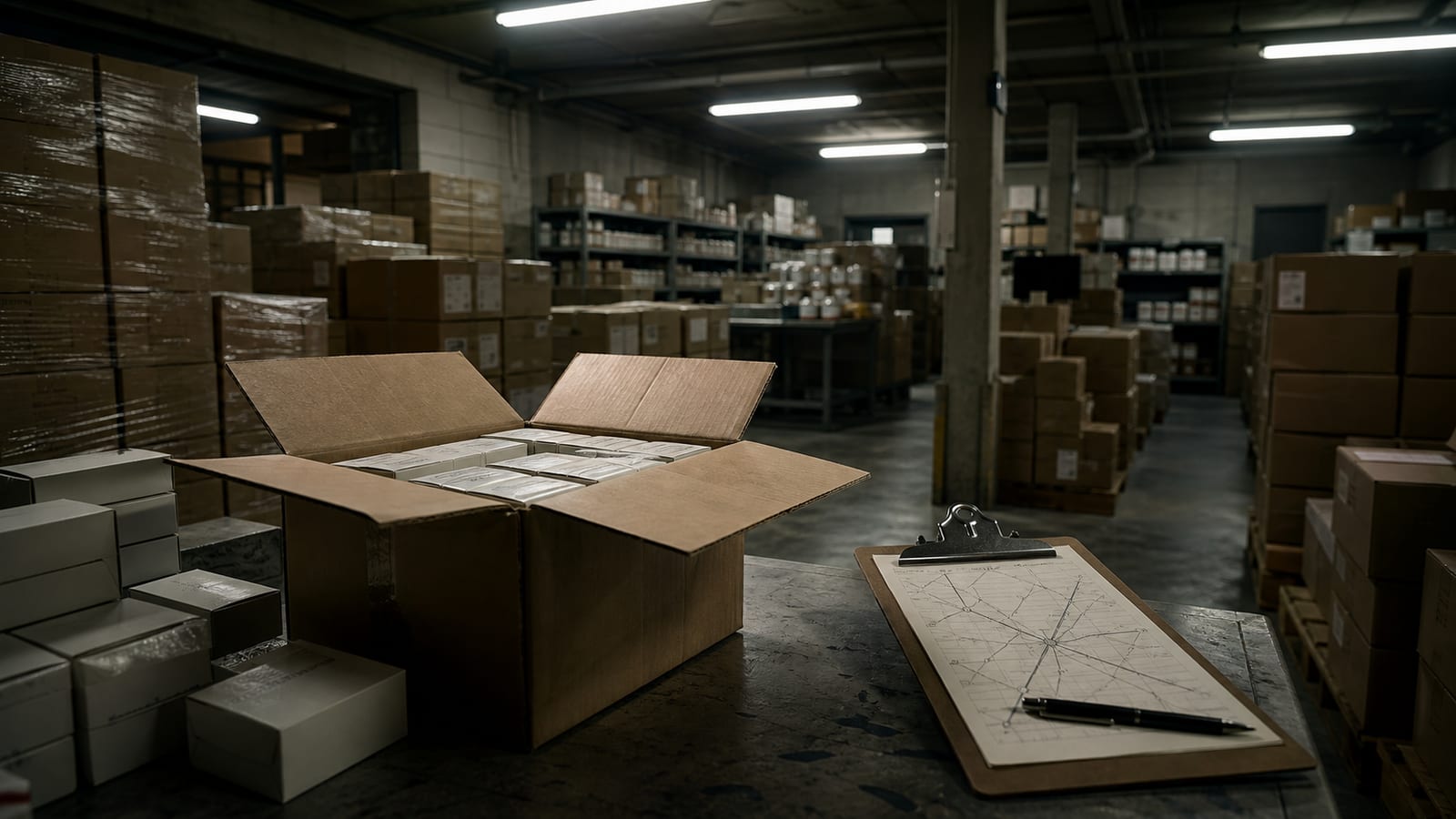
As the multi-agency task force mobilized under Illinois Attorney General Ty Fahner, investigators faced a central, terrifying mystery. How had the poison gotten into the capsules in the first place? Initial fears pointed toward a disgruntled employee or a breach somewhere in the manufacturing process. The evidence quickly complicated that theory. The tainted bottles recovered by police had been produced in different facilities, yet the known poisonings were concentrated in the Chicago area, across scattered pharmacies and grocery stores.
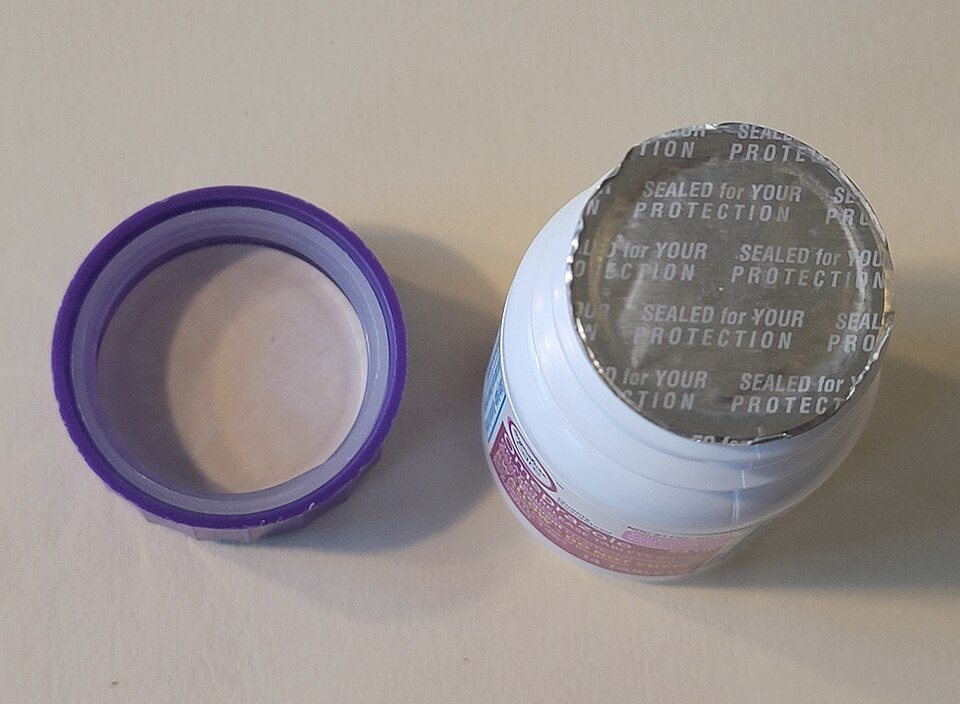
That geographic pattern led investigators toward the retail-tampering theory. Someone, they believed, had taken bottles from store shelves, doctored the capsules in private, and returned the lethal packages to public display. Because over-the-counter medications in 1982 carried no modern tamper-evident seals, consumers had almost no way to know a bottle had been compromised. The era of unconscious trust in consumer products was effectively over.
The Extortionist
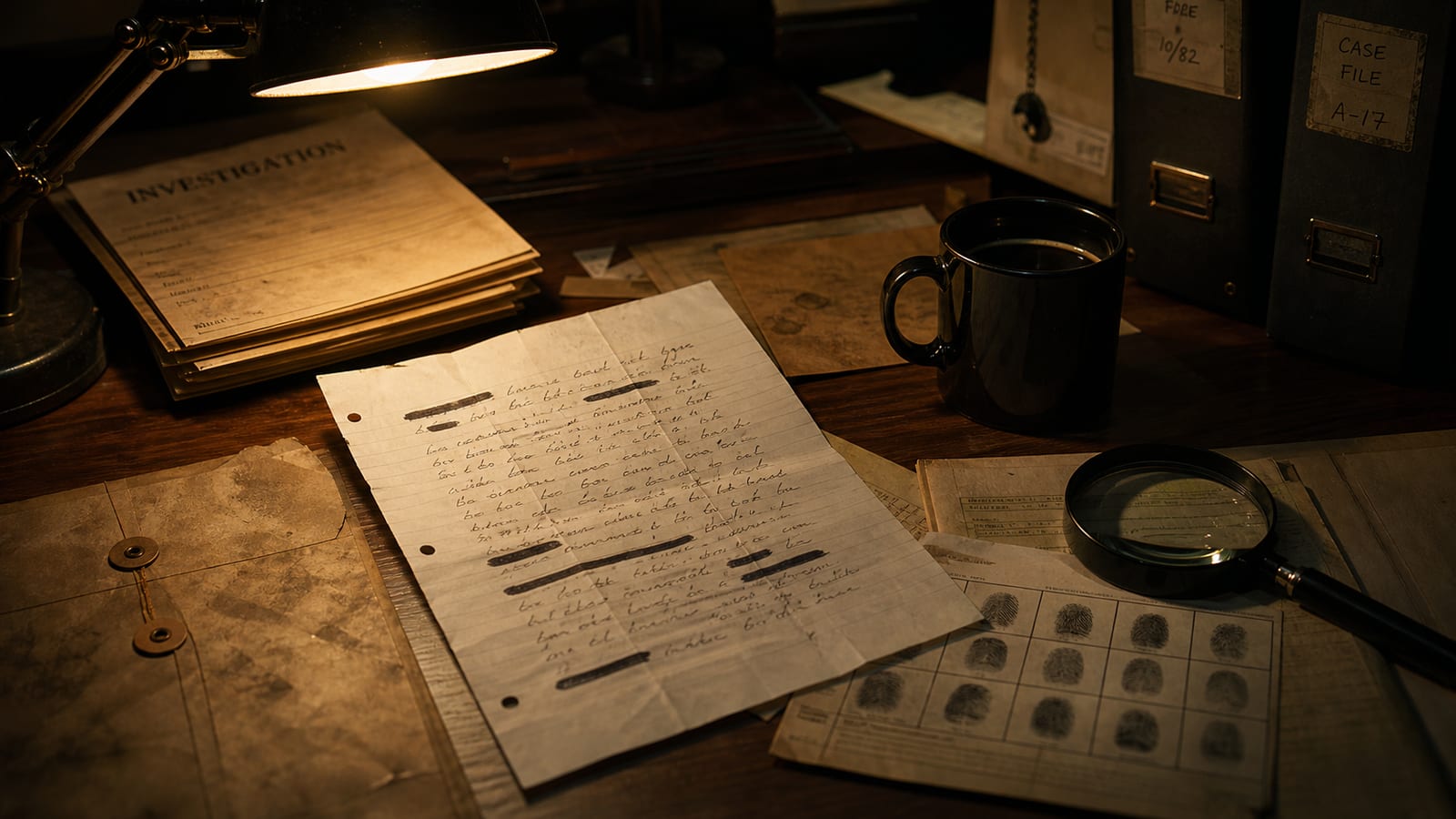
With hundreds of investigators chasing thousands of leads, the task force needed answers. In October, a handwritten letter arrived at Johnson & Johnson demanding one million dollars and claiming the killings would stop if the money was paid. Authorities traced the bank account connected to the demand and eventually identified the letter's author as James William Lewis, a man with a history of fraud.
A nationwide manhunt ended with his arrest in New York. Lewis offered investigators detailed hypothetical sketches of how the poisonings might have been carried out, but physical evidence tying him to the actual deaths was never solidified. Investigators could not place him in the Chicago stores during the critical window, and he denied carrying out the murders. He was convicted of extortion and sentenced to prison, but he was never charged with the seven homicides.
Another man, warehouse worker Roger Arnold, also drew investigators' attention, including over materials connected to cyanide. He was eventually cleared of the Tylenol crimes. The pressure and paranoia surrounding his suspect status later fed a separate tragedy when Arnold shot and killed an innocent man in an unrelated act of mistaken revenge.
The DNA Revolution
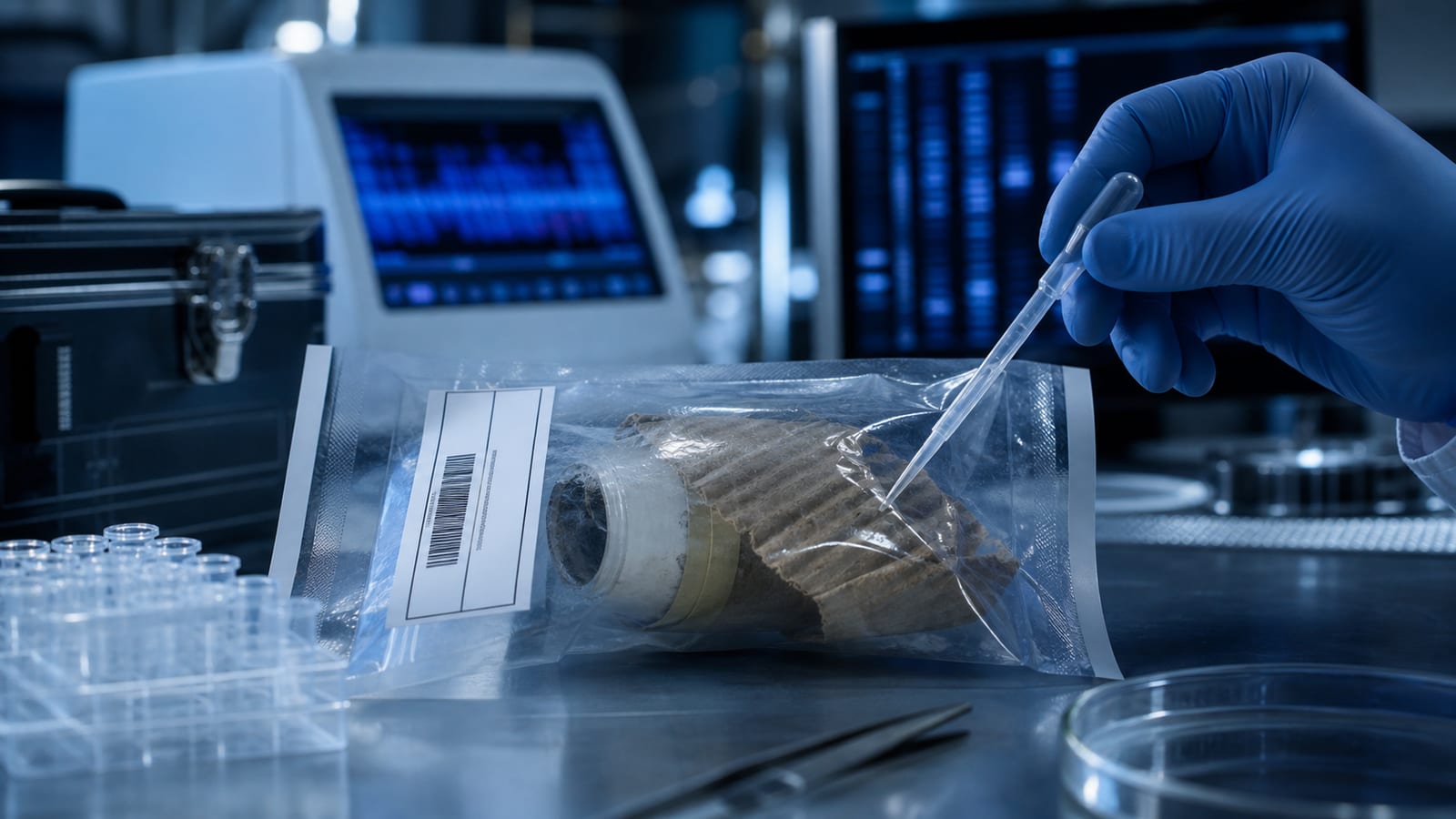
Decades passed and the case grew cold, but the evidence was never abandoned. Law enforcement agencies preserved contaminated bottles, receipts, capsules, and other material, hoping the steady advance of forensic science might one day catch up to whoever had walked away. In 2009, the FBI publicly confirmed that it was conducting a complete review of the evidence with Illinois State Police and local departments, citing both the case's twenty-fifth anniversary and advances in forensic technology.
The modern testing effort continued in the years that followed. Records later reported by CBS News Chicago showed that Arlington Heights police began working with Othram, a forensic laboratory known for advanced DNA analysis, in 2020. Investigators also collected elimination DNA and fingerprints from people known to have handled evidence, trying to separate innocent contact from anything that might point toward a viable lead. In July 2023, primary person of interest James Lewis died at his home in Cambridge, Massachusetts. Whatever he knew, or did not know, died with him, leaving the Tylenol murders among the most infamous officially unsolved cold cases in American history.
The Legacy in the Lid
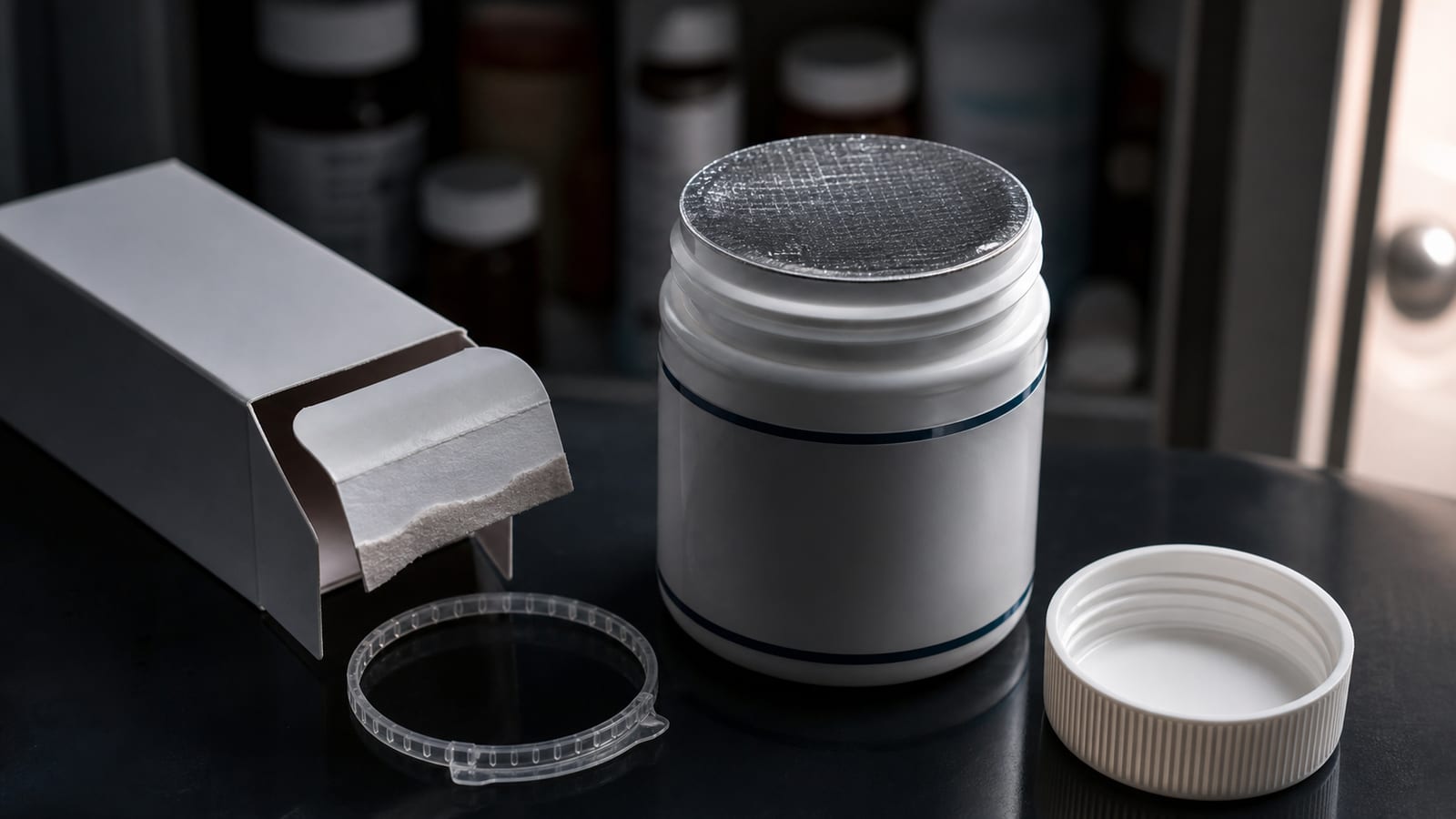
While no one was ever convicted of the 1982 Chicago Tylenol murders, the fallout fundamentally altered the landscape of American public health. Recognizing the vulnerability built into the country's consumer-product supply chain, Congress passed the Federal Anti-Tampering Act in 1983, making product tampering a federal offense. Regulators and manufacturers also moved toward tamper-resistant and tamper-evident packaging, changing the way over-the-counter medicine reached store shelves.
Johnson & Johnson reintroduced Tylenol with new safety features, including sealed packaging designed to show whether a product had been opened. The industry shifted away from easy-to-open powder-filled capsules and toward solid caplets that were harder to manipulate. Today, every time a consumer peels foil from a new bottle of pain reliever, they are touching the direct legacy of Mary Kellerman, Adam Janus, Stanley Janus, Theresa Janus, Mary Reiner, Mary McFarland, and Paula Prince. The safety mechanisms a country now takes for granted are quiet scars left behind by a crime no one was ever convicted of committing. Somewhere, in the archives of a police department or the silence of a grave, the answer remains out of reach. Until it is found, the bitter lesson of 1982 lives on every time a seal breaks under a thumb.
Archival Case Gallery
Sources & Case Notes
Last updated: May 8, 2026.
Primary sources / case notes: FBI Chicago field-office history, FBI 2009 evidence-review advisory, Chicago History Museum overview, FDA oral-history material on tamper-resistant packaging, and major Chicago reporting on later evidence reviews.
Source links:
- Chicago History Museum Tylenol murders overview
- FBI Chicago evidence-review advisory
- UIC School of Public Health Tylenol murders review
Correction policy: Send corrections, source notes, or image-rights concerns through Contact & Media Inquiries.
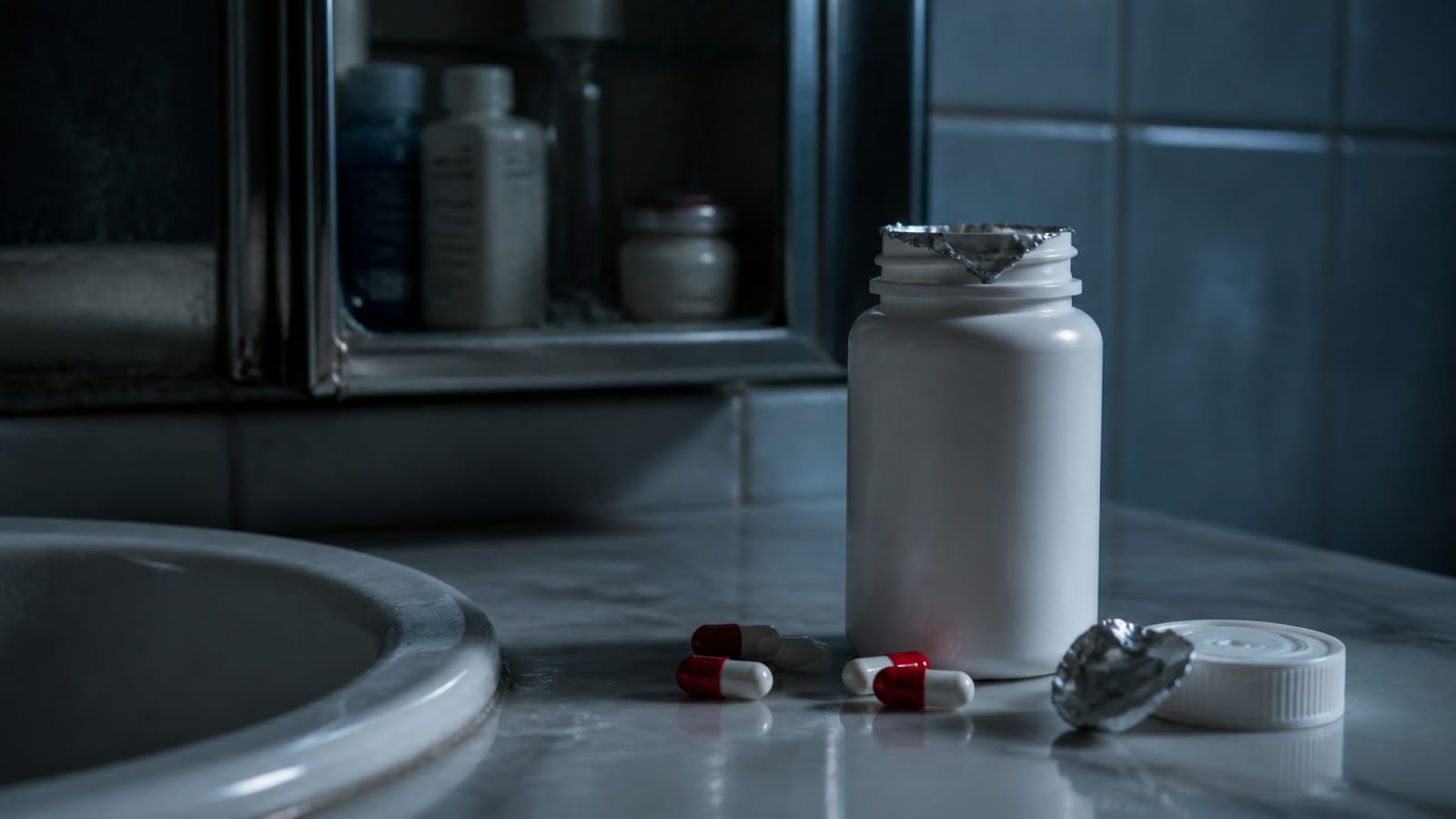
Image credits: Images are non-graphic documentary recreations of evidence, packaging, lab, and public-warning contexts. No suspect portrait is used because the murders remain unsolved and no one was convicted. Archival Case Gallery uses a CC0 Wikimedia Commons surveillance still of Paula Prince at a Chicago Walgreens and a CC BY-SA 4.0 tamper-resistant packaging context image by Cullen328/Jim Heaphy.
Content warning: Discusses poisoning deaths, including a child victim, and product tampering; non-graphic.
Editorial standards: Read how Anonymous369 Media researches, corrects, and credits factual cases on our Editorial Standards page.
Continue the Case File
These investigations reward careful reading. Step back if you missed the previous file, or keep going to follow the next case in the archive.
Previous file: The Typed Manifesto: How Language Unmasked the Unabomber Next file: The RMR-1029 Flask Traced the 2001 Anthrax Attacks to Fort Detrick