The Axeman of New Orleans: The Jazz Letter Mystery (PART 211)
Between 1918 and 1919, an unidentified attacker terrorized New Orleans. The killer was linked to a series of nighttime attacks, mostly against Italian grocers—and then a letter appeared claiming that anyone playing jazz would be spared.


10 creepy facts to keep you up at night, part 211.
Number 10.
Between 1918 and 1919, New Orleans was terrorized by a mysterious serial killer known only as “The Axeman”, who broke into homes and murdered victims in their sleep.
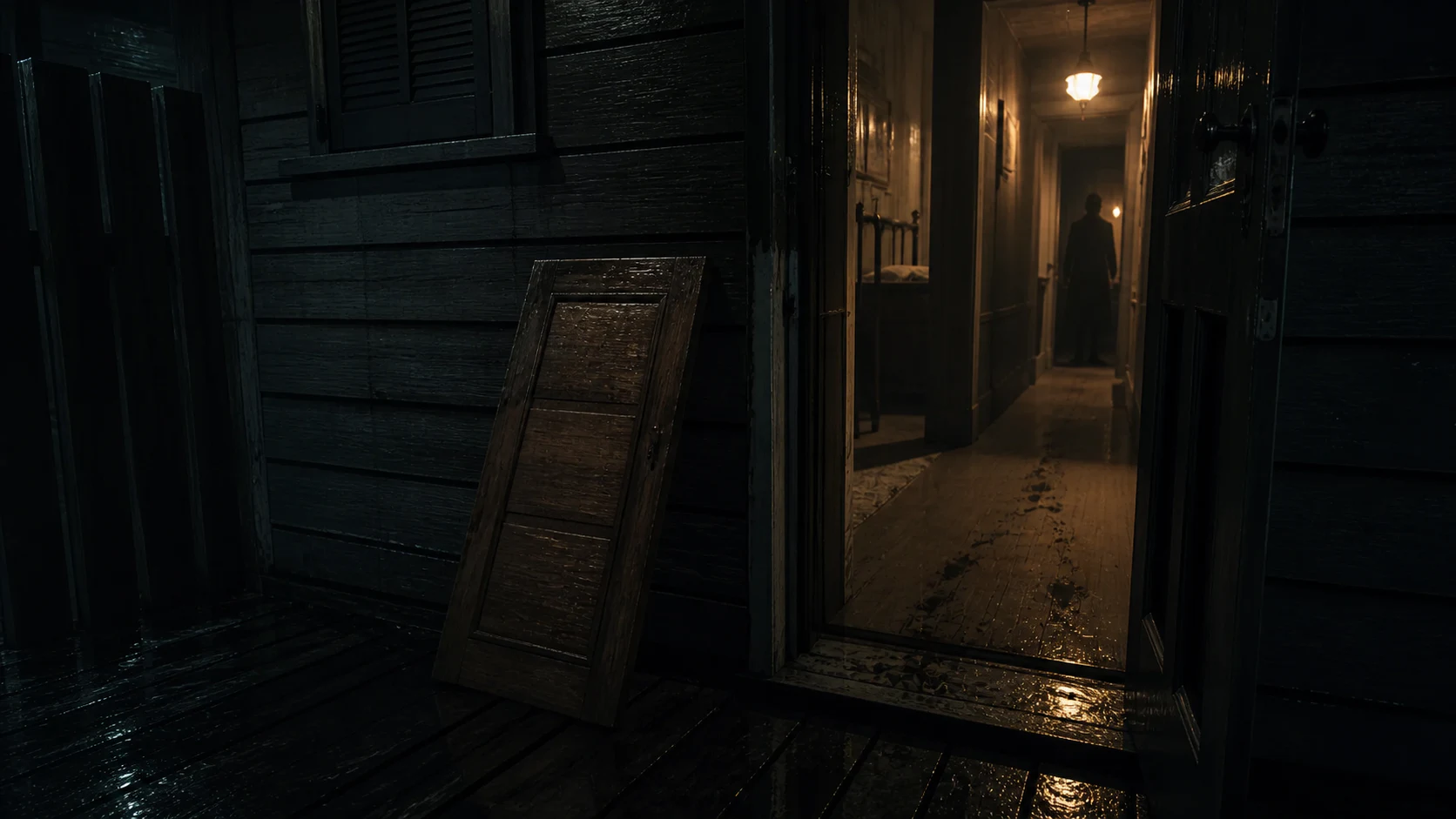
Nine, the killer never used his own weapon—he would use “the victim’s own axe or a blade found in their house”, turning their home into their death trap.
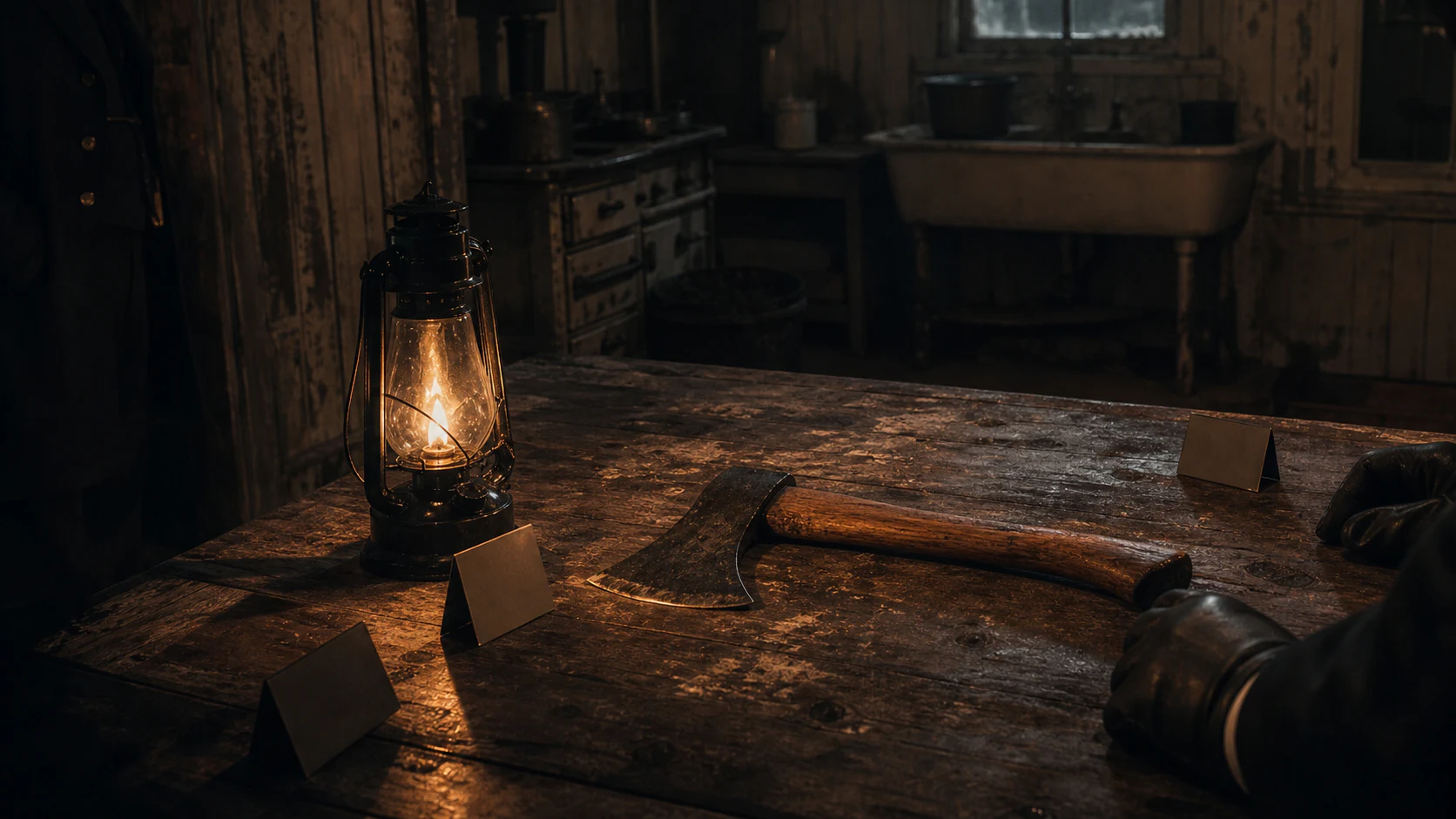
Number eight.
Most of the victims were Italian grocers, sparking theories that the murders were linked to “racial targeting, extortion, or organized crime.”
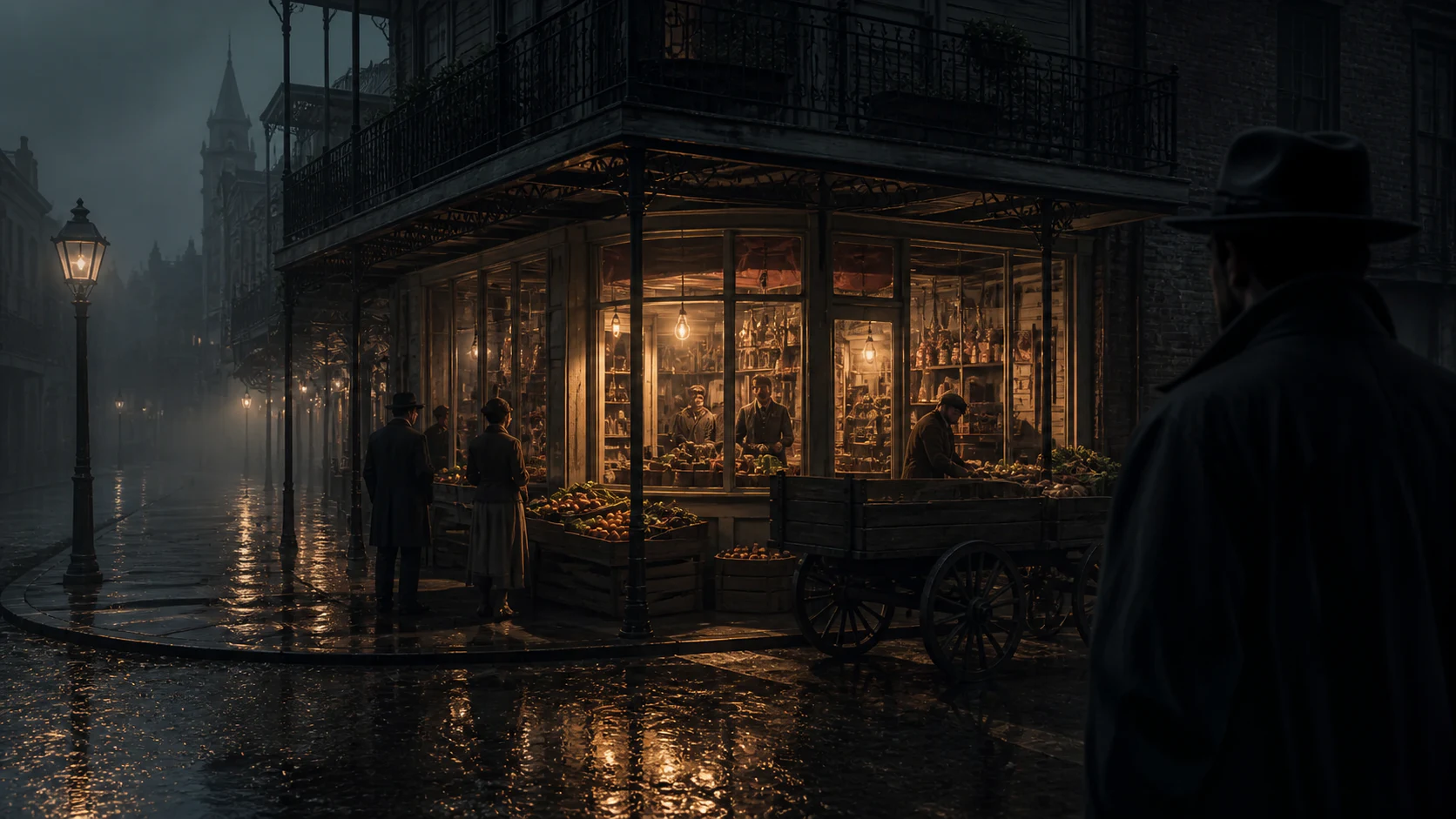
Number seven, he never robbed his victims, and nothing of value was taken—making the attacks seem “random and driven purely by violence.”
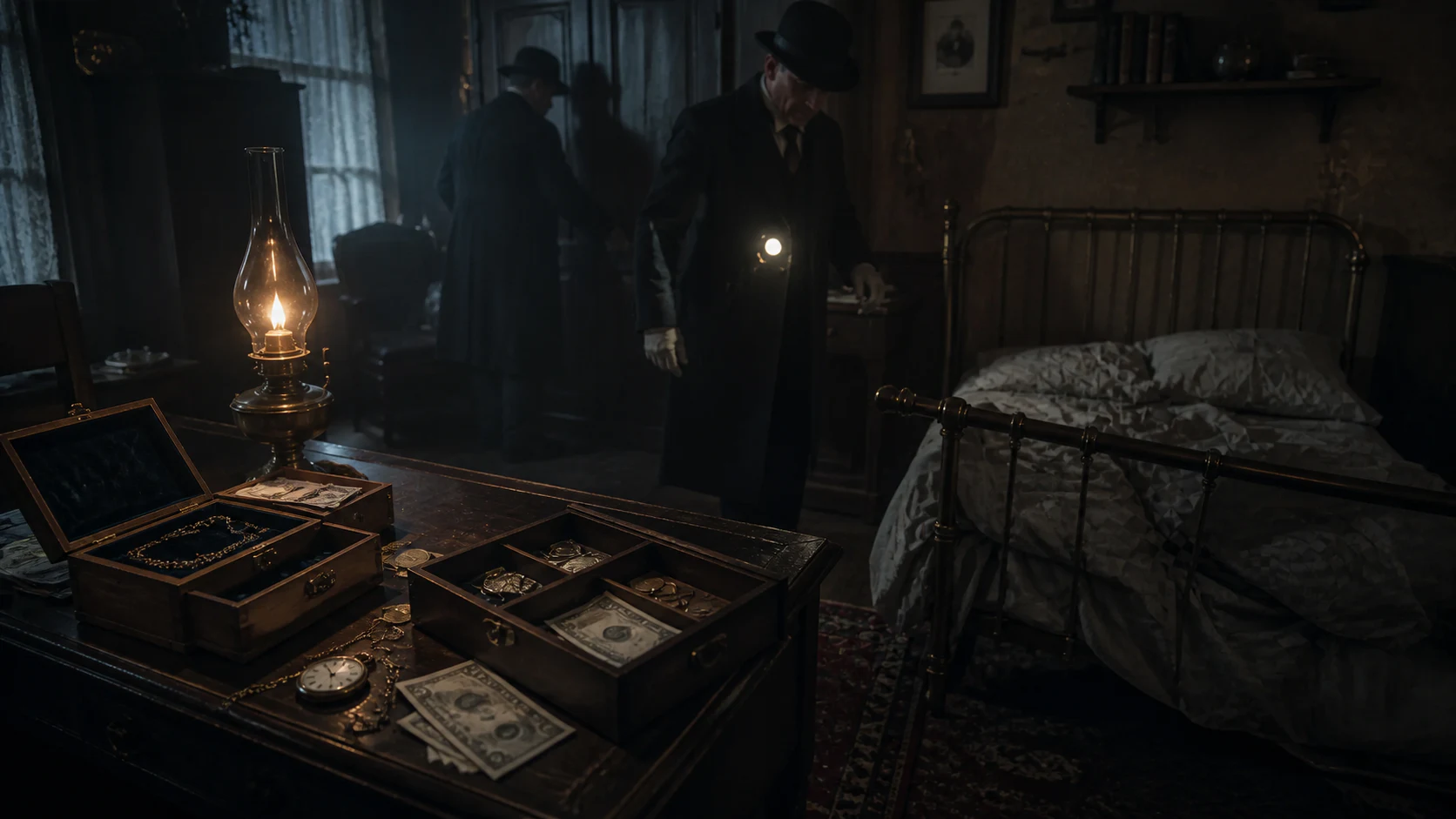
Number six.
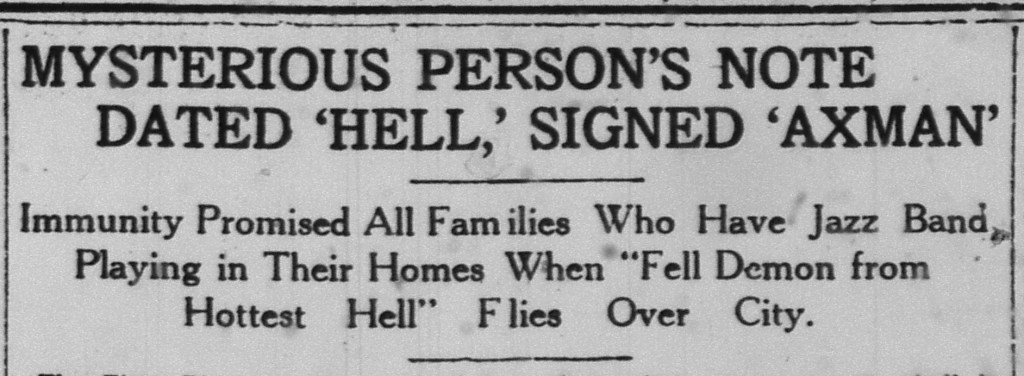
In 1919, a chilling letter allegedly written by the Axeman was published in newspapers, claiming he would kill again—but “spare any house playing jazz music.”
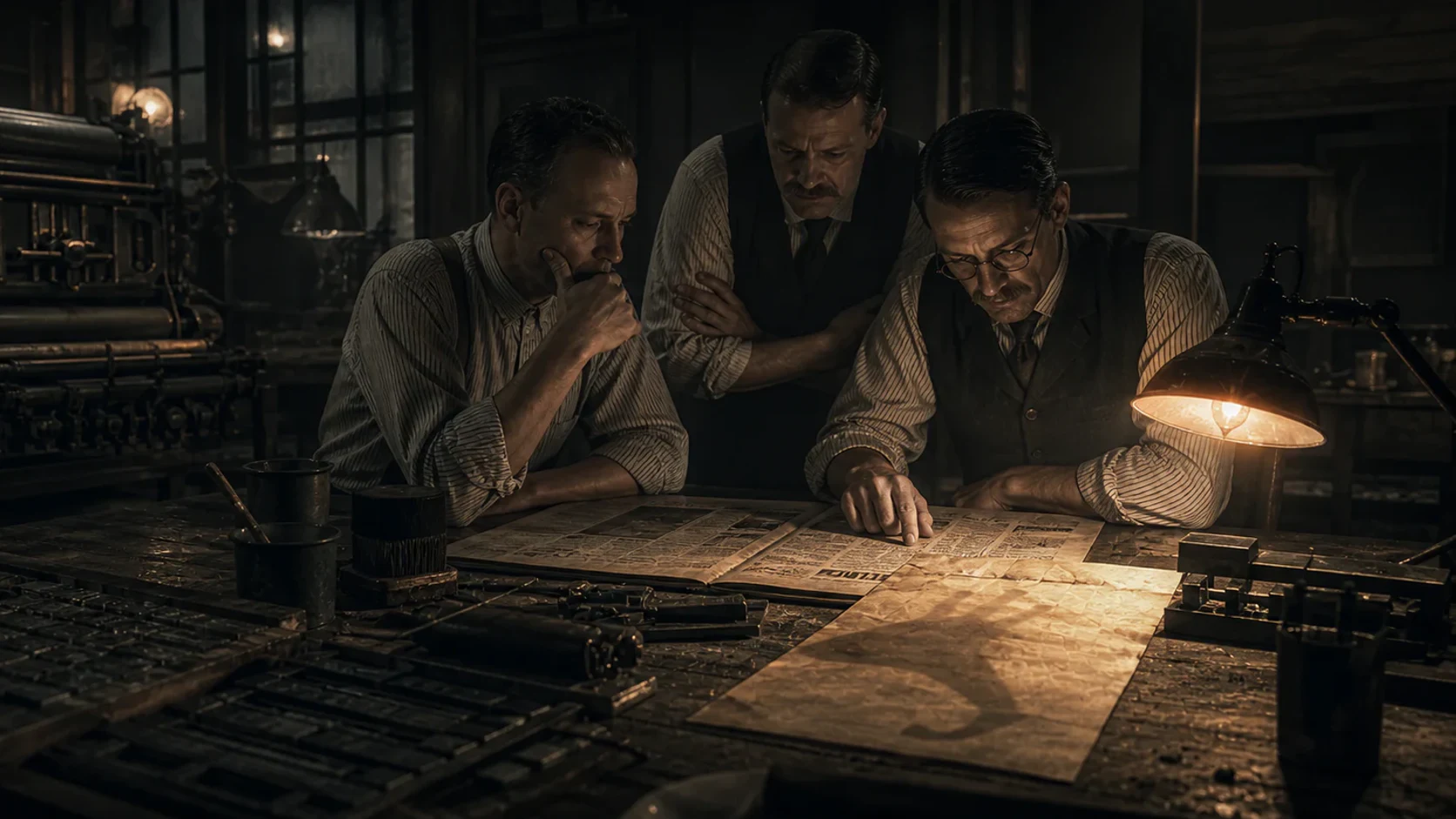
Number five.
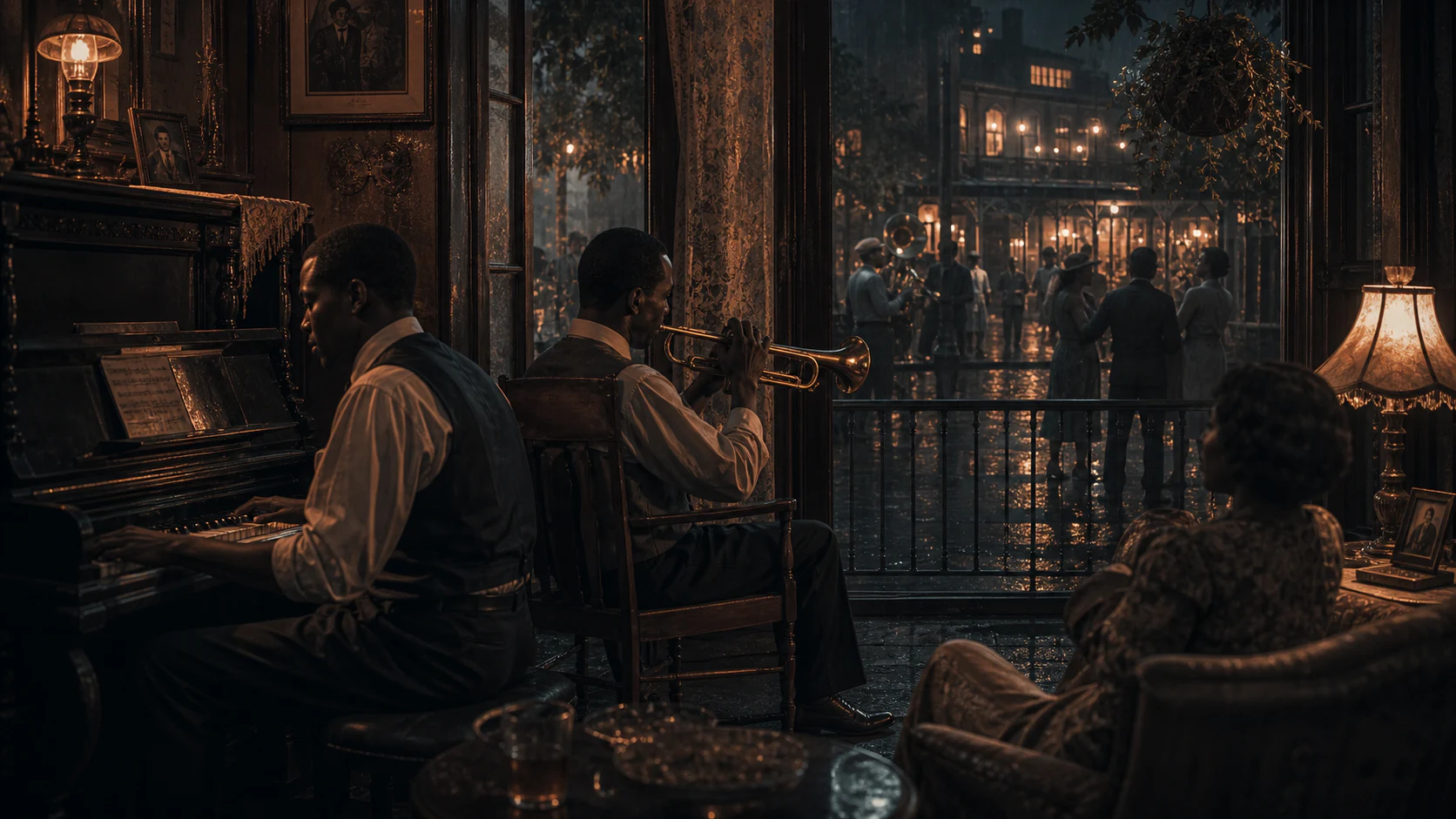
On the night he promised to strike, “the entire city of New Orleans played jazz”, filling homes, streets, and dance halls with music—and no one was killed.
Number four.
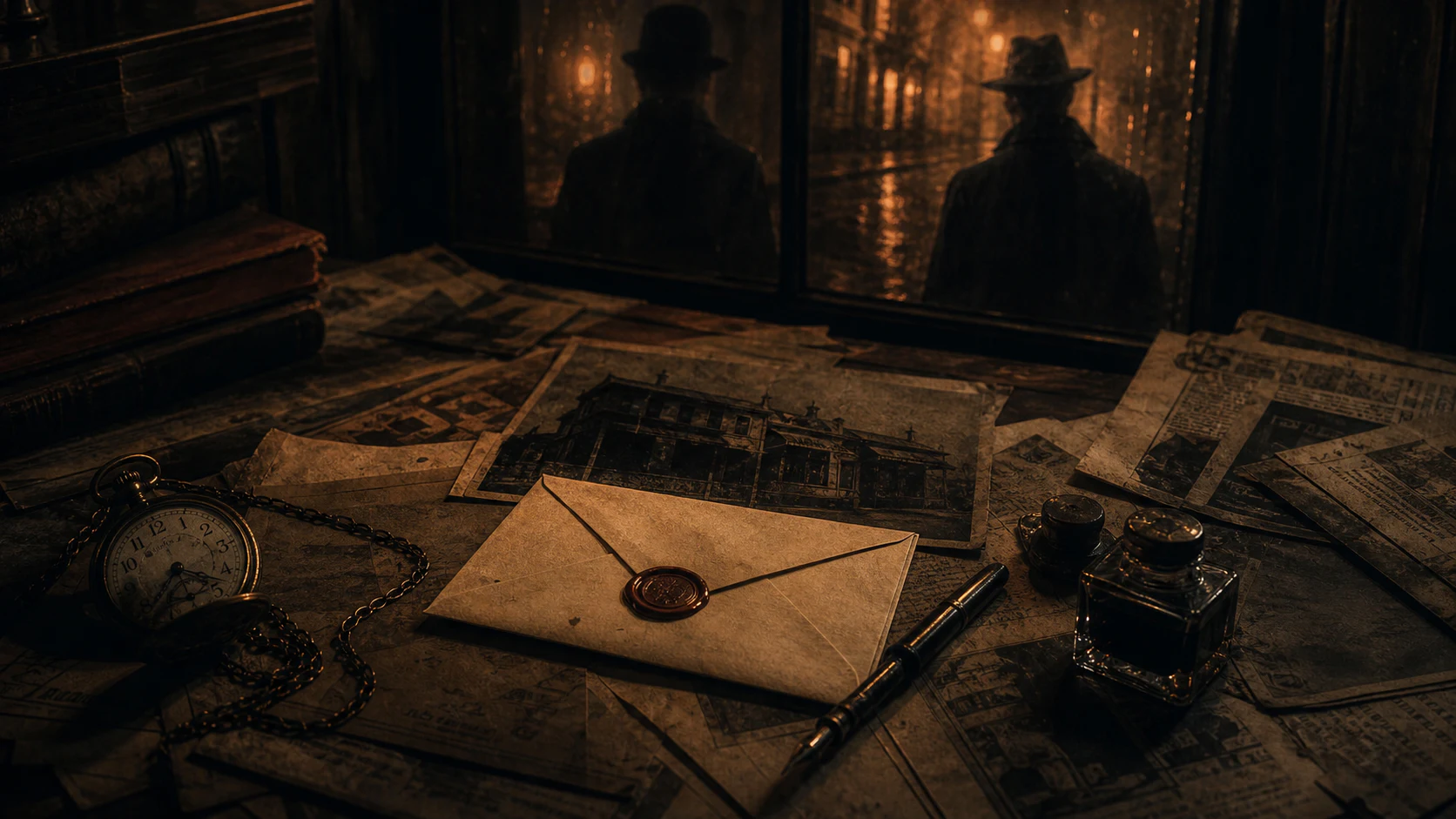
The letter was signed “From Hell”, drawing comparisons to Jack the Ripper and cementing the Axeman as one of America’s most mysterious murderers.
Number three.
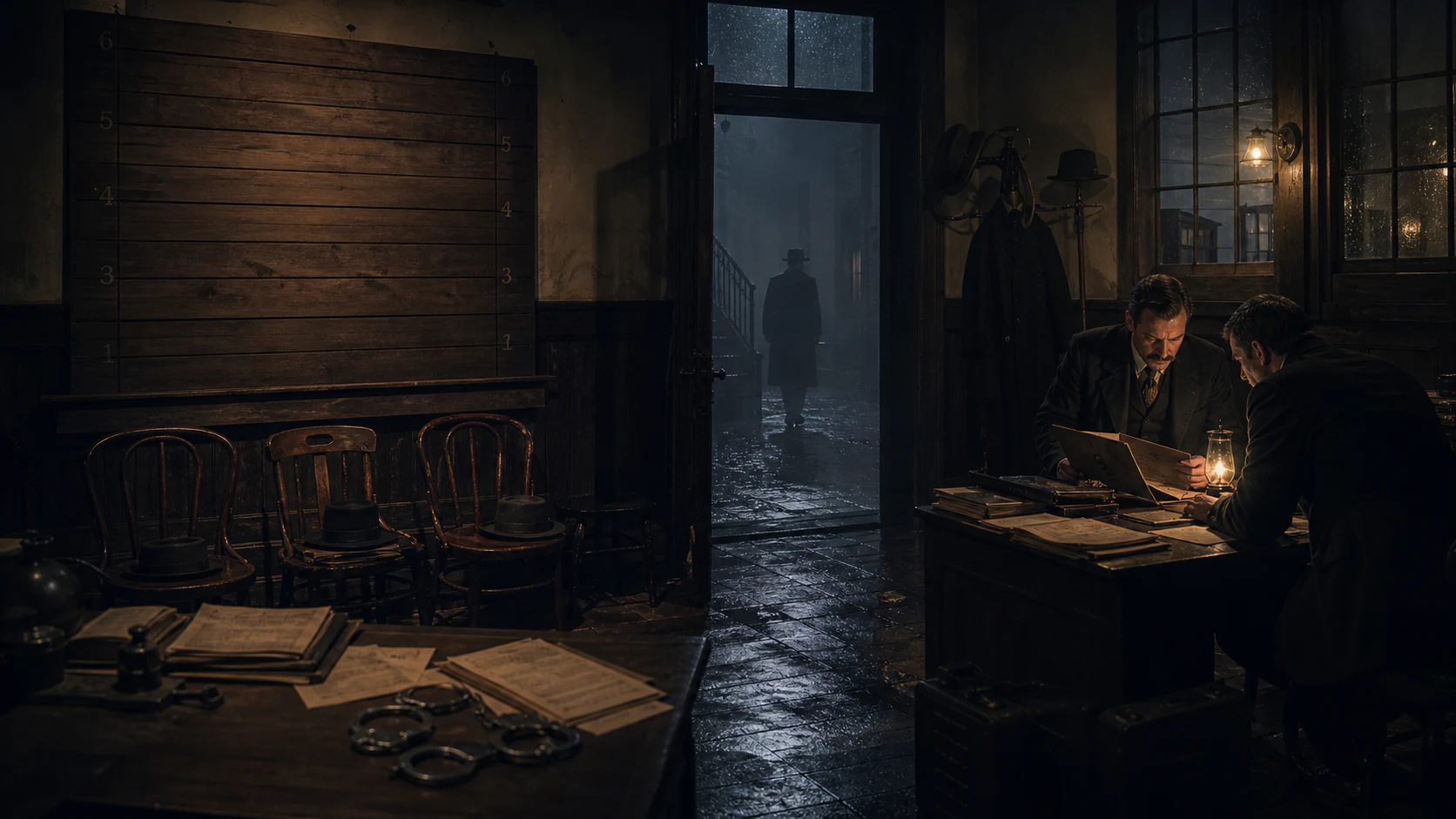
Despite multiple suspects being arrested, “no one was ever convicted”, and the Axeman vanished as mysteriously as he appeared.
Number two.
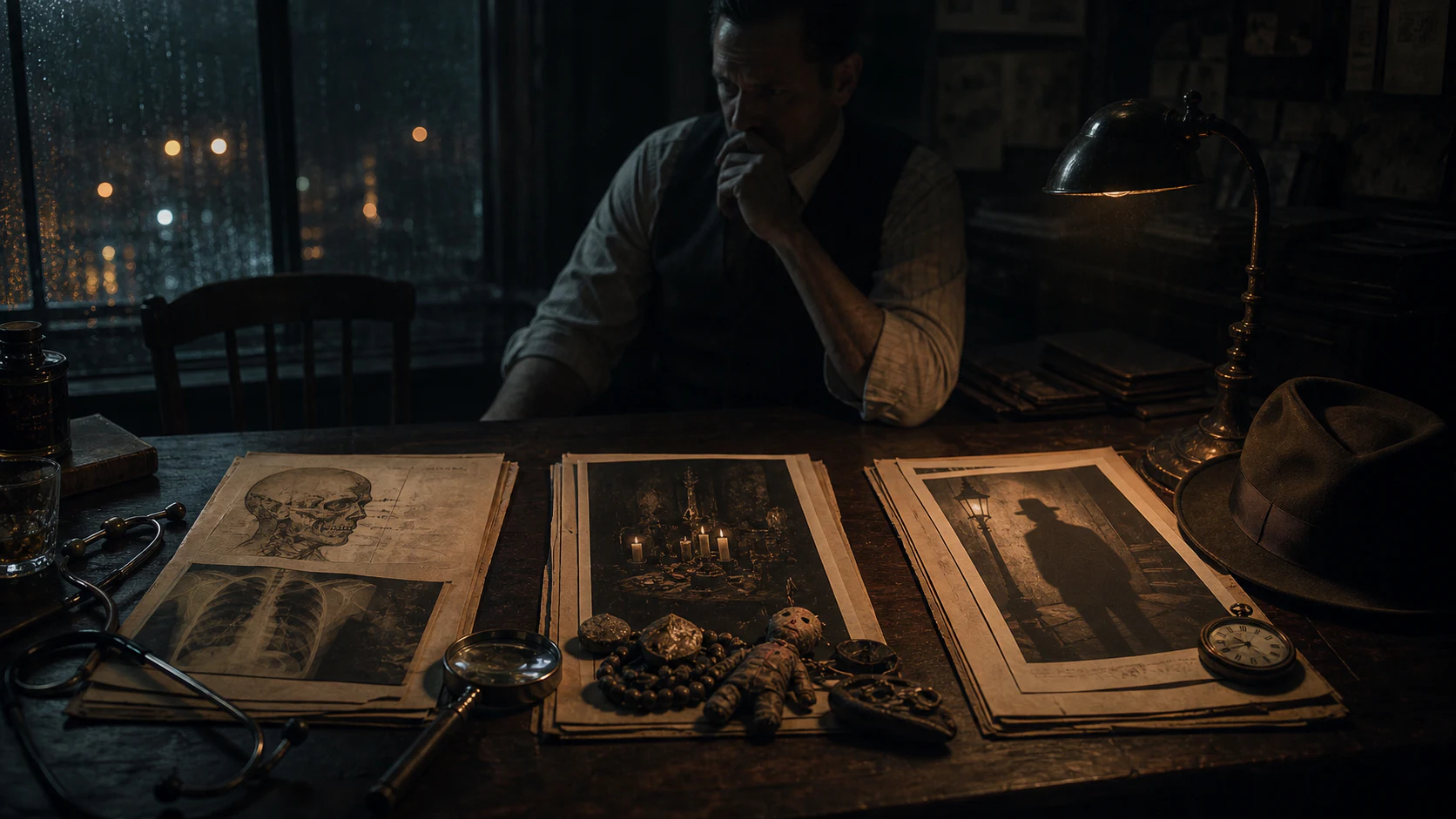
Some believe he was mentally ill, others say he was part of a cult—or even a demon who thrived on fear and chaos.
Number one.
To this day, the Axeman of New Orleans remains “one of the most disturbing and unsolved serial killer cases in American history.”
Follow for part 212.
Watch Part 211 of 10 Creepy Facts to Keep You Up at Night.
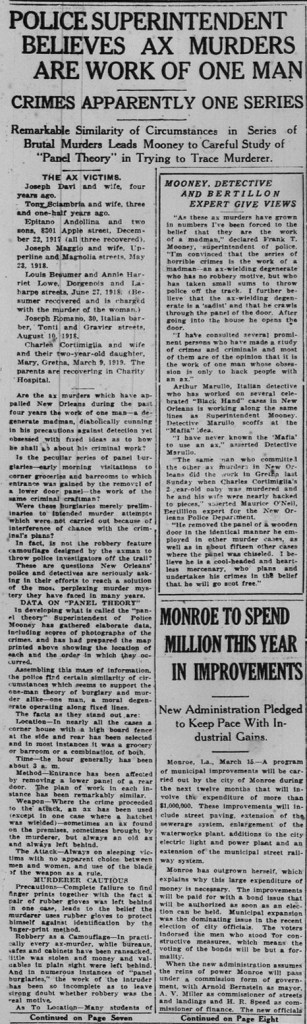
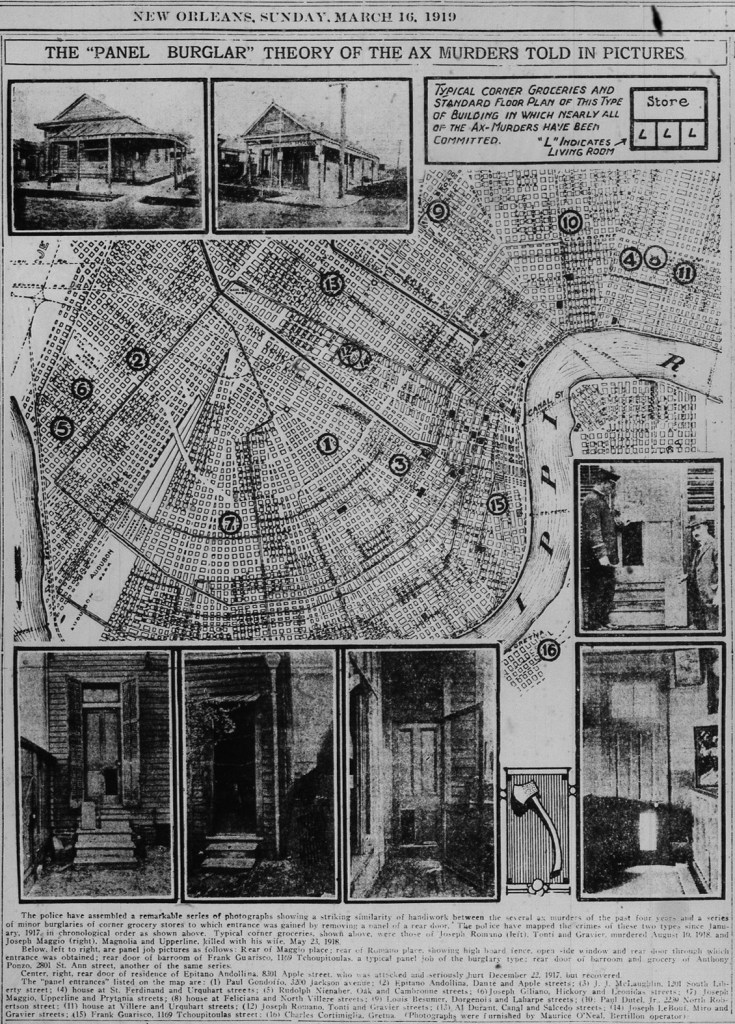
Archival Case Gallery
Sources & Case Notes
- City Archives & Special Collections — “New Orleans Ghost Stories” — archival context and the three March 16, 1919 newspaper images shown above.
- Watch the original Part 211 short.
- The recording tells the story as it was originally narrated. Here’s what the official record confirms—and what remains unproven. The archival gallery and this source box sit outside the narrated section.
- Image credits: original series visuals supplied for the series; panoramic feature artwork created for Anonymous369 Media; archival newspaper scans via the City Archives & Special Collections at the New Orleans Public Library.
- Last reviewed: August 24, 2026. To report a correction, visit Contact & Media Inquiries.