
The Shark Arm Mystery: How a Severed Clue Exposed Sydney's Underworld
When a captive tiger shark vomited up a human arm in 1935, Sydney police thought they had a tragic accident. Instead, the severed limb exposed a massive underworld smuggling ring, leading to a frantic speedboat chase, assassination, and the most bizarre murder trial in history.



The Anzac Day Spectacle
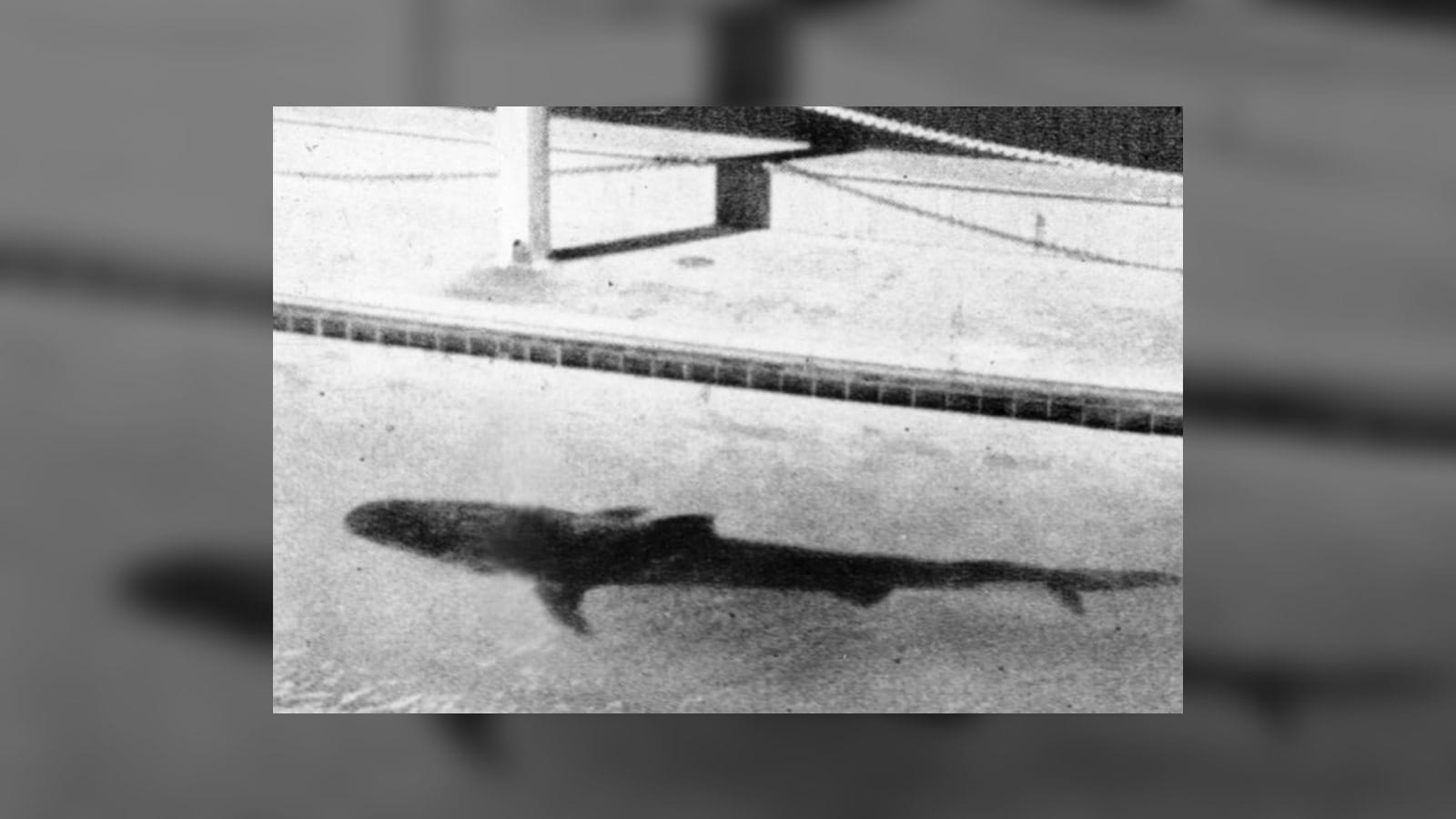
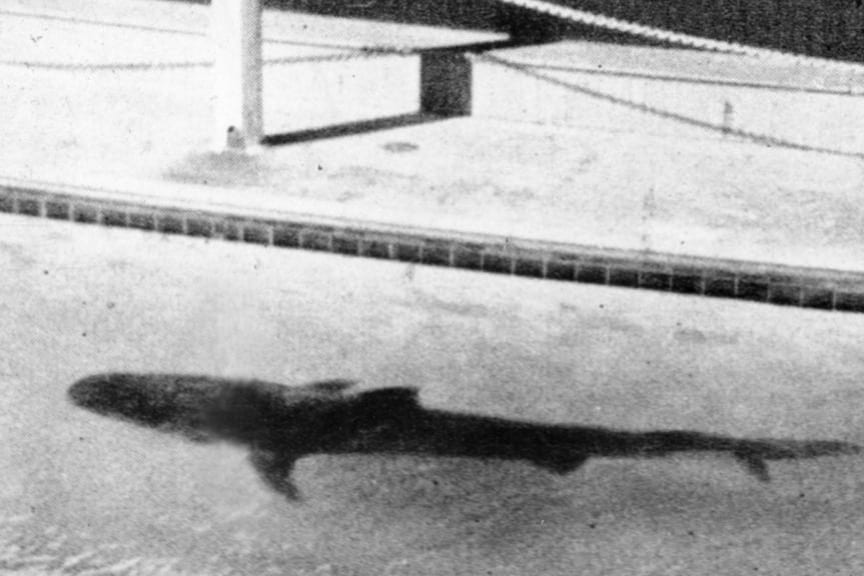
The ocean has always been a vault for the dead, hiding its darkest secrets beneath layers of crushing pressure and eternal blackness. But sometimes, the deep refuses to keep what it consumes. On April 25, 1935, the residents of Sydney, Australia, gathered to celebrate Anzac Day. Crowds flocked to the Coogee Aquarium Baths seeking cheap entertainment during the lingering shadows of the Great Depression. The star attraction was a massive, fourteen-foot tiger shark, weighing over a ton, recently hauled in alive from the coastal waters. The creature had been lethargic for days, swimming sluggishly along the bottom of the twenty-five-meter pool, bumping blindly into the concrete walls. Spectators pressed against the glass, hoping to see a flash of predatory aggression from the beast.
At four-thirty in the afternoon, the shark finally obliged, though not in the way anyone expected. It began to thrash violently, churning the enclosed water into a chaotic, white-capped foam. Witnesses watched in horror as the animal seized up, regurgitating a foul-smelling, murky brown froth that clouded the pool. Amidst the floating debris of a dead bird and a rat, something distinctly human bobbed to the surface. It was a severed left arm. A length of cheap manila rope was tied tightly around the wrist in a half-hitch knot. Even more striking was the pristine, blue and red tattoo inked into the pale skin of the forearm, depicting two boxers squared off in a fighting stance. The holiday spectacle had instantly transformed into a macabre crime scene.
A Forensics Breakthrough
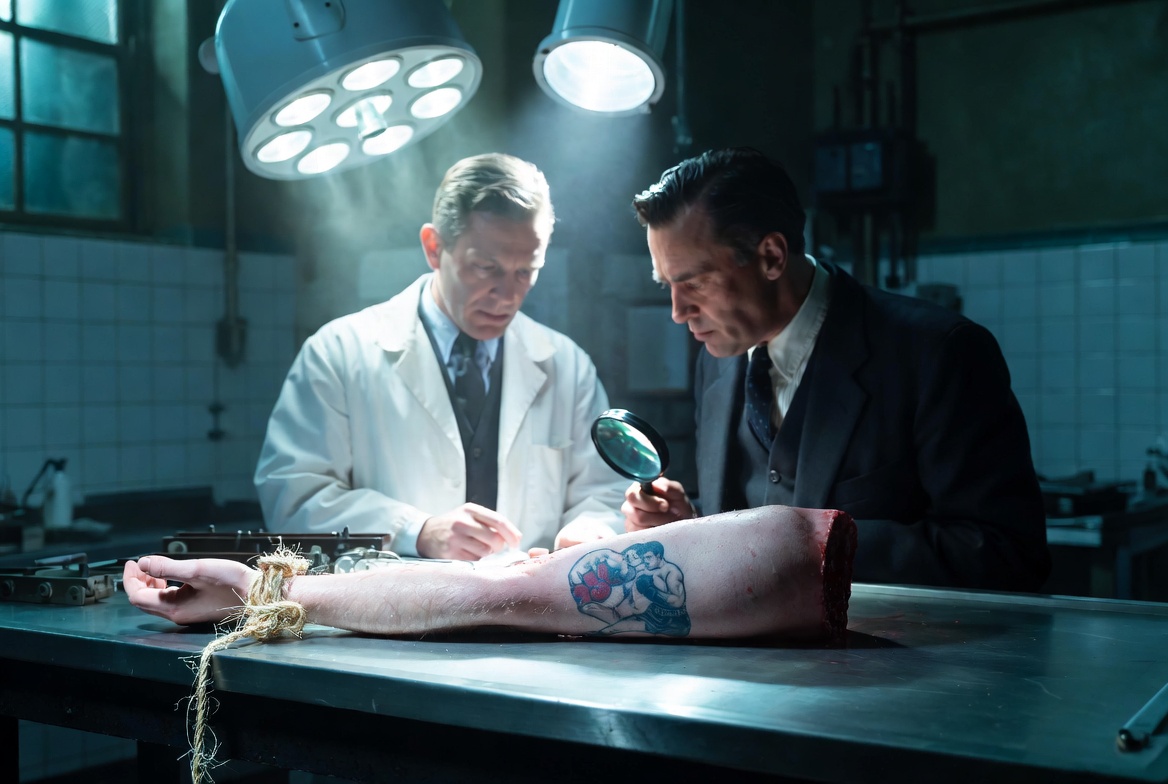
The initial assumption was simple and tragic. The public believed an unfortunate swimmer had fallen prey to the tiger shark. But when the severed limb was transported to the City Coroner's Court, the illusion of an animal attack quickly evaporated. Government Medical Officer Arthur Palmer and shark attack expert Dr. Victor Coppleson examined the gruesome discovery under the harsh lights of the morgue. Their findings shifted the case from a maritime accident to a chilling homicide. The arm had not been torn from its socket by rows of jagged teeth. There were no serrated bite marks on the bone. Instead, it had been cleanly severed at the shoulder joint by a heavy, sharp instrument, likely a knife or a meat cleaver. Furthermore, the absence of surgical skin flaps proved this was no medical amputation. It was the frantic, sloppy work of a killer attempting to dispose of a corpse.
Because the limb had been preserved inside the belly of a smaller shark that the tiger shark had subsequently eaten, the tissue was shielded from the most corrosive gastric acids. This biological paradox allowed Constable John Lindsay of the Fingerprint Branch to perform a delicate procedure, peeling the upper layer of skin from the fingertips to secure a usable set of prints. Meanwhile, newspapers published descriptions of the distinctive boxer tattoo. Within days, a man named Edwin Smith came forward, identifying the arm as belonging to his brother, James Smith. Known in the local underworld as Jimmy, the forty-five-year-old was a former amateur boxer, a billiard saloon keeper, and a known police informant. He had vanished without a trace three weeks prior, leaving behind a trail that led directly into the heart of Sydney's criminal syndicate.
The Informer and the Syndicate
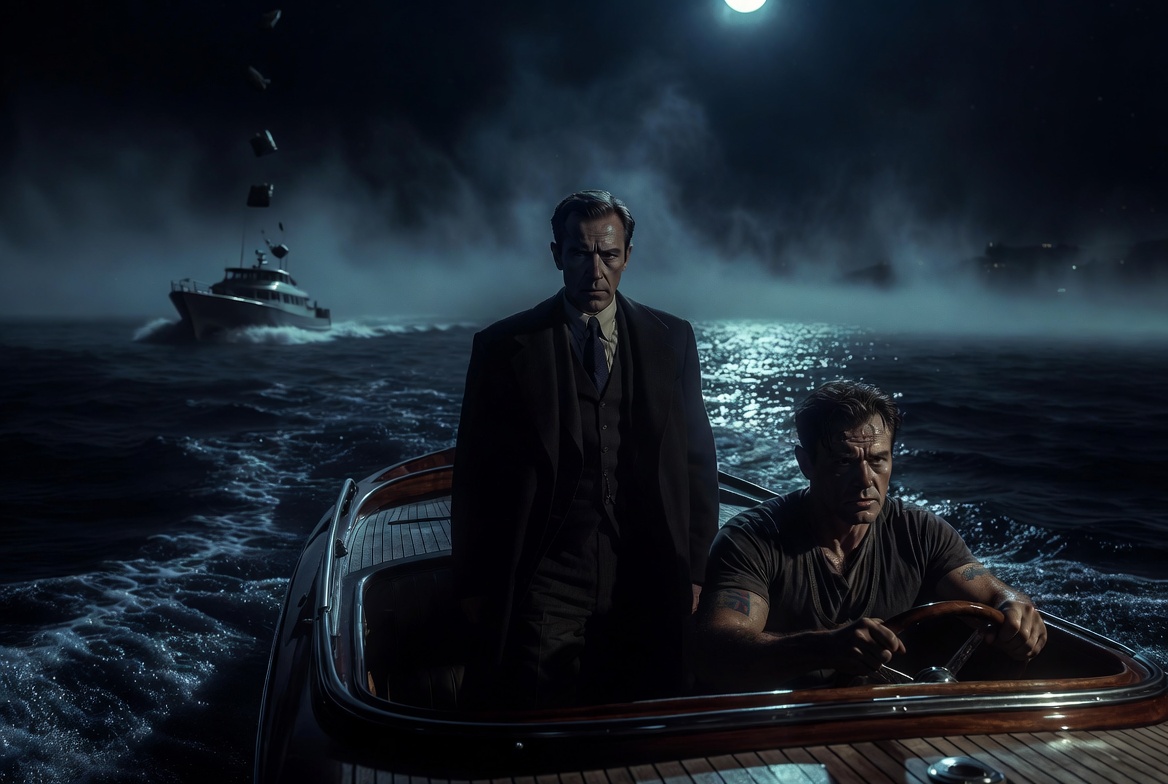
Jimmy Smith was a man who lived dangerously close to the razor edge of the law. As a police informant, or a "fizgig" in the slang of the era, he played a deadly game of double-cross in a city crawling with ruthless gangs. His underworld connections ran deep, ultimately tethering him to Reginald William Lloyd Holmes. On the surface, Holmes was a pillar of the community, a wealthy and respected boatbuilder residing in a prestigious home at McMahons Point, who dined at the Royal Sydney Yacht Club and attended church on Sundays. But behind this polished facade, Holmes masterminded a highly lucrative smuggling empire. Utilizing his fleet of custom-built, high-speed boats, his crews retrieved cocaine and other contraband dropped into the sea by passing freighters.
Smith worked for Holmes, serving as a driver and muscle for these illicit operations alongside a convicted forger named Patrick Francis Brady. The criminal trinity operated smoothly until a catastrophic insurance scam fractured their alliance. In 1934, Holmes and an associate purchased a luxury cruiser named "Pathfinder" and hired Smith as its caretaker. The yacht was deliberately scuttled off the coast of Terrigal to collect a massive insurance payout. However, Smith grew resentful and leaked information about the fraud to the authorities, prompting the insurance company to deny the claim. Bleeding money and furious, Holmes cut ties. In retaliation, Smith used his intimate knowledge of the smuggling ring to blackmail the wealthy boatbuilder. It was a fatal miscalculation. Extorting a man who controlled the city's coastal drug trade placed a permanent target on Smith's back.
The Taloombi Street Cottage
The investigation meticulously retraced Smith's final days, pinpointing his last known location to the Cecil Hotel in the beachside suburb of Cronulla on April 7, 1935. He was seen drinking heavily and playing cards with his associate, Patrick Brady. Later that evening, the two men left the pub and retreated to a small beachfront cottage that Brady was renting on Taloombi Street. Jimmy Smith was never seen alive again. Police descended on the property, discovering an eerie, sanitized environment. The walls had been freshly and vigorously scrubbed, a mattress had been hastily replaced, and a large metal tin trunk was suspiciously missing from the premises.
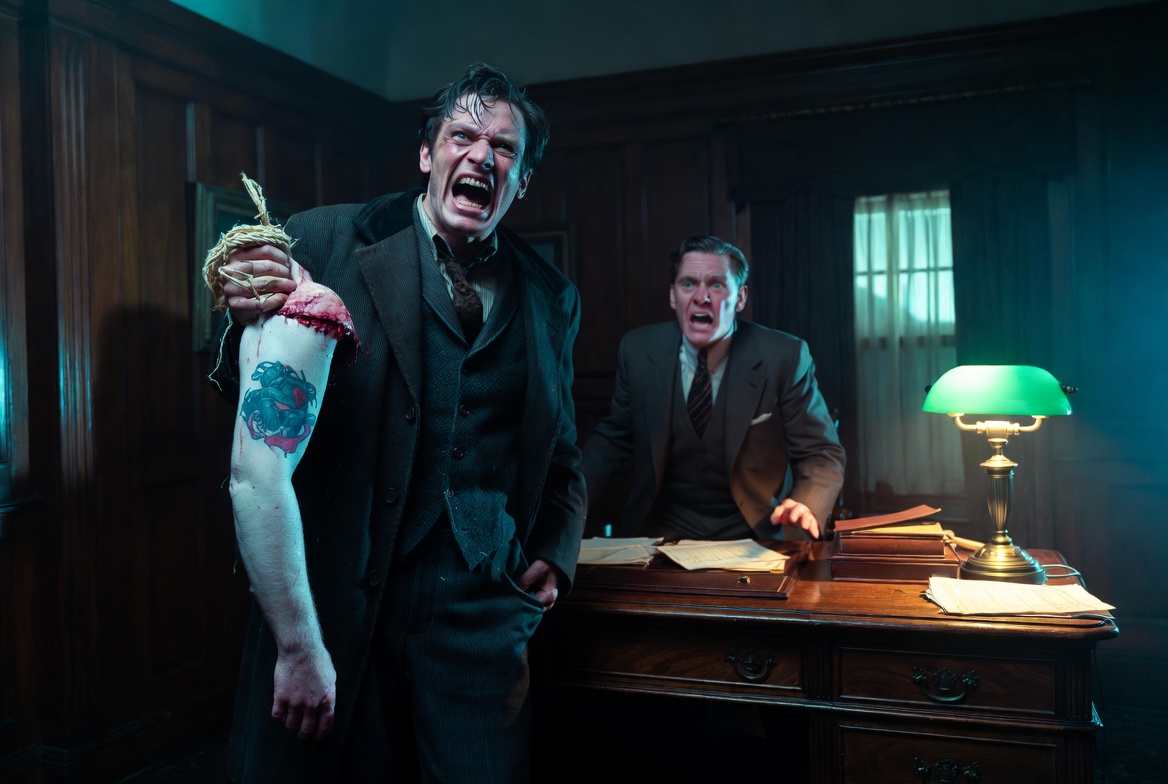
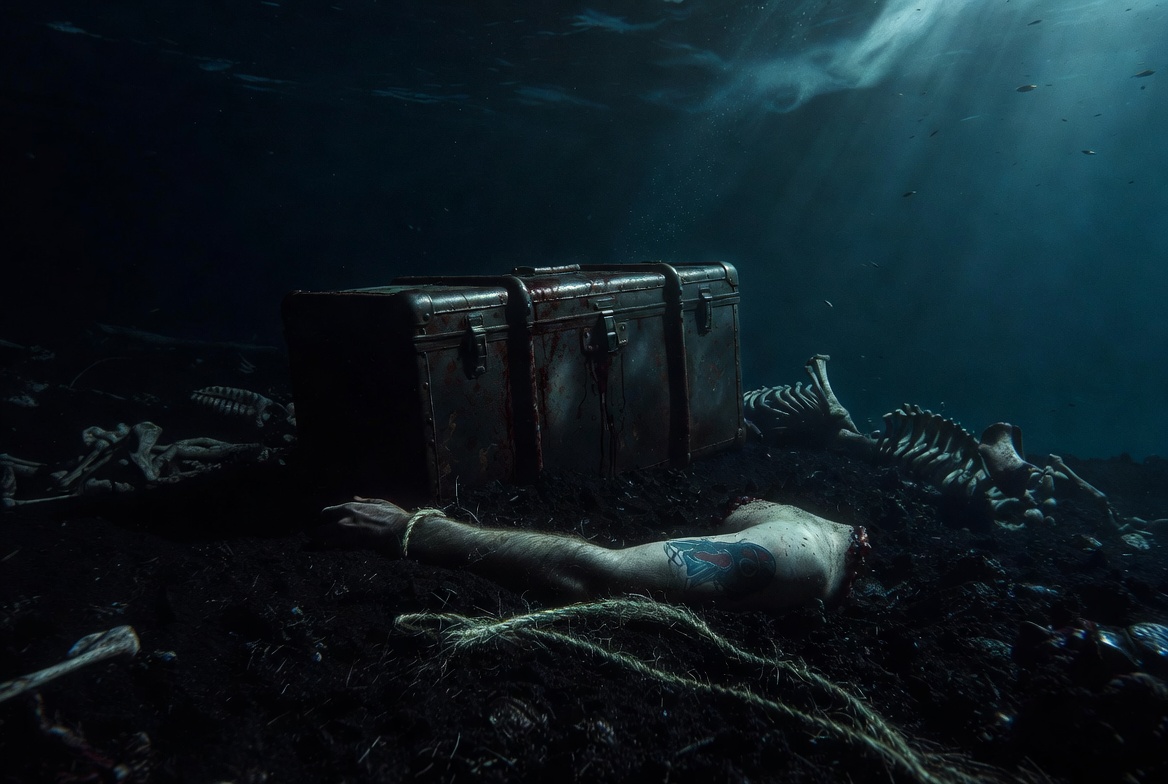
Detectives theorized that Brady had murdered Smith inside the cottage, dismembering his body over the tin trunk to prevent blood from soaking into the floorboards. The trunk, packed with the majority of Smith's remains, was allegedly hauled out to the deep waters of Gunnamatta Bay and sunk to the ocean floor. But the severed left arm was kept out of the makeshift coffin for a specific, psychological purpose. The morning after the murder, a local taxi driver picked up Brady in Cronulla and drove him to Reginald Holmes's estate in North Sydney. The driver later testified that Brady looked wild, disheveled, and completely terrified, keeping one hand buried deep inside his coat pocket the entire ride. Police believed Brady walked into Holmes's study, opened a bag, and dropped Smith's tattooed arm onto the desk. It was a gruesome receipt of the assassination, and a silent threat to Holmes that he would meet the exact same fate if he did not pay Brady five hundred pounds immediately.
A Desperate Chase on Sydney Harbour
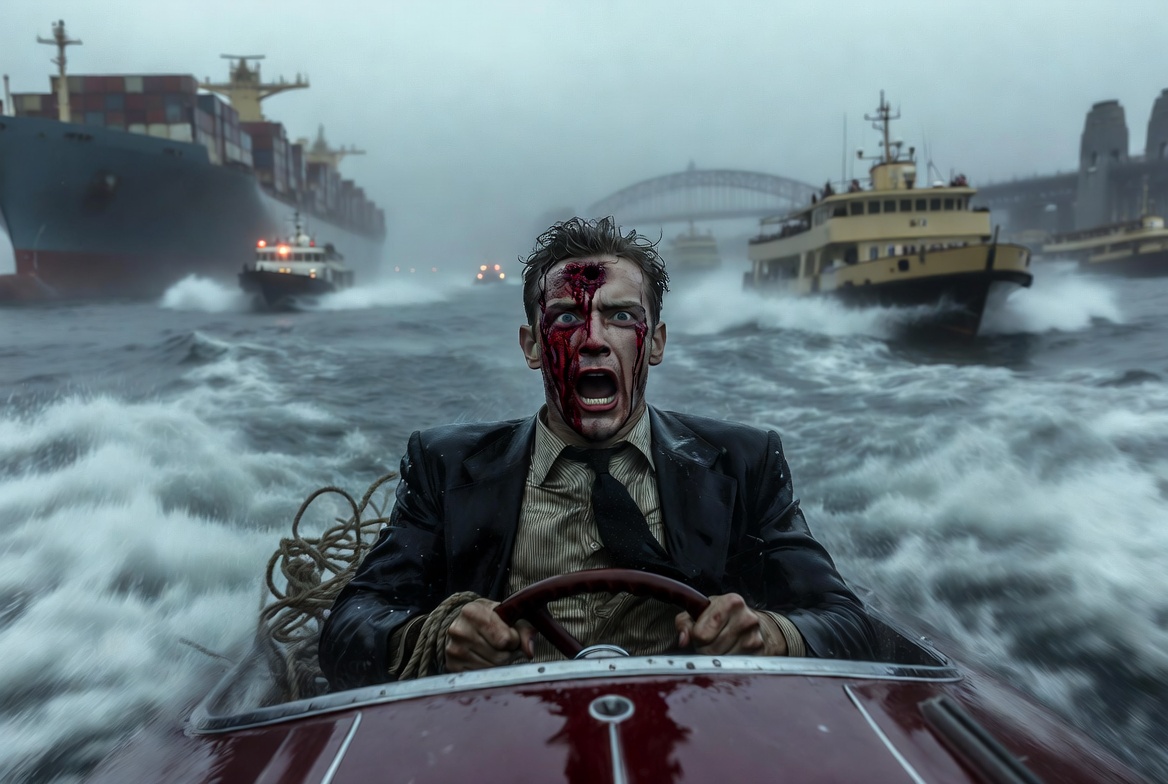
The mounting pressure from law enforcement eventually cracked the syndicate. Police arrested Brady on unrelated forgery charges, subjecting him to a grueling interrogation. Brady denied everything but admitted to visiting Holmes. When detectives pivoted their focus to the wealthy boatbuilder, Holmes realized the walls were closing in. On May 20, the respectable businessman went down to his Lavender Bay boatshed, stepped into one of his fastest smuggling speedboats, and pressed a .32 caliber pistol to his own head. He pulled the trigger. In a miraculous twist of fate, the bullet failed to penetrate his skull, flattening against the dense bone of his forehead and knocking him unconscious. He toppled into the freezing water.
The shock of the cold revived him, and a rope tangled around his wrist prevented him from drowning. Bleeding heavily, Holmes dragged himself back into the speedboat, fired up the roaring engine, and fled. What followed was a chaotic, cinematic four-hour chase across Sydney Harbour. Holmes zigzagged his vessel through the wakes of massive cargo ships and morning commuter ferries, pursued relentlessly by water police. When they finally cornered him out near the ocean heads, he surrendered, exhausted and intoxicated. Recovering in the hospital, a terrified Holmes struck a deal. He confessed that Brady had committed the murder and brought the severed arm to his home for extortion. Holmes admitted he had panicked, taking his boat out to the coastal suburb of Maroubra where he tossed the limb into the crashing surf, completely unaware it would be consumed by a shark and delivered back to the city.
The Hit at Dawes Point
With Holmes agreeing to be the star witness, the Crown finally had the ammunition needed to secure a murder conviction against Patrick Brady. The inquest was scheduled for the morning of June 12, 1935. It was the moment that would drag the darkest secrets of Sydney's smuggling rings into the unforgiving light of a courtroom. But the underworld rarely allows its secrets to be exposed without a fight. The evening prior to his scheduled testimony, Holmes visited his bank and withdrew five hundred pounds in cash, telling his wife he had a clandestine meeting to attend.
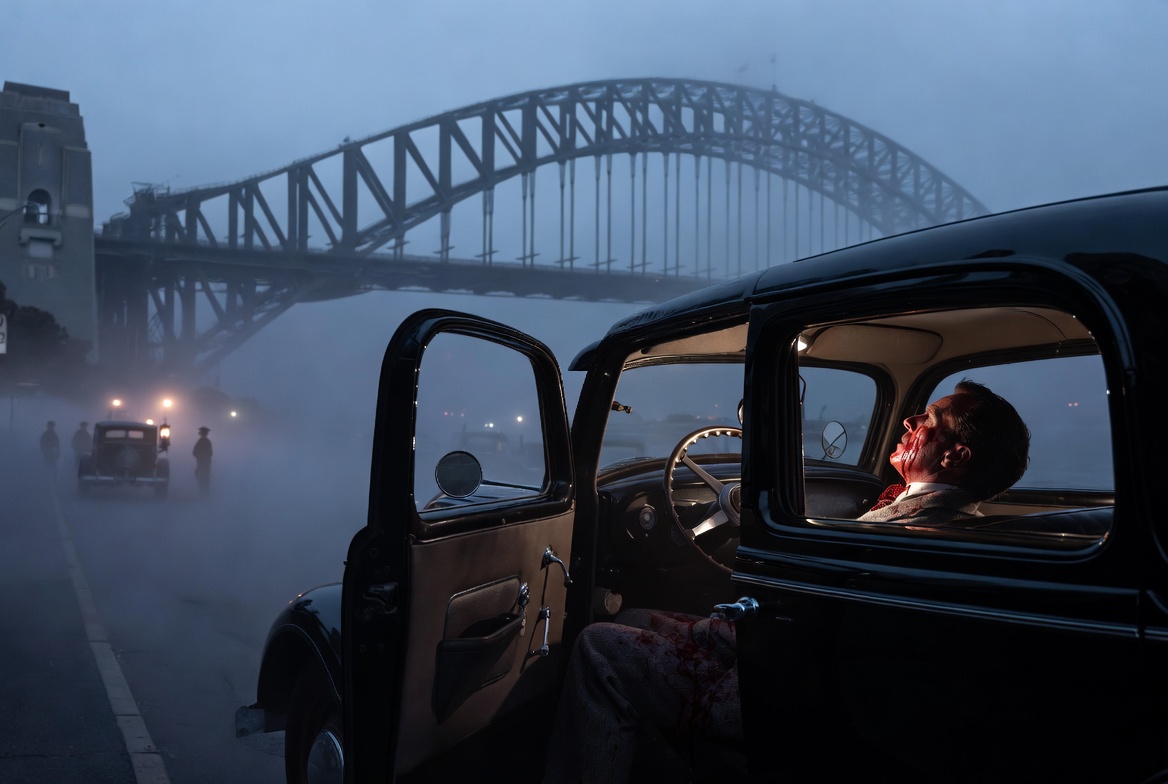
In the early, mist-shrouded hours of the following morning, police patrolling Hickson Road in Dawes Point, resting in the massive shadow of the newly constructed Harbour Bridge, made a grim discovery. Reginald Holmes was slumped over the steering wheel of his Nash sedan. He had been shot three times in the chest at point-blank range. The crime scene was clumsily staged to look like a suicide, but the absence of a weapon and the ballistic trajectories proved it was a calculated execution. Theories exploded across the city. Some believed a rival gangster had assassinated him to protect the smuggling routes. Others suggested that Holmes, desperate to spare his family the total public disgrace of his criminal exposure, used his withdrawn cash to hire his own hitman, ensuring his life insurance policy would pay out. Whatever the truth, the bullets that stopped Holmes's heart also shattered the prosecution's case.
An Arm Does Not Make a Body
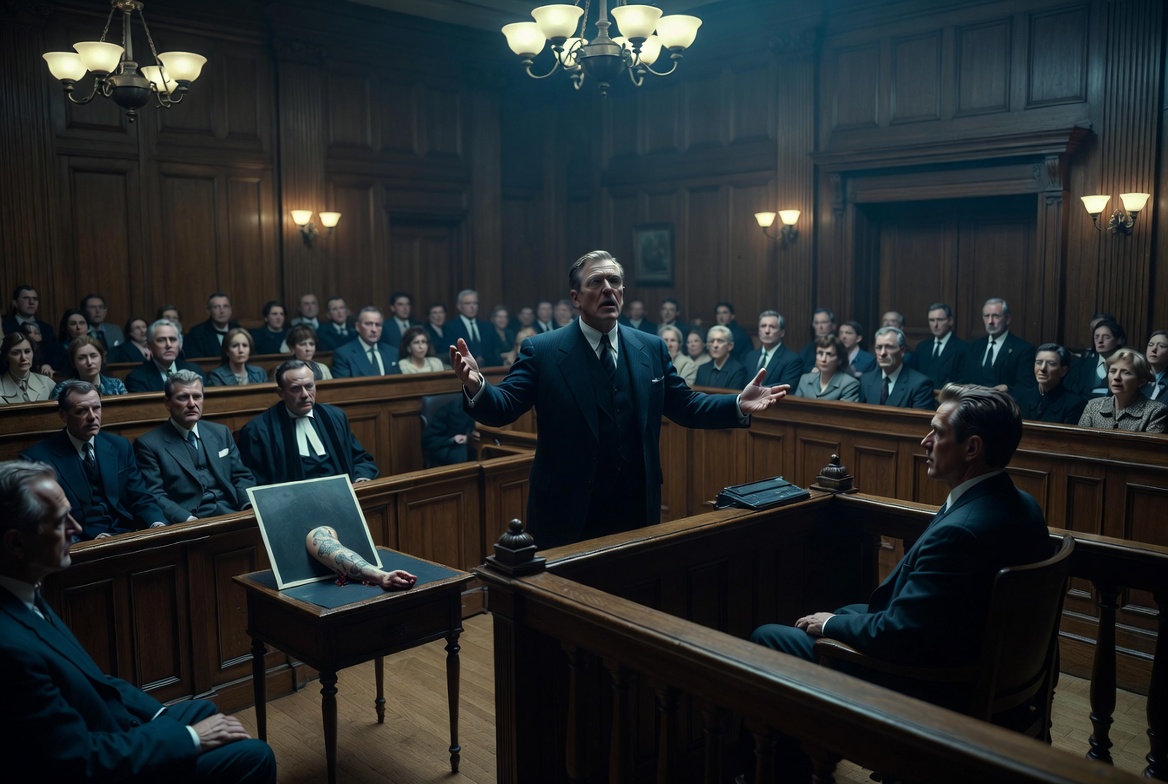
Despite the assassination of their star witness, the police pressed forward, putting Patrick Brady on trial for murder in September 1935. The courtroom was a suffocating, wood-paneled pressure cooker of public anticipation. The prosecution laid out the taxi driver's testimony, the scrubbed cottage, and the horrific discovery at the aquarium, but their case rested entirely on circumstantial threads. Brady's defense lawyer, the brilliant and formidable Clive Evatt KC, saw the gaping hole in the Crown's argument and struck with devastating legal precision.
Evatt invoked the ancient common law principle of corpus delicti, the body of the crime. He addressed the judge and jury with a chilling, undeniable logic. He argued that an arm did not constitute a body. The prosecution could prove that James Smith had been dismembered, but without the rest of the corpse, medical science could not conclusively prove that he was dead. Evatt suggested the fantastical possibility that Smith could still be alive, walking around without his left arm. The supreme court agreed that the physical evidence was legally insufficient to sustain a murder charge. The judge directed the jury to acquit. The trial collapsed in less than two days, and Patrick Brady walked out of the courthouse a free man. Adding insult to injury, the aquarium owners had slaughtered and gutted the captive tiger shark days after the regurgitation, destroying any remaining biological evidence that could have aided the initial investigation.
The Unresolved Depths
Patrick Brady lived another thirty years, vehemently denying his involvement in the gruesome affair until the day he died. Extensive searches of Gunnamatta Bay never yielded the tin trunk, nor the rest of James Smith's dismembered corpse. While Brady was the physical architect of the crime, modern historians and criminologists point toward a deeper, more terrifying shadow looming over the case. Many believe the hit was ordered by Eddie Weyman, one of the most violent and untouchable gangsters of the Razorhurst era. Smith had previously informed on Weyman, resulting in a botched bank robbery and a prison stint. In the brutal economy of the underworld, the severed arm was not just extortion; it was a loud, bloody message to anyone thinking of talking to the police.
The Shark Arm case stands as one of the most bizarre and frustrating chapters in criminal history, a perfect storm of biological anomaly and underworld corruption. A man was butchered, an empire of crime was exposed, and a shark delivered the evidence to the feet of the public, yet no one was ever brought to justice. It leaves us to wonder about the silent vastness of the ocean, and the tin trunk rusting somewhere in the cold, black mud of the bay. How many other flawless crimes are sleeping at the bottom of the sea, waiting for the tide to spit them back out?
Archival Case Gallery
Sources & Case Notes
Last updated: May 8, 2026.
Primary sources / case notes: Australian archival reporting, public case histories on the Shark Arm mystery, and public-domain Coogee Aquarium tiger shark imagery available through Wikimedia Commons.
Source links:
- Museums of History NSW Shark Arm case program
- Trove archived newspaper coverage
- Dictionary of Sydney Shark Arm case overview
Correction policy: Send corrections, source notes, or image-rights concerns through Contact & Media Inquiries.
Image credits: Feature/gallery imagery uses public-domain Coogee Aquarium tiger shark material. Body images are non-graphic documentary recreations created for Anonymous369 Media.
Content warning: Discusses homicide, organized crime, and recovered remains; non-graphic.
Editorial standards: Read how Anonymous369 Media researches, corrects, and credits factual cases on our Editorial Standards page.
Continue the Case File
These investigations reward careful reading. Step back if you missed the previous file, or keep going to follow the next case in the archive.
Previous file: The Arsenic Trail: How Amy Archer-Gilligan Ran the Windsor Murder Factory Next file: The Ladder of Evidence: How Forensic Botany Solved the Lindbergh Kidnapping