
Keddie Cabin 28: How a Bloody Crime Scene Went Cold
A quiet mountain resort becomes a slaughterhouse. Three bodies staged in the living room, a young girl missing, and two neighbors in suits who knew too much. Why did the police let them walk? Discover the chilling truth behind the Keddie Cabin Murders.


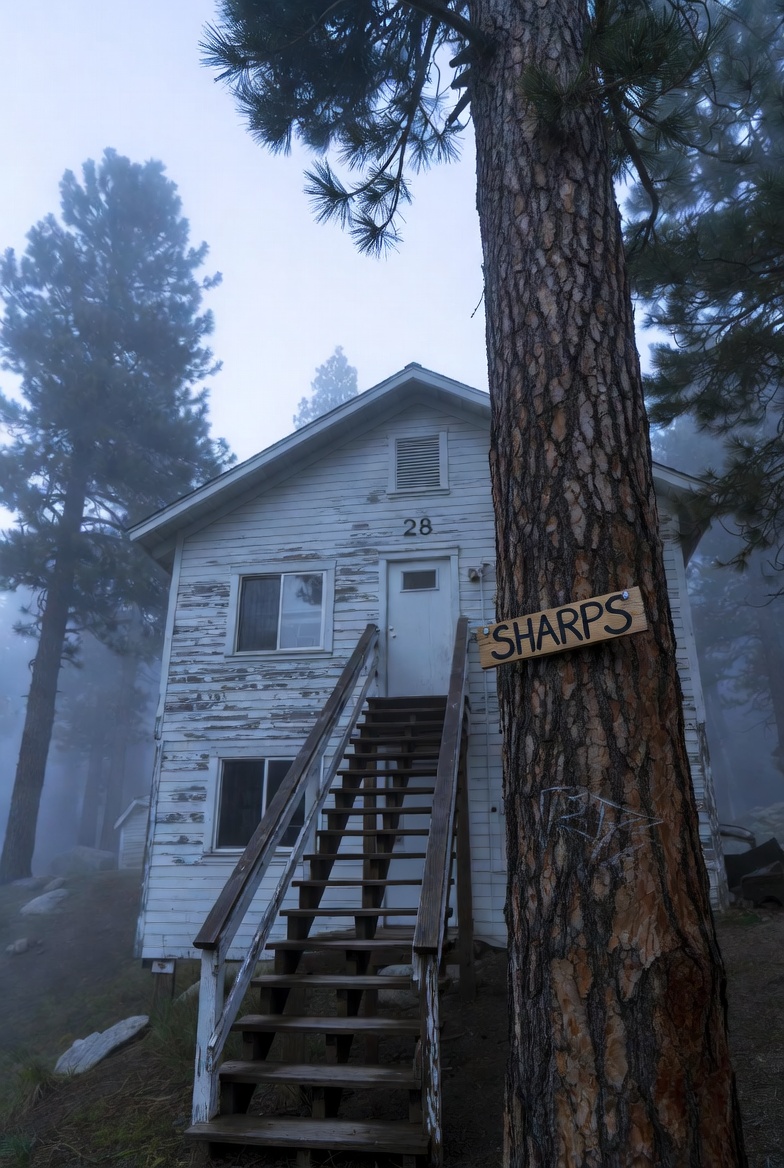
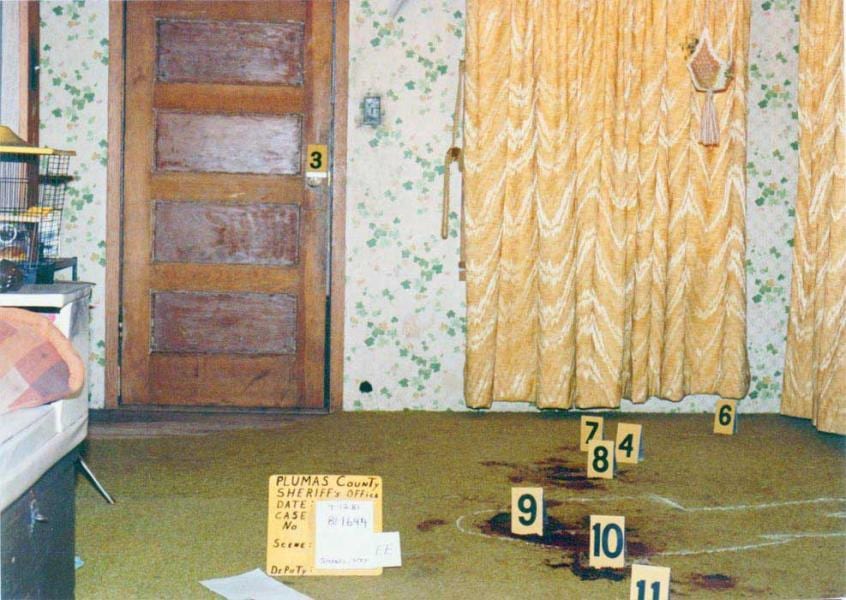
The air in the Sierra Nevada mountains on the morning of April 12, 1981, should have been filled with nothing but the scent of damp pine and the quiet rustle of the Feather River. Instead, for fourteen-year-old Sheila Sharp, it was the morning the world stopped. After spending the night at a neighboring cabin, she walked back to her family home at Cabin 28 to get ready for church. When she opened that wooden door, the sunlight hit a scene so violent and so calculated that it would haunt the town of Keddie for the next four decades. There, on the living room floor, lay the bodies of her mother, Sue Sharp, her fifteen-year-old brother, John, and his seventeen-year-old friend, Dana Wingate. The room was a landscape of carnage, with blood sprayed across the ivy-patterned wallpaper and pooled deep in the green carpet. Yet, in the adjacent bedroom, three small children—Sue's youngest sons and a friend—were curled up in their beds, alive and untouched, as if the monsters that tore through the house had simply decided their work was done.
The Morning the Sierra Screamed
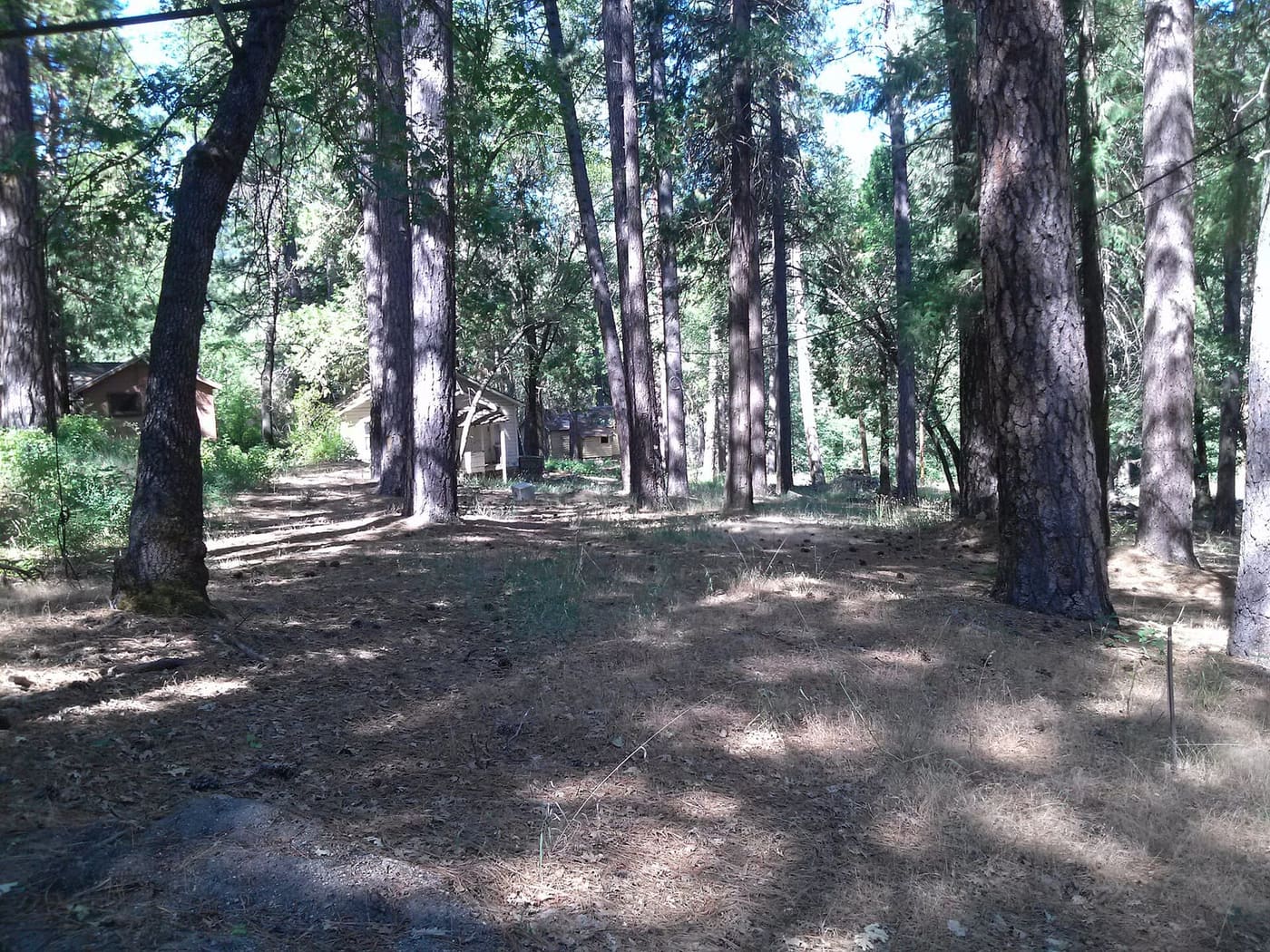
The Keddie Resort was never supposed to be a place of nightmares. It was a faded vacation spot turned low-income housing, a collection of cabins where people went to escape the world. Sue Sharp had moved her five children there from Connecticut, seeking a fresh start after a painful separation. By all accounts, she was a dedicated mother trying to navigate the rugged social dynamics of a mountain town. On the night of the murders, life seemed mundane. John and his friend Dana had spent the day in nearby Quincy and were last seen hitchhiking back toward the resort. Inside Cabin 28, Sue was watching television with her younger children while twelve-year-old Tina Sharp slept nearby.
When Sheila made her horrific discovery the next morning, the local authorities were completely unprepared. The first deputy on the scene saw a living room that looked more like a battlefield than a home. Sue had been bound with medical tape and gagged with a blue bandana and her own clothing. She had been bludgeoned with the butt of a rifle and stabbed repeatedly, her throat cut with such force it nicked her spine. John and Dana suffered similar fates, their bodies staged and bound with a mixture of medical tape and electrical cords. The sheer volume of blood on the ceiling and walls spoke to a struggle that was neither quick nor quiet, yet the neighbors only fifteen feet away claimed to have heard nothing but muffled screams that they didn't investigate.

A Canvas of Violence and Tape
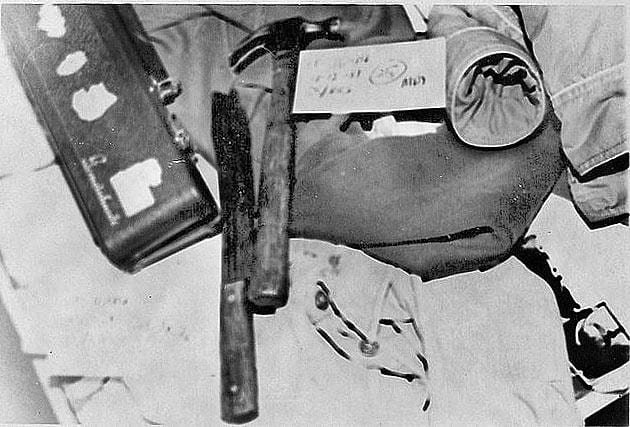
The forensic details of Cabin 28 tell a story of terrifying premeditation. While the killers used knives and a hammer found within the home, they also brought their own tools. The medical tape used to bind the victims was not a household item; it was brought to the scene with a specific purpose. This suggests the killers didn't just snap; they arrived with a plan to incapacitate and dominate. Forensic analysts would later note that the bottoms of Sue's bare feet and the soles of John’s shoes were covered in blood, indicating they were mobile and struggling during the attack. They weren't just victims; they were fighters who spent their final moments in a desperate scramble for survival.
Even more disturbing was the treatment of the bodies. Sue had been covered with a blanket after her death, a behavior forensic psychologists often link to perpetrators who feel a degree of remorse or have a personal connection to the victim. The killers had essentially tucked in the woman they had just destroyed. Amidst this chaos, the most baffling element emerged: twelve-year-old Tina Sharp was missing. While the others were left as a grim tableau for Sheila to find, Tina had been taken. Her absence turned a mass murder investigation into a desperate search for a missing child, one that would lead deep into the unforgiving wilderness of Northern California.
The Vanishing of Tina Sharp
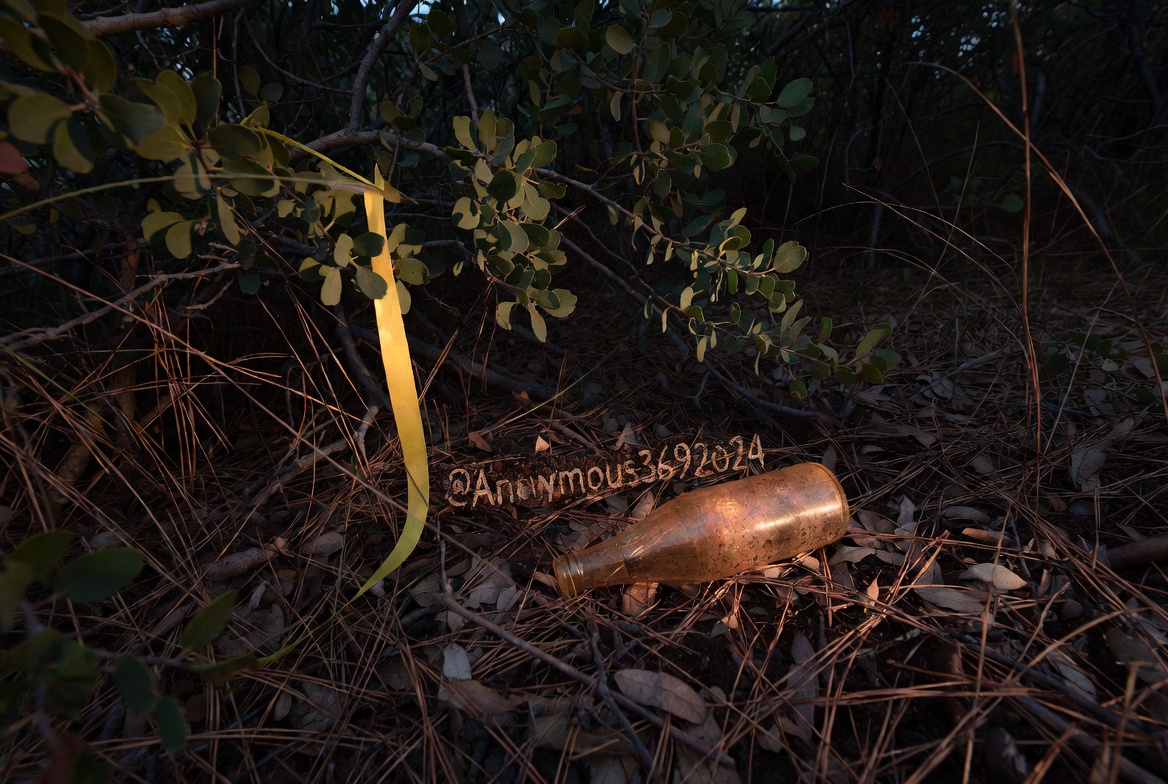
For three years, the fate of Tina Sharp remained the dark hole at the center of the Keddie mystery. Then, in 1984, on the third anniversary of the murders, a bottle collector stumbled across a human skull sixty-two miles away at a site known as Camp 18. It was Tina. The discovery felt less like a lucky break and more like a taunt. Shortly after the remains were found, an anonymous caller reached out to the Butte County Sheriff's Office, asking if the bones had been linked to the girl from Keddie. This call, recorded on a cassette tape, would sit at the bottom of an evidence box, unplayed and ignored by investigators, for over thirty years.
The timing of the discovery and the specific knowledge of the anonymous caller suggested that someone was still watching the case, someone who knew exactly where Tina had been discarded. Theories began to swirl that Tina had been taken because she witnessed the murders of her mother and brother, or perhaps because she was the primary target all along. If the killers were locals, they would have known that taking her was the only way to buy time. But as the investigation into her abduction stalled, the focus shifted back to the people who lived in the shadow of Cabin 28, specifically the neighbors in Cabin 26.
The Men in Three Piece Suits
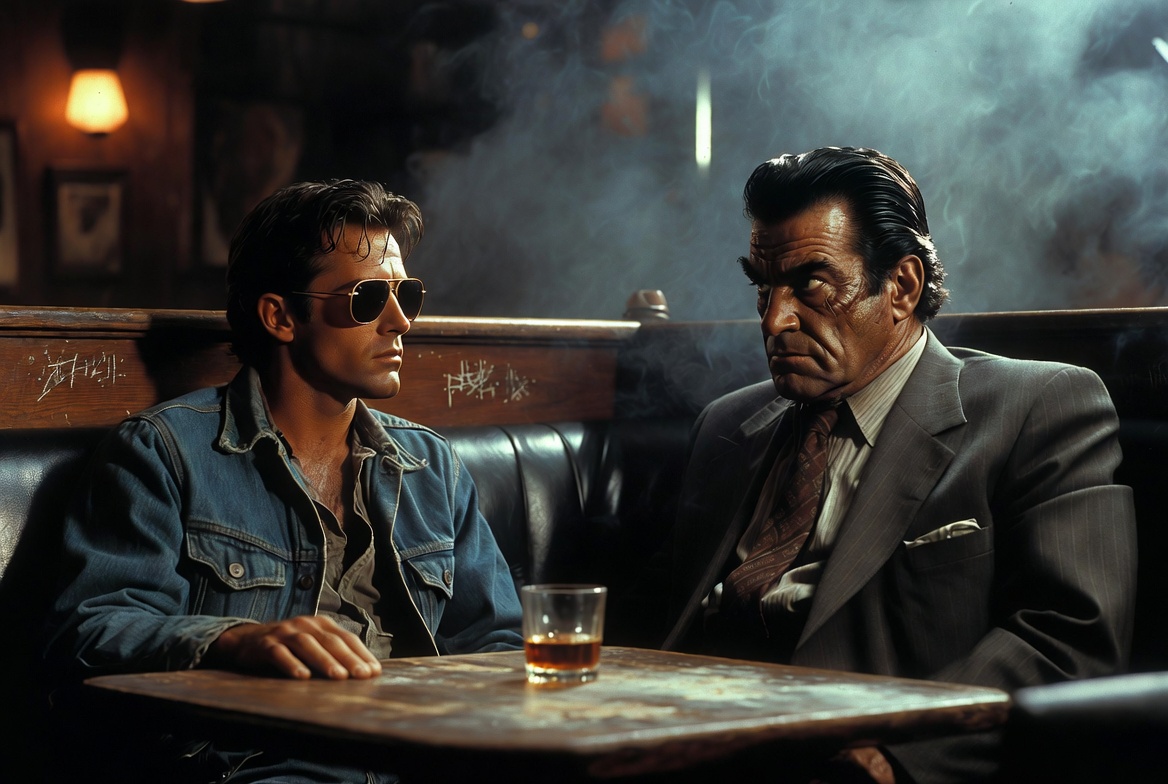
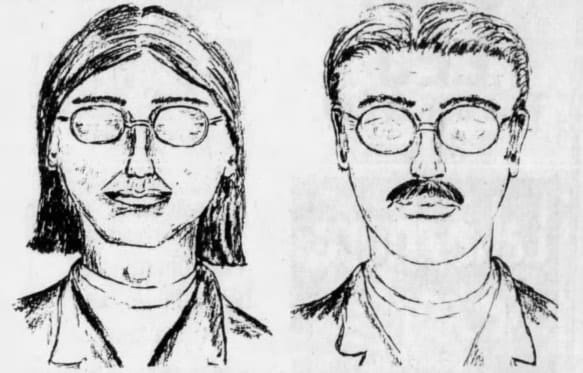
The primary suspects were never hard to find. Martin Smartt, a volatile Vietnam veteran, and his friend John Bo Boubede lived just a short distance away. On the night of the murders, the two men were seen at the local Back Door bar wearing three-piece suits—an attire so out of place for a gritty mountain dive bar that it felt like a desperate attempt to establish an alibi. Marty had a grudge; he believed Sue Sharp was interfering in his marriage and encouraged his wife, Marilyn, to leave him. Shortly after the crimes, Marty left a letter for Marilyn that contained a chilling admission: I have paid the price of your love and now I have bought it with four people's lives.
Despite this letter and a confession Marty allegedly made to a counselor at the Veterans Administration—stating he killed Sue and Tina but spared the boys—the investigation hit a wall of institutional incompetence. The California Department of Justice sent special agents from their organized crime unit rather than homicide specialists. These agents, Bradley and Crim, seemingly ignored the local leads, dismissed the confession as hearsay, and allowed Marty and Bo to leave town. Rumors of mob ties and drug trafficking protection began to surface, suggesting that Bo Boubede, an ex-con with Chicago connections, may have been a protected informant. The case wasn't just cold; it was being frozen from the inside.

The Hammer in the Pond
For decades, the survivors of the Sharp family lived with the silence of a botched investigation. It wasn't until 2013, when a new sheriff and a dedicated investigator reopened the files, that the truth began to emerge from the disarray. They found boxes of evidence that had never been processed and a freezer containing biological samples that had been intentionally turned off, destroying decades of potential DNA. But they also found the hammer. In 2016, a metal detectorist discovered a hammer in a dried-up pond near the resort entrance—a tool that matched the exact description of the one Marty Smartt claimed to have lost the night of the murders.
In 2018, another bombshell dropped. Modern DNA testing on a piece of medical tape from the crime scene yielded a match to a known living suspect. This discovery confirmed what many had long suspected: Marty and Bo did not act alone. There were others involved in the killing or the cover-up, individuals who are still walking free today. The physical structure of Cabin 28 was demolished in 2004, but the land remains a scar on the mountain, a place where the echoes of that night refuse to fade. Investigators believe they are closer than ever to a final resolution, targeting the surviving accessories who thought their secrets were buried with the victims.
If the killers are still among us, do they still walk the same forest trails where they once disposed of the evidence of their carnage?
Archival Case Gallery
Sources & Case Notes
Last updated: May 8, 2026.
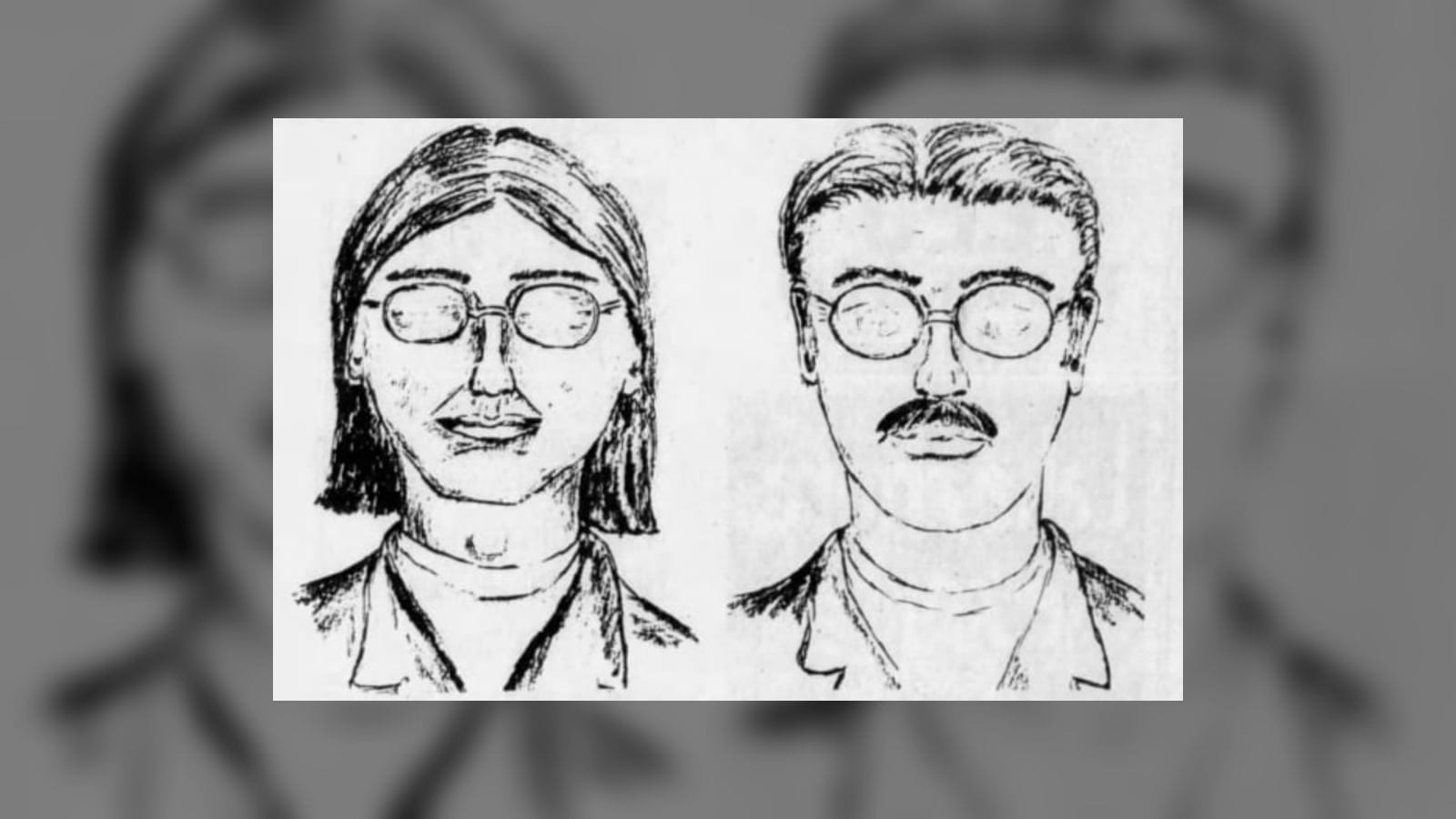
Primary sources / case notes: Plumas County/Keddie public case history, archival reporting on Cabin 28, later investigative updates, and public-domain suspect-sketch material where legally reusable.
Source links:
Correction policy: Send corrections, source notes, or image-rights concerns through Contact & Media Inquiries.
Image credits: Feature/gallery imagery uses public-domain suspect sketches where legally reusable. Body images are non-graphic documentary recreations created for Anonymous369 Media; human-remains imagery was rejected as exploitative.
Content warning: Discusses family homicide, child survivors, and an unresolved crime scene; non-graphic.
Editorial standards: Read how Anonymous369 Media researches, corrects, and credits factual cases on our Editorial Standards page.
Continue the Case File
These investigations reward careful reading. Step back if you missed the previous file, or keep going to follow the next case in the archive.
Previous file: The Shattered Light: How the Springfield Three Vanished From Delmar Street Next file: Martha Moxley's Golf Club: How Greenwich Power Bent a Murder Case