
The Shattered Light: How the Springfield Three Vanished From Delmar Street
After graduation night in 1992, three women came home. By morning, only their cars, their purses, and one broken porch light were left behind.


The Graduation Night
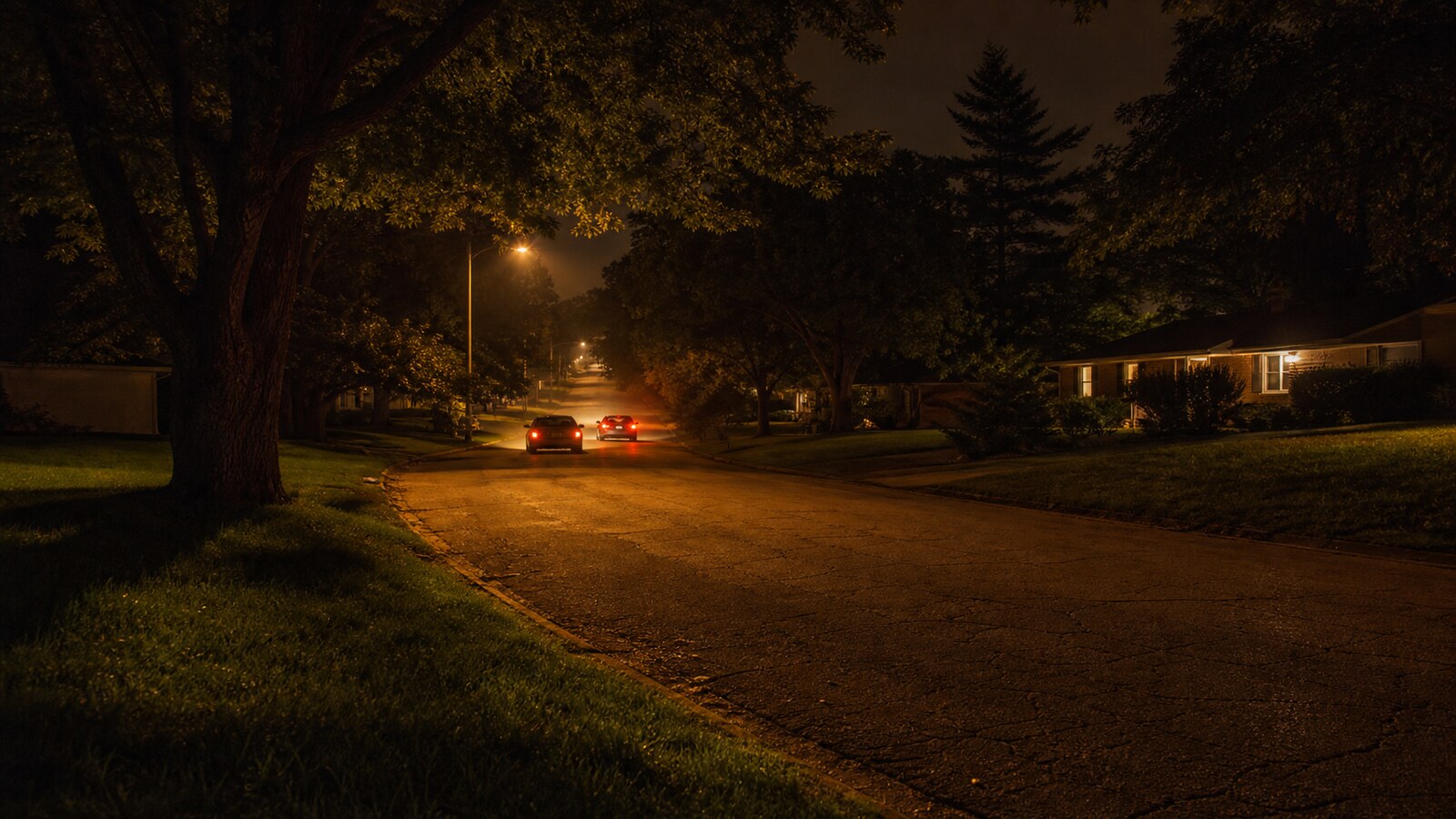
The early days of June 1992 brought a wave of optimism to Springfield, Missouri, the kind of warm, humid promise that settles over a town when graduation weekend arrives. The Ozarks air was thick. Car doors closed outside party houses. Families took pictures. Seniors stepped across a stage and into the strange open space of adulthood, where everything still seemed possible.
Among them were nineteen-year-old Suzanne Streeter, known to everyone as Suzie, and her eighteen-year-old friend Stacy McCall. Watching from the crowd was Suzie’s mother, Sherrill Levitt, a forty-seven-year-old cosmetologist and single mother who had recently settled into a modest home at 1717 East Delmar Street. It was supposed to be a beginning. A diploma. A summer. A daughter moving forward while her mother watched with pride.
After the ceremony, Suzie and Stacy moved through the city’s graduation-night orbit, drifting from one celebration to another. Their plan was ordinary enough: spend the night at a friend’s house, then head toward a water park the next morning. But the house was crowded with visiting relatives, too full for sleep, too full for the quiet they wanted after the long night.
So they made a small decision, the kind nobody notices until history turns around and points at it.
They would drive back to Sherrill’s house on East Delmar.
By the time the two young women headed there in separate cars, Springfield had gone still. The porch lights were burning over sleeping streets. Inside the Delmar house, Sherrill had spent part of her evening talking with a friend and working around the home. Sometime between the last known sightings in the early morning hours and sunrise, three women entered the silence of that house.
None of them would be seen again.
The Shattered Globe
Morning came bright and ordinary, which is part of what makes the scene feel so wrong. When Suzie and Stacy failed to show up for the day’s plans, friends went to the Delmar residence to check on them. At first, the house gave them the illusion of reassurance. All three vehicles were there. Sherrill’s. Suzie’s. Stacy’s. Parked outside as if everyone had simply overslept.
Then came the porch.
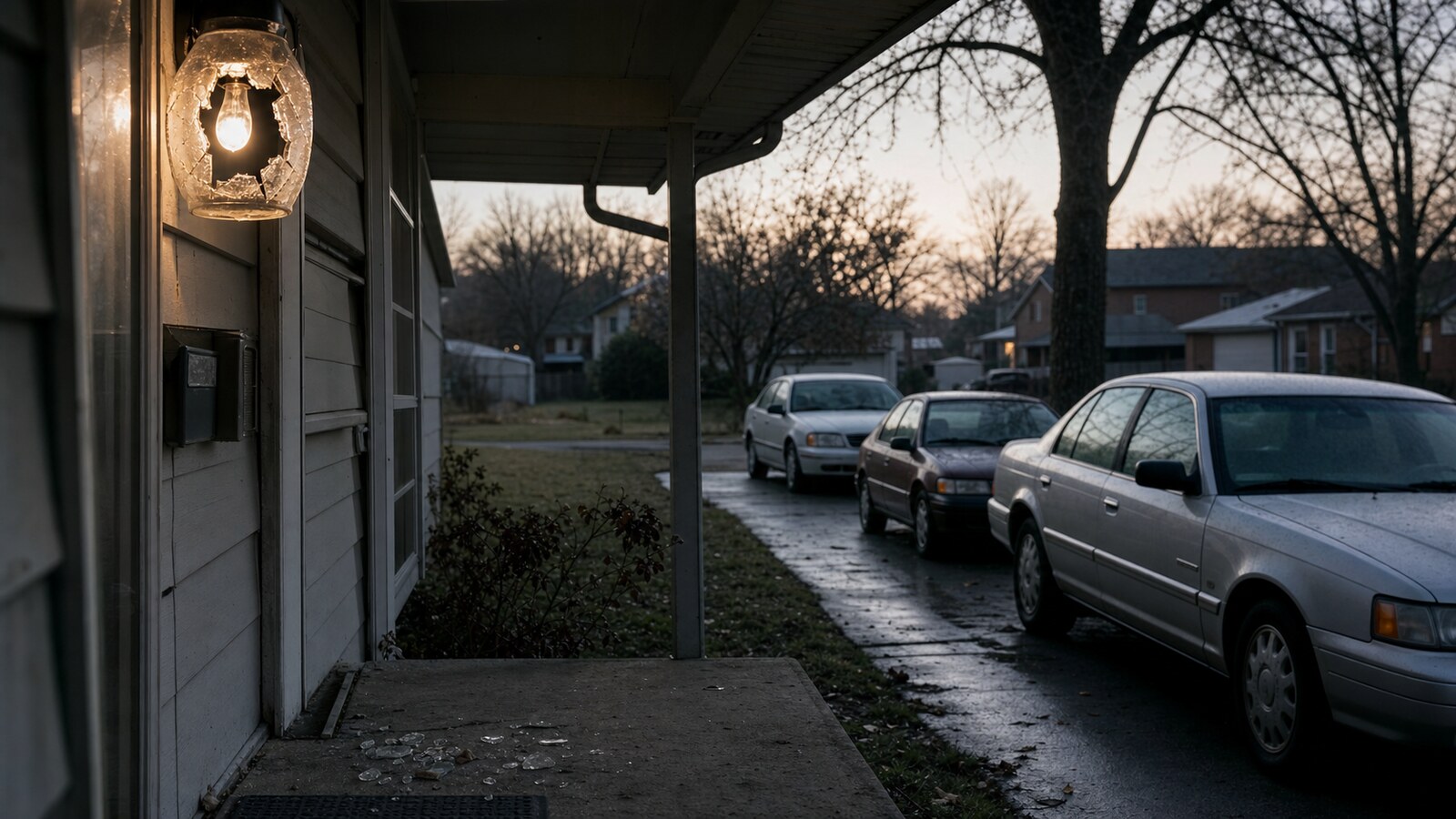
The glass globe over the porch light had been shattered. Fragments lay across the concrete, catching the morning light. The bulb itself was still intact and still burning, a small domestic thing made suddenly terrible. Someone swept the glass away before police could treat it as evidence, reportedly trying to protect a barefoot friend from being cut. It was a human instinct, almost tender. It may also have erased one of the few physical traces the night had left behind.
The front door was unlocked.
Inside, Cinnamon, the family Yorkshire terrier, was agitated and distressed. The house did not look like the aftermath of a fight. There was no blood. No overturned furniture. No obvious trail of violence. Instead, the rooms held the unnerving calm of a place interrupted mid-breath.
The women’s purses were still inside. Their vehicles were still outside. Keys, clothing, money, cigarettes, and other personal belongings were left behind. The official record would later note that the house looked less like a burglary than an abduction. It appeared the women had returned, settled in, and then vanished from a locked-down life without taking the objects people normally grab when they leave on purpose.
The Delmar house had not been ransacked.
It had been emptied.
The Erased Clue
What happened next is one of the quiet tragedies of the case. The house should have become a sealed scene. Instead, it became a gathering place for fear.
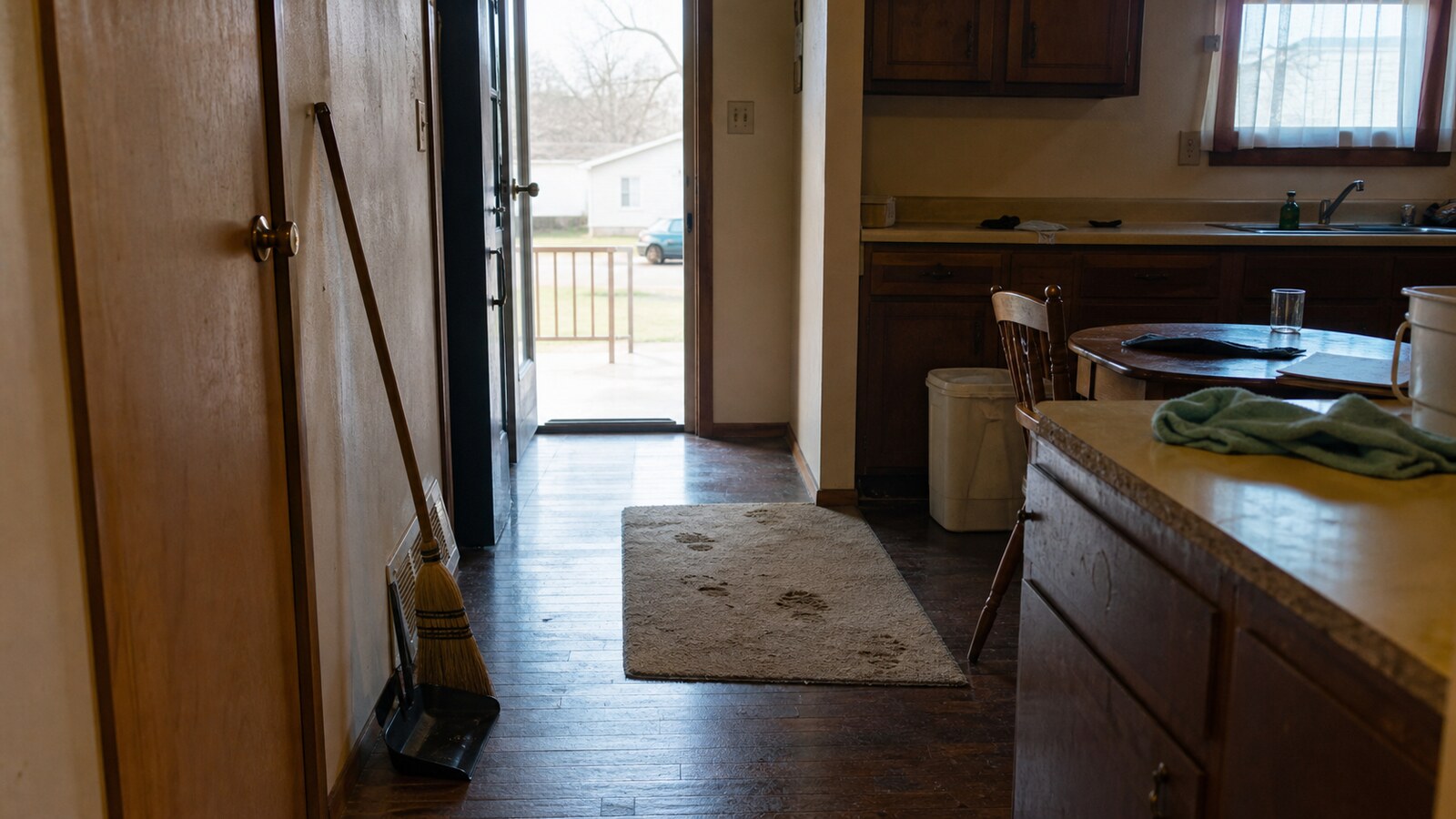
As the hours passed, friends and family came and went. They were not thinking like detectives. They were thinking like frightened people inside a house where three loved ones should have been. They cleaned. They moved through rooms. They used the bathroom. They tried to put order back into a place that had become impossible to understand.
By the time law enforcement had the scene in hand, an estimated ten to twenty people had already passed through. Fingerprints, fibers, trace evidence, the small accidental signatures a stranger can leave behind, all of it had been compromised by concern.
Then the phone became part of the haunting.
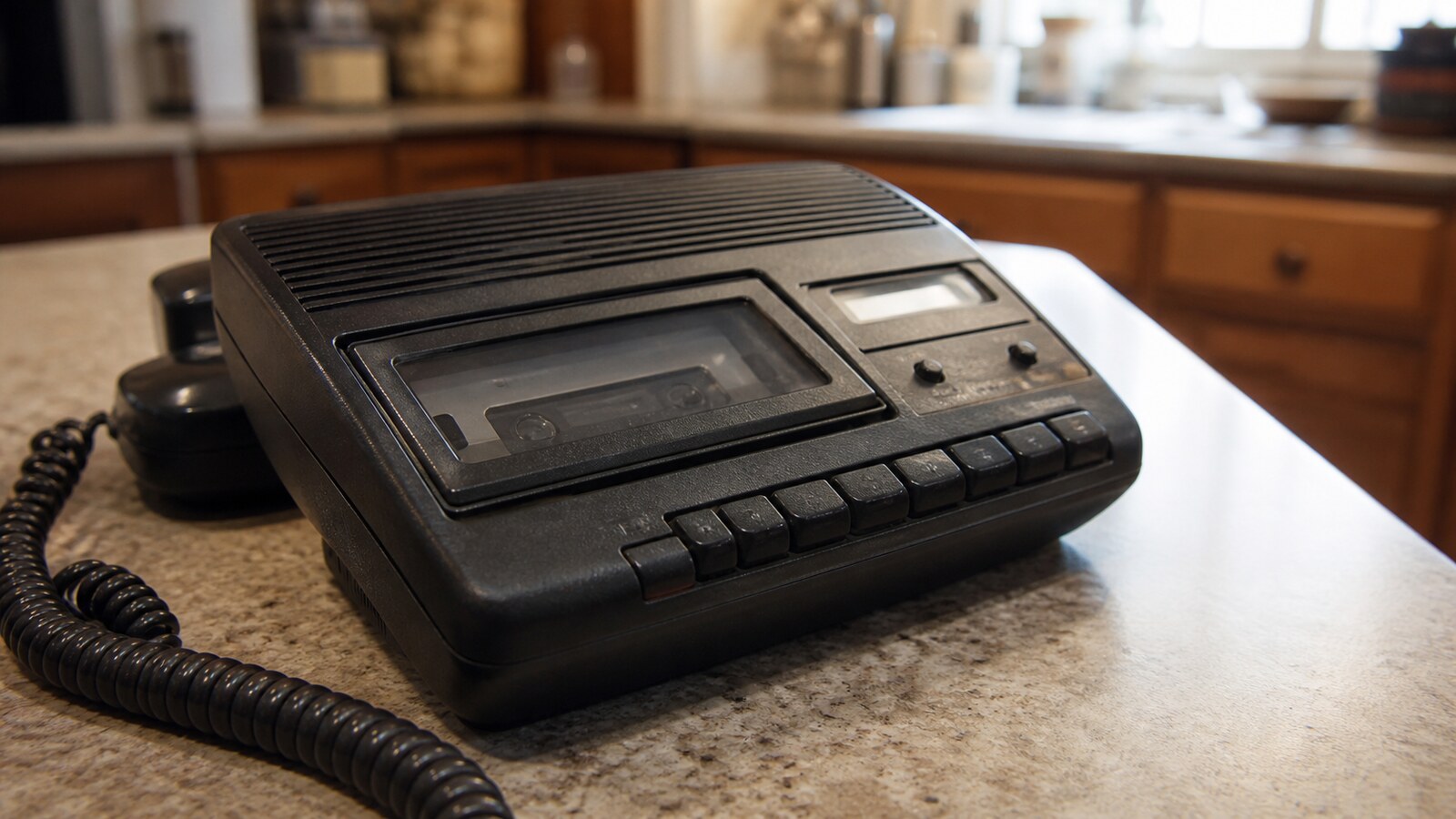
While people were still at the house, there were reports of crude, disturbing calls from an unknown male caller. Later, Stacy’s mother, Janis McCall, arrived desperate for any clue, any sound, any thread that could lead back to her daughter. She checked the answering machine and heard a strange message. In the chaos and panic, the message was accidentally erased.
Whatever was on that tape disappeared with the women.
A voice. A tone. A prank. A threat. A mistake. A clue.
No one can replay it now.
A Trail Of Shadows
With the house contaminated and the answering-machine message gone, investigators were left chasing fragments. The case began to live in sightings, rumors, partial memories, and leads that seemed to glow for a moment before dissolving.
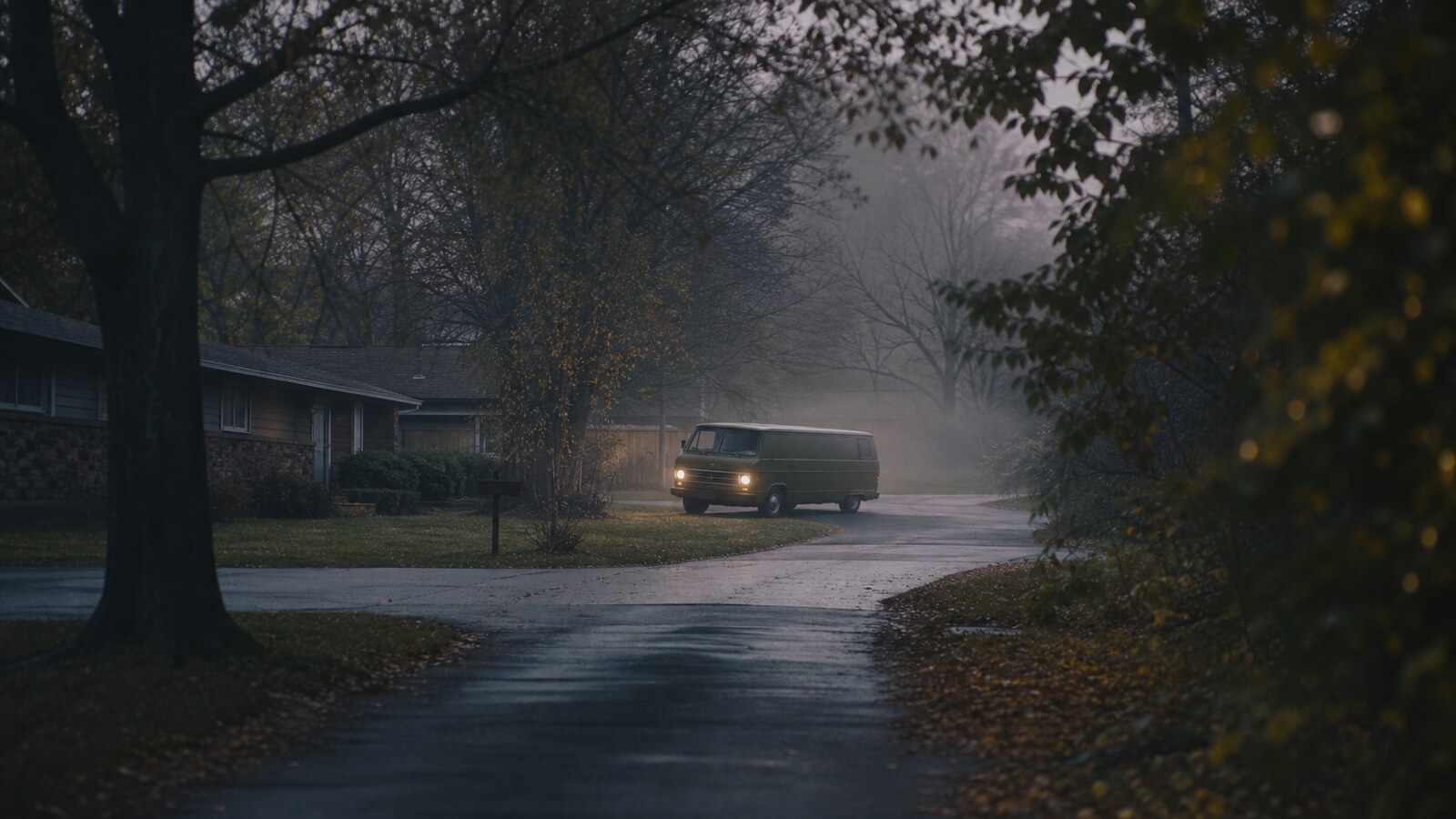
One of the most unsettling reports involved an older-model green or brown van seen in the area around the time of the disappearance. In some tellings, the account becomes almost cinematic: a frightened blonde woman behind the wheel, a male voice from inside the vehicle, the sense that someone was being controlled from the shadows. But the harder truth is colder. The van was never tied conclusively to the women. The sighting was never transformed into evidence. It remains one of the case’s most persistent ghosts.
Other reported sightings added to the fog. A late-night restaurant account. A possible unfamiliar man near the Delmar home. Composite sketches. Tips from people who thought they had seen something, heard something, remembered something only after the city had already learned to be afraid.
The problem was not that there were no stories.
The problem was that none of them became proof.
Every lead seemed to point toward movement, and yet the case itself stayed fixed in place: three cars in a driveway, purses inside a house, a dog agitated, a porch light broken, and no one able to say where three women went between the dark and the morning.
The Unsettling Suspects
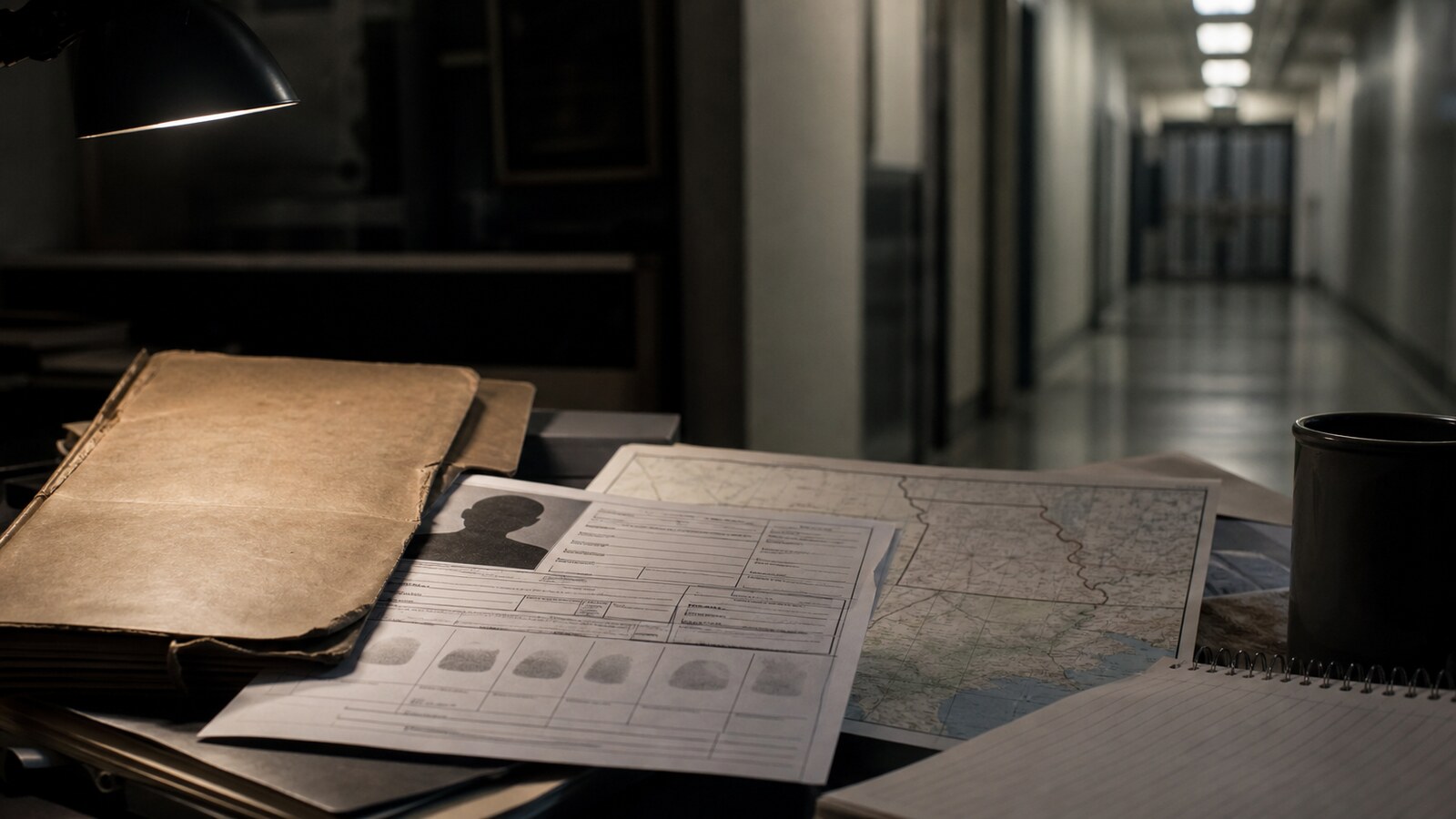
The logistics of the disappearance are what keep the case so disturbing. Three adult women were removed from a residential home without an obvious struggle, without neighbors reporting a clear disturbance, and without the offender leaving behind a clean trail. Whoever did it either had control, luck, familiarity, a weapon, a convincing ruse, or some combination that has never been fully understood.
Over the years, investigators and the public have circled different names.
Robert Craig Cox remains one of the most discussed. He was a convicted kidnapper and robber who had lived in Springfield around the time the women vanished. Years later, from prison, he claimed to know that the women were dead and suggested he had information about where they were. But Cox never produced evidence that solved the case. His statements have been treated with caution, and he has never been charged in connection with the disappearance of Sherrill Levitt, Suzie Streeter, or Stacy McCall.
Other figures moved through the suspect pool and the rumor mill. Suzie’s former boyfriend was examined in public accounts because of an unrelated criminal matter and reported connections to the investigation’s early orbit, but he was not charged in the disappearance. Other names from the wider landscape of violent crime have been attached by speculation, podcasts, message boards, and television retellings. Some are unsettling. Some are possible only in the loosest sense. None have carried the weight needed to close the file.
That is the cruelty of the Springfield Three.
The case has suspects without a charge, theories without bodies, sightings without anchors, and claims without proof.
The Concrete Anomaly
As the years stretched on, desperation found a shape beneath concrete.
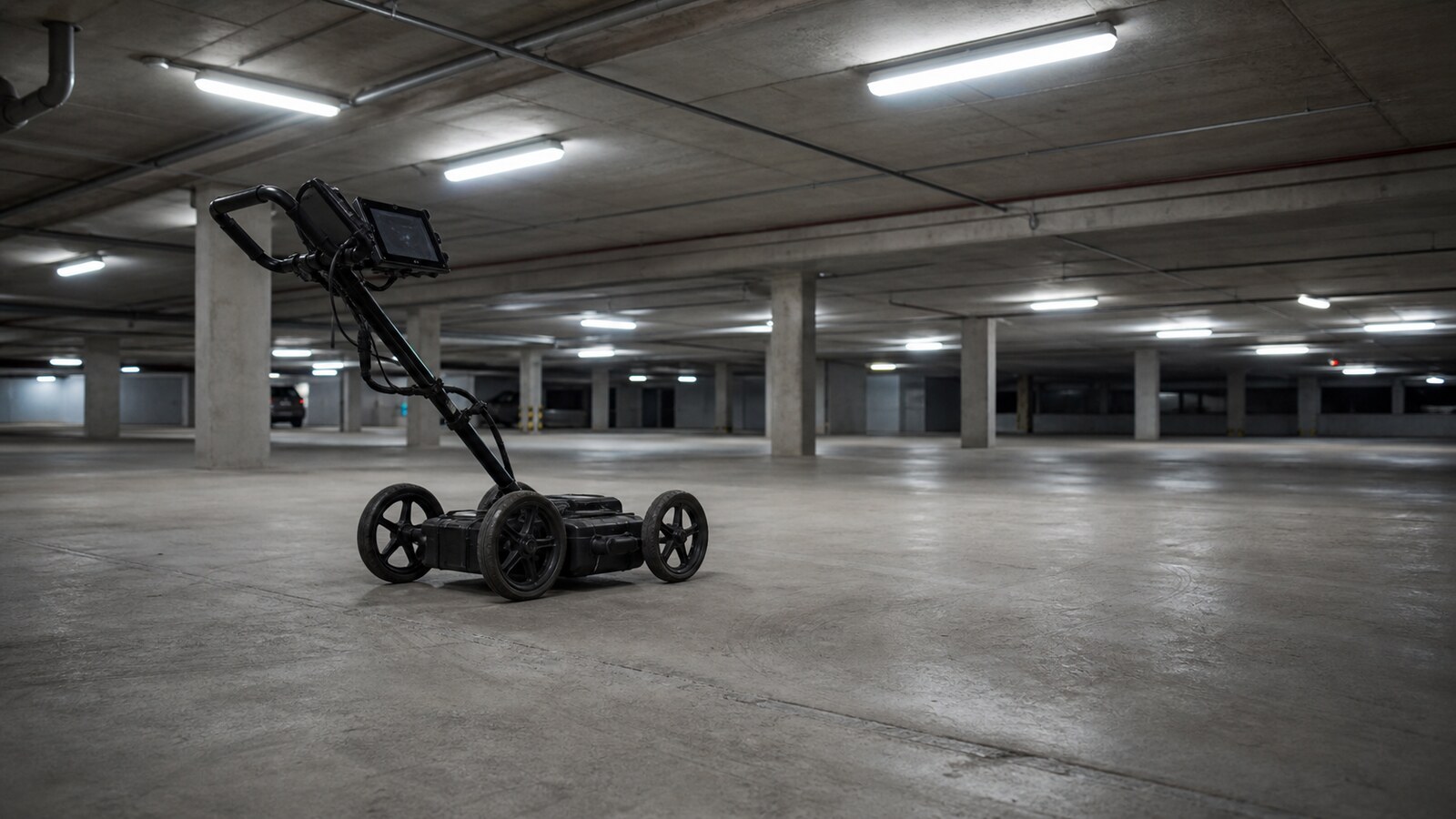
One theory fixed itself to the south parking garage at Cox Hospital, where some believed the women had been buried during construction. Years after the disappearance, an investigative effort brought ground-penetrating radar to the site. The scan reportedly detected three anomalies beneath the surface, shapes that outside observers argued were worth testing.
For a case starved of physical answers, the image was irresistible: three voids under concrete, three missing women, one possible way to finally break the silence.
But investigators did not accept the theory as credible. Police pointed to the origin of the tip, which they described as coming from a psychic or vision-based source, and to the construction timeline, which they said did not match the disappearance. To law enforcement, the anomalies were more likely construction debris or ordinary subsurface irregularities than a hidden grave.
To the public, the refusal to drill became another wound.
A small core sample sounded simple. A hole in concrete. A yes or a no. But cases like this are not built on what feels emotionally necessary. They are built on what investigators can justify, what property owners allow, what courts and agencies can support, and what evidence rises above theory.
So the concrete stayed sealed.
And the question stayed alive.
The Enduring Silence
In 1997, Sherrill Levitt and Suzie Streeter were legally declared dead. Stacy McCall’s mother, Janis, refused to let that legal language close the door on her daughter. For her, hope did not need to be logical to remain sacred. Until there was certainty, there was still a mother waiting for an answer the world had not earned the right to take from her.
The Springfield Three case changed the emotional weather of the Ozarks. It turned an ordinary home into a landmark of absence. It turned an unlocked door into a warning. It turned a broken porch globe into one of the most haunting objects in American cold-case history.
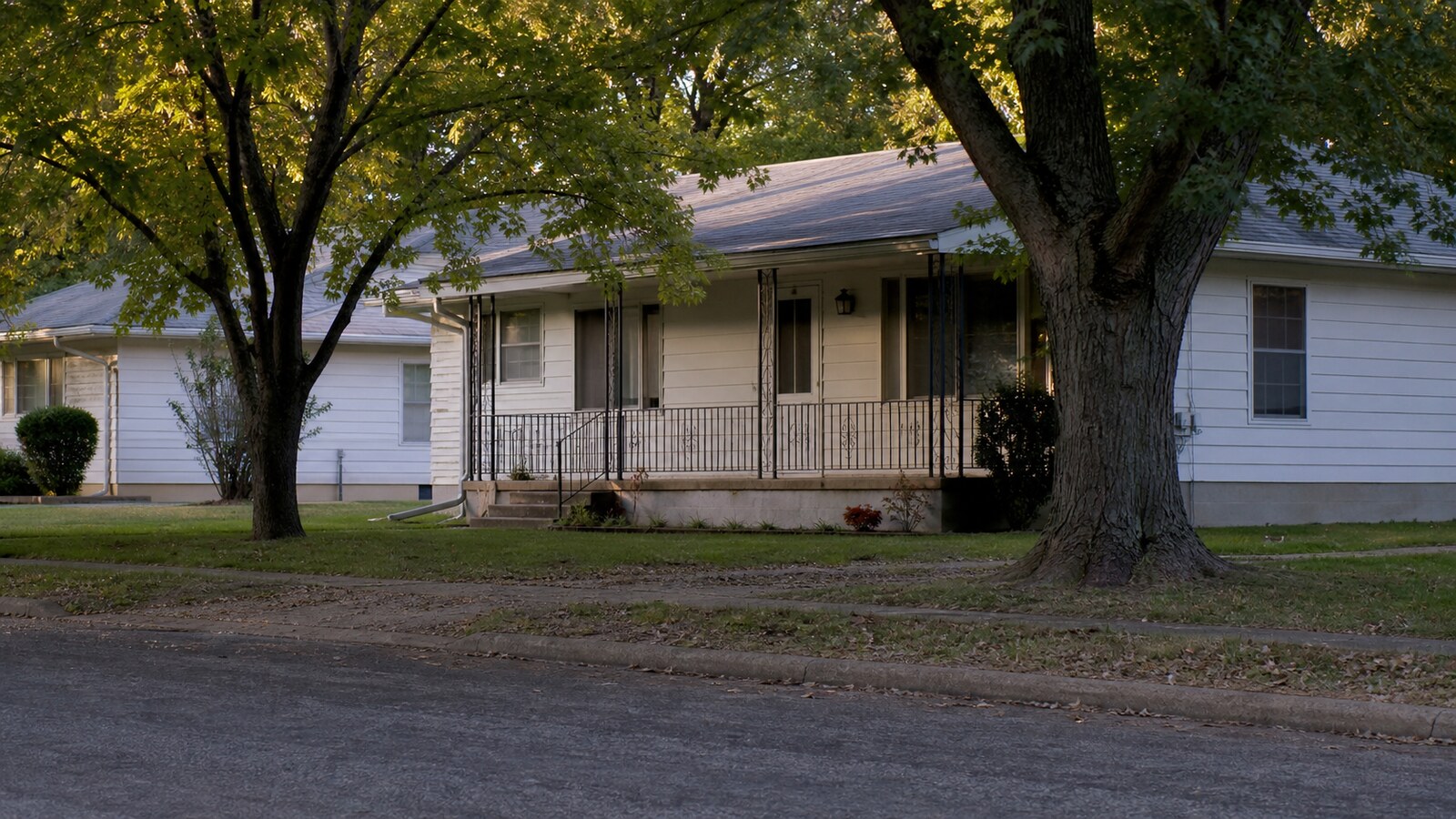
More than thirty years later, the official file remains open. The house on East Delmar still stands. Other families have lived inside it. The porch has been repaired. The morning sun still falls across Springfield the way it did on June 7, 1992.
But somewhere between the graduation parties and the quiet driveway, between the shattered glass and the erased tape, three women crossed out of the known world.
Did someone talk them through the door? Did a weapon make silence possible? Did the broken porch light mark the beginning of the crime, or only the first thing left behind?
The house gave up its objects.
It never gave up its answer.




Archival case gallery: FBI ViCAP image and official case photos of Sherrill Levitt, Suzanne Streeter, and Stacy McCall. Source: FBI ViCAP public missing-persons alert.
Sources & Case Notes
Last updated: May 9, 2026.
Primary sources / case notes: FBI ViCAP public missing-persons alert for Sherrill Levitt, Suzanne Streeter, and Stacy McCall; Springfield, Missouri public case history; current custody check for Robert Craig Cox through official Texas records. Suspect language remains cautious because no one has been charged in this case.
Source links:
- Springfield Police Department case page
- FBI ViCAP Springfield Three alert
- Texas Department of Criminal Justice offender search
Correction policy: Send corrections, source notes, or image-rights concerns through Contact & Media Inquiries.
Image credits: Feature image and archival gallery use FBI ViCAP public case images. Body images are non-graphic documentary recreations created for Anonymous369 Media and checked against the case record for atmosphere, not offered as evidence.
Content warning: Discusses a missing-persons case, suspected abduction, and legally presumed deaths; non-graphic.
Editorial standards: Read how Anonymous369 Media researches, corrects, and credits factual cases on our Editorial Standards page.
Continue the Case File
These investigations reward careful reading. Step back if you missed the previous file, or keep going to follow the next case in the archive.
Previous file: The 41-Minute Window: How Blood Spatter Rebuilt Nancy Guthrie's Disappearance Next file: Keddie Cabin 28: How a Bloody Crime Scene Went Cold