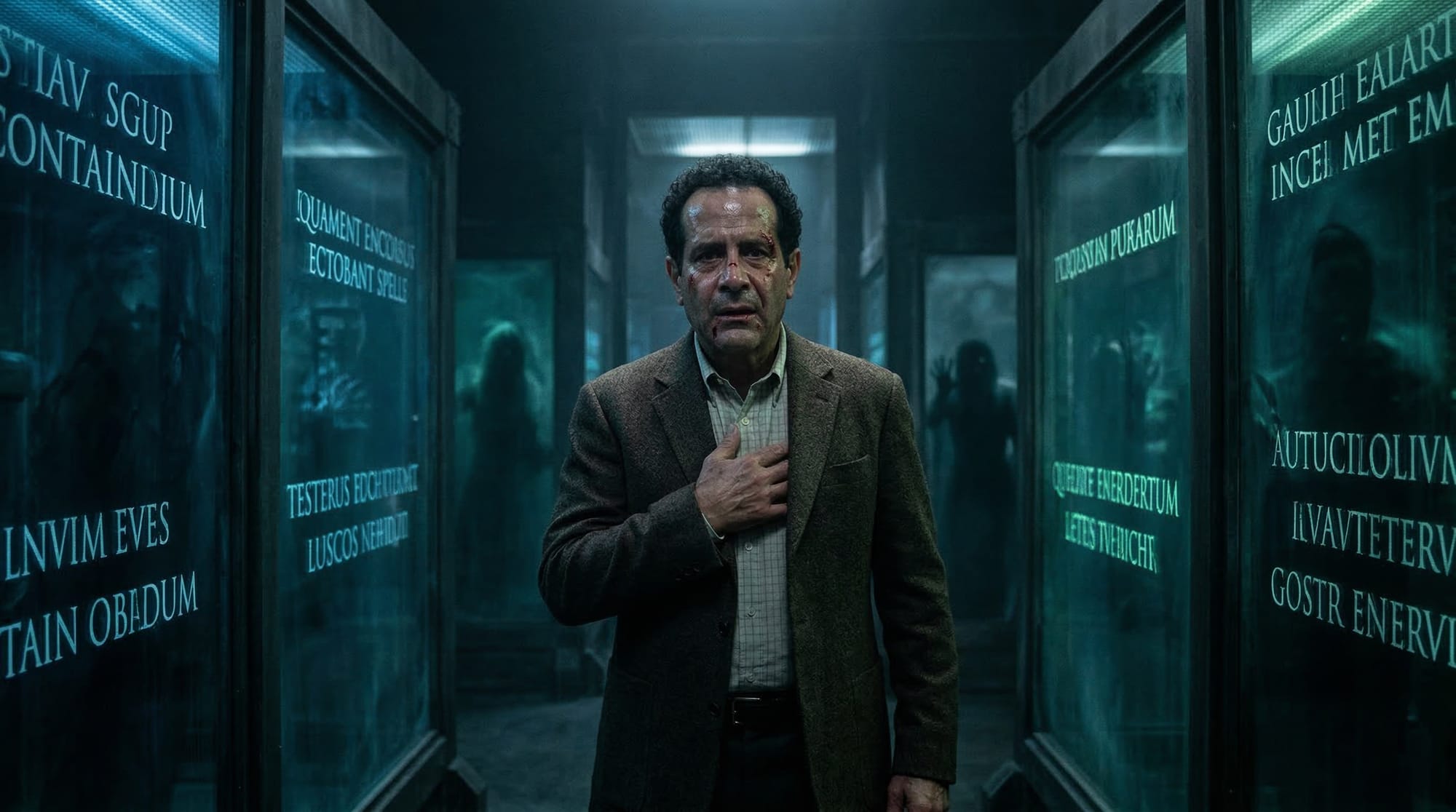
Thir13en Ghosts: How the Black Zodiac Turns Grief Into a Machine
Steve Beck's 2001 cult horror film is messy, loud, and sometimes clumsy, but its glass house, Black Zodiac, and ghost designs make it one of horror's richest lore machines.


The Verdict: A Badly Reviewed Movie With a Great Horror Engine
Thir13en Ghosts is not a clean masterpiece. It is loud, overcut, overlit, aggressively early-2000s, and sometimes written like every character is trying to escape the script before the ghosts get them. Critics were not kind to it, and honestly, the complaints are not imaginary. The exposition can be heavy. The family drama is thin. The movie often moves so fast that it forgets to let dread breathe.
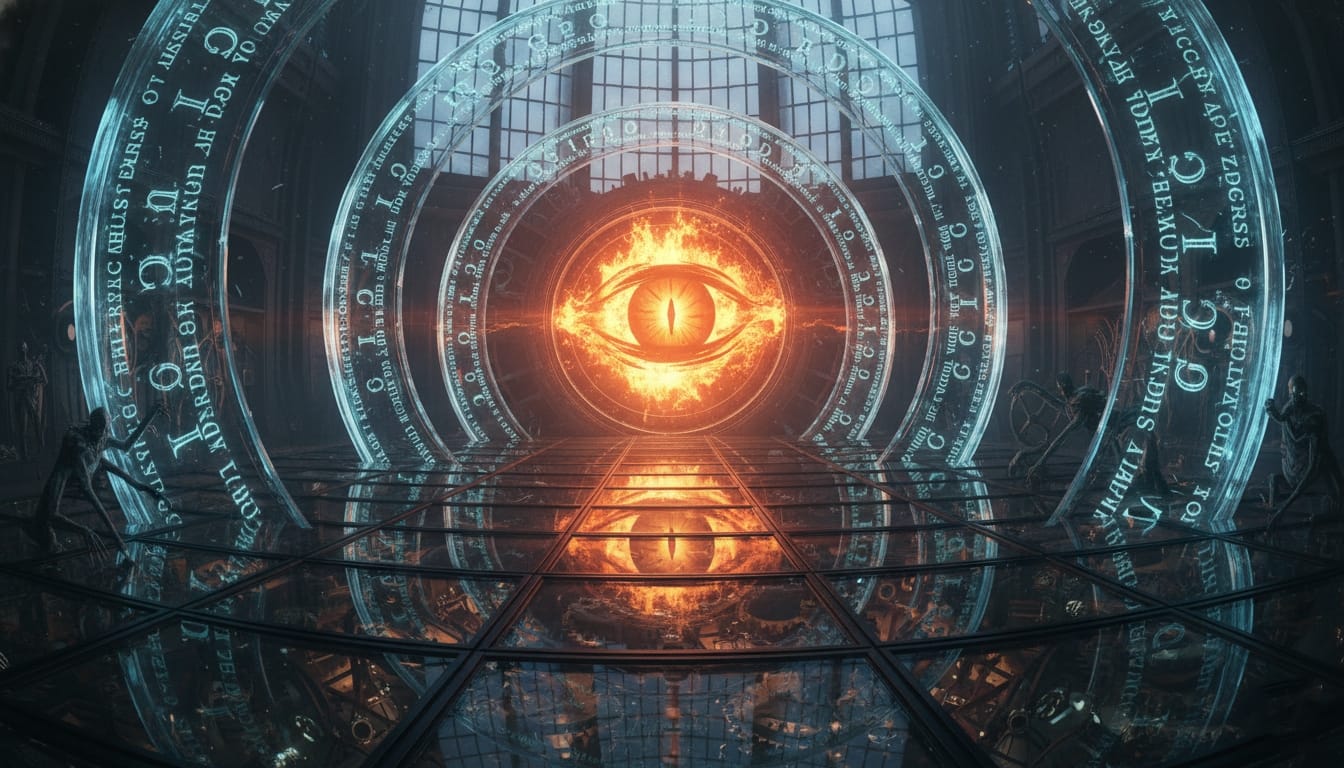
And yet the film refuses to die in the cultural memory because it has something many more polished horror movies do not: a genuine mythological machine. The glass mansion, the Latin containment spells, the spectral glasses, the Ocularis Infernum, and the Black Zodiac are not just set dressing. They are a full horror operating system. The movie may stumble as drama, but as a haunted-house concept, it is almost absurdly rich.
That is why Thir13en Ghosts works as a review hub for Anonymous369 Media. The film itself gives you the ride. The lore files underneath this article can do what the movie barely has time to do: open each ghost, each wound, each ritual component, and the house itself as a case file.
What the Film Is Actually Saying
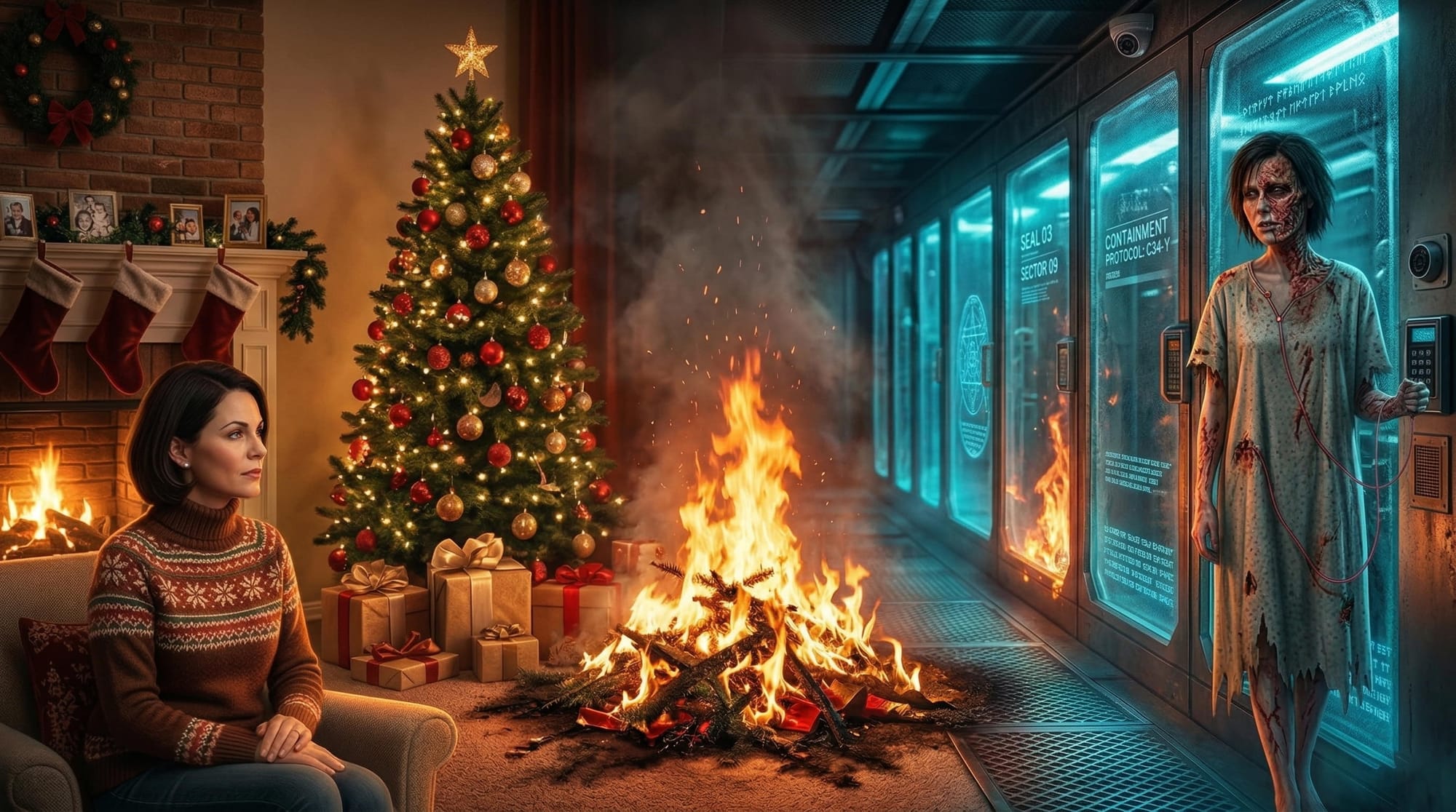
Under the noise, the movie is about grief being turned into architecture. Arthur Kriticos inherits a beautiful glass home after losing his wife, Jean, in a fire. On the surface, that sounds like rescue: a ruined family receiving shelter. In reality, the house is a machine built by Cyrus Kriticos, a wealthy occultist who has collected tortured souls to power a ritual.
That reversal is the emotional center. The home that should protect a grieving family is designed to consume grief and convert it into power. Arthur is not simply trapped in a haunted house. He is trapped inside another man's attempt to turn loss into control.
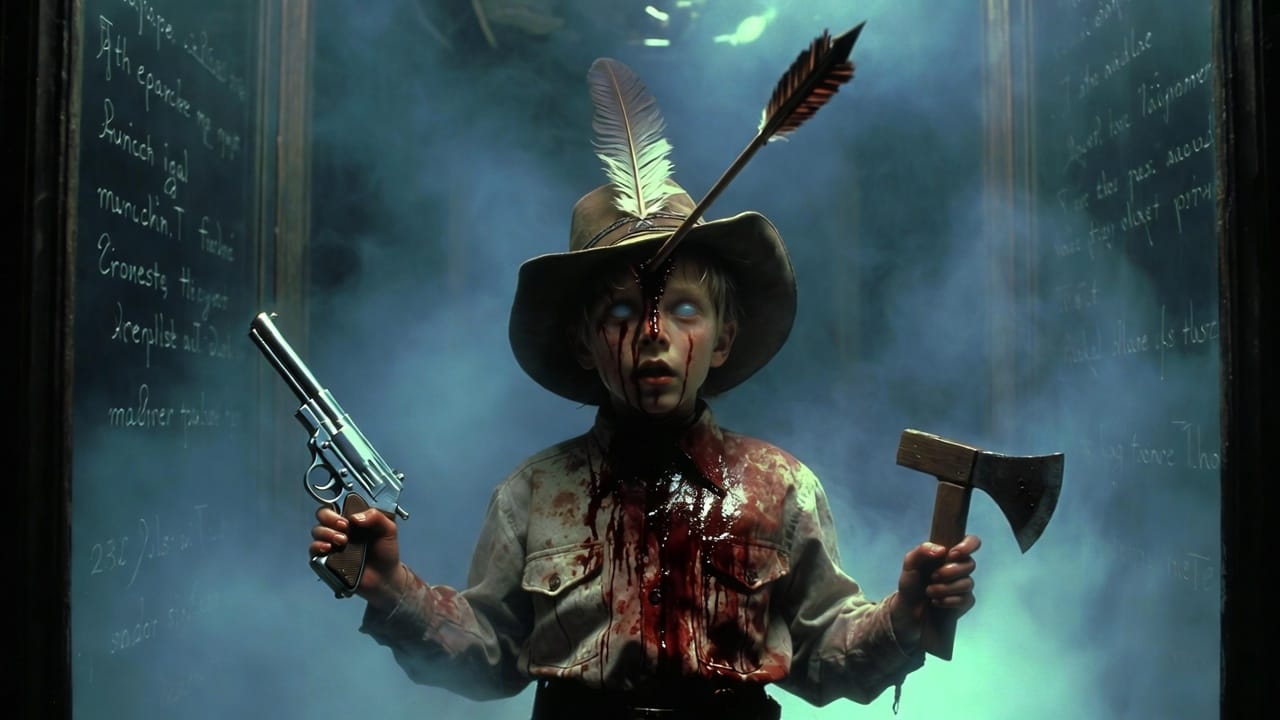
The Black Zodiac deepens that idea. Each ghost is not just a monster. Each one is a human wound preserved in violent form: innocence, addiction, betrayal, vanity, rage, abuse, fanaticism, maternal love, humiliation, vengeance, and sacrifice. The film barely pauses long enough to explain them, but the concept is strong because it treats death as a corrupted archive. Every spirit is evidence.
The best idea in the movie is that the house needs the Broken Heart. The final ghost cannot simply be another violent soul. It must come from pure tragedy and self-sacrifice. That is an unexpectedly sharp horror thought: evil does not only feed on rage. It also wants love, because love carries the strongest charge.
The Glass House Is the Star
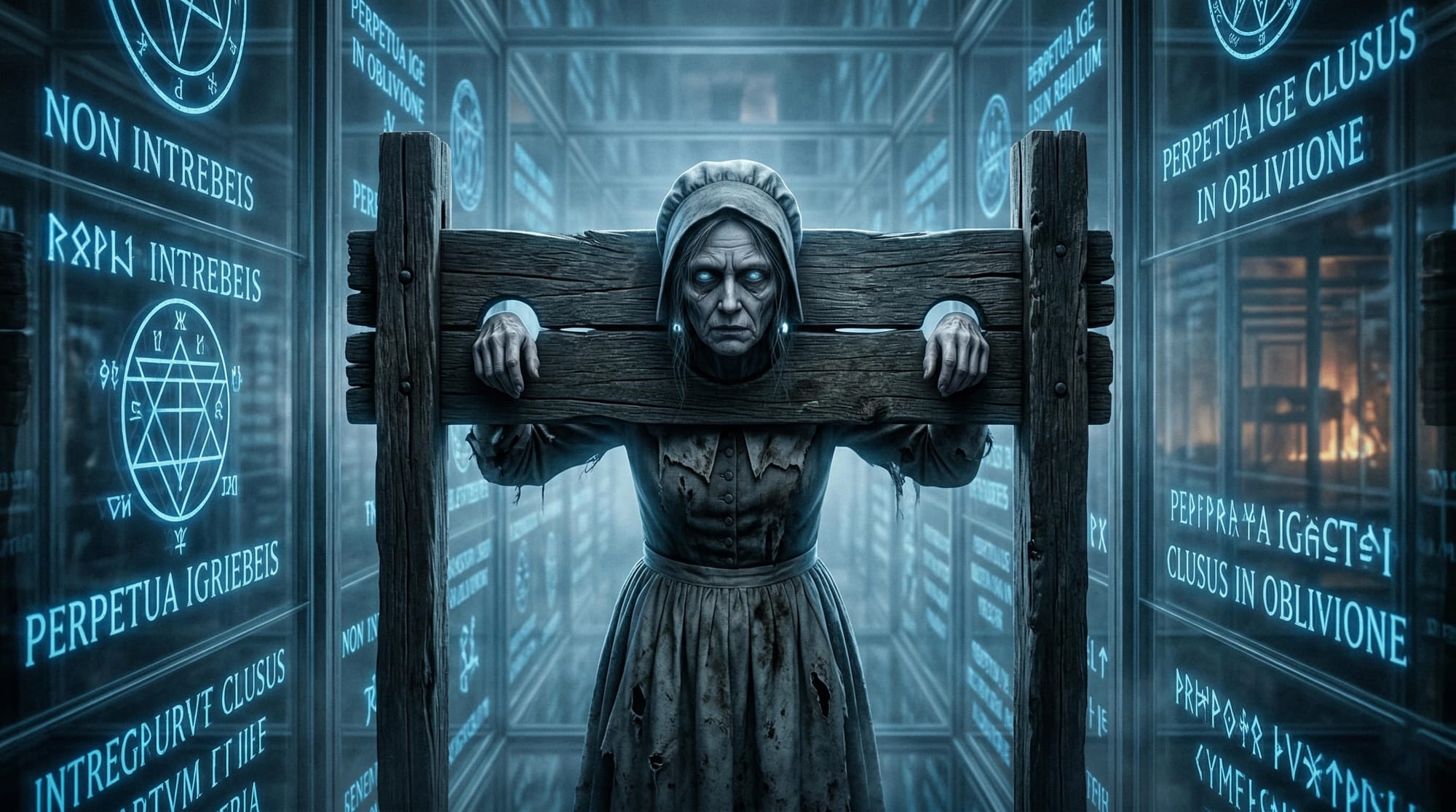
The production design is the reason the movie still has a cult pulse. The mansion is ridiculous in the best possible way: transparent walls, shifting panels, occult etchings, mechanical gears, containment cubes, and a basement that looks like a supernatural prison designed by an architect with unlimited money and very limited concern for building codes.
The glass matters symbolically. It creates a house where everyone can see and still not understand. Characters watch danger move through the walls, but visibility does not equal safety. That is a strong visual metaphor for grief, family secrets, and denial. Everything is exposed, but no one is protected.
The spectral glasses are also a clever update of William Castle's original gimmick. The 1960 film used Illusion-O, a theater device that let audiences choose whether to see the ghosts. The remake folds that gimmick into the story. Now the living need special lenses to perceive what is already hunting them. That is one of the film's best psychological ideas: horror is present before anyone has the tool to admit it.
Matthew Lillard's Dennis Rafkin gives the movie its most useful human voltage. He is frantic, damaged, funny, and exhausted in a way that makes the supernatural feel physically painful. Tony Shalhoub gives Arthur more sincerity than the script always earns, while F. Murray Abraham plays Cyrus like a man who confused wealth, knowledge, and spiritual authority until they became the same addiction.
What Works, What Breaks
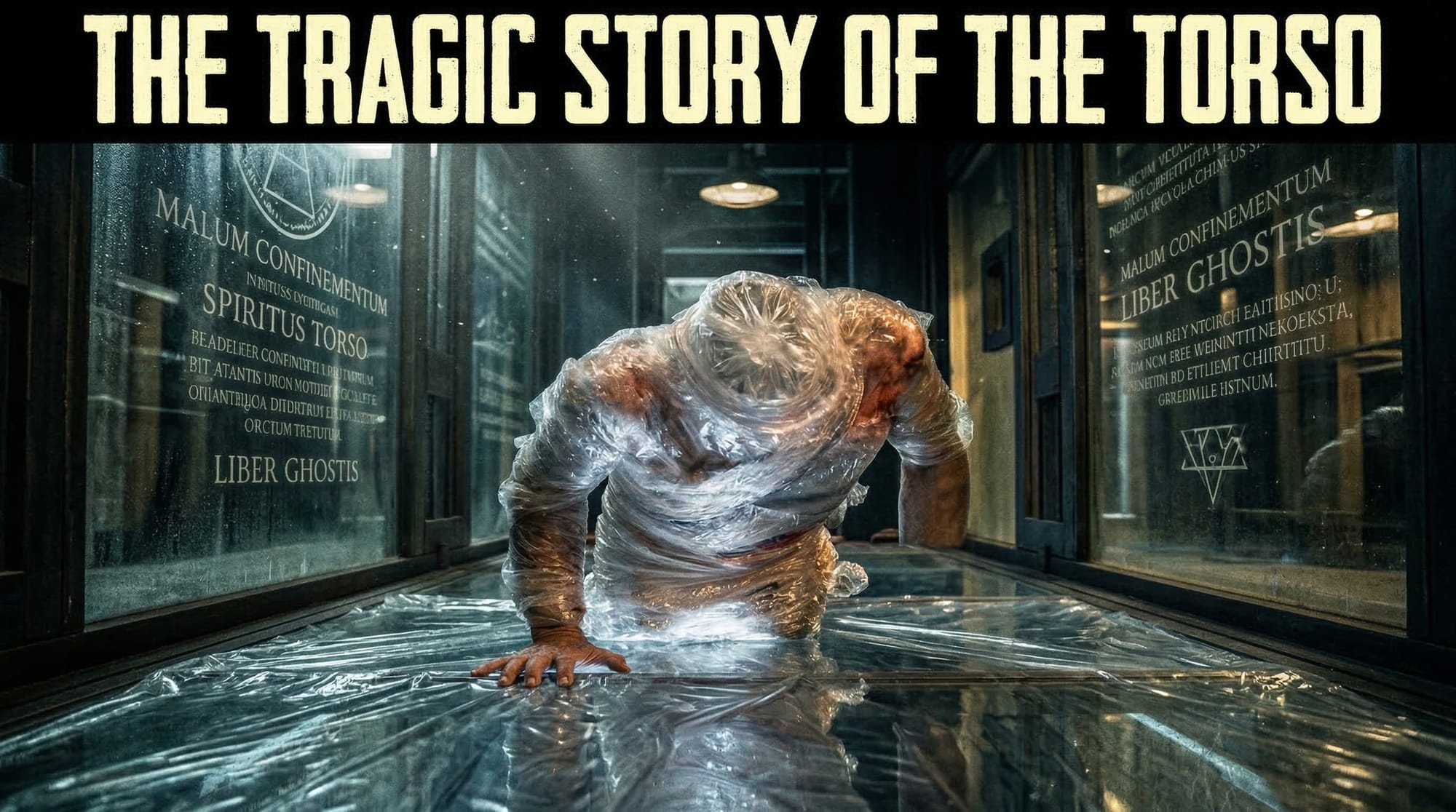
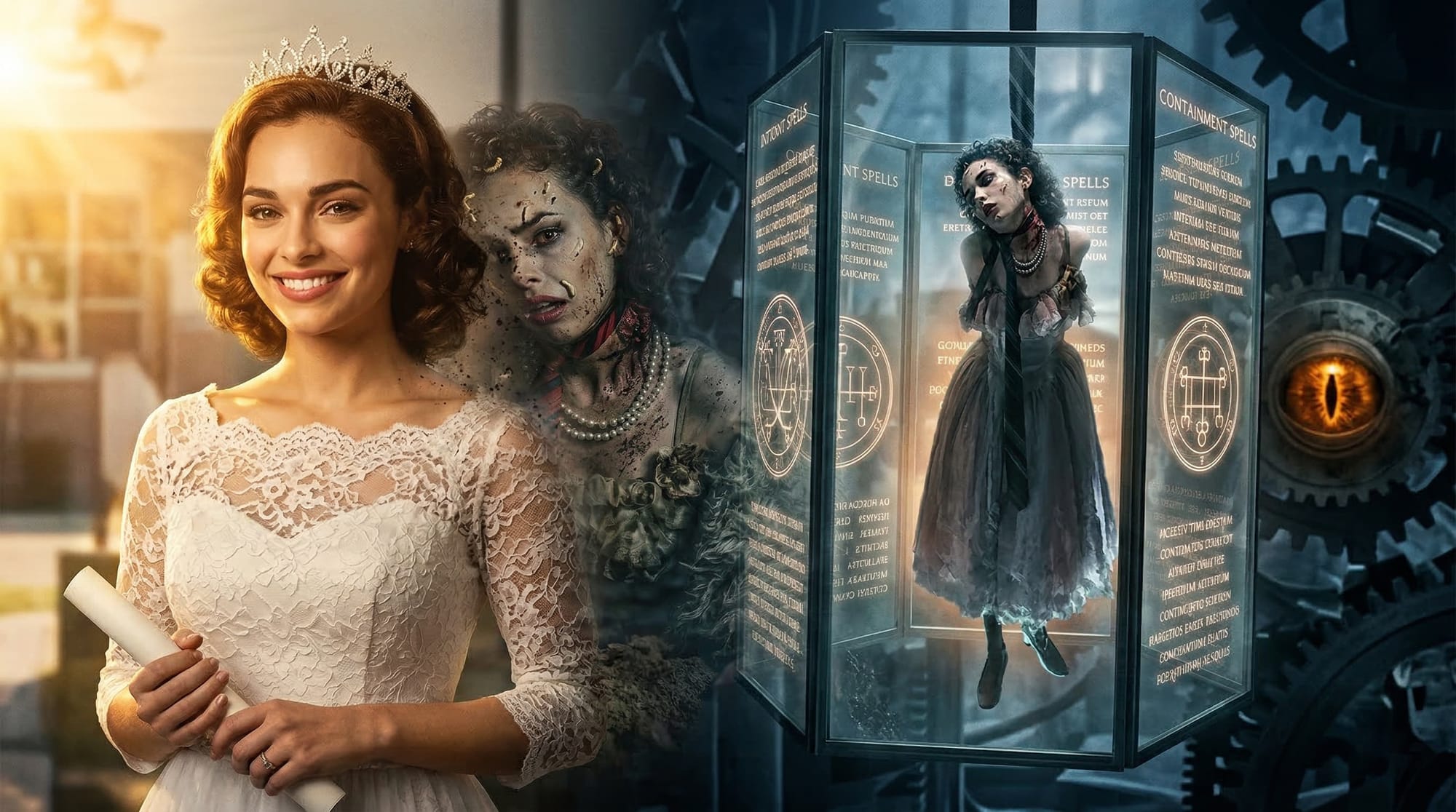
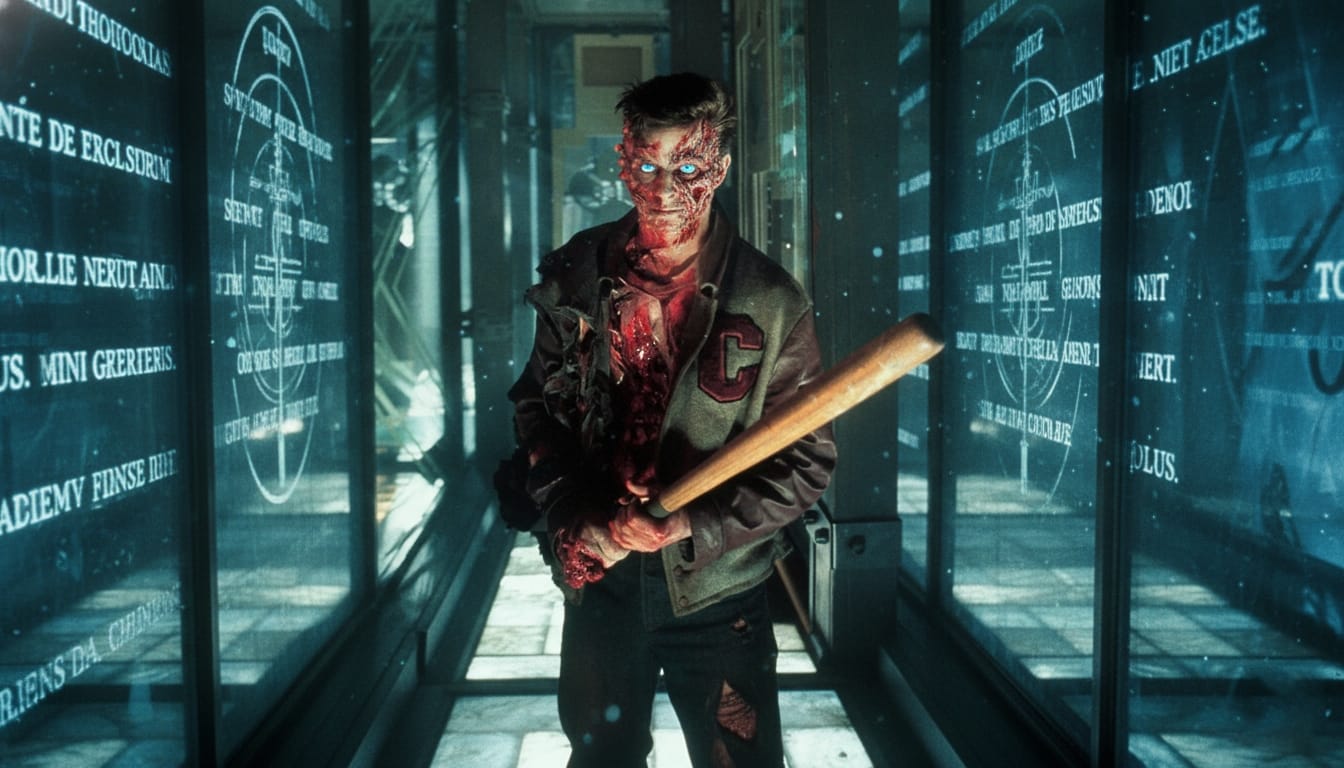
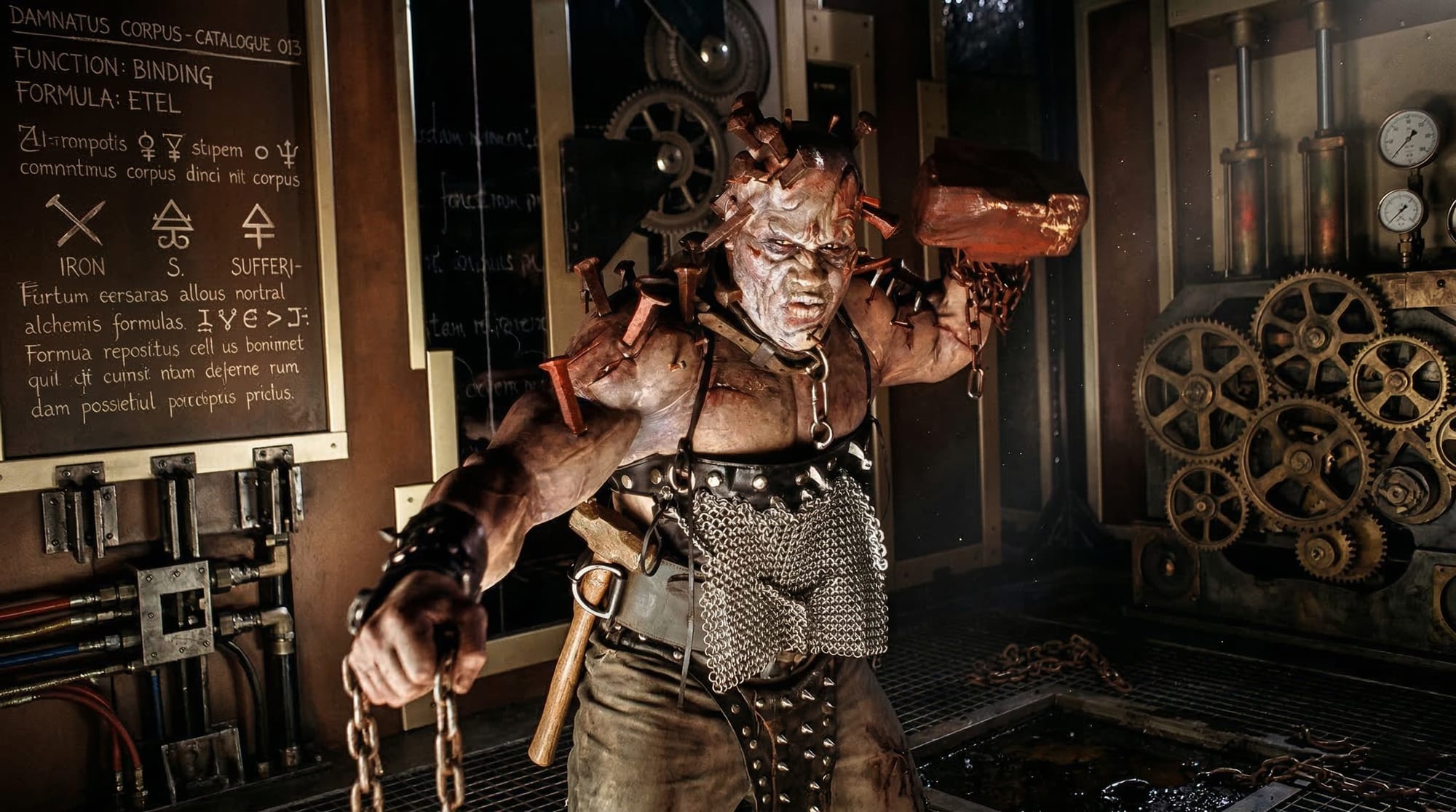
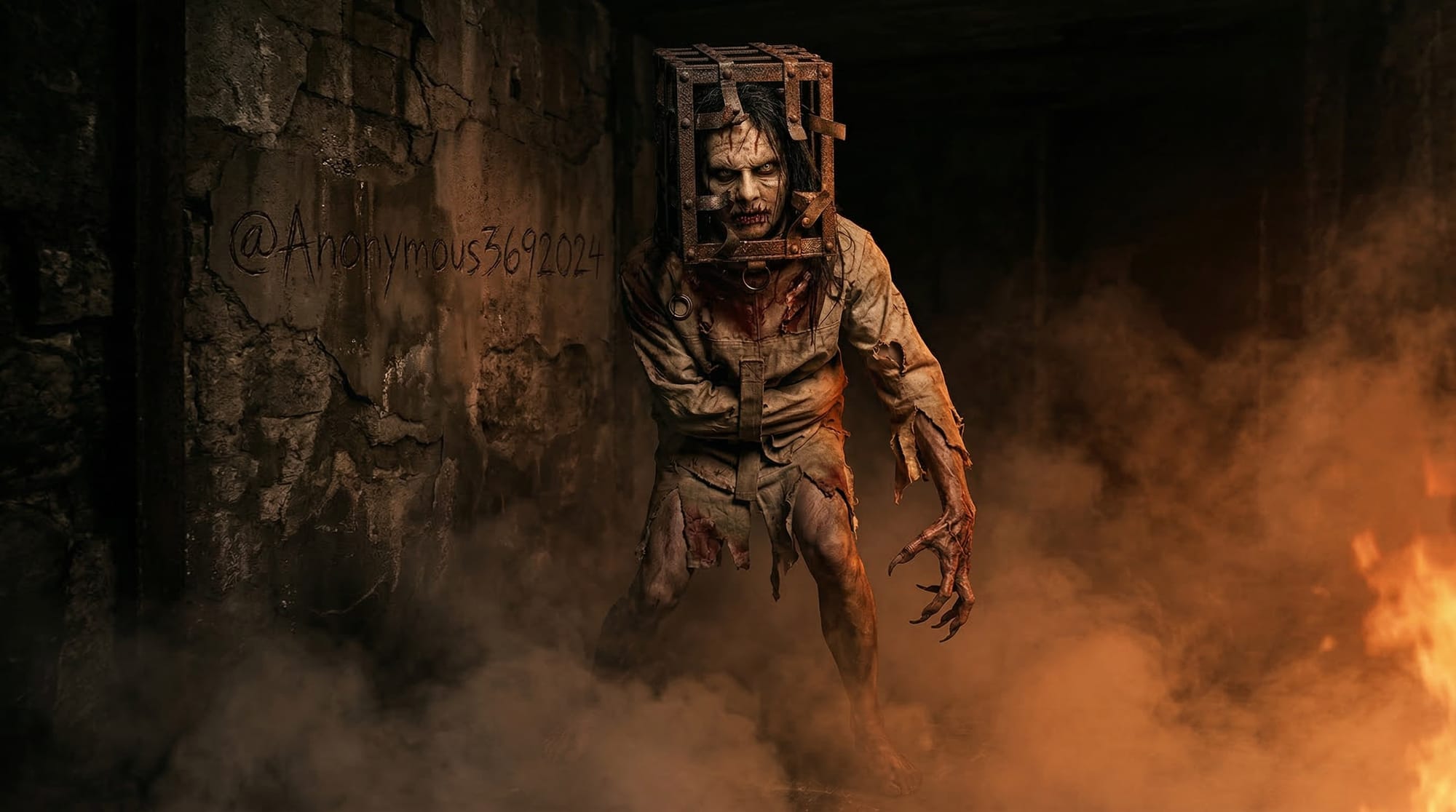
What works is the monster design. The Firstborn Son, The Torso, The Bound Woman, The Withered Lover, The Torn Prince, The Angry Princess, The Pilgrimess, The Great Child and The Dire Mother, The Hammer, The Jackal, The Juggernaut, and The Broken Heart all feel like they escaped from better backstories than the movie can contain. That is not only a flaw. It is also the reason the film invites deeper lore.
The makeup and creature concepts do what the screenplay often cannot. They imply entire lives through silhouettes, wounds, props, and movement. The Jackal's cage, The Torn Prince's bat, The Angry Princess's surgical scars, The Hammer's body, and The Withered Lover's burned devotion all communicate emotional history in seconds.
What breaks is pacing and coherence. The film is so eager to show the machine moving that it often flattens fear into noise. A haunted house this strong needed more suspense, more silence, and more time with the spirits before the editing started throwing glass at the viewer.
The human character work is uneven too. Arthur's grief should be devastating, but the film uses it more as a plot key than an emotional landscape. Kathy and Bobby are functional. Maggie is fun but underused. Kalina's role gets tangled in exposition. The film knows the house better than it knows most of the living people inside it.
Still, the mess has a strange charm. Thir13en Ghosts is a movie where the flaws are visible and the imagination is louder than the flaws. That is why people keep returning to it. It is not a perfectly built horror film. It is a haunted blueprint for several better stories.
Critical Temperature and Anonymous369 Rating
The critical record is rough. Rotten Tomatoes lists a low Tomatometer score while also showing a noticeably stronger audience attachment, and Metacritic reflects generally unfavorable critic reviews. That split feels right. As conventional horror drama, the movie is shaky. As a cult design object, it is much harder to dismiss.
Anonymous369 Rating: 7.1/10.
The score reflects the film's weak script, rushed character work, and chaotic pacing, balanced against exceptional production design, memorable ghost concepts, cult value, and one of the most expandable horror mythologies of its era.
Who Should Watch It
Watch it if you like haunted-house movies with machinery, occult systems, creature design, early-2000s horror excess, and lore that feels bigger than the runtime. Do not watch it expecting subtlety. This film does not whisper from the hallway. It slams the walls around until the hallway becomes a weapon.
It is especially worth watching before reading the Black Zodiac files below. The movie gives you the architecture. The lore files give you the souls trapped inside it.
The lesson beneath the spectacle is that grief becomes dangerous when someone decides to engineer it. Cyrus does not just collect ghosts. He collects pain and arranges it into a machine that can serve him. The mansion is horrifying because it is built from the oldest fantasy of power: if enough suffering can be organized correctly, maybe one man can become untouchable.
But the house fails because grief is not obedient. Love is not a battery forever. The dead remember who trapped them.
Continue Into the Lore
If this review opened the glass walls, keep the archive close. Bookmark Anonymous369 Media and subscribe to Midnight Alerts for more cinema reviews and character-lore files built around the psychology beneath the spectacle.
If you want to go deeper than the review, continue with the Thir13en Ghosts lore files directly below this article. Those dossiers move past the verdict and into the machine the film only has time to unleash: The Firstborn Son, The Torso, The Bound Woman, The Withered Lover, The Torn Prince, The Angry Princess, The Pilgrimess, The Great Child and The Dire Mother, The Hammer, The Jackal, The Juggernaut, The Broken Heart, and Basileus's Machine itself.
The files below are arranged for the cleanest Black Zodiac descent: begin with Basileus's Machine so the glass house makes sense, then move through the ghosts in the order the ritual needs them, ending with the Broken Heart.
 Anonymous369 Media
 Anonymous369 Media
 Anonymous369 Media
 Anonymous369 Media
 Anonymous369 Media
 Anonymous369 Media
 Anonymous369 Media
 Anonymous369 Media
 Anonymous369 Media
 Anonymous369 Media
 Anonymous369 Media
 Anonymous369 Media
 Anonymous369 Media