
The Locked Truck: How the Jamison Family Vanished in Sans Bois
In 2009, Bobby, Sherilynn, and Madyson Jamison vanished in Oklahoma's Sans Bois Mountains, leaving behind a locked truck, a starving dog, and $32,000 in cash. Four years later, their remains were found, but the evidence still refuses to explain what happened.


The truck was too full of answers to explain anything.
About a week after Bobby Dale Jamison, his wife Sherilynn, and their six-year-old daughter Madyson disappeared in southeastern Oklahoma, hunters found the family's white pickup near a remote well-pad road in the Sans Bois Mountains. Different public summaries give slightly different calendar phrasing, but the central fact is steady: the vehicle was found days after the family was last seen alive on October 8, 2009, sitting in rugged country near the land they had been considering buying.
At first, it looked like a break.
Then it became a locked room.
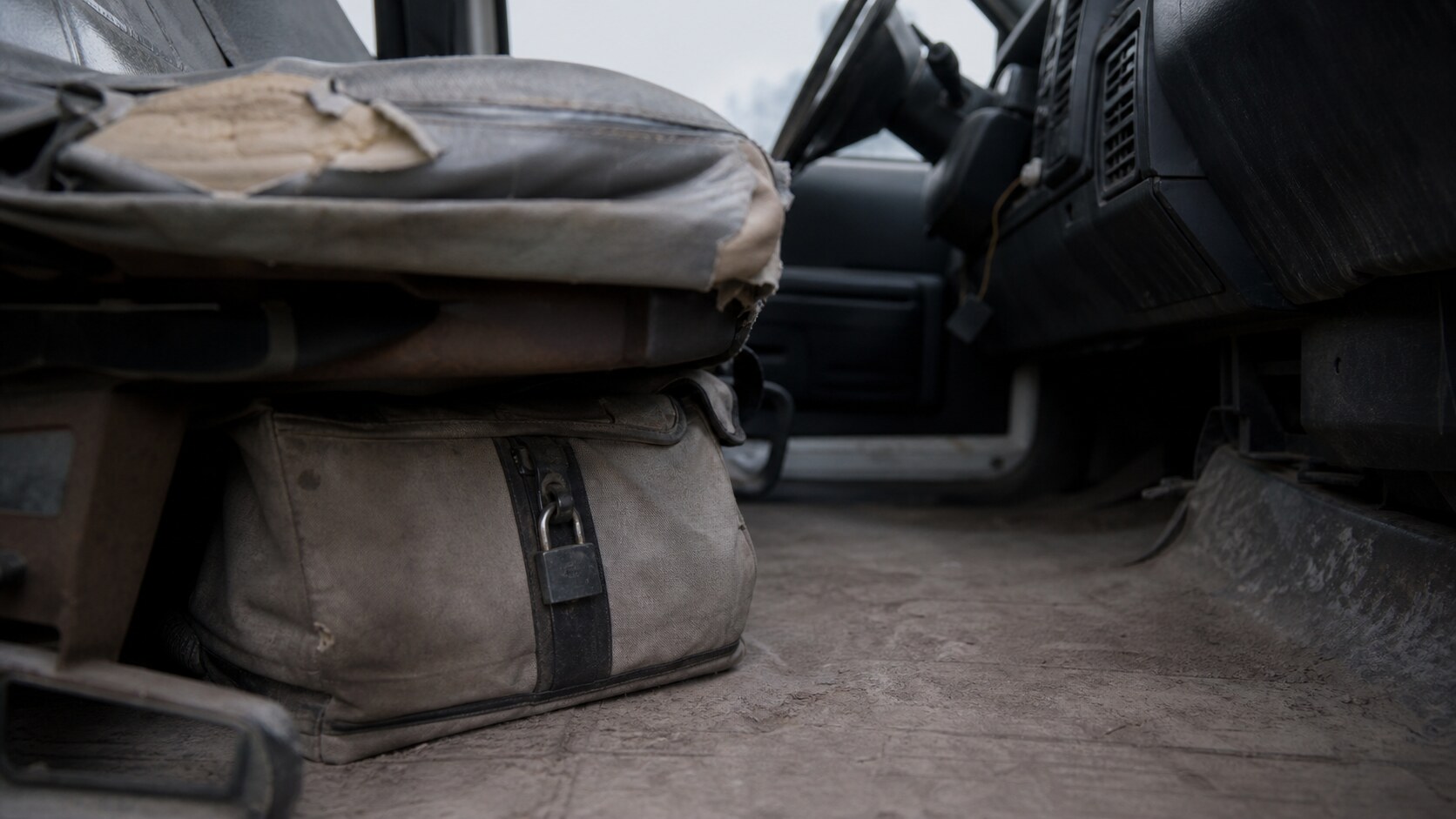
The truck was secured. Inside were personal belongings a family would normally take with them if they intended to walk away for more than a few minutes: wallets, identification, mobile phones, a GPS device, jackets, and Sherilynn's purse. A bank bag with roughly $32,000 in cash was reportedly found inside. The family dog, whose name appears in sources as Maisy or Maisie, was still in the vehicle, alive but badly malnourished. There was no obvious sign of a violent struggle at the truck.
Bobby, Sherilynn, and Madyson were gone.
The scene resisted every simple story. Robbery did not fit because the cash remained. A voluntary disappearance did not fit because the dog, phones, and identification remained. A wilderness accident did not fit neatly because the family had abandoned a working vehicle and left behind the items that connected them to help. Foul play did not fit cleanly either, because whoever might have taken them left behind money, silence, and almost no public forensic trail.
For four years, the mountains kept the rest of the answer.
Then, in November 2013, deer hunters found partial skeletal remains less than three aerial miles from where the truck had been located. In July 2014, the Oklahoma Medical Examiner's Office identified the remains as Bobby, Sherilynn, and Madyson Jamison. The cause and manner of death could not be determined.
The case did not end.
It only became smaller, colder, and more cruel.
A Family Seeking Distance
Before the Jamisons became a national mystery, they were a small family trying to move away from a life that had grown difficult.
Bobby was forty-four. Sherilynn was forty. Madyson was six. They lived near Eufaula, Oklahoma, around Lake Eufaula, but in the fall of 2009 they were looking at a remote forty-acre property near Red Oak, in or near the Sans Bois range. The plan, according to public reporting, was not glamorous. They wanted land, distance, and some version of self-sufficiency. Some accounts describe a large shipping container on their property and the possibility that they planned to live in or use it while relocating.
That desire for quiet did not arrive in a peaceful season.
Bobby had reportedly struggled with serious back pain after a 2003 vehicle accident. He was not working. Sherilynn had also faced mental-health struggles, often described in public reporting as bipolar disorder, and family accounts describe grief after the death of her sister. None of that makes either parent dangerous. It does make the months before the disappearance feel heavy, compressed, and vulnerable.
People close to the family continued to insist that Bobby and Sherilynn loved Madyson deeply.
That matters because so many theories around the case depend on turning private pain into a motive. Depression is not a confession. Bipolar disorder is not a murder weapon. Chronic pain is not an explanation for a child dying in the woods.
Those facts may help explain stress.
They do not solve the case.
The Video At The House
The Jamisons' own home-security footage gave investigators one of the strangest images in the file.
On the day they left, Bobby and Sherilynn were recorded loading the pickup. Later accounts describe them making repeated trips between the house and vehicle, carrying items that did not look like the tidy luggage of a planned family outing. The video has often been described as strange, even trance-like, because the couple appeared quiet, repetitive, and emotionally disconnected from the urgency viewers later projected onto the moment.
That footage has become almost too powerful in retellings of the case.
A camera records movement, not intent.
The public does not know whether Bobby and Sherilynn were frightened, medicated, exhausted, angry, focused, dissociated, or simply captured by low-quality surveillance at the worst possible angle before the worst possible day. Some investigators and commentators have interpreted their behavior as drug-like or psychologically abnormal. But searches of the home and truck did not produce public evidence of illicit drugs or paraphernalia.
The footage also reportedly showed Sherilynn placing a brown briefcase into the vehicle. When the truck was recovered, that briefcase was not found. Her small-caliber handgun, often described in later accounts as a .22, was also not recovered.
Those missing objects matter because they are rare absences in a case full of abandoned belongings.
The truck kept phones, wallets, identification, money, and the dog.
It did not keep the briefcase.
It did not keep the gun.
Anger, Ghosts, And Fear
The family's private world had become crowded with pressures, some concrete and some far harder to measure.
Investigators found an eleven-page letter from Sherilynn to Bobby in the truck. Public summaries describe it as angry and full of grievances, including criticism that Bobby had withdrawn from the family. Friends and relatives have suggested it could have been a therapeutic writing exercise rather than a final marital verdict. The responsible reading is narrow: the letter shows conflict and strain. It does not prove murder-suicide.
The more unsettling material involves reported spiritual fears.
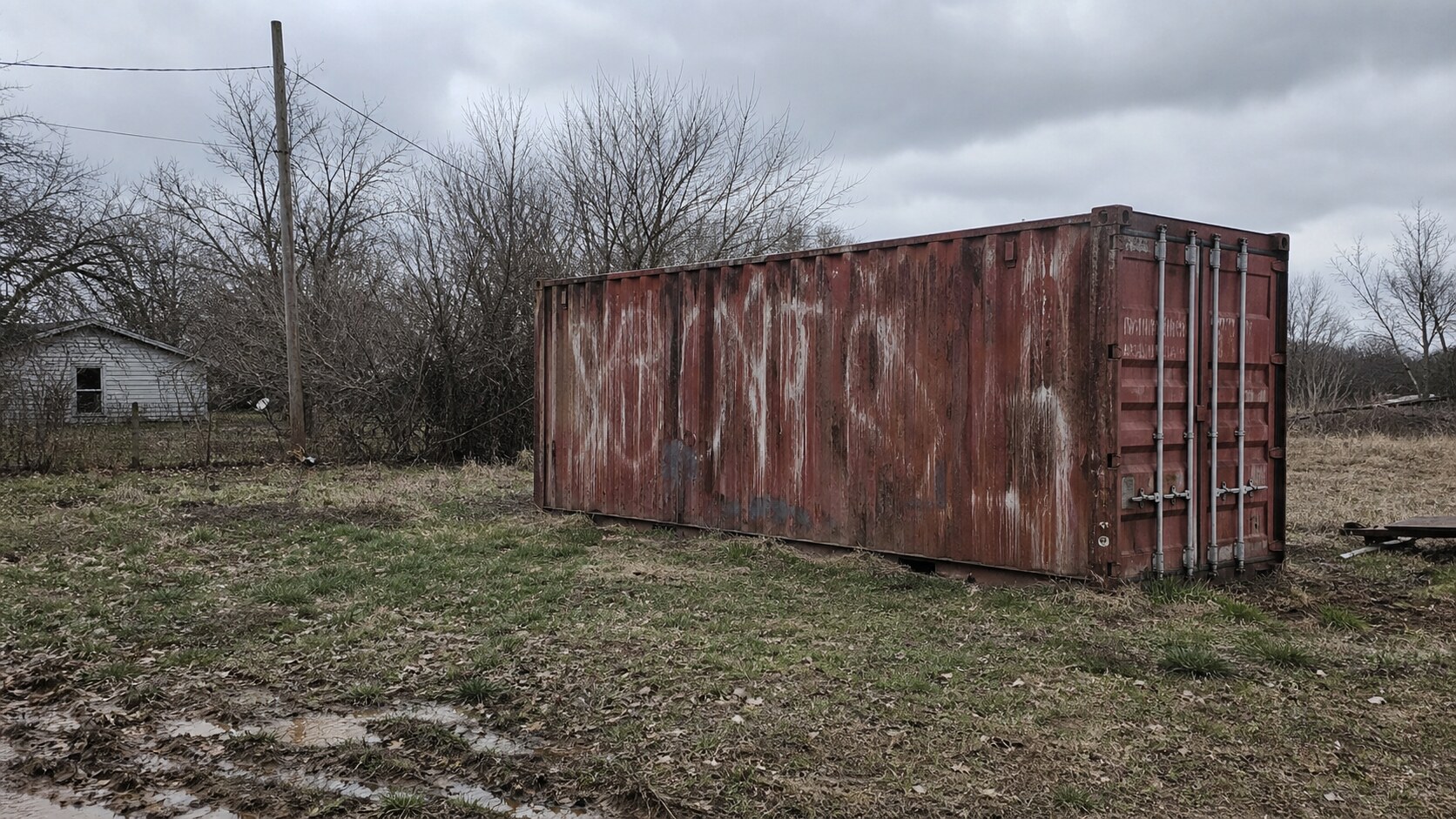
Later accounts say the couple told Pastor Gary Brandon that their home was haunted or occupied by spirits. Bobby reportedly asked about "special bullets" to shoot them. Sherilynn was said to believe Madyson was interacting with a spirit, and graffiti-like protective messages or witchcraft references were reportedly found on or around the shipping container.
These details are powerful.
They are also dangerous if handled carelessly.
They should not be used to mock the Jamisons or turn them into gothic props. They point, at most, toward fear, religious or supernatural interpretation, mental-health stress, possible paranoia, or a family trying to make sense of a world that felt threatening. Some commentators have used the language of shared psychosis, or folie à deux, to describe the case. The available public record does not establish a clinical diagnosis for the couple in their final days.
It only shows that fear had entered the house before the family entered the mountains.
Real Threats In The Ordinary World
Not everything surrounding the Jamisons was internal.
In April 2009, months before the disappearance, Bobby filed a petition for a protective order against his father, Bob Dean Jamison. AP reporting, carried by Public Radio Tulsa and other outlets, states that Bobby claimed his father had threatened to kill him and his family on more than one occasion. Public summaries also describe Bobby alleging that his father was dangerous and connected to criminal activity.
The petition did not become proof of a later crime.
Bob Dean Jamison was reportedly in poor health when the family disappeared and died in December 2009, roughly two months later. Public reporting does not establish him as responsible for the family's disappearance or deaths. But the petition does matter because it shows the Jamisons had recently described themselves as threatened by someone close to them.
Another recurring allegation involves a former live-in boarder or handyman, often identified in later retellings as a white supremacist who frightened Sherilynn and was removed from the property after a confrontation involving a firearm. Some accounts say he was investigated and cleared or had an alibi. Because the strongest public sources reviewed here do not establish him as involved, this article does not present him as a suspect. The point is not that he caused the disappearance.
The point is that the family's fear had more than one possible source.
That is what makes the case so difficult. Every theory has a doorway. None opens into a room with enough evidence.
The Last Photograph
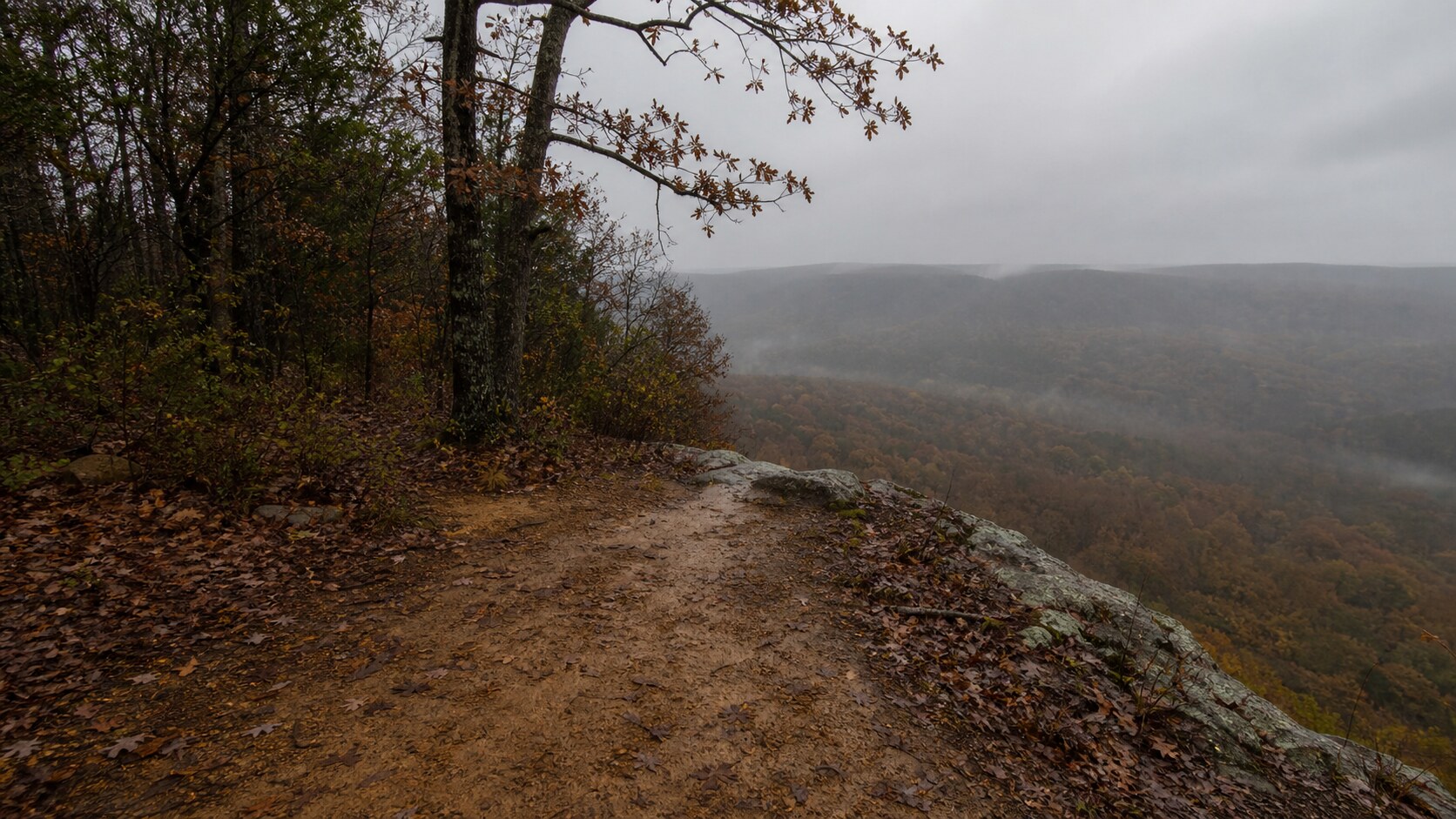
The Jamisons were reportedly in the mountains to look at land.
Investigators later recovered a photograph of Madyson from Bobby's phone, apparently taken in the area that day. In the image, she is wearing a red jacket and standing outdoors near the terrain the family had been visiting. Some people who have studied the case believe she looks unhappy or frightened. Others see a child making an ordinary face at a camera.
That uncertainty deserves restraint.
Madyson was six.
A still photograph cannot carry the burden of explaining her death.
What it can do is anchor the final known movement of the family. They had reached the rural property area. They were not simply missing from home. They were alive in the mountains, close enough to the later truck location and close enough to the wilderness that would eventually hide them.
Then the record breaks.
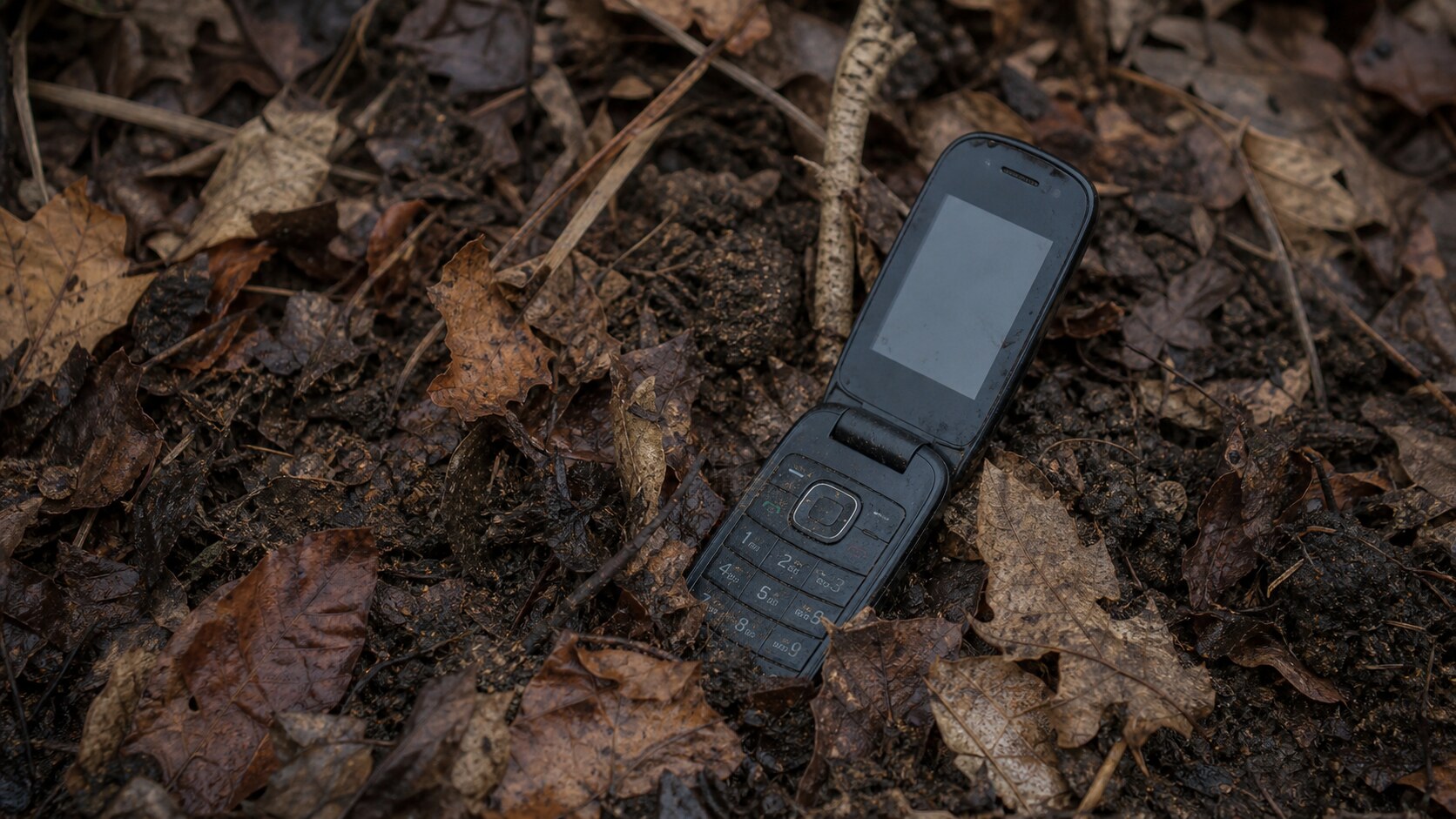
Their truck was found with the dog inside.
The family was not.
The Search That Missed Them
The first search was large, difficult, and ultimately unsuccessful.
Hundreds of volunteers and law enforcement officers searched rugged terrain. Helicopters, dogs, mounted searchers, and other resources were used in different phases of the effort. The area was steep, wooded, muddy, and hard to move through, especially after heavy rain. In 2013, OSBI-linked reporting noted that heavy tree cover, terrain, and falling leaves could have made remains easy to miss even when searchers were close.
That is one of the cruelest facts in the case.
The family was later found less than three aerial miles from the abandoned truck.
But three miles in a city and three miles in the Sans Bois Mountains are not the same distance. A straight line on a map does not show brush, ravines, leaf litter, erosion, weather, or the way a body can become almost invisible when the land begins to take it back.
On November 16, 2013, deer hunters found partial skeletal remains near Kinta in northern Latimer County. The remains were described as two adults and one child. At first, authorities did not publicly declare them to be the Jamisons. OSBI statements reported by CBS and KOCO said the location made the Jamison connection possible, but identification would require the medical examiner.
On July 3, 2014, officials confirmed the remains belonged to the family.
The confirmation gave the family a place to grieve.
It did not give them a cause of death.
What The Bones Could Not Say
The medical examiner could not determine how Bobby, Sherilynn, and Madyson died.
That is the silence beneath every theory.
The remains had been exposed for years. Public reporting describes partial skeletonization and environmental damage. The exact position of the remains has been reported in several retellings as face down and near one another, but the available public sources require caution about turning that arrangement into a staged execution scene. A place where remains are found after four years is not always the same as the position of death.
One of the most repeated claims involves a small hole or defect in Bobby's skull.
Some have suggested it could have been a bullet hole. Others have noted that animal activity, weathering, or postmortem damage could not be excluded. This article does not treat it as a gunshot wound. No public source reviewed here establishes that Bobby, Sherilynn, or Madyson died by gunfire. No weapon was found with the remains, and Sherilynn's handgun remained missing in public accounts.
The case is suspicious.
Suspicion is not a cause of death.
That gap is why the Jamison case remains so unstable in the public imagination. The evidence seems to demand a theory, then refuses to let any theory stand upright.
Theories In A Locked Room
The drug theory begins with the money.
Thirty-two thousand dollars in cash inside a truck will always attract attention, especially in a region where methamphetamine was a known law-enforcement concern. Some investigators and commentators wondered whether the family had become involved in a drug transaction, stumbled onto dangerous activity, or met someone connected to the drug trade.
But the money also damages that theory.
If robbery or a drug ripoff was the motive, why leave the cash? If the family was involved in narcotics, why did searches fail to produce public evidence of drugs or paraphernalia? The theory explains risk and fails to explain restraint.
The murder-suicide theory begins with the letter, the missing gun, the couple's distress, and the family's isolation.
But it also has problems. The cause of death is undetermined. The gun was not recovered. No public evidence establishes who, if anyone, pulled a trigger. Madyson's presence makes the theory emotionally harder and evidentially more demanding, not easier.
The exposure or mental-break theory begins with fear.
If Bobby and Sherilynn were frightened, disoriented, or experiencing a shared crisis, they may have left the truck and moved into the woods believing they were escaping something. Weather, terrain, and exhaustion could have done the rest. But this theory must explain the missing briefcase, missing gun, abandoned cash, abandoned dog, and the question of why all three ended up where they did.
The targeted-killing theory begins with threats.
Bobby's protective-order petition, the former boarder story, the anonymous "hit list" rumor reported in some retellings, and the family's fear all point toward the possibility that someone else entered the story. But this theory must explain the lack of a clear forensic trail, the cash left behind, and the absence of any public charge.
Every theory has a hand on the door.
None has the key.
What Sans Bois Kept
The Jamison case endures because it is built from contradictions that feel almost designed to torment the living.
A family seeking isolation appears to have found too much of it.
A truck full of belongings offers proof they did not plan to be gone long, but not proof of who made them leave.
The dog survived, which makes the family's absence feel more deliberate and more horrifying at the same time.
The money stayed behind, which weakens greed.
The gun disappeared, which strengthens dread.
The bodies were found close enough to the truck to seem discoverable, yet the wilderness hid them for four years.
And Madyson, the child at the center of all the adult fear, remains the fact that every theory must answer for.
It is possible that the Jamisons were murdered. It is possible they died after a mental-health crisis and exposure to the elements. It is possible the true answer belongs to a smaller, stranger sequence of events not captured by any familiar category. What can be said safely is that Bobby, Sherilynn, and Madyson Jamison entered the Sans Bois Mountains in October 2009 and did not come home.
The truck waited.
The dog waited.
The money waited.
The mountains did not explain themselves.
Years later, when the remains were finally found, the case gave the family the one answer no one wanted and withheld the only answer that could end it.
They were found.
What happened to them remains missing.
Sources & Case Notes
Last updated: May 19, 2026.
Primary sources and case notes: This article was built from The Charley Project case files for Bobby Dale Jamison, Sherilynn Leighann Jamison, and Madyson Stormy Star Jamison, which summarize the October 8, 2009 disappearance, Red Oak/Kinta location context, November 2013 recovery, July 2014 DNA identification, and continuing investigative status; CBS News/AP reporting from November 2013 on the discovery of remains, OSBI statements, the truck, dog, belongings, and 2.7-mile location estimate; KOCO's July 2014 report confirming the medical examiner identification and unknown cause of death; Public Radio Tulsa/AP reporting on Bobby Jamison's protective-order petition involving his father; and secondary summaries from All That's Interesting and related local-reporting roundups used only for context on the home video, briefcase, pastor/ghost claims, Sheriff Israel Beauchamp comments, and theory landscape. Public sources vary between Sherilynn and Sherrilynn; this article uses Sherilynn, matching The Charley Project. Drug, occult, white-supremacist, murder-suicide, and shared-psychosis material is framed as allegation, report, theory, or speculation unless supported by official findings. No person has been charged or convicted in the deaths of Bobby, Sherilynn, or Madyson Jamison.
Correction policy: If you have source corrections, family-approved context, or image-rights concerns, contact Anonymous369 Media through Contact & Media Inquiries.
Image credits: Feature and section visuals are Anonymous369 Media documentary recreations based on the reported white pickup, Sans Bois mountain terrain, bank bag/cash clue, shipping-container context, and abandoned communications. They are not archival photographs, official evidence images, victim images, suspect images, or law-enforcement records. Missing-person posters, family photographs, truck photographs, home-surveillance stills, the final recovered photo of Madyson, and search-scene images were reviewed for context but not reproduced because public reuse rights were not clear enough for this production pass.
Content warning: This article contains restrained discussion of missing persons, child death, mental illness, domestic conflict, suspected homicide, possible suicide, remains, and unproven allegations.