
The Dark Road Home: How DNA Named the Colonial Parkway Killer
For decades, young couples vanished or died along Virginia's dark parkway roads and river marshes. Then modern DNA gave the Colonial Parkway murders a name that had been hiding in plain sight.


The Colonial Parkway was built to feel like a passage through history.
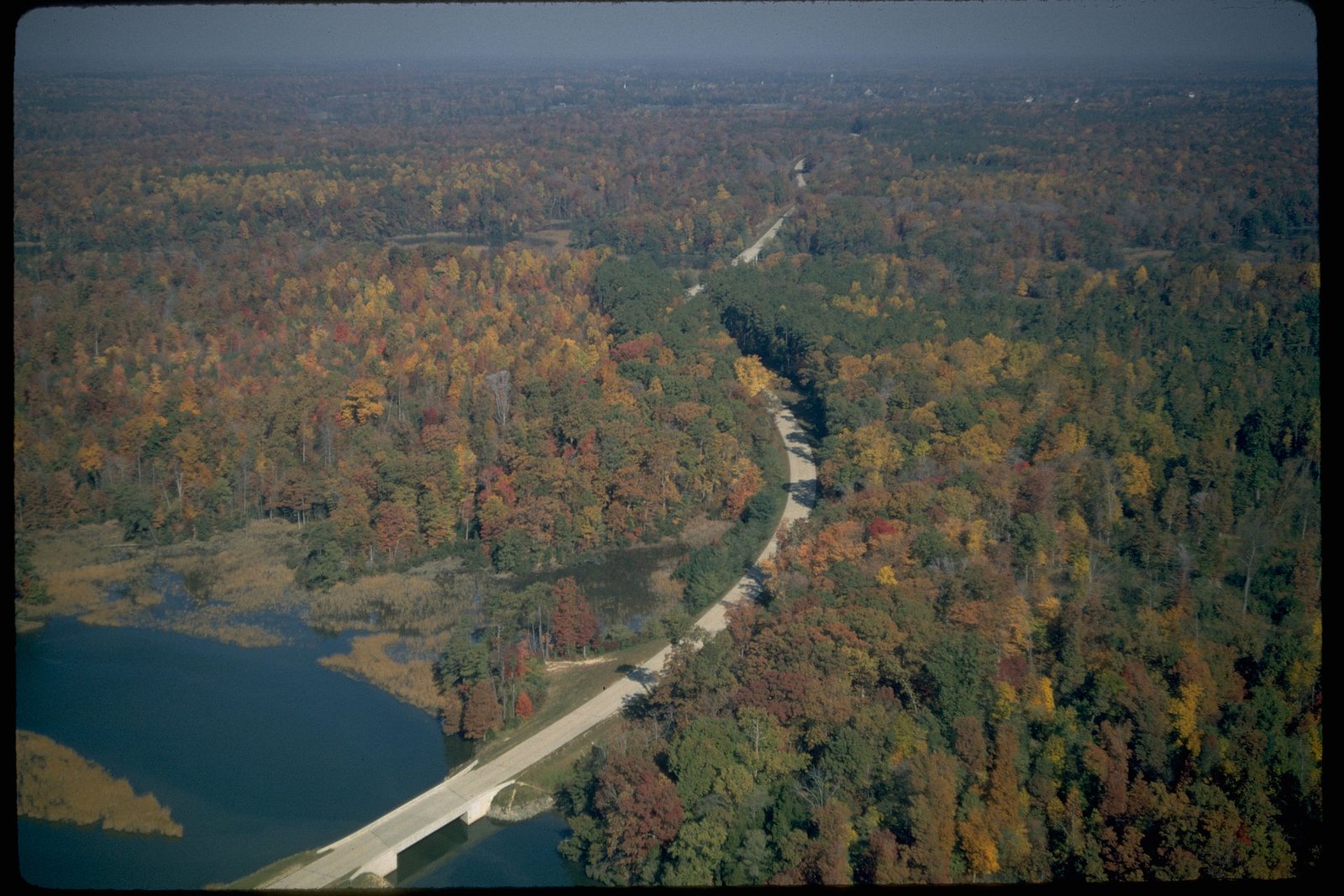
Twenty-two miles of narrow road curl through Virginia's Tidewater region, linking Jamestown, Williamsburg, and Yorktown. By day, the parkway looks almost gentle: river views, deep woods, old stone bridges, and pull-offs where tourists can step out of their cars and let the past sit quietly around them.
At night, the same road becomes something else.
The streetlights vanish. The tree canopy folds overhead. The exits are scarce. A driver can pass from one dark curve into another with the feeling that the modern world has fallen away behind the windshield.
For years, that privacy made the parkway a refuge. Couples parked there. College students drove there. Young people used the overlooks and river roads for the oldest reasons in the world: to talk, to flirt, to hide from the noise of everyone else's expectations.
Between 1986 and 1989, that privacy became a weapon.
Young men and women were found dead, vanished without bodies, or left behind only through abandoned cars and personal belongings. The cases would become known together as the Colonial Parkway murders: one of Virginia's longest, most painful cold-case investigations, tangled across federal land, state jurisdictions, river marshes, rest stops, and nearly four decades of unanswered questions.
For a long time, the road held its silence.
Then DNA began to speak.
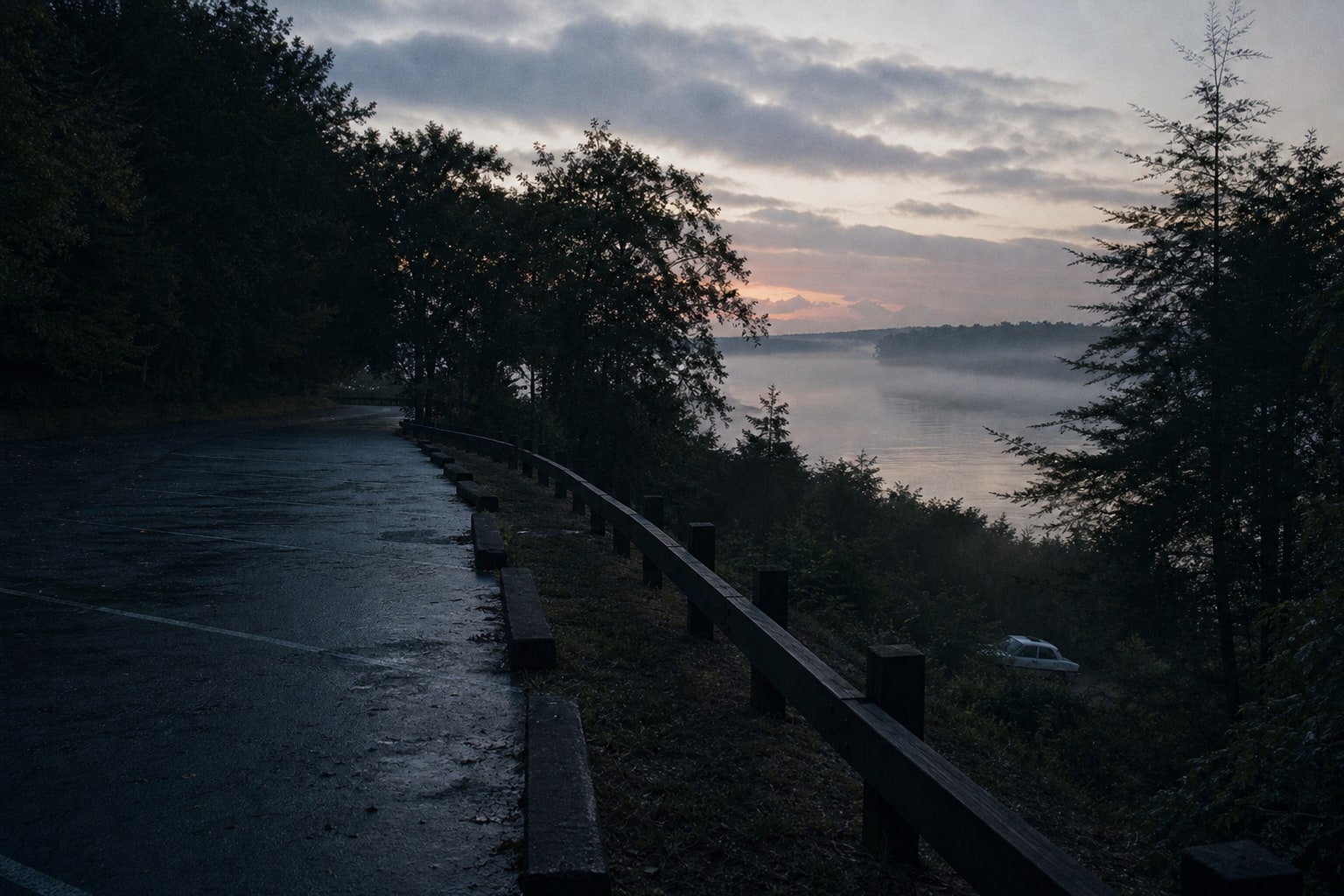
The River Overlook
The first known pair were Cathleen "Cathy" Thomas and Rebecca Ann Dowski.
Thomas was twenty-seven, a graduate of the United States Naval Academy, and remembered as disciplined, intelligent, and deeply loved. Dowski was twenty-one, a College of William & Mary student with music, friendships, and an unfinished future still in front of her.
They were last seen together on the evening of October 9, 1986, after leaving a computer lab on the William & Mary campus. Three days later, on October 12, park rangers responding to a report found Thomas' white Honda Civic down an embankment near the York River, east of Cheatham Annex.
Inside were Thomas and Dowski.
The violence was immediate and unmistakable. The FBI's archived case summary later described both women as having been stabbed and strangled. Other case accounts describe bindings, diesel fuel, and signs that the killer may have tried and failed to destroy the car by fire. Even stripped of the most graphic details, the scene suggested more than a robbery and more than a random interruption.
It suggested control.
The car had been moved. The women had been placed where the road, the woods, and the river could hide what happened. The killer appeared to understand the parkway's darkness not as scenery, but as cover.
At first, the case stood alone. A brutal double homicide. A horror on federal park land. A private grief that had not yet become a pattern.
But the road was not finished.
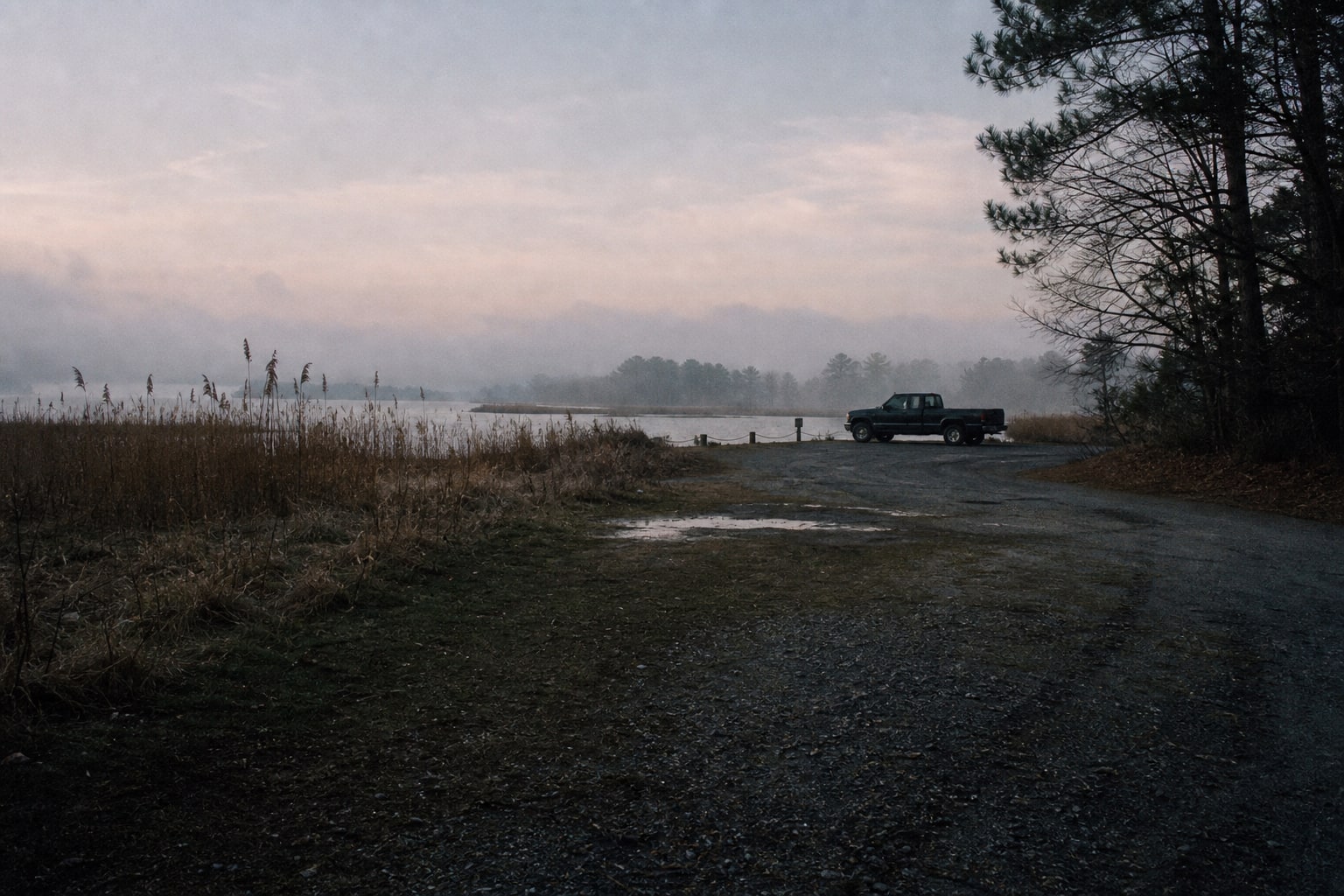
Ragged Island
On September 19, 1987, twenty-year-old David Lee Knobling was last seen with fourteen-year-old Robin Margaret Edwards.
Knobling's Ford Ranger pickup was later found abandoned at the Ragged Island Wildlife Refuge in Isle of Wight County, near the James River. The scene carried the unnerving stillness of something interrupted: an empty vehicle, doors and windows not quite right, personal items left behind, the ordinary details of a young man's truck turned into clues.
On September 23, the bodies of Knobling and Edwards were found along the Ragged Island shoreline. Both had been shot.
That discovery shifted the region's fear into a different shape. The location was not the exact same parkway overlook, but it lived in the same emotional geography: young people, vehicles, river edges, secluded places where someone could approach under darkness or isolation.
The case also carried a forensic future no one in 1987 could fully see. Biological evidence would be preserved long enough for science to outrun the decade that collected it.
For thirty-six years, the families had no name.
In January 2024, Virginia authorities announced that Alan Wade Wilmer Sr. had been forensically identified as the person responsible for the deaths of Robin Edwards and David Knobling.
The road had not solved itself. The evidence had waited.
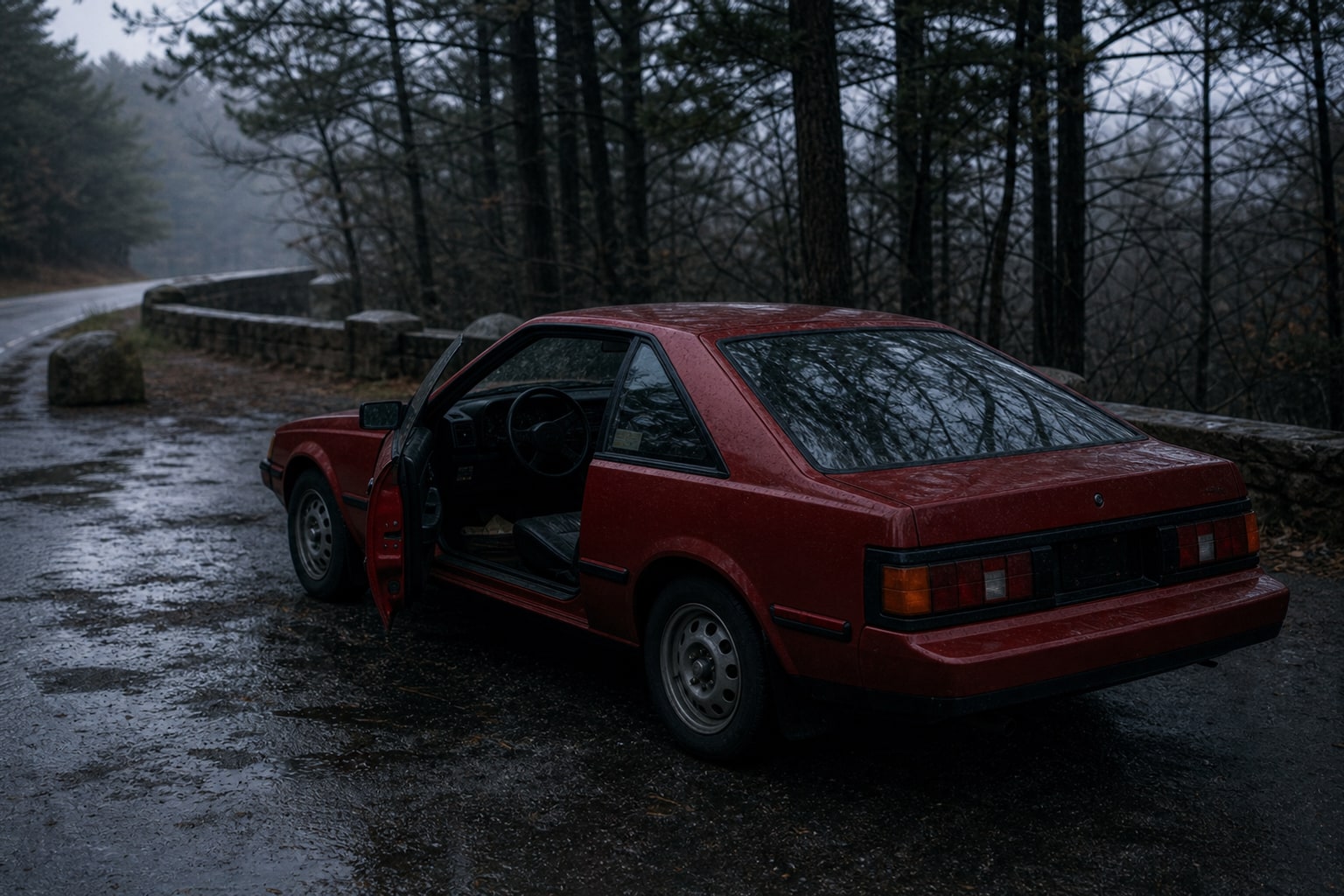
The Empty Celica
On April 9, 1988, Richard Keith Call and Cassandra Lee Hailey went out together after a college party near Newport News.
They were young Christopher Newport students, still in that age of borrowed confidence and uncertain futures. By the next morning, Call's red Toyota Celica was found abandoned at the York River Overlook on the Colonial Parkway.
Call and Hailey were gone.
Inside the car were belongings that made the disappearance feel staged, interrupted, or both: clothing, personal items, the kind of objects people do not leave behind if they are calmly choosing to vanish. The FBI's 2010 public summary stated plainly that clothes belonging to both victims were found inside the vehicle and that neither victim had ever been located.
That absence became its own kind of crime scene.
There were no bodies to examine, no cause of death to confirm, no final location where a family could stand and say, this is where the search ended. There was only the car, the overlook, the woods, and the terrible math of a young couple last seen alive before the parkway took their trail.
Over the years, Call and Hailey's disappearance would be discussed alongside the other Colonial Parkway cases because the pattern felt impossible to ignore. But feeling is not proof. The official record remains more careful than the fear.
As of this writing, Call and Hailey's case remains unresolved. Wilmer has been discussed as a suspect or possible link in public reporting and family advocacy, but authorities have not announced the same kind of forensic closure they announced in other cases.
That distinction matters.
The parkway may have a pattern. The court of evidence still has rules.
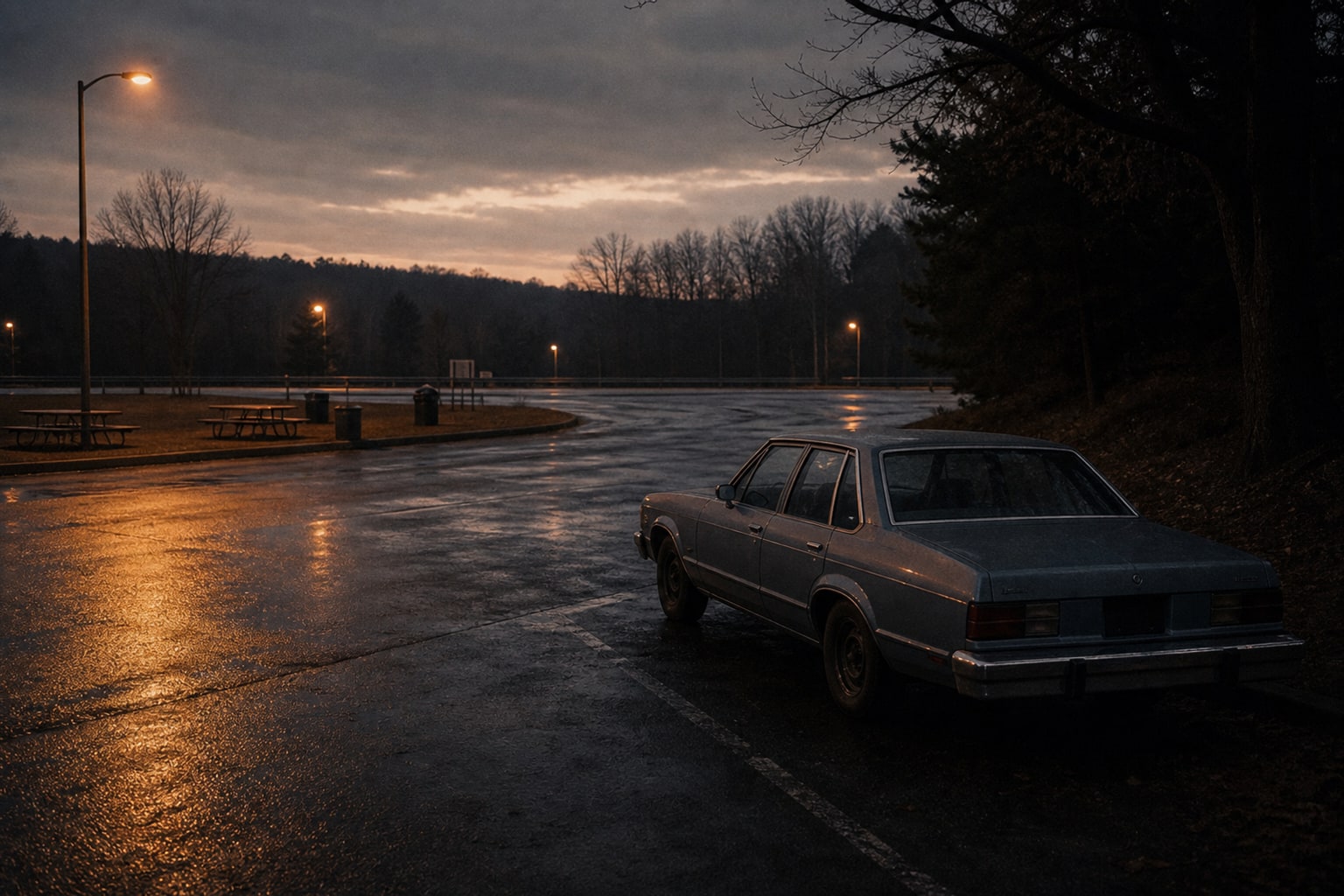
The Rest Stop
The final pair commonly grouped with the Colonial Parkway murders were Daniel Lauer and Annamaria Phelps.
In September 1989, Lauer, twenty-one, and Phelps, eighteen, were traveling toward Virginia Beach. Lauer's Chevrolet Nova was later found at an I-64 rest area in New Kent County, pointed in the wrong direction for the trip they were believed to be making.
Six weeks later, hunters found their remains off a logging road not far from the rest area.
The FBI's older public summaries placed Lauer and Phelps among the similar cases under Virginia State Police investigation. The case has long been folded into the broader Colonial Parkway narrative because of the timing, geography, vehicle evidence, and couple-victim pattern.
But here again, the responsible thing is not to let the story outrun the evidence.
No public announcement has forensically named Wilmer as the killer of Daniel Lauer and Annamaria Phelps. Their case remains part of the haunted constellation around the parkway, but not part of the confirmed Wilmer DNA closure.
That leaves the case in a cruel middle ground: too similar to ignore, too unresolved to close.
The Man In The Blue Truck
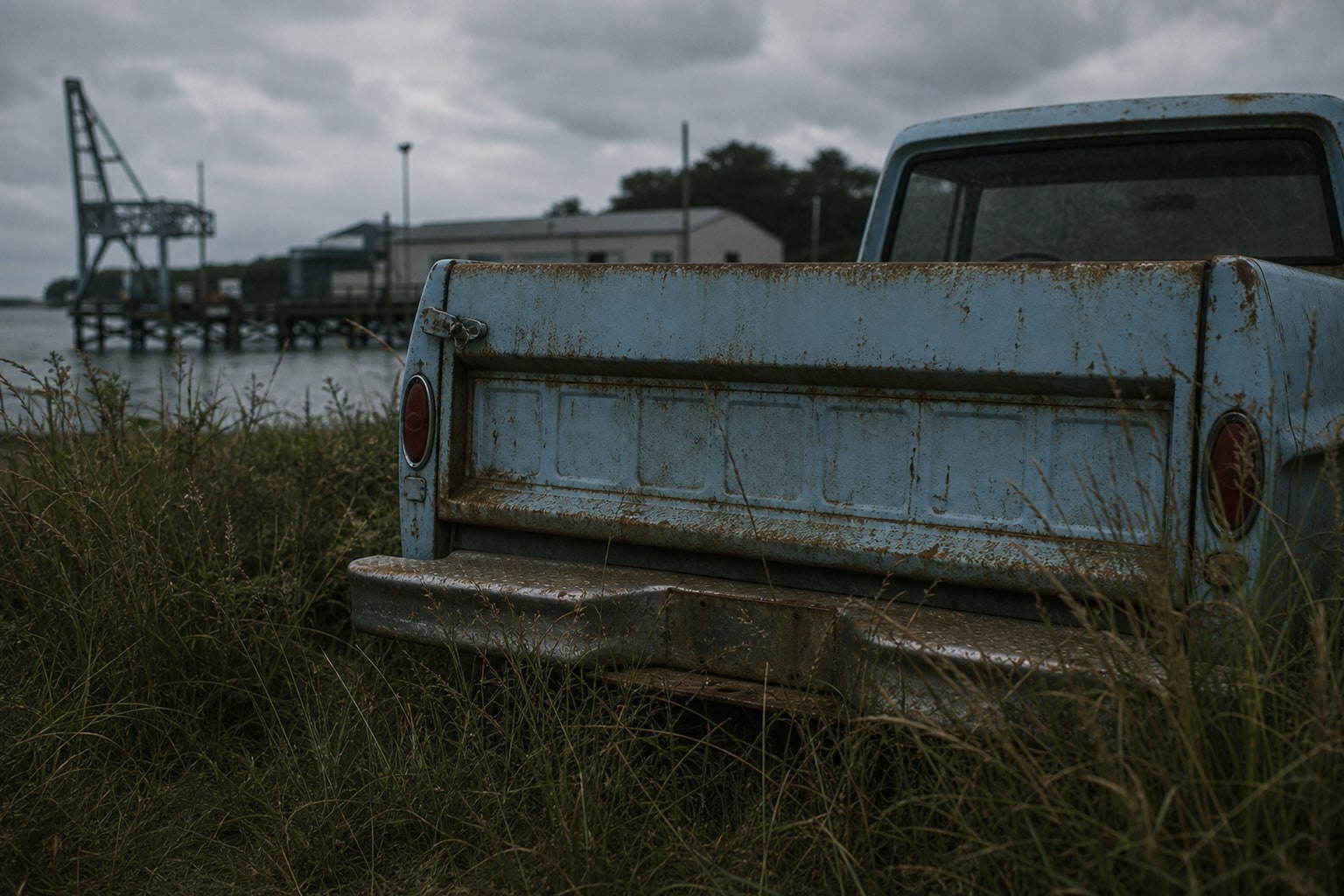
Alan Wade Wilmer Sr. had been hiding in the case record for years before the public knew his name.
He was a Lancaster County man, a commercial fisherman, a hunter, and a tree-service operator. He went by "Pokey." He was not physically imposing in the way people often imagine serial predators, but he was strong, familiar with the region's waterways, and comfortable moving through the landscape where the crimes occurred.
Authorities later described his distinctive blue 1966 Dodge Fargo pickup with the Virginia plate "EM-RAW." They also identified his small commercial fishing boat, the Denni Wade, a custom-built wooden vessel he often lived on while it was docked around the waterways of southeastern Virginia.
Those details matter because the Colonial Parkway cases were never only about a road.
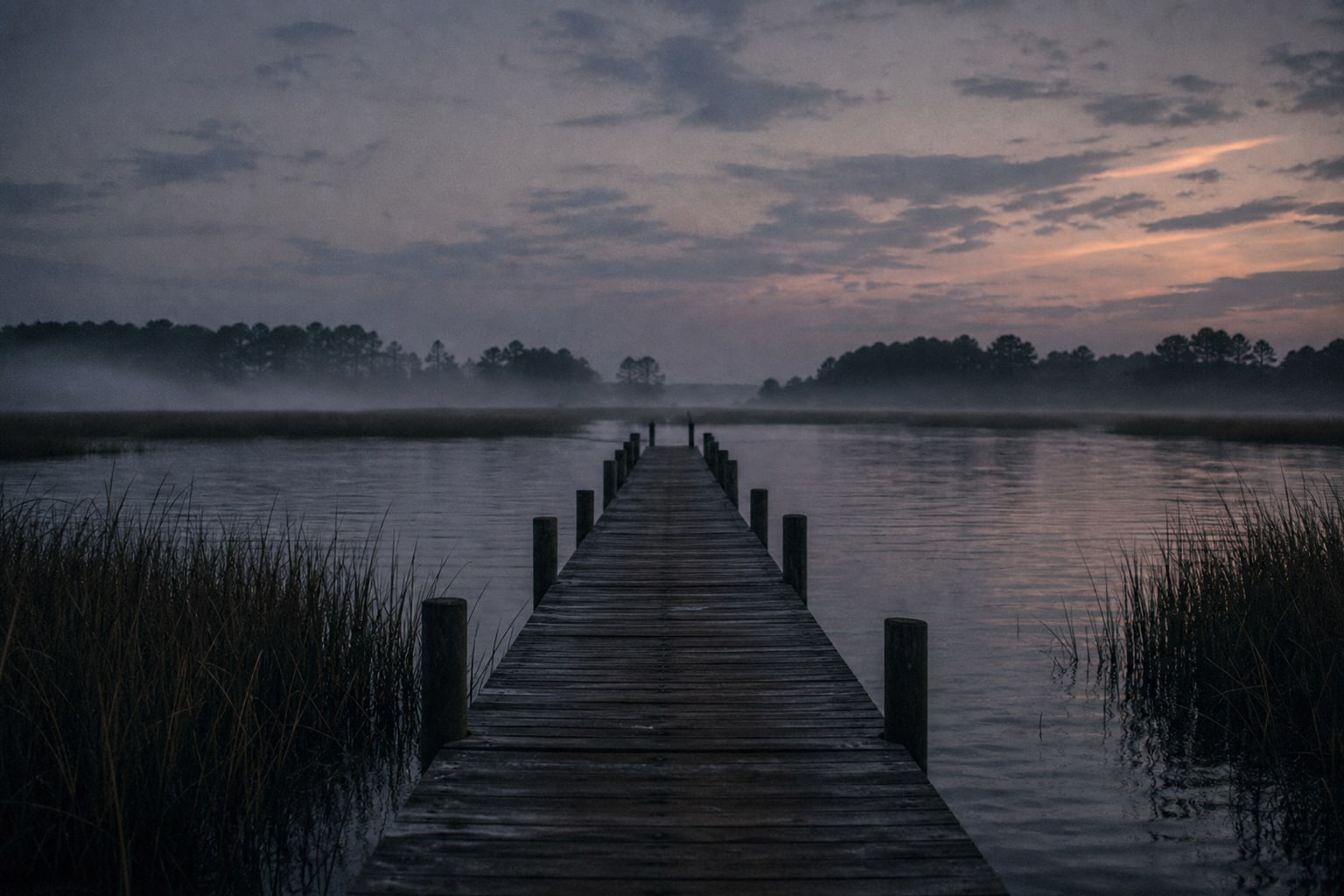
They were about roads and rivers together. Pull-offs, marshes, overlooks, bridges, rest areas, docks, tidal edges, and places where a person who knew the region could disappear from one world into another.
Wilmer's work gave him a reason to travel. His boat gave him a relationship with the water. His truck gave him a recognizable but ordinary presence. Nothing about that combination screamed monster. That was part of the danger.
He looked like someone who belonged.
Authority, Water, And Control
For decades, investigators and families debated what kind of person could stop or control young couples in isolated places without immediately triggering a fight.
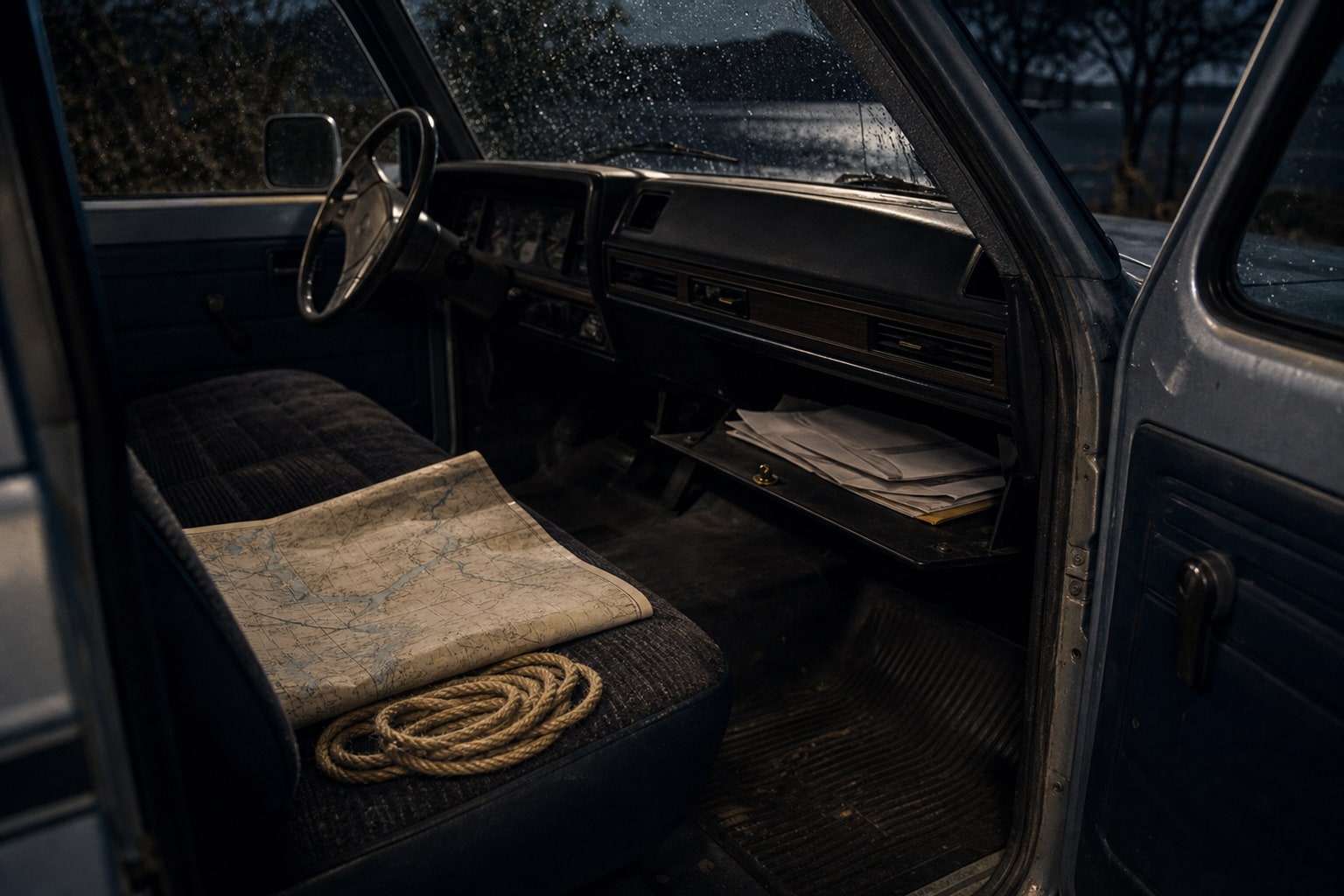
One theory centered on authority. Open glove boxes, abandoned vehicles, and the behavior of the victims suggested to some investigators that the killer may have used a ruse: a badge, a uniform, flashing lights, or the confidence of someone pretending to have the right to ask questions.
That theory remains a theory.
The evidence does not prove that Wilmer impersonated law enforcement. But the pattern does show a predator who understood how to create compliance. He selected vulnerable moments, isolated locations, and victims who were boxed in by geography before they fully understood the danger.
Another theory centered on the water. Rope, rivers, marshes, boats, and Tidewater geography kept pulling investigators back toward someone comfortable with marine tools and shorelines. Wilmer's life as a fisherman made that theory feel less abstract once his DNA entered the case.
Still, the most important psychological pattern is simpler.
He used ordinary trust against people.
A parked car. A scenic overlook. A rest stop. A river road. These were not dramatic places. They were the background of regular life. The killer's skill was not supernatural. It was opportunistic, patient, and local. He knew where privacy lived, and he knew how quickly privacy could become isolation.
The Cases Outside The Parkway
The DNA did not stop at the Colonial Parkway label.
Teresa Lynn Spaw Howell was twenty-nine when she was killed in 1989 after leaving a Hampton nightclub. Her death was not considered one of the Colonial Parkway murders, but in January 2024, authorities identified Wilmer as the suspect in her killing as well. Law enforcement said he would have been charged if he were still alive.
Then came Laurie Ann Powell.
Powell was eighteen when she disappeared in March 1988 in Gloucester County. Her body was found weeks later in the Elizabeth River. In November 2025, Virginia State Police and the Isle of Wight Commonwealth's Attorney announced that DNA technology had identified Alan W. Wilmer Sr. as responsible for her death.
Those two cases widened the frame.
If the Colonial Parkway murders once seemed like one road's nightmare, the DNA record suggested something broader: a man moving through southeastern Virginia, selecting victims across jurisdictions, and leaving behind evidence that could not yet name him.
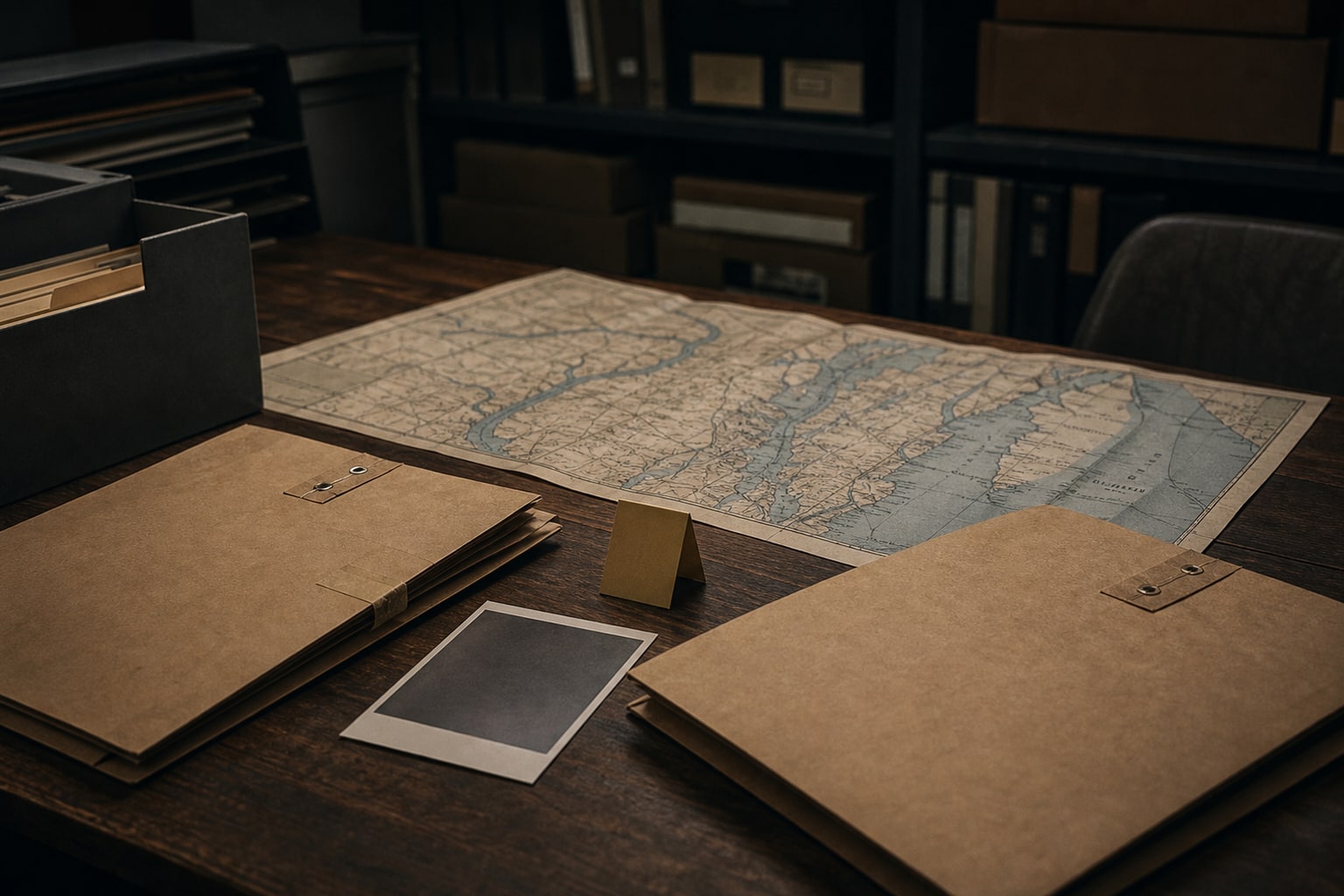
The old map had been too small.
The DNA Reckoning
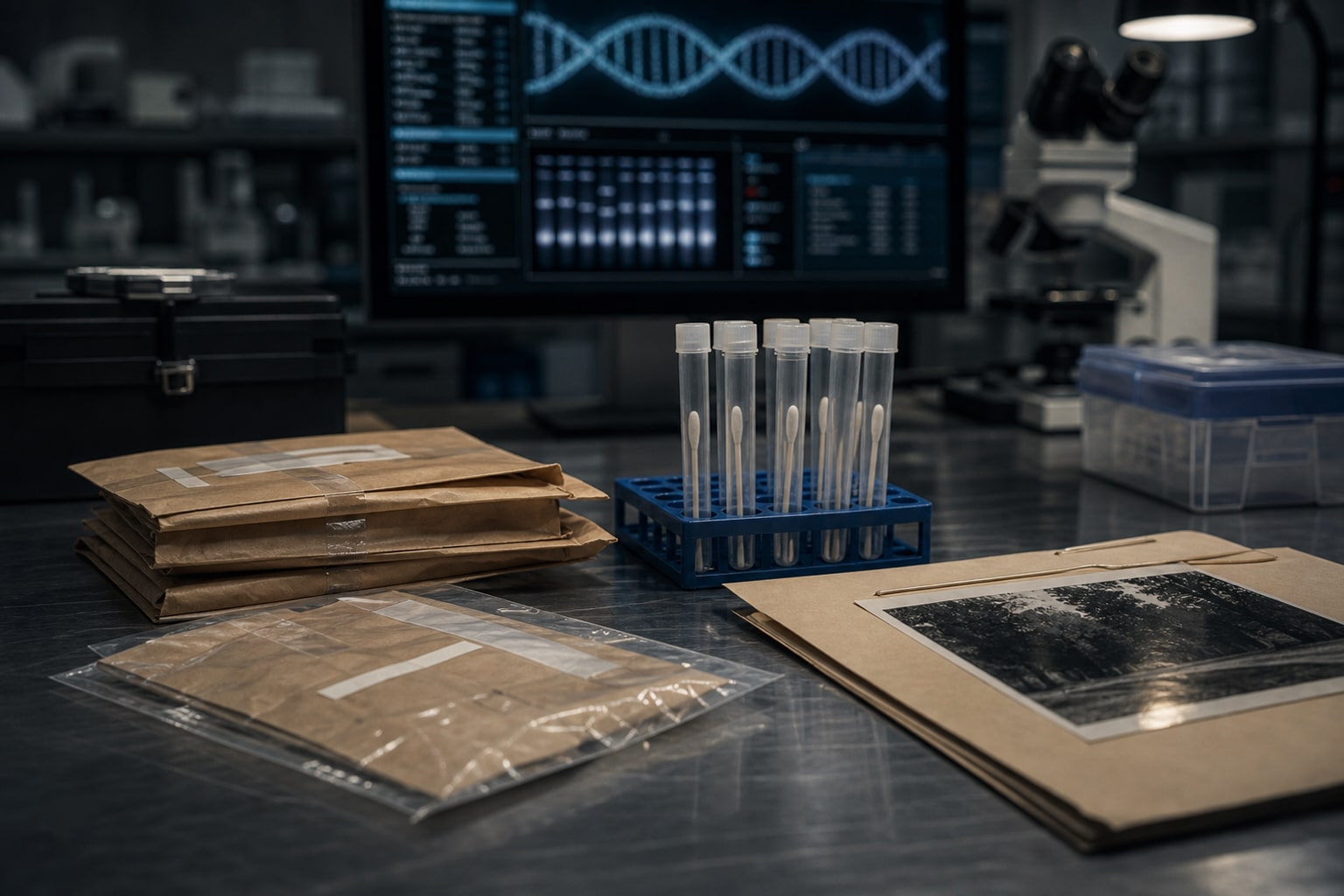
The breakthrough came because evidence survived and science changed.
In 2023, investigators legally obtained a post-mortem DNA sample from Wilmer. He had died in December 2017 at age sixty-three. Because he had not been a convicted felon, his DNA had not already been sitting in CODIS, the national DNA database that has solved so many other cold cases.
That fact left families with an especially bitter question: how many years did the truth lose because the right profile was never in the right system?
The first public break came in January 2024, when Wilmer was identified in the deaths of Robin Edwards and David Knobling, and also tied to Teresa Howell's killing. In November 2025, authorities linked him to Laurie Ann Powell. On January 20, 2026, the FBI Norfolk Field Office announced that Wilmer murdered Cathleen Thomas and Rebecca Dowski.
The language was unusually direct. The FBI said that if Wilmer were alive, the evidence would have supported federal prosecution.
That is as close to a courtroom as these families will get.
No cross-examination. No confession. No sentencing hearing. No chance to watch him answer for the people whose lives he ended.
Only a name, delivered too late.
What Still Remains
The temptation is to say the Colonial Parkway murders are solved.
The truth is more complicated.
Six deaths have now been publicly tied to Alan Wade Wilmer Sr. through forensic investigation: Cathleen Thomas, Rebecca Dowski, Robin Edwards, David Knobling, Teresa Howell, and Laurie Powell. Two of those victims, Howell and Powell, were not originally part of the classic Colonial Parkway grouping, but their cases now help show the wider shape of Wilmer's violence.
The cases of Keith Call, Cassandra Hailey, Daniel Lauer, and Annamaria Phelps remain open or unresolved in the public record. They may belong to the same shadow. They may not. The responsible answer is that investigators have not announced the same forensic certainty.
That uncertainty does not weaken the story.
It makes the story honest.
Cold cases rarely end with a clean door closing. More often, they end like this: some families receive answers, some receive new questions, and the system has to admit that the truth can arrive in pieces.
Wilmer is dead. The road is still there. The rivers still move through the marshes. The families still carry names that should never have become case labels.
Cathleen Thomas. Rebecca Dowski. David Knobling. Robin Edwards. Keith Call. Cassandra Hailey. Daniel Lauer. Annamaria Phelps. Laurie Powell. Teresa Howell.
The killer wanted darkness, geography, and time to do his work for him.
For decades, they did.
Then the evidence outlived him.
And on the dark road home, the silence finally gave up a name.
Archival Case Gallery
Sources & Case Notes
Last updated: May 17, 2026.
Primary sources and case notes: This article was built from the FBI Norfolk January 2026 announcement resolving the Cathleen Thomas and Rebecca Dowski murders, the FBI's archived 2010 Colonial Parkway cold-case summary, the FBI's archived 2009 Colonial Parkway press conference statement, Associated Press reporting on the January 2024 identification of Alan Wade Wilmer Sr., and Virginia State Police-linked public reporting on the November 2025 Laurie Ann Powell DNA identification. The Call/Hailey and Lauer/Phelps sections remain carefully framed because authorities have not publicly announced the same forensic closure in those cases.
Correction policy: If you have source corrections, family-approved context, or image-rights concerns, contact Anonymous369 Media through Contact & Media Inquiries.
Image credits: No archival image is reproduced in this article. Visual planning should prioritize FBI/Virginia State Police public records, legally licensed press-conference imagery, family-approved memorial photos where permission is clear, and documentary-style recreations that do not present themselves as actual crime-scene photographs. Archival Case Gallery uses National Park Service Colonial Parkway/Colonial National Historical Park imagery available through Wikimedia Commons as U.S. federal public-domain material.
Content warning: This article discusses serial homicide, child victimization, sexual assault evidence, gun violence, and unresolved missing-person cases in restrained, non-graphic terms.