
The West Mesa Graves: How Albuquerque's Serial Murder Case Stayed Unsolved
In 2009, a dog walker in Albuquerque's West Mesa uncovered the remains of eleven women and girls and an unborn child. The case exposed years of disappearances, fragile forensic evidence, and a predator who still has no name.


The high desert of New Mexico keeps its secrets in sand, but it cannot hold them forever.
On the afternoon of February 2, 2009, Albuquerque resident Christine Ross was walking her dog, Ruca, along a dirt trail on the city's West Mesa, near the area of 118th Street SW and Dennis Chavez Boulevard. The land around them was dry, open, and half-developed, the kind of place where the city seemed to stop before the desert began again.
Ruca stopped at something protruding from the ground.
Ross looked closer. It was not driftwood. It was not an animal bone. It was large, pale, and human enough that she took a photograph and sent it to her sister, a registered nurse. The response came back with the force of a door closing: it resembled a human femur.
Ross called the Albuquerque Police Department.
Within days, the empty mesa became the center of the largest crime scene in Albuquerque history. Archaeologists, forensic teams, investigators, searchers, and heavy equipment moved across the desert in a painstaking excavation. What they found was not one grave. It was a field of shallow burials.
By the end of the recovery, investigators had unearthed the remains of eleven women and girls, along with the unborn child of Michelle Valdez.
The discovery did not begin the tragedy. It revealed it.
For years, women had been disappearing from Albuquerque's margins: daughters, mothers, sisters, teenagers, women living under the pressure of addiction, sex work, trafficking, homelessness, unstable housing, and the daily danger of being treated as less likely to be missed. Their names had entered missing-person files one by one. Their absence had been carried by families long before the city saw the pattern in the sand.
The West Mesa murders remain unsolved. The Albuquerque Police Department continues to classify the case as active. The person responsible has never been publicly identified, charged, or convicted.
What the desert gave back in 2009 was not an answer.
It was proof that someone had been hunting where the rest of the city had learned not to look.
The Women Before The Graves
The victims recovered from the West Mesa were not a statistic. They were Monica Candelaria, Victoria Chavez, Virginia Cloven, Syllannia Edwards, Cinnamon Elks, Doreen Marquez, Julie Nieto, Veronica Romero, Evelyn Salazar, Jamie Barela, and Michelle Valdez.
They were young. They were mostly in their twenties. Two were only fifteen. Michelle Valdez was pregnant when she disappeared, and her unborn child is included by investigators and families in the count of lives lost.
Public reporting and police accounts often describe many of the women through the conditions that made them vulnerable: sex work, drug addiction, trafficking, street life, or disappearances tied to the East Central Avenue corridor. Those details matter because they shaped the offender's opportunity. They also carry a risk. If repeated carelessly, they can make the victims sound like they were defined by the systems that failed to protect them.
They were not.
Victoria Chavez was remembered as outgoing and connected to the outdoors. Michelle Valdez had family waiting for her and a child on the way. Doreen Marquez was a mother. Veronica Romero was remembered by loved ones as smart, funny, and tough. Each woman had people who knew her voice, her habits, her frustrations, her hope, and the ordinary human texture that a case file can never fully hold.
The pattern that linked many of them was not moral failure. It was exposure.
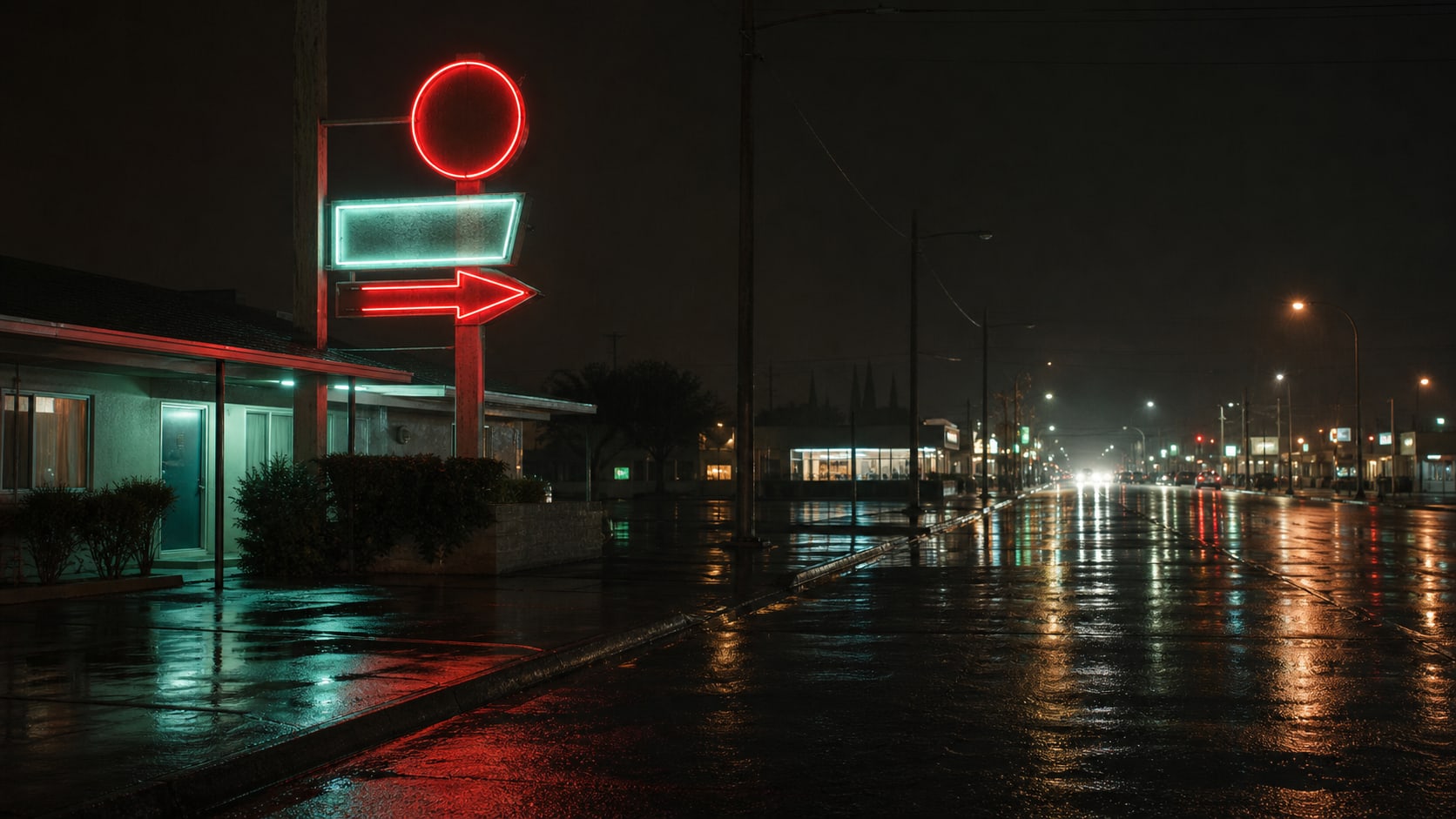
East Central Avenue in Albuquerque had long been a corridor where addiction, trafficking, poverty, transient motels, and street economies overlapped. Predators understand those landscapes. They understand who can be approached, who can be isolated, who might not be believed, who might not trigger an immediate citywide alarm, and whose absence might be misread as movement rather than danger.
The West Mesa case is not only about a killer.
It is about the spaces where vulnerable women can vanish before the public admits that a pattern exists.
Two Girls At The Edge Of The Pattern
Most of the West Mesa victims were connected, in some way, to the same dangerous social geography. But two teenagers complicated any simple profile.
Syllannia Terene Edwards was fifteen years old. She was a Black teenager from Lawton, Oklahoma, reported as an endangered runaway in 2003. Public accounts place her later in Aurora, Colorado, where she was said to have been seen around street economies and to have used names including "Mimi" and "Chocolate." How she moved from Oklahoma to Colorado to a grave in Albuquerque remains one of the most painful unanswered questions in the case.
Jamie Caterina Barela was also fifteen. Unlike many of the other victims, Jamie was not publicly linked by investigators to sex work, addiction, or street life. On March 26, 2004, she left a family gathering with her older cousin, Evelyn Salazar. They were reportedly walking toward a park near San Mateo and Gibson in southeast Albuquerque.
Neither came home.
Evelyn fit more closely into the profile investigators would later associate with the West Mesa disappearances. Jamie did not. That difference has shaped one of the case's most heartbreaking inferences: Jamie may have died because she was with someone the killer had already targeted, or because a predator saw opportunity and took it.
That remains an inference, not a proven reconstruction.
But the presence of Jamie and Syllannia in the burial field makes the case wider than any stereotype. The killer may have exploited a known victim pool, but the graves also show the danger of assuming that vulnerability always looks the same from the outside.
The Desert That Hid Them
The West Mesa burial site was not random in the way the word is sometimes used. It was isolated, accessible, and forgettable. Dirt routes crossed the area. The land sat in the path of future development. The desert was open enough for a vehicle, empty enough for privacy, and unstable enough to shift under weather, grading, and runoff.
Reports have described the recovery area as a vast crime scene, with investigators searching dozens of acres after the first bone surfaced. Satellite imagery and later investigative work suggested that parts of the mesa had been disturbed during the same general years in which the women disappeared.
Then development began to move west.
In the mid-2000s, the land was graded and platted for a housing project. If construction had continued, the graves might have been hidden beneath a subdivision. Instead, the housing market collapsed, development stalled, and water began doing what water does in altered land. Runoff cut into soil that had once concealed the dead.
The discovery was not luck in the comforting sense.
It was erosion.
Forensic teams faced a devastating reality. The victims had been buried in shallow desert graves for years. Heat, cold, dryness, soil chemistry, insects, animals, and time had taken away the soft tissue that might have preserved cause-of-death evidence. Public reporting has noted that investigators could not establish a precise medical cause of death from the remains. Homicide was clear. Method was not.
Some investigators and commentators have suspected strangulation because it is a known method in serial cases involving sex workers and because some persons of interest had histories involving violence against women. But in the West Mesa case, suspicion is not the same as forensic proof. Without preserved soft-tissue structures, the medical record could not give investigators the clean answer they needed.
The desert had exposed the graves.
It had also erased much of what would have let the dead testify.
The Detective Who Was Already Counting
The 2009 excavation confirmed something Detective Ida Lopez had feared before the mesa gave up its dead.
Lopez, an Albuquerque Police Department detective, had been tracking a list of missing women who shared parts of the same geographic and behavioral profile. She called them, in accounts of the case, "her girls." That phrase matters because it marks a different kind of attention: not a statistic, not a nuisance file, not a woman dismissed as transient, but a person whose disappearance belonged to a pattern.
When DNA and dental records identified the remains, many of the women Lopez had tracked were among those found on the West Mesa.
The discovery vindicated the pattern.
It did not complete it.
Investigators have continued to look at other women who disappeared during the same era and from similar conditions. The number varies by report and year, but recent public reporting and APD discussion still point to at least eight women from the same broader profile who remain missing.
Additional searches have followed. Land has been scanned. Tips have been chased. Ground-penetrating radar and other search methods have been used in later sweeps. In one 2018 search, authorities reportedly found ancient Native American remains, not modern victims tied to the West Mesa case.
The implication is hard to sit with: the burial field discovered in 2009 may not be the whole story.
It may only be the part the desert allowed the city to find.
The Men Investigators Could Not Close Around
With no public DNA match tying an offender to the burial site and no definitive cause of death, investigators turned heavily toward geography, behavior, opportunity, prior violence, and circumstantial clues.
Two names have become central in public discussion: Lorenzo Montoya and Joseph Blea.
They must be framed carefully.
Neither man has been charged or convicted in the West Mesa murders.
Lorenzo Montoya lived near the mesa. Public reporting has described him as a commercial pressman who resided in a trailer park within a few miles of the burial site. Investigators examined his geography, his access to dirt routes, his history of violence, and statements attributed to him by people who knew him.
The timeline around Montoya is one reason his name persists. In December 2006, nineteen-year-old Shericka Hill was killed in Montoya's trailer. Her boyfriend, Frederick Williams, arrived at the trailer and fatally shot Montoya. After Montoya's death, the cluster of West Mesa-linked disappearances appears to have stopped.
That timing is disturbing.
It is not a conviction.
A search of Montoya's home and vehicles did not publicly produce the direct forensic link investigators needed to close the West Mesa case around him. Reporting has also described disturbing materials found in relation to Montoya, including a video involving an unresponsive woman, but those materials have not produced a public legal conclusion identifying him as the West Mesa killer.
Joseph Blea is another major person of interest in public reporting. Blea, a landscaper with a long history of sexual violence, was convicted in connection with a series of rapes that terrorized Albuquerque decades earlier. He was also linked by DNA in a separate case involving a woman found dead near Central Avenue.
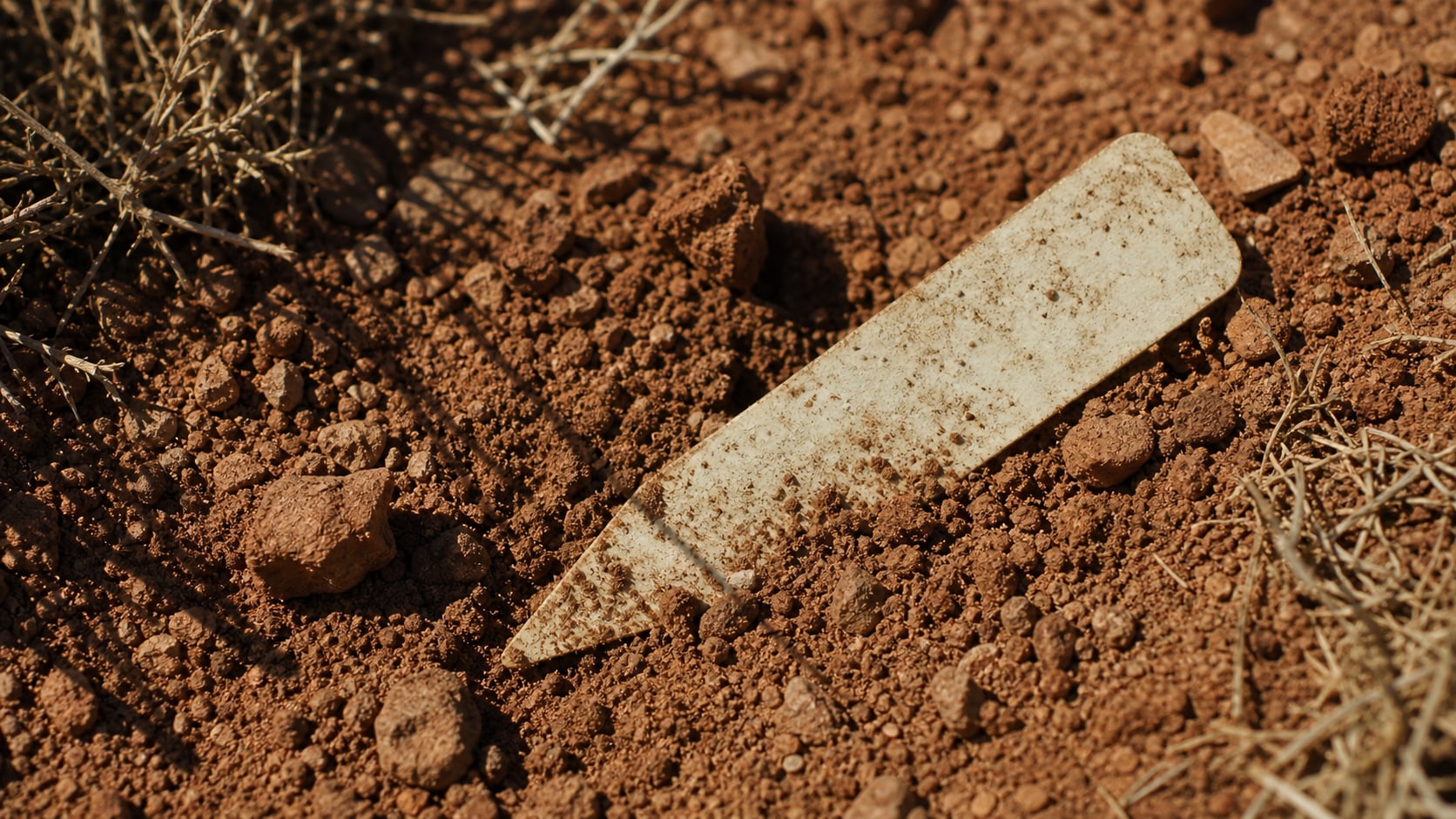
The West Mesa connection most often cited in reporting is a plastic nursery tag found near one of the graves. Investigators traced the tag to a plant nursery that Blea reportedly used for landscaping work. But police could not publicly establish the chain needed to prove that Blea placed that tag at the burial site, or that it was connected to the murders rather than the messy ecology of development, trash, landscaping material, and desert ground.
Blea has denied involvement in the West Mesa killings.
His history makes him impossible to ignore.
The evidence made him impossible to charge.
That is the brutal space where this case still sits: between men whose backgrounds and proximity trouble investigators, and proof that never becomes strong enough to stand in court.
A Wider Network Of Fear
Serial-murder cases often pull attention toward one hidden figure. The public wants a single face, a single name, a single monster who can be separated from the rest of the world.
The West Mesa case has never been that clean.
Investigators have also pursued theories involving trafficking networks, transient offenders, and men moving between New Mexico, Colorado, Nevada, Texas, and other states. The lives of some victims crossed city and state lines. The East Central corridor was not sealed off from larger economies of exploitation.
Some researchers and commentators have suggested that more than one person may have used the West Mesa as a disposal site, or that a broader criminal network could have been involved. Others believe the consistency of location, victimology, and timing points more strongly toward one offender.
Both possibilities remain theories unless evidence changes.
What can be said safely is this: the victims lived at the intersection of multiple vulnerabilities, and predators do not always operate in isolation from the environments that feed them. Whether the West Mesa killer was one man, more than one man, or someone enabled by a larger world of trafficking and exploitation, the case forces Albuquerque to look at the same question from different angles.
Who disappears first when a city decides some people are already gone?
A Park Over The Graves
The West Mesa burial field is no longer only a crime scene.
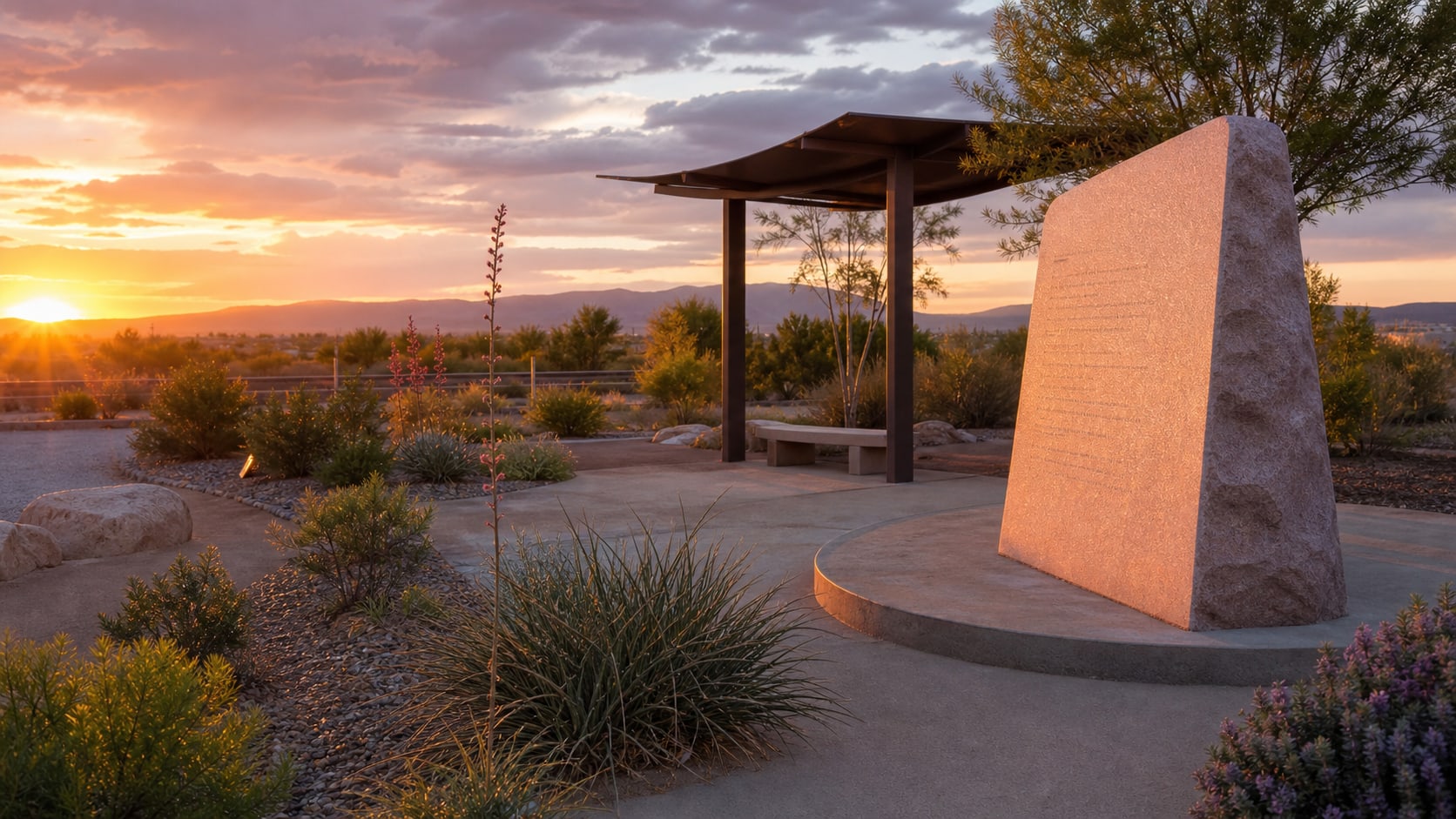
On June 27, 2020, officials and families dedicated the Women's Memorial Park on the one-acre footprint connected to the original burials. The park was built as a place of remembrance, with the names of the victims and Michelle Valdez's unborn child held in public space rather than buried under silence.
That transformation matters.
The city could not give the families a conviction. It could at least give them a place where the women were not reduced to rumors, vice labels, or evidence numbers.
The case also helped push New Mexico toward legislative change. In 2025, lawmakers passed House Bill 340, connected in public debate to the West Mesa investigation and the problem of deceased suspects whose DNA could not easily be uploaded into CODIS. The bill passed the House unanimously, passed the Senate, and was signed by Governor Michelle Lujan Grisham on April 7, 2025. Its details are more technical than a headline allows, but the purpose was clear: help future investigators compare DNA from certain deceased felony suspects under defined legal conditions, so death does not automatically close an evidentiary door.
The law cannot solve West Mesa by itself.
But it shows how a cold case can expose a gap in the system wide enough for evidence to fall through.
As of the latest public reporting reviewed for this article, APD says the case remains active, with more than 1,500 tips received. The department continues to identify the offender as unknown. At least eight women connected to the same broader era and profile remain missing.
The West Mesa murders are sometimes remembered by the label given to the unknown killer: the Bone Collector.
But labels like that can make the offender sound larger than the women he left behind.
The truer image is smaller and heavier: a dog stopping in the sand, a woman taking a photograph, a sister recognizing a bone, families learning that the silence they had feared was real, and a city forced to admit that the desert had been keeping watch over what people failed to see.
The West Mesa did not create the darkness.
It only held it until the ground broke open.
Archival Case Gallery
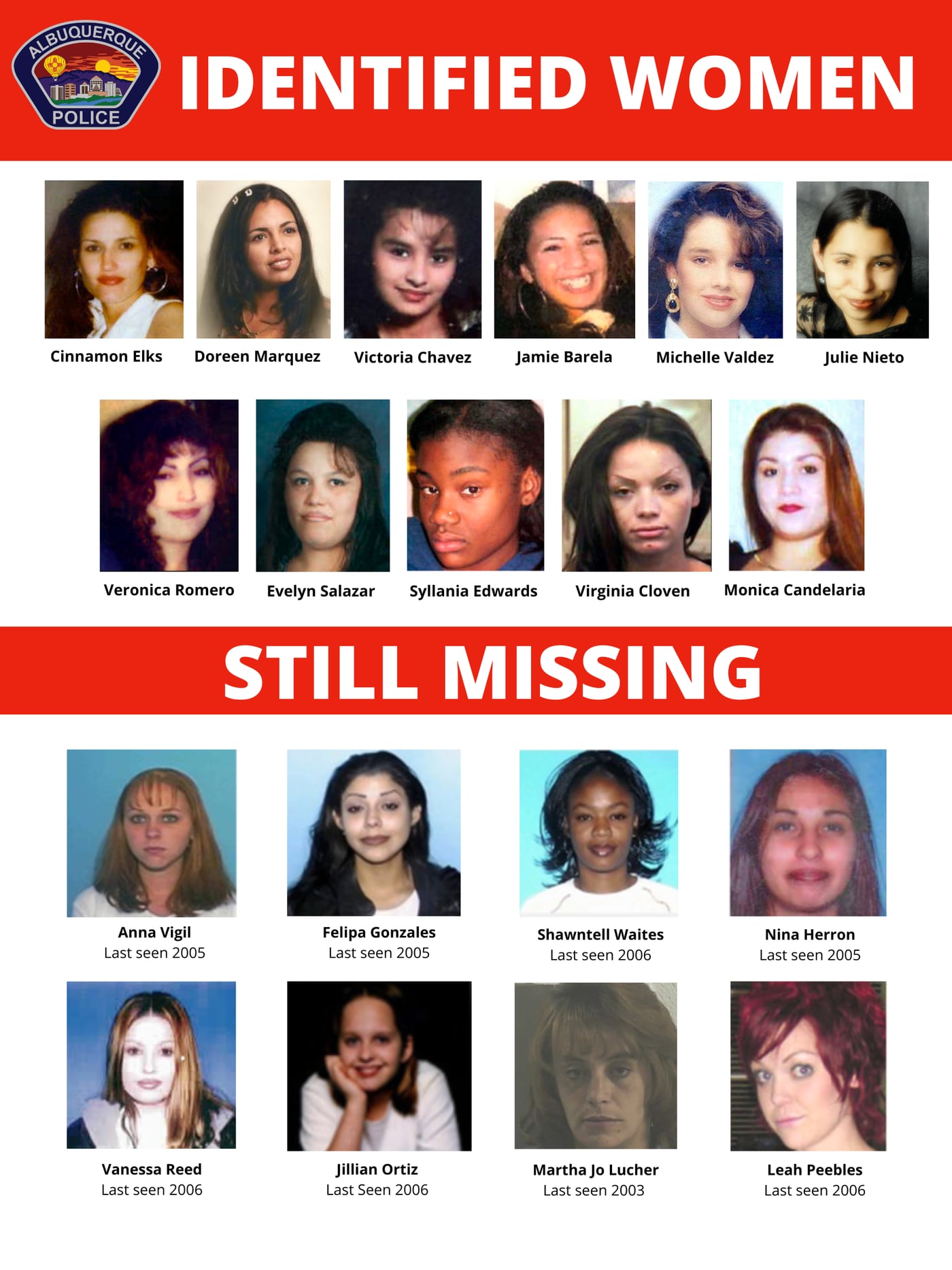
Archival case gallery: official Albuquerque Police Department/City of Albuquerque public-information graphic released for the 15th anniversary of the West Mesa discovery. It presents identified victims and women still missing from the broader profile as official case context.
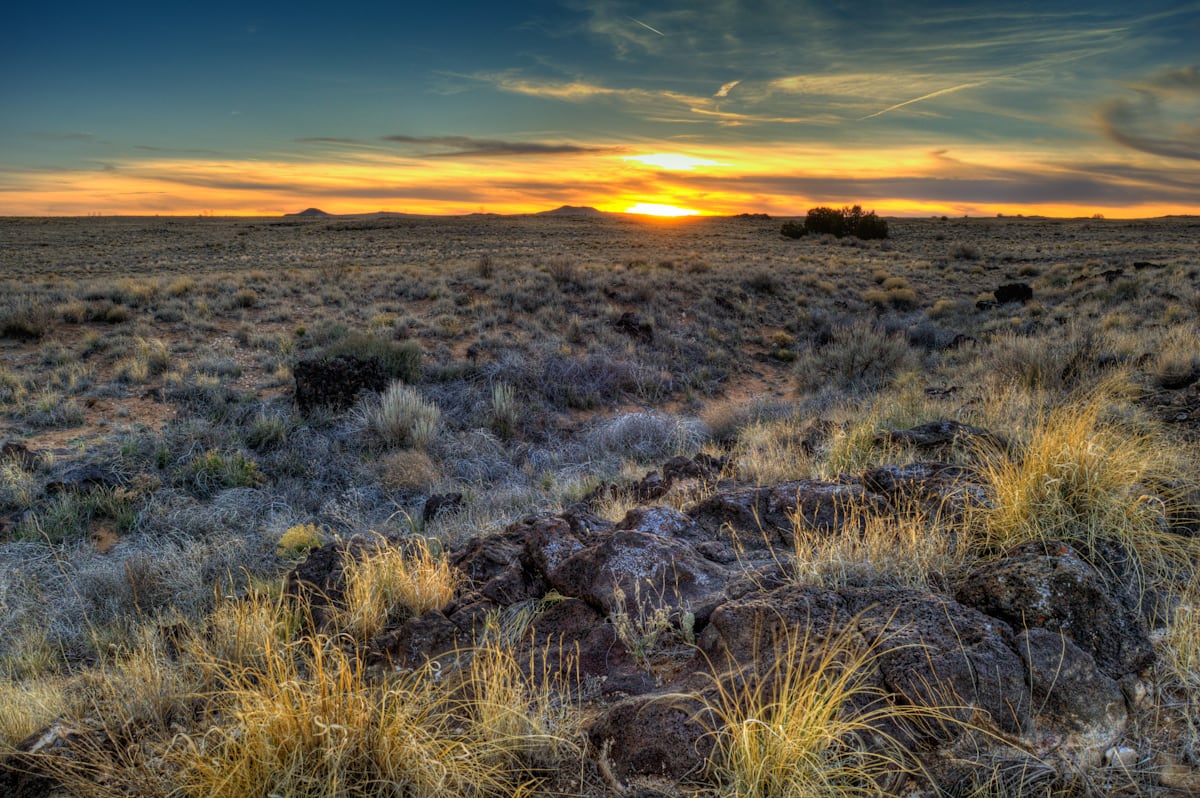
Archival case gallery: real West Mesa landscape context from Albuquerque. Photograph by Mike Tungate/mtungate via Wikimedia Commons, licensed under CC BY 2.0 and resized for web delivery.
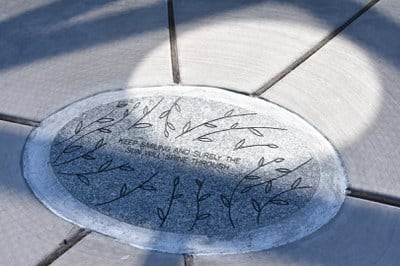
Archival case gallery: official City of Albuquerque public-information image of Women's Memorial Park, the memorial site dedicated on the one-acre footprint connected to the original burials.
Sources & Case Notes
Last updated: May 23, 2026.
Primary sources: This article was checked against the Albuquerque Police Department's West Mesa homicide investigation page; APD's 15th-anniversary public update; the City of Albuquerque/City Council 17th-anniversary remembrance update; A&E Real Crime's overview of the West Mesa investigation; and the New Mexico Legislature record for House Bill 340. Montoya, Blea, trafficking-network material, and other named leads are treated as suspects, persons of interest, or investigative theories, not as proven legal conclusions.
Correction policy: Corrections, source documentation, and image-rights concerns can be directed to Anonymous369 Media's contact and media inquiries page.
Image credits: Feature and section images are Anonymous369 Media documentary recreations based on Albuquerque's West Mesa, East Central Avenue, circumstantial case leads, and Women's Memorial Park. They are not archival photographs, official evidence images, depictions of victims, or depictions of an identified offender. The Archival Case Gallery uses official APD/City of Albuquerque public-information images and a Wikimedia Commons West Mesa landscape photograph by Mike Tungate/mtungate, licensed under CC BY 2.0 and resized for web delivery.
Content warning: This article discusses serial homicide, missing women, violence against sex workers and trafficking victims, the deaths of minors, and the loss of an unborn child.