
The Footprints in the Snow: How Hinterkaifeck Became a Century-Old Cold Case
In 1922, tracks in fresh snow led into a Bavarian farmstead but never back out. Days later, six people were dead, the animals had been tended, and a century-old mystery began.


In the final days of March 1922, the snow around Hinterkaifeck began to tell a story no one on the farm wanted to read.
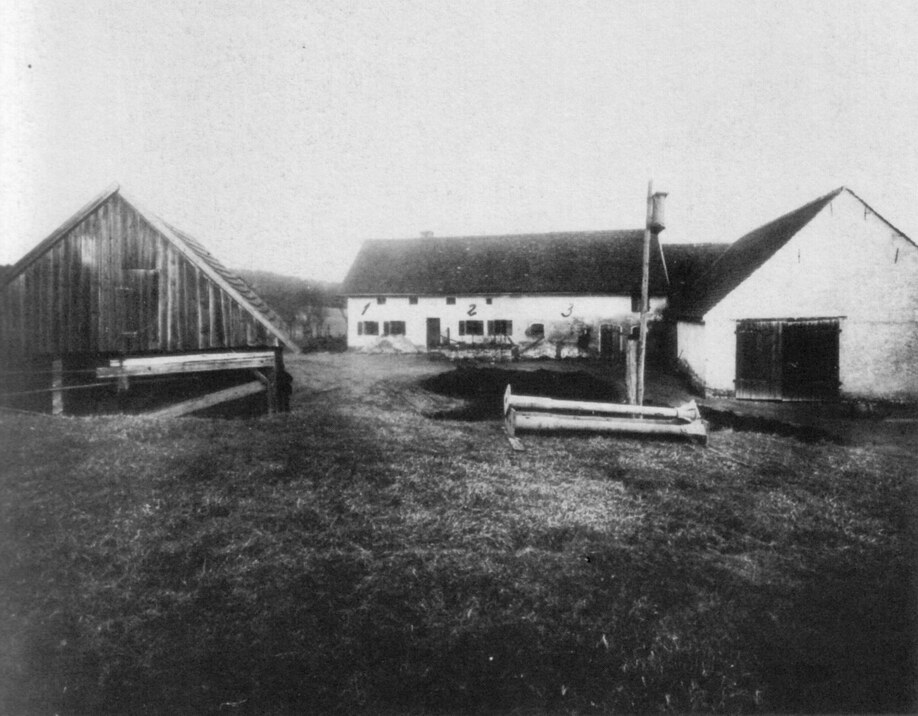
The Bavarian farmstead stood roughly seventy kilometers north of Munich, set back from the nearby villages and bordered by woods. The land was thawing out of winter, but a fresh dusting still lay across the ground when Andreas Gruber noticed the tracks. Human footprints had come out of the tree line and crossed toward the farm's machine room, where a lock had recently been broken.
What disturbed him was not only that someone had approached the property. It was that the snow did not show the person leaving.
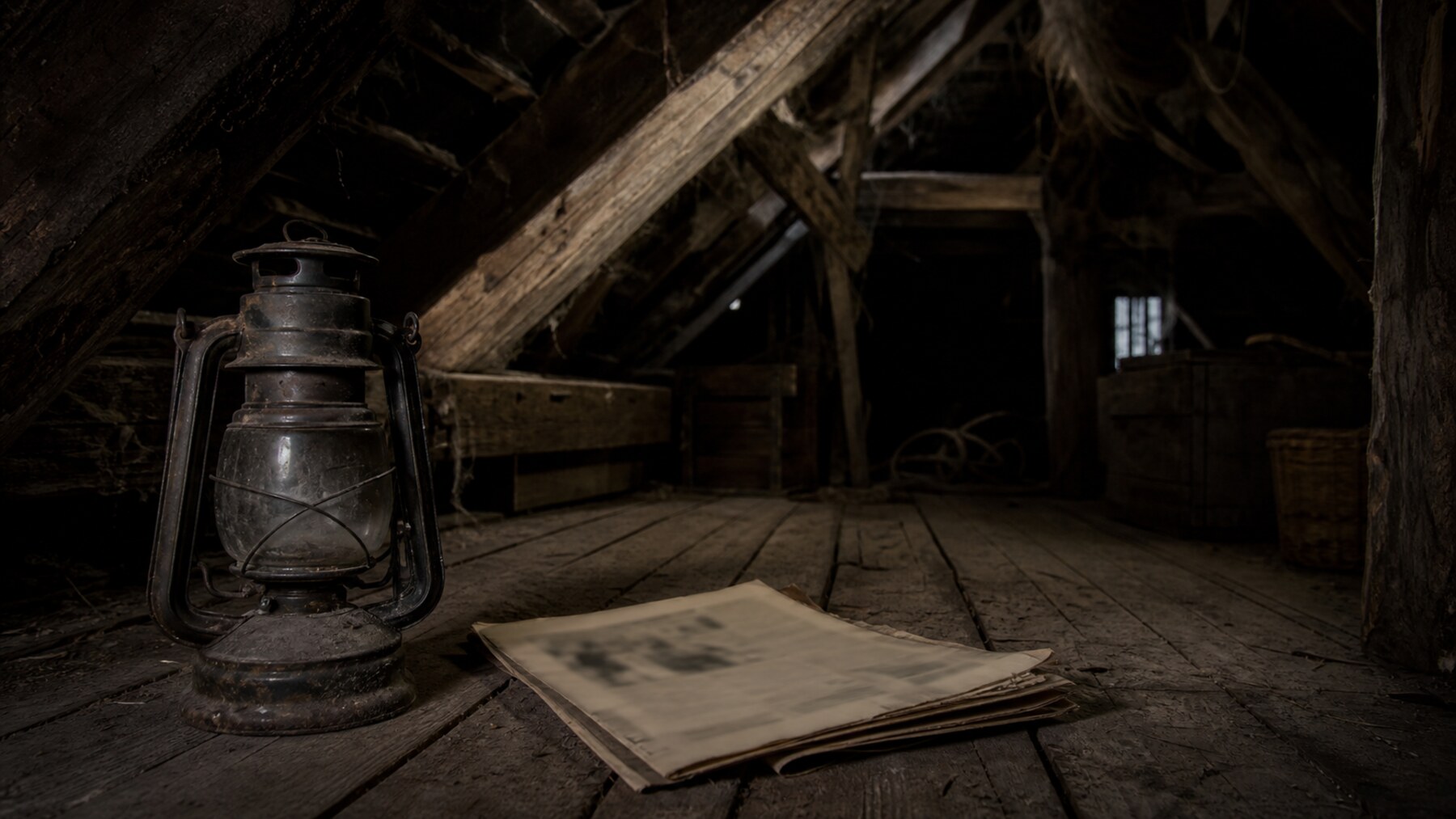
Other signs followed, or had already begun to gather. A Munich newspaper appeared on the farm, though no one nearby seemed to subscribe to it. At night, the family reportedly heard movement above them, footsteps crossing the attic boards in the dark. Andreas searched and found nothing. He told neighbors about the tracks, the lock, and the noises, but he did not contact police.
Hinterkaifeck had always been a place that held itself apart. By the first week of April, it would become one of Germany's most infamous unsolved murder cases: six people dead, a crime scene ruined almost before investigators arrived, and a killer who seemed to step into the farm's ordinary routines before vanishing without a name.

The Farm Behind Kaifeck
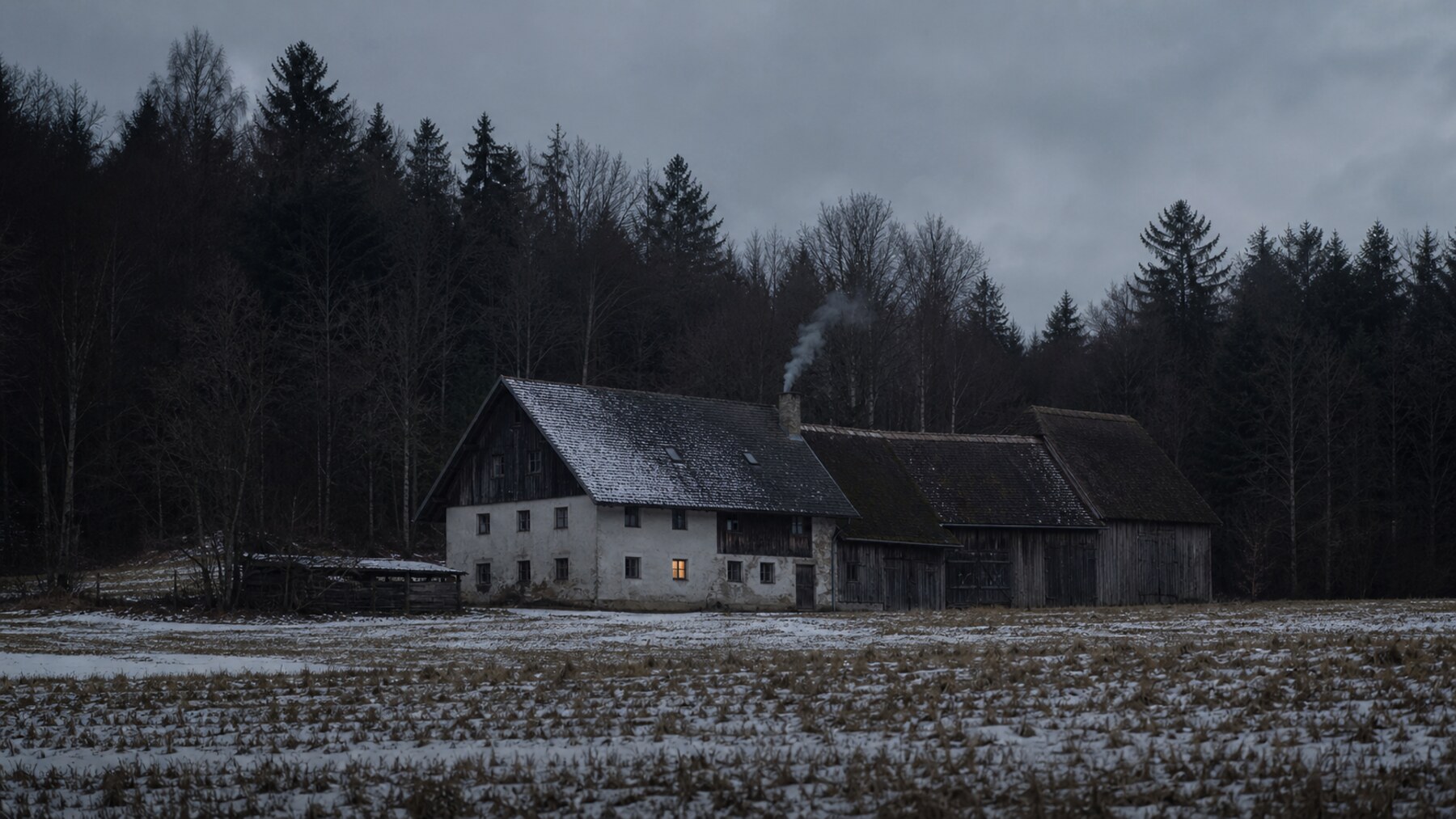
Hinterkaifeck was not a village in the usual sense. It was a farmstead known by a house name, set behind the small hamlet of Kaifeck near Waidhofen. The property had been built in the nineteenth century, and by 1922 its buildings formed an L-shaped working farm where living quarters, stable, barn, and machine room stood close enough for someone to move through parts of the structure without fully entering the open yard.
Inside lived three generations of the Gruber-Gabriel household: Andreas Gruber, his wife Cäzilia, their widowed daughter Viktoria Gabriel, and Viktoria's children, seven-year-old Cäzilia and two-year-old Josef. A new maid, Maria Baumgartner, would arrive on March 31, the day the household likely died.
The family did not move easily through the social life of the surrounding Catholic community. Court records show that Andreas and Viktoria had been convicted in 1915 of an incestuous relationship, a fact that followed the household like a second shadow. The paternity of Josef was disputed, and Viktoria's past relationship with a neighbor, Lorenz Schlittenbauer, created another layer of tension in a village world where private affairs rarely stayed private for long.
That history matters because Hinterkaifeck was never only an isolated place. It was an isolated place surrounded by people who watched it, judged it, and talked about it. The crime that followed would turn that gossip into suspicion, and suspicion into a wound that never fully closed.
The farm also had a history of uneasy help. Months before the murders, a former maid, Kreszenz Rieger, had left her job. Later accounts say she believed the house was haunted because of noises from the attic. Whether those sounds were supernatural fear, old-house acoustics, or something more human, they formed part of the case's most disturbing possibility: someone may have been watching the Gruber-Gabriel household before the night of the murders.
The Barn at the Center of the Night
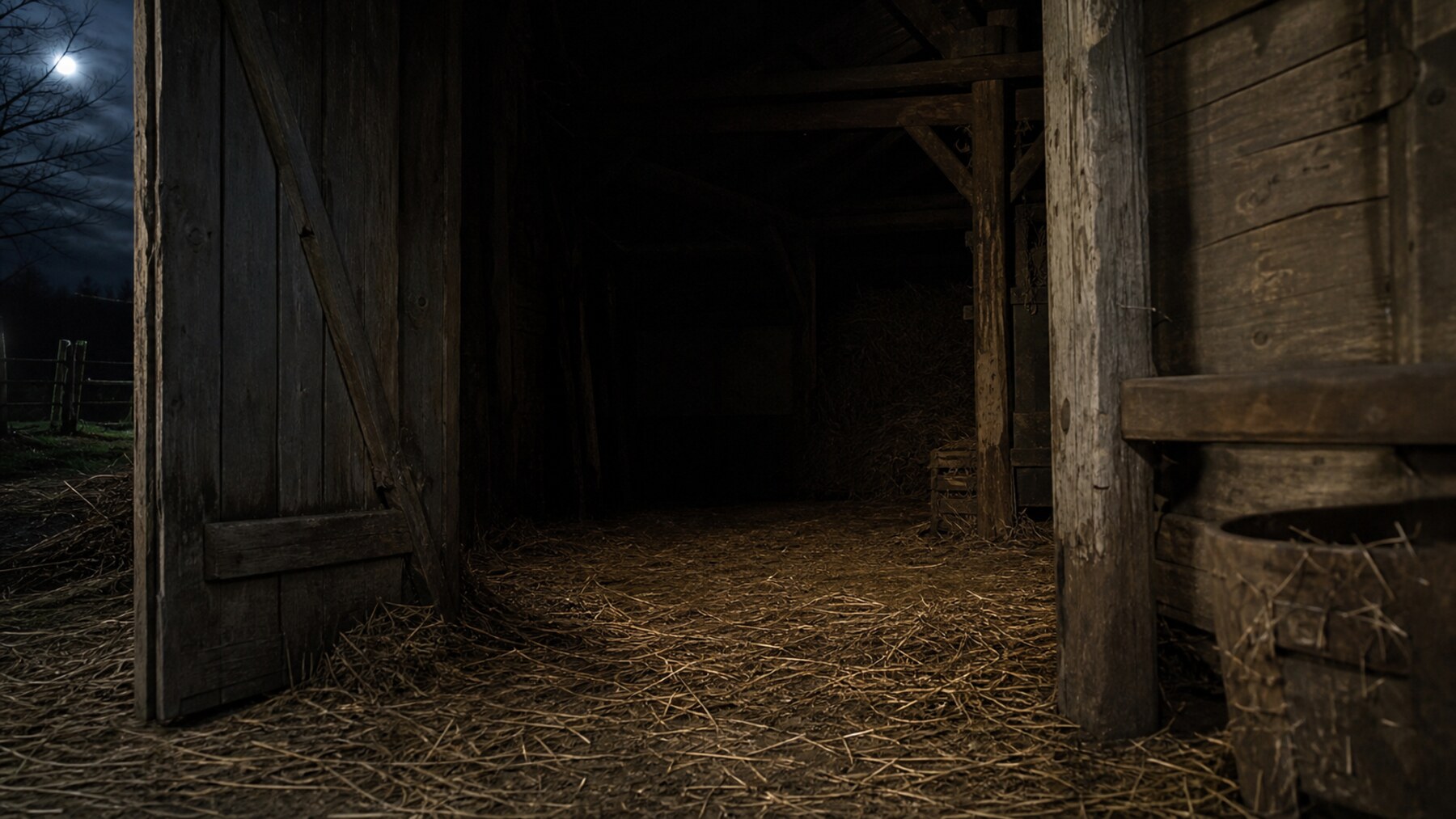
The murders most likely occurred during the night of March 31 into April 1, 1922.
The exact sequence cannot be known with certainty. Investigators and later researchers have generally reconstructed a pattern in which four victims, Andreas, Cäzilia Gruber, Viktoria Gabriel, and young Cäzilia, ended up in the barn or stable area before being killed. One theory is that the killer disturbed the animals or created some other reason for the family to come out one by one. Another difficulty remains: later inspection records raised questions about whether sounds from the barn could be heard clearly from the living quarters.
That uncertainty matters. It keeps the case from becoming too neat.
What the scene did show was severe head trauma from a farm tool known as a mattock or Reuthaue, a heavy implement that belonged to the property. Four bodies were found in the barn area, covered with hay and a door. The violence was controlled enough to move through the farm, but brutal enough to suggest rage, panic, or a practiced willingness to destroy an entire household.
The most painful detail in the record belongs to seven-year-old Cäzilia. Medical findings indicated she survived for a period after the attack. Investigators reported that she had pulled out tufts of her own hair while lying in the straw. It is a fact that does not need embellishment. The case already carries its own darkness.
After the barn, the killer moved into the living quarters. Maria Baumgartner, the new maid who had just come to Hinterkaifeck, was killed in her small room. Two-year-old Josef was killed inside the house as well.
By morning, the farm's human life was gone. But the farm itself did not fall silent.
The House That Kept Moving
Hinterkaifeck did not immediately announce what had happened. That is one reason the case feels less like a single night of violence and more like a slow failure of reality.
Over the following days, signs of ordinary farm life continued. The cattle were fed and milked. Food was consumed. Meat was cut from the pantry. Smoke was seen from the chimney. To anyone passing at a distance, Hinterkaifeck could still look occupied.
The safer reading is not that the killer definitely lived there without interruption for four days. The record supports something slightly more careful and just as unsettling: someone remained on the property or returned to it after the murders, comfortable enough to tend animals, use the kitchen, and let the illusion of routine continue.
Witness accounts deepened the unease. Around 3:00 a.m. on April 1, a farmer reported seeing two unidentified figures near the forest edge; when noticed, they turned away so their faces could not be seen. The next night, artisan Michael Plöckl passed near the farm and saw smoke from the oven. According to later accounts, an unknown person approached with a lantern bright enough to force him on his way.
Then came Albert Hofner, an engine mechanic scheduled to repair farm machinery. On April 4, he arrived at Hinterkaifeck, waited, heard the animals, completed his work, and left after several hours without meeting anyone from the household.
If the offender was still nearby, the farm had become a theater of concealment. Doors, animals, smoke, and chores all worked together to hide the absence of the people who should have been doing them.
The Discovery That Broke the Scene

By April 4, the silence had become too strange to ignore. Young Cäzilia had missed school. The family had missed Sunday church. Neighbors finally went to the farm.
Lorenz Schlittenbauer, Michael Pöll, and Jakob Sigl entered the property and found the first four victims in the barn. Maria Baumgartner and Josef were found inside the house.
From the first moments, the crime scene began to collapse. Bodies were moved before police arrived. Neighbors and onlookers crowded the property. By modern standards, the evidence was wounded almost immediately: possible prints, tracks, object positions, and pathways through the building were disturbed by the very people trying to understand what had happened.
The official response was limited by its era, but even for 1922, later reviewers criticized the handling. Süddeutsche Zeitung reported that the 2007 police-student review found the original work superficial and careless in places, including failures around fingerprints and basic scene preservation. The Bavarian archive material highlighted in later reporting tells the same broad story: by the time investigators had control, many traces were already damaged or gone.
Then there was the strangest investigative detour of all. The victims' skulls were removed for examination. Later reporting from the Bavarian State Archives exhibition notes that an investigator even traveled with the skull caps to a clairvoyant in Nuremberg, hoping for insight that science and police work had not provided. None came. The remains were later lost, commonly understood to have disappeared during the upheaval of the Second World War.
It is hard to imagine a clearer symbol of the case's tragedy: the evidence was not only mishandled. Some of it literally vanished from history.
The Neighbor Under Suspicion
Police found no clean motive. Money and valuables remained at the farm, weakening a simple robbery theory. That pushed attention toward people who knew the household, its layout, its routines, and its grudges.
Lorenz Schlittenbauer became the name most often pulled into the center. He had been romantically involved with Viktoria Gabriel, had a disputed connection to Josef's paternity, and lived close enough to understand the farm and the people inside it. His behavior during the discovery also raised questions. Accounts state that after finding the bodies in the barn, he entered the house alone, apparently unlocking the front door without the difficulty others expected. A house key had reportedly gone missing before the murders.
Those facts made him suspicious to many, but suspicion is not proof. Police could not establish that Schlittenbauer committed the murders. He was never charged, and his family carried the stigma for decades. Süddeutsche Zeitung later described how his children lived under the shadow of the accusation long after his death in 1941.
That is part of the cruelty of an unsolved case. When the law cannot name the offender, the village often does it anyway.
War Ghosts and Other Suspects
Other theories grew around the edges of the case.
One centered on Karl Gabriel, Viktoria's husband, who had been reported killed during the First World War in 1914. Because his body was not recovered in a way that satisfied every later rumor, some speculated that he had survived, returned, and killed the household. But soldiers who served with him reportedly identified his body in the field, and the theory remains unsupported.
The Gump brothers, Adolf and Anton, entered the file through allegations connected to violent activity in the postwar paramilitary world. Decades later, a family statement implicated them, but investigators could not produce enough evidence to carry the accusation into a conviction.
Modern writers have proposed a more distant possibility: that Hinterkaifeck belonged to a broader pattern of family murders committed by a transient killer. Bill James and Rachel McCarthy James argued in The Man from the Train that Paul Mueller, a German immigrant suspected in American family killings, could have been involved. The theory points to similarities: isolated homes, farm tools, stacked bodies, little or no robbery motive.
It is an unsettling theory, but it remains a theory. No source establishes that Mueller was at Hinterkaifeck, or even back in Bavaria, in 1922.
The case attracts theories because it leaves spaces large enough for them to grow. The missing footprints. The attic noises. The hidden weapon. The farm chores after death. Each detail feels like a door left open in a house no one wants to enter.
What the Case Still Withholds
The farmstead was demolished in 1923. During the teardown, workers found the bloodstained mattock hidden in the attic, along with a rusty penknife in the hay. The ground where Hinterkaifeck stood eventually became agricultural land again. The buildings disappeared. The story did not.
The case was officially closed in 1955, though later questioning continued for decades. In 2007, students at the police academy in Fürstenfeldbruck reviewed the case with modern investigative thinking. Public reporting says their work emphasized how much the original investigation had lost and how likely it was that modern methods might have identified the offender. The public report did not solve the case.
That is the most honest ending Hinterkaifeck allows.
The killer may have been a neighbor. He may have been someone passing through. He may have been a man whose name is already in the file, waiting forever behind insufficient evidence. What the record can say is simpler and colder: someone entered a farm already heavy with secrets, killed six people, used the property afterward with a confidence that still feels almost impossible, and escaped the reach of the law.
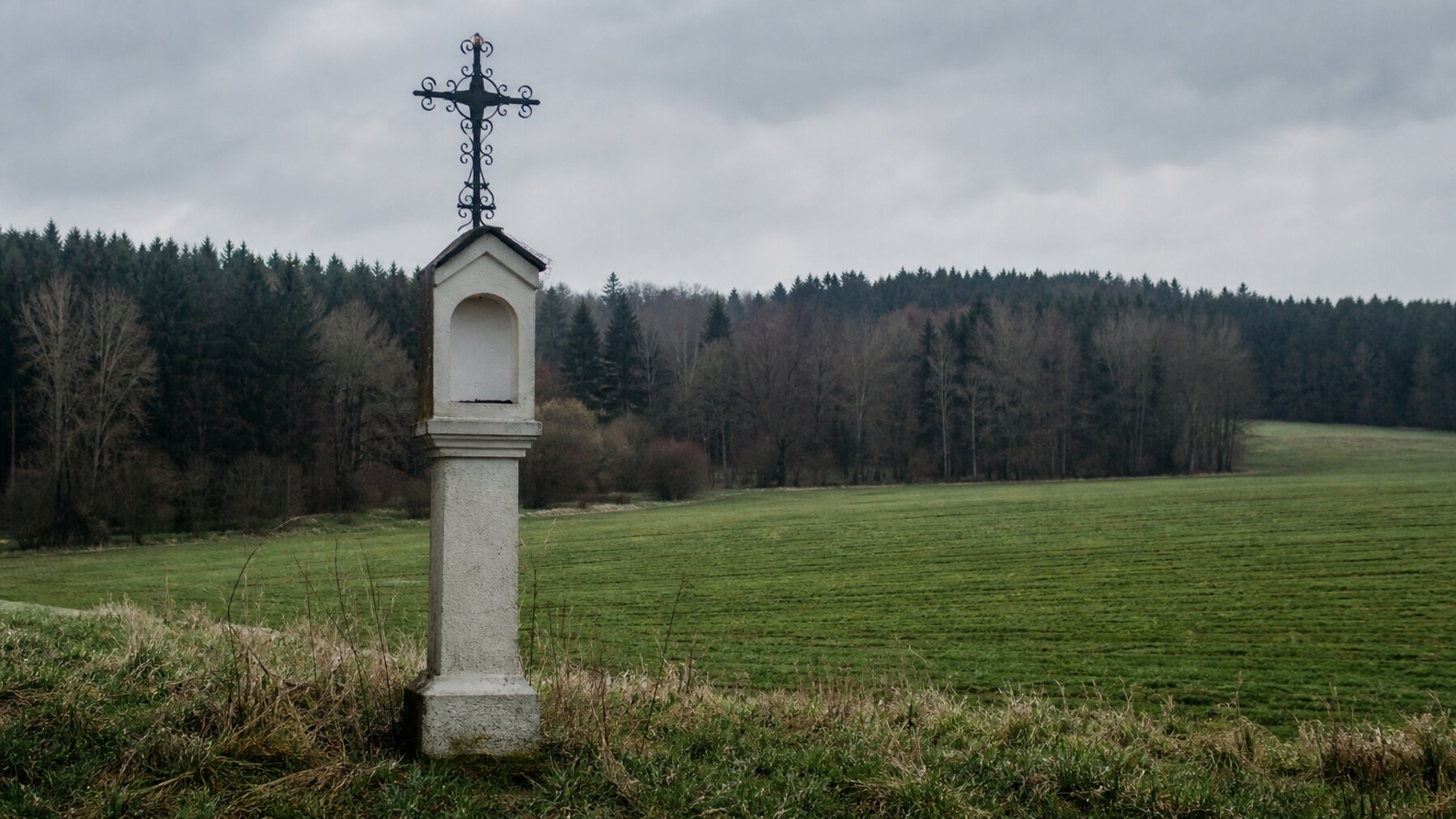
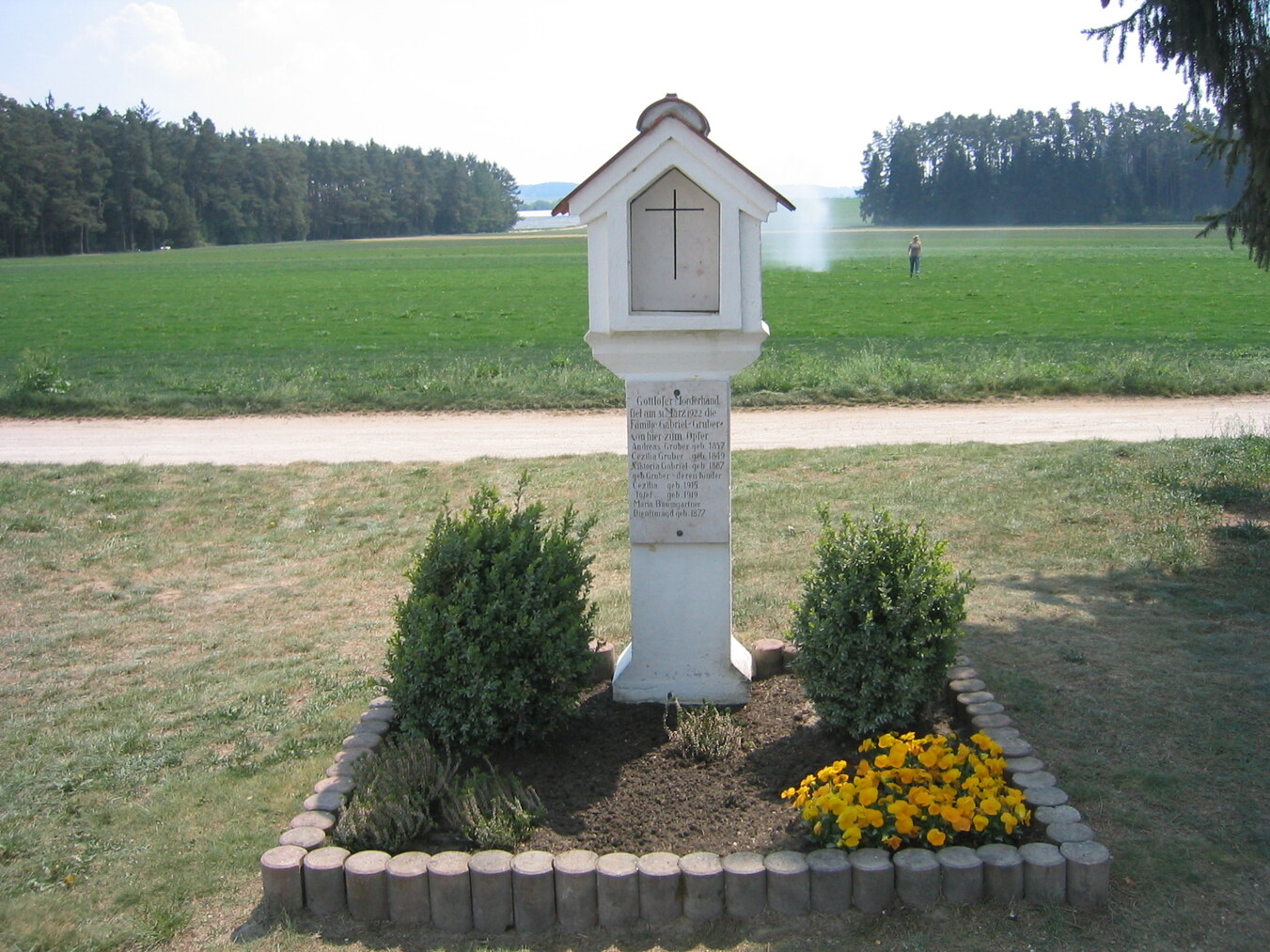
Today, a memorial cross marks the general area near the old farm. It stands in a quiet field where the buildings no longer exist, where the snow has melted and fallen a hundred times since Andreas Gruber first saw the tracks.
The footprints that led in are gone. The question they left behind is not.
Archival Case Gallery
Sources & Case Notes
- Last updated: May 17, 2026.
- Primary sources and case notes: reporting and archival context from Süddeutsche Zeitung on the 90th anniversary of Hinterkaifeck, Süddeutsche Zeitung on Lorenz Schlittenbauer and the case's long shadow, Münchner Merkur coverage of Bavarian State Archives material, the German case archive Hinterkaifeck.net, and modern theory context from Bill James and Rachel McCarthy James's The Man from the Train.
- Case-status note: The Hinterkaifeck murders remain officially unsolved. Lorenz Schlittenbauer, Karl Gabriel, the Gump brothers, Paul Mueller, and other named figures should be treated as suspects or theories only; no one was convicted.
- Correction policy: For corrections or media inquiries, contact Anonymous369 Media.
- Image credits: Article visuals include Anonymous369 Media documentary recreations and an archival case gallery using Wikimedia Commons materials: Andreas Biegleder, Hinterkaifeck-Hof.jpg (public domain), and Andreas Keller, Hinterkaifeck-Marterl.jpg (copyrighted free use).
- Content warning: This article contains non-graphic discussion of a historical mass murder involving children, blunt-force violence, and a documented incest conviction.