
The Voice on the Line: How the Freeway Phantom Hunted D.C.
Between 1971 and 1972, six Black girls and young women were abducted and killed around Washington, D.C. The Freeway Phantom left phone calls, a dictated note, and a trail of evidence that a fractured system failed to preserve.


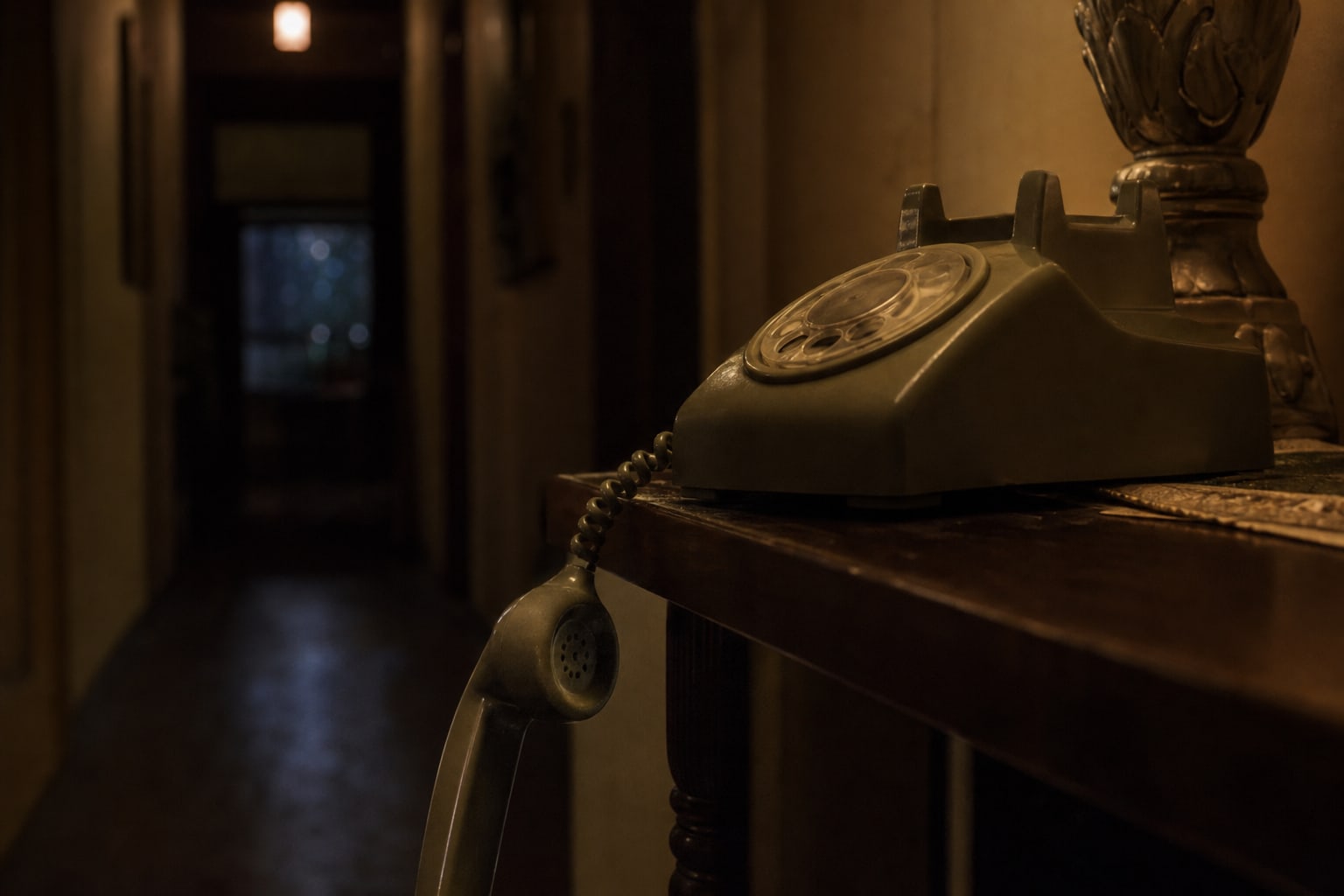
On the humid evening of July 27, 1971, the telephone rang inside a home in Northwest Washington, D.C.
The family of ten-year-old Brenda Faye Crockett had already been searching for her for hours. Brenda had been sent to a nearby Safeway before dark, an ordinary errand in a city neighborhood where children were still expected to move through familiar streets and come home when called. But the light had gone out of the day, and Brenda had not returned.
At about 9:20 p.m., her seven-year-old sister, Bertha, answered the phone.
Brenda was on the other end, crying.
According to accounts of the call, she said a white man had picked her up, that she believed she was in Virginia, and that she was heading home in a cab. Then she abruptly said goodbye and hung up.
The phone rang again a few minutes later. This time, Brenda's stepfather answered. Brenda repeated parts of the same story, but the call changed shape. She asked whether her mother had seen her. She indicated that she was in a house with a man. When her stepfather demanded that the man come to the phone, he heard heavy footsteps in the background.
Brenda said, "I'll see you."
The line went dead.
At 5:50 the next morning, a hitchhiker found Brenda's body along U.S. Route 50 in Maryland. She had been left in a conspicuous place, close enough to the road to be found quickly. Investigators would come to believe that the calls had not been a route home at all. They were a script, forced through a terrified child in order to misdirect her family and the police across state lines.
That was the cruelty of the voice on the line.
It sounded like hope.
It was delay.
Brenda Crockett was not the first child to disappear, and she would not be the last. Between April 1971 and September 1972, six Black girls and young women were abducted and killed in and around Washington, D.C. Their bodies were found near highways, hospital grounds, access roads, and Maryland borders, close enough to traffic that the killer seemed to understand movement as protection.
The public would come to know him as the Freeway Phantom.
More than fifty years later, no one has been charged with those murders. The Metropolitan Police Department continues to list the case as open, with a reward of up to $150,000 for information.
The Freeway Phantom case is often described as one of D.C.'s first recognized serial murder investigations. But it is also something harder to sit with: a record of children taken from ordinary errands, families forced to search without trust, police agencies split by jurisdiction, evidence lost before modern testing could reach it, and a city that was also serving as the stage for national crisis.
The killer moved through that fractured world.
Then he disappeared into it.
The Assumption That Cost Time
The first confirmed victim was thirteen-year-old Carol Denise Spinks.
On April 25, 1971, Carol left home in Southeast Washington to buy groceries at a nearby store in Maryland. When she did not come back, her mother, Allenteen Van Thompson Reeves, contacted police. Carol's family knew her routine. They knew she was not the kind of child who would simply vanish and stay gone.
The initial response did not match their alarm.
Modern reporting and later analysis of the case have emphasized a pattern that harmed missing Black girls in the era: when young girls and teenagers disappeared, they were too often treated first as runaways, as trouble, as voluntary absences, or as family problems rather than as possible victims of violence. The Freeway Phantom case would become one of the clearest examples of how that assumption can steal the earliest, most important hours.
Carol's family searched on their own while the official response moved slowly.
At the same time, Washington was being pulled into a separate emergency. The Mayday antiwar protests of 1971 brought massive demonstrations, blockades, and preventive arrests into the capital. More than 12,000 protesters were arrested over several days, one of the largest mass-arrest operations in American history. Police resources were stretched across the city, with officers redirected toward protest control and mass detention logistics.
That does not make the Freeway Phantom murders part of a conspiracy.
It does make them part of a pattern of distraction.
While Washington's political center was consumed by national spectacle, a child from Southeast was missing. On May 1, 1971, Carol's body was found behind St. Elizabeths Hospital, near the northbound lanes of Interstate 295. She had been held for days before she was killed.
The location mattered immediately. St. Elizabeths was a sprawling psychiatric hospital with old grounds, hidden edges, and fast access to the highway. A driver could leave a body and reenter traffic quickly. The site suggested someone who knew the geography, or at least understood how to use its blind spots.
The Freeway Phantom had found a corridor.
The city had not yet admitted it was being hunted.
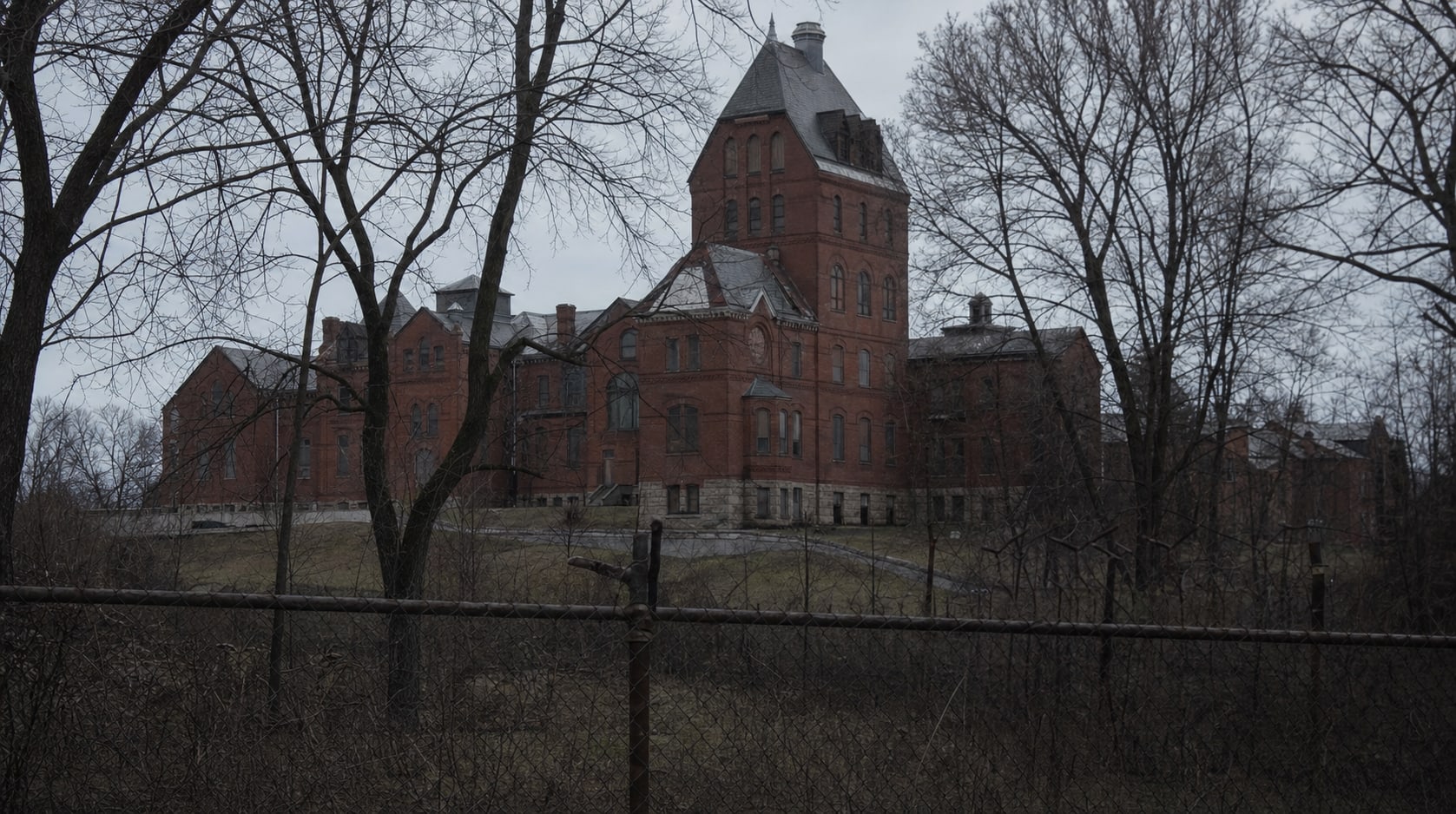
The Highway Behind St. Elizabeths
On July 8, 1971, sixteen-year-old Darlenia Denise Johnson left her home to walk to a summer job at the Oxon Hill Recreation Center. She lived in the same broader Southeast world where Carol Spinks had disappeared.
Witness accounts reportedly placed Darlenia in or near an older dark car after she vanished. During the search, her mother received anonymous calls. In one account, a caller said he had killed her daughter and hung up.
Eleven days after Darlenia disappeared, her remains were found near the I-295 corridor, only a short distance from where Carol Spinks had been recovered.
By then, coincidence was collapsing.
Two girls from connected neighborhoods. Two disappearances. Two bodies found along the same highway geography near St. Elizabeths. The investigation began to harden around the possibility of one predator, someone who could approach girls in daylight or early evening, move them through the city, and use the freeway as both route and stage.
The body sites were not hidden deep in remote woods. They were placed near public movement: an embankment, a road edge, a hospital boundary, a shoulder. That choice carried its own message. The killer was not merely disposing of victims. He was placing them where discovery was likely.
The Phantom was still anonymous.
But he was no longer silent.
Brenda Crockett's Calls
Brenda Crockett's abduction changed the emotional temperature of the case.
She was ten years old, younger than the others, and her family had heard her alive after she vanished. That made the crime feel almost unbearable in a different way. She had not simply disappeared into silence. She had been allowed to speak, but only inside the narrow space her captor controlled.
The details of the call are still some of the most haunting in the Freeway Phantom record. The story Brenda gave did not help police find her. It sent them in the wrong direction. Her reference to Virginia, the claim that she was coming home in a cab, and the abrupt end of the call all suggest manipulation rather than free communication.
The killer understood the telephone as a weapon.
He used Brenda's own voice to create confusion.
After her body was found along Route 50 in Maryland, the investigation expanded again. The abductions were occurring in Washington. Some recoveries were in Maryland. Different agencies held different pieces: the Metropolitan Police Department, Prince George's County authorities, Maryland agencies, and eventually federal investigators.
In the 1970s, those boundaries mattered even more than they do now. There were no shared digital case systems, no rapid DNA databases, no instant cross-jurisdictional evidence dashboards. Information moved through phone calls, paper files, meetings, memory, and personal trust.
The Freeway Phantom moved faster than the institutions trying to name him.
The Name He Adopted
On October 1, 1971, twelve-year-old Nenomoshia Yates was abducted while walking home from a Safeway in Northeast D.C. Her groceries were found scattered in the store's parking lot. Within hours, her body was discovered off Pennsylvania Avenue in Prince George's County, Maryland.
The pattern was now public enough to terrify the city. Children were being taken from ordinary errands. Families were warning one another. Neighborhood memory was turning sharp. News coverage began giving shape to the unidentified killer, and the label "Freeway Phantom" entered the case through media coverage after Nenomoshia's death.
The name mattered because the killer appears to have noticed it.
On November 15, 1971, eighteen-year-old Brenda Denise Woodard disappeared after having dinner with a classmate and taking public transportation home. Her body was found the next morning near the Prince George's County Hospital area. Her case differed from the others in several ways: she was older, she had signs of a more violent struggle, and she was one of the exceptions to the pattern of missing shoes.
The most important difference was the note.
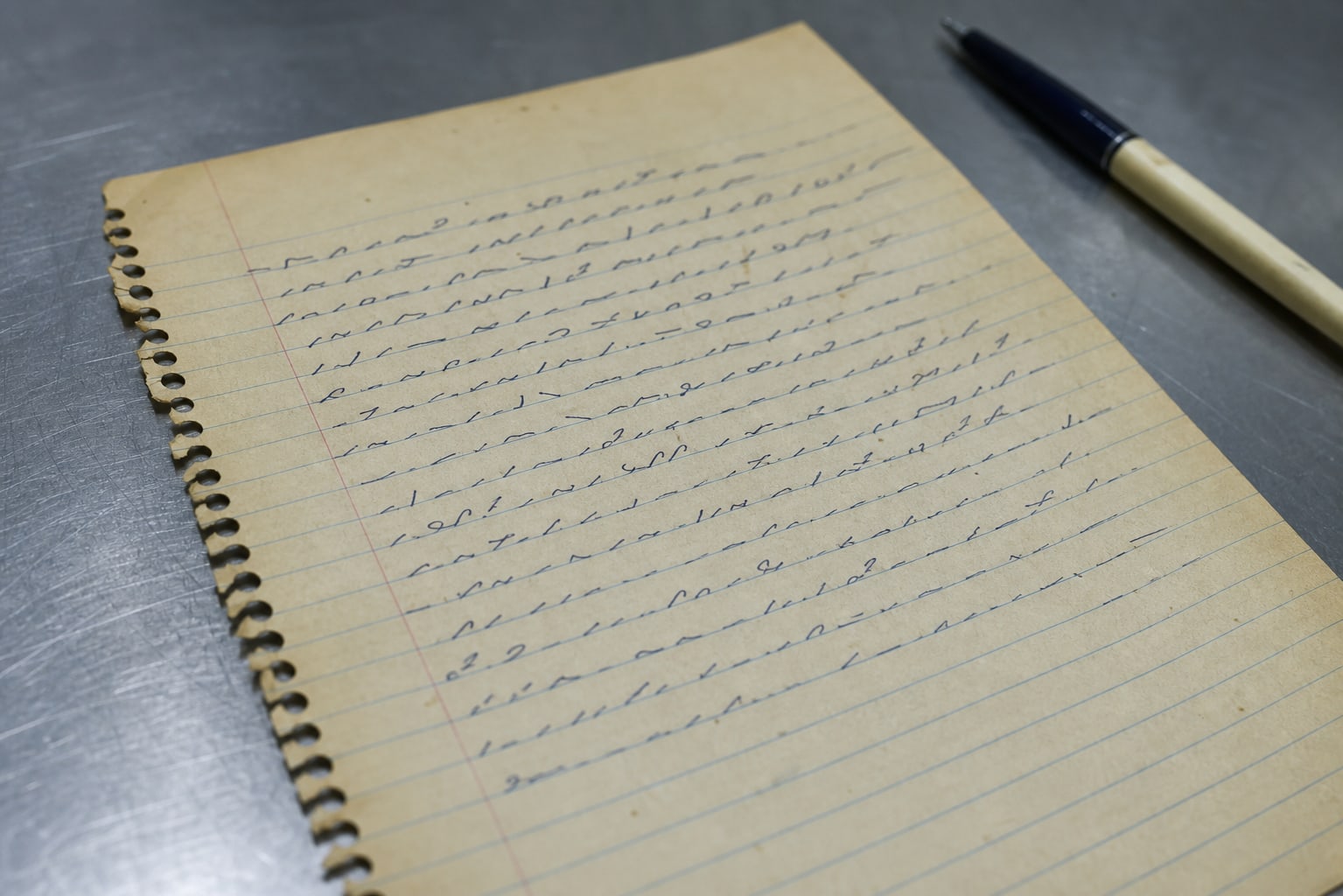
A coat had been placed over Brenda Woodard, and inside one pocket investigators found a handwritten message. Authorities determined that the note had been written by Brenda herself on paper from her school notebook, apparently dictated by her captor.
It included the line: "I will Admit the others wheN you cAtch me iF you cAn!" and it was signed "FRee-wAy PhanTom."
The note was a confession without a name. It showed that the killer was following coverage closely enough to use the media-given moniker. It also showed something colder: he could force a victim to write his performance for him.
Some accounts also report a shorter note near Carol Spinks containing a phrase about being "tantamount" to insanity. Source details around that alleged first note vary, so it should be treated cautiously. The Brenda Woodard note, however, is central to the case record and appears consistently across major accounts.
The word "tantamount" would later matter for another reason.
It would point investigators toward a man they could never charge.
Evidence That Slipped Away
The Freeway Phantom investigation developed clues, but many of them arrived inside the limits of 1970s forensics.
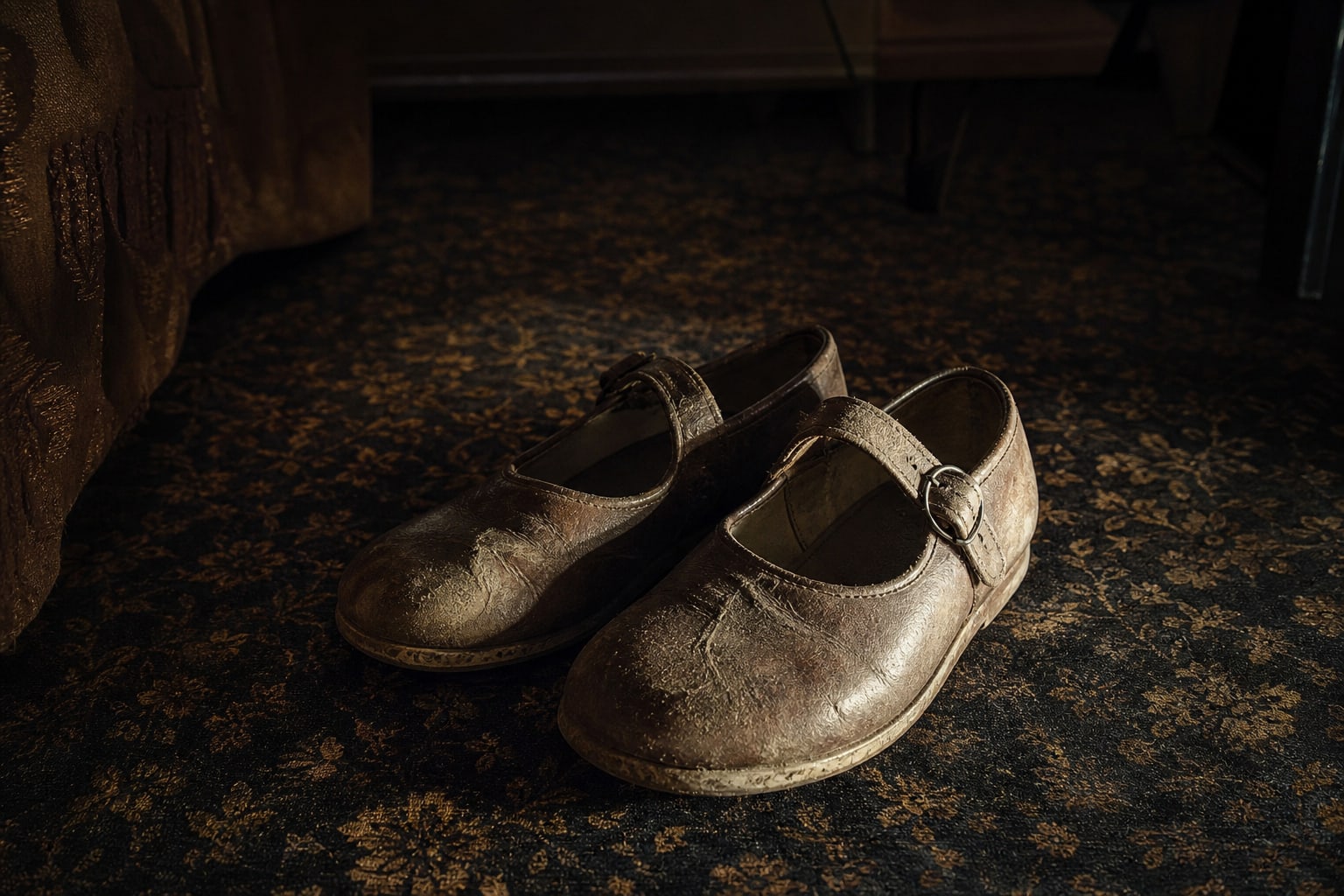
Reports over the years have described green synthetic or carpet-like fibers recovered from victim clothing, suggesting a shared environment, vehicle, or interior space. Investigators also noted that most of the victims were found without shoes, though not all. Diane Williams and Brenda Woodard were exceptions in major accounts. The missing footwear became part of the killer's suspected behavioral signature, possibly a trophy pattern, but that remains an interpretation rather than a proven motive.
Other forensic possibilities were more fragile.
Investigators believed the killer may have washed or cleaned victims before leaving them, which would have reduced biological trace evidence even further. In a modern case, DNA might still survive in small amounts. In the early 1970s, the tools were far more limited, and evidence handling across agencies was uneven.
Jurisdiction made the problem worse. The victims were abducted in D.C.; several were found in Maryland. Police departments, state authorities, and the FBI all touched parts of the investigation. That kind of task force can work when information flows cleanly. But the Freeway Phantom case developed in an era of paper records, competing agency cultures, and neighborhoods that already had reasons not to trust police.
The killer exploited geography.
The system multiplied the distance.
Suspects In The Shadows
Over the decades, investigators explored a series of suspects and theories. None has produced a charge in the Freeway Phantom murders.
One lead involved men associated in reporting with the so-called Green Vega Gang, a group tied to abductions and sexual assaults in the Washington region. In 1974, a prison inmate named Morris Warren claimed to have information about the Phantom case. Investigators tested his claims, but his details reportedly proved inconsistent and unreliable. The lead damaged prosecutions in other cases more than it clarified the Phantom murders.
Other possible cooperation leads also collapsed. That pattern is important because it shows the investigative atmosphere: police were desperate for someone inside the world of known predators to give them a usable name, but desperate information is not the same thing as evidence.
The most persistent named suspect in public accounts is Robert Elwood Askins.
Askins was a computer technician with a long history of violence against women. Decades before the Freeway Phantom murders, he had been convicted or charged in violent crimes, including the poisoning death of one woman and attacks on others. He had been committed to St. Elizabeths Hospital, giving him a documented connection to the same institutional grounds near which early victims were found.
In the late 1970s, after Askins was arrested in another abduction and rape case, detectives searched him in connection with the Freeway Phantom investigation. Public accounts report that investigators found legal documents containing the word "tantamount," the same unusual word associated with the Phantom note evidence. Former colleagues also reportedly said Askins used the word in ordinary speech.
That was troubling.
It was not proof.
Investigators searched Askins's home, vehicle, and property, but they did not recover the physical evidence needed to connect him to the Freeway Phantom murders. Askins denied involvement. He was never charged in the case and died in federal prison in 2010 while serving time for other crimes.
The careful wording matters. Askins was a suspect. He was not legally established as the Freeway Phantom.
The case still has no named offender.
The Last Known Victim
After Brenda Woodard's death, the murders stopped for about ten months.
Then, on September 5, 1972, seventeen-year-old Diane Denise Williams disappeared after leaving her boyfriend's home in Southeast Washington. Her body was found the next day near I-295.
She is generally treated as the sixth and final confirmed Freeway Phantom victim.
By then, Washington was entering another national crisis. The Watergate scandal was beginning to consume federal attention and political reporting. Again, that does not mean Watergate caused the investigation to fail. But it helps explain the atmosphere around the case: in the capital, local pain is often forced to compete with national emergency.
The families of the Freeway Phantom victims were not living inside a headline about constitutional crisis. They were living with empty bedrooms, unanswered calls, and children who had left for groceries, work, school, dinner, or a visit and never returned alive.
Carol Denise Spinks.
Darlenia Denise Johnson.
Brenda Faye Crockett.
Nenomoshia Yates.
Brenda Denise Woodard.
Diane Denise Williams.
Their names belong at the center of the case, not at the edge of the killer's mythology.
The Files That Vanished
In the 1980s, former MPD homicide detective Romaine Jenkins tried to rebuild the Freeway Phantom investigation. What she found was another wound inside the case.
Major portions of the original investigative record had been lost, discarded, or destroyed. Forensic evidence and case files that might have mattered in a DNA era were gone or incomplete. Some material had reportedly been misplaced in storage. Some evidence had been purged under assumptions that the case was too old or no longer useful.
That decision is now one of the central tragedies of the investigation.
Cold cases often depend on patience. A fiber, a swab, a fingernail scraping, a handwritten note, a preserved envelope, a hair root, a microscopic stain: what means little in one decade can become decisive in another. The Freeway Phantom case reached the age of modern DNA testing without all of the evidence it needed to take advantage of it.
The killer took six lives.
The system lost part of the record.
That is why the case still feels less like a closed file than an open absence. The Freeway Phantom did not simply avoid capture in 1971 and 1972. He was protected, over time, by assumptions, boundaries, delay, lost evidence, and a public memory that too often lets missing Black girls disappear twice: once from the street, and again from the center of the story.
More than fifty years later, the reward remains open. The case remains unsolved. The families still do not have the answer every investigation is supposed to pursue until there is nowhere left to look.
Somewhere in the wreckage of old files, old calls, old routes, and old failures, the Freeway Phantom left a shape.
The line went dead.
The question never did.
Archival Case Gallery
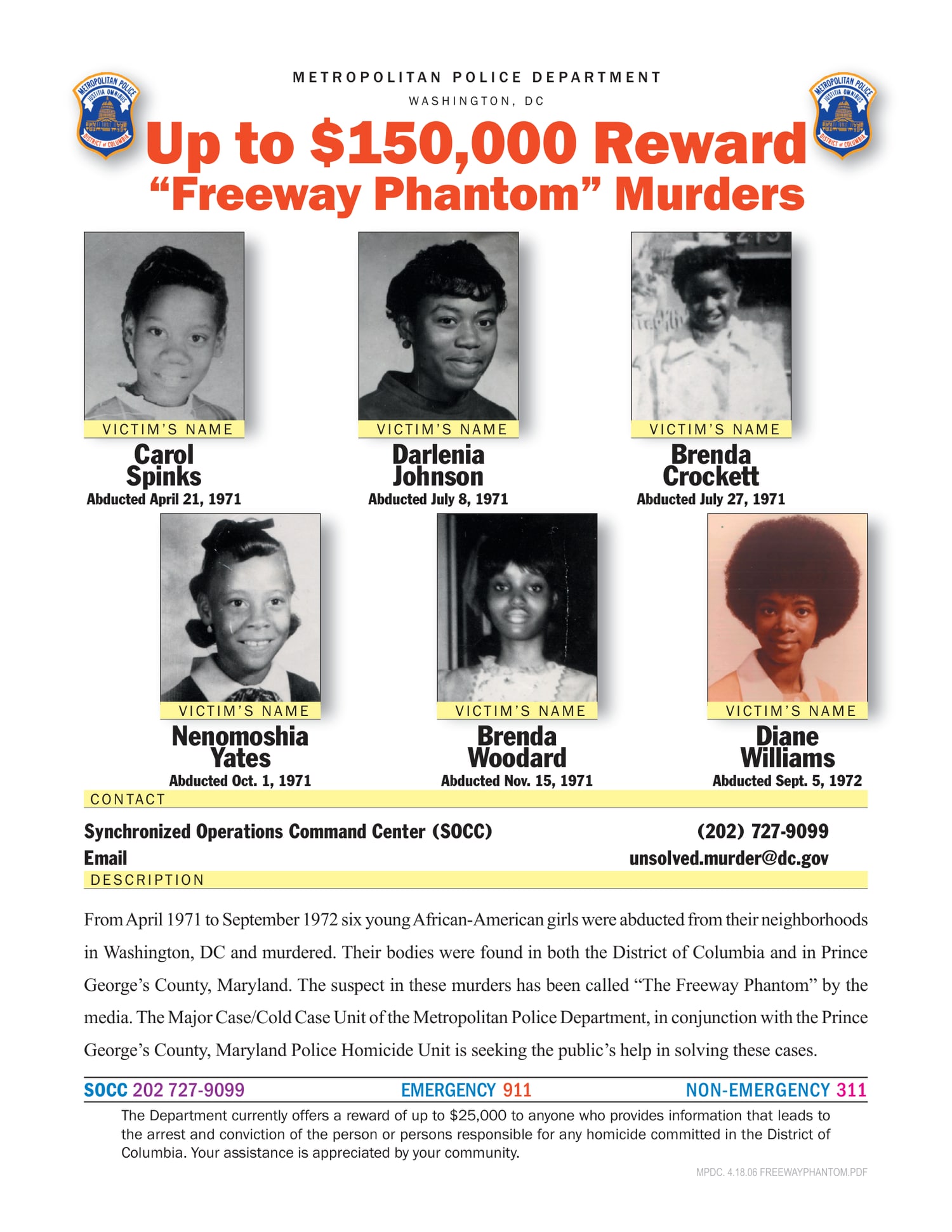
Archival case gallery: official Metropolitan Police Department public-information reward flyer for the Freeway Phantom homicides. Included as official case context and victim identification, not spectacle.
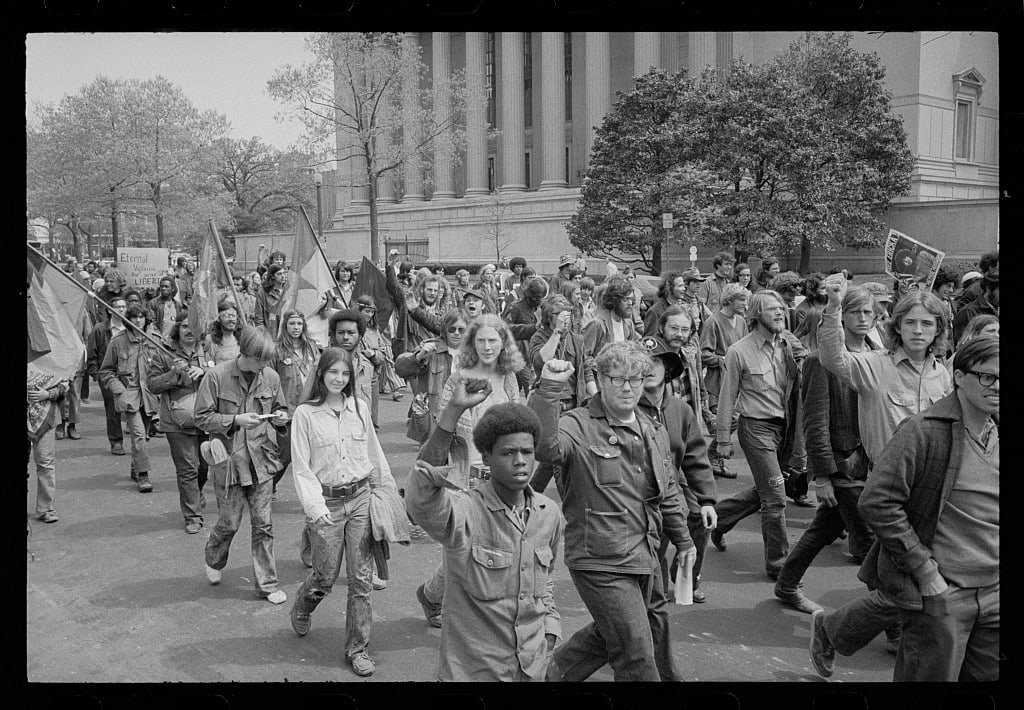
Archival case gallery: May Day 1971 protest activity in Washington, D.C., photographed by Warren K. Leffler for U.S. News & World Report. Library of Congress rights advisory: no known restrictions on publication.
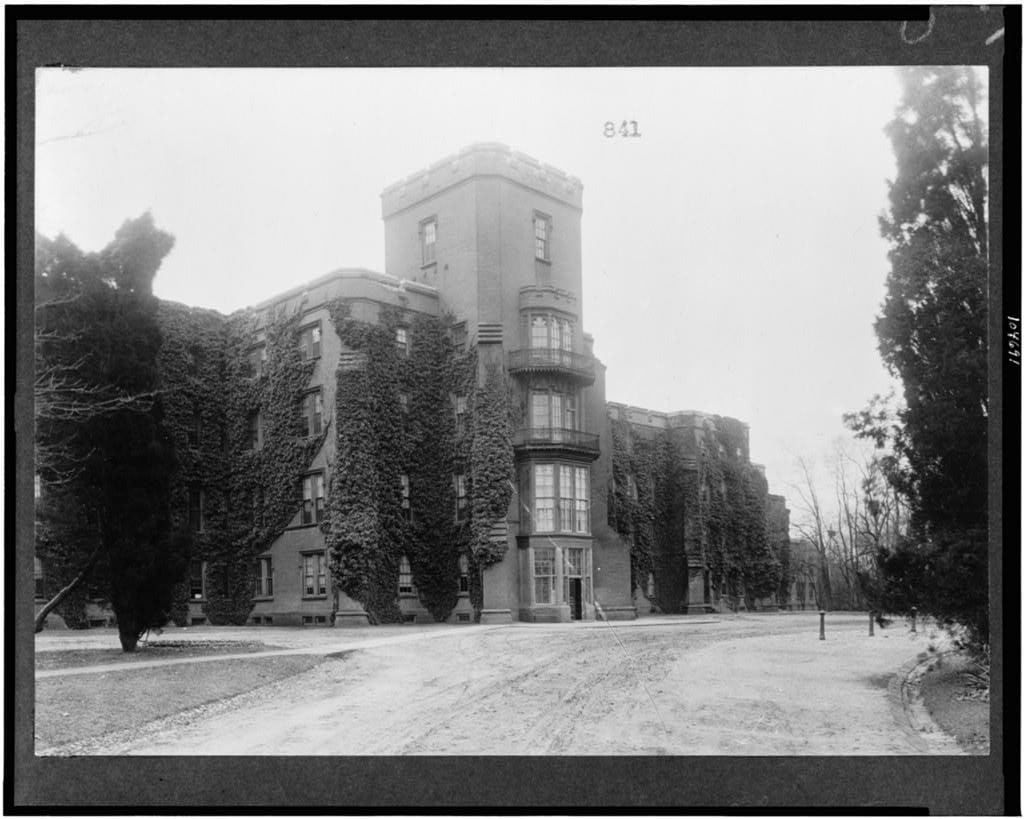
Archival case gallery: St. Elizabeth's Hospital in Washington, D.C., a geographic anchor in the early Freeway Phantom body-recovery sites. Public-domain Library of Congress / National Photo Company image via Wikimedia Commons.
Sources & Case Notes
Last updated: May 24, 2026.
Primary sources: This article was checked against the Metropolitan Police Department's public Freeway Phantom homicide victims page and official reward flyer; WETA Boundary Stones' 2025 historical overview; Washingtonian's 2023 case interview; Georgetown University Library's May Day 1971 protest history; and Washington City Paper reporting on missing FBI/MPD case materials. Some source details vary, including the exact date attached to Carol Spinks's disappearance in older materials and the reported existence of an earlier "tantamount" note. The Brenda Woodard note, the six-victim pattern, the open case status, and the lack of charges remain the safest anchors.
Correction policy: Corrections, source documentation, and image-rights concerns can be directed to Anonymous369 Media's contact and media inquiries page.
Image credits: Feature and section images are Anonymous369 Media documentary recreations based on 1970s Washington, D.C., I-295 / Route 50 highway geography, the Brenda Crockett telephone-call evidence, St. Elizabeths-area context, the dictated-note evidence, and the missing-footwear pattern. They are not archival photographs, official evidence images, depictions of victims, or depictions of an identified offender. The Archival Case Gallery uses the official MPD public-information reward flyer; a Library of Congress May Day 1971 protest photograph by Warren K. Leffler with no known publication restrictions; and a public-domain Library of Congress / National Photo Company image of St. Elizabeths.
Content warning: This article discusses the abduction and murder of minors, sexual assault in non-graphic terms, racialized institutional bias, and lost evidence in an unsolved serial murder case.