
The Lost First Hour: How the Burger Chef Murders Went Cold
Four young Burger Chef workers vanished from a Speedway, Indiana closing shift in 1978. The restaurant was cleaned before police understood what they had, and one of America's most haunting cold cases began.


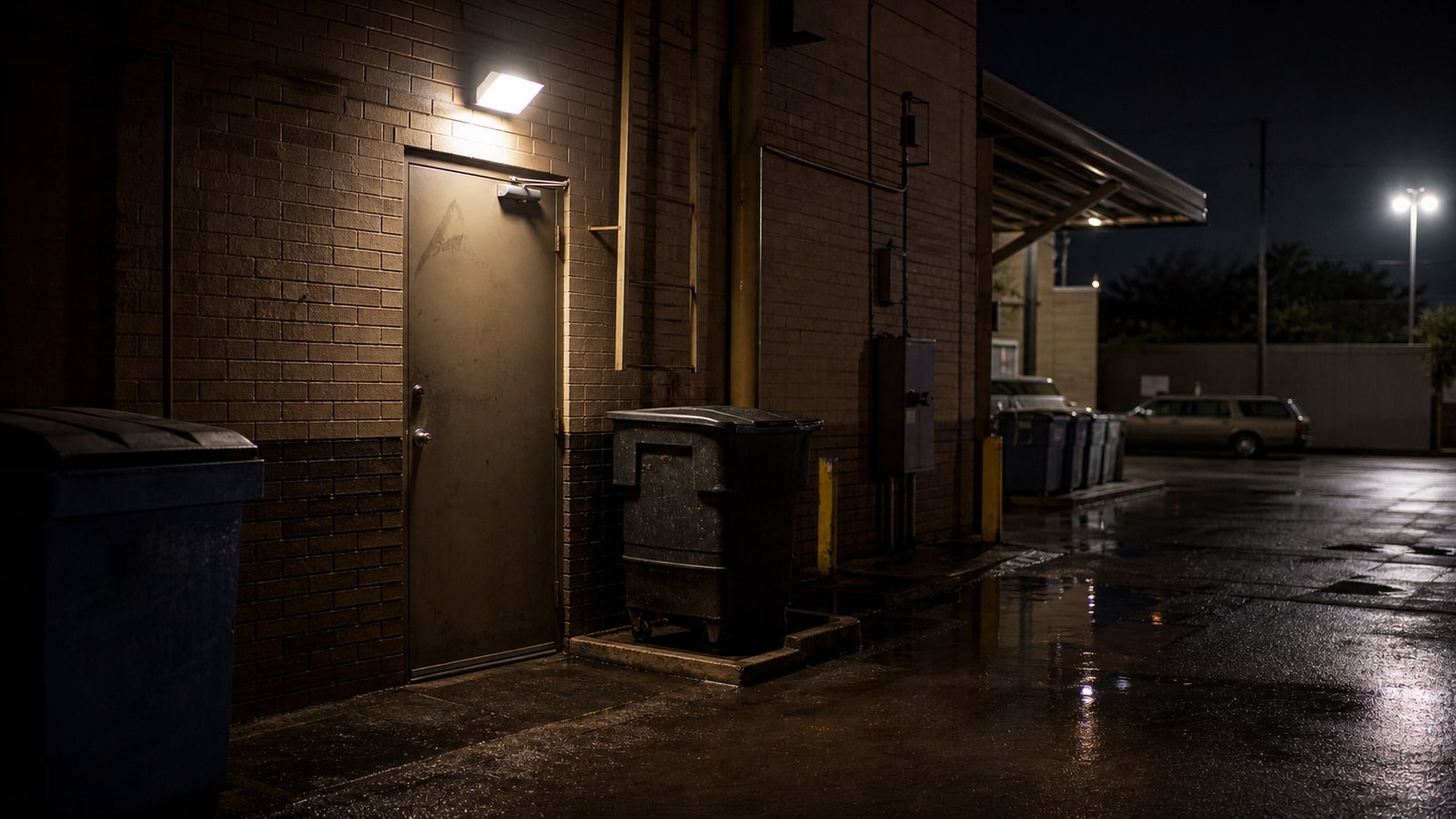
The back door was open just a few inches.
That was the first thing wrong with the Burger Chef on Crawfordsville Road. Not the safe. Not the register drawers. Not the missing cash. The door.
In Speedway, Indiana, on the night of November 17, 1978, a fast-food restaurant after closing should have looked boring. Chairs pushed in. Floors mopped. Teenagers finishing the kind of late shift that smells like fryer oil, paper hats, and the weekend waiting just beyond the parking lot. Outside, the neon sign kept throwing its color onto the dark suburban asphalt.
But sometime after midnight, an off-duty employee arrived and found the restaurant suspended in the wrong kind of silence.
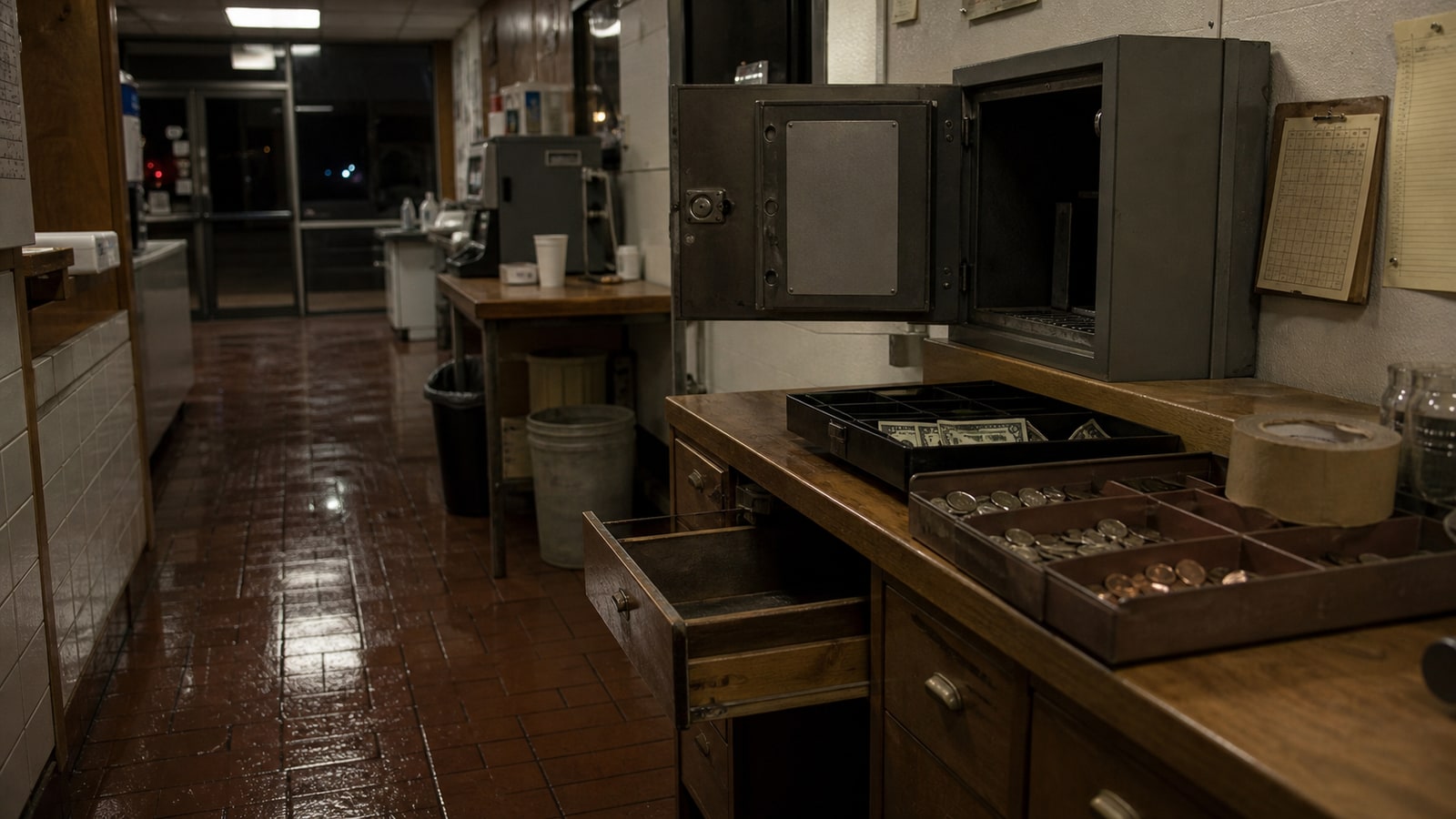
The lights were still on. The safe was open. The cash drawers had been pulled out. The bills were gone, though coins remained. Purses and coats were still inside, left behind on a cold November night when no one would casually walk away without them.
And the four young people who had been closing the store were gone.
Jayne Friedt. Ruth Ellen Shelton. Daniel Davis. Mark Flemmonds.
At first, the disappearance was treated as something smaller than it was: a possible employee theft, a joyride, a night of teenage irresponsibility that would correct itself by morning. That assumption would become the first ghost in the Burger Chef murders. Before police understood that they were looking at the beginning of a mass abduction, the restaurant was cleaned and reopened. Whatever trace had been left on counters, floors, handles, registers, tape, doors, or the office was scrubbed into the ordinary business of Saturday morning.
By the time the truth arrived two days later in a Johnson County field, the first crime scene had already been washed away.
The Burger Chef murders are not only an unsolved case. They are a case about how quickly truth can vanish when adults decide the missing young people are probably just being young.
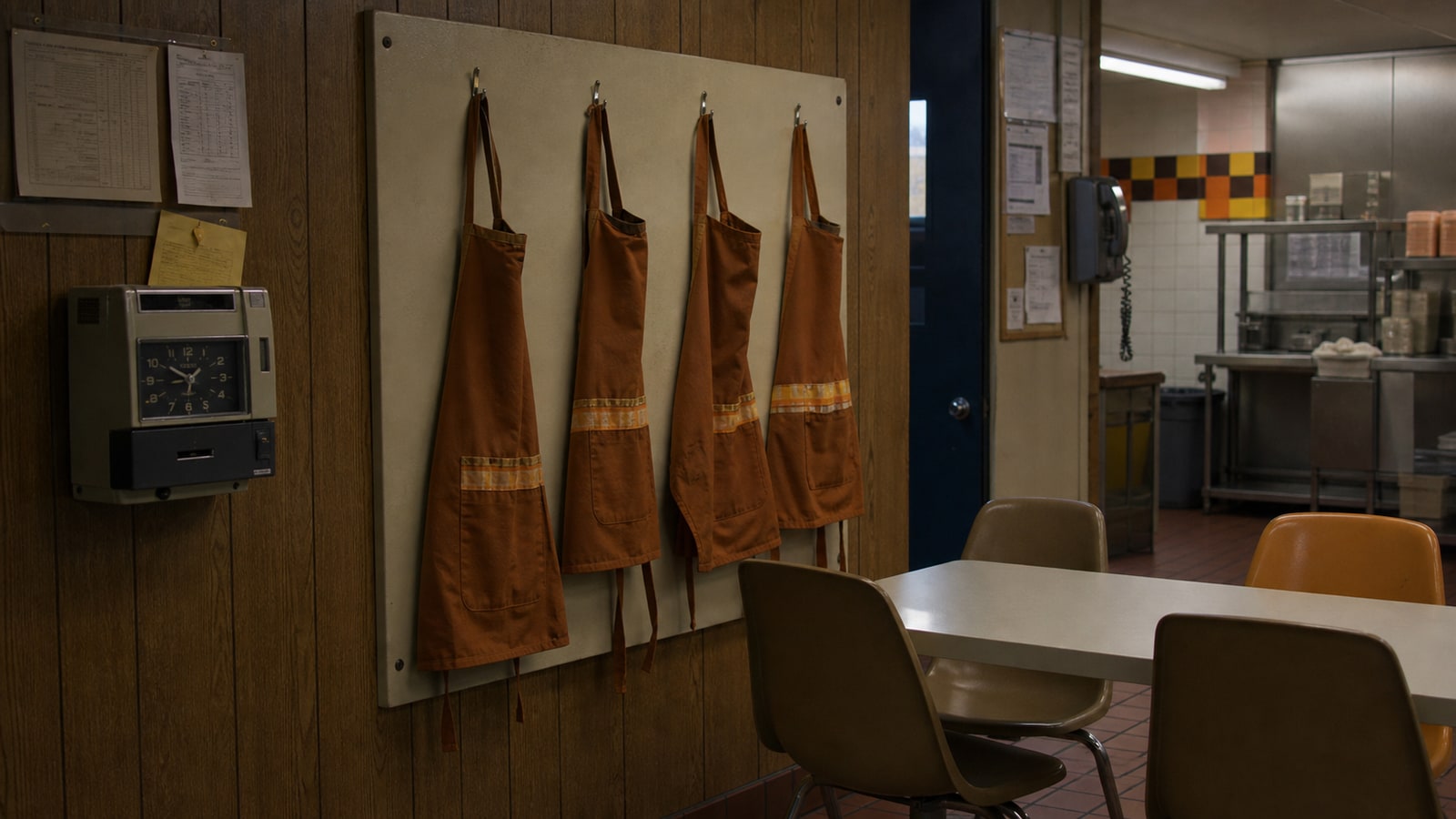
Four Names On A Closing Shift
The Speedway Burger Chef was staffed the way many fast-food restaurants were staffed in the late 1970s: by young people taking part-time work seriously because that was what the job required.
Jayne Friedt was twenty and worked as the assistant manager. She carried responsibility that night: keys, cash, closing duties, the small authority of someone trusted to shut the place down.
Daniel Davis and Mark Flemmonds were sixteen. Ruth Ellen Shelton was still a teenager, remembered by family not as a case file, but as a person with a home, a future, and people waiting for her.
That is where the case begins to hurt. These were not people moving through some hidden criminal world. They were workers at a chain restaurant in a town known more for racing than violence. Their vulnerability was not dramatic. It was ordinary. They were young, they were working late, and someone understood that closing time creates a narrow opening where routine can become a trap.
Later accounts would add another cruel detail: not all of them were supposed to be there in exactly that combination. Some were covering shifts. Some were staying late. The difference between going home and becoming part of Indiana history may have come down to a schedule change, a favor, a few extra dollars, a ride that never happened.
The crime did not begin in a dark alley. It began in the place where families bought burgers.
The Hour Police Could Not Get Back
When officers first arrived, the scene looked like theft. The restaurant manager calculated roughly $581 missing. The safe was open. The registers were empty of bills. Jayne's car was gone.
But there were details that should have argued against a simple runaway theft. Coats and purses remained behind. The back door was open. The employees had not gone home. No parent had seen them. No friend had produced a harmless explanation. The night was cold, and the scene was too strange to explain itself.
Still, the first theory hardened around the idea that four young workers had taken the money and left.
That theory cost the case something it could never recover.
The restaurant was not preserved as a major crime scene. Crime-scene technicians were not immediately called in to process it as an abduction site. According to later reporting, the store was cleaned before proper photographs were taken. Floors were scrubbed. Surfaces were wiped. The business reopened.
The mistake is almost difficult to read because it is so simple. Not complex corruption. Not an elaborate conspiracy. Just a bad assumption made early enough to become permanent.
A detective can rebuild a timeline. A lab can test old evidence. A witness can remember something decades later. But no one can un-mop a floor.
About four hours after the discovery at the restaurant, Jayne Friedt's Chevrolet Vega was found abandoned not far away, near West 16th Street. That should have ended the fantasy of a harmless theft. By then, the case had become what it always was: four young people taken from a closing shift by someone who had no intention of letting them simply go home.
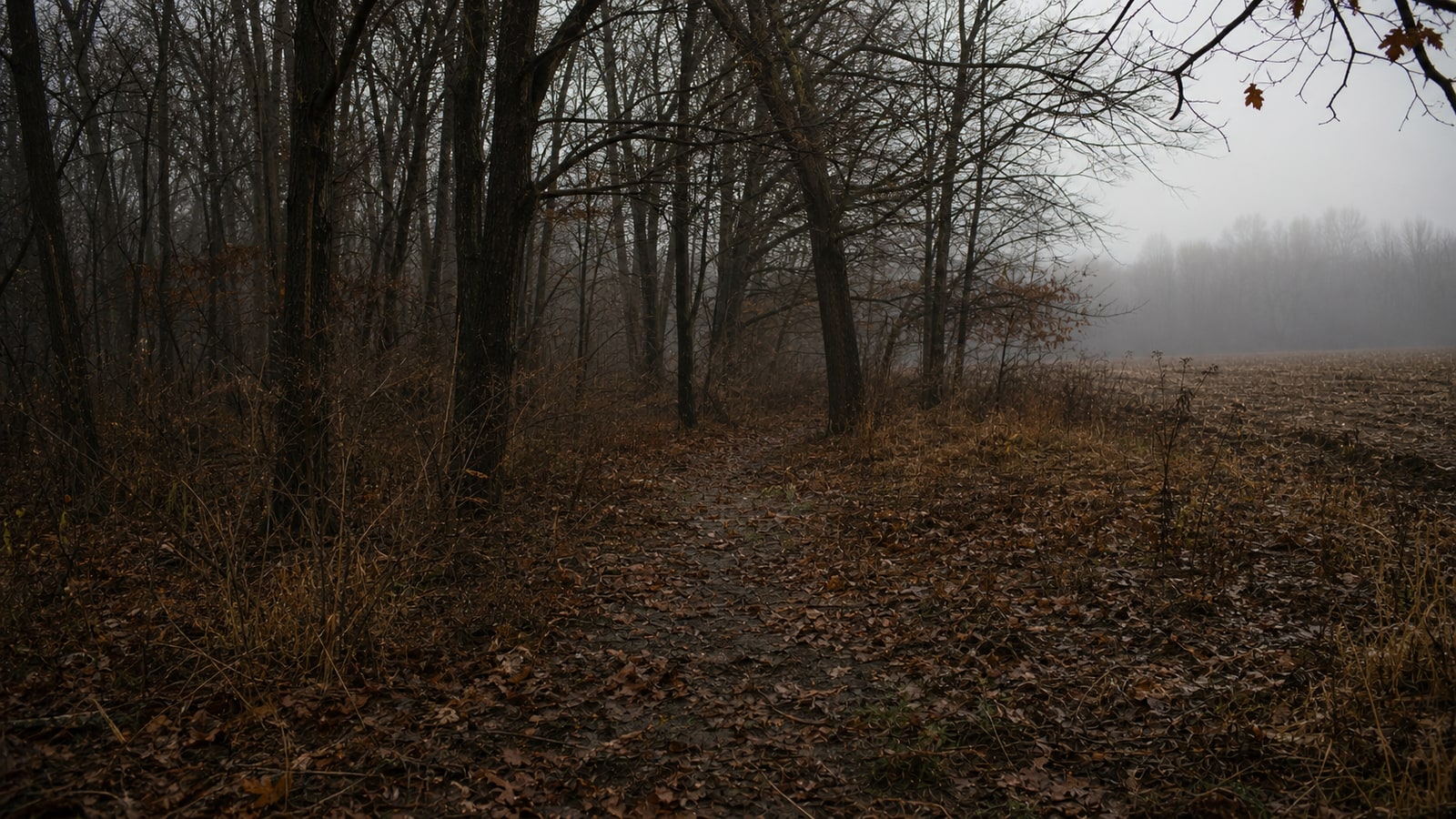
The Woods South Of Speedway
The search ended on Sunday, November 19, in Johnson County.
The bodies were found in a wooded field more than twenty miles from the Burger Chef. It was the kind of place that turns sound into distance: rural, dark, removed from the fluorescent brightness where the night began.
Ruth Shelton and Daniel Davis were found together. They had been shot with a .38-caliber handgun. Jayne Friedt was found some distance away; she had been stabbed, and the blade remained in her body while the handle was missing. Mark Flemmonds was found farther away near a tree. Investigators later said he died from asphyxiation after severe injuries, possibly after running in the dark and collapsing in a position that left him unable to breathe.
Even restrained, the facts are brutal. They also tell investigators something important.
The killings did not look cleanly planned. They looked chaotic. Different methods. Different positions. Different outcomes. A robbery that should have ended with money leaving a cash register had become a kidnapping, then a field execution, then a frantic chase through the dark.
Money and personal items remained with the victims. If robbery was the opening motive, it was not the full shape of what happened. Something changed after the employees were taken. Someone may have been recognized. Someone may have resisted. Someone may have panicked. The record does not prove which moment turned the crime, but the aftermath shows a group that crossed a line and then could not walk backward.
The bodies solved the disappearance.
They did not solve the case.
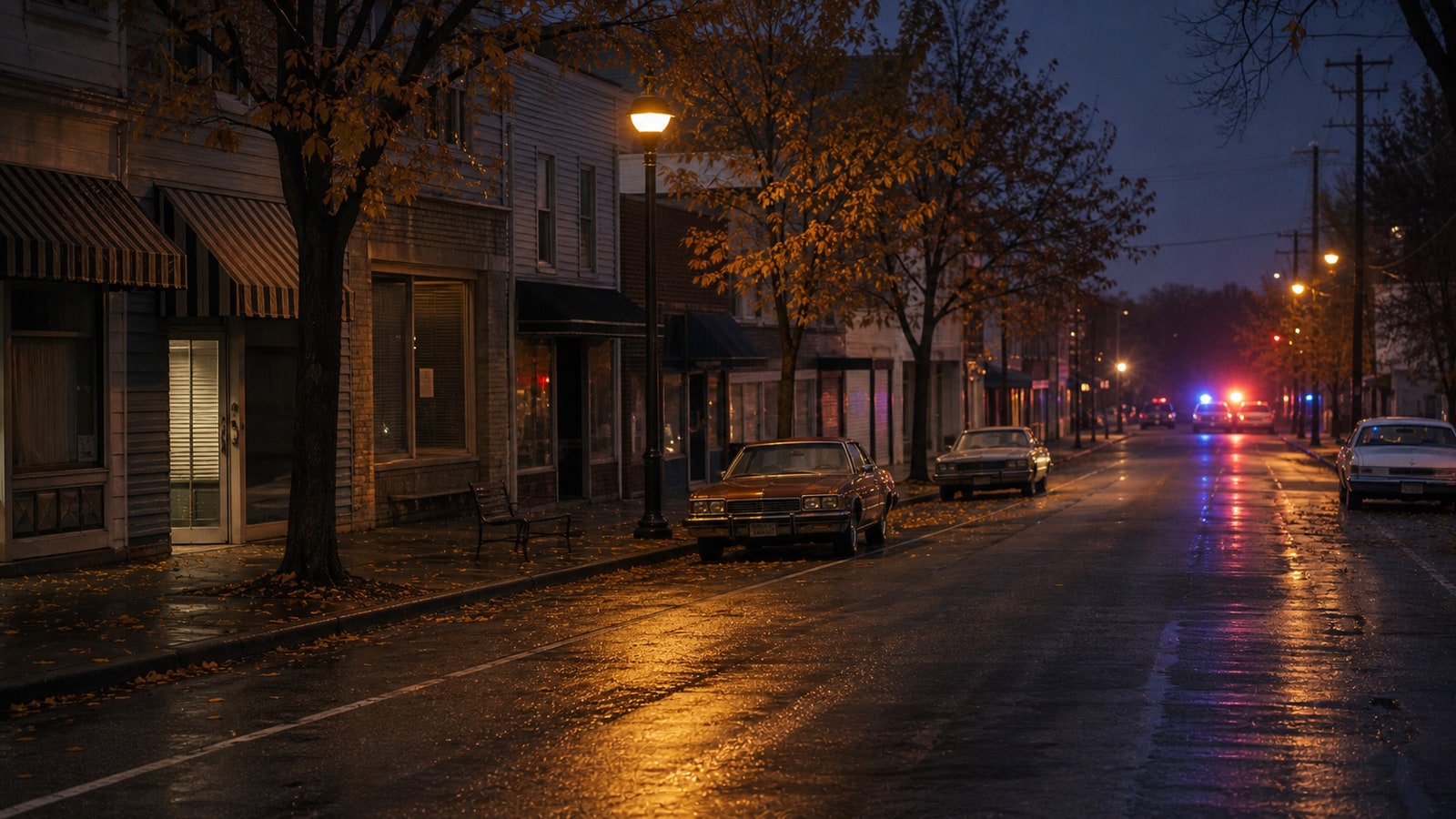
A Town Already Bruised
The Burger Chef murders landed in a town that had already spent the fall learning how quickly safety could fracture.
Speedway was a small community wrapped around one of the most famous racetracks in the world. The Indianapolis 500 gave the town a global name, but daily life still carried the confidence of a place where people recognized streets, schools, businesses, and faces.
Then 1978 turned strange.
That September, a bombing spree struck Speedway over several days. Devices were placed around town, including public places that should have felt ordinary. Brett Kimberlin was later convicted in connection with the bombings, though he has continued to deny involvement. The attacks left the town shaken before the Burger Chef case ever began.
So when four young employees disappeared from a familiar restaurant and were later found dead in another county, the panic did not arrive into a vacuum. It arrived into a community already waiting for the next impossible thing.
That fear matters because public pressure changes investigations. It pushes for answers. It rewards certainty. It makes every rumor feel like oxygen.
But the Burger Chef case did not need more fear. It needed preserved evidence.
Two Men In The Dark
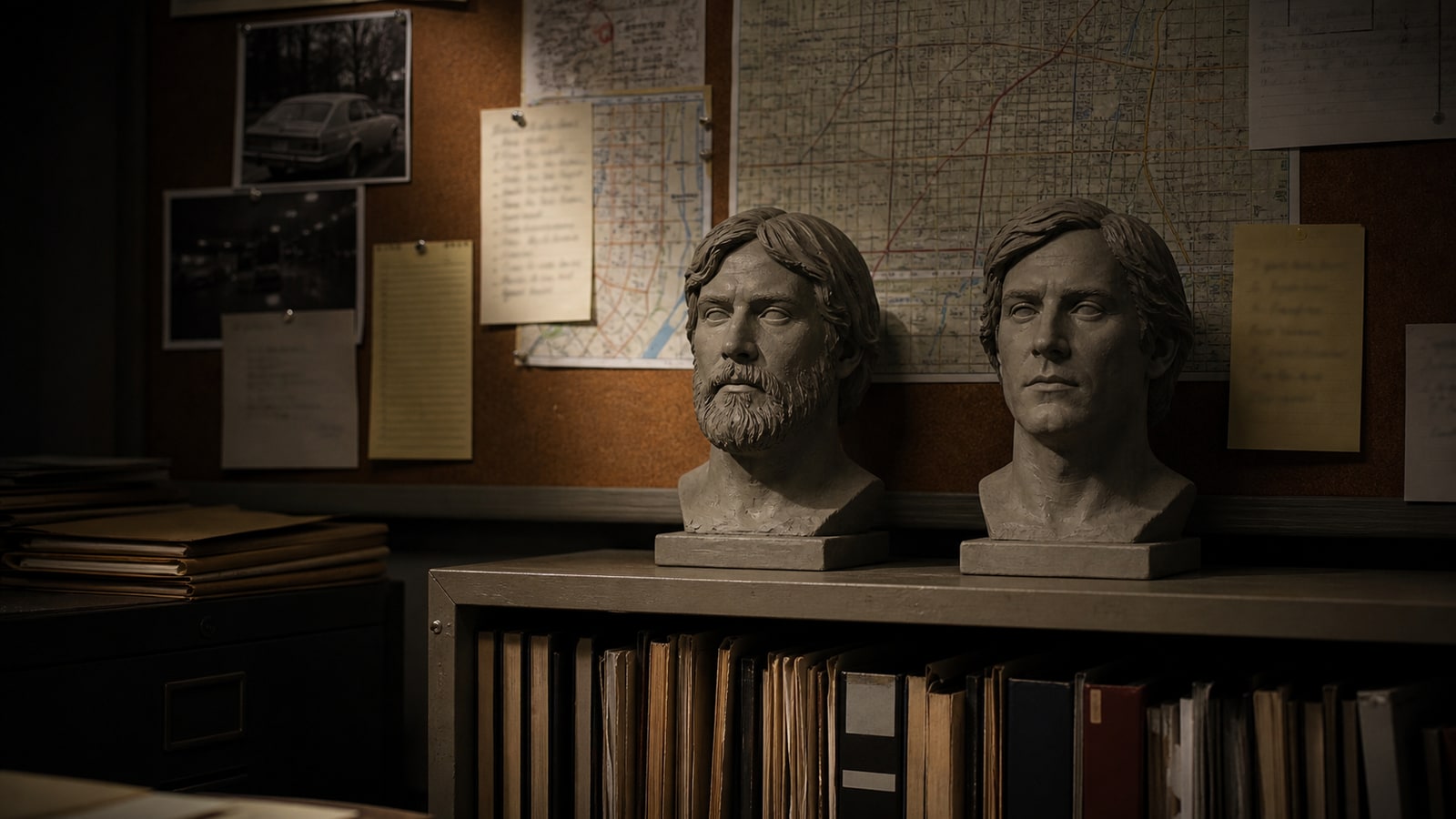
One of the strangest surviving images from the case is not a photograph from the restaurant. It is the pair of clay busts created from witness descriptions.
According to FBI records summarized in later reporting, a witness saw two men near the Burger Chef before the abduction. One was described as bearded, with a heavy mustache. The other was clean-shaven. One of them reportedly approached a young witness and told her to leave because there had been vandalism in the area.
The statement is chilling because of its ordinariness. A man in a parking lot. A false-sounding authority. A reason to move along.
Police sketches came first. Later, clay busts were created with help from Purdue University's art department. They became the faces of the investigation: gray, expressionless, almost theatrical in the way old police work could be both serious and deeply analog.
But a face made of clay is not a name.
The busts generated attention. They did not generate arrests. Over time, they became part of the case's mythology: two figures in the parking lot, close enough to matter, distant enough to remain ghosts.
The Robbery Crew Theory
Of all the theories attached to the Burger Chef murders, the robbery-crew theory has carried the most investigative weight.
Indiana State Police still says the investigation has focused on a group of people committing restaurant robberies at the time. Retired Indiana State Police 1st Sgt. Stoney Vann, who held the case from 1998 until his 2018 retirement, told WRTV that he believed the killers were connected to a small crew suspected in fast-food robberies in the 1970s.
The pattern mattered. According to Vann's theory, the suspects would wait near the back of a restaurant around closing time, ambush an employee, enter through the rear door, clear out the registers, and leave. That kind of method fits the Burger Chef scene with an uncomfortable precision: the open back door, the emptied drawers, the missing bills, the timing around close.
The harder question is why it turned into murder.
Vann believed recognition may have been the pivot. Jayne Friedt had worked at other Burger Chef locations. Mark Flemmonds was reportedly covering a shift that night. If one of the workers recognized one of the robbers, or if the robbers believed they had been recognized, the crime may have changed from theft to witness elimination.
That theory has force. It also has limits.
No one has been arrested. No one has been convicted. Vann himself was careful to call it his theory, not a courtroom fact. That distinction matters. The Burger Chef case has already suffered once from people confusing an early assumption with truth. A responsible telling cannot make the same mistake in a more dramatic direction.
The record can say investigators have focused on a robbery crew.
It cannot say the robbery crew has been proven guilty.
The Confession That Fell Apart
In 1984, the case seemed to move again.
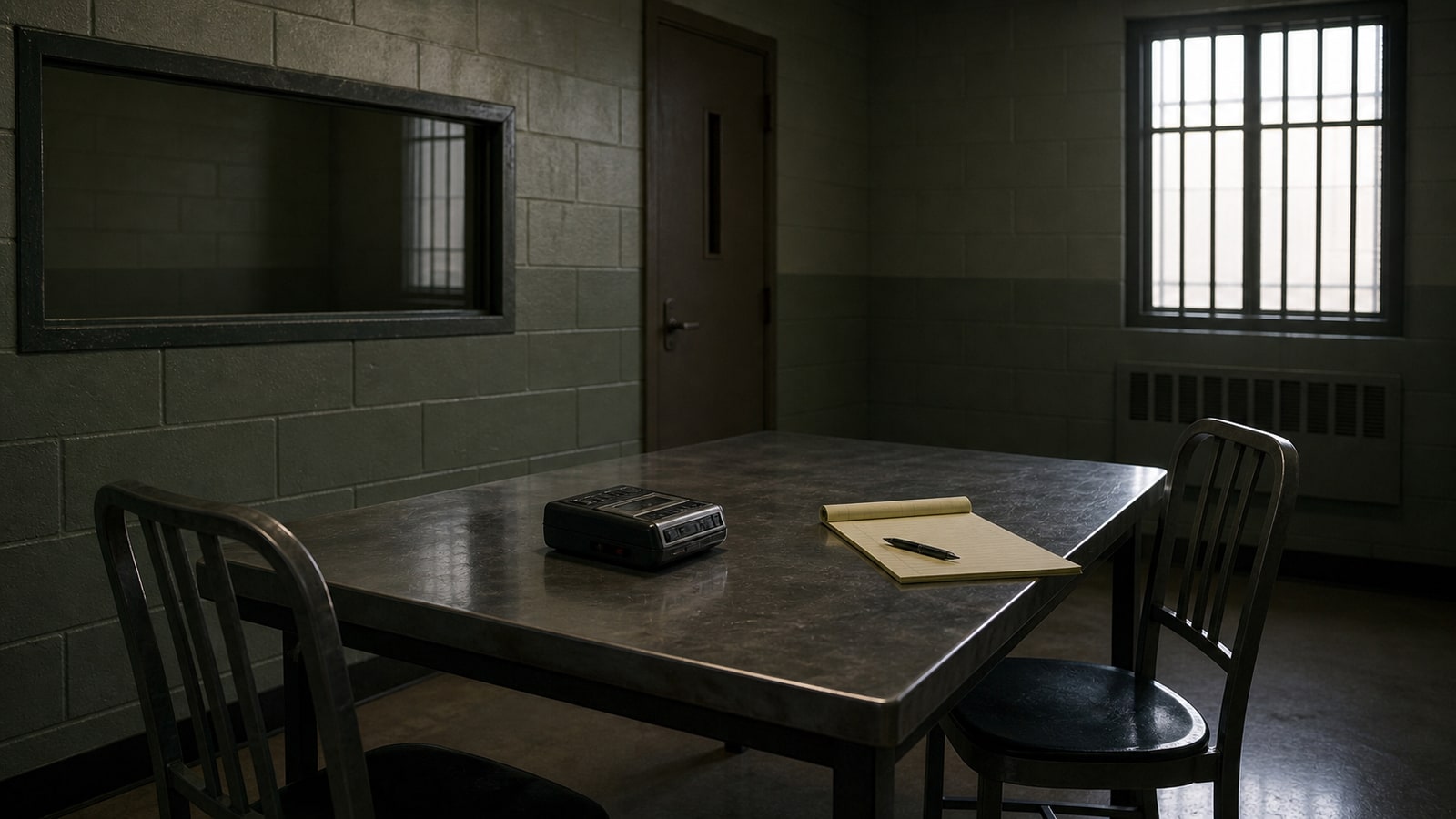
Donald Forrester, an inmate serving a long prison sentence for rape, claimed he had information about the murders. His story pulled the investigation into a different theory: not a simple robbery, but an alleged drug-debt confrontation involving Jayne Friedt's family.
Forrester reportedly gave details that sounded difficult to dismiss. Later accounts say he knew about the broken knife blade, discussed shell casings, and led investigators toward the area where the bodies had been found. At one point, the lead looked powerful enough to make people believe the case might finally break.
But the story could not hold.
Forrester recanted. He claimed he had been coerced. His version contained problems, and the allegation involving Jayne's family was never established as fact. He was never charged in the Burger Chef murders.
That is the cruel pattern of many cold cases: a lead can feel like rescue until it becomes another room in the maze.
Forrester's confession remains important, but not because it solved the case. It shows how hungry the investigation had become for a voice that could explain the missing first hour. In a case stripped of its original scene, even a flawed confession can start to feel like evidence.
It was not enough.
What Evidence Can Still Do
The Burger Chef murders remain open.
Indiana State Police continues to list the four victims under one case number, and the official case description remains blunt: the restaurant was robbed, four employees were abducted, taken to a wooded field in Johnson County, and murdered. The agency says investigators have focused on people committing restaurant robberies at the time.
That public wording is careful. It does not announce a solved case. It does not name living suspects. It does not pretend the decades have produced a courtroom answer.
Still, the case is not dead.
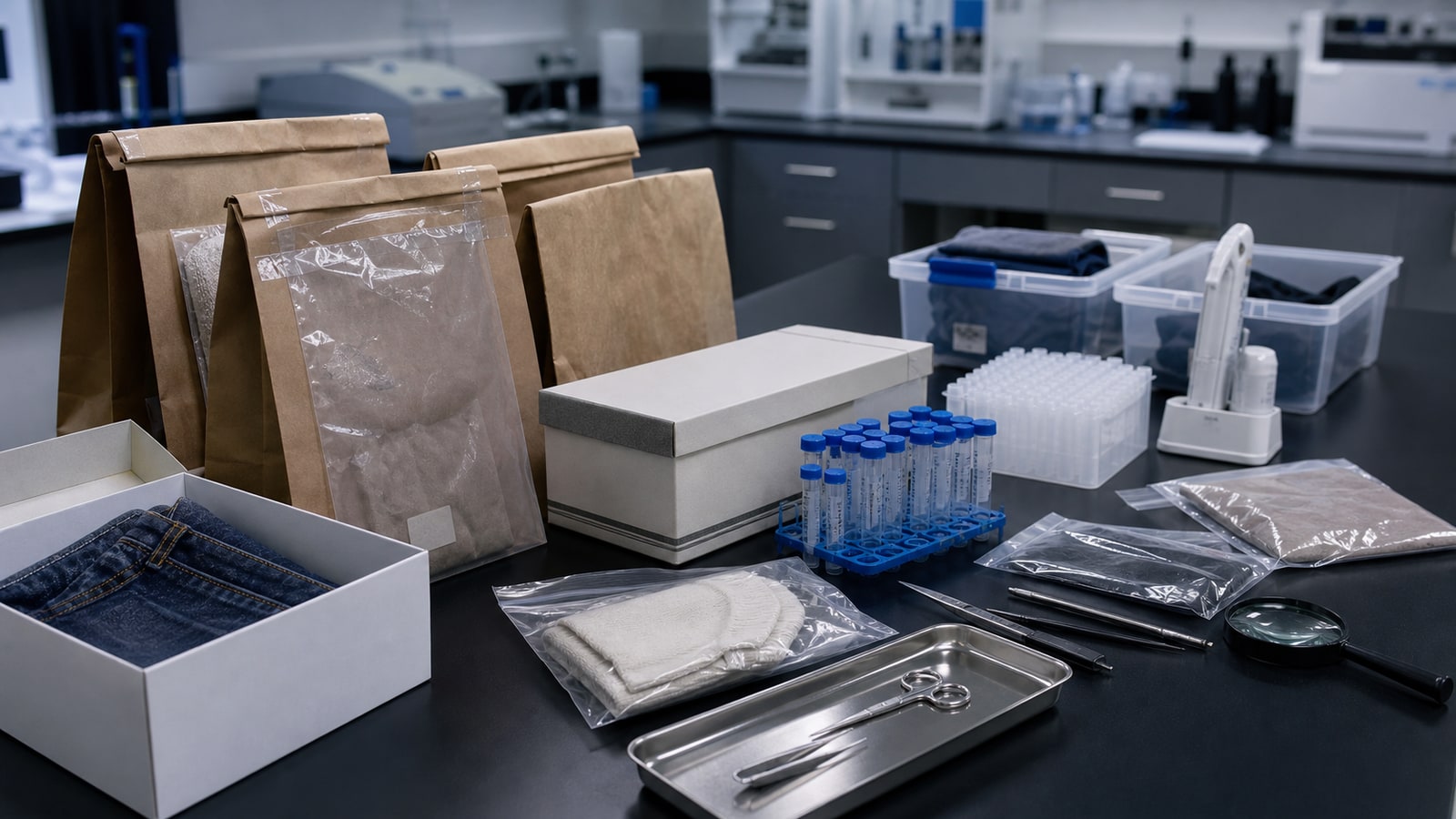
In 2018, on the 40th anniversary, authorities publicly released a photograph of the knife blade used in Jayne Friedt's killing, hoping someone might recognize it. WRTV has reported that investigators have looked to older evidence for possible modern testing, including a jacket and a Burger Chef uniform shirt that could, in theory, carry biological material. Indiana State Police has also expanded its cold-case work around forensic investigative genetic genealogy in recent years, though no public announcement has said that genetic genealogy has solved the Burger Chef murders.
That is the narrow hope left by modern science. Not magic. Not certainty. Just the possibility that a microscopic trace, stored for decades, might someday outlast the people who thought they had escaped.
Cold cases are often spoken about as if time only destroys. Sometimes it does. Witnesses die. Memories warp. Paperwork disappears. Evidence degrades.
But time also changes the tools.
The question is whether this case kept enough for the tools to matter.
The Building Is Gone
For decades, the former Burger Chef building remained on Crawfordsville Road, wearing other businesses over the old wound. A passerby could drive by and know. Even if the sign had changed, the place had not entirely escaped itself.
In March 2024, the building was demolished.
There is a mercy in that and a sadness too. Some places become so saturated with what happened there that the structure itself starts to feel like a witness. Tearing it down does not erase the crime. It only removes the daily ritual of seeing the doorway where the night began.
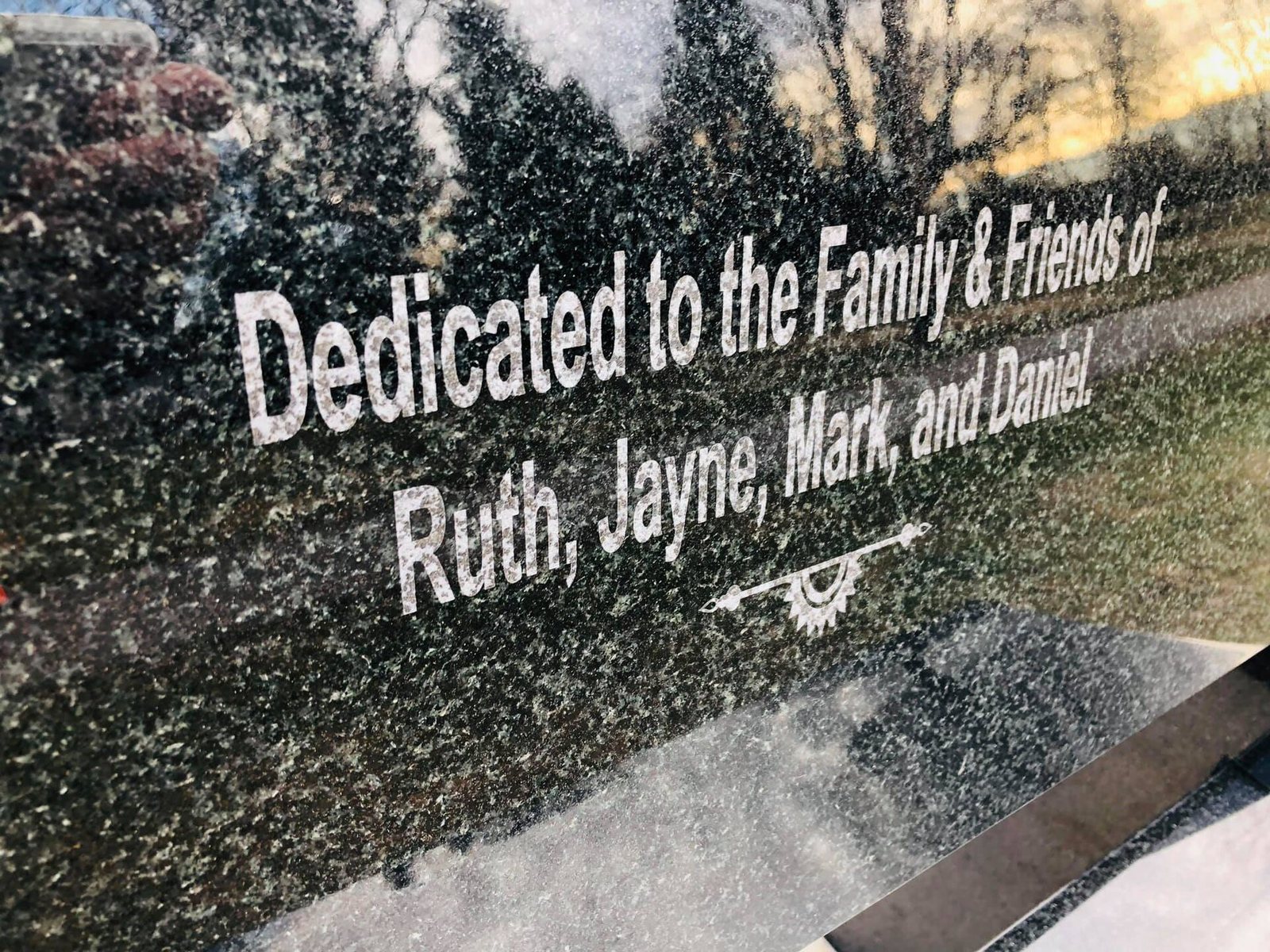
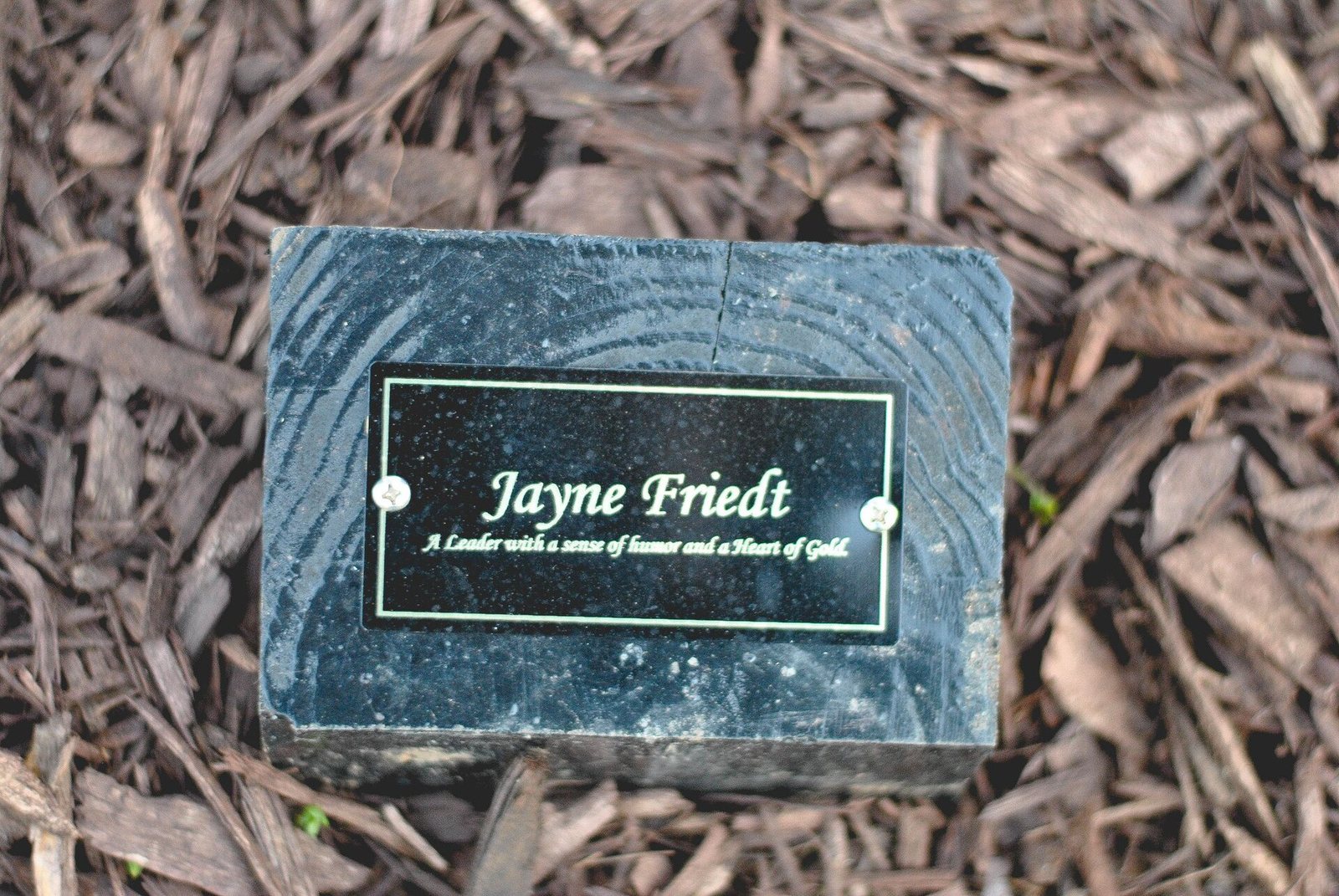
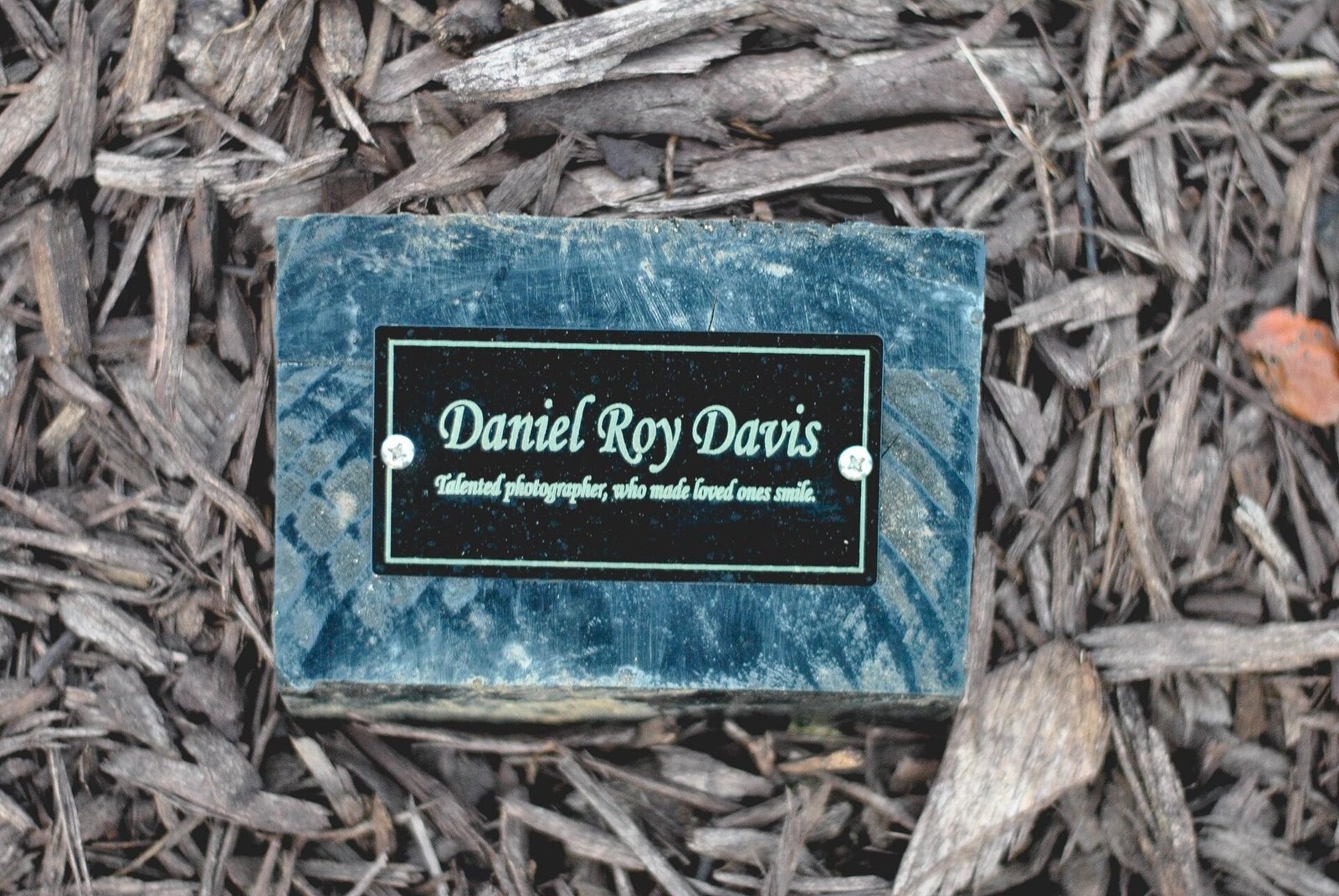
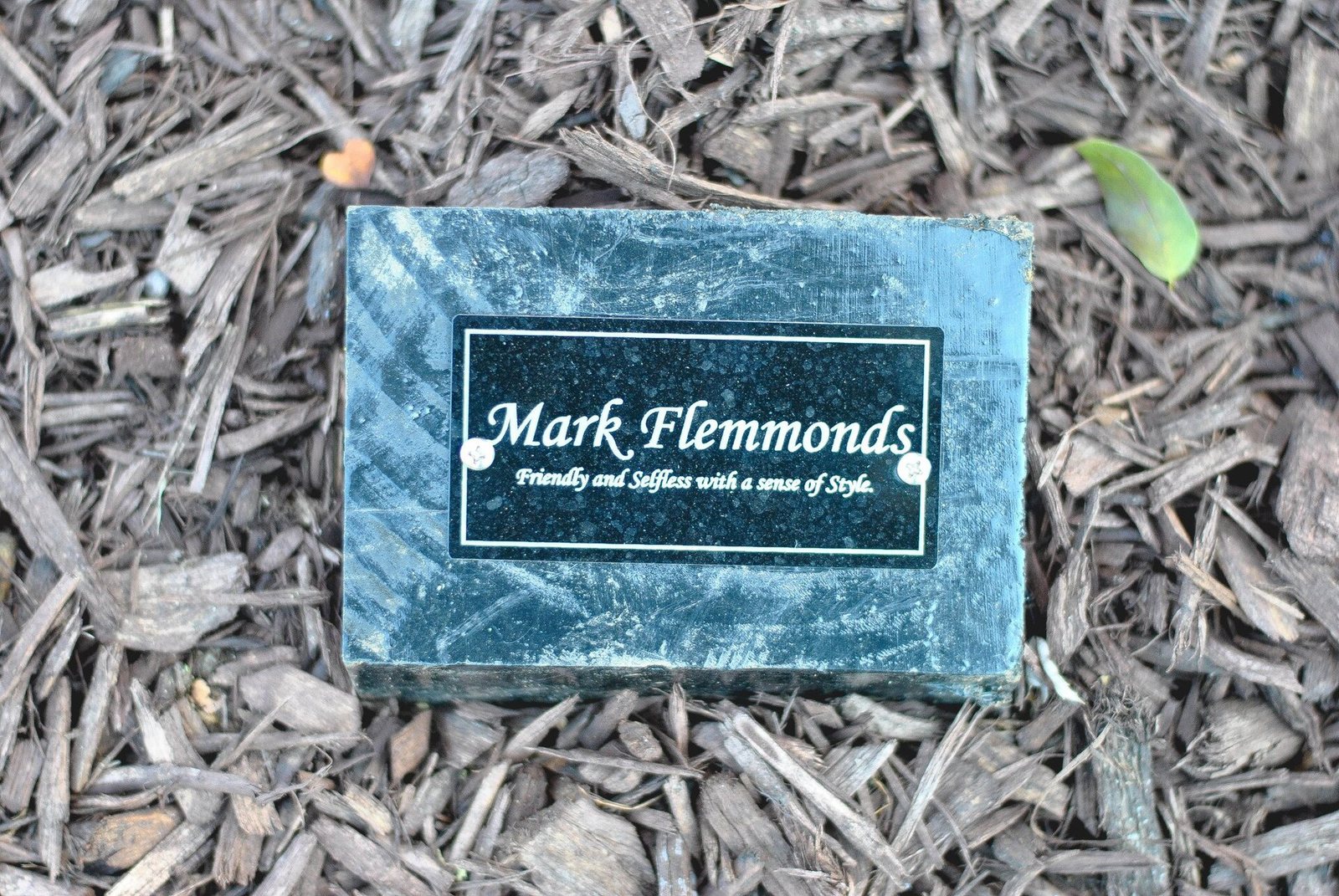
The victims are remembered elsewhere now, away from the old restaurant's fluorescent shadow. At Leonard Park, memorials honor Jayne Friedt, Ruth Ellen Shelton, Daniel Davis, and Mark Flemmonds not as clues but as people.

That distinction is the final responsibility of the story.
A cold case asks who did it. A family asks who was taken. A community asks how something so obvious could be misunderstood in its first hour.
The Burger Chef murders still live inside all three questions.
Who opened the back door?
Who decided four young workers could not be allowed to go home?
And what might have been found if the room had been protected before it was cleaned?
Archival Case Gallery
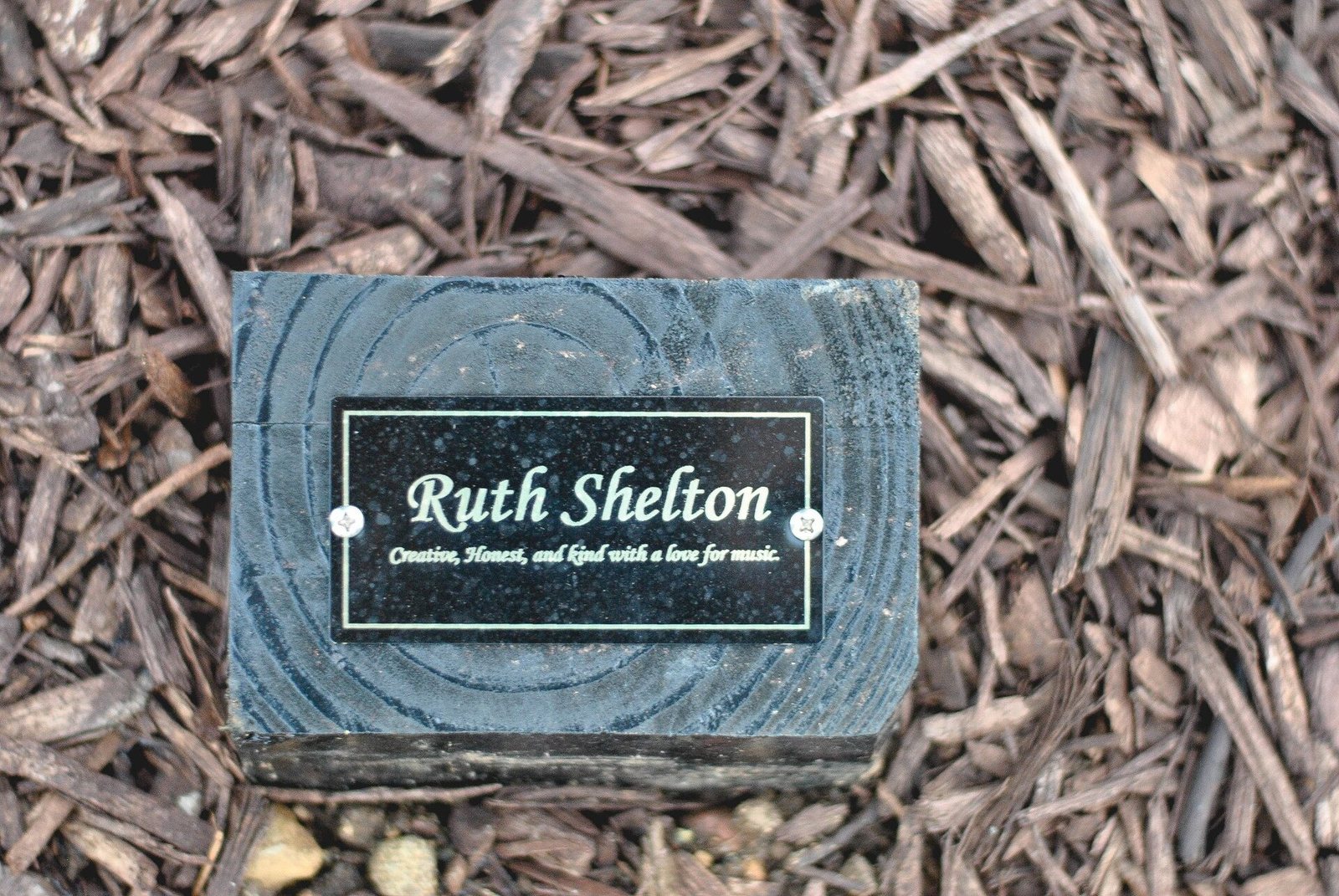
Sources & Case Notes
Last updated: May 17, 2026.
Primary sources and case notes: This article was built from Indiana State Police cold-case entries for Jayne Friedt, Ruth Shelton, Mark Flemmonds, and Daniel Davis; the Encyclopedia of Indianapolis entry on the Burger Chef murders; WRTV reporting on the 1978 case history, retired investigator Stoney Vann and FBI-record details, and the 2024 demolition of the former restaurant; A&E's case overview; ABC News/GMA coverage of the 40th-anniversary appeal; and recent public reporting on Indiana State Police cold-case DNA and forensic-genealogy work. Confession and suspect-theory material is framed cautiously because no one has been charged or convicted in the Burger Chef murders.
Correction policy: If you have source corrections, family-approved context, or image-rights concerns, contact Anonymous369 Media through Contact & Media Inquiries.
Image credits: Feature and section images are documentary-style recreations created for Anonymous369 Media. They are not archival photographs and do not depict actual victims, suspects, crime-scene evidence, or official police records. No archival image is reproduced in this article at publication. Archival Case Gallery uses Burger Chef murders memorial-bench and victim-marker images from Wikimedia Commons, credited to HezOnIt500 under CC BY-SA 4.0.
Content warning: This article discusses the abduction and murder of young workers, gun violence, stabbing, blunt-force injury, and investigative failure in restrained, non-graphic terms.