
The Biltmore Door: Why Elizabeth Short Became the Black Dahlia
In 1947, Elizabeth Short walked out of a Los Angeles hotel and vanished into the city. Six days later, a vacant lot turned her death into a media spectacle that still buries the woman beneath the myth of the Black Dahlia.


The last place Elizabeth Short can be placed with any real confidence is not a dark alley, a lonely road, or some secret room built for noir legend.
It is a hotel lobby.
On January 9, 1947, twenty-two-year-old Elizabeth Short was dropped off at the Biltmore Hotel in downtown Los Angeles by Robert "Red" Manley, a married salesman who had driven her up from San Diego. She told him she was meeting her sister. That part was not true. Her sister was not waiting inside.
For the next few hours, Elizabeth was seen in or around the hotel, using the lobby telephones and moving through a place designed to make people feel grander than their circumstances. Marble, brass, polished floors, warm light, and the old Los Angeles promise that a person could step through the right door and become someone else.
Then the record thins.
Some accounts place her leaving through the Olive Street side of the Biltmore around 10 p.m. Other later claims move her through nearby bars, street corners, or cars. The truth is less cinematic and more frightening: after the Biltmore, the reliable trail of Elizabeth Short collapses.
Six days later, on the morning of January 15, a woman named Betty Bersinger was walking with her young daughter along South Norton Avenue in Leimert Park when she saw something pale in a vacant lot near the sidewalk. At first, she thought it might be a discarded mannequin.
It was Elizabeth.
Her murder would become one of the most infamous unsolved cases in American history. But the first theft was not the killing. It was what happened afterward, when the newspapers, the public, the detectives, the false confessors, and the later theorists turned a young woman into a symbol so powerful that it nearly erased her name.
Before she was the Black Dahlia, she was Elizabeth Short.
And every serious version of this case has to begin there.
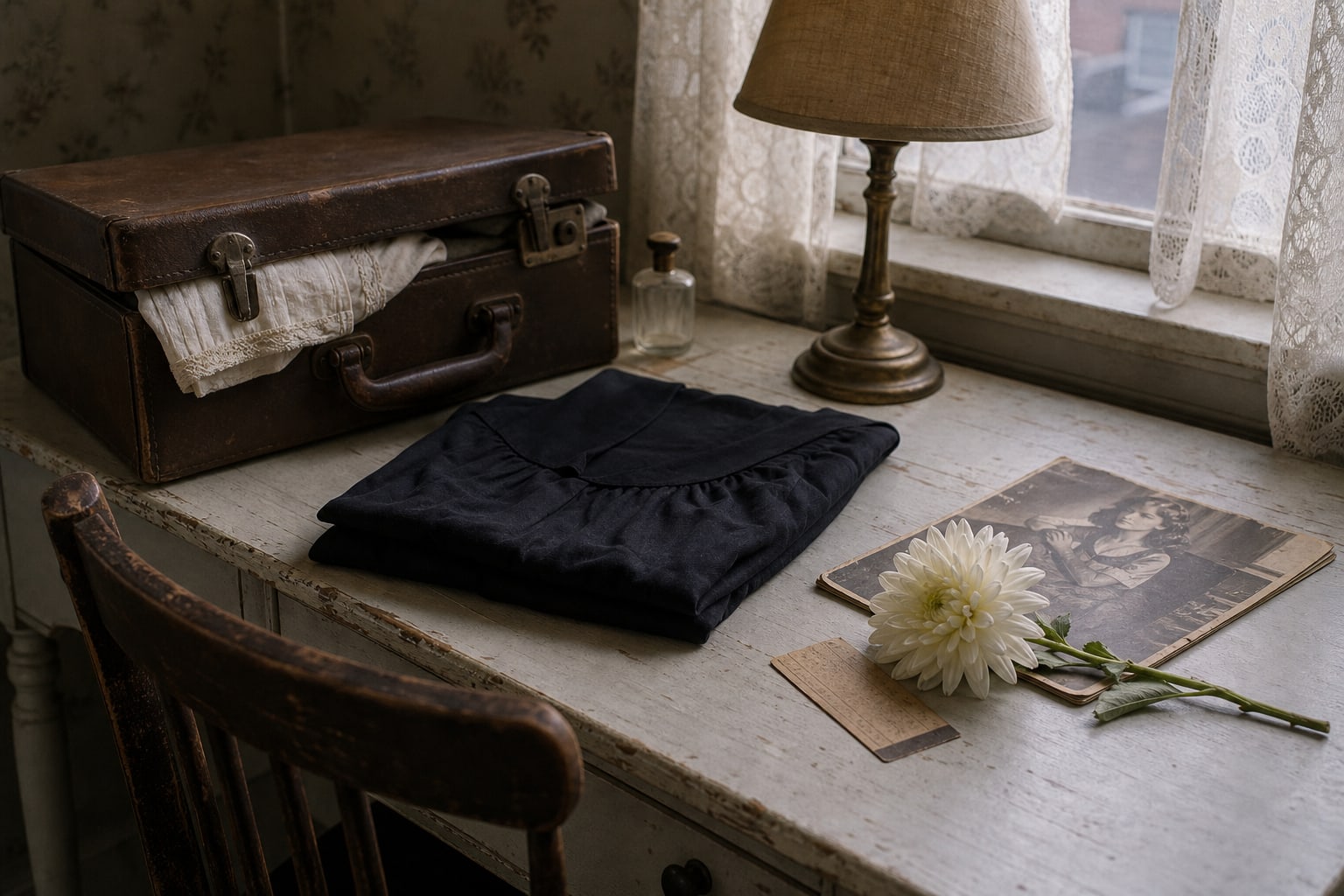
The Girl Before the Name
Elizabeth Short was born on July 29, 1924, in Hyde Park, Massachusetts, and grew up in Medford as one of five daughters. Her childhood was shaped by illness, money pressure, and abandonment. Her father, Cleo Short, left the family during the Depression after making it appear that he had died by suicide. Her mother, Phoebe, was left to keep the household together.
Elizabeth was not the Hollywood caricature that later headlines sold to the country.
She was a young woman with chronic asthma, fragile health, and a habit of moving toward warmer places when her lungs and circumstances made New England feel too small. She spent time in Florida and California. She worked ordinary jobs. She leaned on friends, acquaintances, servicemen, family connections, and sometimes strangers. She could be charming, evasive, proud, and vulnerable in the same breath.
That combination made her easy to mythologize after death.
The city would later make her a starlet, even though careful historians have noted there is no solid record of acting classes, film work, or a serious Hollywood career. It would make her a seductress, even though much of that came from postwar moral judgment and newspaper invention. It would make her a warning, because women who moved without a fixed address were easy to punish in print.
But there was a real wound underneath her wandering.
During World War II, Elizabeth fell in love with Major Matthew Michael Gordon Jr., an Army Air Forces officer. The relationship gave her something that looked like a future. Gordon died in a plane crash in August 1945, and the loss seems to have pushed Elizabeth further into drift: more travel, more temporary rooms, more stories told to survive the next night.
By 1946, she was in Southern California again, with dark hair, dark clothes, a pale face, and a name that reportedly began as a local nickname inspired by the film The Blue Dahlia and her striking style.
"Black Dahlia" was not yet an epitaph.
It was only a phrase people could remember.
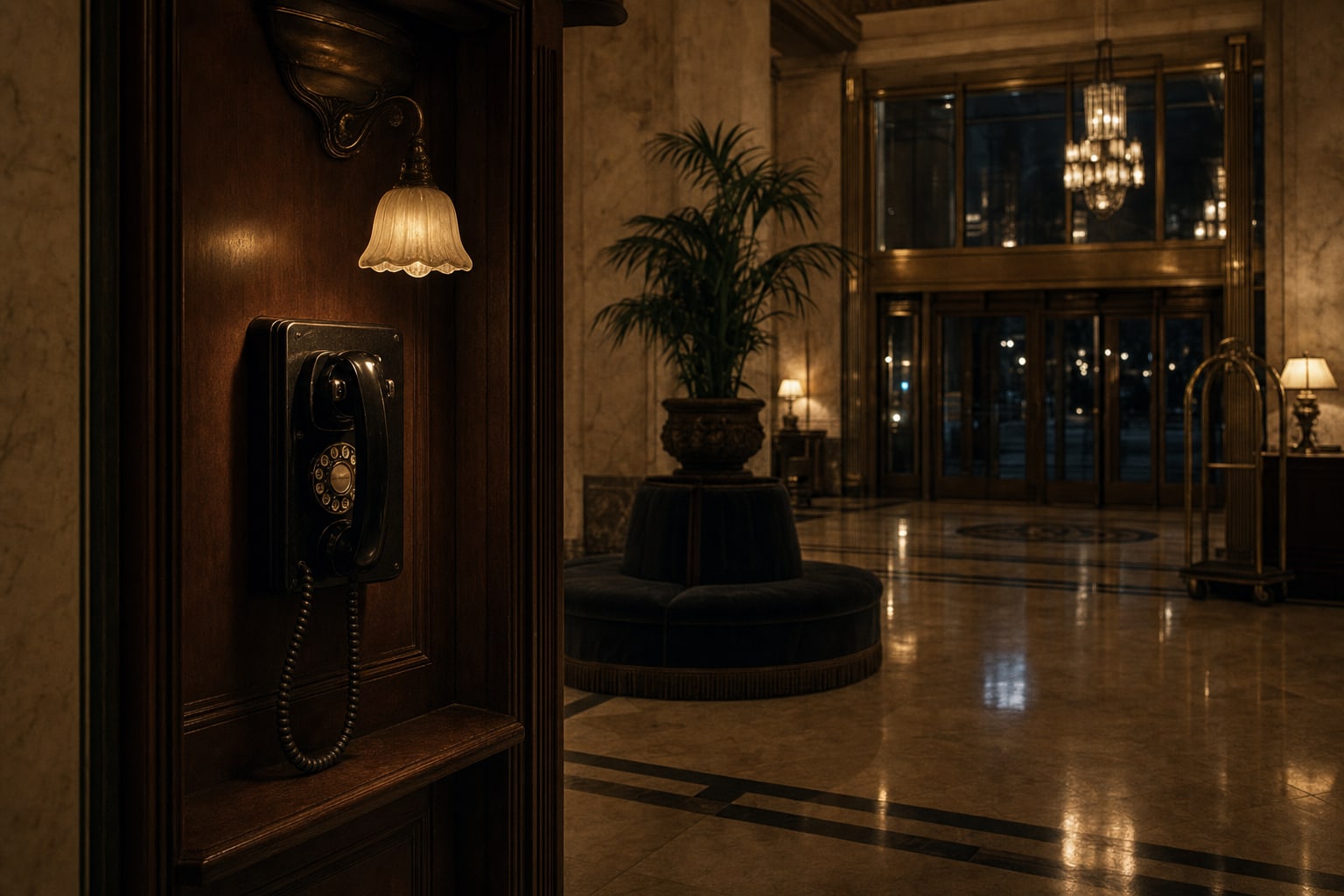
The Door at the Biltmore
The final week of Elizabeth Short's life is the part of the case that refuses to sit still.
On January 9, Red Manley drove her from San Diego to Los Angeles and left her at the Biltmore Hotel. He was questioned after the murder, passed police scrutiny, and has generally been treated as the last person known to have spent significant time with her before she disappeared.
Elizabeth said she was meeting her sister at the hotel. That appears to have been a face-saving lie, perhaps a way to end the ride without explaining that she had nowhere stable to go.
That lie matters because it is not sinister.
It is human.
She was young, broke, proud, and adrift in a city where asking directly for shelter could cost a woman her dignity or safety. The lie may have been a small curtain pulled across a larger desperation.
After the Biltmore, there are reported sightings and debated fragments, but no clean chain of custody on her life. No confirmed route. No known room. No identified companion whose presence explains the next six days.
This is where the case becomes a void.
Elizabeth did not vanish into mystery because she was mythical. She vanished because a city could lose a poor young woman quickly, especially one without a home, a car, money, or anyone expecting her at a specific hour.
Los Angeles did not need to be supernatural to be dangerous.
It only needed to be indifferent.
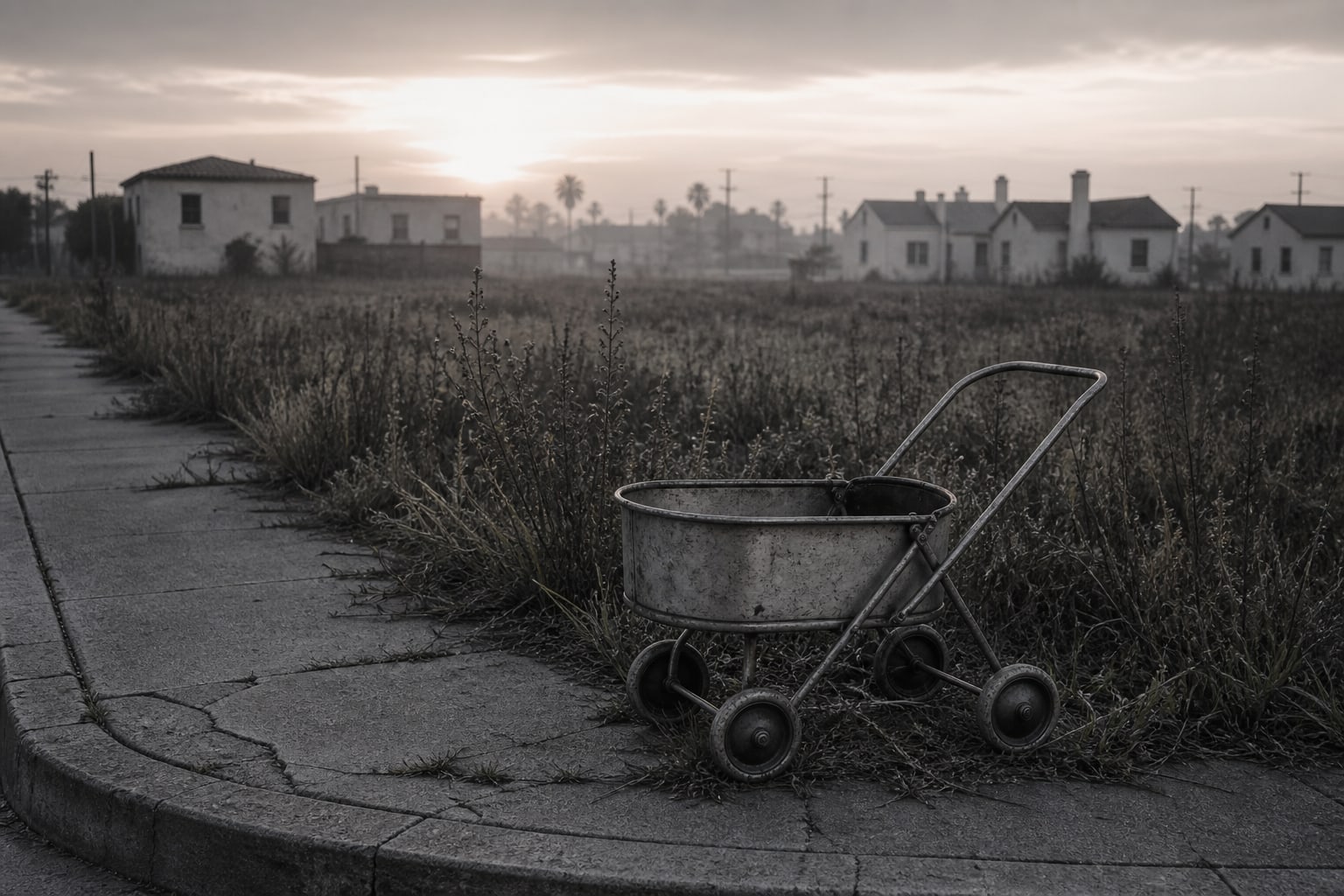
The Vacant Lot
Betty Bersinger found the body on the morning of January 15, 1947, on the west side of South Norton Avenue, between West 39th Street and Coliseum Street, in a still-developing part of Leimert Park.
The FBI's summary of the case notes the detail that has haunted investigators from the beginning: there was no blood at the scene, indicating Elizabeth had been killed somewhere else and brought to the lot afterward.
That fact changes the entire crime.
The vacant lot was not the murder site. It was the display site.
The person who killed Elizabeth had access to a private or controlled location, enough time to move her body, and enough composure to leave her where she would be found. The crime was not hidden in a ravine, burned in a desert, or buried beyond reach. It was placed near a sidewalk in a residential neighborhood.
The message was not written in words, but it was still meant to be read.
The physical injuries were extreme, and this article will not linger on them for spectacle. The coroner's findings and the FBI record establish what matters: Elizabeth died from violence to the head and face, her body was severely mutilated after or around the time of death, and the method of dismemberment suggested enough anatomical skill that investigators looked toward medical students and doctors.
That search for medical knowledge has shaped almost every serious suspect theory since.
But knowledge is not identity.
The body showed what the killer could do. It did not name who he was.

Ink, Cruelty, and the City Machine
The murder became a newspaper event almost immediately.
Los Angeles in 1947 was a city of competing papers, aggressive crime reporters, police leaks, and readers hungry for sensation. Elizabeth Short entered that machinery at the worst possible moment: young, dead, visually striking, without the social protection that money or status might have offered.
The FBI helped identify her quickly after fingerprints were sent from Los Angeles using Soundphoto, an early photo-transmission technology. Her prints were already on file from a 1943 Army commissary job application and a Santa Barbara underage-drinking arrest.
Once she had a name, the press began building the character.
The Los Angeles Examiner has been widely criticized for one of the most brutal acts of media overreach in the case: a reporter contacted Phoebe Short in Boston and, before telling her that Elizabeth had been murdered, used a false story about a beauty contest to extract background information about her daughter.
That moment is hard to read because it reveals a second kind of violence.
Elizabeth had already been killed. Then her grief-stricken mother was manipulated for copy. Then the dead young woman was repackaged for circulation: the black clothes, the Hollywood dream, the implied sexual danger, the cautionary tale the public could consume without looking too closely at its own appetite.
The case file became a mirror.
The city did not like what it showed.
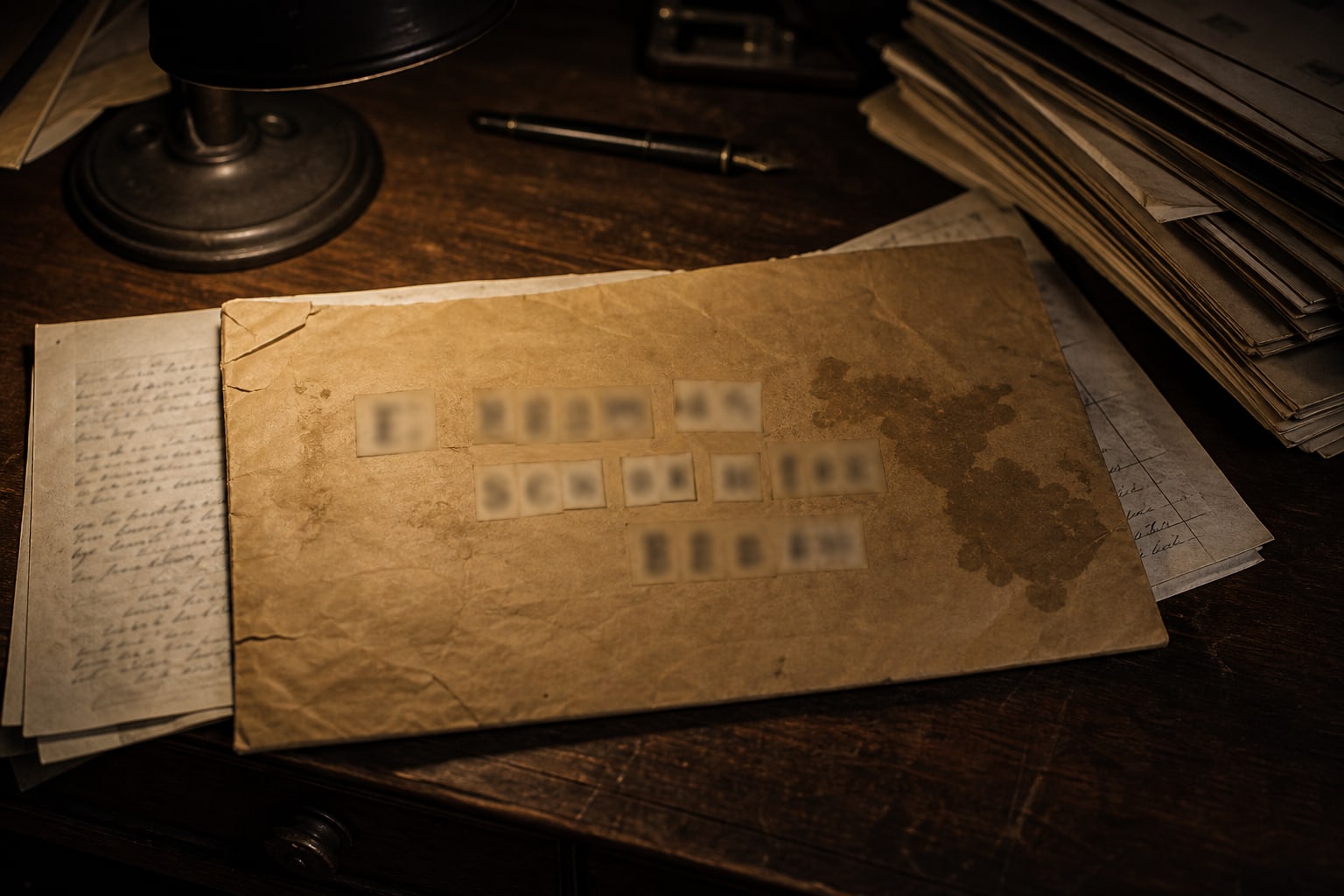
The Envelope
On January 24, 1947, an envelope connected to the case arrived for the Los Angeles Examiner and was turned over to police. It contained personal items belonging to Elizabeth Short, including documents and an address book. The envelope's message was assembled in cut-and-paste lettering, the kind of ransom-note style that would later feel almost cinematic because cases like this taught the public what cinematic crime was supposed to look like.
Investigators believed the sender may have been the killer.
The contents had reportedly been cleaned in a way that frustrated fingerprint recovery, suggesting someone who understood, or at least feared, basic forensic methods. The mailing did not solve the case. It widened it.
It proved that the person behind the crime, or someone with access to Elizabeth's belongings, knew the newspapers were the fastest way into the city's bloodstream.
The killer had not only left Elizabeth where she would be found.
He may have continued the performance by mail.
That is why the Black Dahlia case feels modern even now. It is not only the violence. It is the feedback loop: murder, headline, public obsession, letter, more headlines, more obsession.
The audience became part of the crime's afterlife.
The Men Who Became Theories
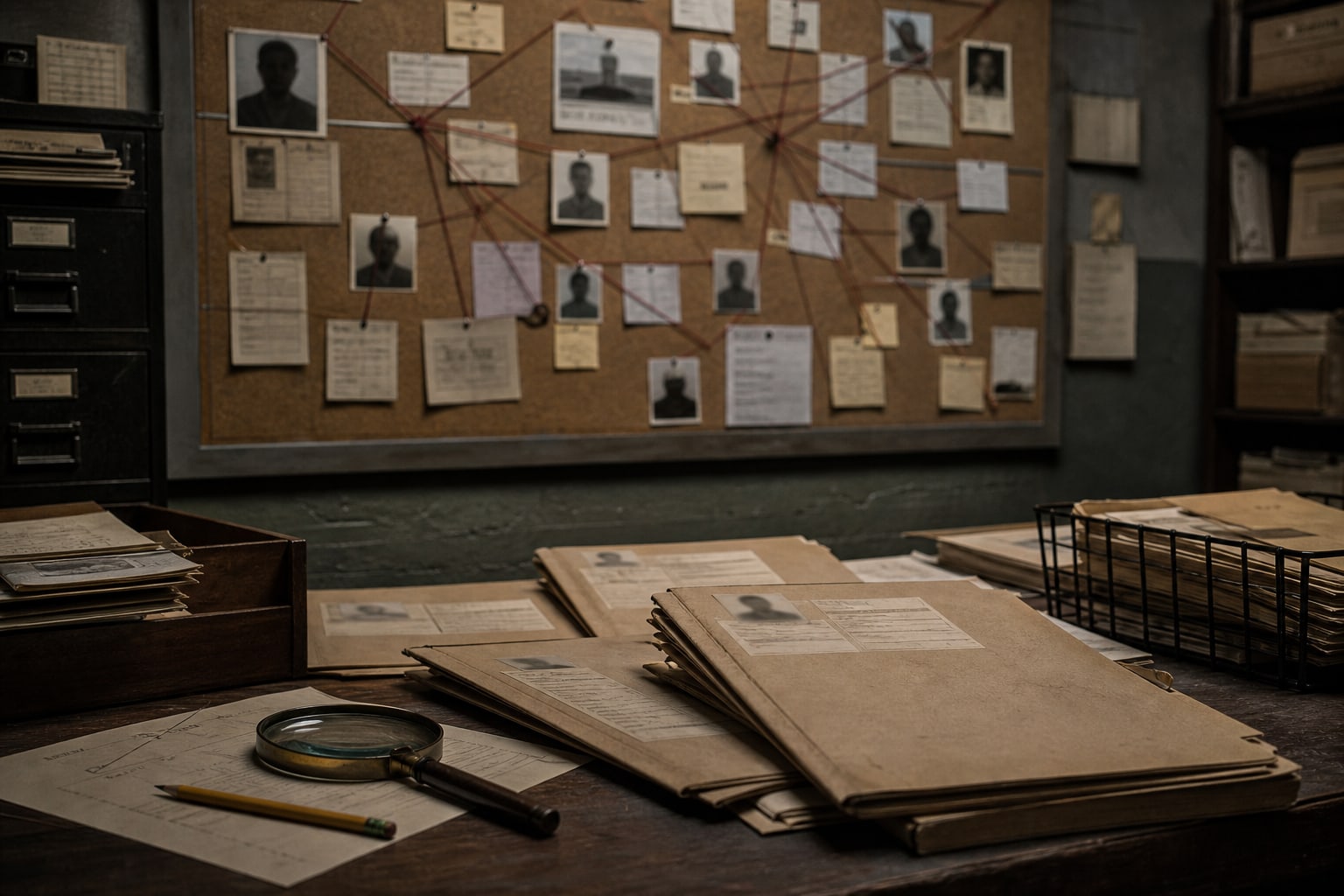
The LAPD investigated hundreds of leads. The FBI ran checks and interviews. False confessions poured in. Men who had known Elizabeth were questioned, cleared, questioned again in the court of public imagination, and then revived decades later by authors looking for a more satisfying ending.
Red Manley was cleared by police.
Mark Hansen, a nightclub owner whose name appeared in material tied to Elizabeth's social circle, was scrutinized but never charged.
Leslie Dillon, George Hodel, Walter Bayley, Marvin Margolis, and many others have each been pushed forward at different times as the answer. Some theories are better built than others. Some rely on geography. Some rely on medical skill. Some rely on motive, personality, confession-like comments, or patterns that may or may not exist.
None has become a conviction.
That sentence has to remain the spine of the case.
No matter how compelling a theory feels, Elizabeth Short's murder is unsolved.
George Hodel and the House That Listened
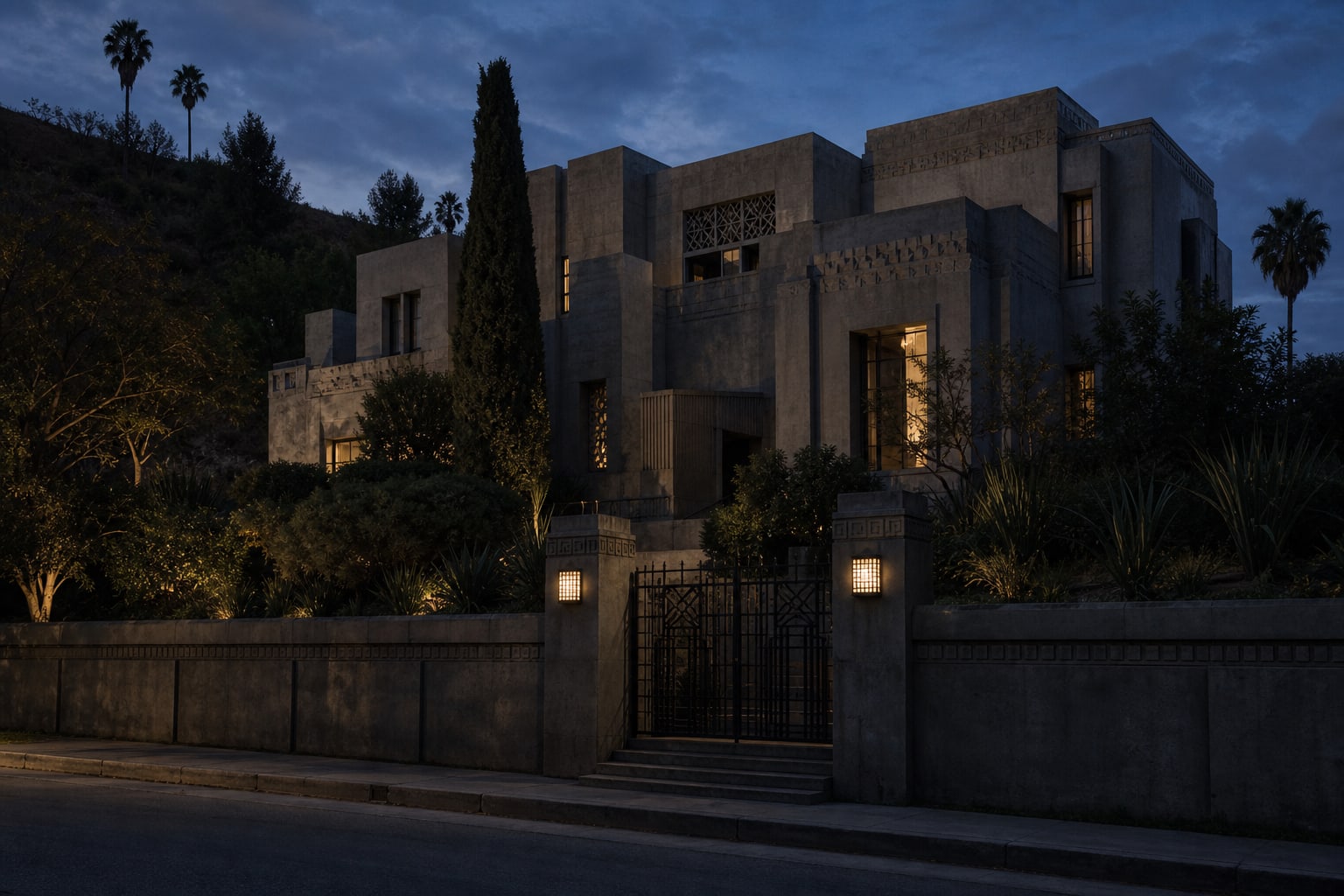
The most famous modern suspect is Dr. George Hill Hodel, a Los Angeles physician whose son, former LAPD detective Steve Hodel, has argued for years that his father killed Elizabeth Short.
The theory has reasons people keep returning to it. George Hodel had medical training. He moved through wealthy, artistic Los Angeles circles. He was investigated in the period after the murder. District attorney files that surfaced decades later showed that law enforcement took him seriously enough to place microphones in his home.
Those recordings produced the line that has followed him ever since. In a 1950 surveillance transcript, Hodel made a remark along the lines of "Supposin' I did kill the Black Dahlia," followed by language about proof.
It is a disturbing statement.
It is not a conviction.
Critics of the Hodel theory, including researchers who have spent years with the files, argue that the recordings are often quoted without enough context and that Hodel may have known or suspected he was being monitored. The difference matters. A man taunting investigators inside a bugged house is not the same thing as a man unknowingly confessing.
The Hodel theory remains one of the major theories because it is dark, strange, and supported by enough circumstantial material to keep people looking.
It also remains disputed.
That is where the public record leaves it.
Walter Bayley and the Geography of Fear
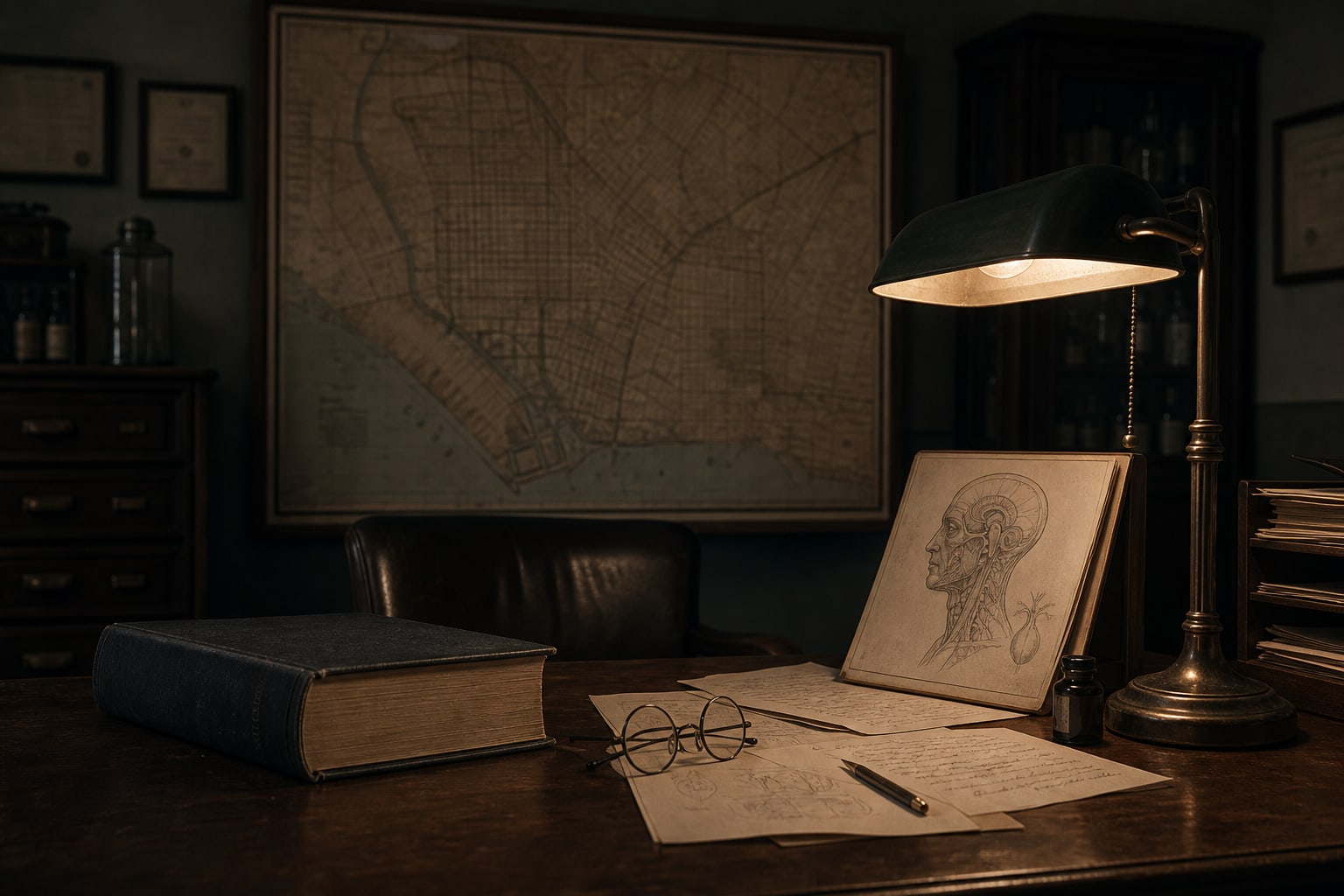
Researcher Larry Harnisch has spent decades trying to strip the Black Dahlia case back down to documentable facts. His preferred suspect is Dr. Walter Alonzo Bayley, a surgeon whose life intersected with the case through geography, medical skill, and a possible connection to Elizabeth's family circle.
Bayley's medical office was near the Biltmore. His estranged wife lived close to the Norton Avenue lot where Elizabeth's body was found. He had the surgical knowledge that investigators suspected the killer may have possessed. Later reporting has also noted that Bayley was suffering from a brain condition that may have affected his behavior.
The strength of the Bayley theory is not that it offers a dramatic villain.
It is that it explains location.
Why leave Elizabeth in that neighborhood? Why not hide her elsewhere? Former FBI profiler John Douglas reportedly suggested that the placement may have meant something to the killer, that the body may have been left to frighten or punish a specific community. Harnisch's work makes Bayley relevant because he can be connected to that geography.
Still, there is no physical evidence placing Elizabeth with Bayley. No charge. No trial. No confession.
Harnisch himself has been careful to hedge.
That caution is the point.
In this case, caution is not weakness. It is honesty.
A New Code, An Old Hunger
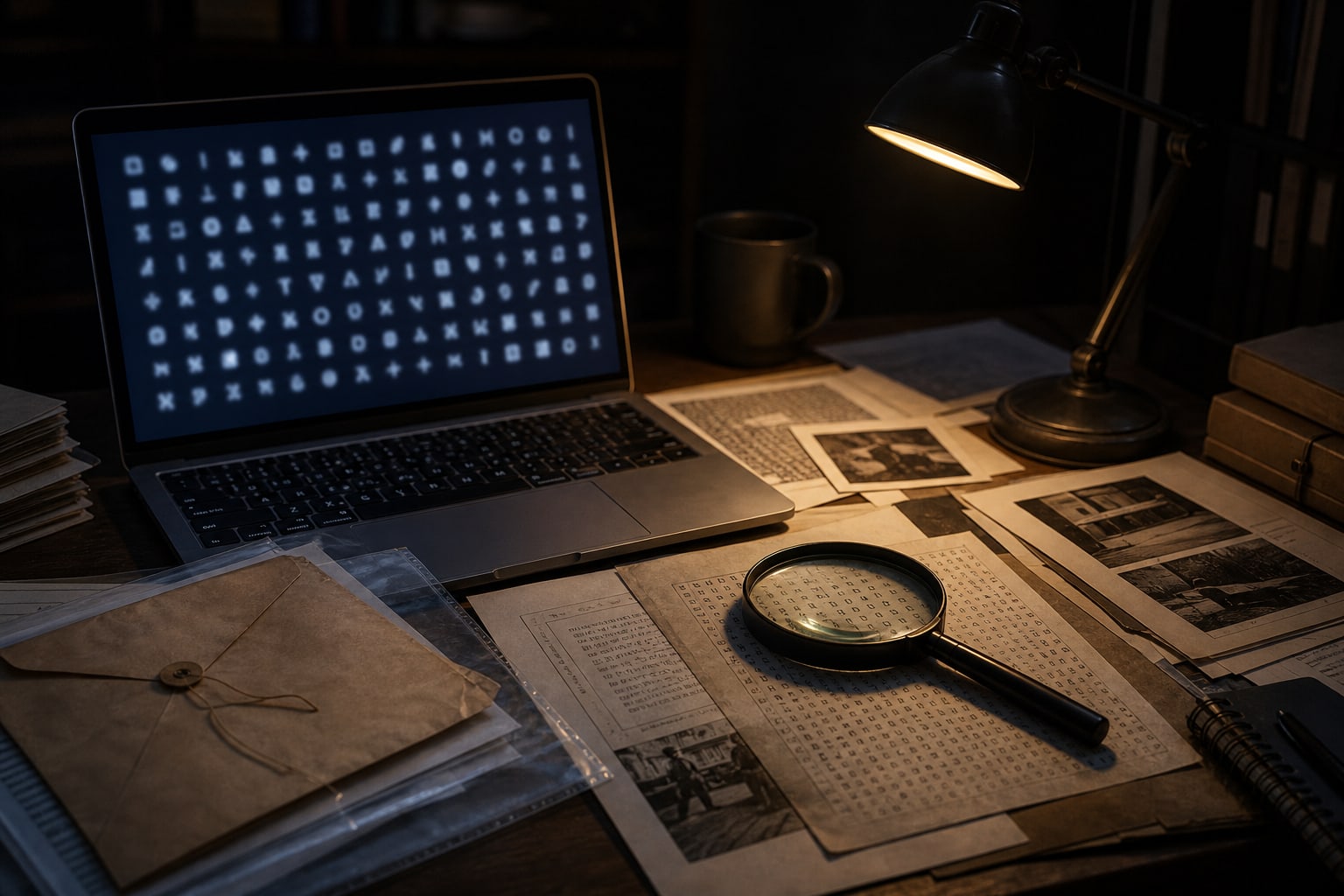
In 2025 and 2026, the case returned to headlines through a reported codebreaking theory connecting Elizabeth Short's murder to the Zodiac Killer case.
The theory, reported by the Los Angeles Times, centers on Marvin Margolis, also known as Marvin Merrill, a World War II veteran and USC pre-med student who had known Elizabeth Short. Independent investigator Alex Baber has argued that a Zodiac cipher points to the name "Marvin Merrill" and that Margolis may have been responsible for both the Black Dahlia murder and the later Zodiac killings.
The claim is explosive.
It is also not an official solution.
The same Times coverage includes serious caution from experts and researchers, including concerns about confirmation bias and the danger of forcing old fragments into a story that feels complete because the public wants it to be complete.
That hunger is not new.
The Black Dahlia case has always attracted people who believe they have finally found the missing shape: a doctor, a gangster, a jealous lover, a surrealist, a codebreaker's answer, a family confession, a hidden room, a lost file, a coincidence too elegant to ignore.
Some theories deserve attention.
None deserves to erase the boundary between possibility and proof.

What the Myth Did to Elizabeth
The phrase "Black Dahlia" is almost too effective.
It is short. Beautiful. Dark. Marketable. It turns a young woman's death into a title card before the reader has to learn who she was. That is why the name survived. It is also why it is dangerous.
Because Elizabeth Short was not a noir character.
She was not the lesson the newspapers wanted women to learn. She was not the fantasy of Hollywood punishment. She was not the symbol of a city rotten beneath the sunlight, though the city certainly used her that way.
She was a twenty-two-year-old woman from Massachusetts who had lost a father, lost a fiance, lost stability, and kept trying to create a life out of temporary rooms, borrowed time, and stories that made the next door easier to open.
Her killer took her life.
The myth took her name.
That is the quieter tragedy inside the louder one. The case is famous because of what was done to her body, but it matters because of what was done to her humanity afterward. Every suspect theory, every documentary, every headline, every retelling has a responsibility to give that humanity back before chasing the next shadow.
Elizabeth walked into the Biltmore with a small lie and no safe place clearly waiting for her.
Six days later, Los Angeles turned her into a legend.
Seventy-nine years later, the legend still has no verdict.
Archival Case Gallery
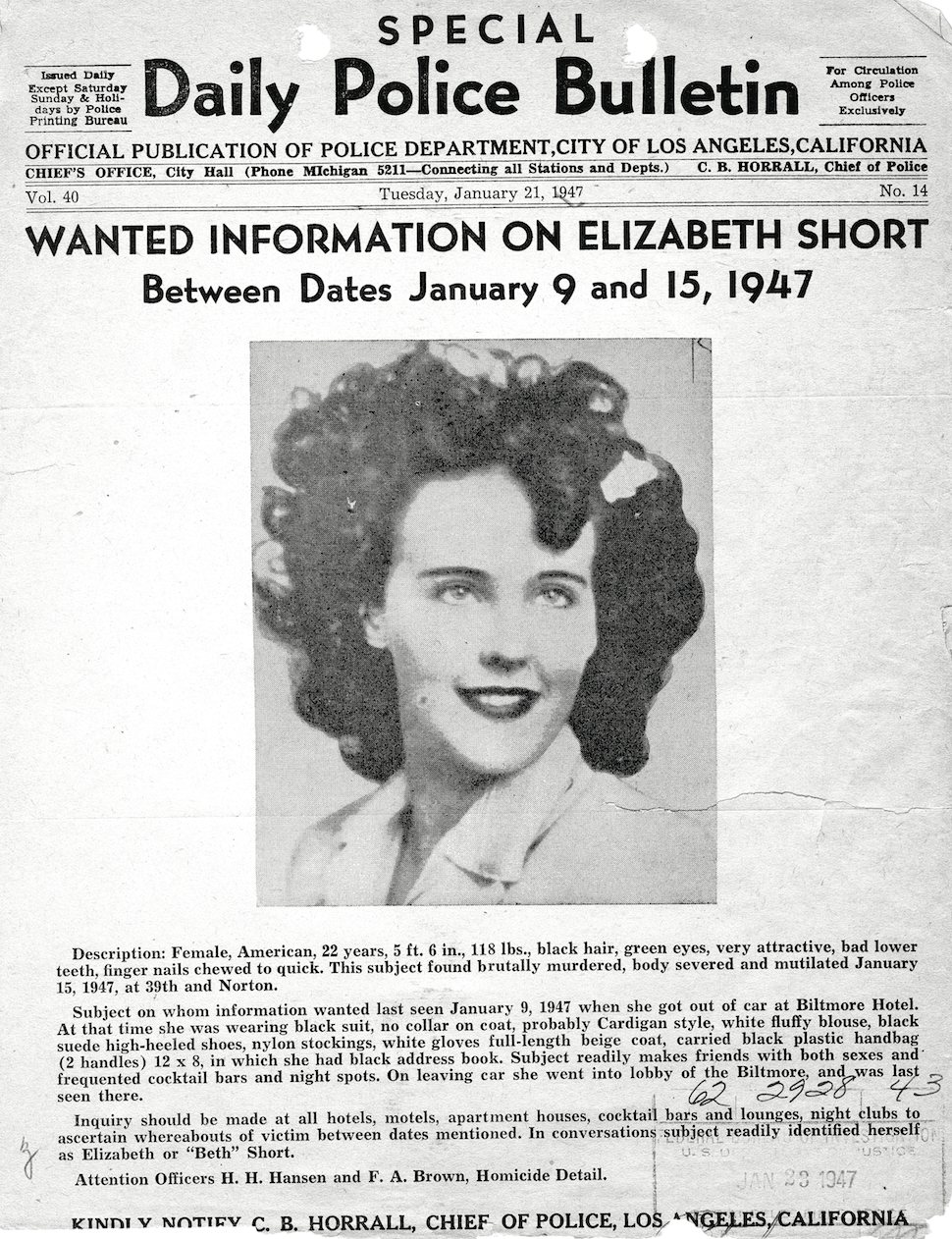
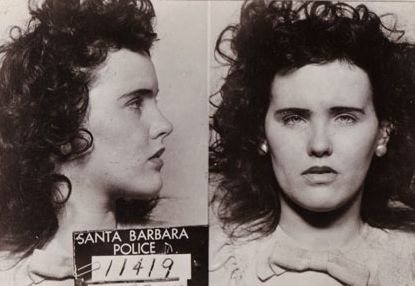
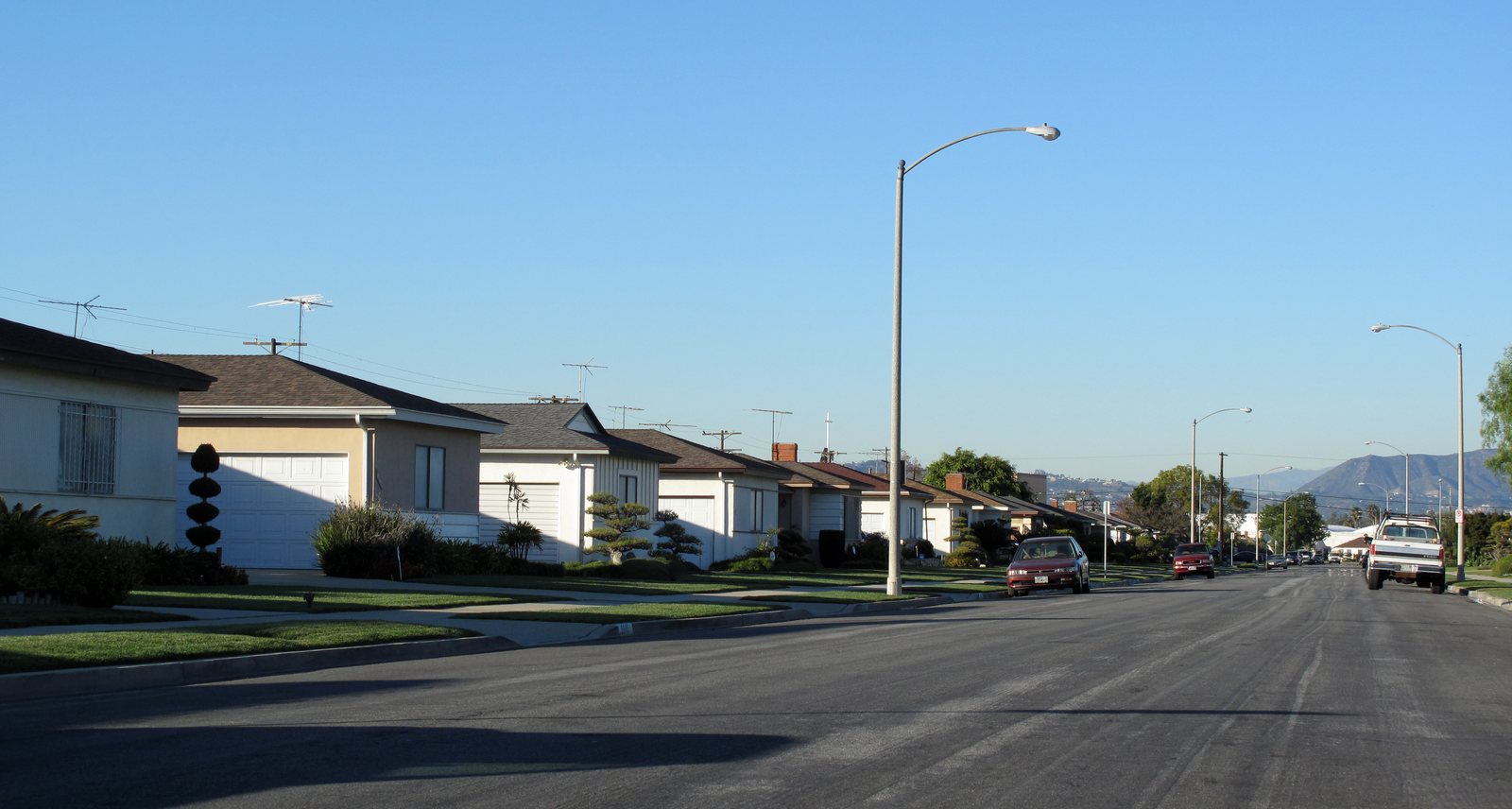
Sources & Case Notes
Last updated: May 17, 2026.
Primary sources and case notes: This article was built from the FBI's official Black Dahlia case summary, the FBI Vault files on Elizabeth Short, Los Angeles Times reporting on the Black Dahlia myth, Elizabeth Short's life, and Larry Harnisch's Bayley theory, Los Angeles Times reporting on the 2025/2026 Margolis and Zodiac-code theory, and public discussion of the George Hodel surveillance transcripts preserved by Larry Harnisch's Daily Mirror archive. Suspect language remains cautious because no one has been charged or convicted in Elizabeth Short's murder.
Correction policy: If you have source corrections, family-approved context, or image-rights concerns, contact Anonymous369 Media through Contact & Media Inquiries.
Image credits: Feature and section images are documentary-style recreations created for Anonymous369 Media. They are not archival photographs and do not depict actual victims, suspects, crime-scene evidence, or official police records. No archival image is reproduced in this article at publication. Archival Case Gallery uses public-domain LAPD/Santa Barbara police Elizabeth Short files from Wikimedia Commons and South Norton Avenue location photography by Downtowngal, CC BY-SA 3.0.
Content warning: This article discusses an unsolved homicide, post-mortem mutilation, media exploitation, and disputed suspect theories in restrained, non-graphic terms.