
The Midnight Fire That Broke Austin: The Yogurt Shop Murders
Four teenage girls were murdered inside an Austin yogurt shop in 1991. For 34 years, the case left families grieving, a city haunted, and four innocent men carrying the weight of a crime they did not commit.


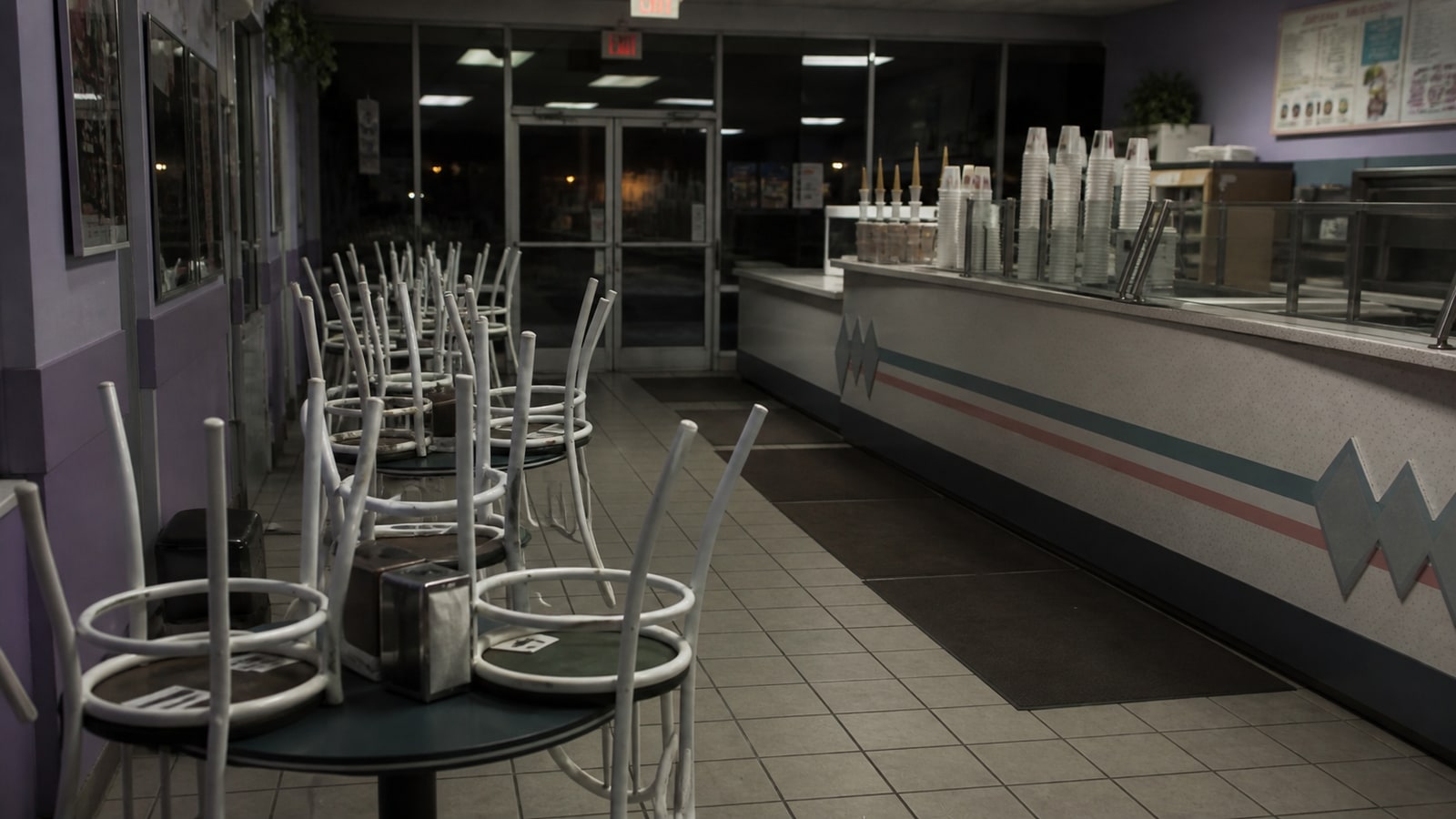
The chairs were already upside down on the tables.
That is the detail that still carries the weight of the night. Not a siren. Not a courtroom. Not the DNA report that would arrive more than three decades later. Just a frozen yogurt shop after closing time, its small rituals completed: napkins refilled, counters wiped, the front door locked, the key still resting in the cylinder.
On December 6, 1991, the I Can't Believe It's Yogurt! shop on West Anderson Lane looked, from the outside, like another ordinary storefront going dark in North Austin. A cold wind moved through the Hillside strip center. Traffic kept passing. A city that still thought of itself as smaller than it was went on with its Friday night.
Shortly before midnight, an Austin police patrol officer saw smoke rising from the shop. Firefighters forced their way inside and pushed through the dark, wet interior, where water from hoses and sprinklers had already begun to erase what the fire had not taken.
In the back of the shop, the ordinary ending of a teenage shift had been replaced by something almost impossible to absorb. Four girls were dead.
The murders of Jennifer Harbison, Sarah Harbison, Eliza Thomas, and Amy Ayers would become one of Austin's defining wounds: a case that frightened a city, consumed investigators, destroyed innocent lives, and waited 34 years for the truth to surface from the damage.
Four Girls Waiting To Go Home
Jennifer Harbison and Eliza Thomas were both seventeen. They were working the closing shift that night, doing the kind of part-time job that belongs to adolescence: a little money, a little independence, a place where school and adulthood overlap under fluorescent light.
Jennifer's younger sister, fifteen-year-old Sarah Harbison, and Sarah's thirteen-year-old friend, Amy Ayers, had spent the evening nearby at Northcross Mall. They came to the yogurt shop because Jennifer was their ride home. The plan was ordinary enough to vanish inside any family memory: finish work, close up, get in the car, go home.
That is what makes the case hurt before the violence even enters it. The girls were not moving through some hidden world. They were in a familiar place, inside a public business, at the edge of a routine their families understood. They were daughters, sisters, friends, students, girls with animals and music and weekend plans still attached to them.
The crime turned that ordinary waiting into a permanent absence.
Authorities later said the girls had been bound and shot. The shop was set on fire afterward, an attempt to bury the crime beneath smoke, water, and heat. The fire damaged the scene. The response that saved the building from burning further also made fragile evidence harder to recover. By the time investigators could begin reconstructing the night, the room itself had already been altered by panic, emergency, and destruction.
Austin woke up to a kind of fear that does not stay inside the police tape. It entered kitchens, schools, parking lots, and closing shifts across the city.
The City With White Ribbons
The murders landed in Austin like a break in the weather that never quite passed.
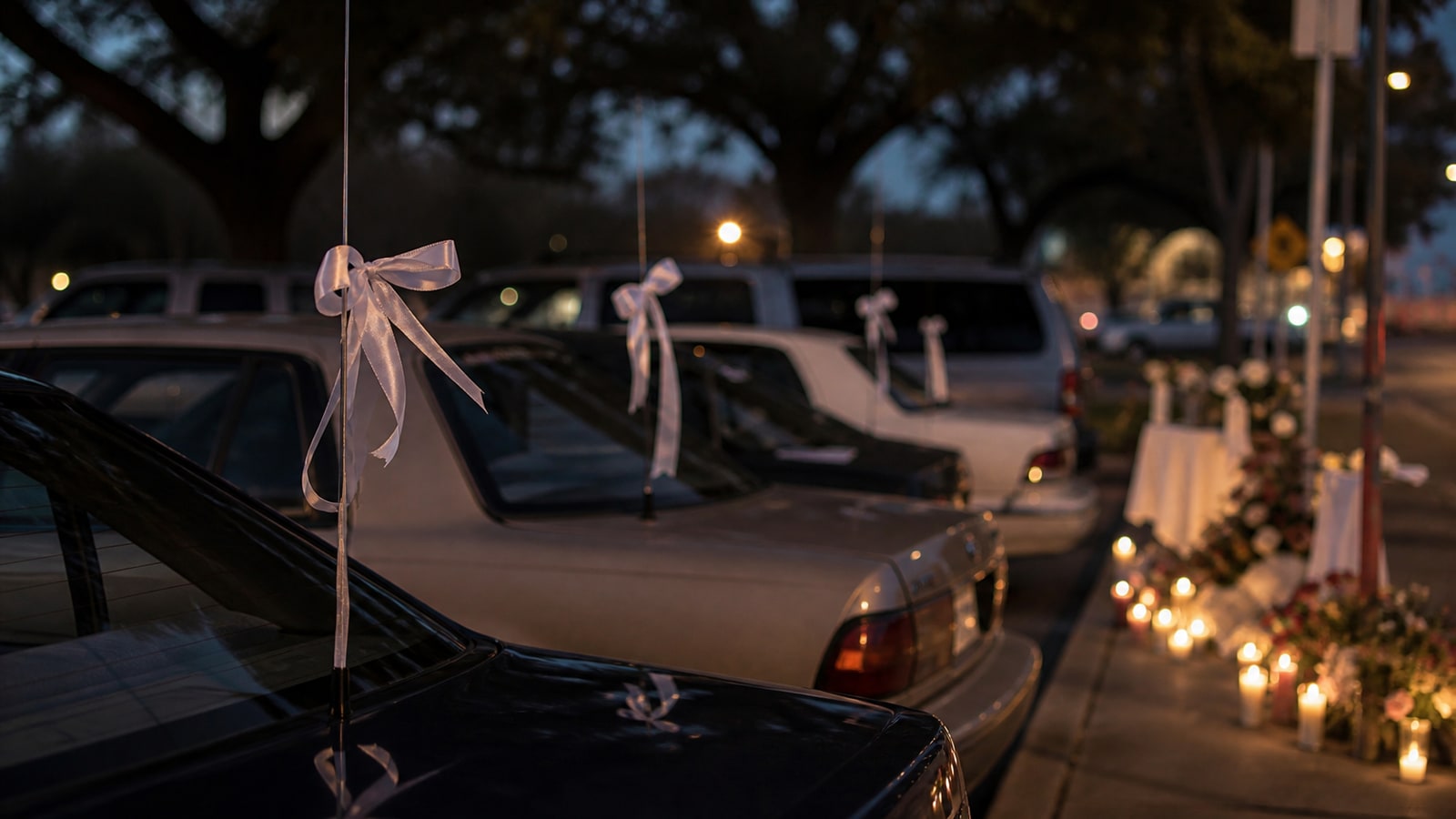
More than 1,500 mourners attended the joint funeral. White ribbons appeared on car antennas. Billboards carried the faces of the four girls and asked the question the city could not put down: who killed them?
The question did not behave like a normal question. It became a pressure system. Thousands of tips came in. People confessed falsely. Rumors mutated. Fear tried to give itself a shape, because a faceless predator is almost impossible for a community to live beside.
Investigators had fragments. Witnesses had seen people near the shop. A man had reportedly used the restroom before closing and did not return to the counter. There were memories of customers, shadows, odd behavior, small observations that might have meant everything or nothing.
But the case did not open. The fire and water had damaged the physical trail. The investigation sprawled outward. Leads appeared, collapsed, and left behind more exhaustion. Every anniversary pulled the city back to the same place: four girls, one locked shop, no answer strong enough to hold.
For the families, the public memory could never replace the private loss. A city could say it had lost innocence. Families had lost Jennifer, Sarah, Eliza, and Amy.
When Certainty Became A Trap
By the end of the decade, the case had become a burden the system badly wanted to set down.
In 1999, investigators turned back toward young men who had appeared on the edges of the early inquiry: Maurice Pierce, Michael Scott, Robert Springsteen, and Forrest Welborn. They had been teenagers in 1991. One early link came from Pierce being caught at Northcross Mall days after the murders with a .22-caliber gun, the same general type of firearm investigators believed had been used in the killings.
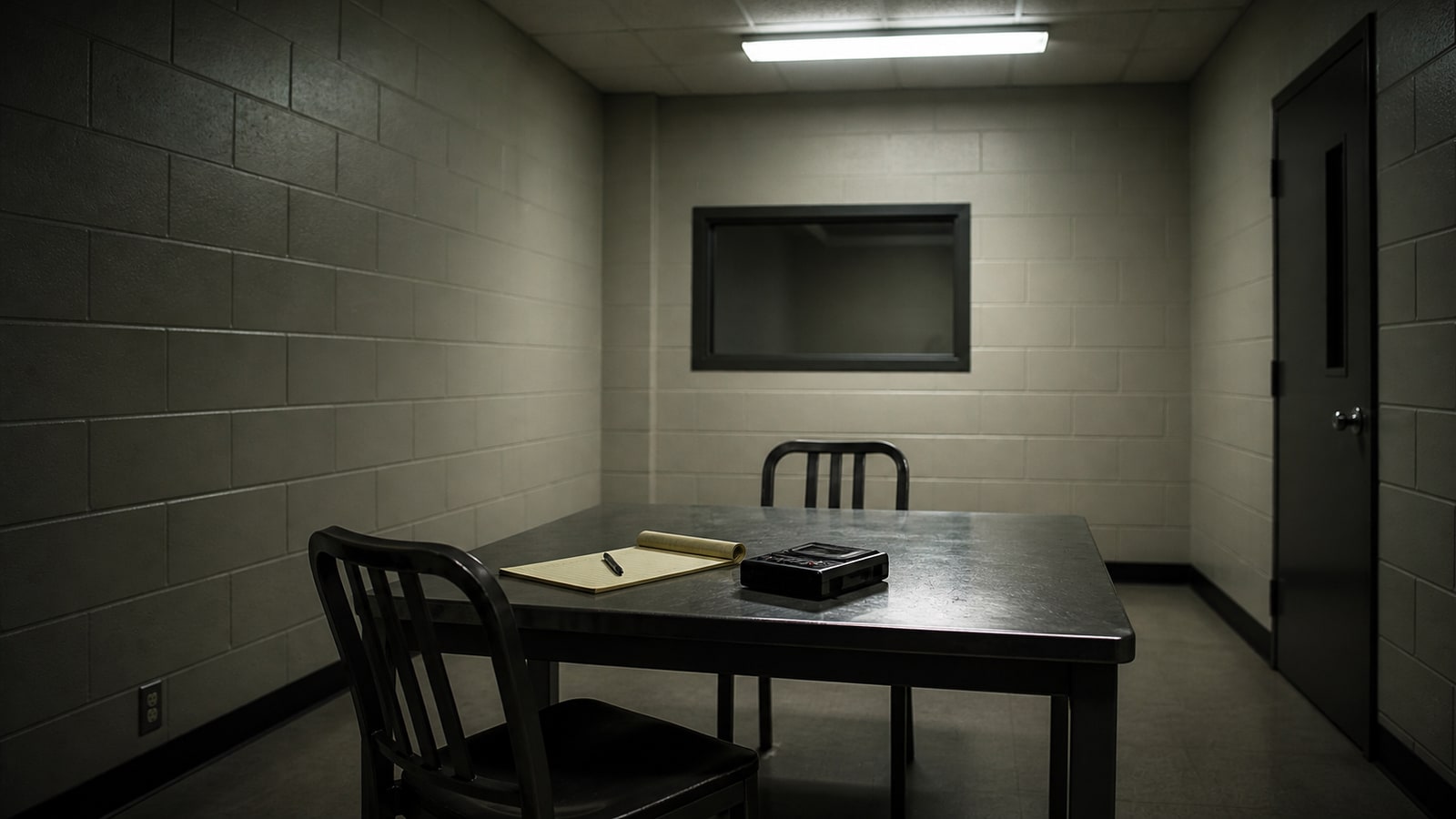
Suspicion hardened around them years later, not because physical evidence tied them to the shop, but because interrogations produced statements.
Scott and Springsteen confessed, then recanted. Their statements contradicted each other and shifted across details. Defense attorneys would argue that pressure, exhaustion, fear, and information leakage helped create a story the evidence could not support. One Austin Chronicle report from the period described videotape showing an officer holding a gun to Scott's head during questioning, a detail that came to symbolize the case's descent into coercive certainty.
The danger was not only that investigators were wrong. It was that they became convinced in a way that made wrongness look like momentum.
Pierce's charges were eventually dismissed. Grand juries declined to indict Welborn. But Springsteen and Scott were convicted. Springsteen was sentenced to death, later reduced to life after the U.S. Supreme Court barred executions for crimes committed by juveniles. Scott received life in prison.
For a time, the city had an answer. It was not the truth.
The Evidence Refused The Story
The case began to fracture under its own contradictions.
Springsteen's conviction was overturned in 2006, and Scott's was later overturned as well, because statements from one defendant had been used against the other without the chance for cross-examination. Prosecutors prepared for the possibility of retrying the case, but the physical evidence still had a voice left in it.
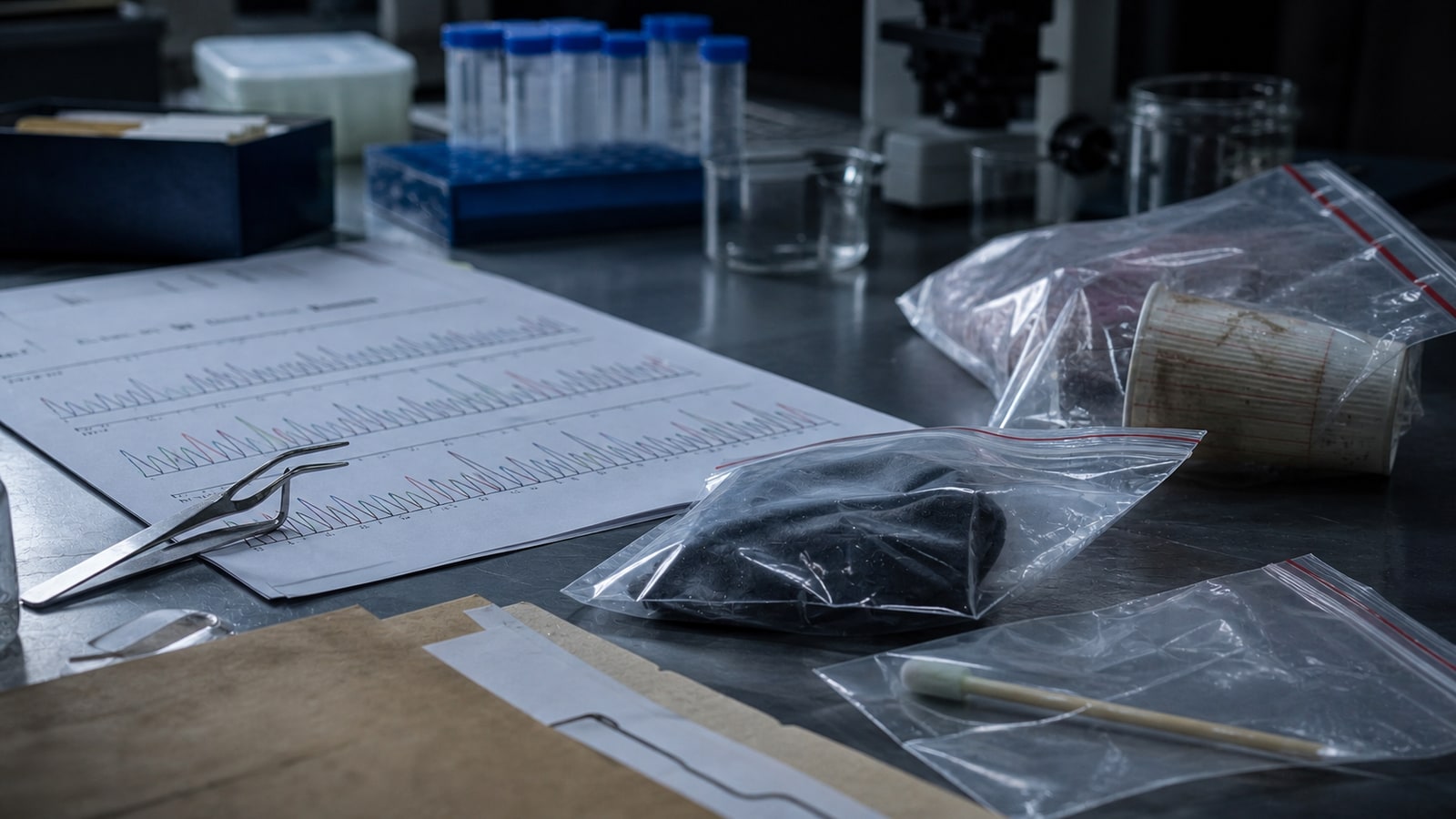
In 2009, DNA testing on male profiles from the crime scene excluded Scott, Springsteen, Pierce, and Welborn. The result did not solve the murders, but it did something just as devastating to the prosecution's theory. It showed that the story built in the interrogation room did not fit the biological record.
The charges against Scott and Springsteen were dismissed. They walked free after years in prison, but freedom is not the same thing as restoration. Their names remained attached to a horror they had always denied committing. Pierce died in 2010 after an encounter with an Austin police officer, still carrying the shadow of the case. Welborn, too, lived under suspicion that should never have belonged to him.
The families of the girls were left in a cruel position: the men once presented as answers were not the answer, and the real offender was still unnamed.
The case returned to silence.
The Man Who Had Already Vanished
The silence broke in 2025.
Austin cold case detective Daniel Jackson took another look at evidence that had survived the original fire, the water, and the decades. Investigators used newer DNA work, a Y-STR search, and renewed review of ballistic evidence to follow a trail out of Austin and into another violent history.
The name that surfaced was Robert Eugene Brashers.
Brashers was not a rumor created to fit an old fear. He was a convicted felon and a serial offender linked by authorities to killings and assaults across multiple states. According to Austin police, his known behavior pattern echoed the yogurt shop case in chilling ways: he carried multiple weapons, restrained victims, targeted young women, and sometimes used fire at crime scenes.
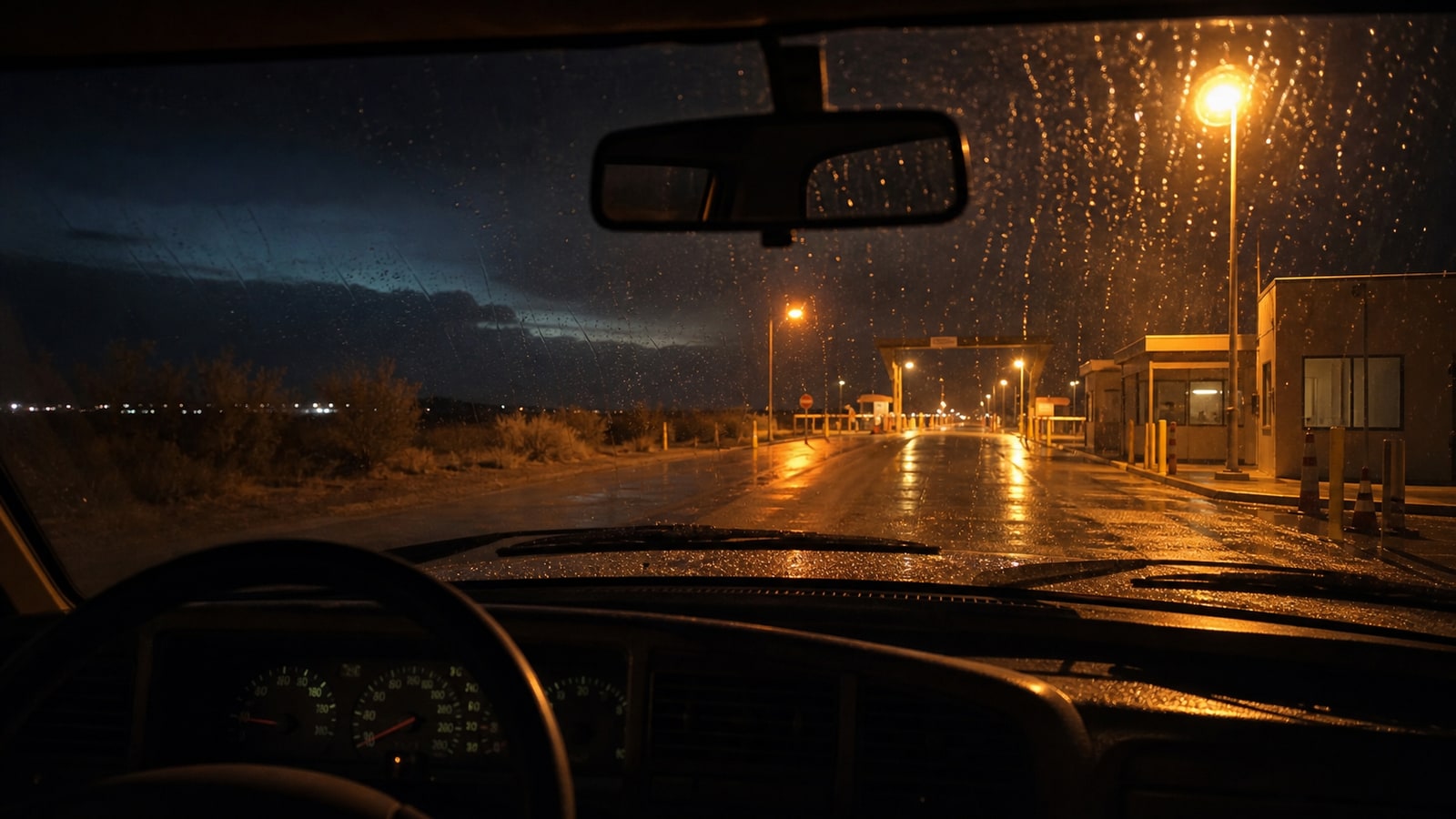
The timeline placed him close to the case in a way that felt almost obscene in hindsight. Less than 48 hours after the Austin murders, Brashers was stopped by Border Patrol at a checkpoint between El Paso, Texas, and Las Cruces, New Mexico. He was driving a stolen car from Georgia. Officers found him with a .380 AMT Backup pistol, the same make and model investigators connected to one of the weapons in the yogurt shop case.
No one connected him to Austin then.
Brashers died in January 1999 during a police standoff in Missouri. He would never sit in a Texas courtroom. He would never hear the names Jennifer, Sarah, Eliza, and Amy read into a record with him alive to answer for them.
But the evidence kept moving after him.
Austin police said a complete Y-STR match connected the unknown male profile from the yogurt shop case to a profile from a 1990 Greenville, South Carolina sexual assault and murder linked to Brashers. Additional testing produced an autosomal STR match from Amy Ayers' fingernail clippings. Investigators said Amy had fought hard enough in her final moments to preserve the truth beneath her nails.
It is difficult to write that sentence without feeling the whole case turn on it.
The youngest girl in the shop had carried the answer forward for 34 years.
Innocence In A Courtroom
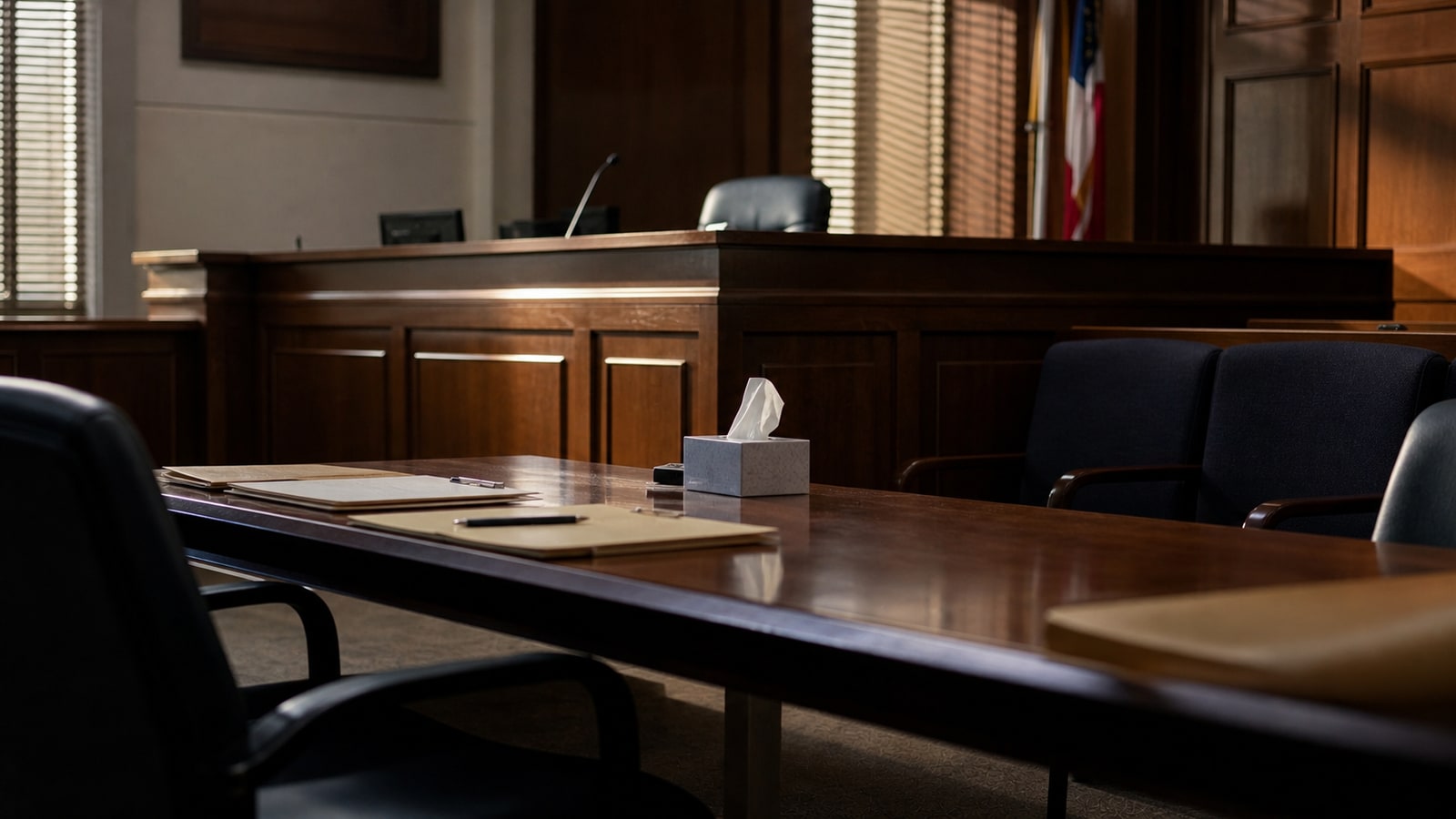
On February 19, 2026, a Travis County judge formally declared Maurice Pierce, Robert Springsteen, Michael Scott, and Forrest Welborn innocent.
The ruling did not give them back the years. It did not return Pierce to the courtroom. It did not undo the public suspicion, the prison time, the broken families, or the experience of being treated as monsters by a system that had mistaken pressure for proof.
But it placed the truth where the law could finally see it.
At the hearing, prosecutors acknowledged what the evidence had made impossible to deny. As Assistant District Attorney Trudy Strassburger put it, the science and the confessions could not both be true. The state now accepted that Brashers, not the four accused men, was responsible.
In May 2026, the City of Austin agreed to a tentative $35 million settlement for Springsteen, Scott, Welborn, and Pierce's family. The agreement still required city approval, but it also came with a promise of reform, including restrictions on unsupervised interrogations of underage suspects.
That part matters. The yogurt shop case is not only a story about one predator. It is also a story about what happens when institutions under unbearable public pressure begin to confuse closure with truth.
A false answer does not heal a city. It creates new victims.
The Plaque Beneath The Tree
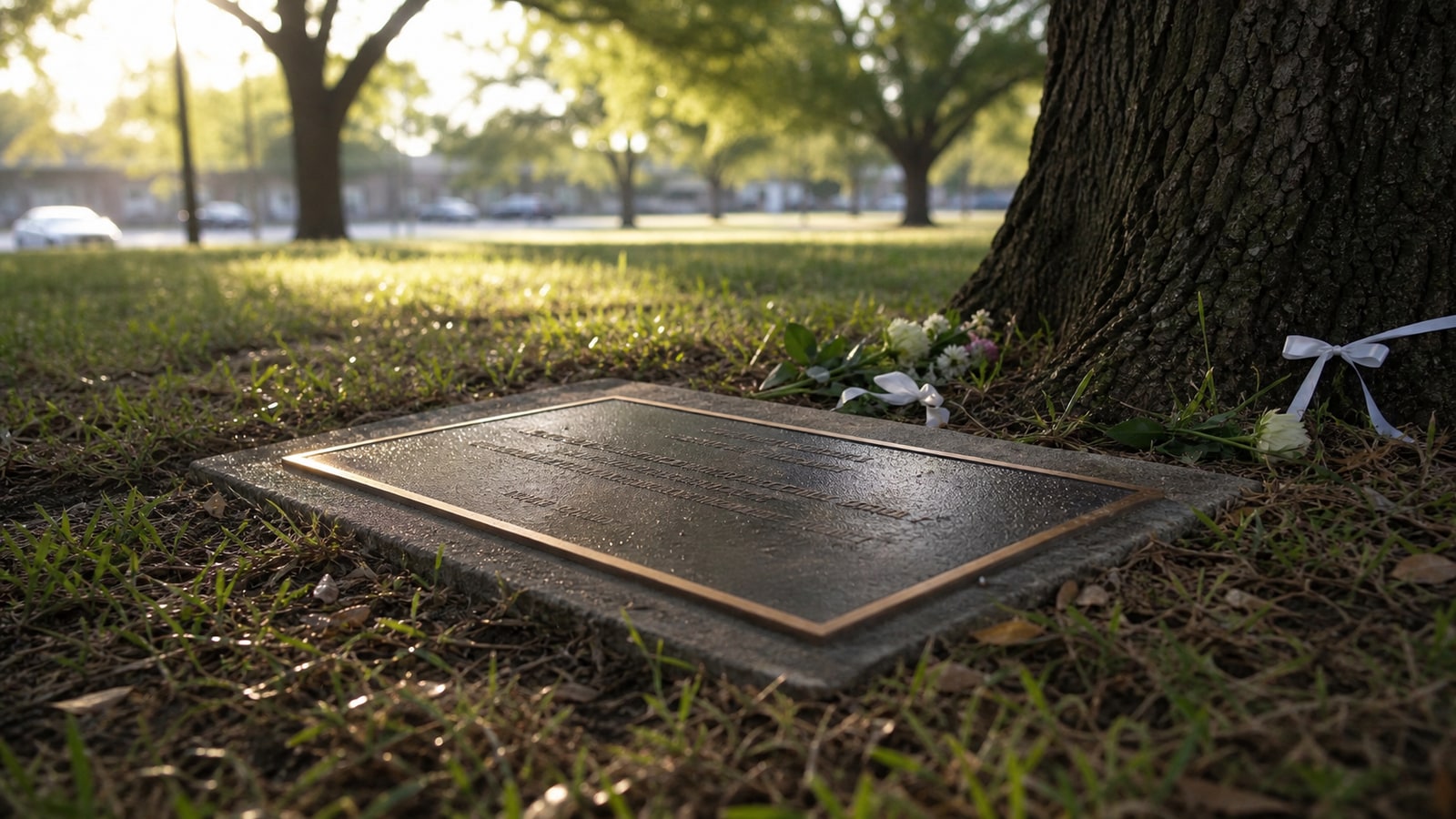
The old yogurt shop is gone now. The storefront has changed. A nail salon occupies the place where customers once walked in for something sweet and ordinary. Outside, a memorial plaque still marks the ground for Jennifer Harbison, Sarah Harbison, Eliza Thomas, and Amy Ayers.
That is where the story finally settles.
Not in the lab. Not in the courtroom. Not even in the headlines announcing that the case had been broken. It settles outside a remodeled storefront, where the present keeps moving around a small marker that refuses to let the past disappear.
For 34 years, Austin carried a question. The families carried something heavier.
The answer came late. Too late for a trial. Too late for the girls. Too late for Maurice Pierce. Too late to give Scott, Springsteen, and Welborn back the years when their names were chained to a crime they did not commit.
But not too late to name the wound correctly.
The midnight fire did not take only four lives. It exposed how fragile truth can become when fear, pressure, violence, and certainty gather in the same room. And beneath the oak shade on West Anderson Lane, the names still do what the case could not do for so long.
They remain.
Sources & Case Notes
Last updated: May 17, 2026.
Primary sources and case notes: This article was built from the Austin Police Department breakthrough release, APD's public case briefing, KUT coverage of the February 19, 2026 exoneration hearing, KUT coverage of the May 12, 2026 tentative settlement, Associated Press reporting on the settlement, CBS News/48 Hours coverage, Axios Austin reporting, and KUT's 2016 anniversary coverage of the case and memorial.
Correction policy: If you have source corrections, family-approved context, or image-rights concerns, contact Anonymous369 Media through Contact & Media Inquiries.
Image credits: Feature and section images are documentary-style recreations created for Anonymous369 Media. They are not archival photographs and do not depict actual victims, suspects, crime-scene evidence, or official police records.
Content warning: This article discusses the murder of four minors, sexual assault in non-graphic terms, gun violence, arson, wrongful conviction, and suicide.